

Watching the Fourth Estate: Media coverage of the 2025 elections in Tanzania
EXECUTIVE SUMMARY YEARBOOK 2025
This research assessed the media coverage of the 2025 General Elections using a sample of 2,017 media units (stories, articles, news bulletins, and programmes) drawn from 46 media outlets, including broadcast media (1,107), newspapers (461), and online media (449) on both the Tanzania Mainland and Zanzibar. The study also analysed online citizens’ comments, drawing on 17,202 comments from 200 online media posts. The study employed quantitative content analysis with specific journalistic quality indicators, piloted in 2019 during the Local Government Elections and used for the first time in the 2020 General Elections.
Main Findings
The following are key findings from this study.
Limited coverage of the feasibility of presidential candidates’ promises: The media under review rarely discussed such feasibility during the polls, with only 14% of the coverage concerning the Union presidential election addressing the viability of the candidates’ promises. Given the media’s essential role during elections, this lack of scrutiny of such a vital consideration for the electorate is significant, as it shortchanges the voters. Ideally, the media should critically evaluate candidates’ promises to help voters make informed electoral decisions.
Lack of representation of citizens’ voices: The electoral coverage demonstrated significant shortcomings in representing citizens’ voices, which were often marginalised. Media coverage favoured candidates’ voices, leading to a disparity in voter representation. Only 11% of media outlets included citizens as sources, with government-run media offering even lower representation at 12.1% compared to 87.9% in private media. Across media categories, broadcast media showed a higher prevalence in integrating citizens’ voices (70.85%) in their electoral coverage than online and print counterparts, which recorded 17.5% and 11.7%, respectively. CG FM emerged as the leader in incorporating citizens’ voices, followed by ITV, Star TV, and Pemba Today.
The inclusion of female voices remains a challenge: The overall performance regarding the use of female sources in the media has slightly improved compared to the 2020 general elections. In 2020, female sources made up 20% of the assessed media content, while in the 2025 election, this figure rose to 38%. However, 61.8% of media units still do not feature any female voices. Overall, the media and journalists behave similarly when handling female sources, with differences between print, broadcast and online media almost non-existent.
Higher attention on the incumbent: The incumbent president and CCM flag bearer, Samia Suluhu Hassan, received the most media attention among all Union presidential candidates, accounting for 56.2% of the coverage, while remaining 16 presidential candidates collectively shared 43.l7% of the coverage. From a gender perspective, aside from Samia Suluhu Hassan, the other female presidential candidates, Saum Hussein Rashid (UDP) and Mwajuma Noty Mirambo (UMD), received far less attention, accounting for only a marginal 4% of electoral coverage.
Balanced coverage in Zanzibar: On the other hand, Zanzibar witnessed a dynamic, viable competition between two major parties and their respective candidates. The media coverage for the CCM presidential candidate, Dr. Hussein Ali Mwinyi, and the ACT-Wazalendo candidate, Othman Masoud Othman, was largely balanced. Othman received 39.2% of the coverage, whereas Mwinyi—the incumbent Isles president—received slightly less at 38.8%. Other candidates collectively accounted for 23.5% of the media coverage. In terms of distribution, Mwinyi garnered more coverage from print media, receiving 40.6% than Othman Masoud Othman’s 28.1%. Conversely, Othman Masoud Othman received 32.7% of the coverage from online media, whereas Mwinyi received only 22.64%.
Ruling party received more coverage: A similar pattern, in which media paid significant attention to the ruling political party CCM, also emerged in other elections, such as the Union parliamentary (Bunge), the Zanzibar House of Representatives (ZHoRs), and Local Government (councillorship). For the Bunge elections, CCM’s coverage stood at 56.0%, ZHoR at 70.4%, and councillorship at 71%. As in previous elections, government media covered more of CCM’s presidential candidates than those of the opposition. The highest contributors for Samia’s coverage were Habari Leo and TBC Taifa, each accounting for 5.8% of all mentions, followed closely by Fullshangwe Blog (5.5%), Green Waves Media (4.7%), Global TV Online (4.2%), and Daily News (4.0%). In the Zanzibar presidential election, Zanzibar Leo and ZBC Radio top the list for covering Mwinyi’s campaign with 9.4 and 7.6 per cent, respectively.
Party manifestos significantly covered: References to respective party manifestos appeared in a considerable number of stories covering the candidates. Across the five presidential candidates, media coverage largely referenced their respective party manifestos. Coverage of Samia included references to the manifesto in 67.9% of the units of analysis. In contrast, Salum Mwalimu, Gombo, Kunje, and Doyo received slightly higher proportions on this parameter, ranging from 71.0% to 79.3%, with Kunje at 79.3%, the highest proportion among opposition candidates.
Personalities over policies: Regarding electoral coverage of policy vs personalities, the results show that candidates’ personalities played a minor role in the 2025 General Elections. The media largely focused on candidates’ policies, a hallmark of good electoral reporting, as it enables voters to understand them and thus vote wisely.
Factors Affecting quality of electoral reporting
There are three reasons that explain the quality of reporting above.
First, the media environment leading up to the elections and during the campaign periods limited media freedom in the country. The suspension of media outlets’ operations fostered self-censorship among journalists and editors.
The second reason centres on the media economic environment. The country’s media are generally struggling financially, with many in survival mode, particularly due to a significant drop in advertising revenue, unpaid debts, and disruptions to once-functional business models. As a result, many media outlets lacked adequate funding to cover the elections effectively. With many media outlets struggling to stay afloat and operational, it became increasingly challenging to provide independent electoral coverage without the ambiguous support of political parties or candidates.
The third challenge concerns professionalism and the shortage of experienced journalists with a proven track record in election reportage. Newsrooms lack reporters with extensive experience covering elections. This lack of veteran journalists for electoral coverage, coupled with a lack of essential competencies in such specialized reportage, complicates the media’s ability to report and analyse critical issues and bring them to the audience’s attention.
Recommendations
This study recommends the following:
Feasibility of candidates’ promises: Organise journalism training to address the election reporting gaps the research has identified, particularly the need to evaluate the feasibility of candidates’ promises. This task has proven to present a significant challenge for journalists. Media organisations and other stakeholders should collaborate with fact-checkers to independently verify candidates’ claims and promises. This partnership can promote a more thorough approach to reporting.
Improving representation of citizens’ voices: Media houses, particularly local and community radios, in partnership with like-minded organisations, should launch community reporting initiatives and special programmes that encourage citizen journalism, allowing community members to report on local issues and participate in the electoral process. Such an atmosphere can help diversify voices in media coverage. Moreover, they should organise forums where citizens can engage directly with candidates and express their concerns, ensuring that these discussions are covered in the media.
Promotion of underrepresented candidates: Media outlets can create dedicated segments highlighting lesser-known candidates, most of whom are youth and women, allowing them to present their platforms and engage meaningfully with voters. They should also strive to ensure equitable representation, especially for youth, women, and minority candidates.
Financial viability of media outlets: With media houses struggling to operate, they should continue exploring alternative revenue streams to diversify their revenue. In this endeavour, partnership among media outlets, between media and like-minded organisations is crucial. The Government and development partners should therefore consider providing grants to local radio stations to promote independent journalism during elections.
Strengthening media freedom: Media and journalists should collaborate with civil society organisations to advocate for policies and a regulatory framework that protects press freedom. This measure could include pushing for laws that prevent censorship and promote transparency in media operations.
Oversight of publicly supported media: To further enhance the performance of publicly supported media, media regulators should also oversee these outlets just as they do with others. This oversight is essential in ensuring that public service media outlets fulfil their legal obligations and professional responsibilities during elections by providing fair and equitable coverage of all contesting candidates and political parties.
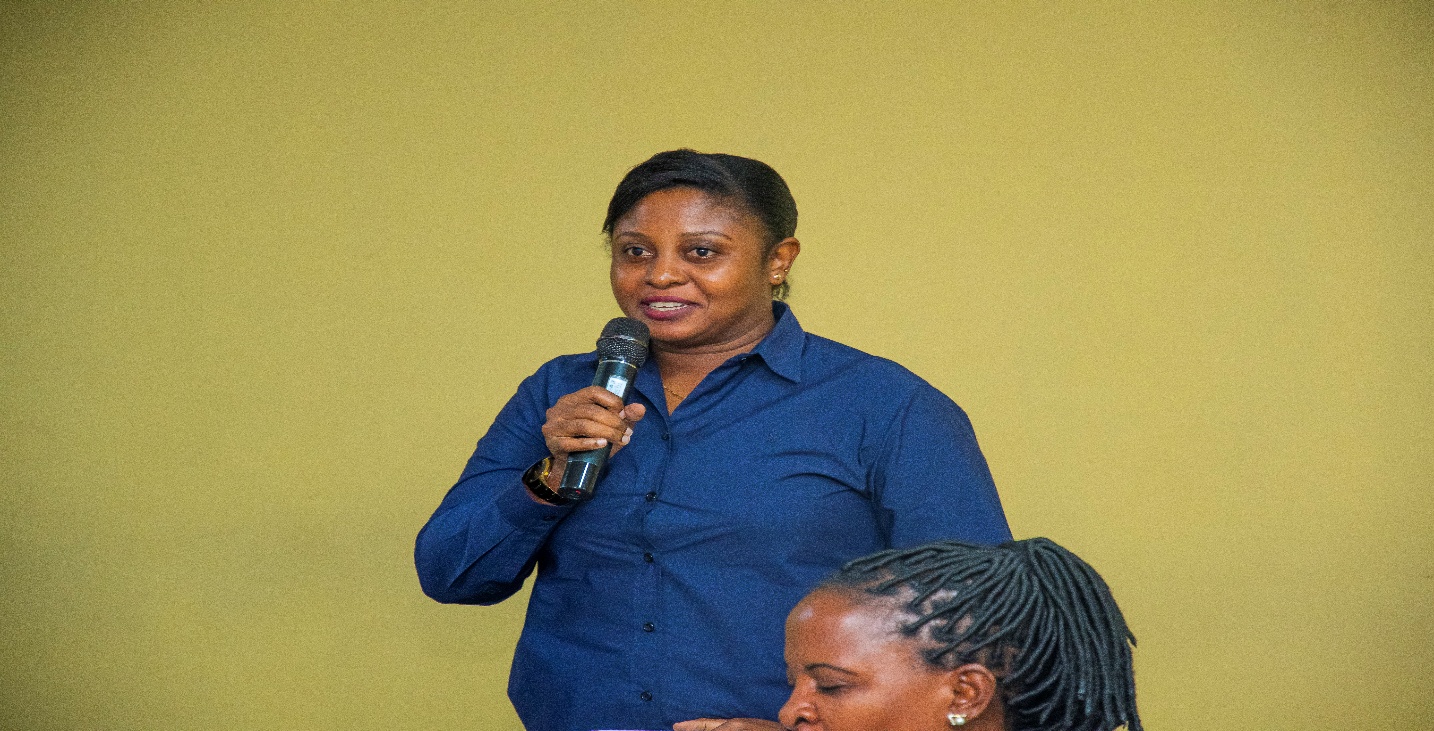
A lecturer from the Open University of Tanzania (OUT), Dr Dachi Kahenga, makes a point during the dissemination session in Dar es Salaam.
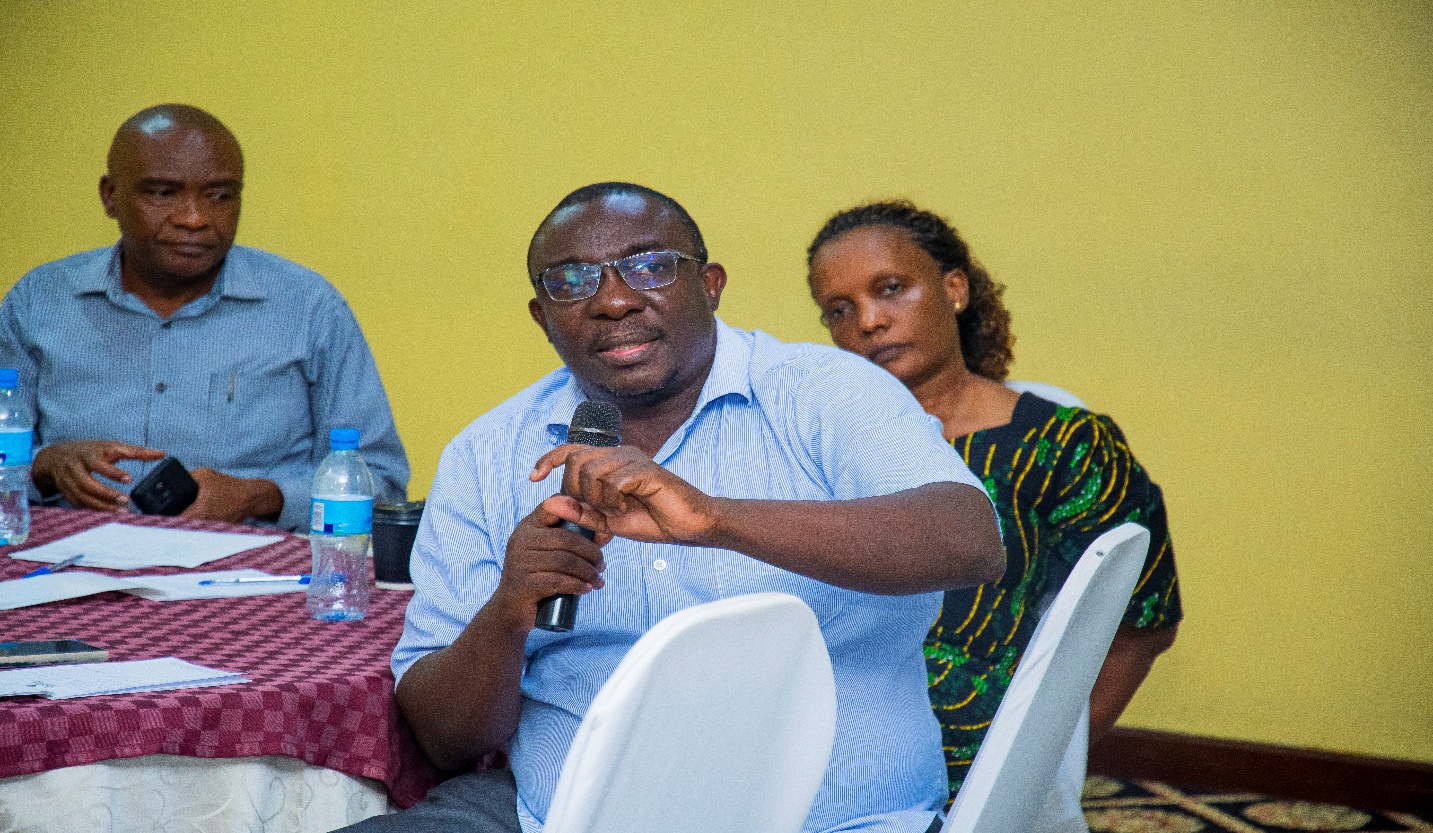
An editor from Pambazuko newspaper, Peter Nyanje, contributes during the dissemination session in Dar es Salaam.
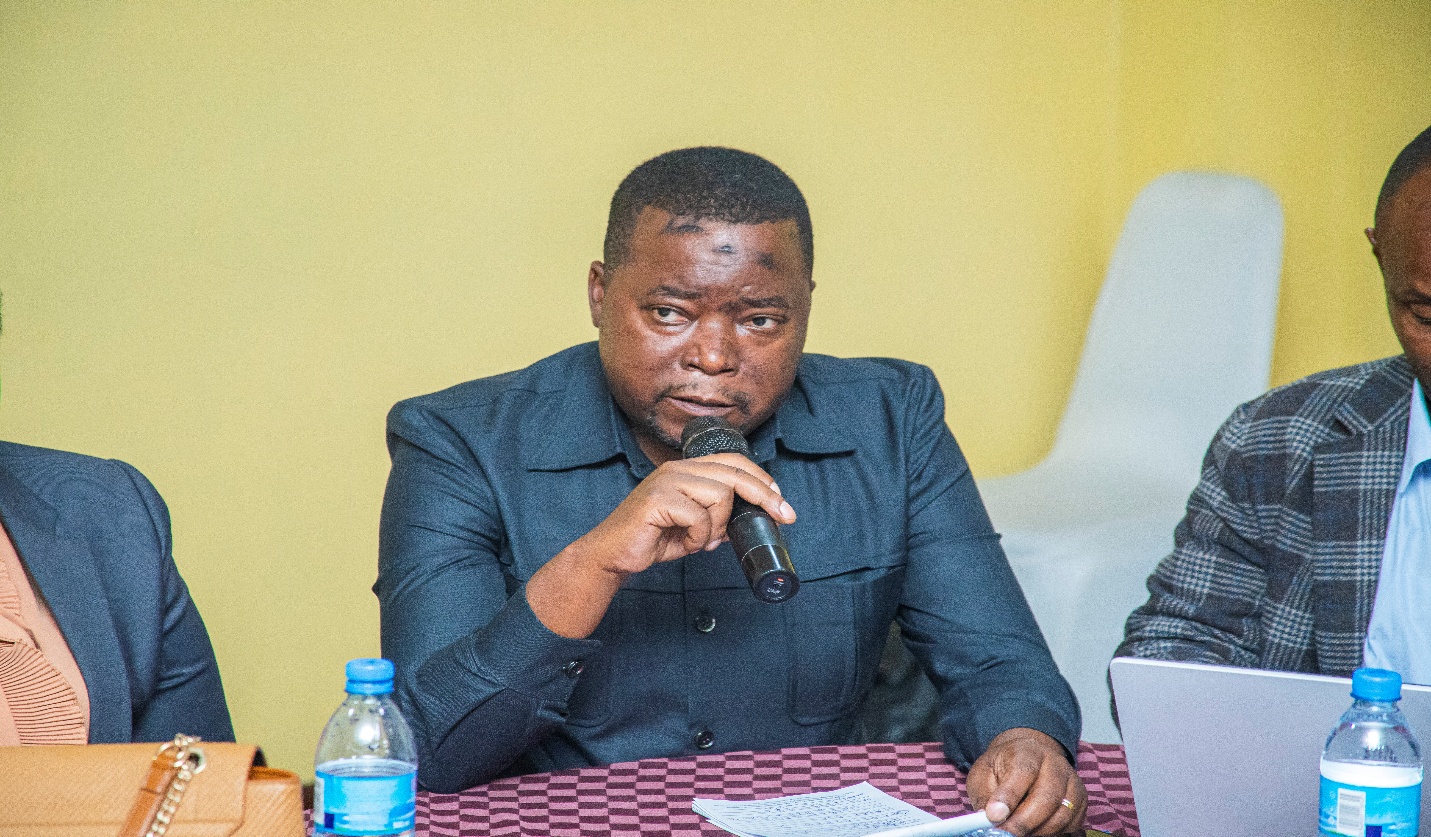
The Acting Director of the Journalists Accreditation Board (JAB) contributes during the dissemination session for regulators in Dar es Salaam.
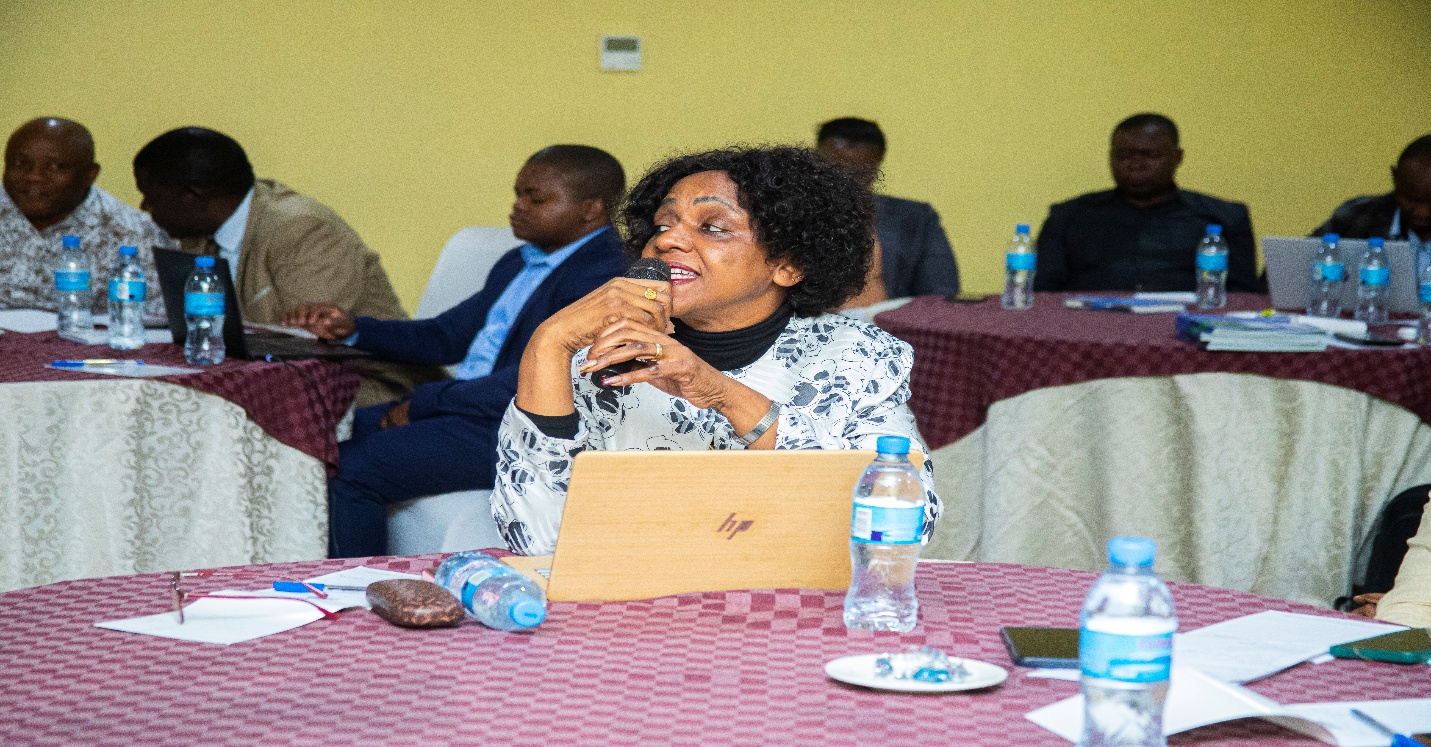
A representative from Idara ya Habari (Maelezo) from the Mainland, Ingiahedi Mduma, contributes during the dissemination session for regulators in Dar es Salaam.
Year Book Media Quality Reports
2025: Watching the Fourth Estate: Media coverage of the 2025 elections in Tanzania - English
2025: Watching the Fourth Estate: Media coverage of the 2025 elections in Tanzania - Swahili
2022: THE-STATE-OF-JOURNALISM-REPORTING-IN-TZ - English
2022: UBORA-WA-URIPOTI-TANZANIA - Kiswahili
2021: MEDIA COVERAGE OF 2020 GEs - English
2021: VYOMBO VYA HABARI NA UCHAGUZI MKUU 2020 - Kiswahili
2019: English
2019: Kiswahili
2018: Report
2017: Report