






UDSM and Miners Forge Stronger Partnership to Unlock Nzega’s Mining Potential Sustainably
By Tereza Peter, CMU
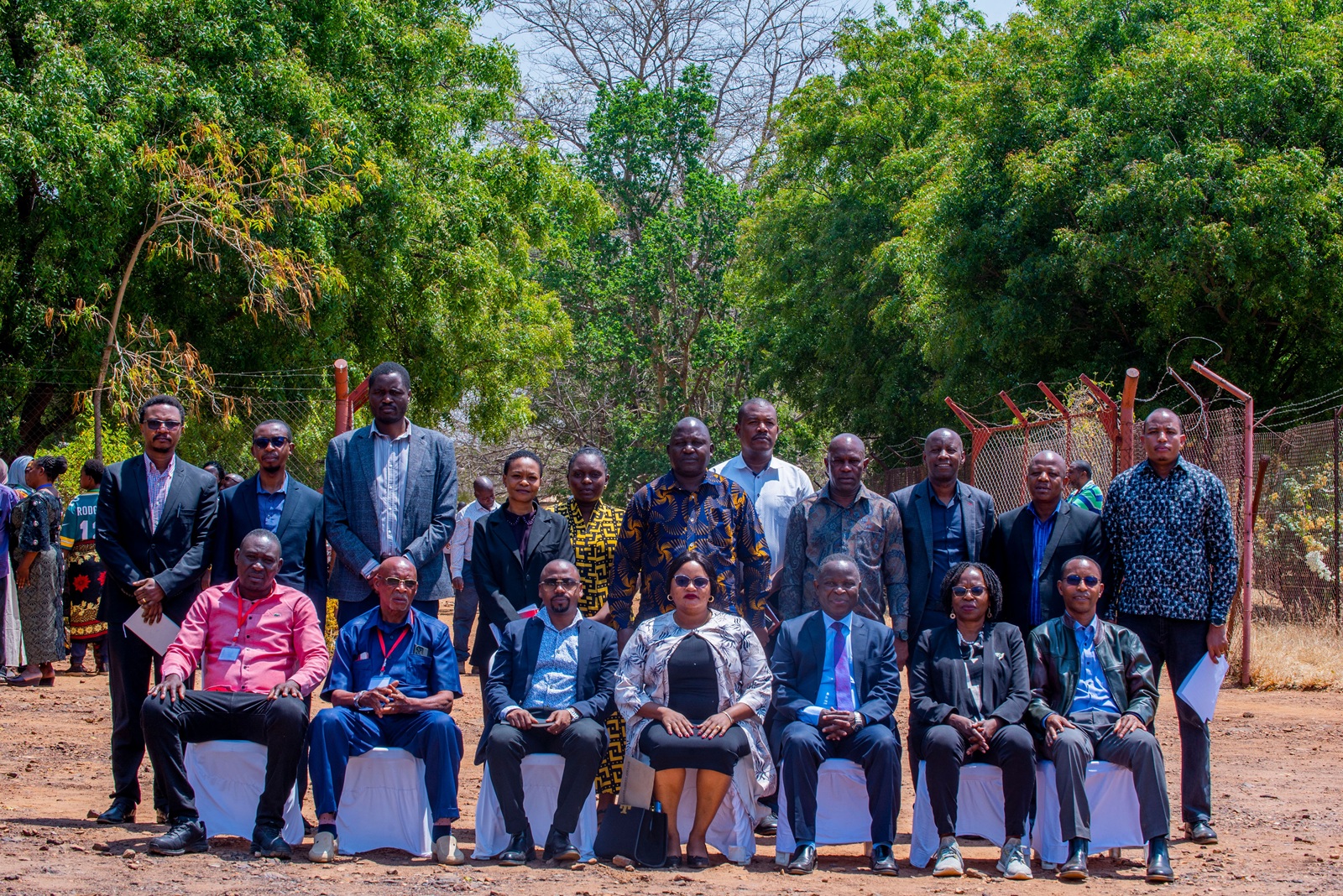
The University of Dar es Salaam (UDSM) is stepping up efforts to deepen collaboration with small-scale miners and Government authorities at its Mineral Resources Institute (MRI)–Nzega Campus in Tabora, seeking to turn growing mining activity into a more productive, secure and sustainable opportunity for the University and surrounding communities.
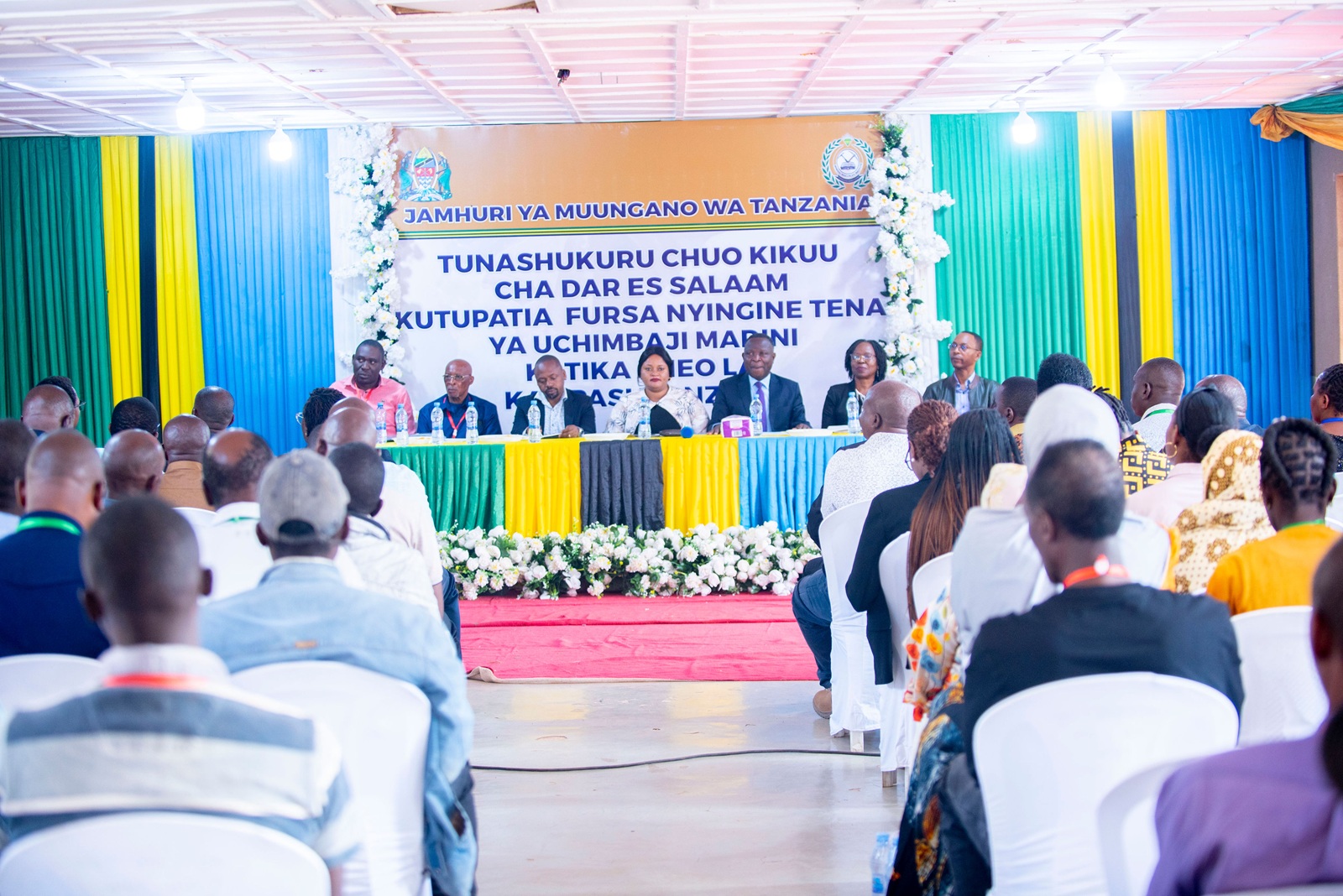
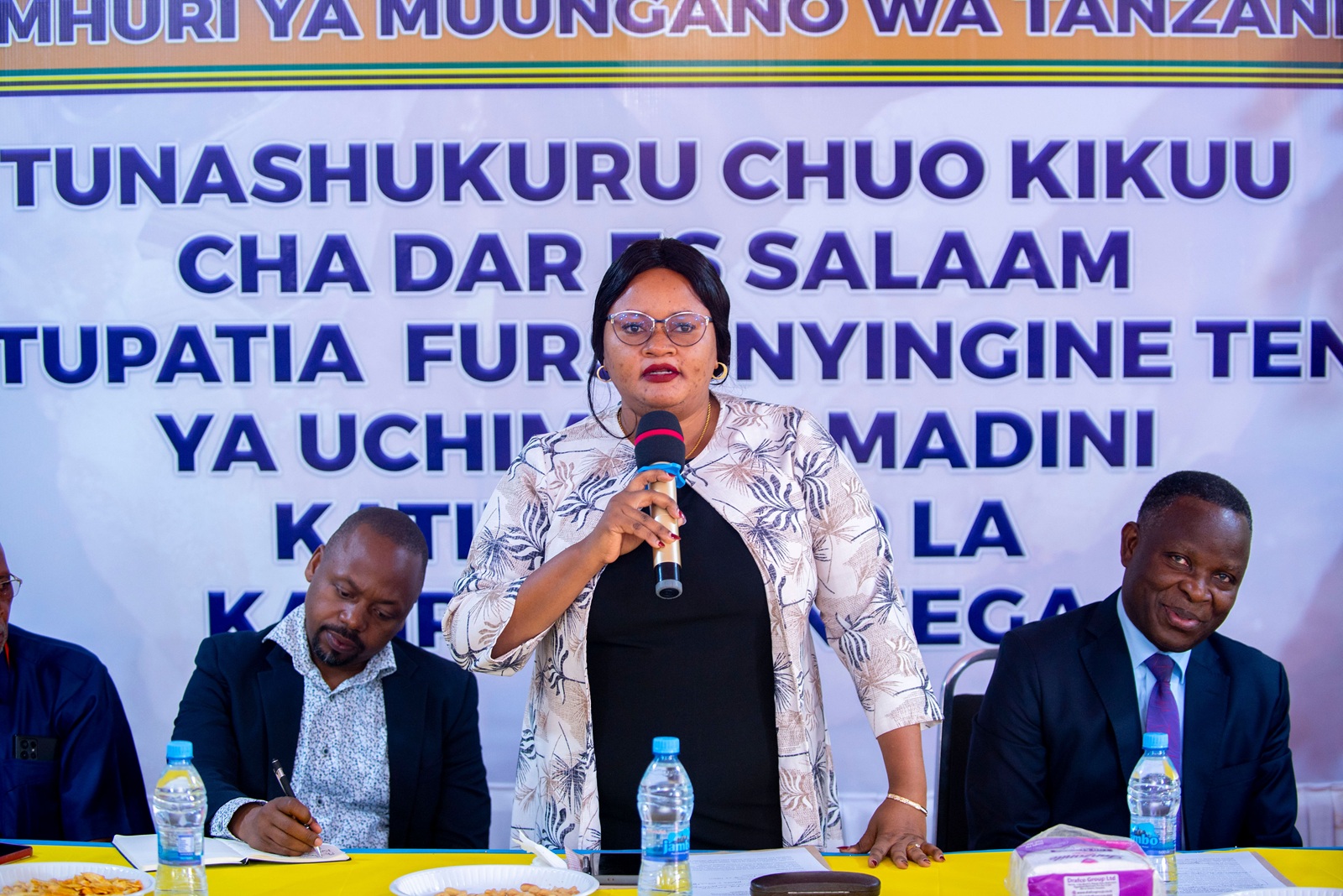
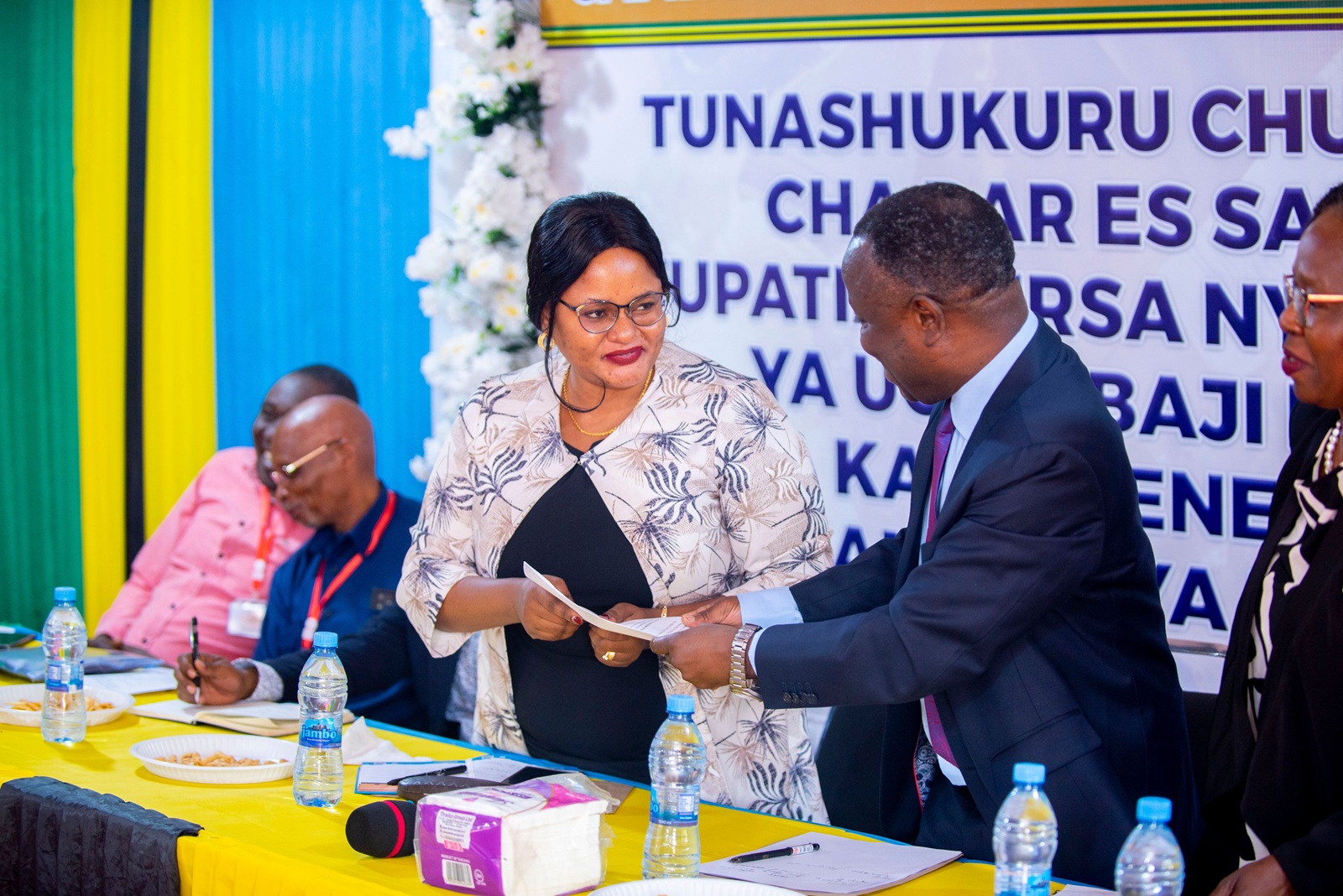
The renewed engagement brought together UDSM, small-scale miners and local government representatives to address issues ranging from mining licences and security to revenue generation, environmental protection, safety and the interests of communities around the University’s mining site.
The discussions, held in Nzega recently, also provided a platform for UDSM to outline plans to expand infrastructure and services at the MRI-Nzega campus.
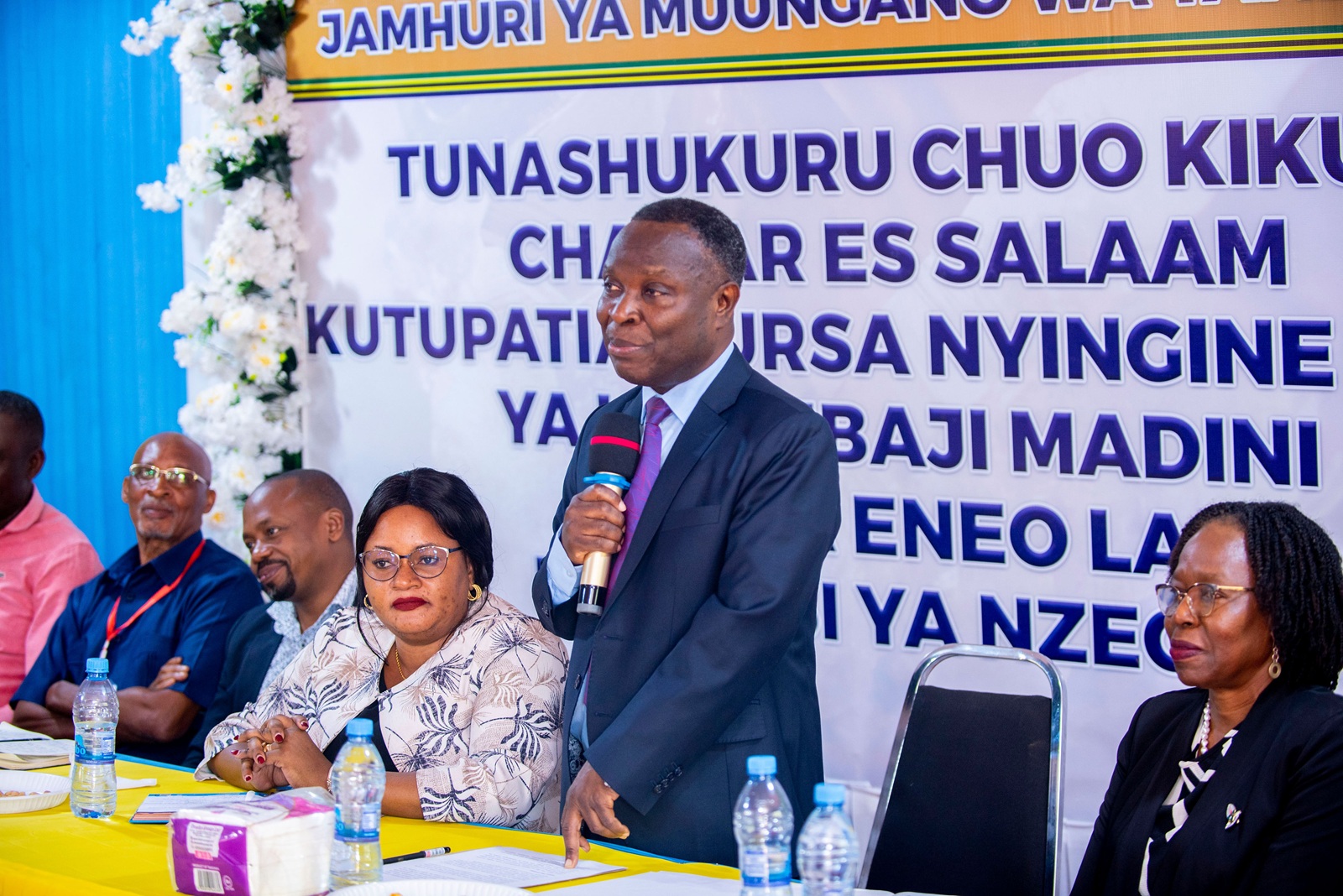
Speaking during the engagement, UDSM Vice Chancellor Prof. William A. L. Anangisye said the University was not seeking to stop legitimate mining activities, but rather to create a clear framework through which mining can be conducted lawfully while generating value for all stakeholders.
“The University’s intention is not to prevent legitimate mining activities. Our goal is to establish a framework that ensures revenue for the University, protection and security, and legality of mining activities,” Prof. Anangisye said.
He called for closer cooperation among UDSM, Government authorities, miners and surrounding communities, noting that a shared approach would be critical to ensuring that the area’s mineral potential is harnessed responsibly and contributes to sustainable development.
57 Mining Licences
The scale of activity at the site has grown significantly in recent years. Mining licences have increased from 14 in 2019 to 57 currently, comprising 26 held by community groups, 17 by individuals, eight by UDSM and six by Tanzanian companies.
The growth signals increasing economic potential, but also brings greater demands for effective coordination, regulatory compliance, safety and responsible management of mineral resources.
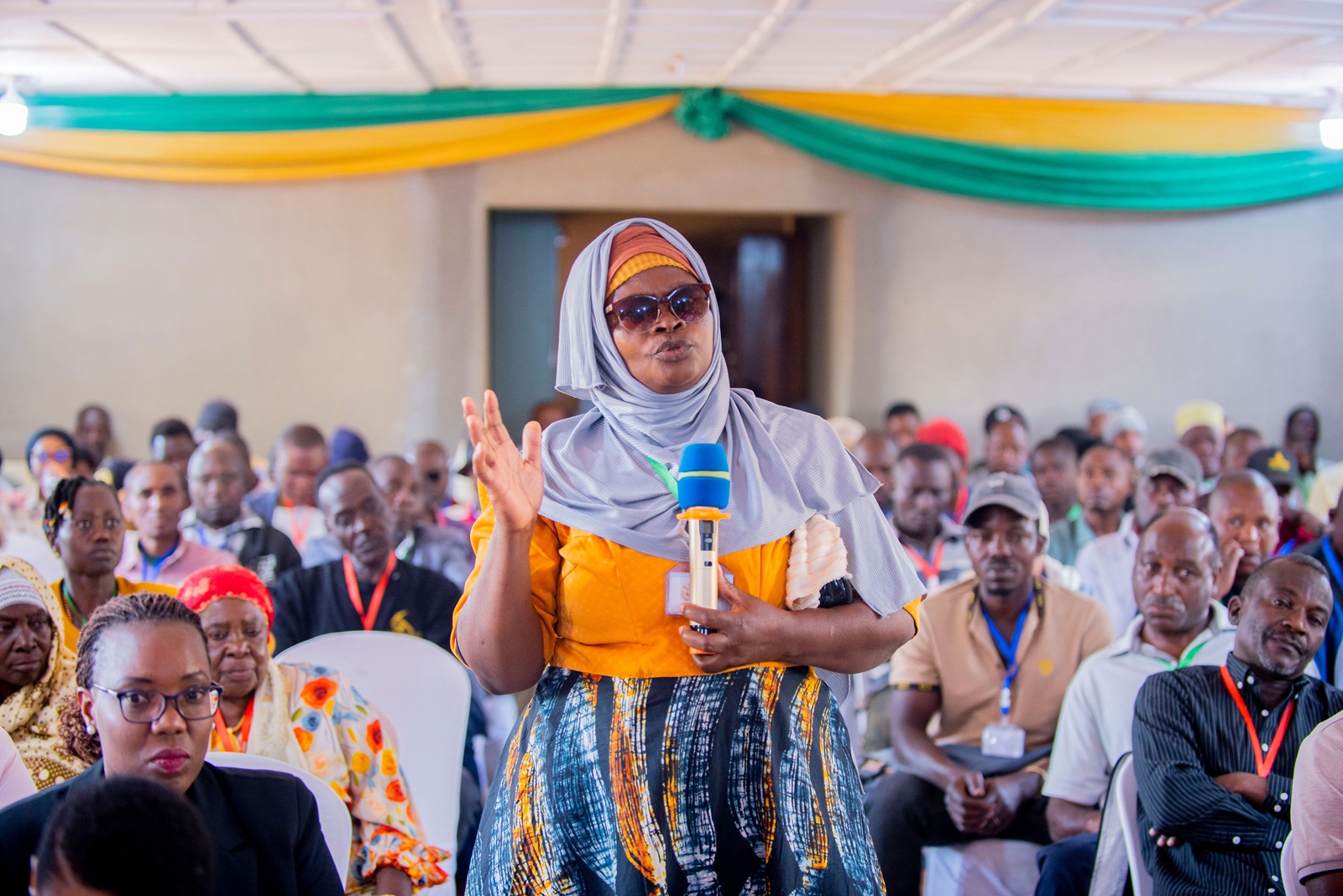
For miners operating in the area, the engagement provided an opportunity to raise practical concerns affecting their activities, including licensing arrangements, access to and use of mining equipment, security and safety, and the need for an enabling environment in which legally operating miners can work productively.
A key issue requiring careful scientific consideration is the management of water accumulated in an existing pit pond at the site. UDSM Deputy Vice Chancellor–Research, Prof. Nelson Boniface, said the University would not rush the process, stressing that scientific evidence must guide any decision.
“The process of removing water from the pit pond will take time because academic and scientific expertise must be applied to analyse the water and determine its potential effects on human beings and the environment,” Prof. Boniface said.
He explained that laboratory analysis would first establish the water’s composition and identify any potential environmental or public health risks before decisions are made on how it should be removed or managed.
UDSM as partner in improving productivity and advancing the mining sector
Nzega District Administrative Secretary (DAS), Ms. Winfrida Funto, urged small-scale miners to view UDSM as a partner in improving productivity and advancing the mining sector rather than simply as an institution overseeing the site.
“I urge small-scale miners to demonstrate greater cooperation with the University of Dar es Salaam so that together we can strengthen productivity and contribute to the overall development of the mining sector,” Ms. Funto said.
She said sustained dialogue among miners, UDSM and Government authorities would help address challenges in the sector while creating conditions for responsible mining, local economic activity and community development.
Beyond immediate mining concerns, UDSM is preparing to transform the Nzega site into a stronger hub for mining education, research, innovation and technical services.
Planned investments include an Emulsion Plant, a specialised warehouse for the safe storage of explosives and a modern mineral-testing laboratory to expand the University’s scientific capacity and provide professional testing services to the mining industry.
UDSM Deputy Vice Chancellor–Planning, Finance and Administration, Prof. Bernadetta Killian, said the planned developments would require continued engagement with mining stakeholders to ensure that the University’s investment responds to the realities and opportunities emerging at the site.
She emphasized that sustained collaboration would be essential to addressing challenges associated with increased mining activity while ensuring that the sector contributes meaningfully to local economic development and protects the interests of all stakeholders.
The Nzega engagement marks more than a discussion about mining licences and site management. It signals a broader effort to build a partnership in which UDSM’s academic and scientific expertise, Government oversight and miners’ practical experience can work together to unlock mineral opportunities while promoting legality, safety, environmental responsibility and lasting benefits for surrounding communities.