For many young graduates, completing university is supposed to open the door to a promising career. Yet, as competition for formal employment intensifies, a degree or certificate alone may no longer guarantee a livelihood.


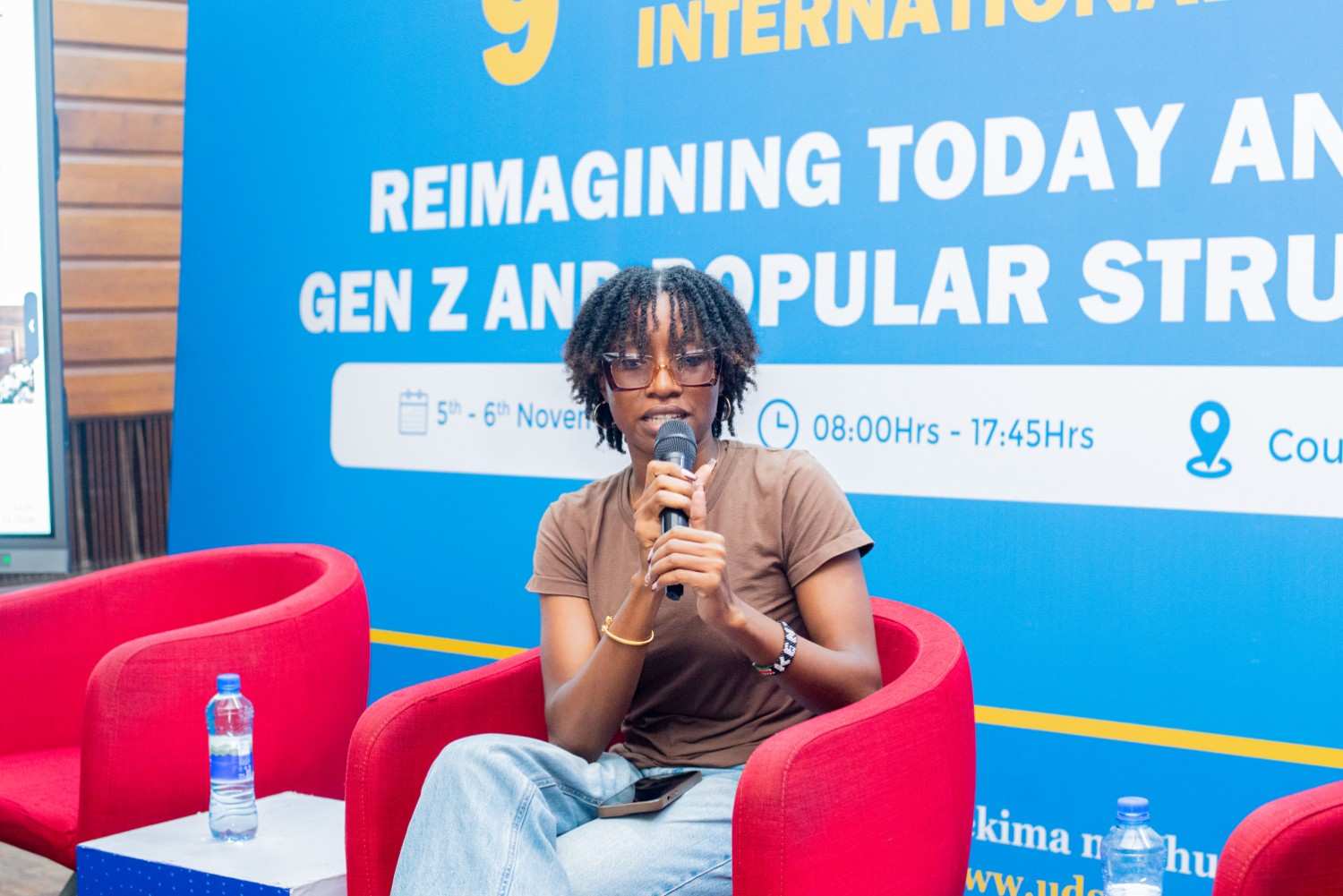
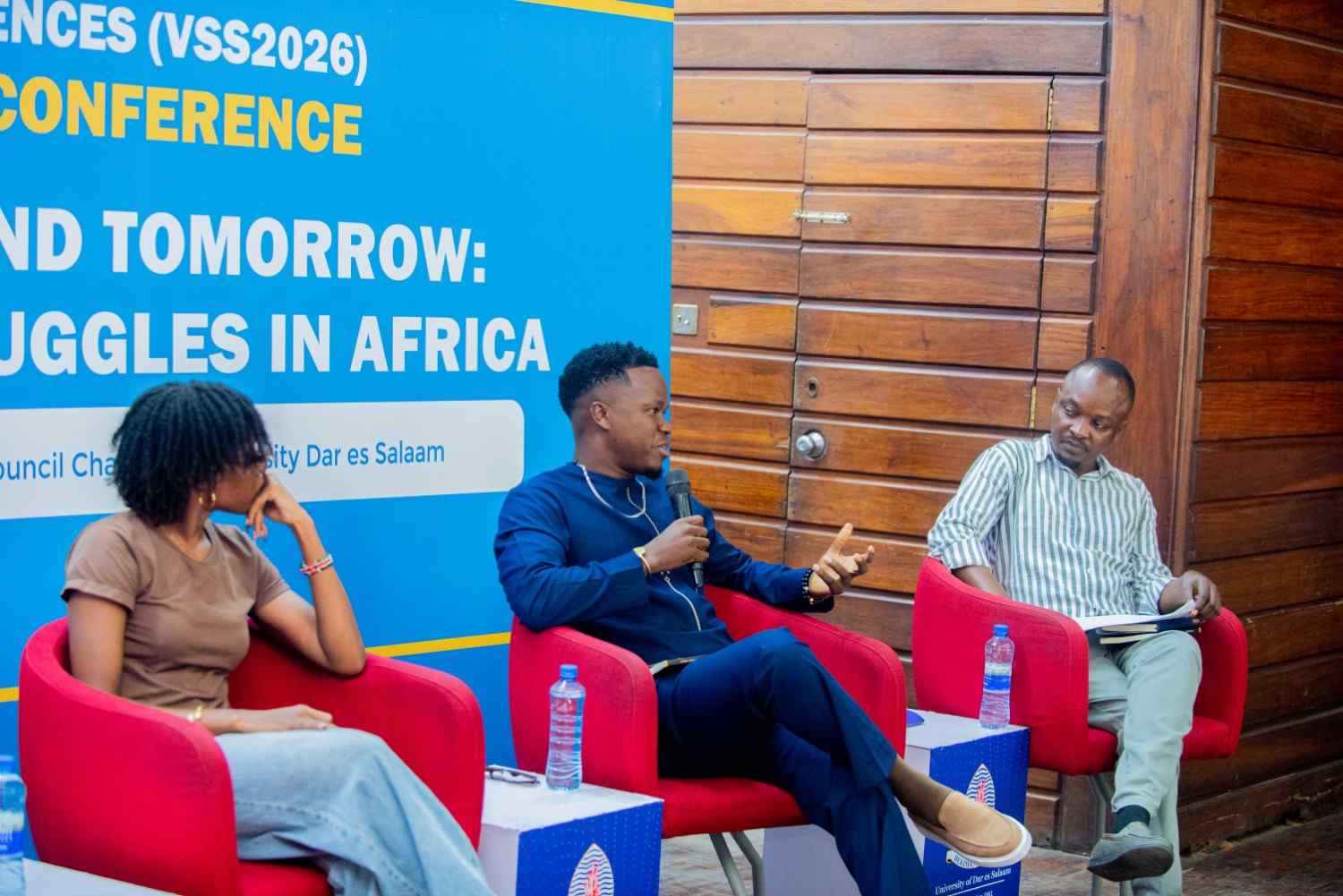
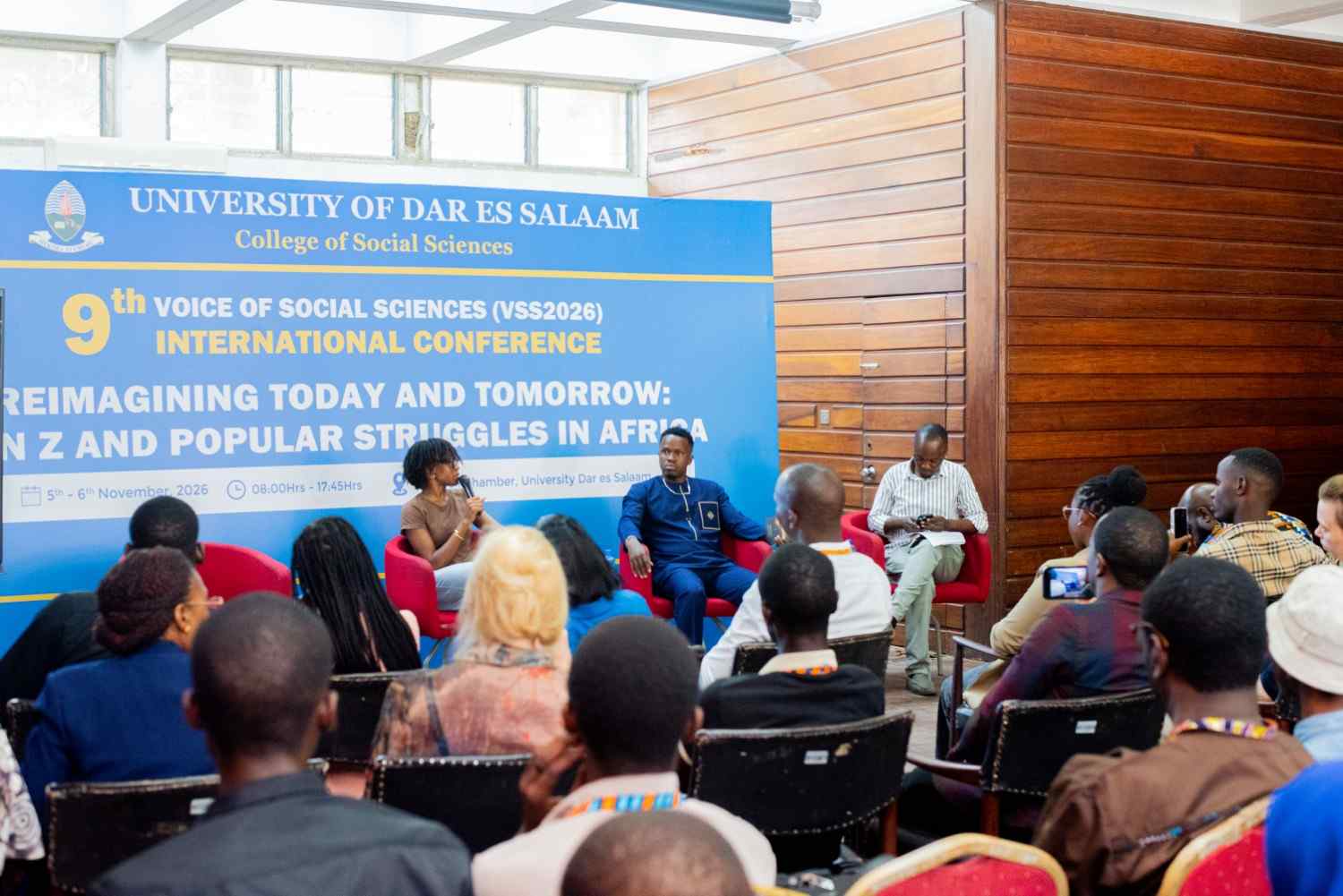
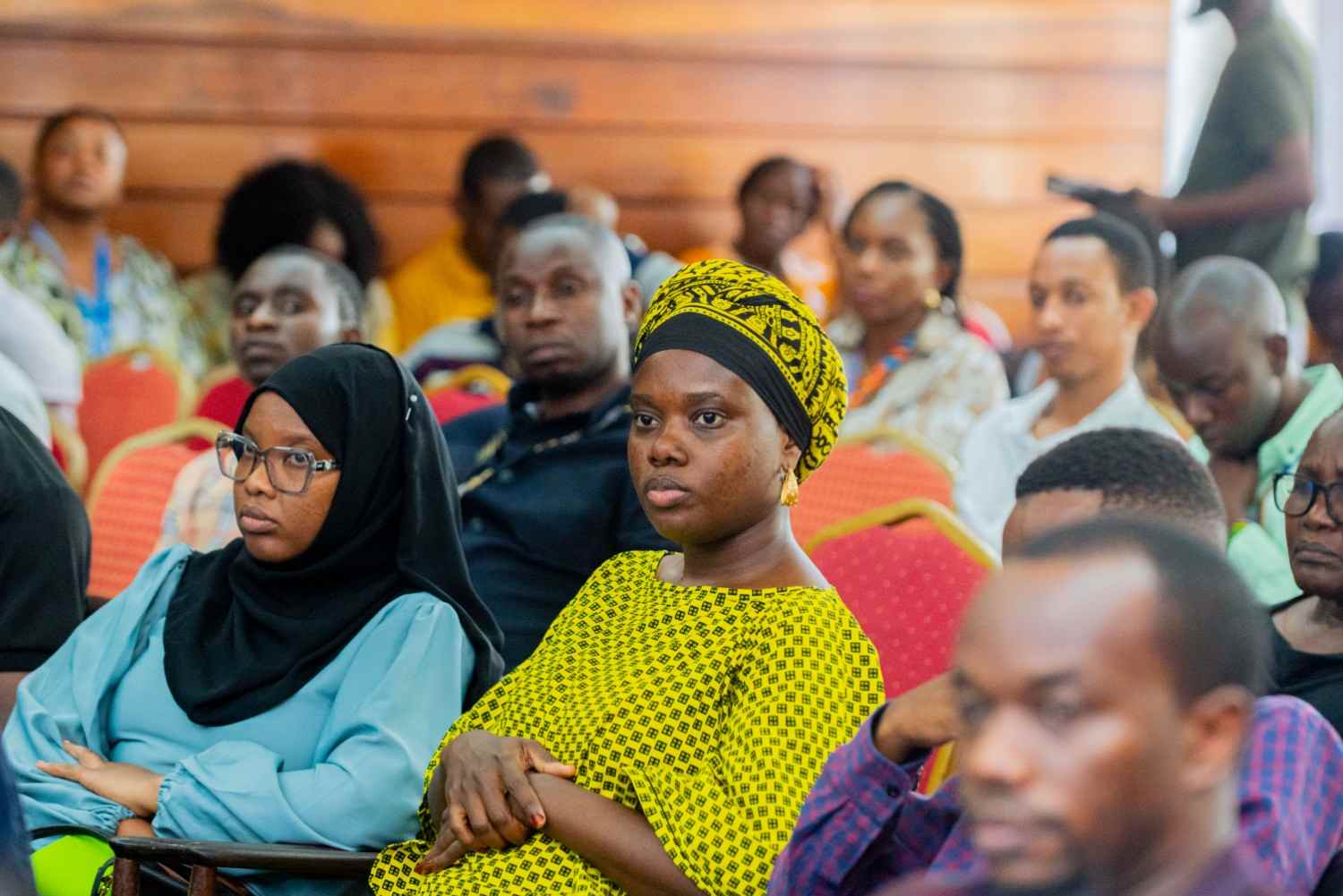
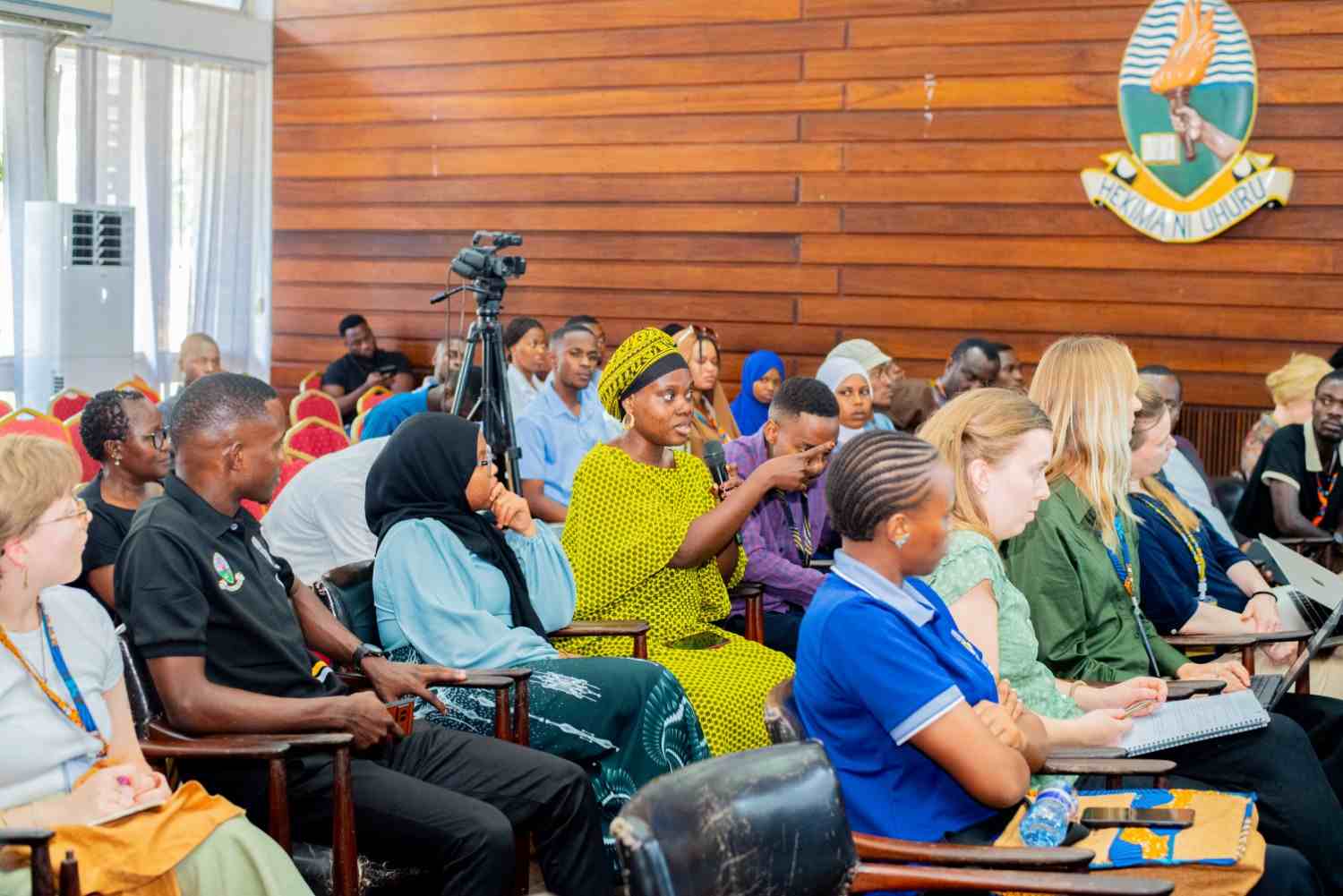
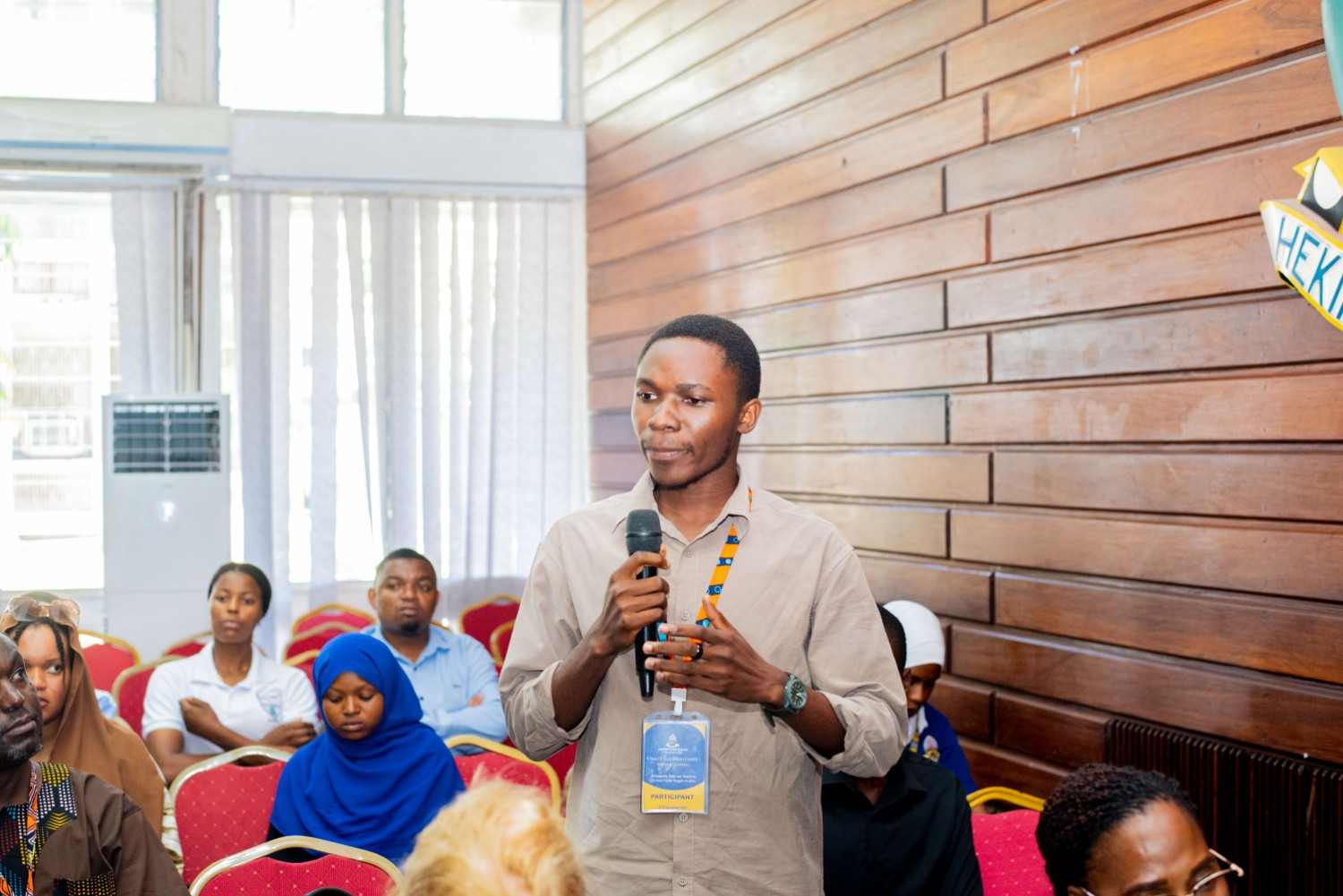
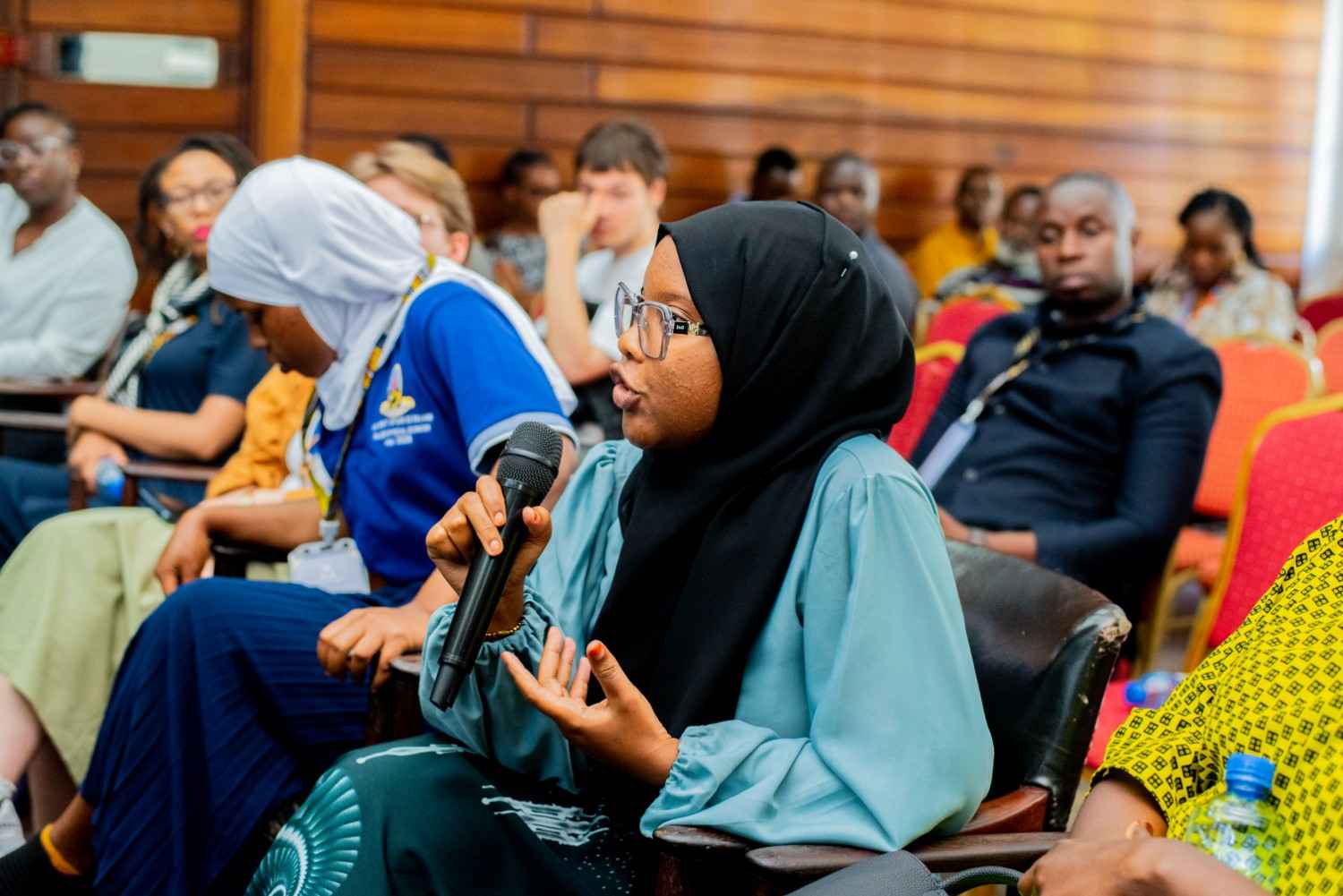
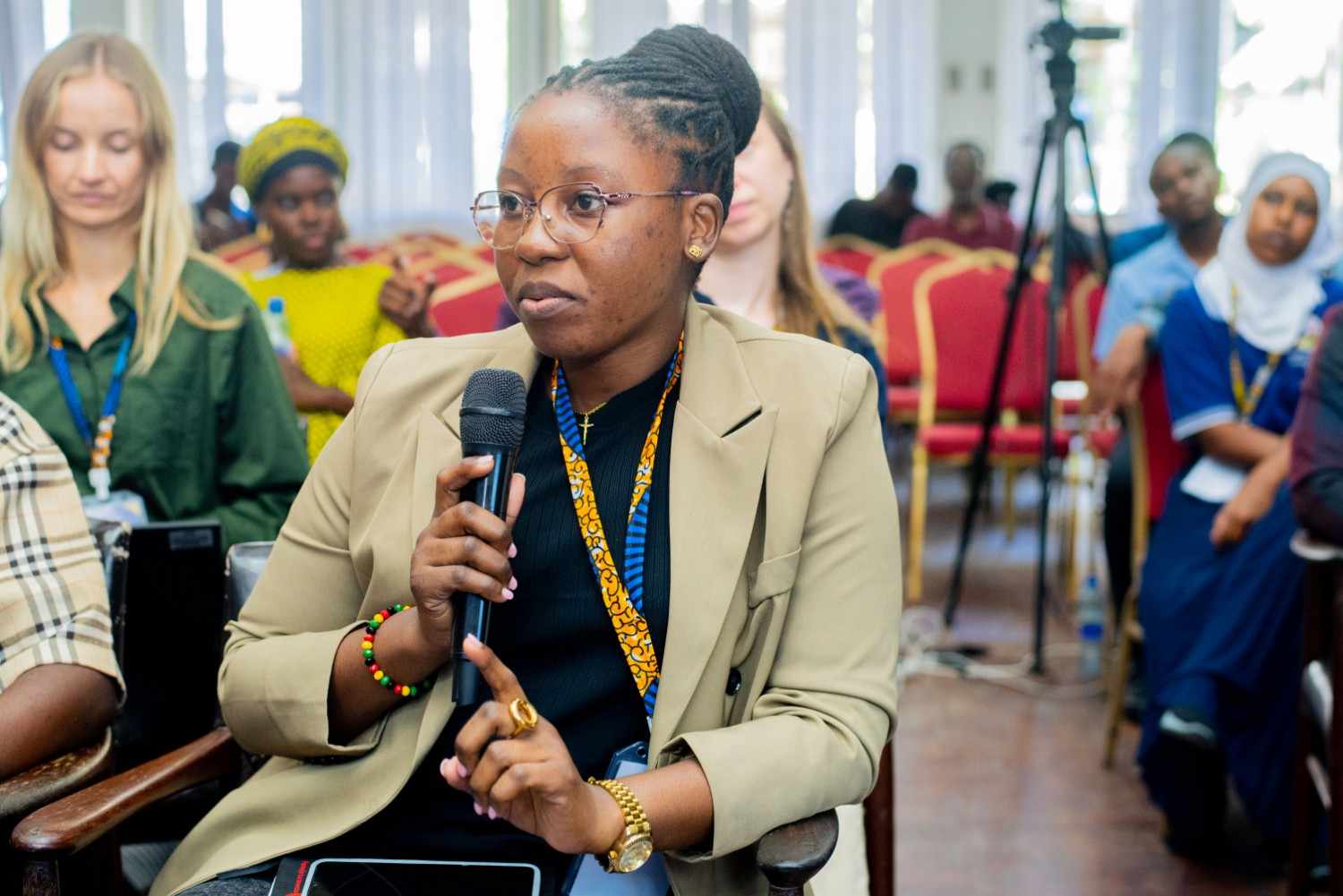
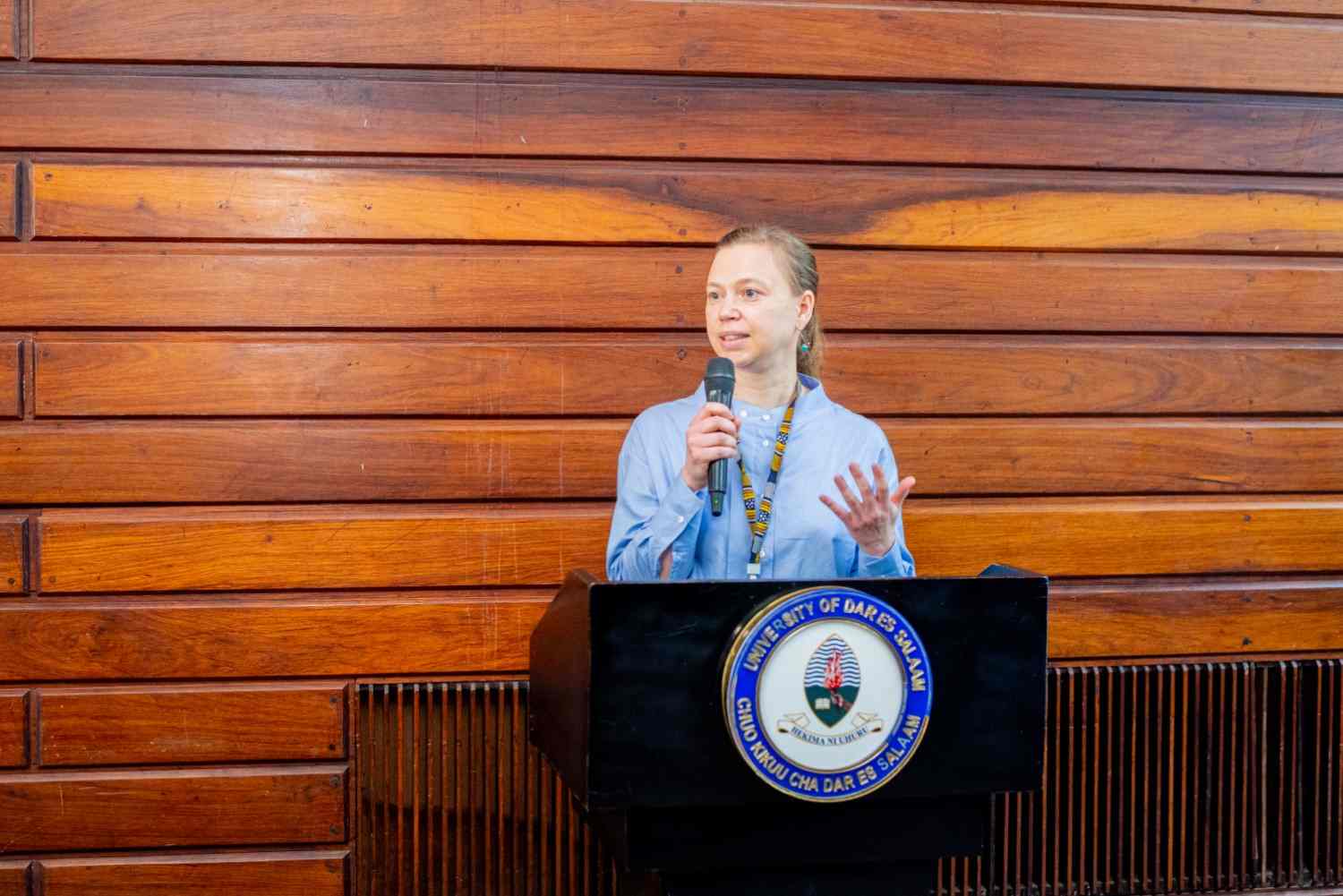
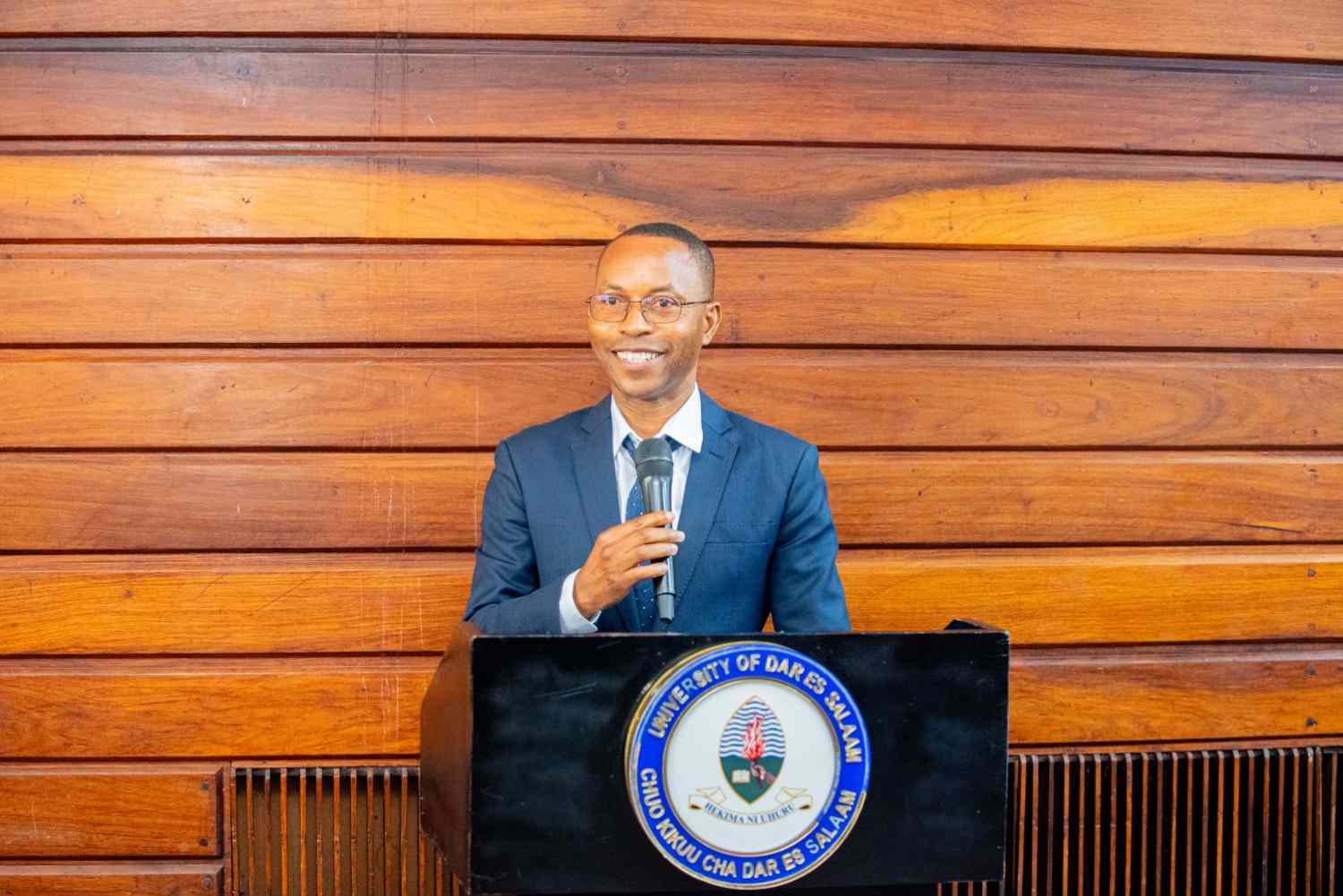
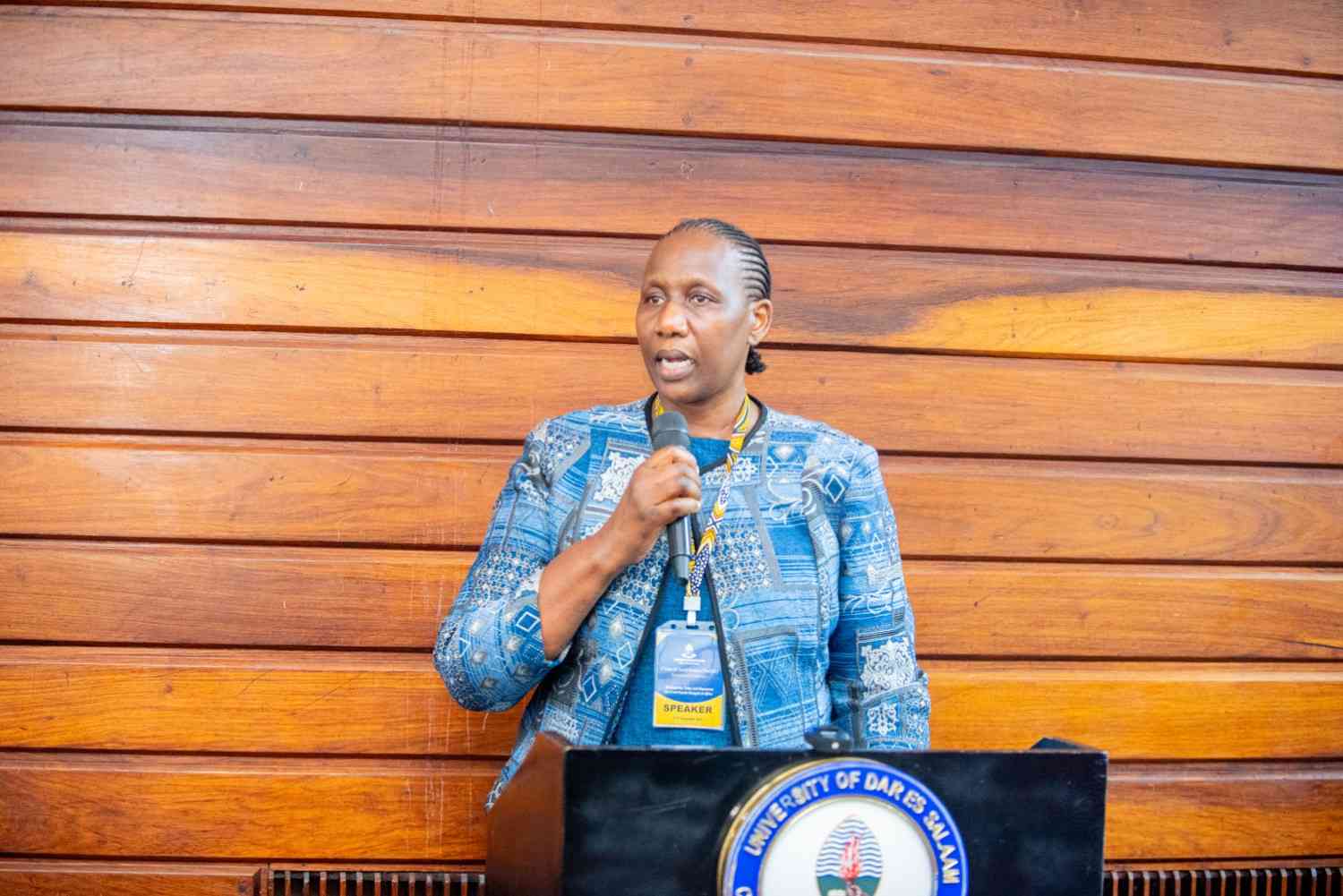
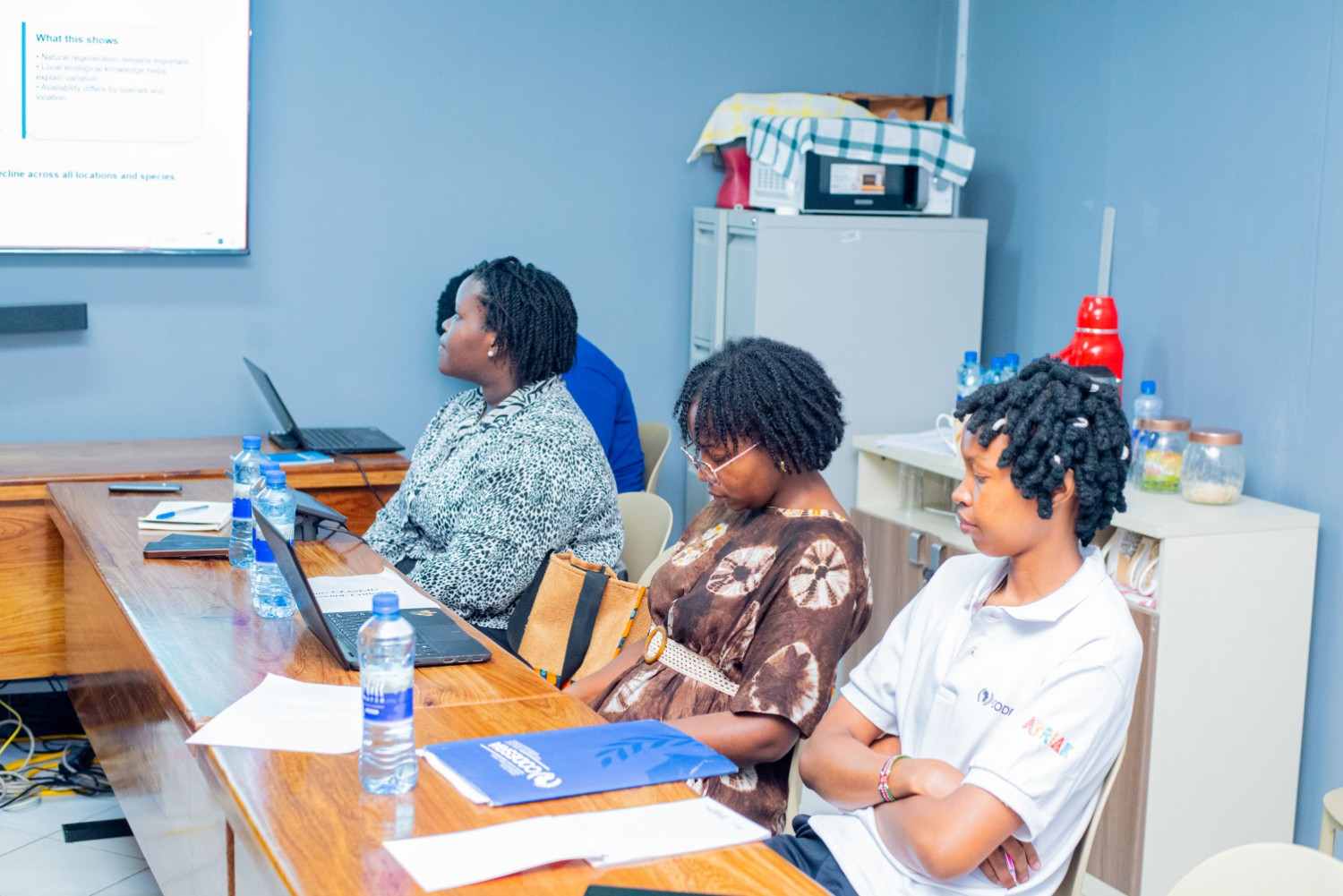
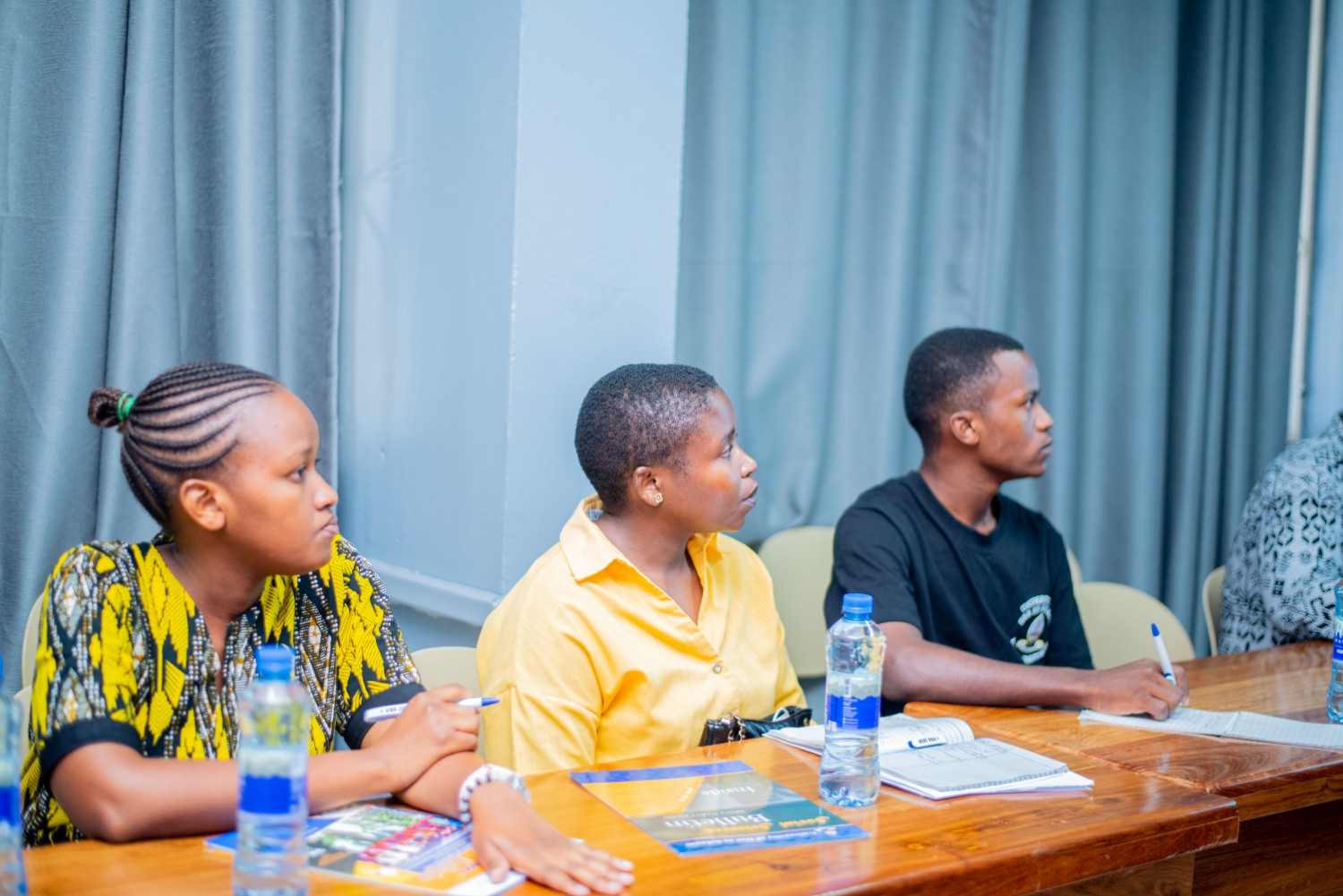
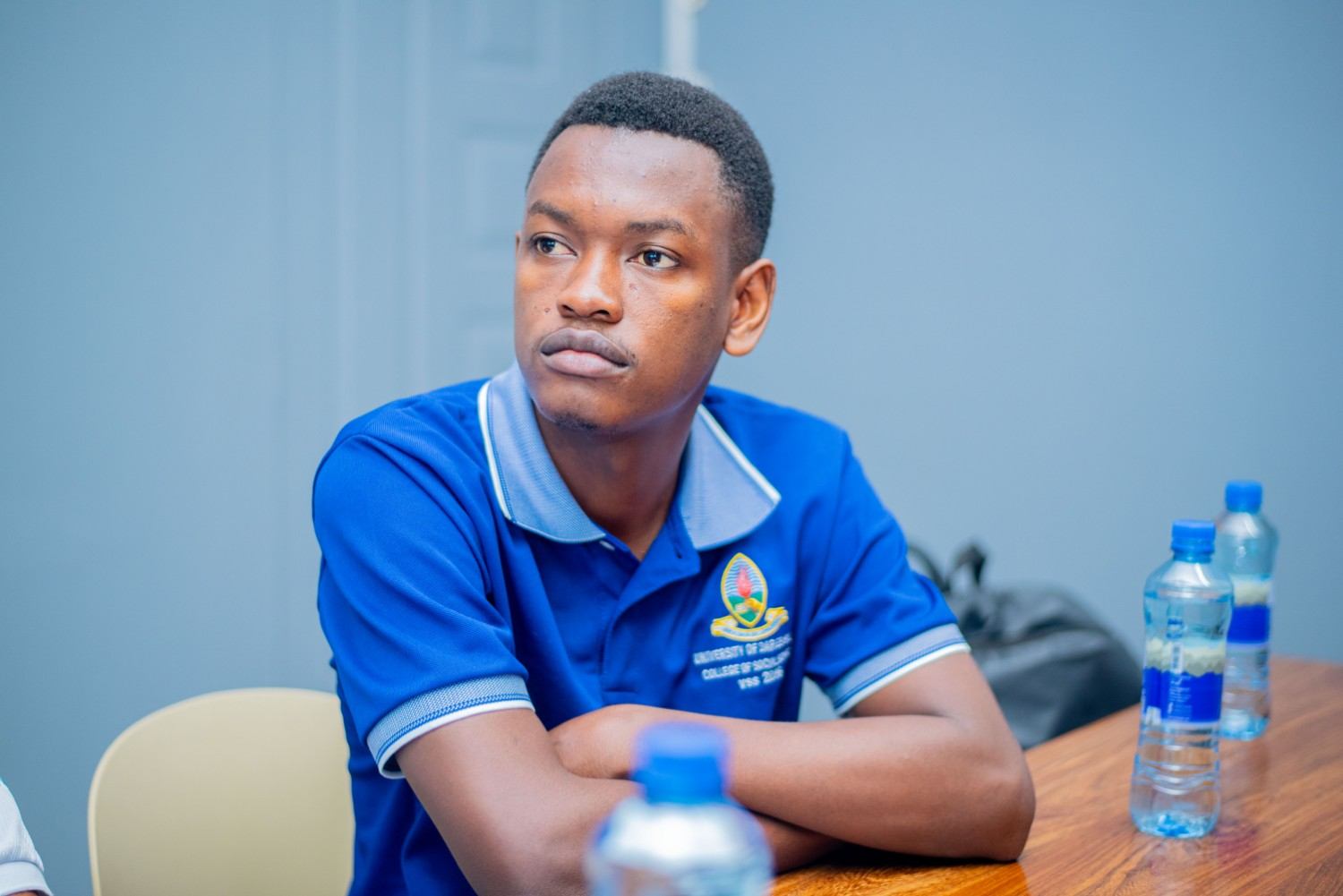

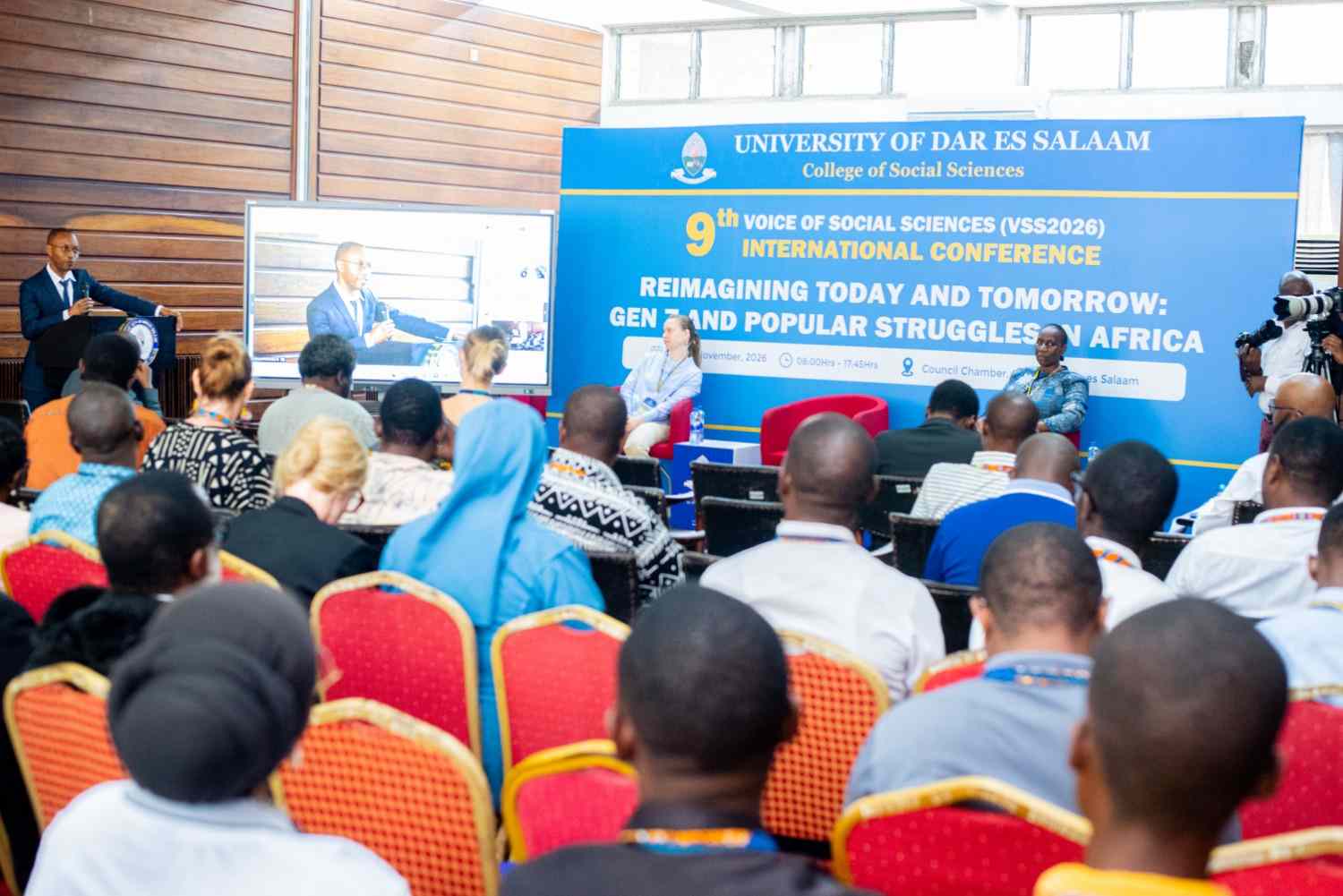
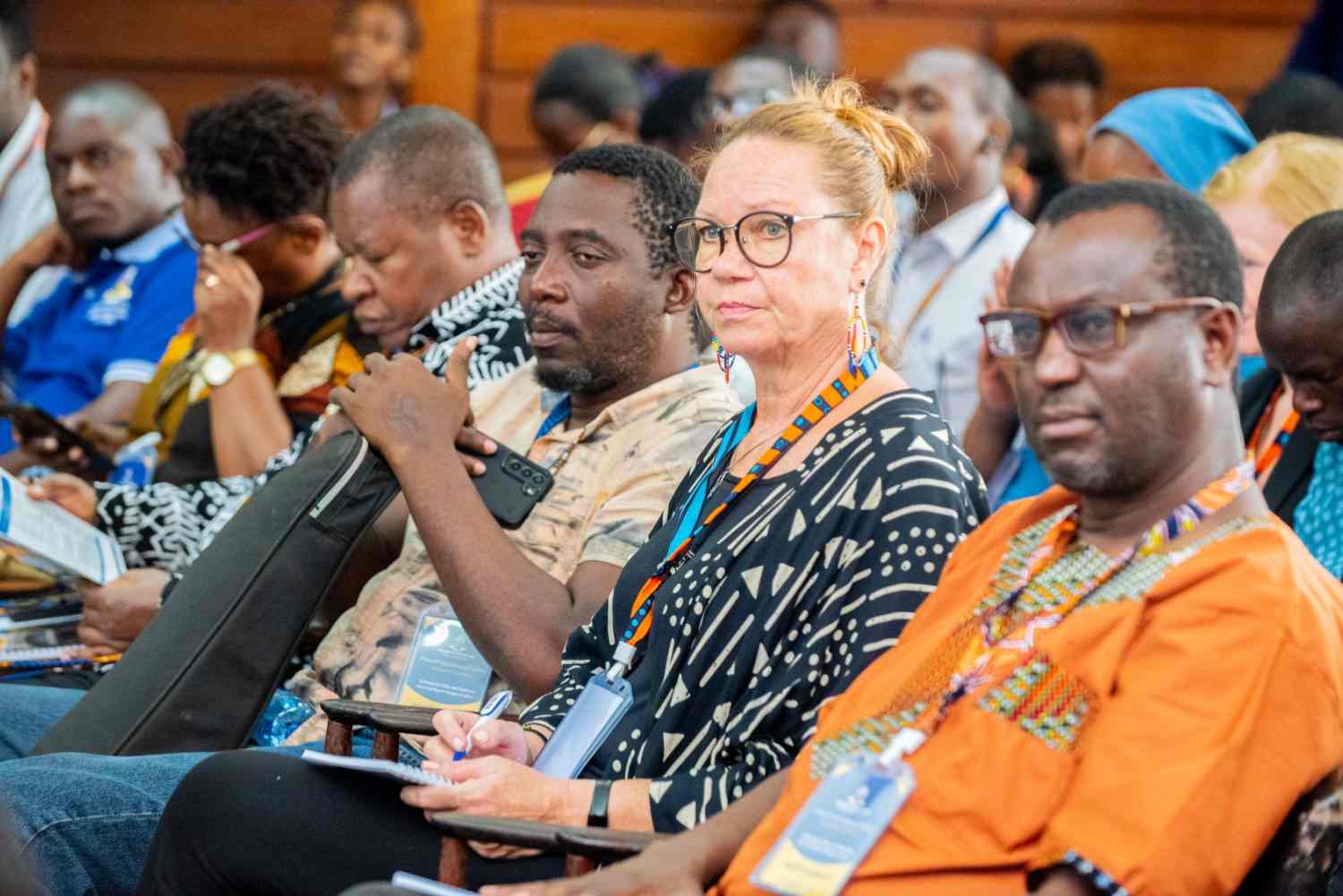
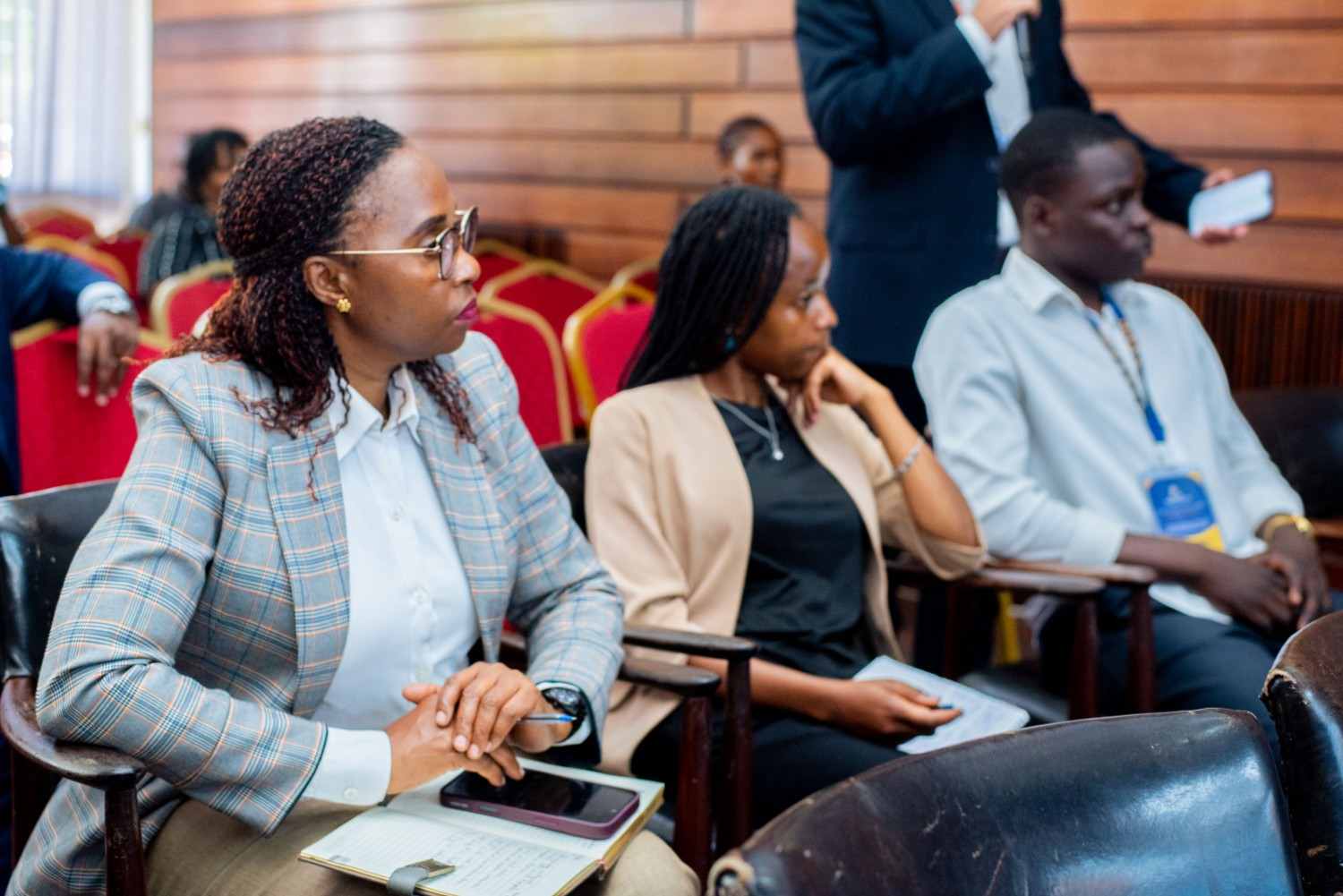
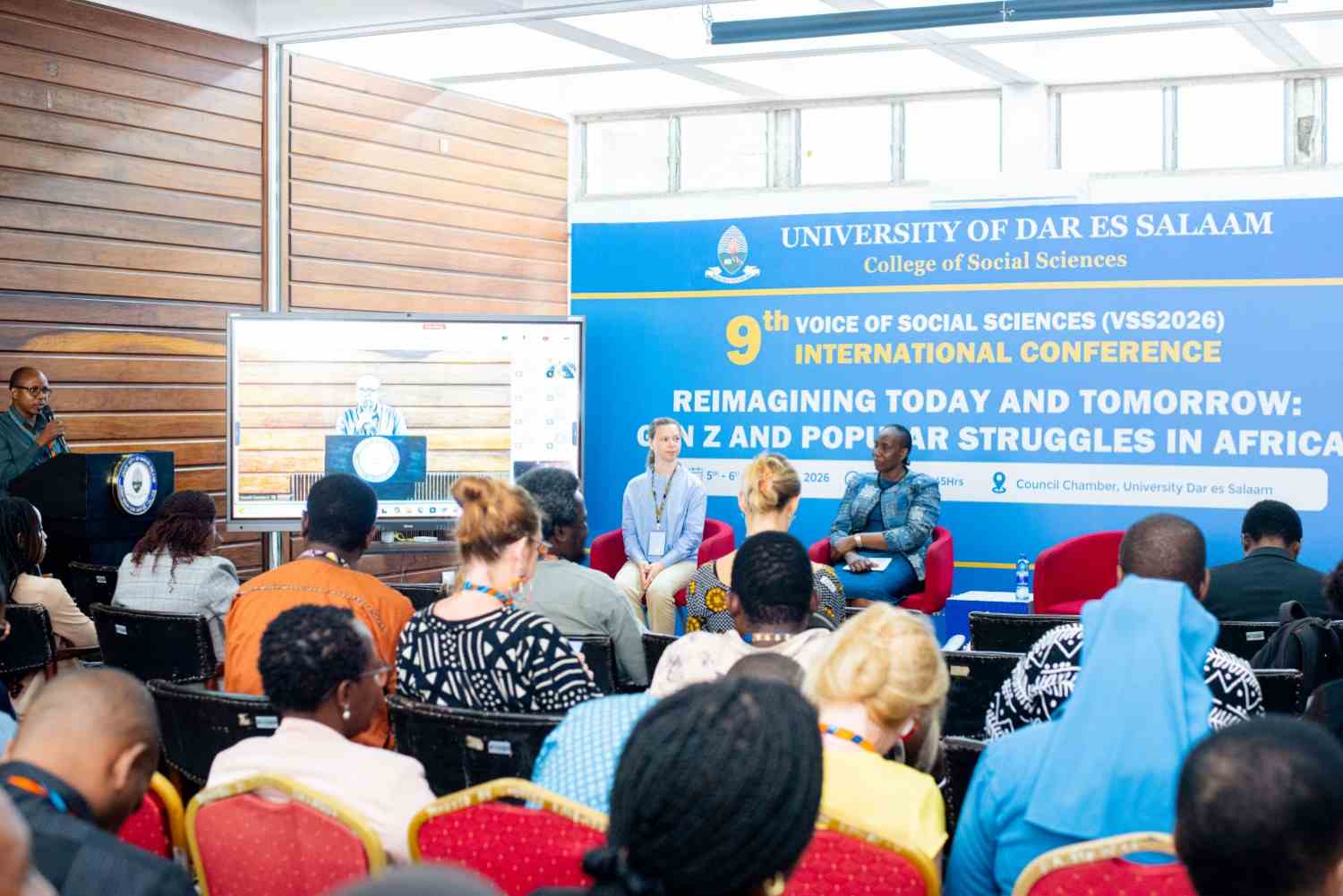
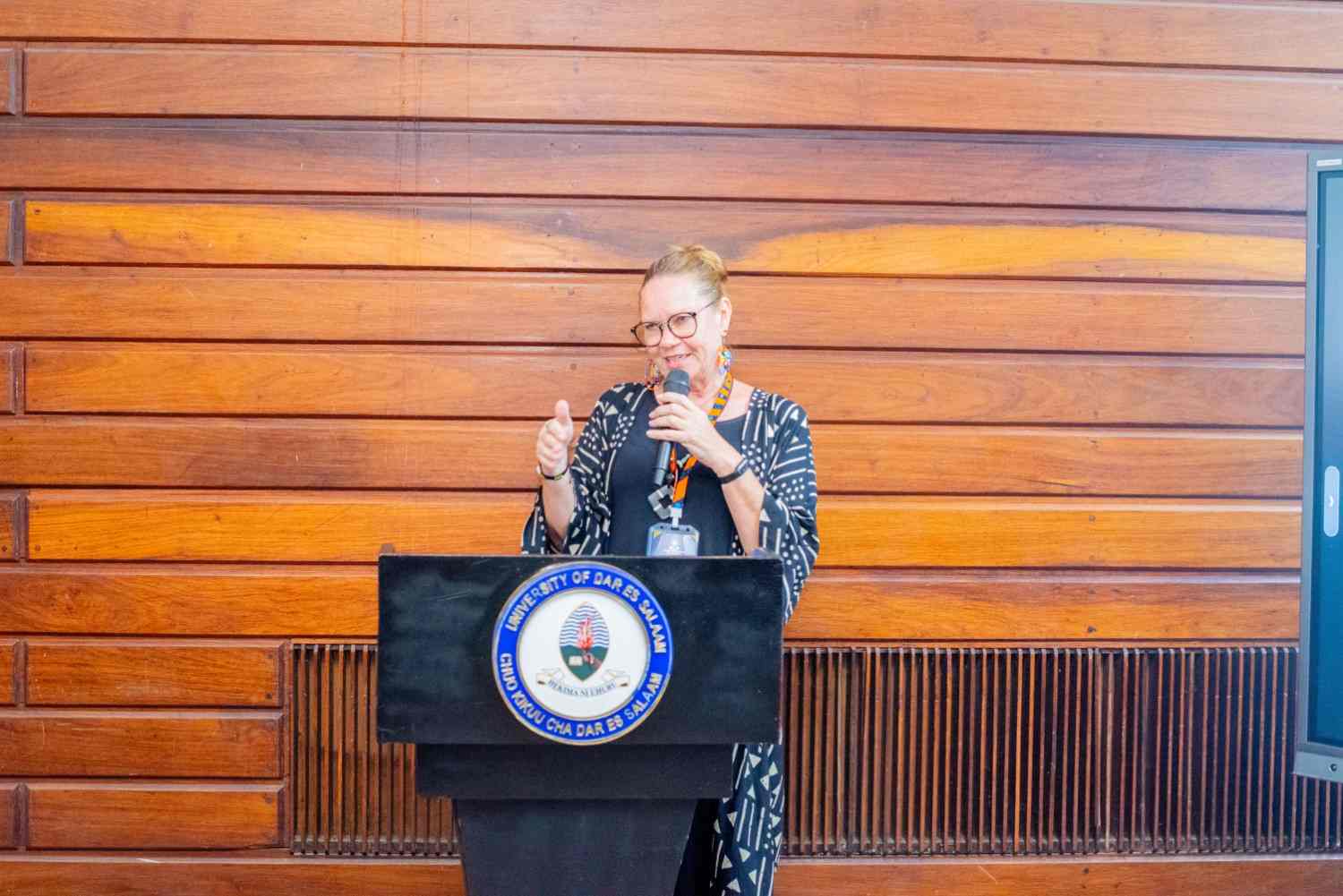
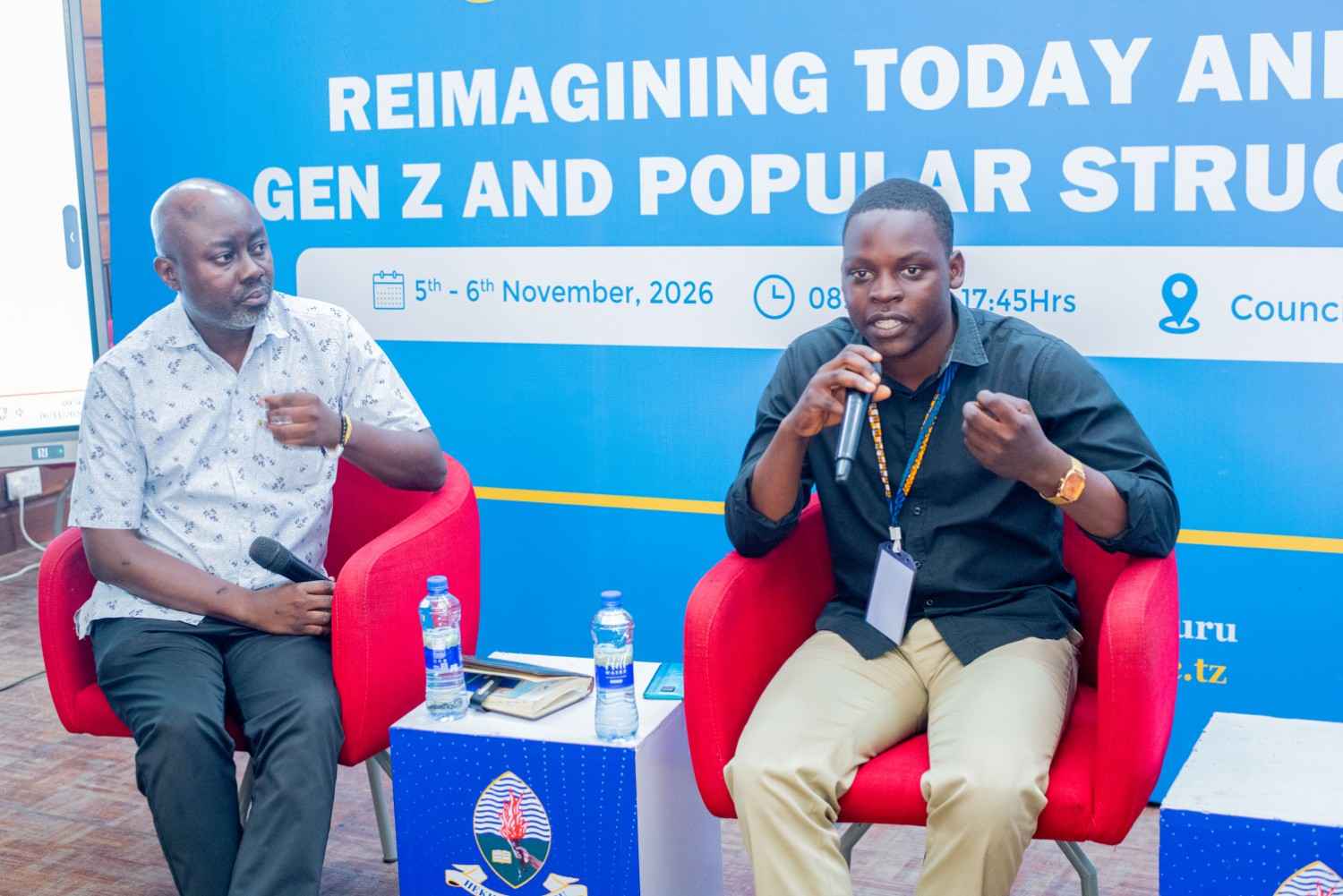
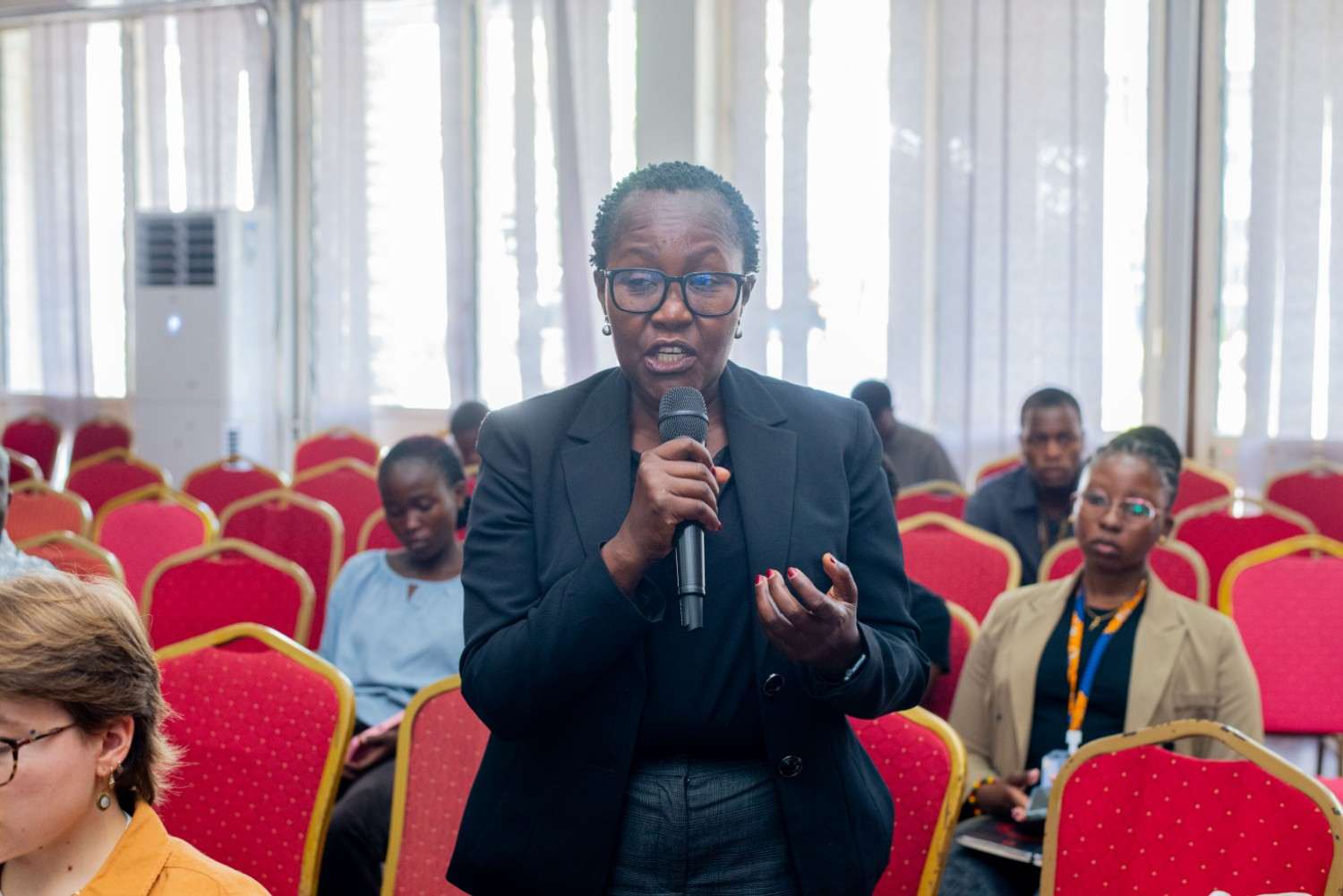
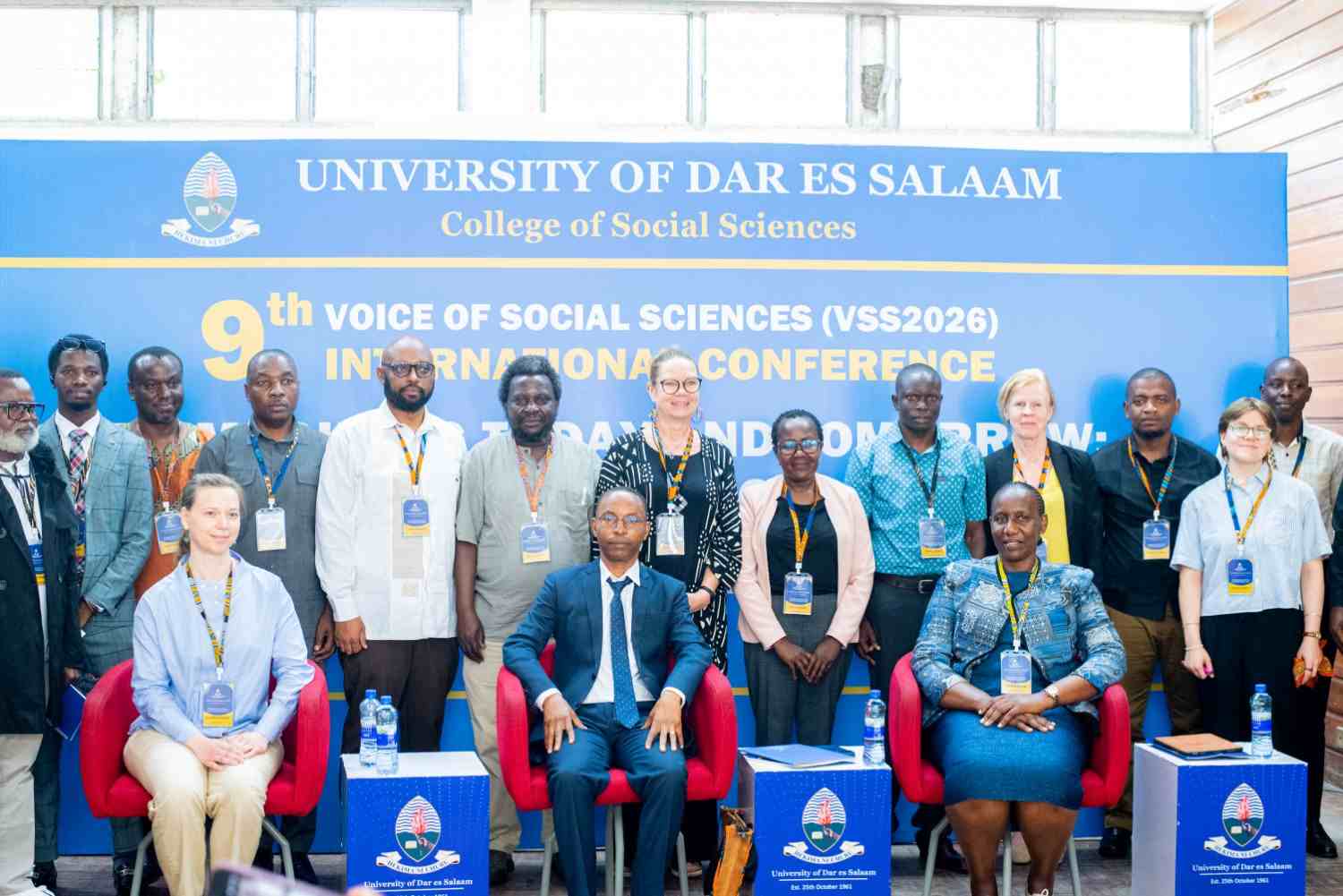
From digital activism and social media influence to entrepreneurship and the struggle for decent employment, Generation Z is increasingly shaping conversations about Africa's future. Yet, despite their growing connectivity, creativity and ambitions, millions of young people continue to face unequal opportunities and economic challenges.
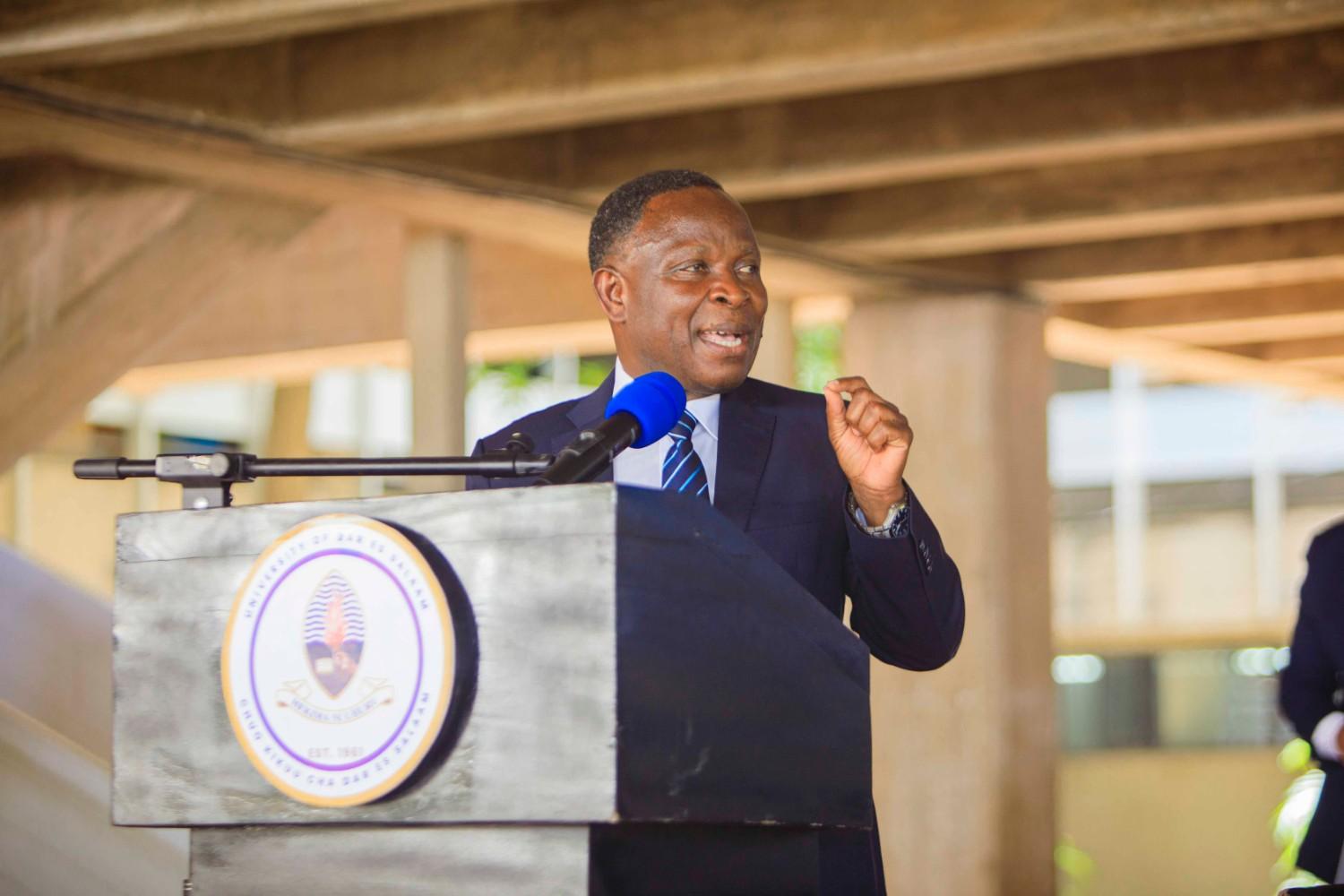
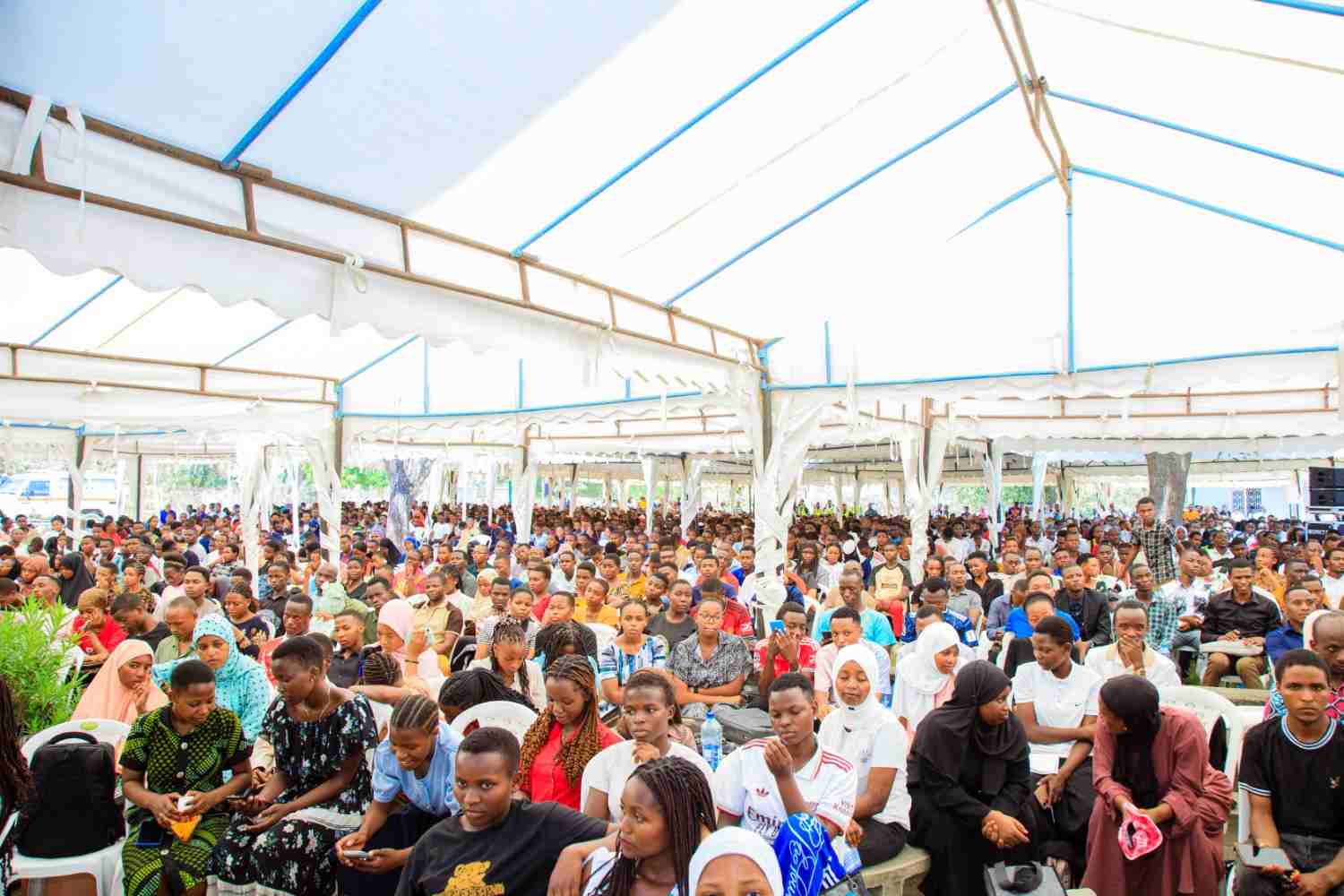
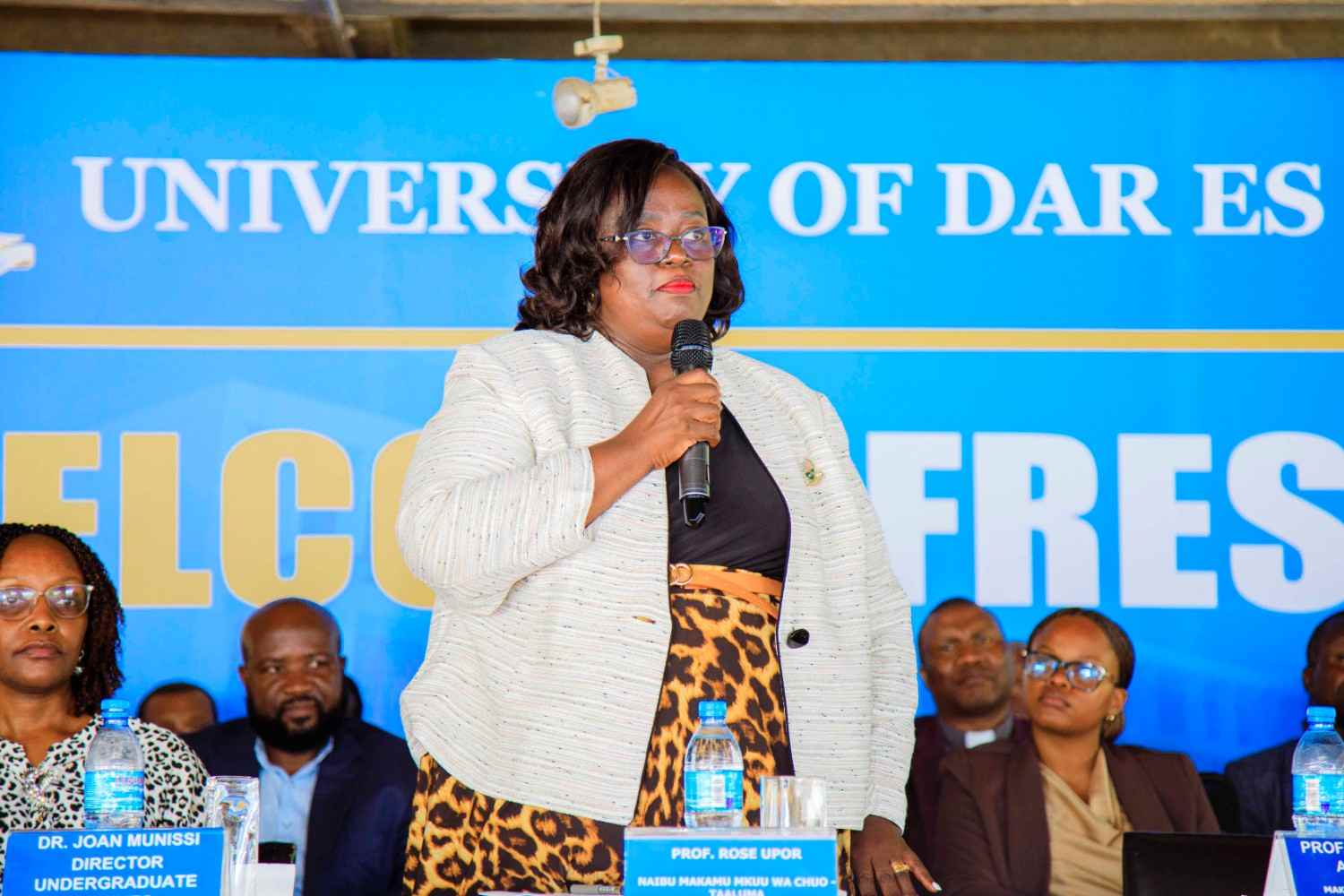
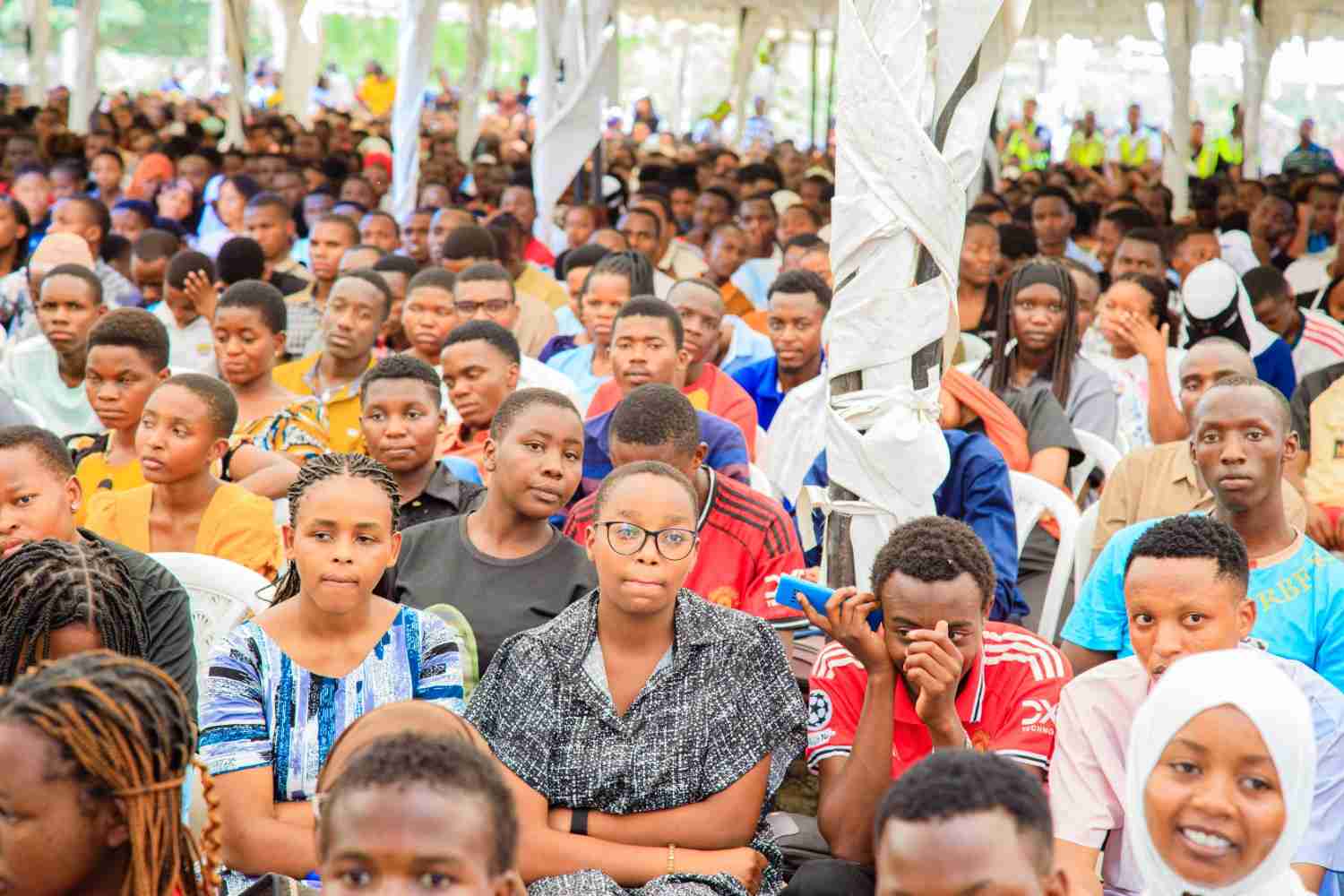
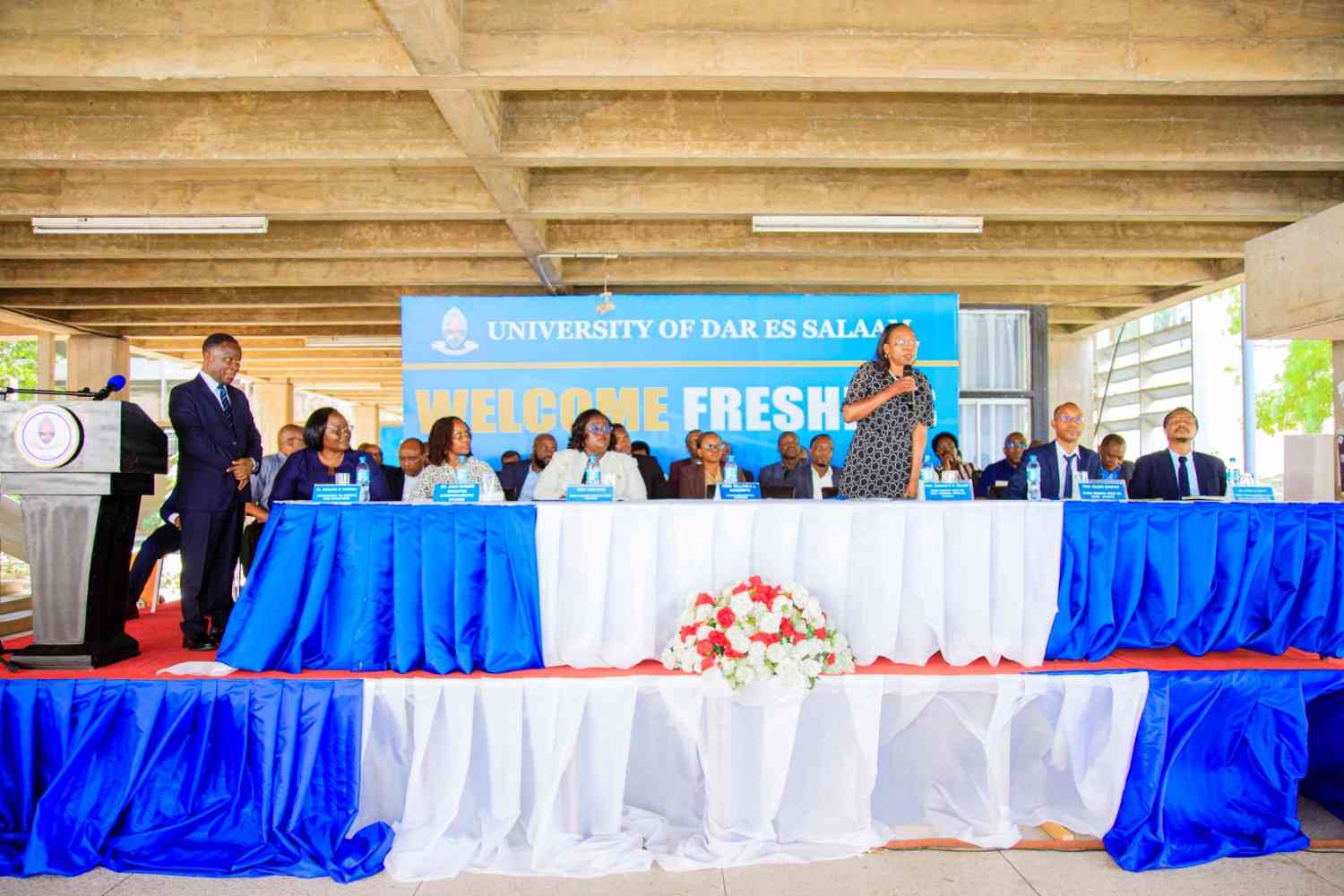
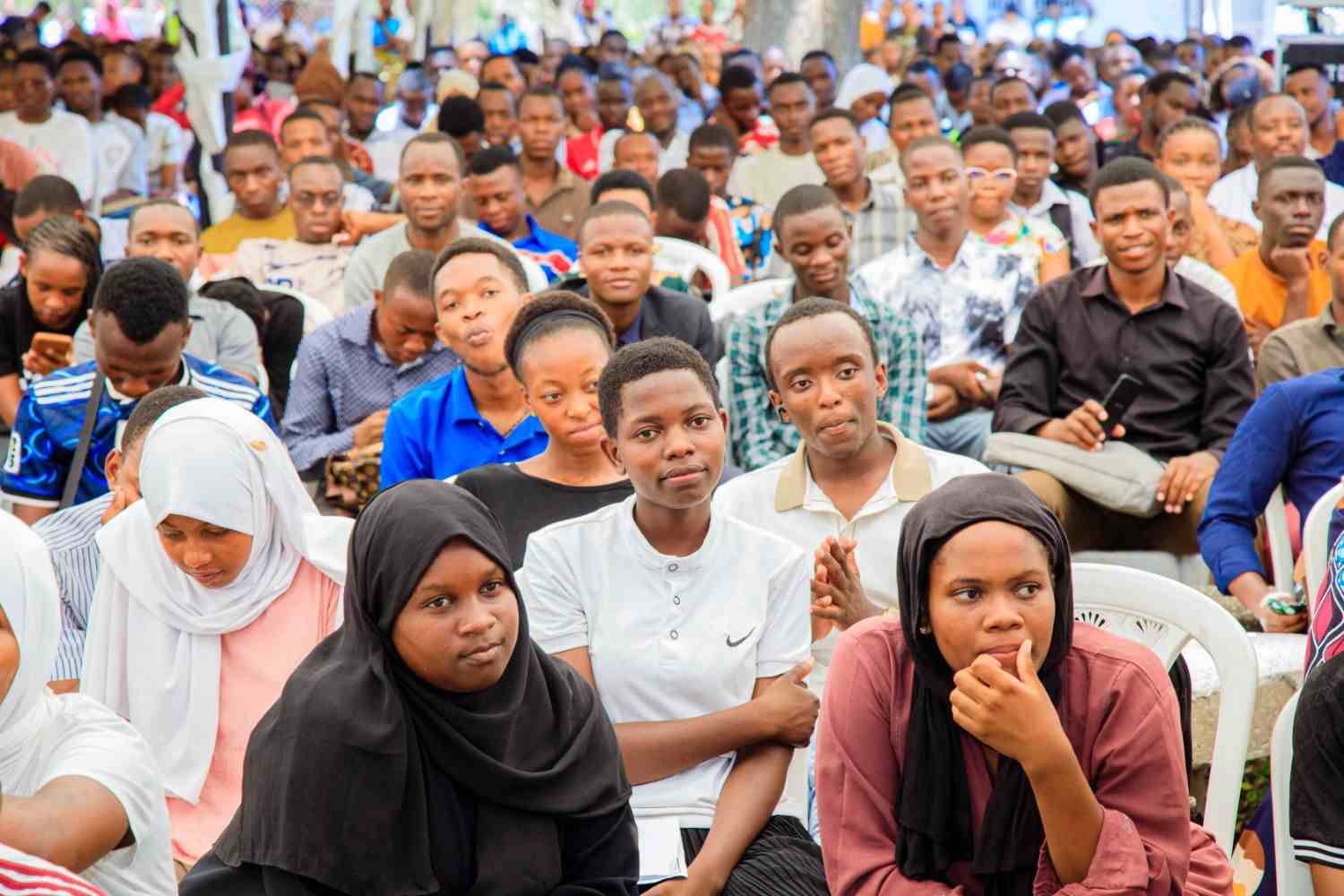
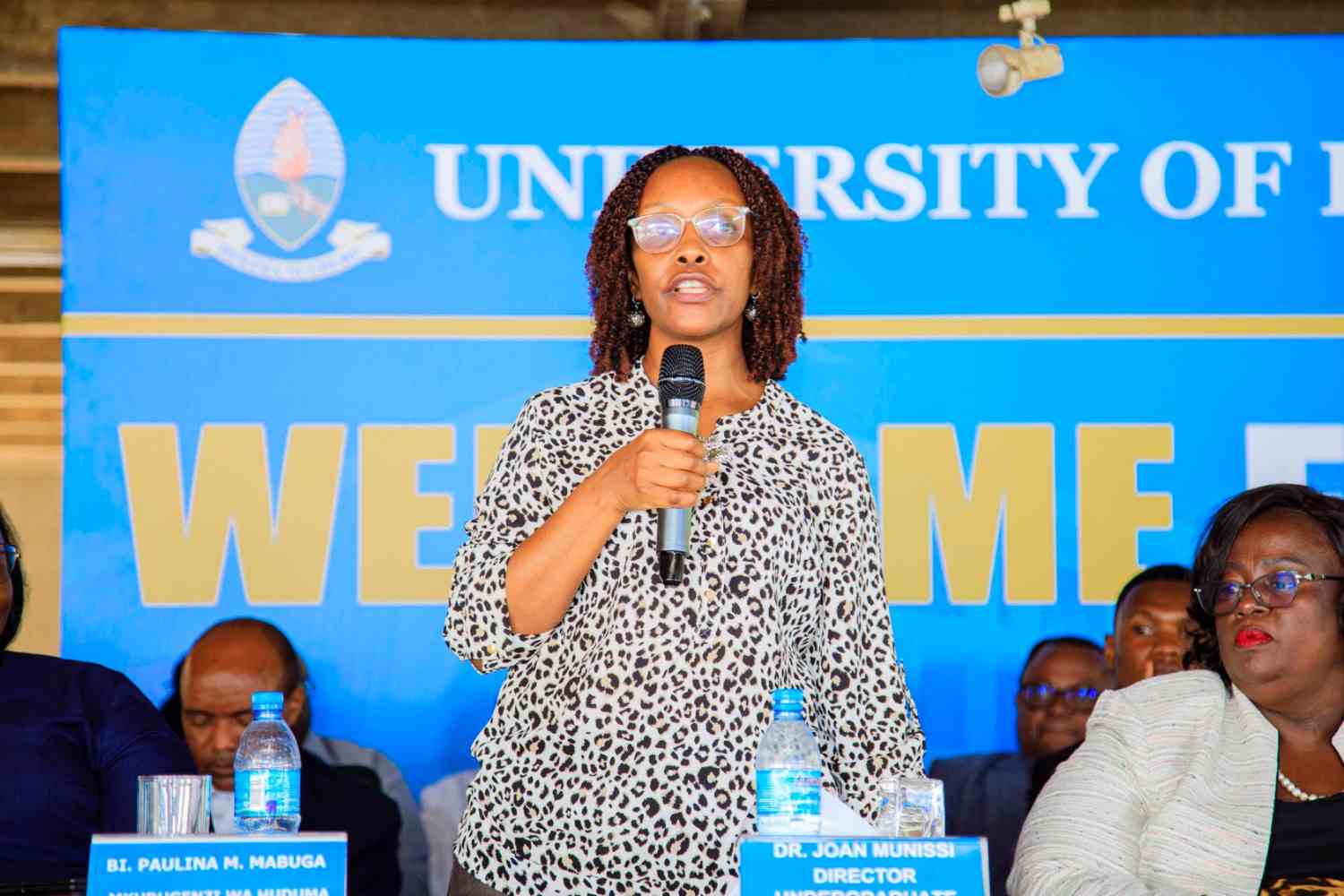
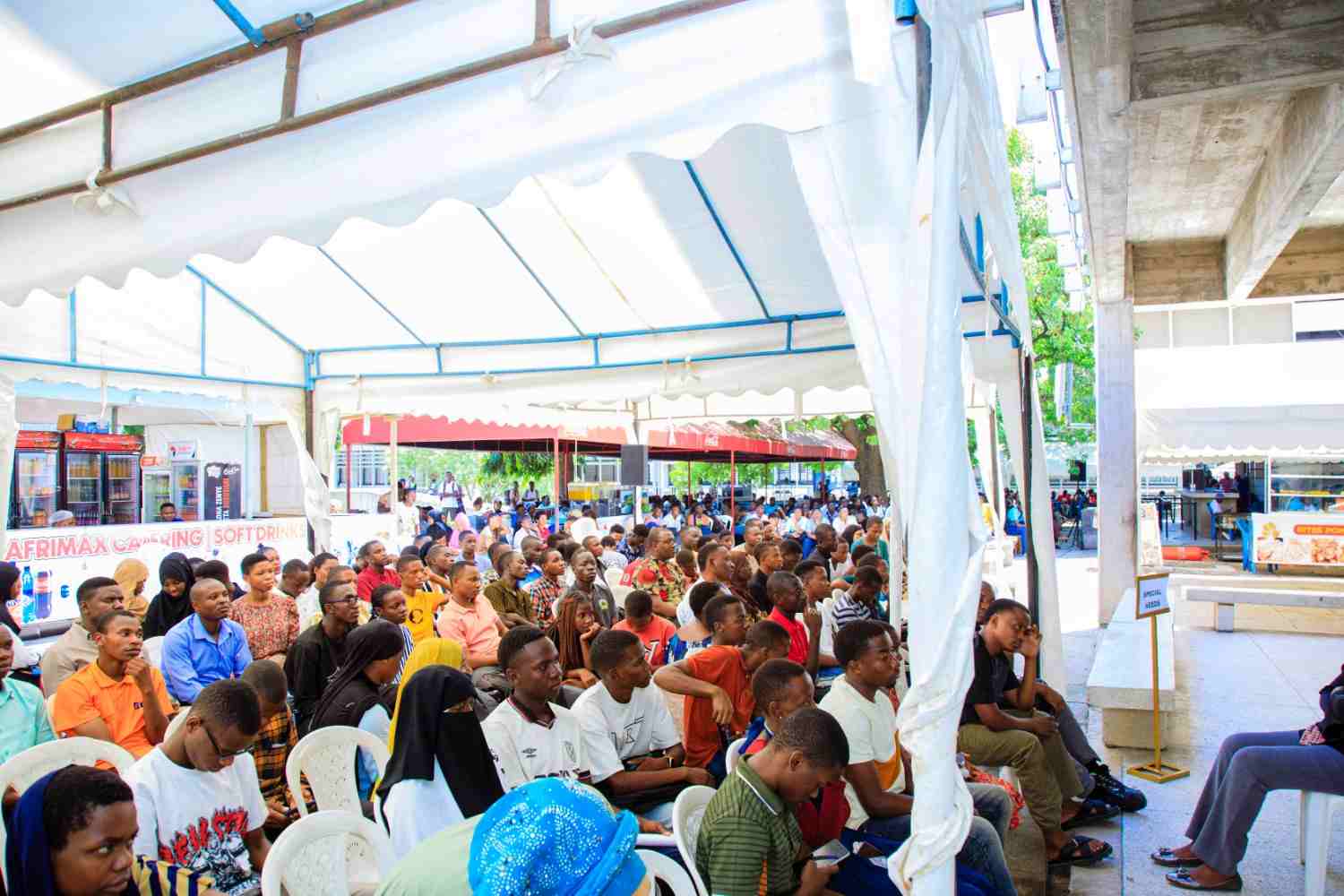
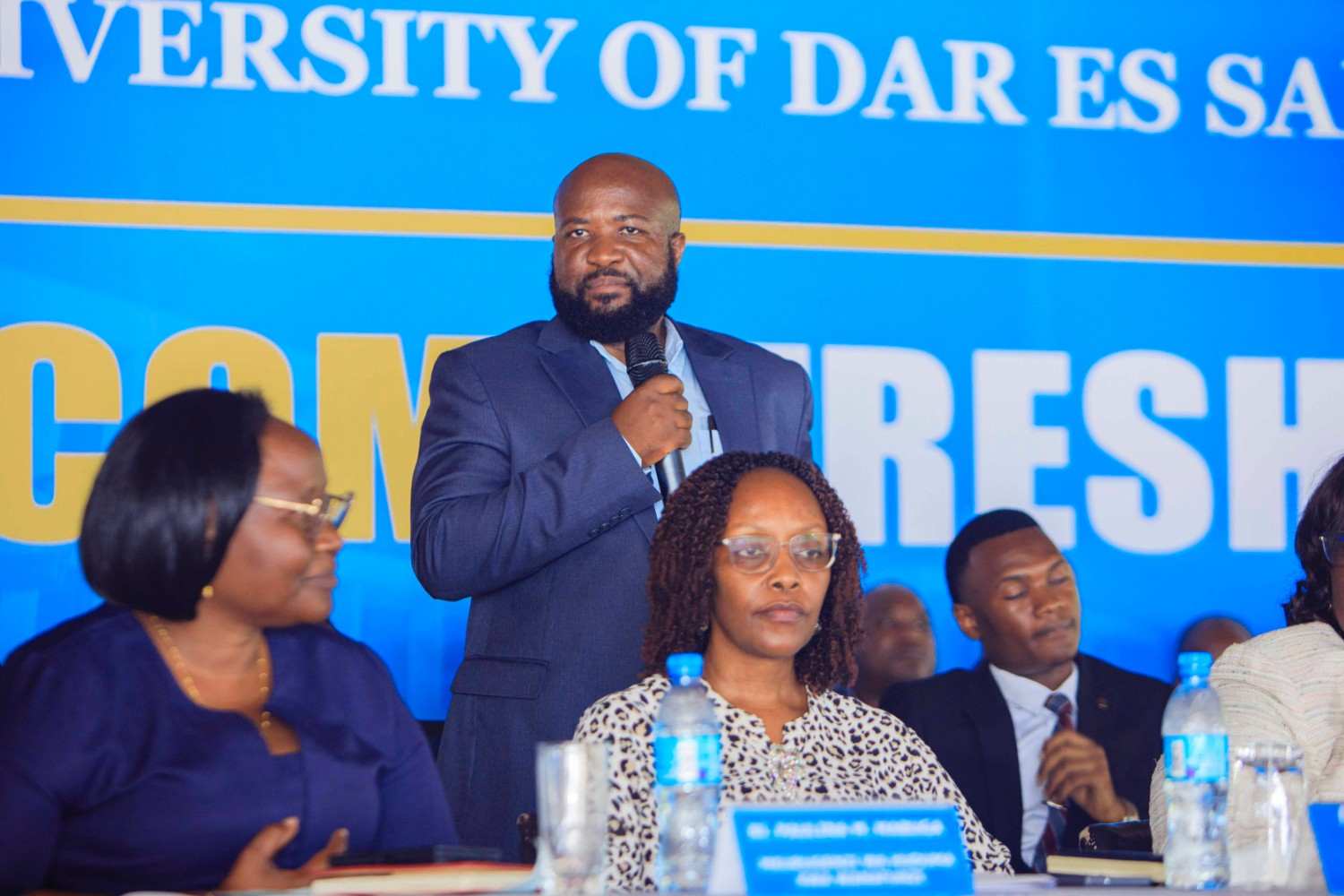
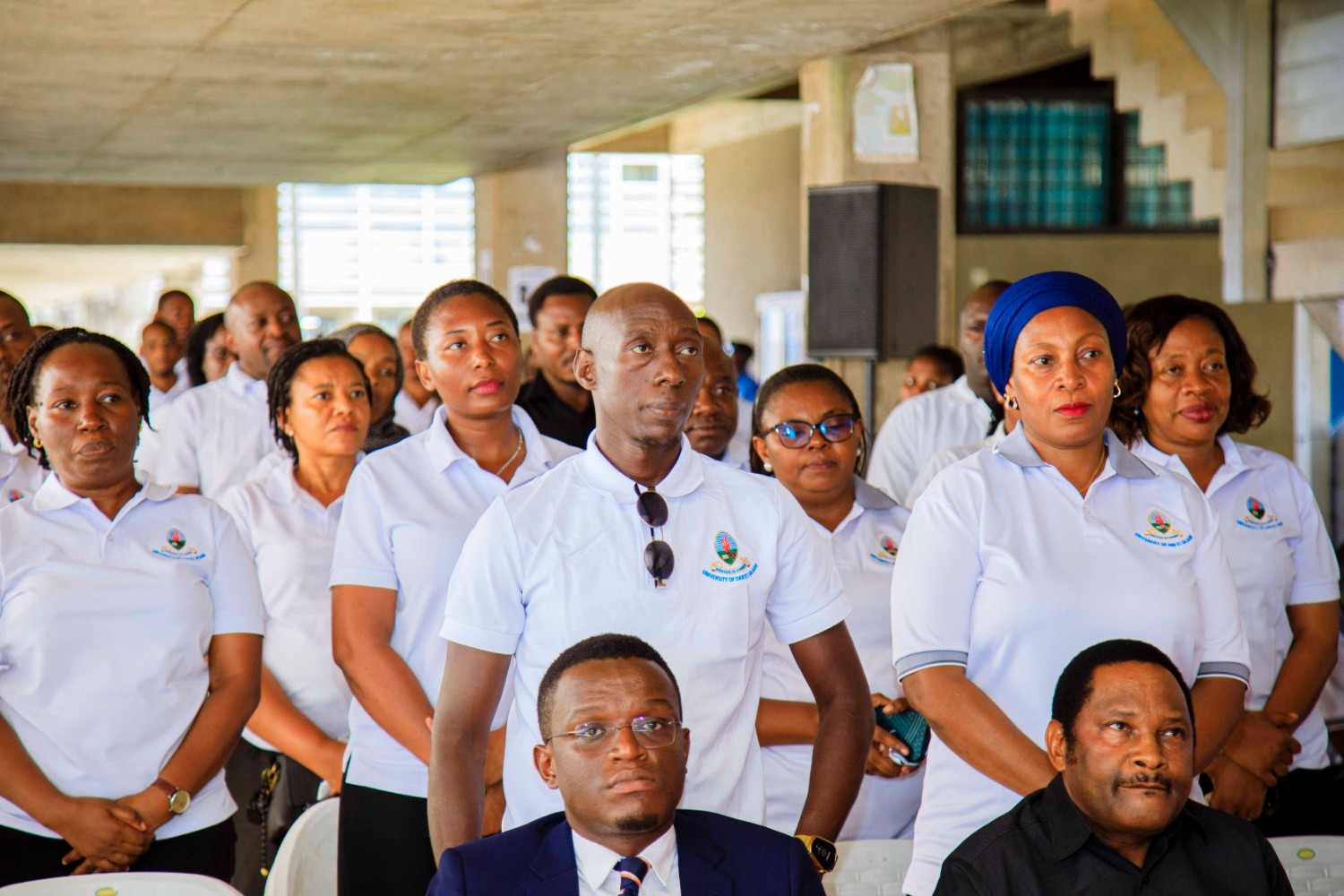
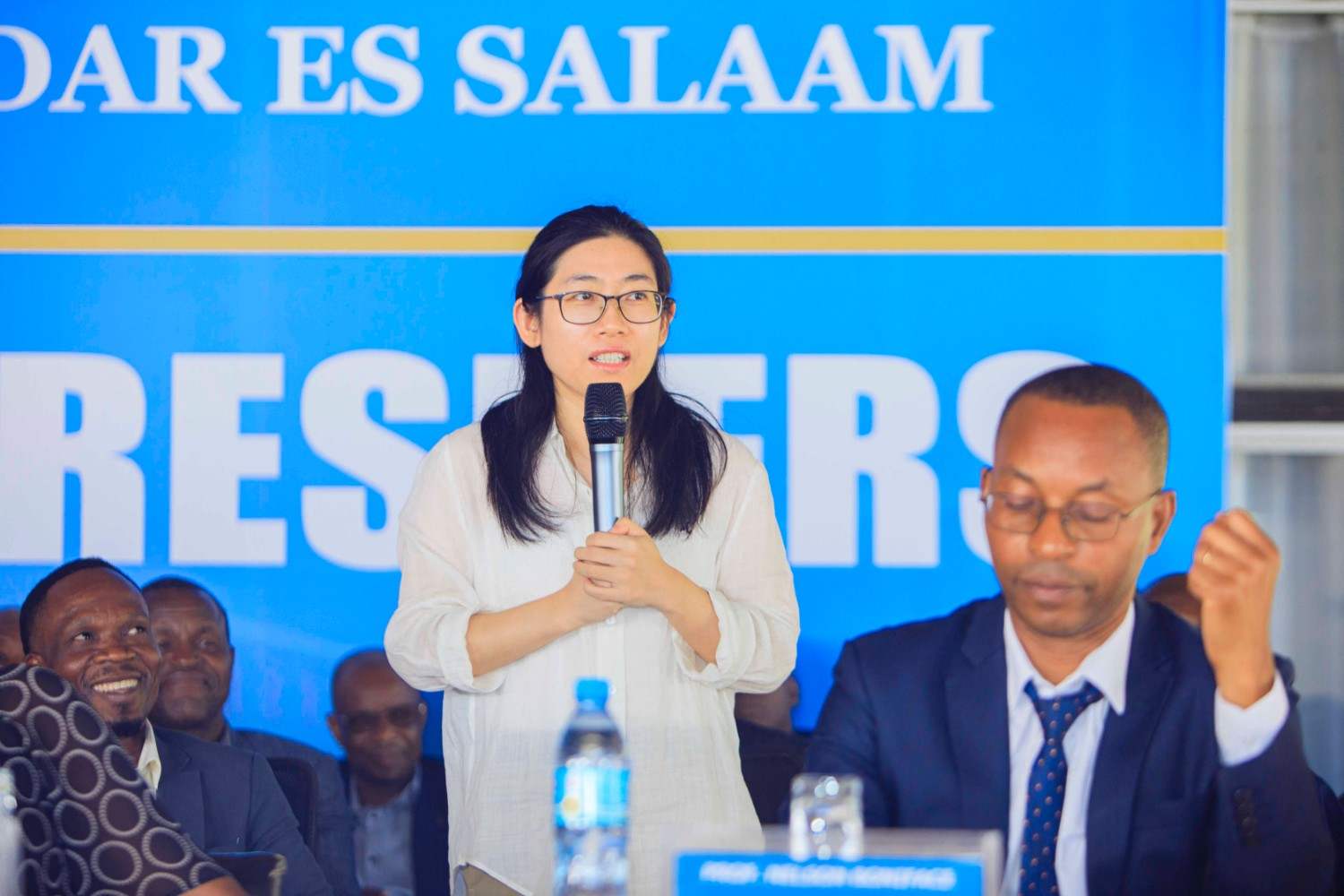

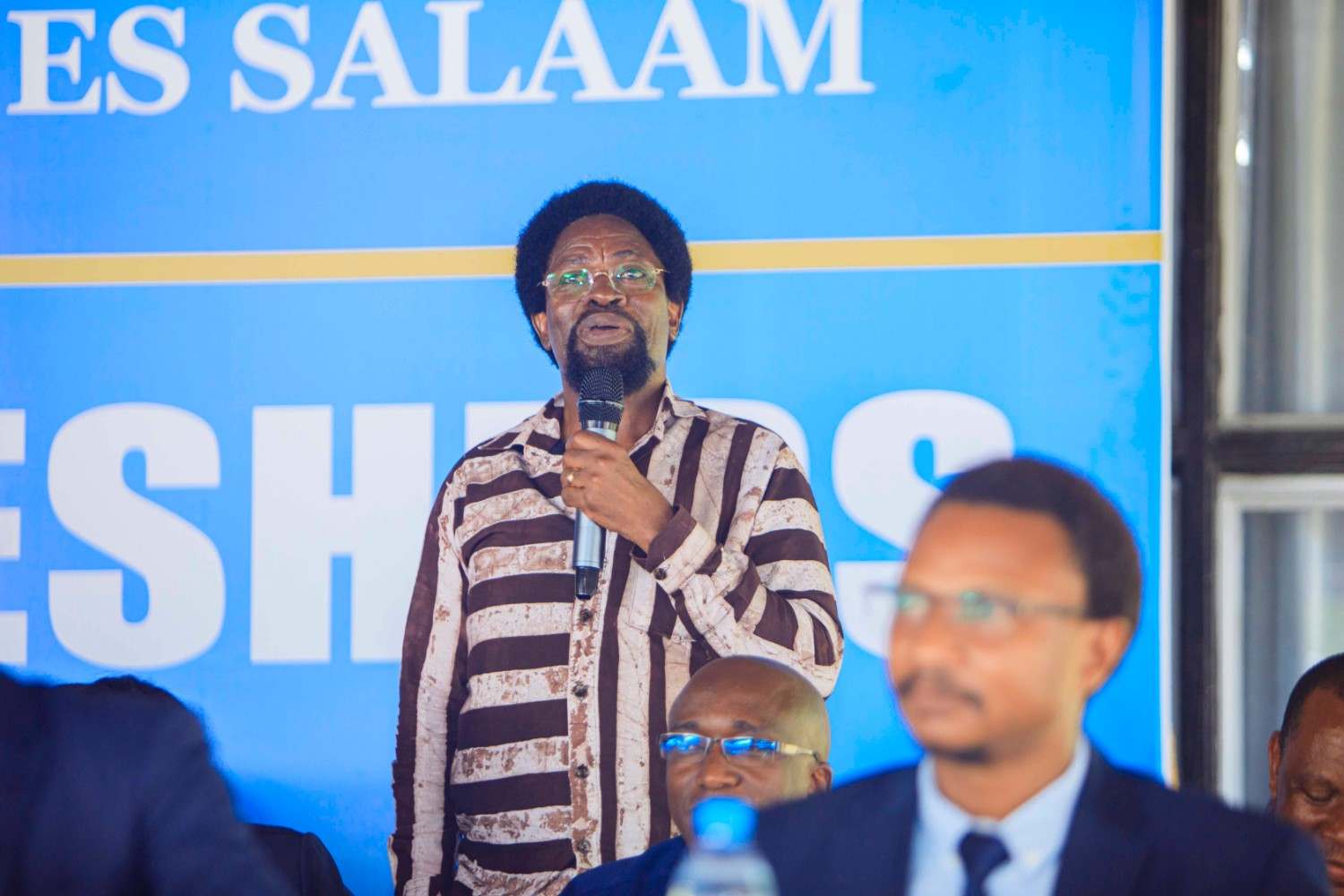
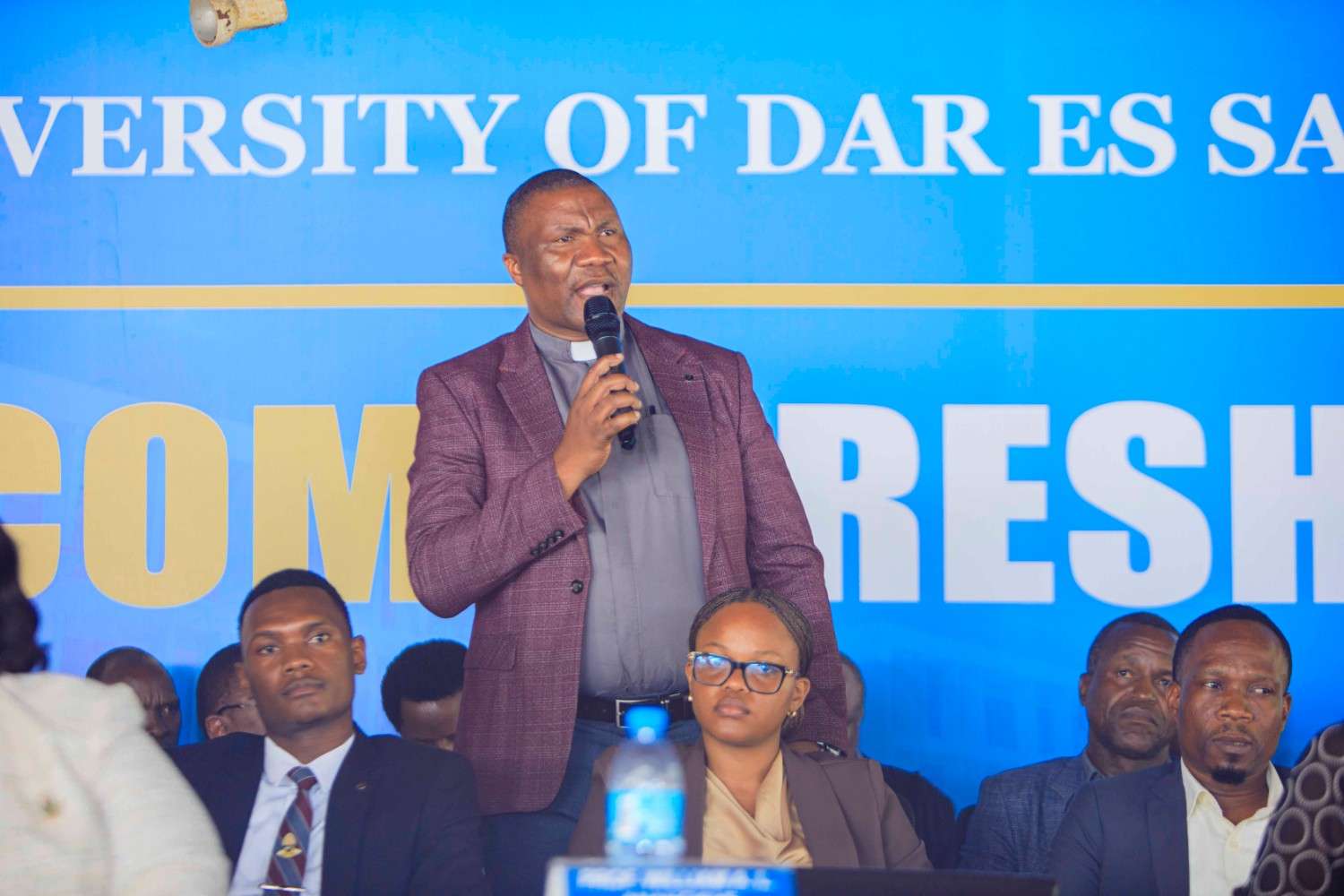
For thousands of first-year students, joining university marks the beginning of a long-awaited dream. But beyond securing admission and stepping into lecture halls, the real challenge lies in making the most of the opportunity, developing the right values and preparing for life beyond graduation.
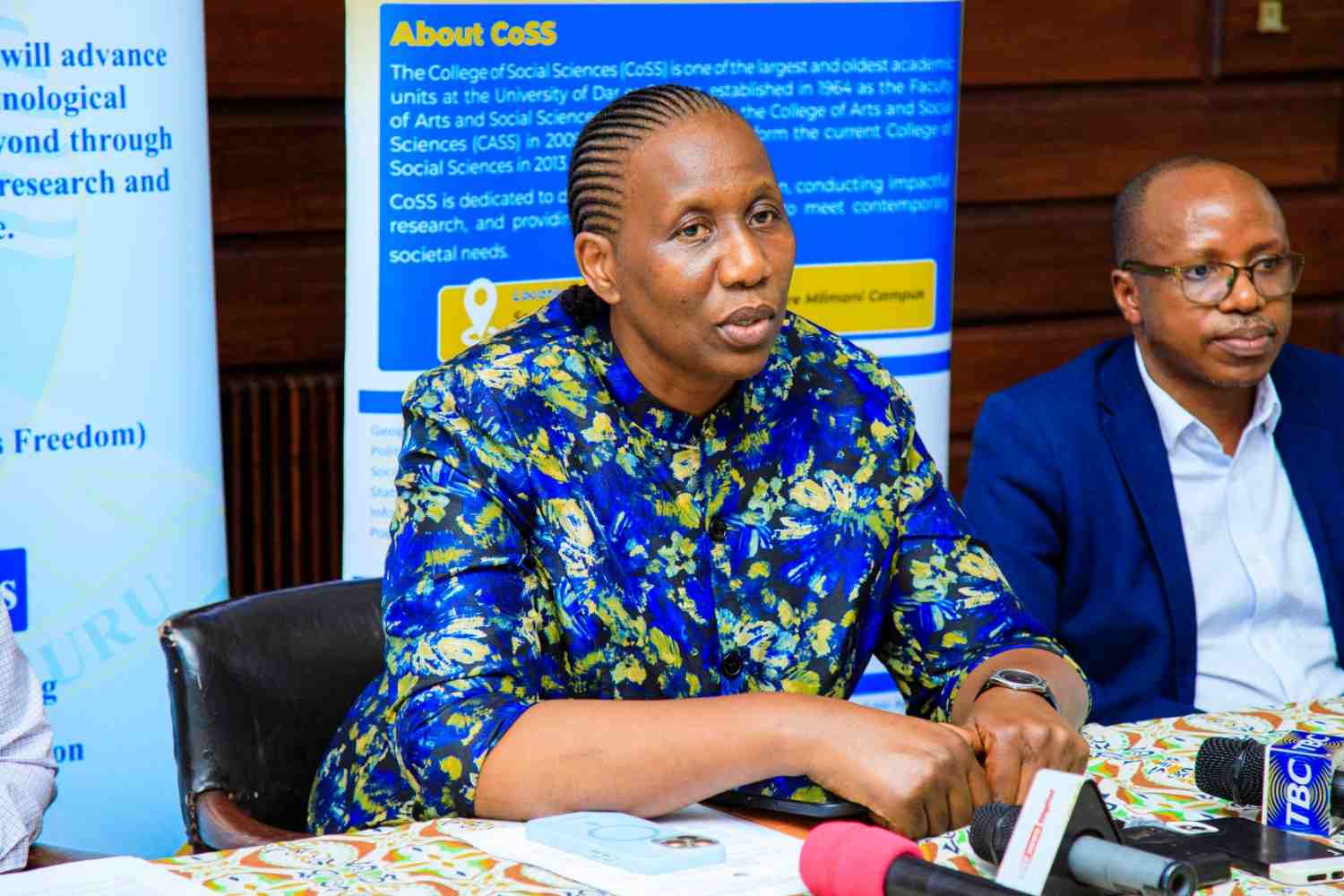
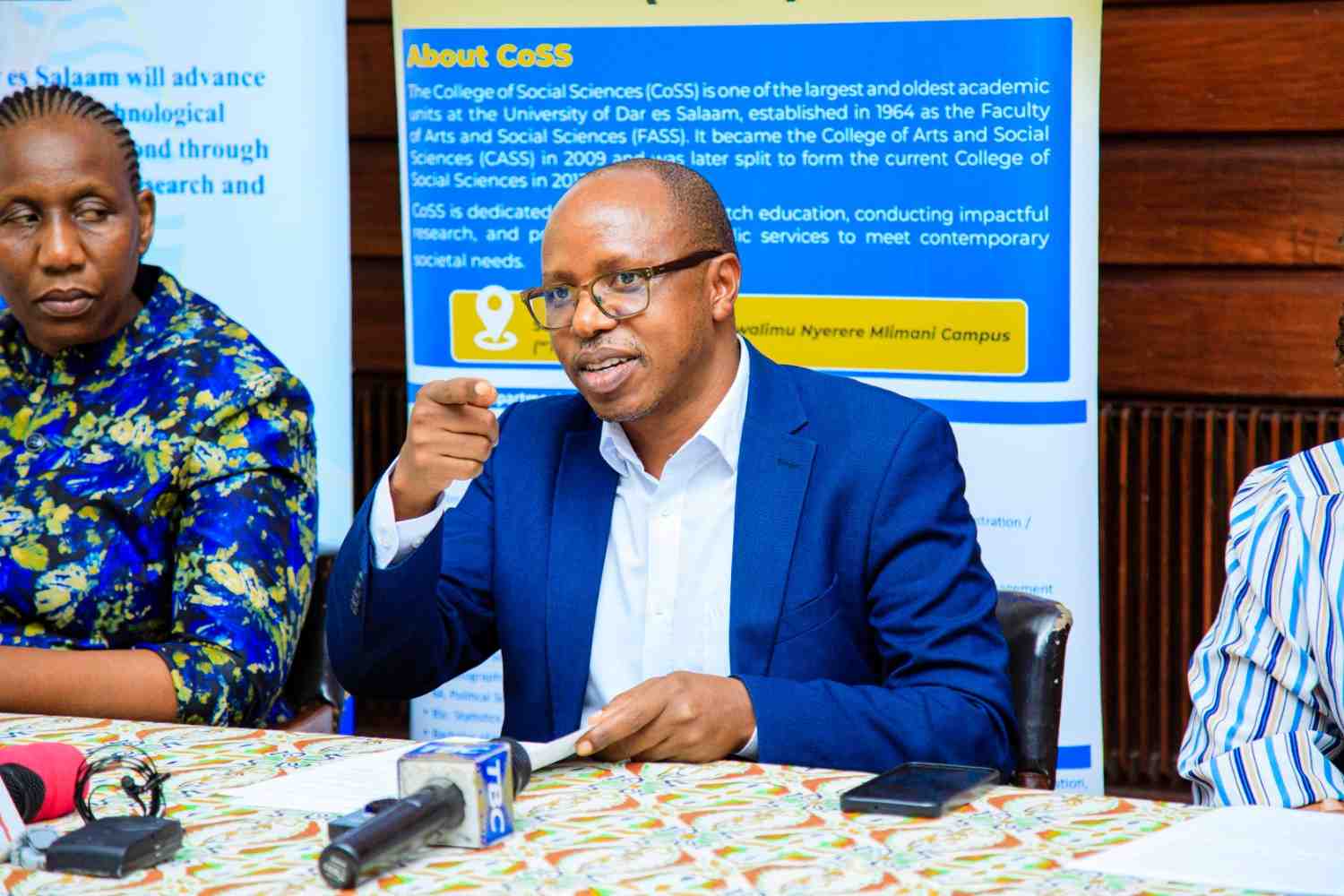
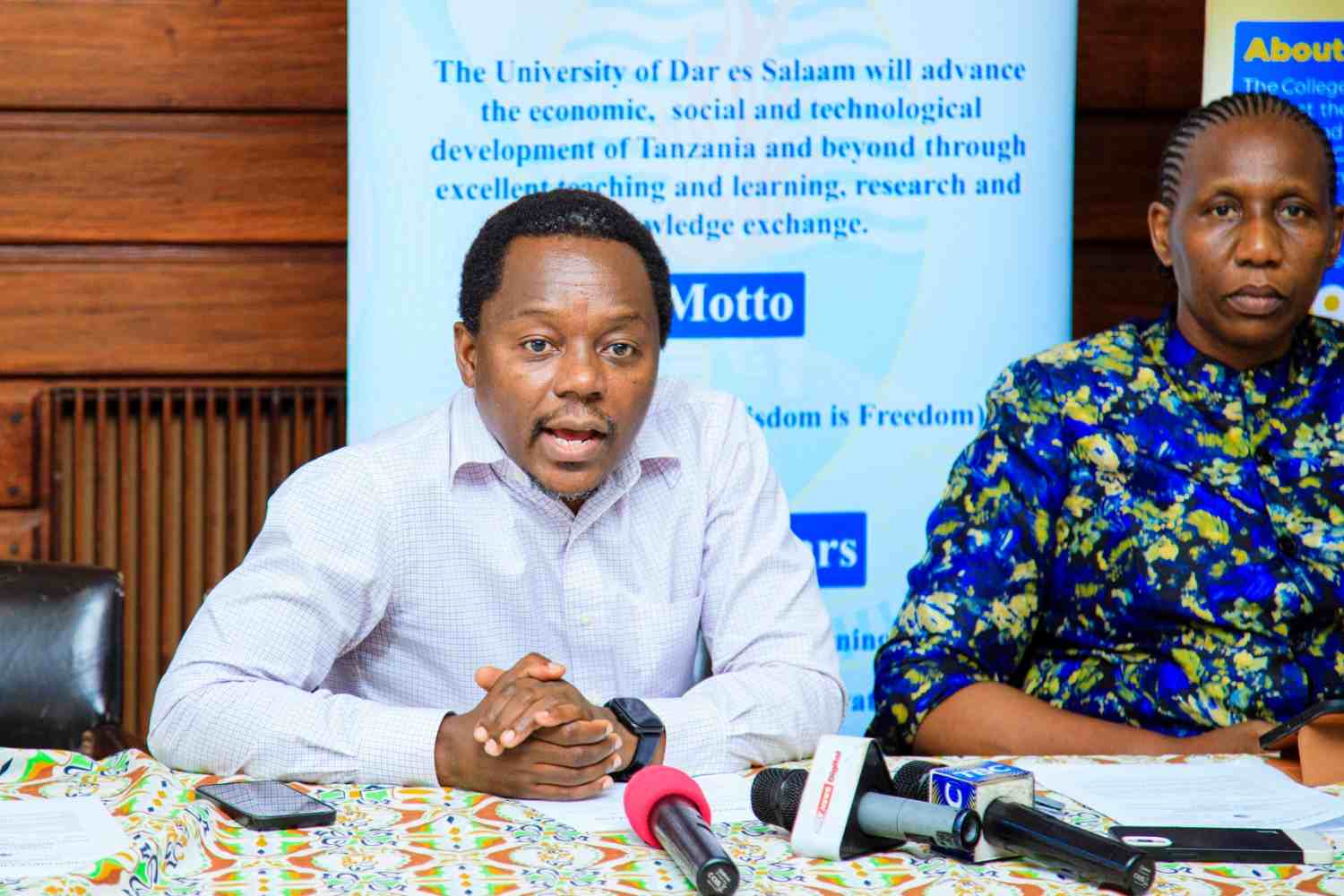
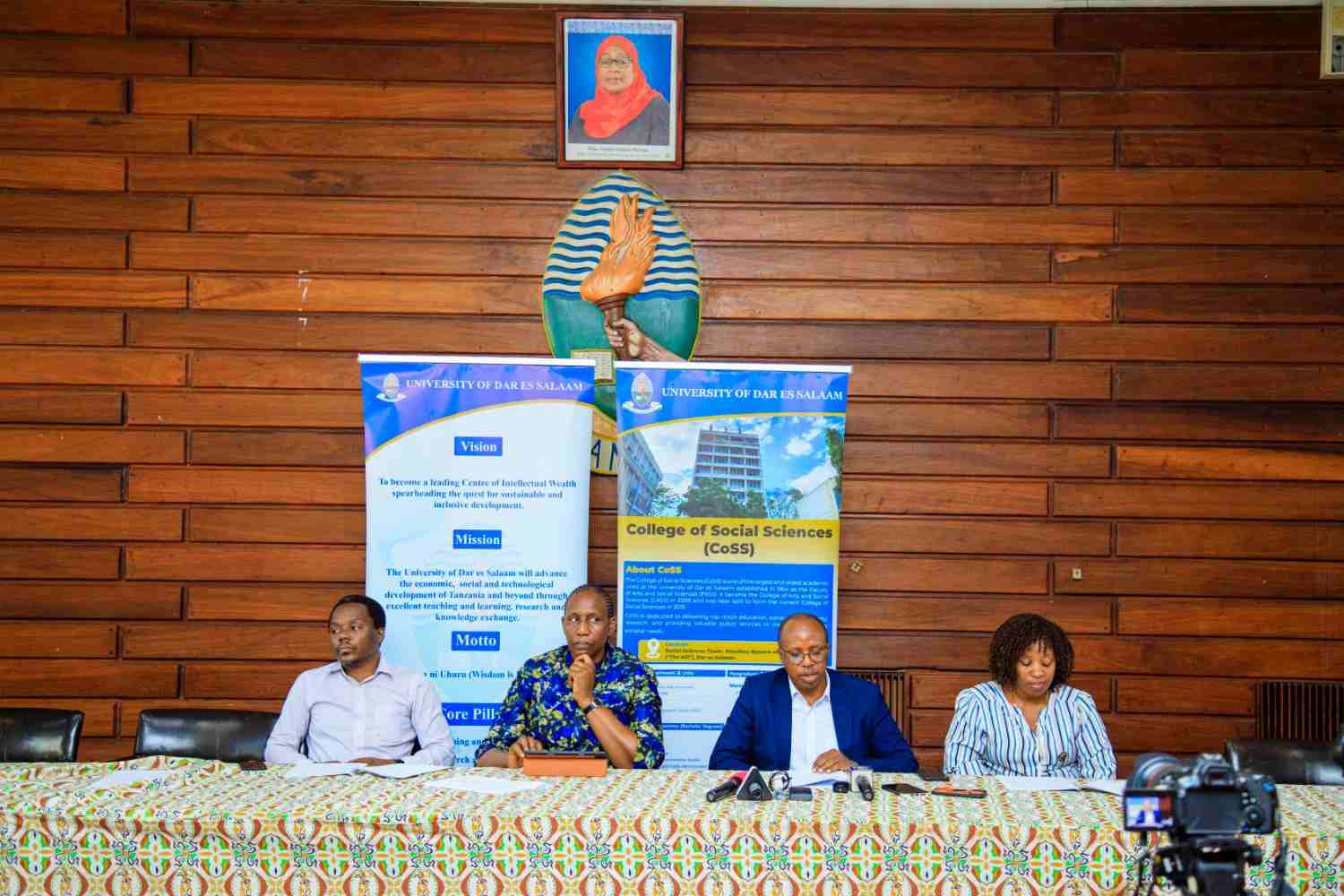
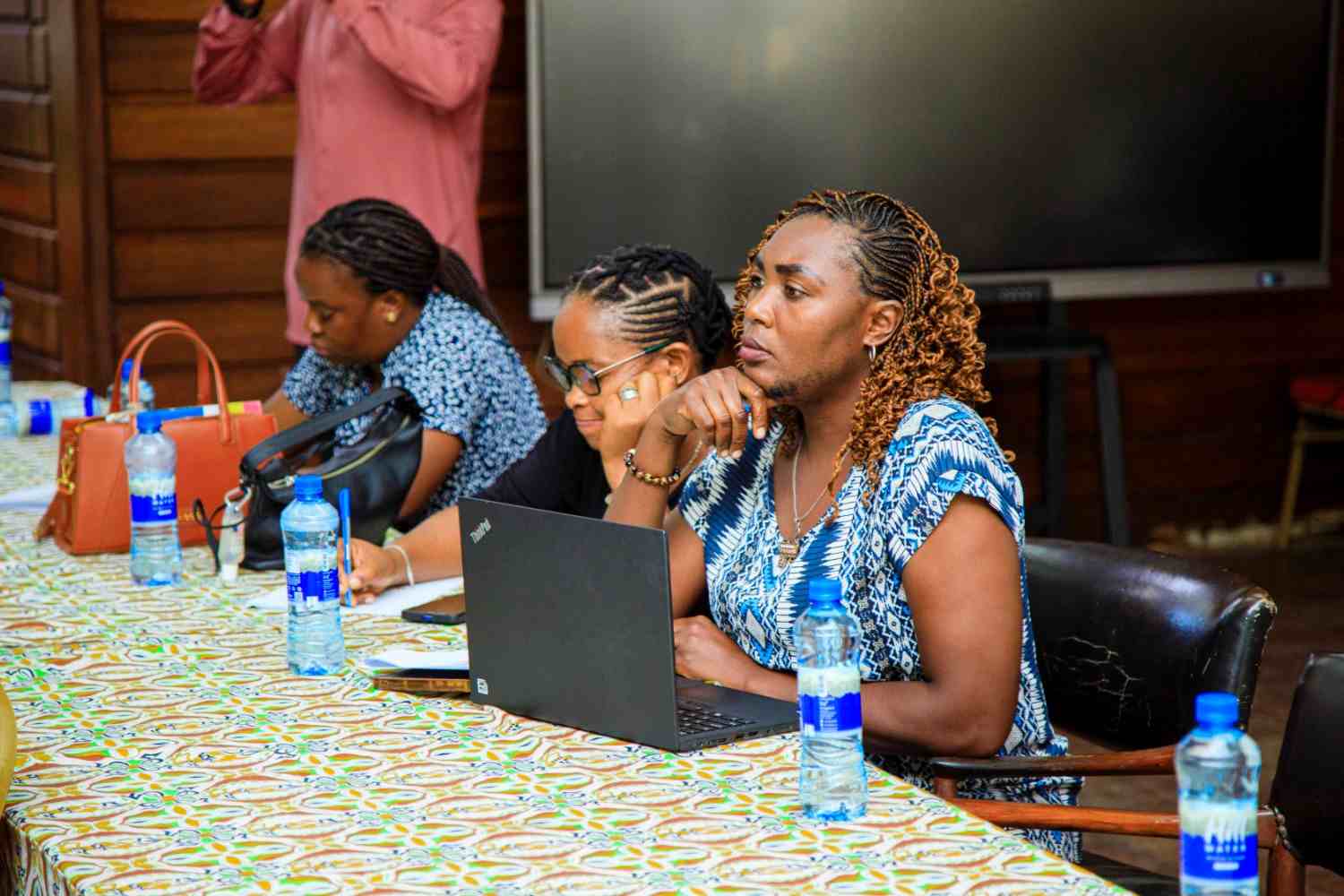
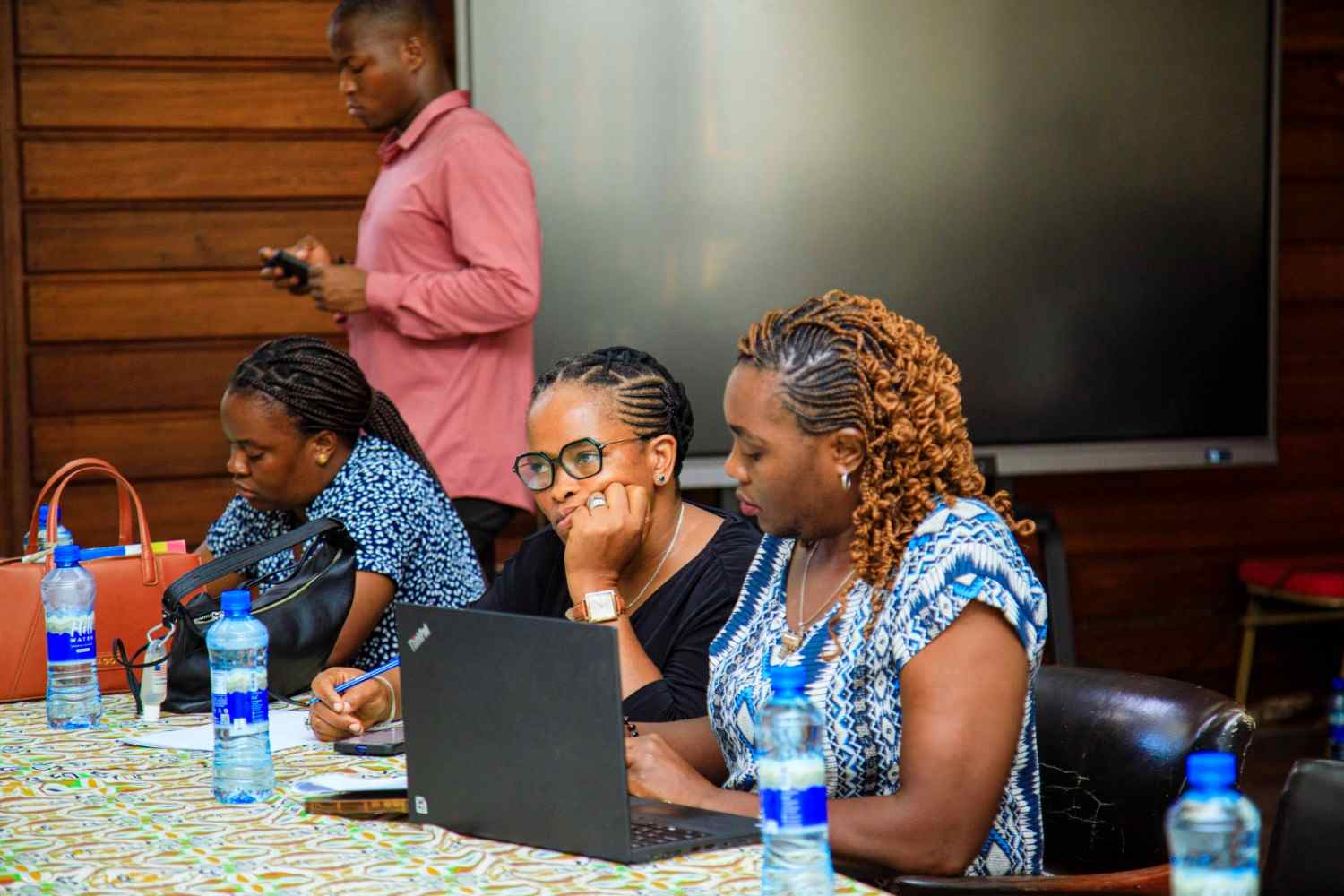
How can Africa’s Generation Z turn its growing digital influence, social awareness and capacity for mobilisation into meaningful participation in leadership, governance and decisions shaping their future?
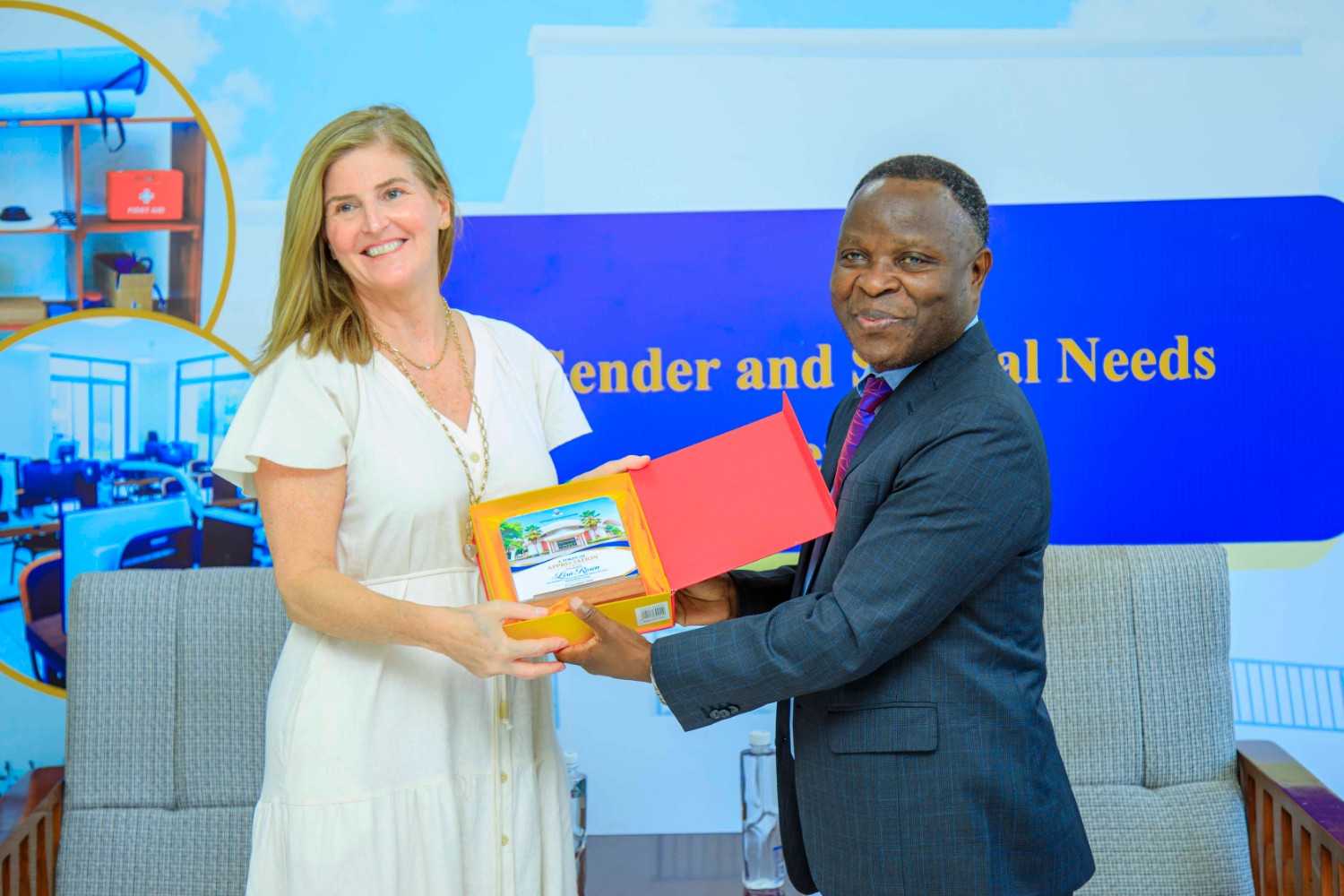
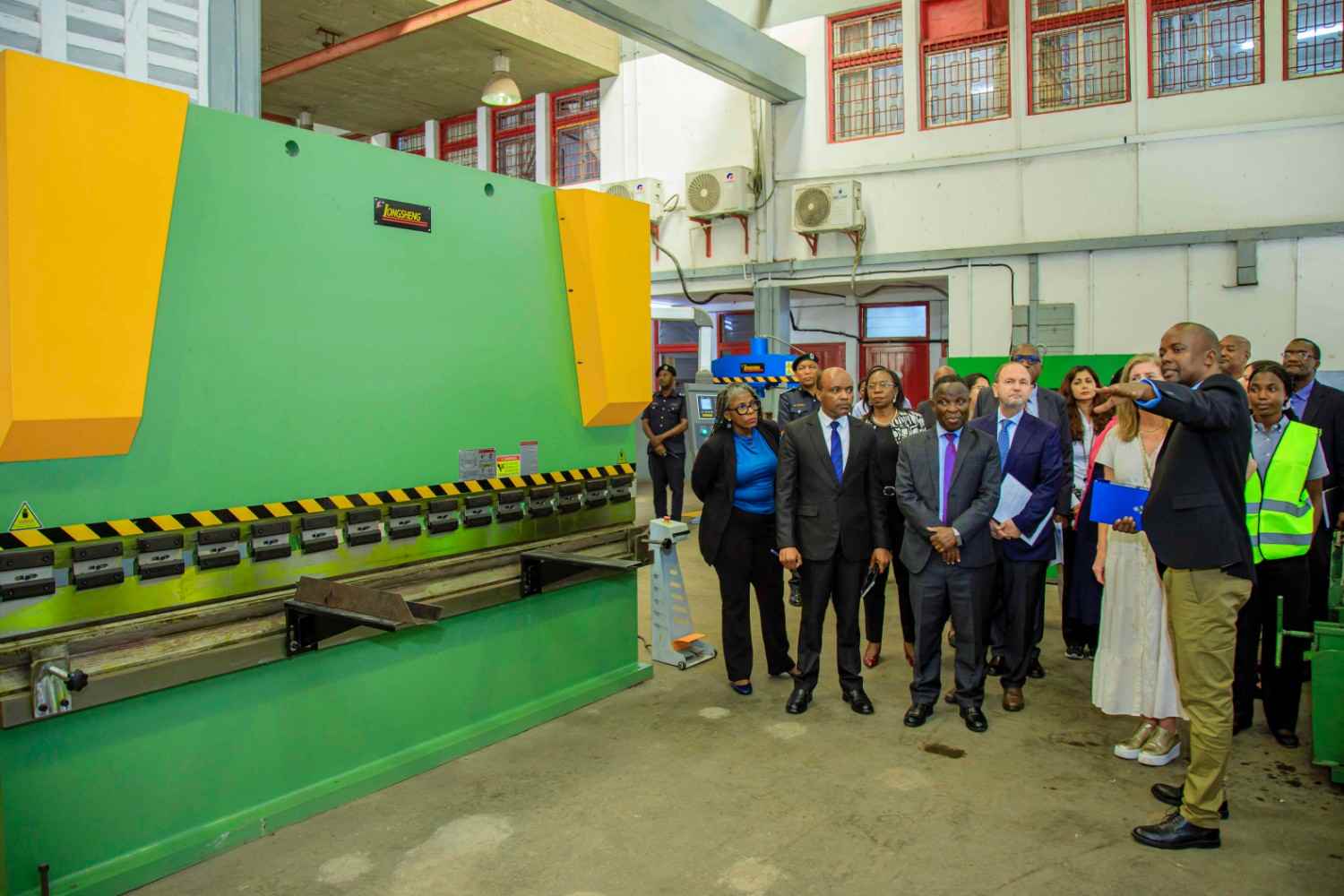
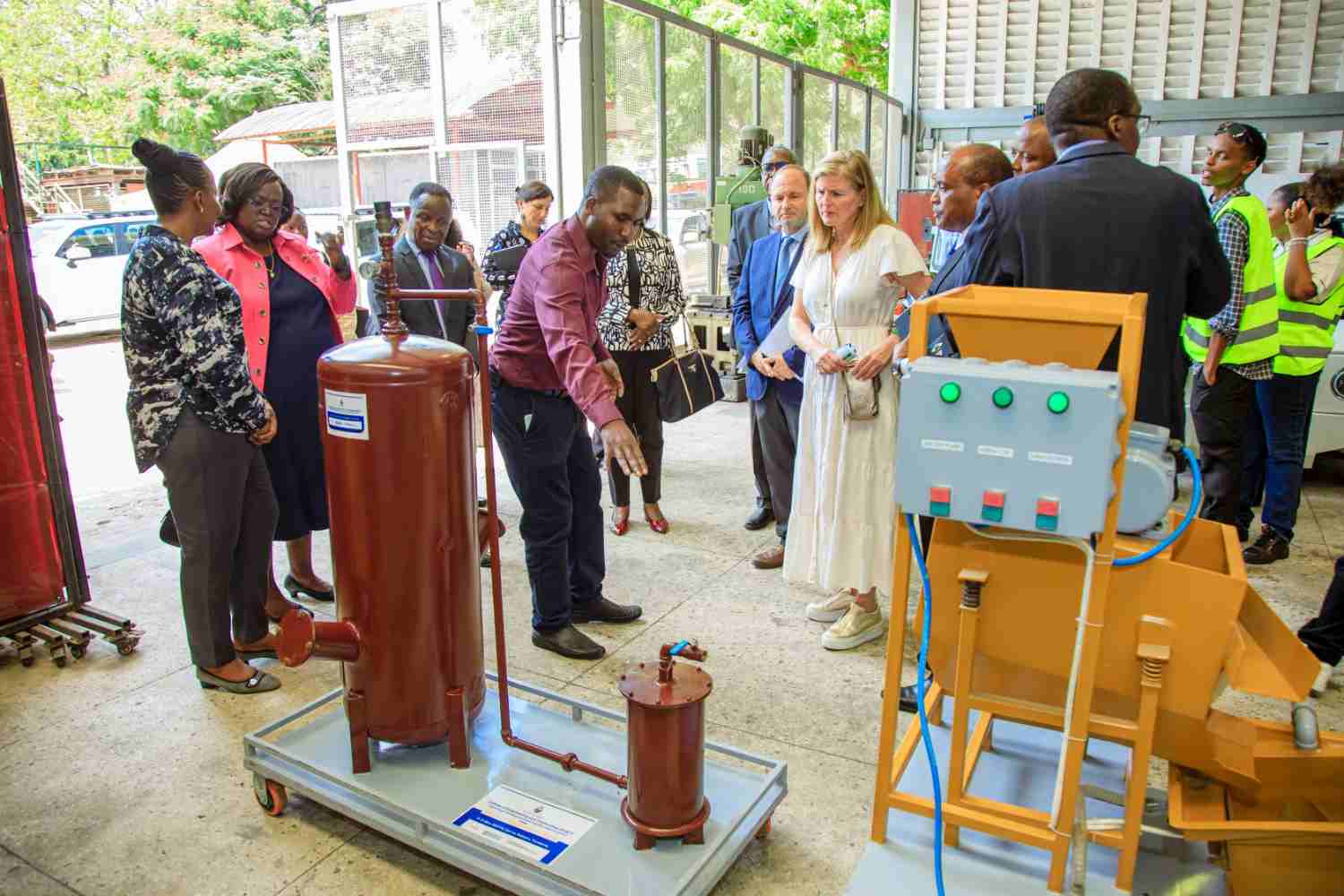
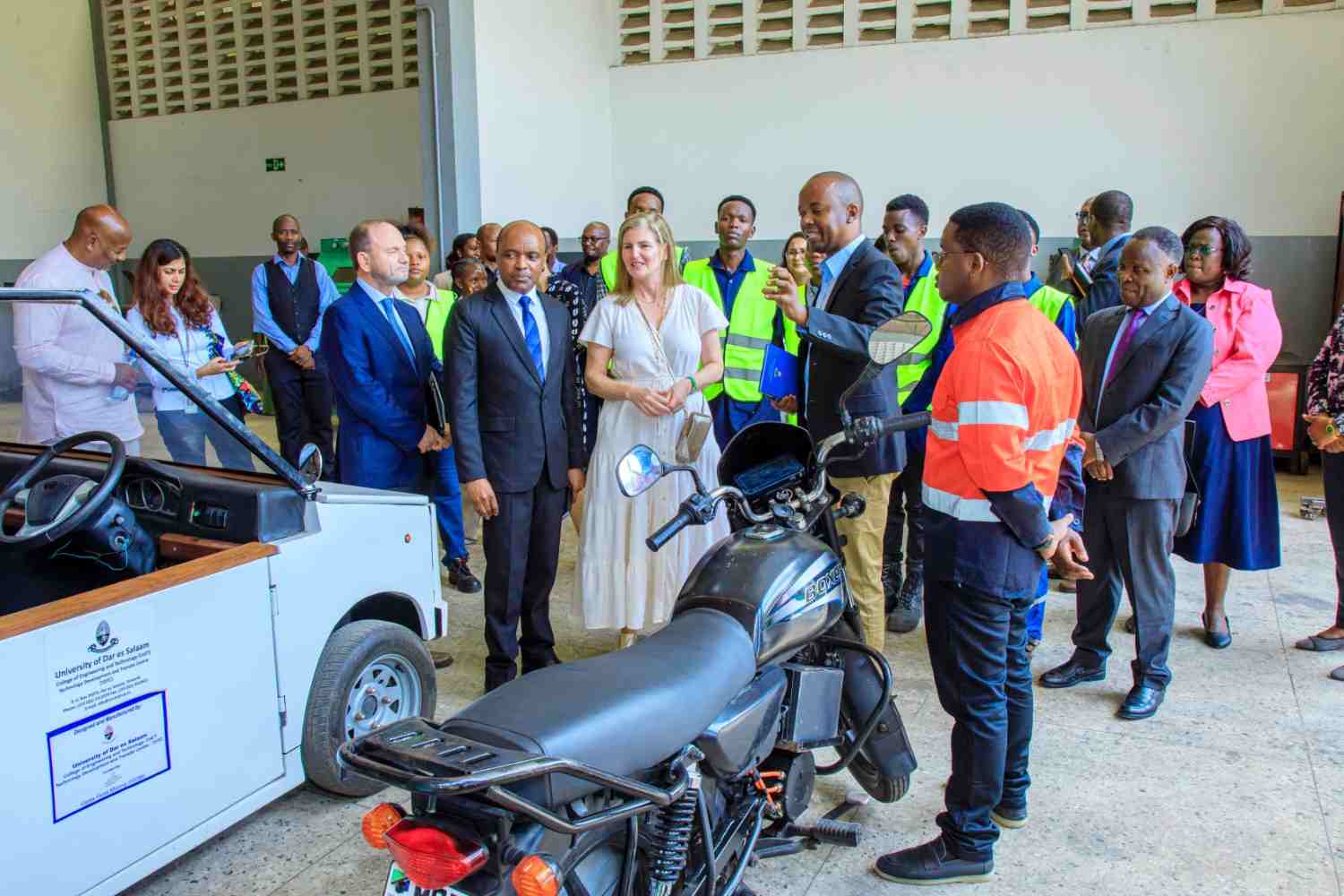
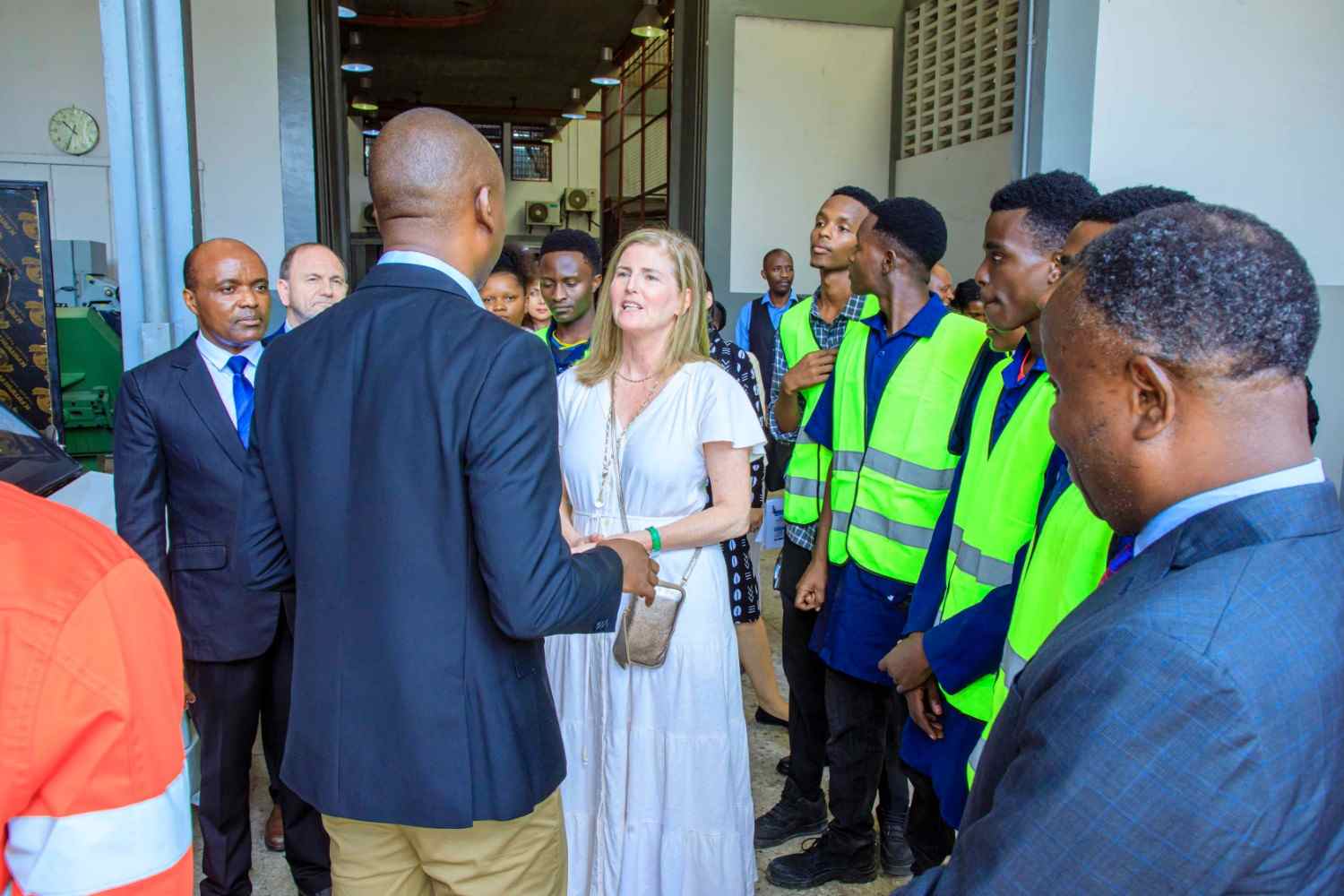
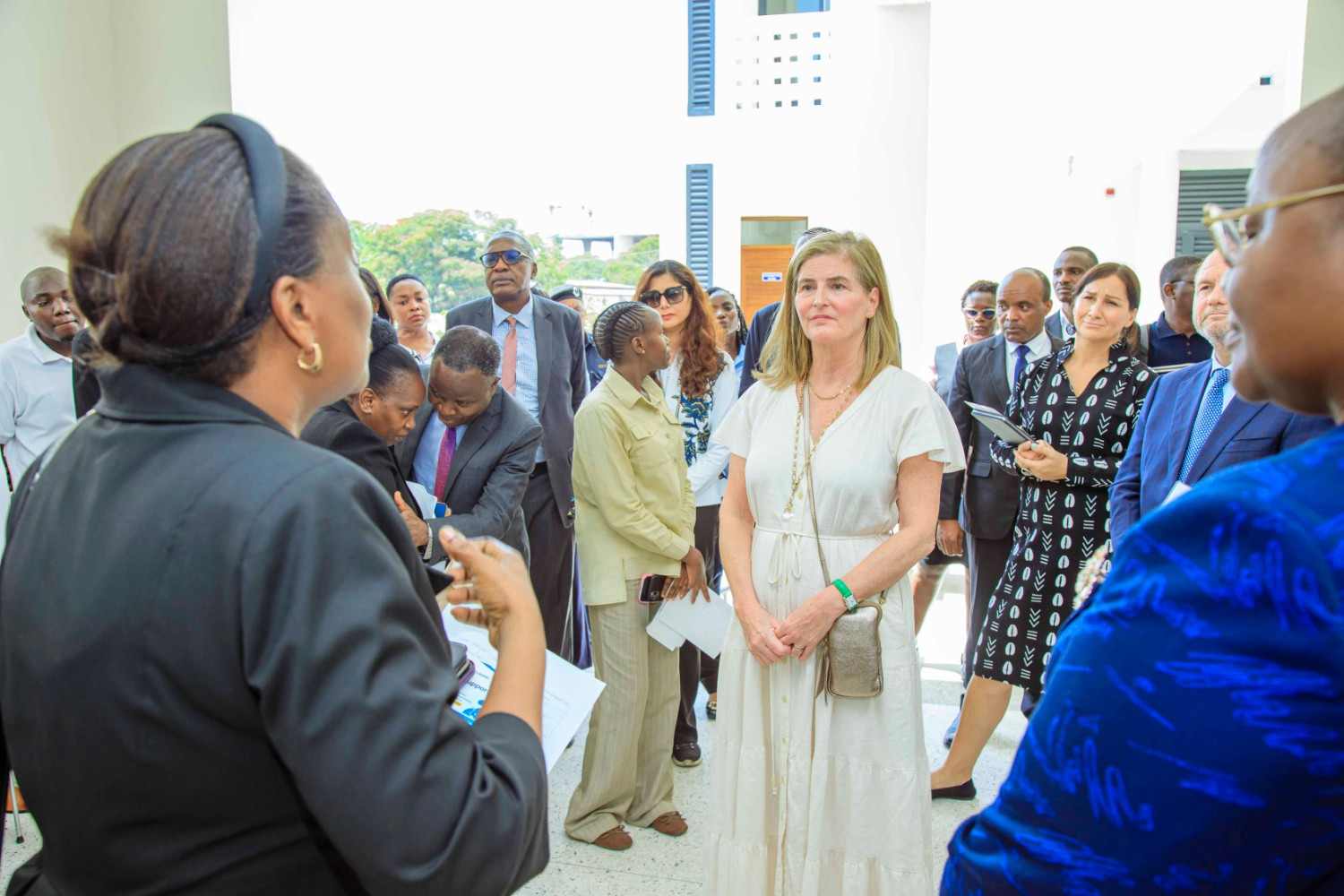
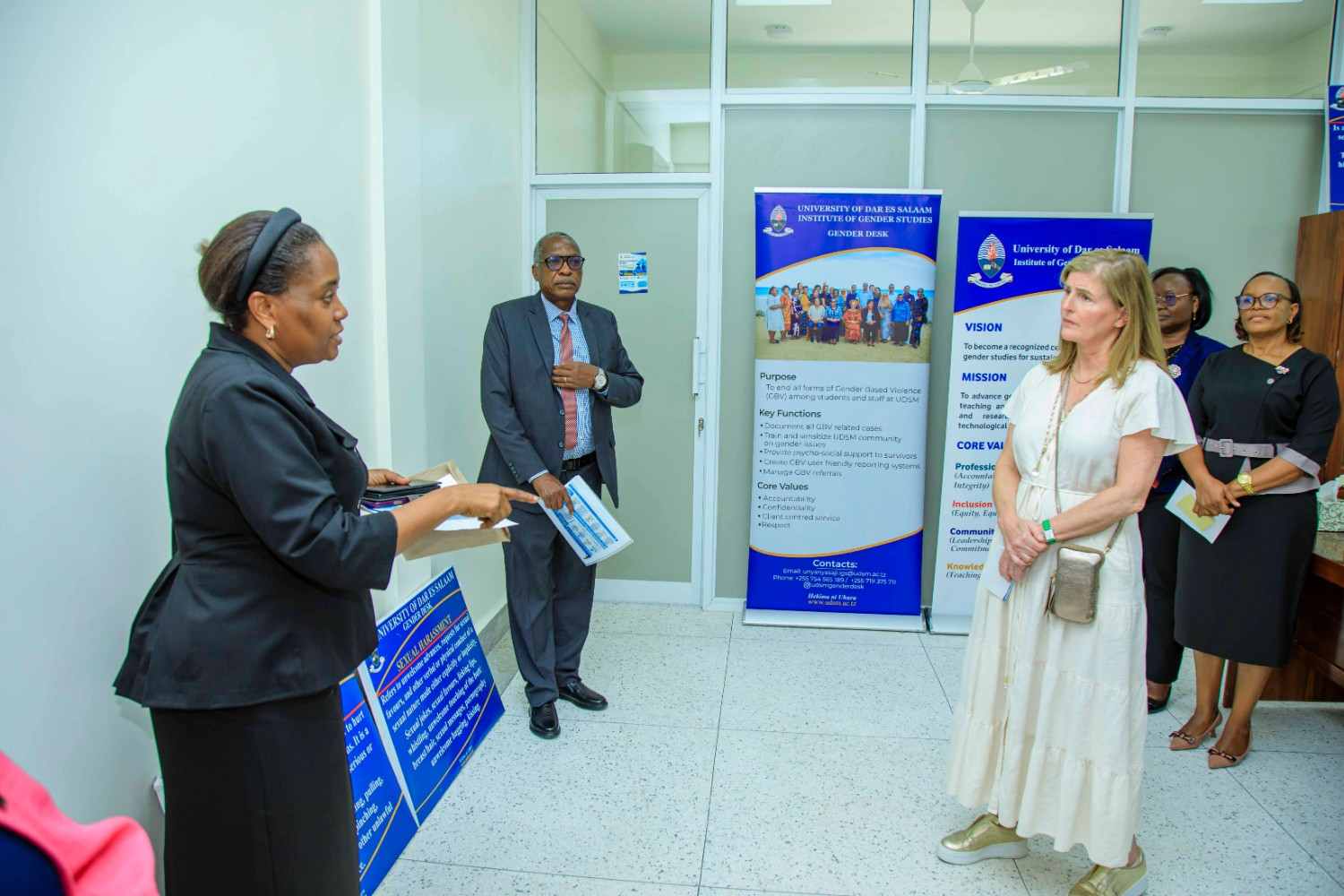
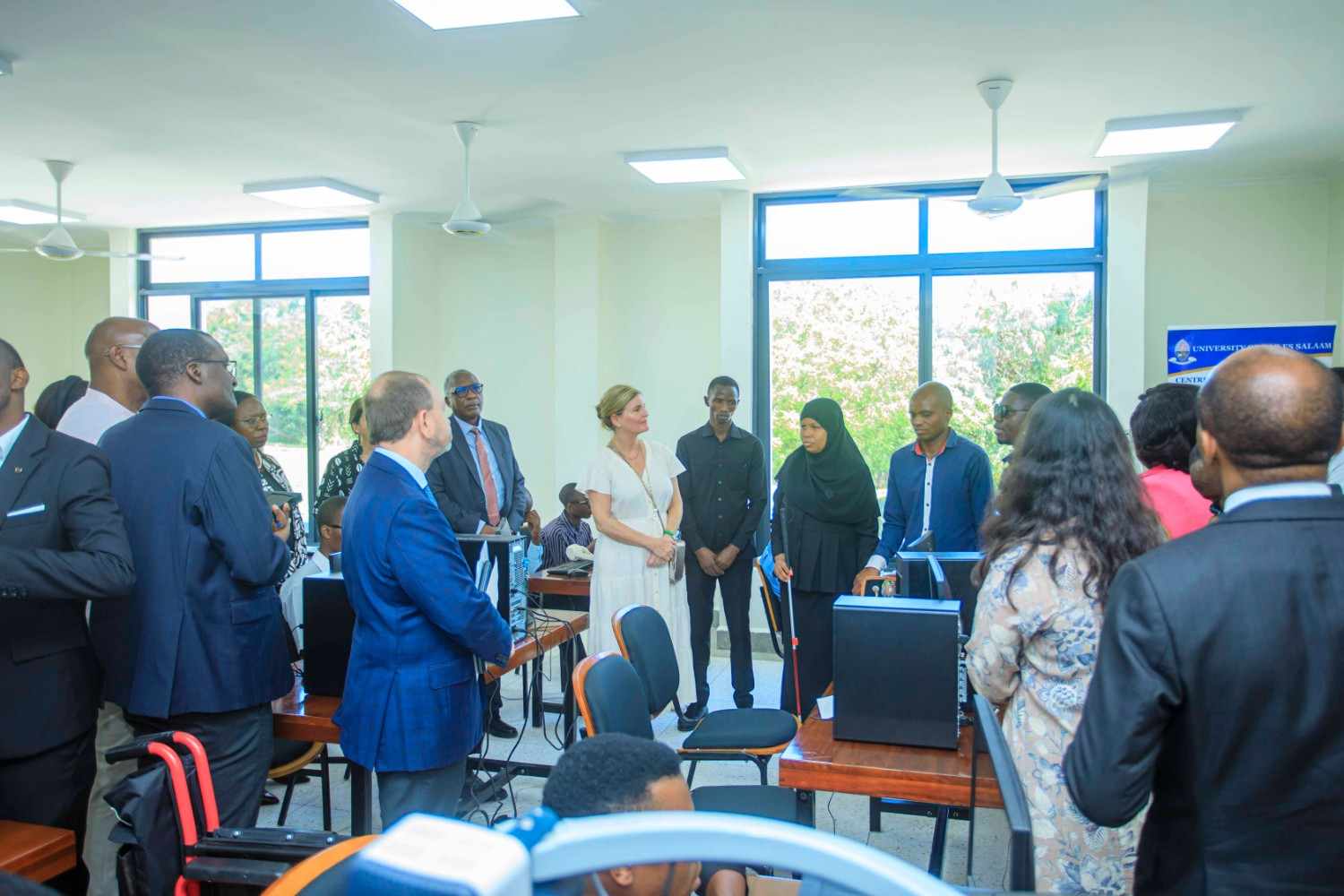
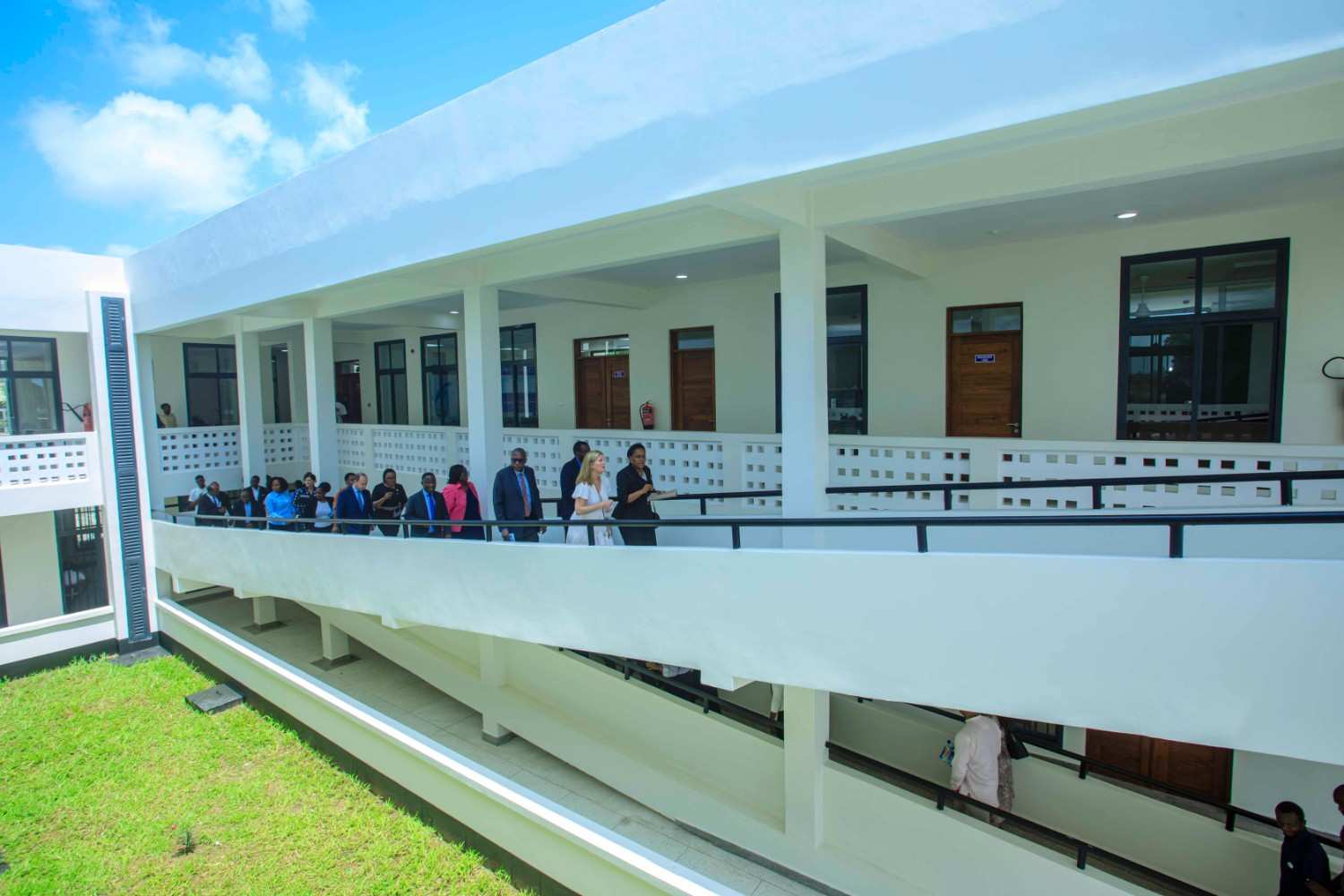
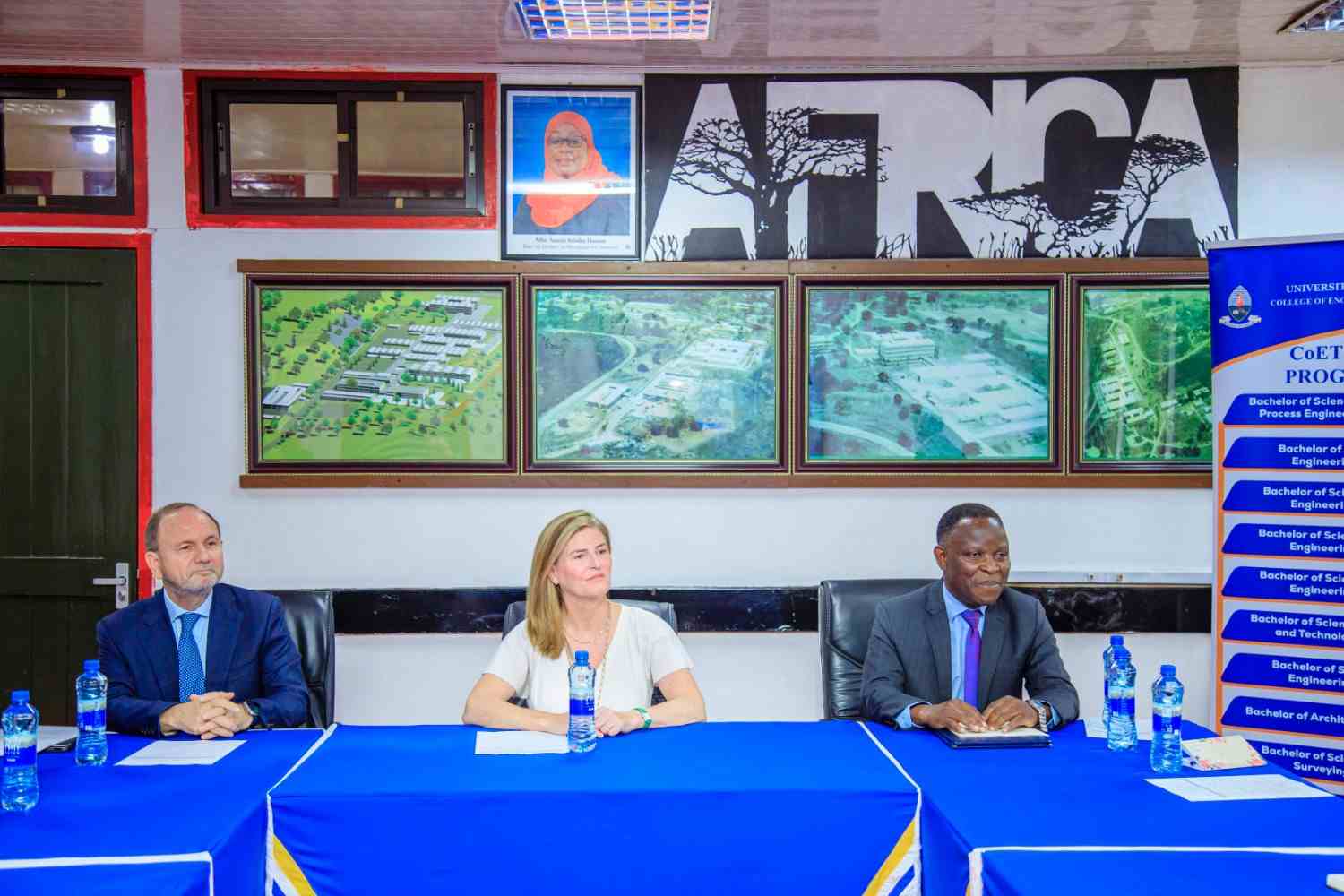
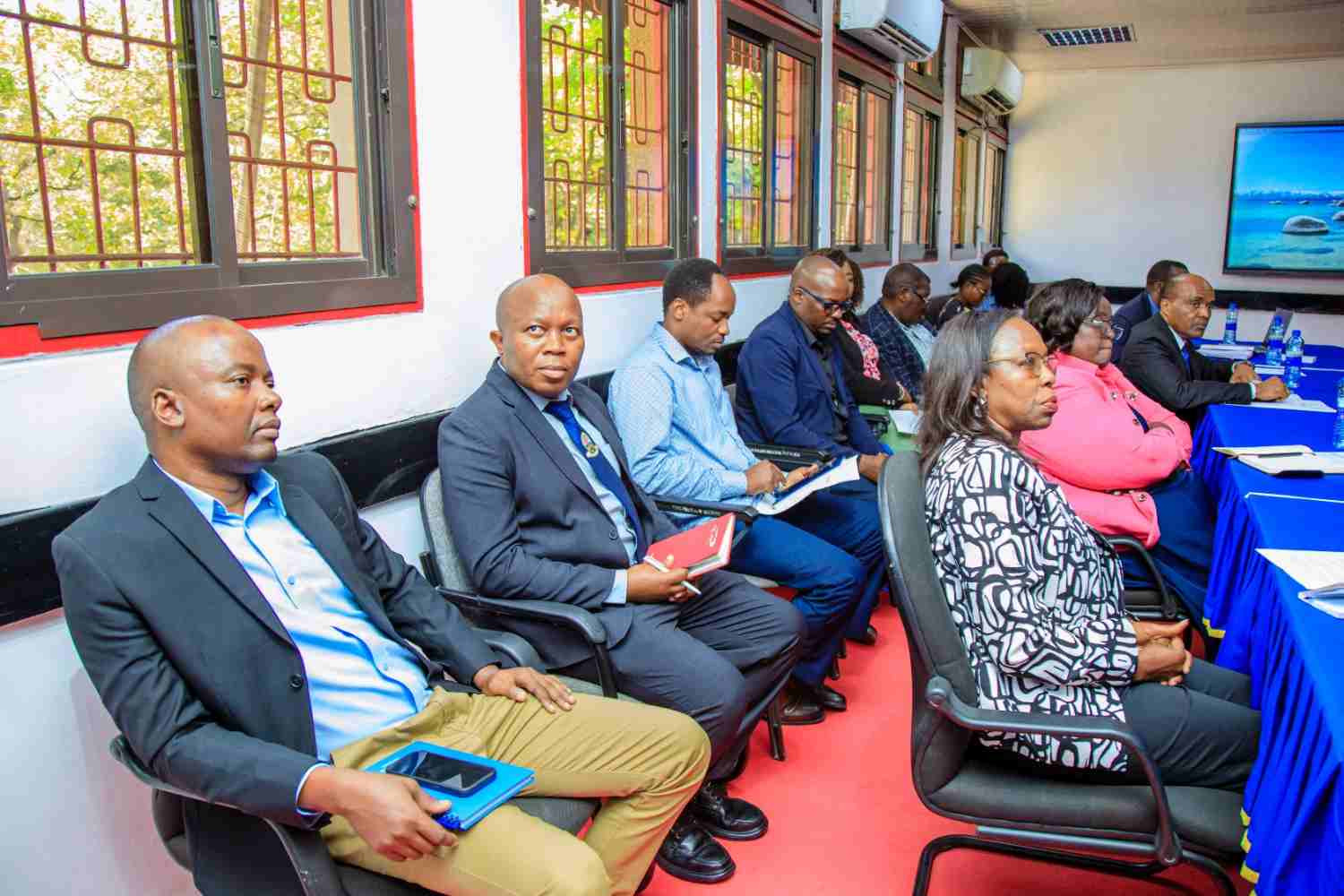
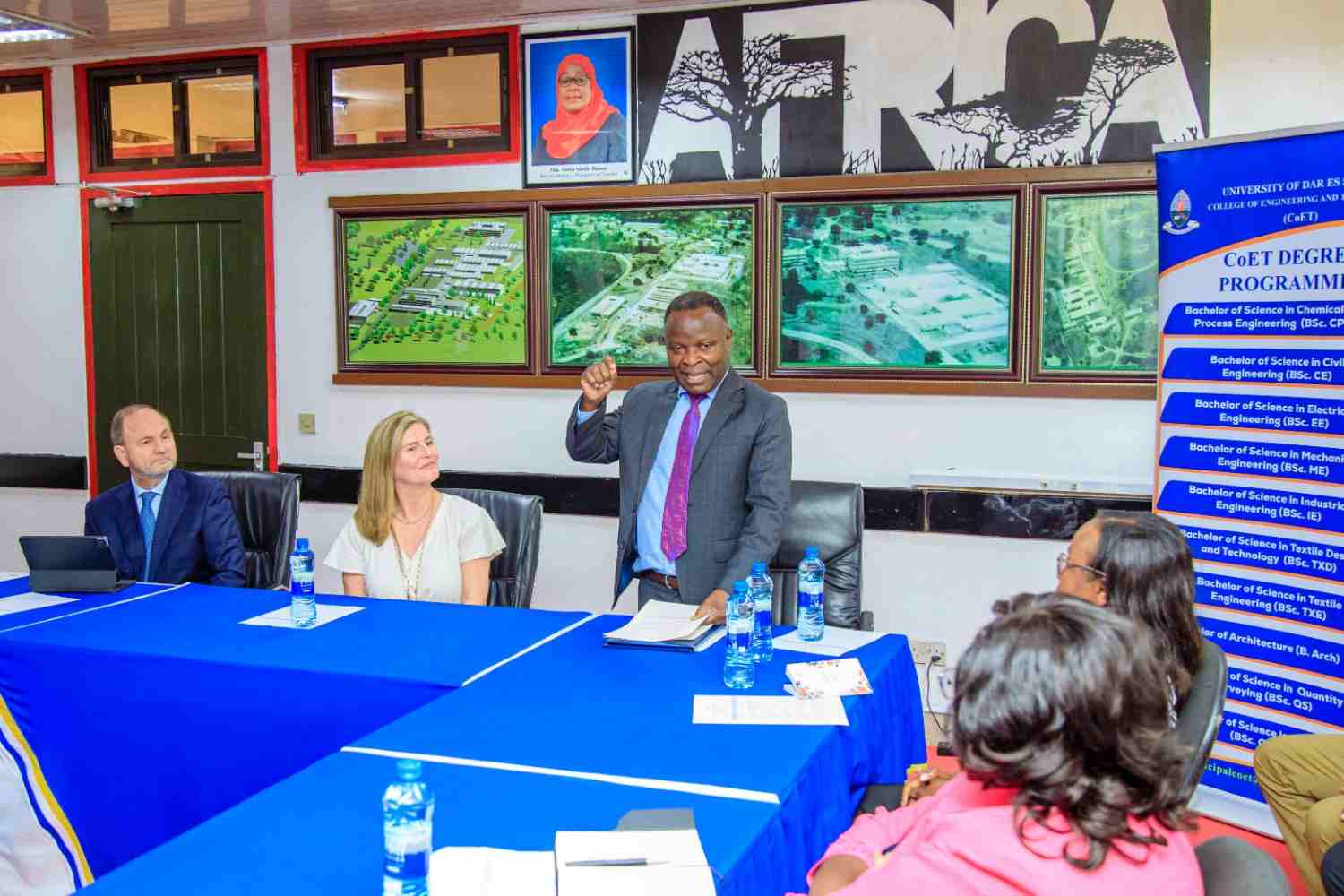
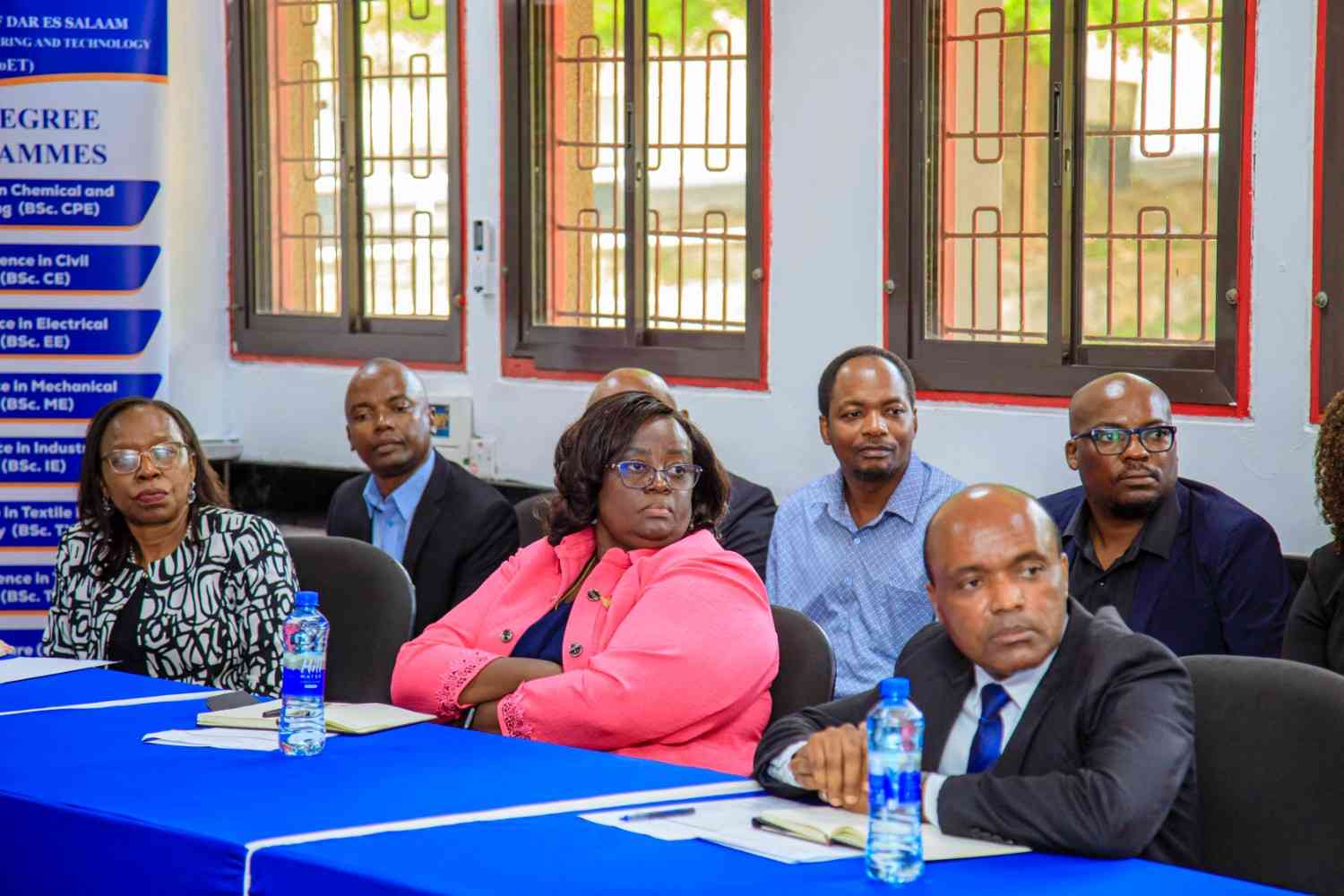
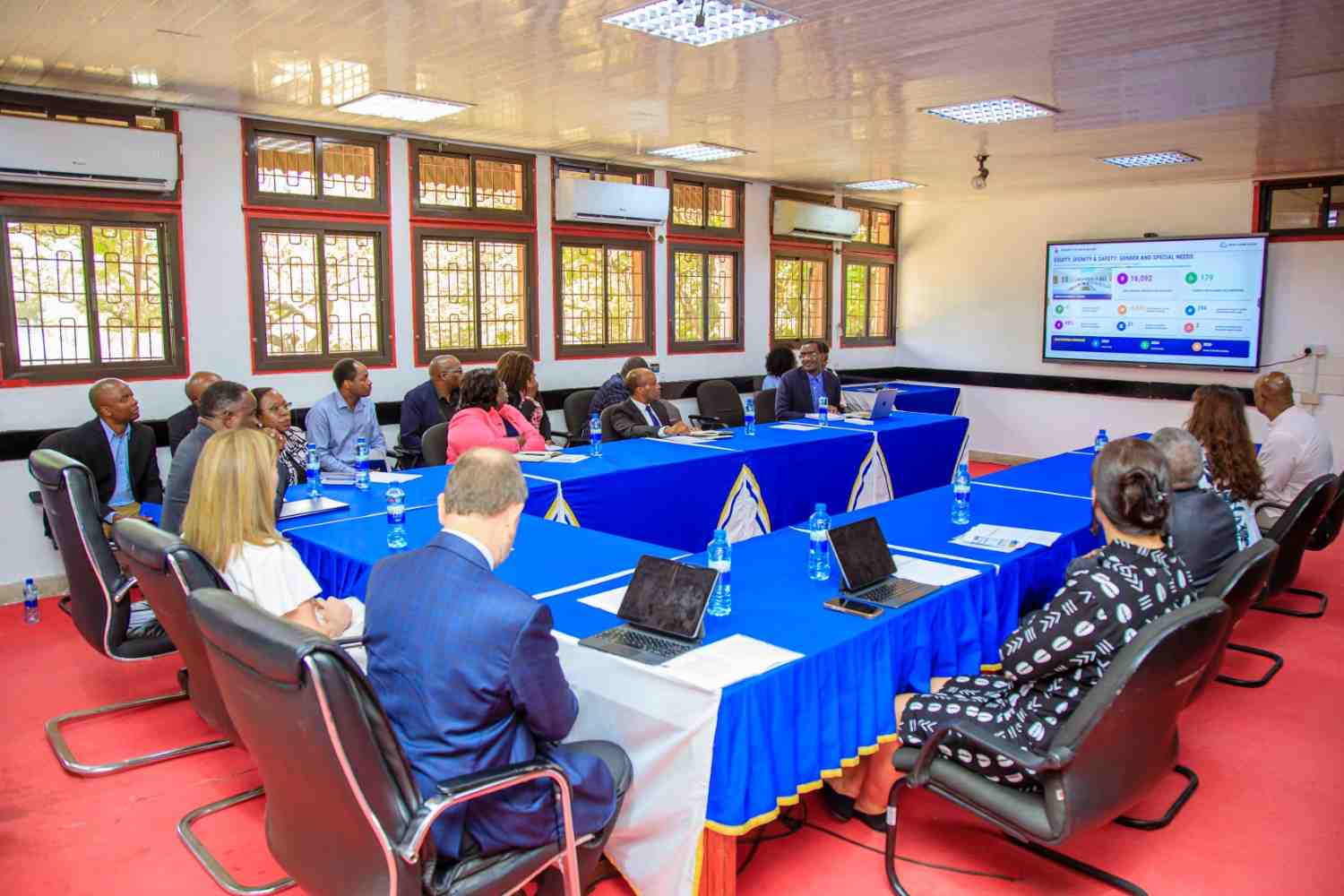
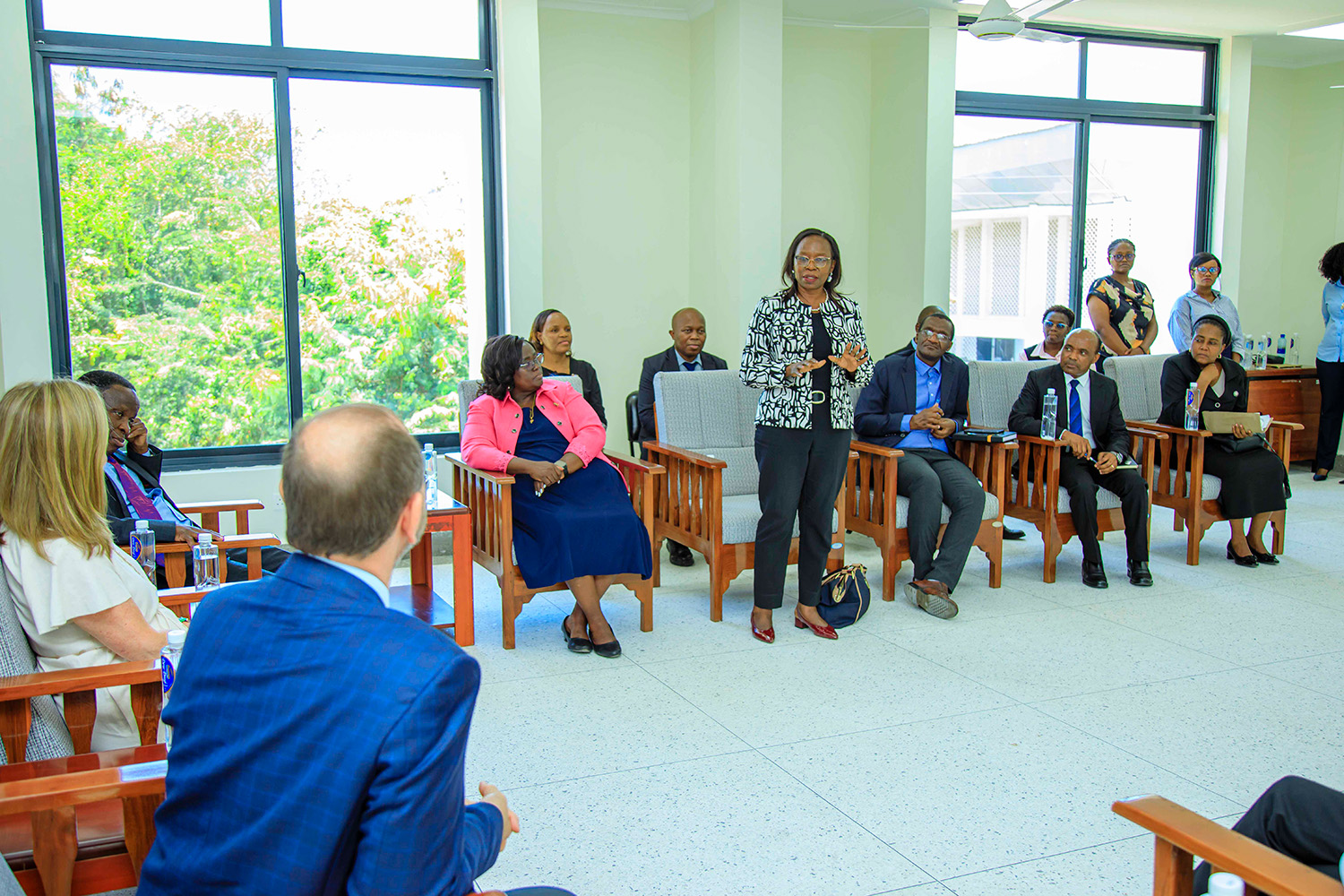
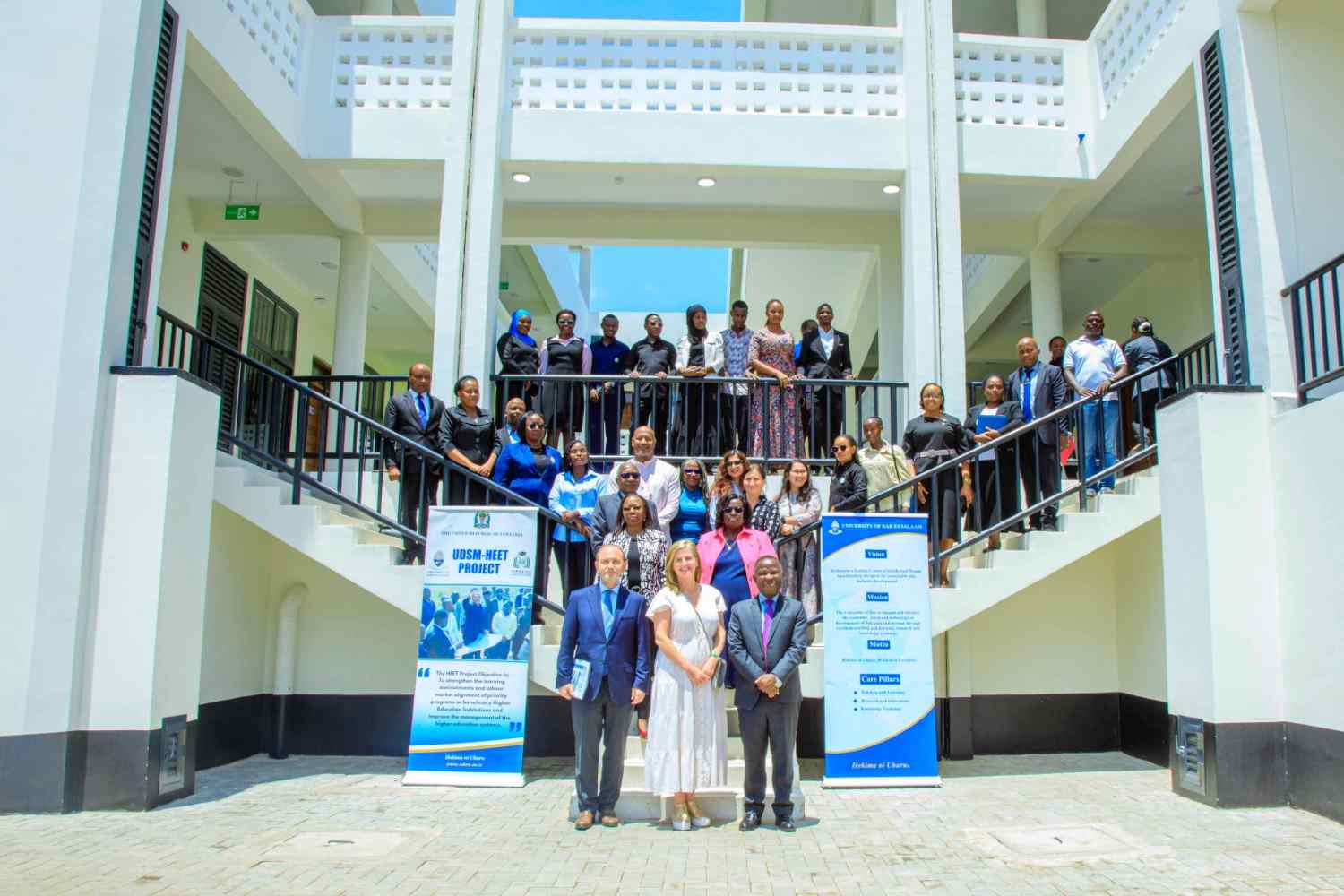
The University of Dar es Salaam (UDSM)
has earned recognition from the World
Bank for strengthening student welfare,inclunsivity, campus safety, and graduate employability, demonstrating its commitment to creating a supportive and equitable environment.
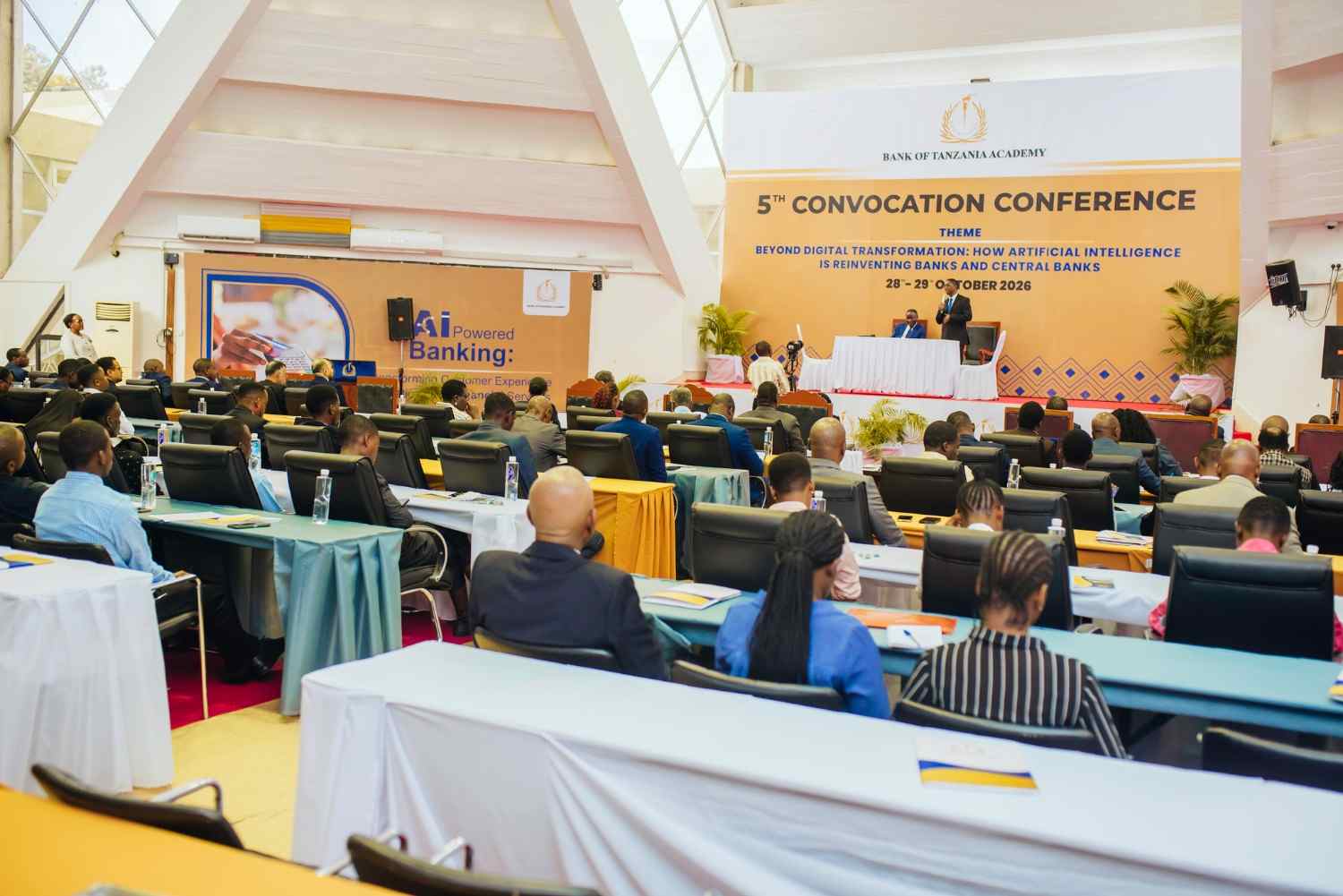
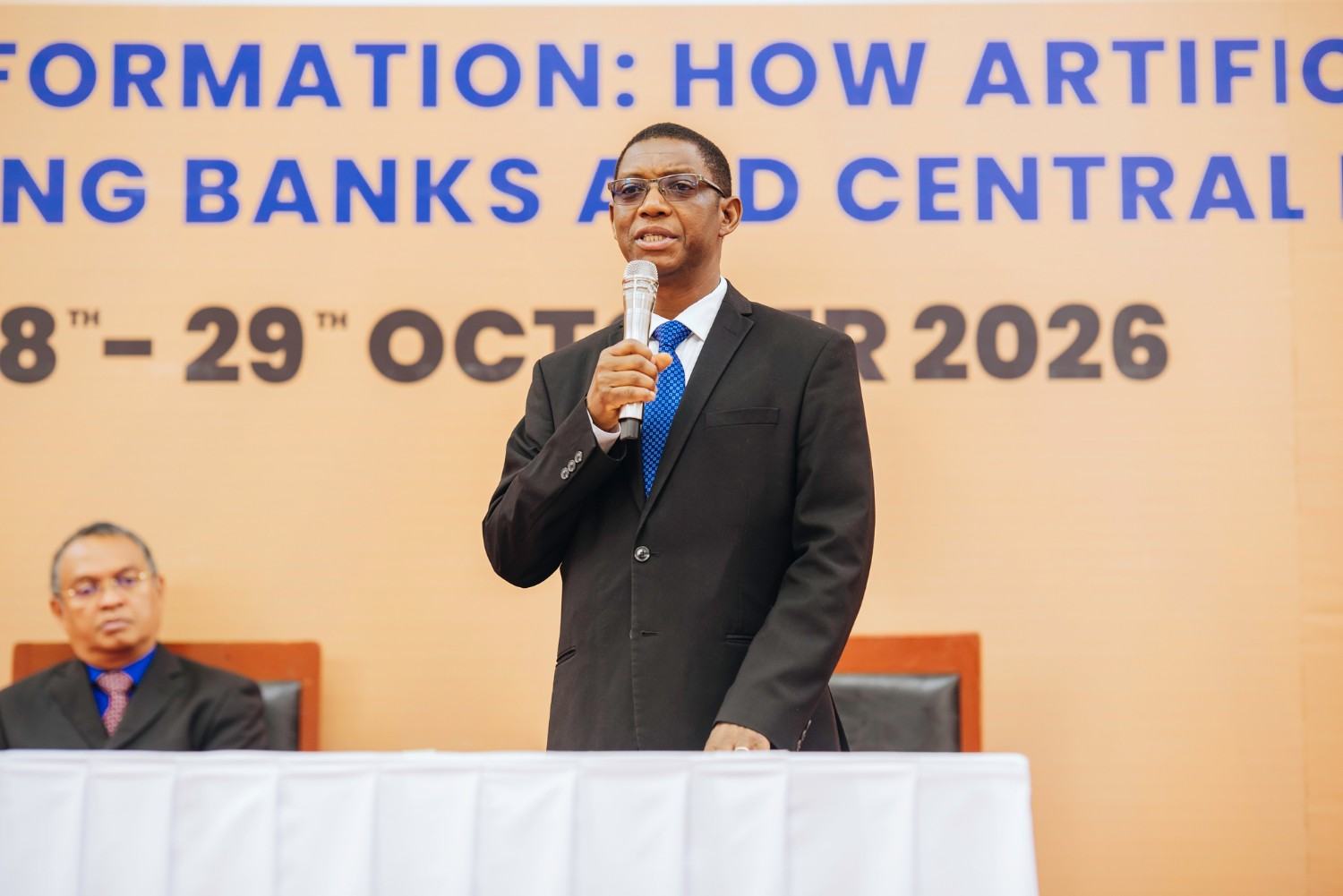
Financial literacy plays a critical role in helping people make informed decisions about income, savings, borrowing and investment. As Tanzania seeks to strengthen financial inclusion and economic participation, equipping citizens with practical financial knowledge has become increasingly important.