
UDSM Champions Disability Inclusion through Innovation, Policy Leadership and Strategic Partnerships
By Jackson Isdory and Renancy Remmy, CMU
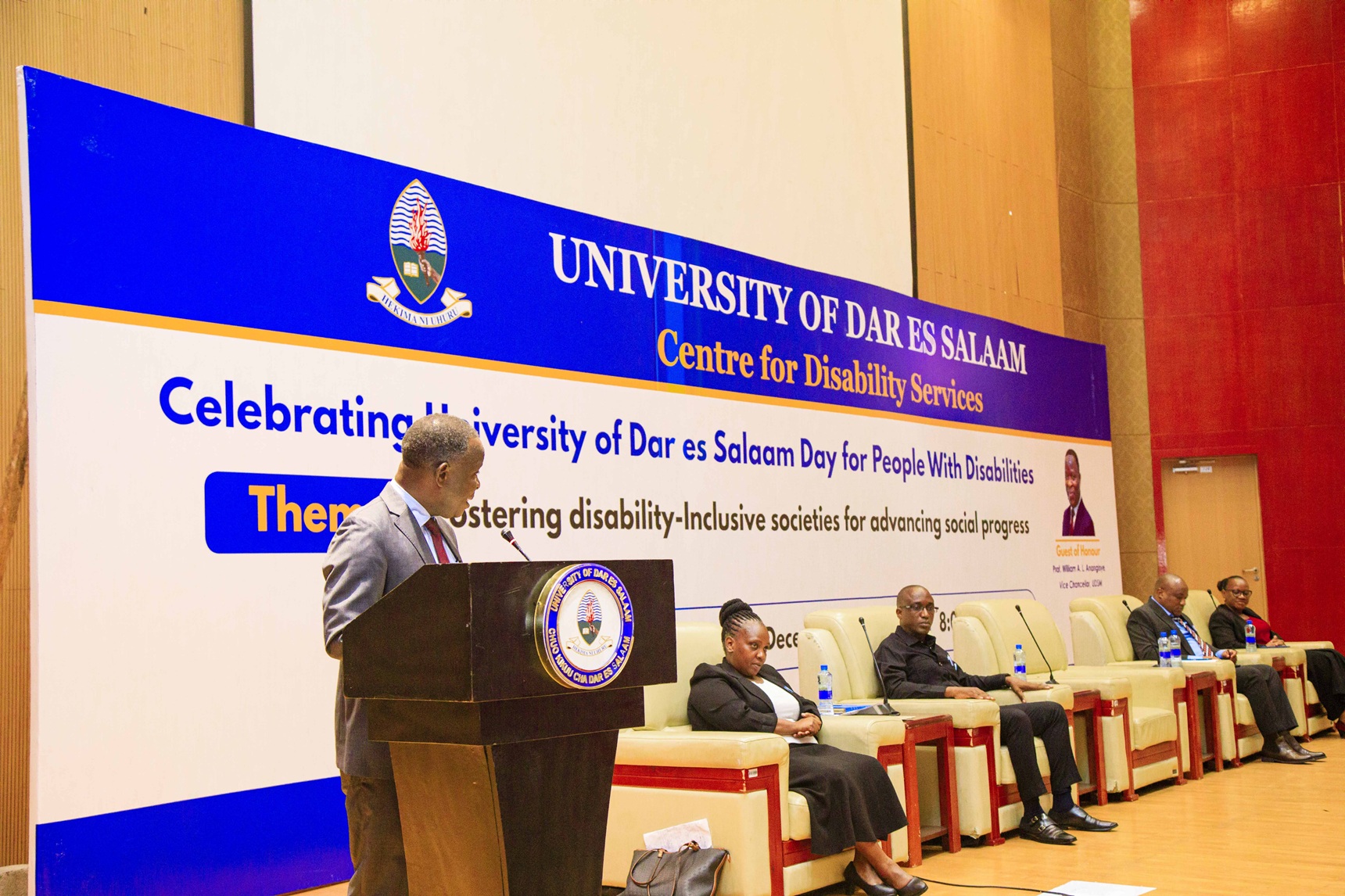
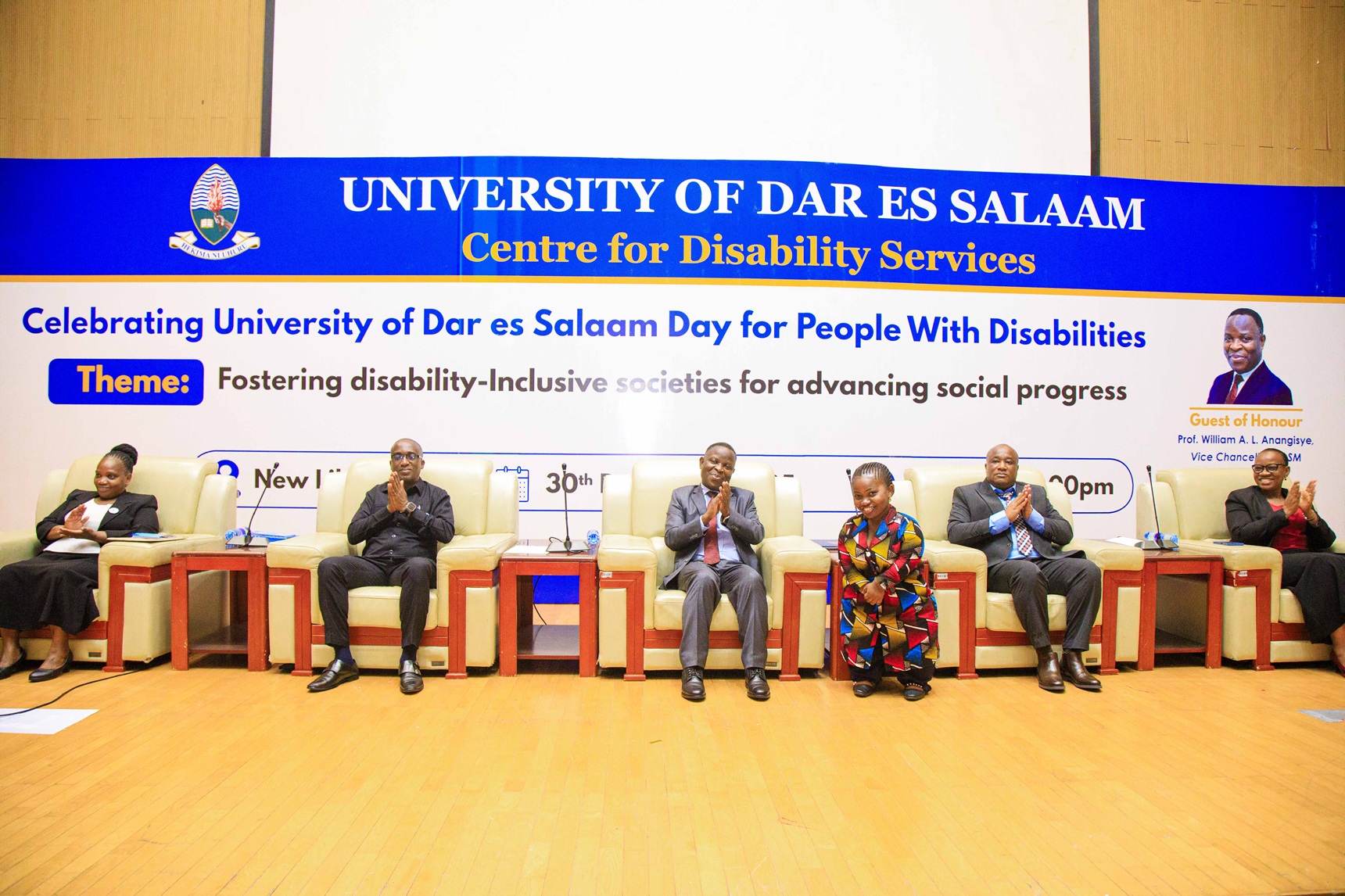
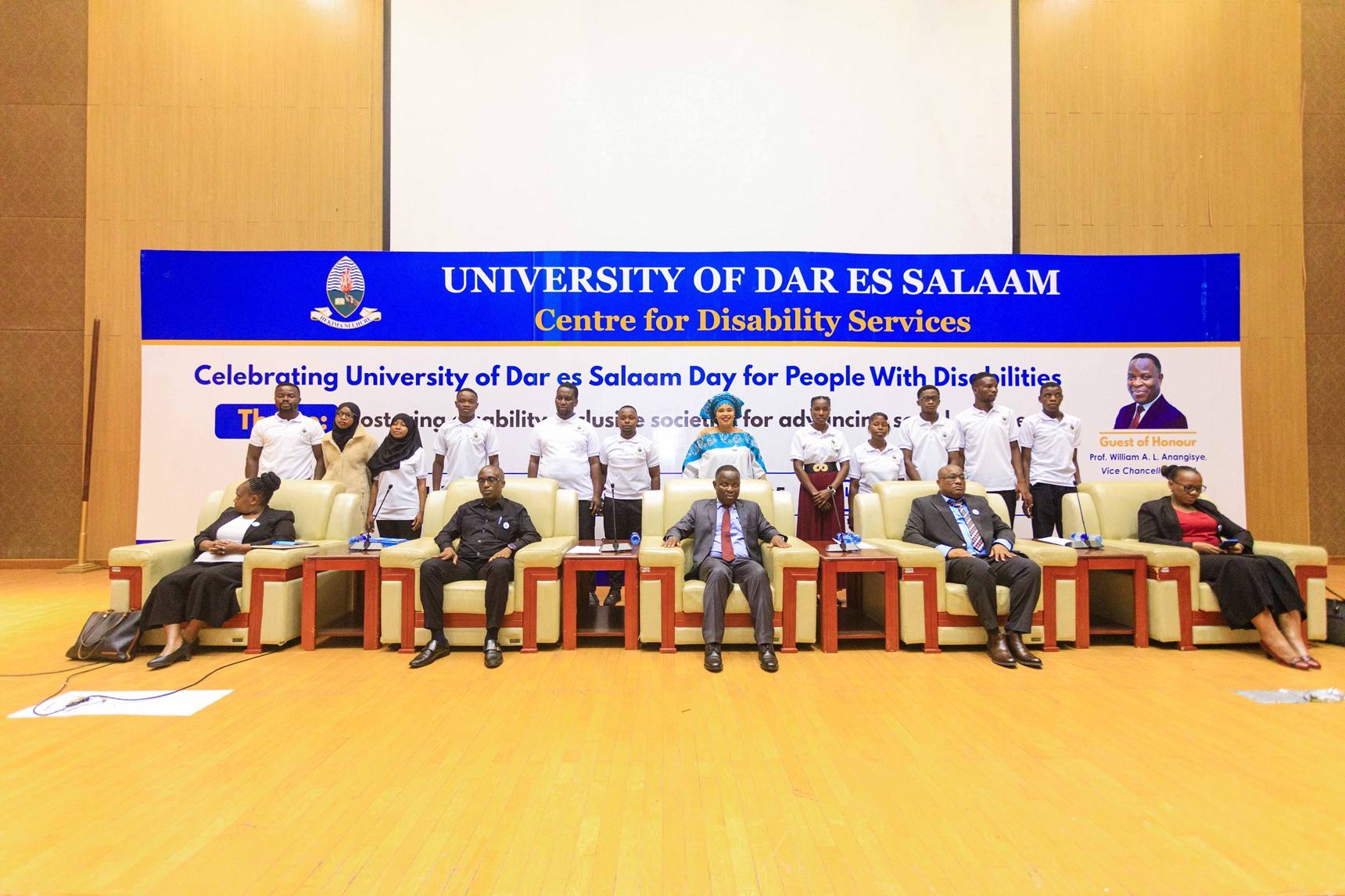
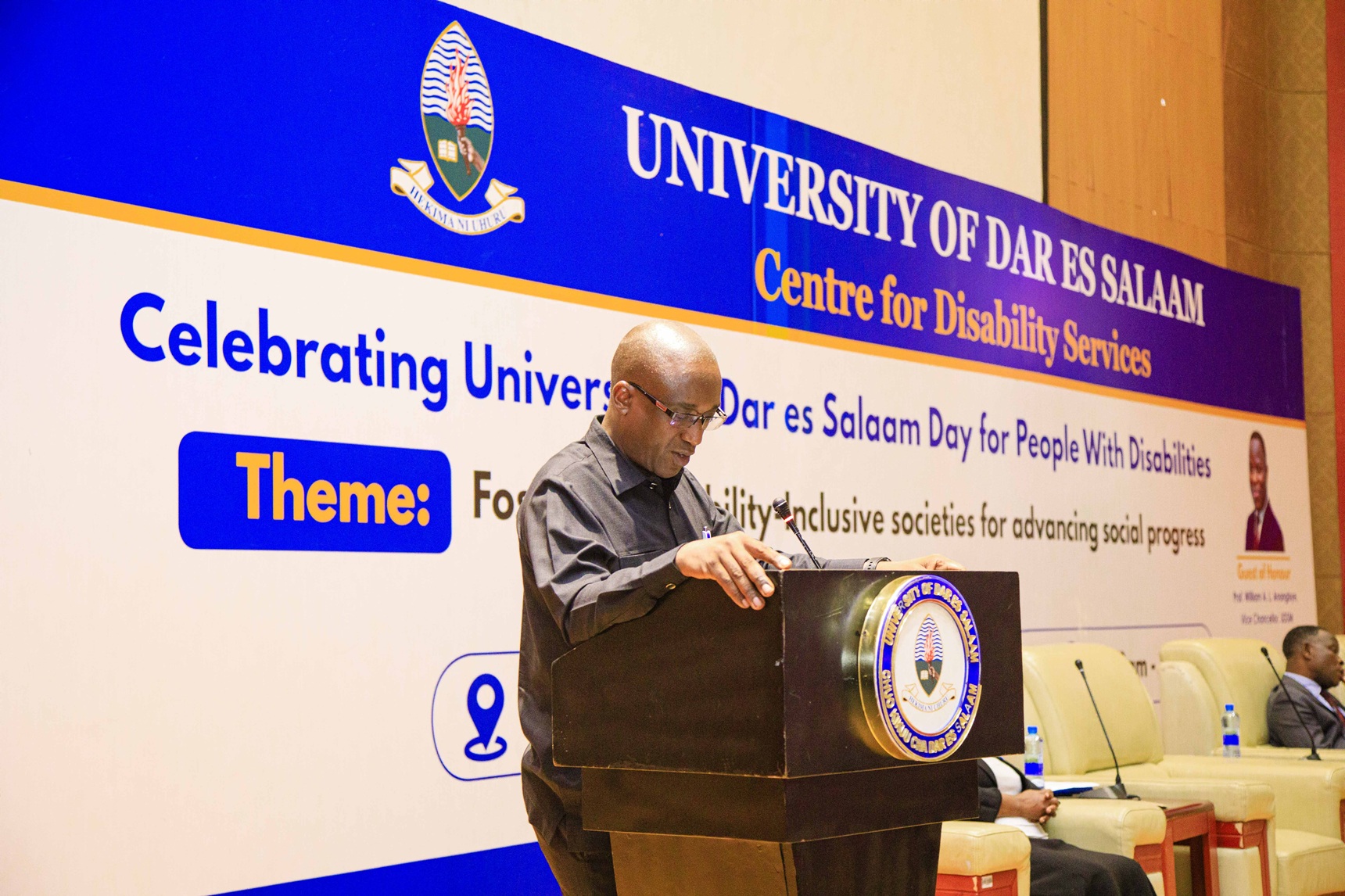
The University of Dar es Salaam (UDSM) has reaffirmed its position as a national leader in inclusive development by hosting the climax of the 2025 International Day of Persons with Disabilities on 30 December 2025, an event that placed disability inclusion at the centre of institutional transformation, innovation and public accountability.
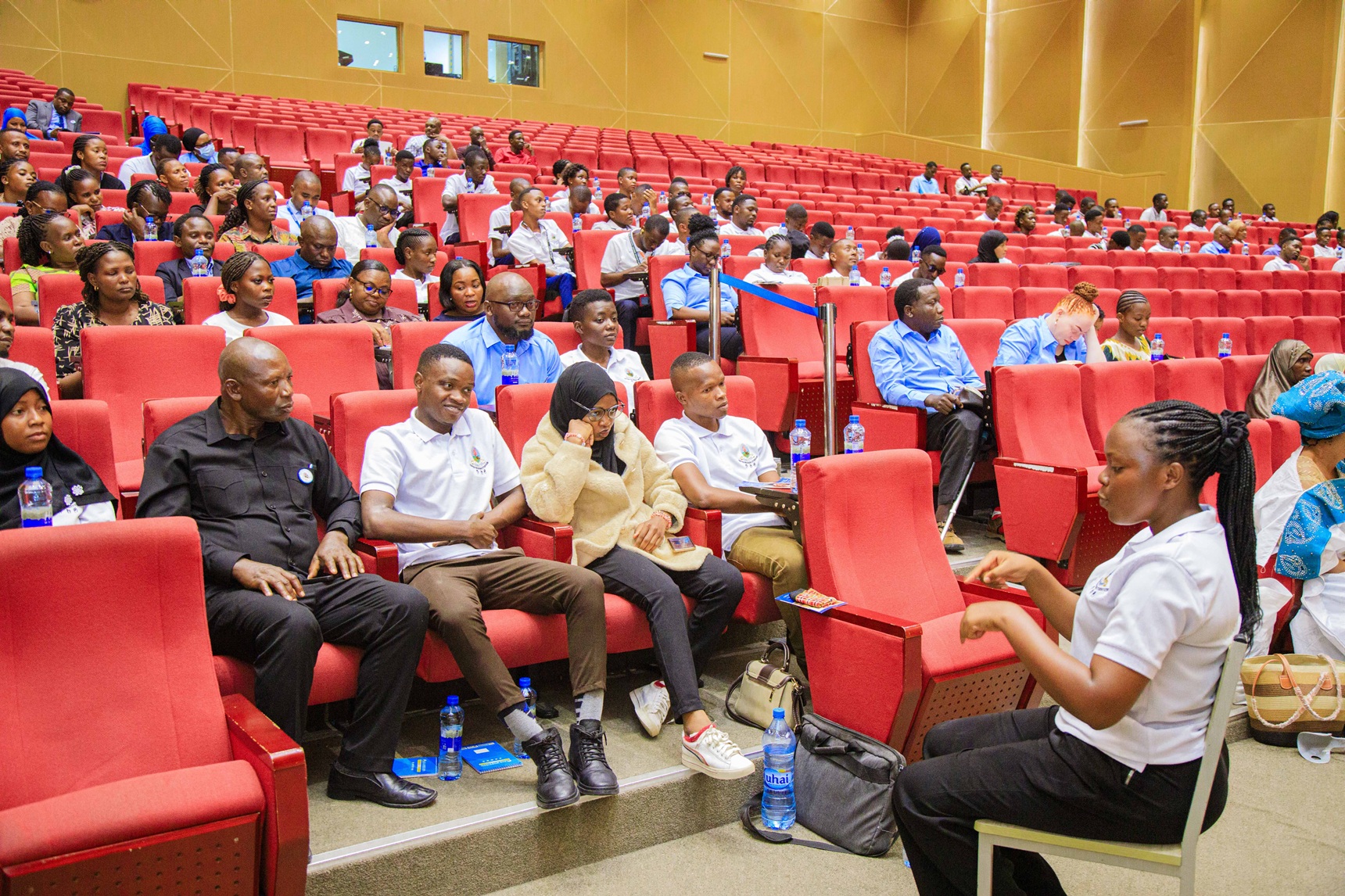
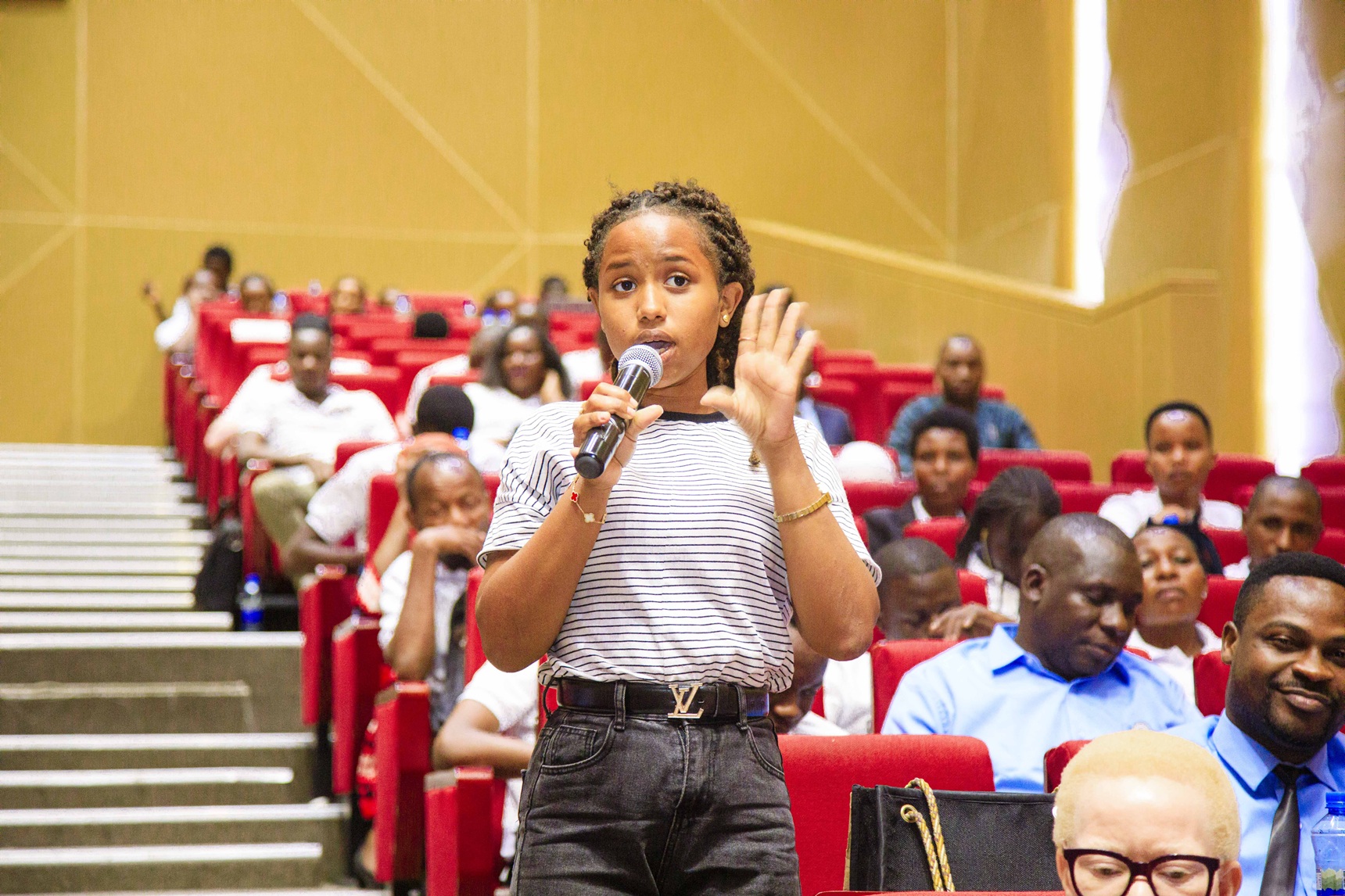
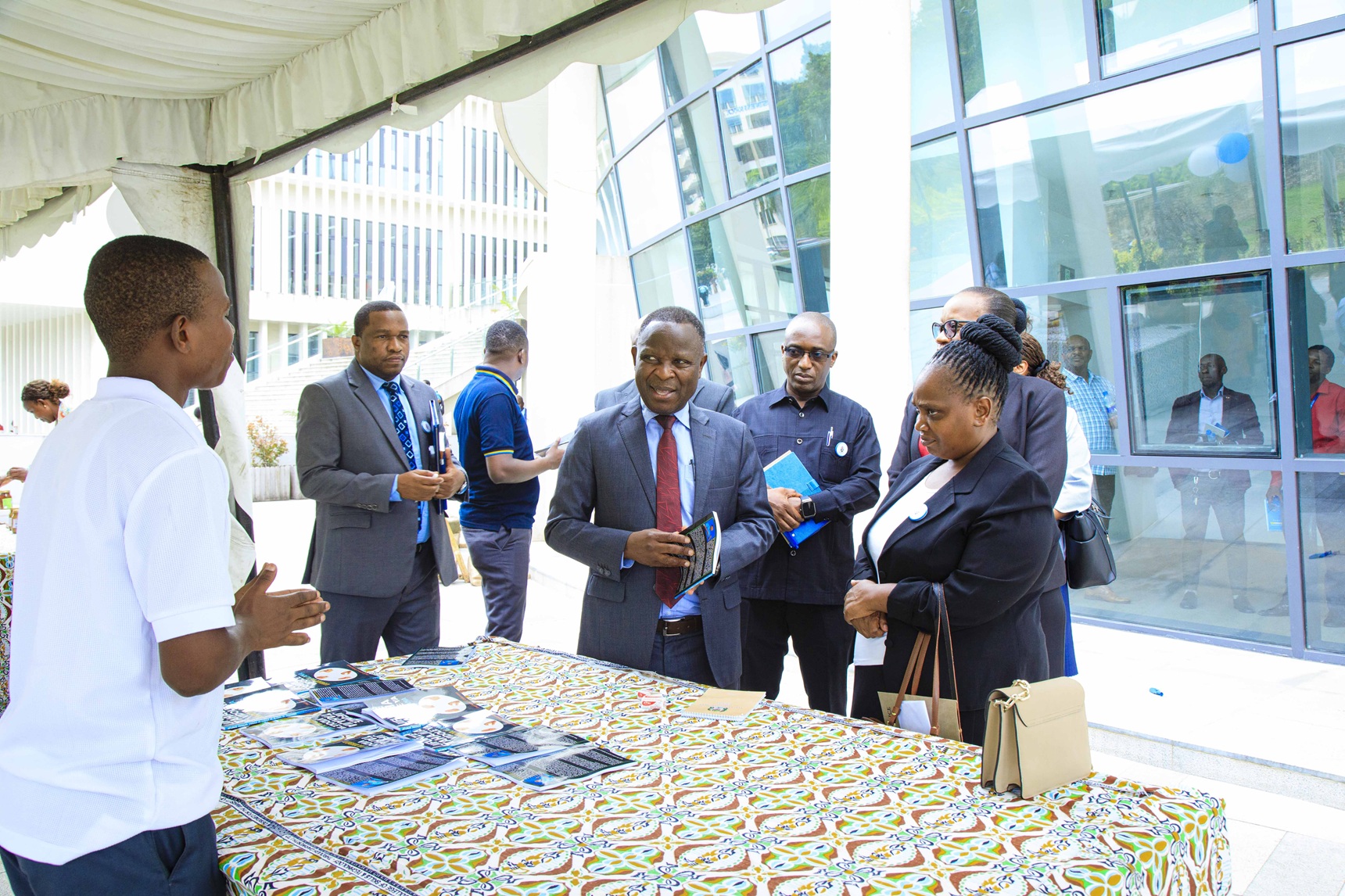
Bringing together senior university leadership, government institutions, education agencies, development partners, disability-focused organisations, staff and students, the high-level forum underscored the growing recognition that disability inclusion is not only a social justice obligation, but also a critical driver of sustainable social and economic development.
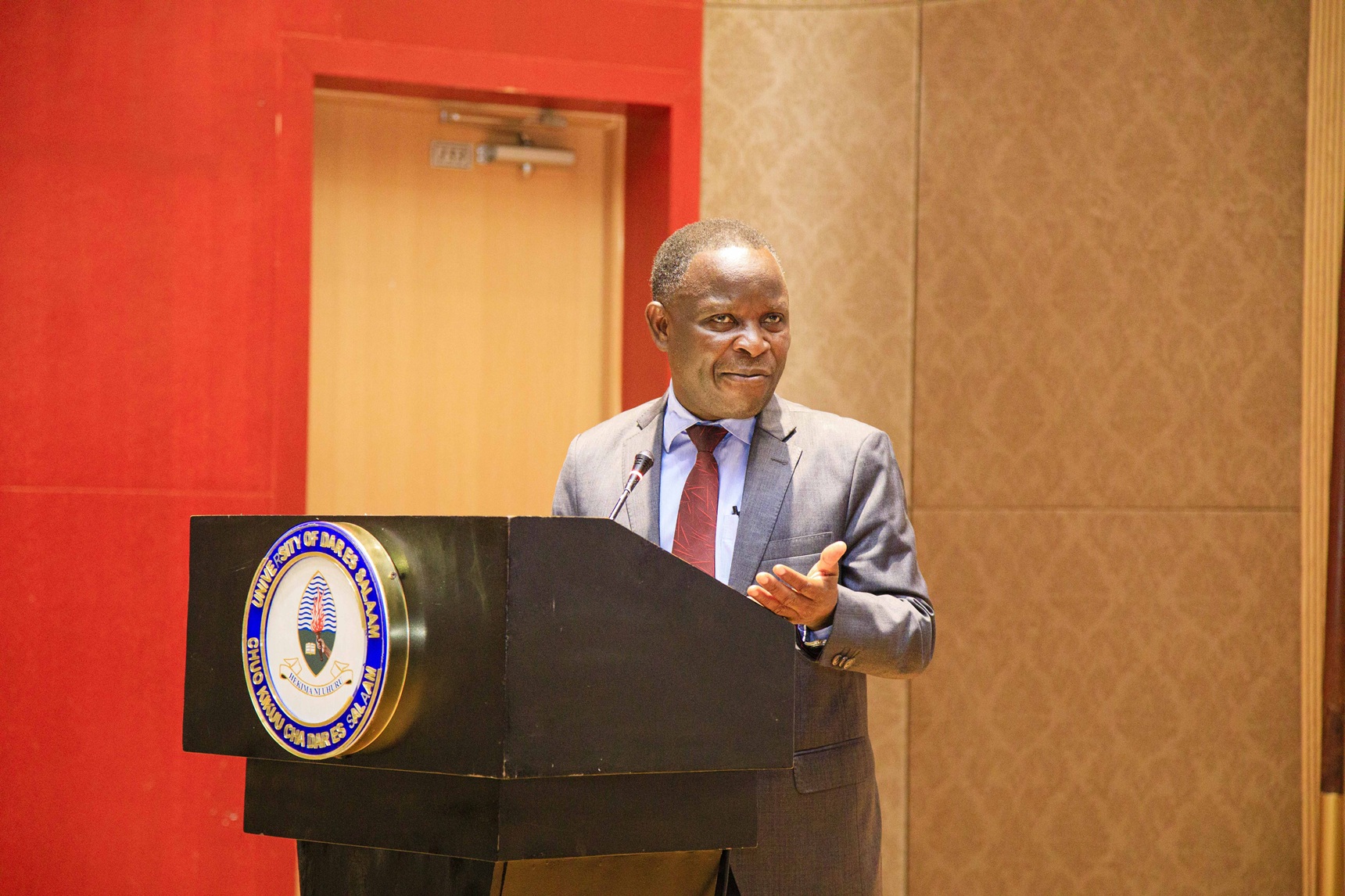
Officially opening the commemorations, UDSM Vice Chancellor Prof. William A. L. Anangisye emphasized that disability inclusion is firmly embedded in the University’s strategic vision and operational frameworks, rather than treated as a peripheral welfare concern.
“At the University of Dar es Salaam, disability inclusion is a strategic imperative. It is our collective responsibility to ensure that students and staff with disabilities are fully supported to participate, contribute and thrive academically, socially and economically”, Prof. Anangisye said.
He highlighted sustained efforts to expand access to undergraduate and postgraduate education for persons with disabilities, improve physical and digital learning environments, and align institutional practices with national and international disability rights frameworks.
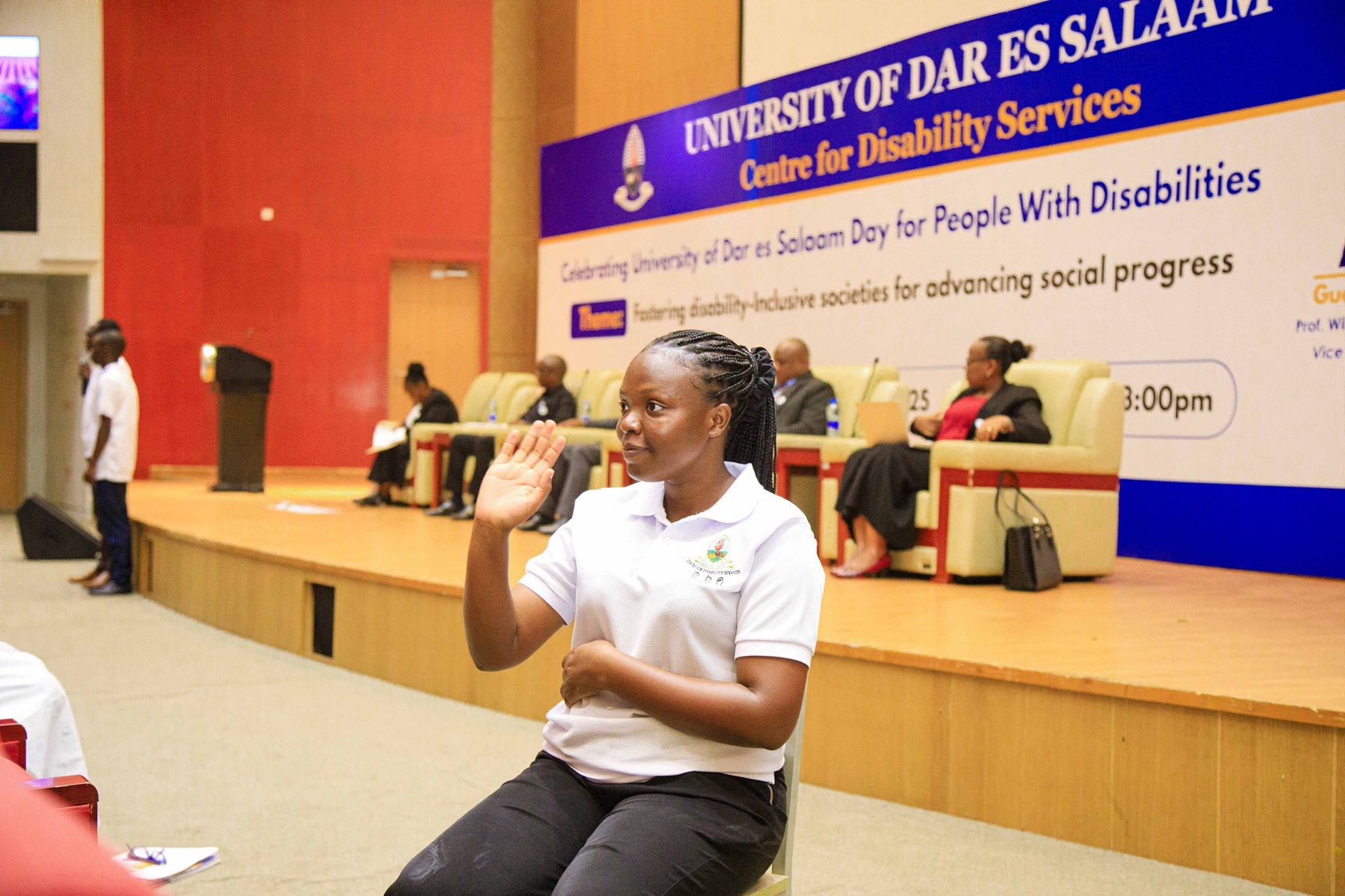
Prof. Anangisye also cited the University’s certificate-level sign language training programme as a deliberate intervention to break communication barriers and strengthen social inclusion across campus.
The commemoration was organised by the UDSM Centre for Disability Services (CDS). Its Manager, Dr. Joyce Mkongo, noted that the event served both as a platform for institutional accountability and as a strategic learning space for advancing inclusive systems.
“These commemorations allow us to take stock of our progress, interrogate existing gaps and deliberately reposition disability inclusion within institutional systems, policies and service delivery. Our objective is to ensure that inclusion moves from intention to measurable impact,” Dr. Mkongo stated.
She commended UDSM management for its continued support and acknowledged the growing network of partners contributing to the welfare, visibility and empowerment of students and staff with disabilities.
Representing the Deputy Vice Chancellor – Planning, Finance and Administration, Dr. Mussa Hans, who is also the Tanzania Director of UDSM Confucius Institute, emphasized that disability inclusion is increasingly being mainstreamed into the University’s planning, budgeting and infrastructure development processes.
“Inclusive development requires planning and resourcing. UDSM is steadily aligning its financial and operational systems to ensure that inclusion is institutionalised rather than incidental,” he noted.
Thought leadership and innovation as key themes
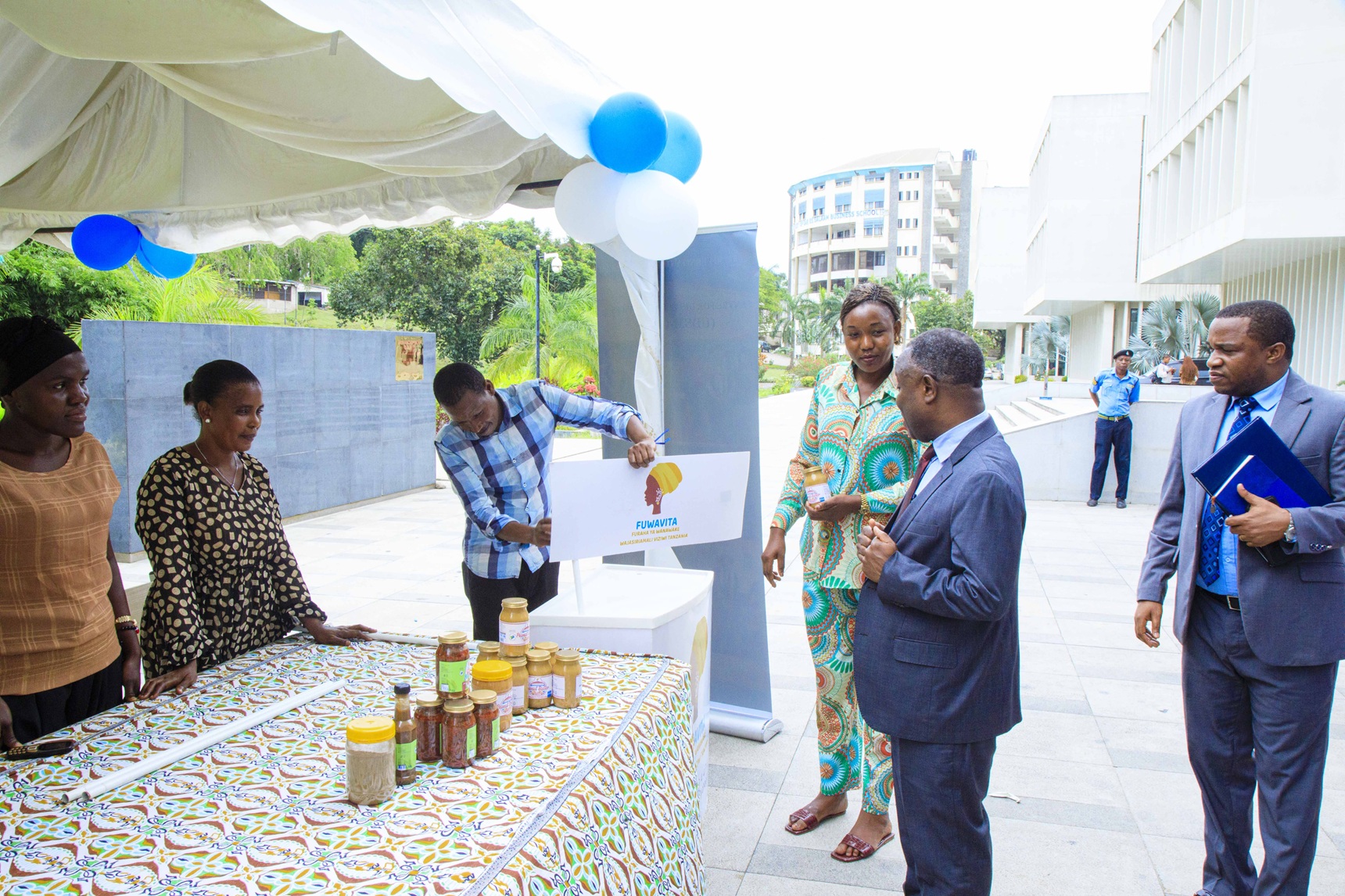
Thought leadership and innovation featured prominently during thematic presentations by experts from academia, local government and national education institutions. From a local government perspective, Ms. Vicky Kazwala of Kinondoni Municipality underscored the importance of entrepreneurship and economic empowerment as pathways to independence and social inclusion for persons with disabilities.
“Economic empowerment is central to dignity and self-reliance. When persons with disabilities are supported to participate meaningfully in entrepreneurship, the entire community benefits,” she said, highlighting the role of enabling policies, training and access to finance.
From a national education policy standpoint, Ms. Janeth Gilimbe of the Tanzania Institute of Education (TIE) highlighted the transformative potential of social media and digital platforms in expanding learning and income-generating opportunities, particularly for young people with disabilities.
“Digital platforms can significantly enhance visibility, innovation and income generation. However, accessibility and digital literacy must be deliberately addressed to avoid deepening existing inequalities,” she cautioned.
The Principal of the College of Information and Communication Technologies (CoICT), Prof. Baraka Maiseli, pointed to the growing role of artificial intelligence (AI) in addressing practical challenges related to access to education, assistive technologies and digital inclusion.
“Emerging technologies such as artificial intelligence provide unprecedented opportunities to design adaptive solutions that enhance independence, productivity and learning outcomes for persons with disabilities,” Prof. Maiseli said, calling for stronger collaboration between researchers, policymakers and technology developers.
Addressing the often-overlooked dimensions of gender, relationships and sexuality, the Director of the UDSM Institute of Gender Studies, Dr. Sarah Kisanga, stressed the need for gender-responsive and rights-based approaches within disability programming.
“Persons with disabilities have equal rights to dignity, relationships and self-expression. Inclusive development must consciously address gender and sexuality to avoid reinforcing structural exclusion,” she noted.
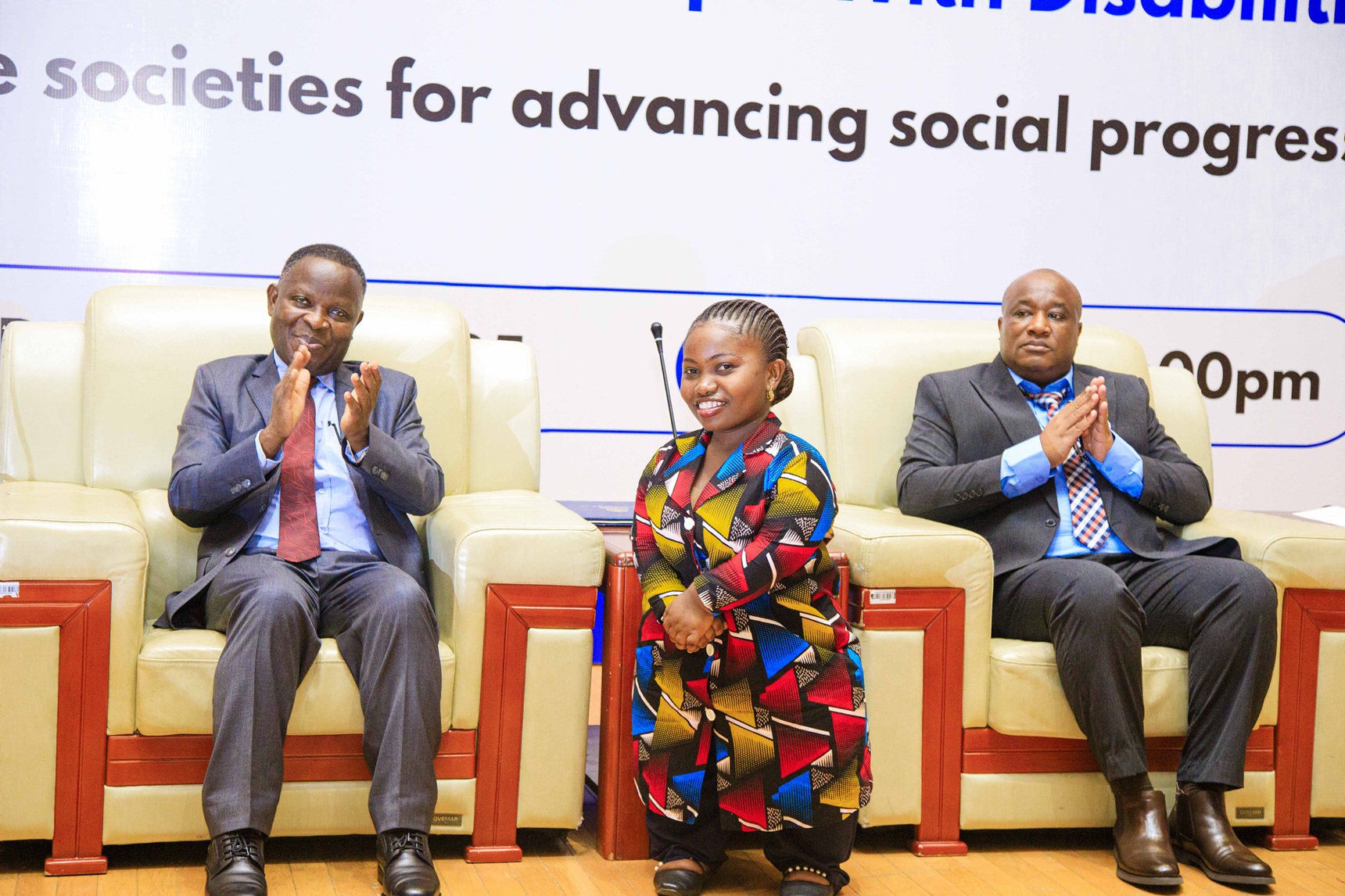
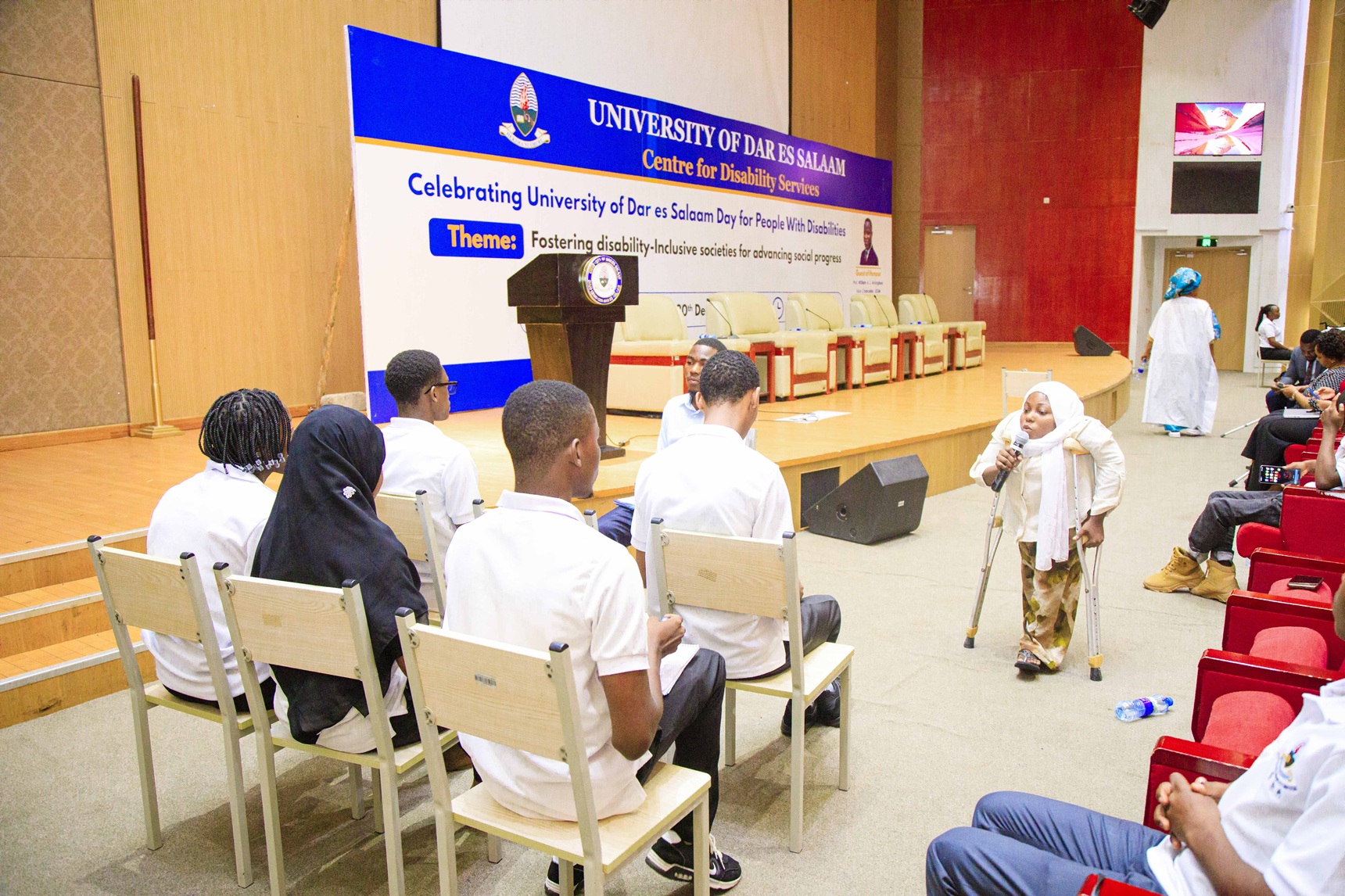
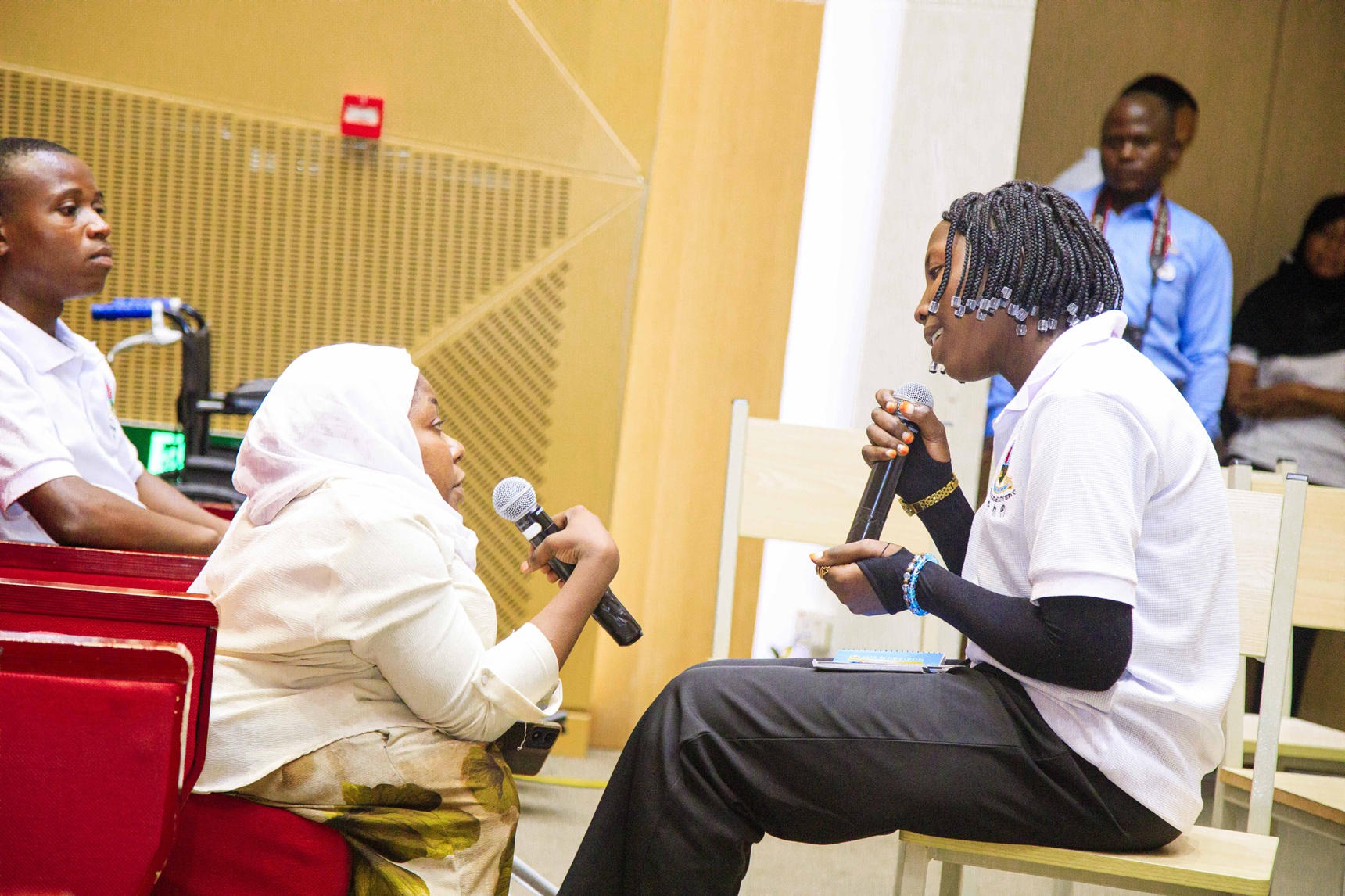
Participants appreciated disability advocacy organisations, development partners and student associations, reinforcing the importance of multi-sectoral collaboration in sustaining progress. Collectively, the deliberations positioned UDSM as a benchmark institution in advancing disability inclusion through policy leadership, innovation and partnerships.
As the University continues to implement its strategic vision, the 2025 International Day of Persons with Disabilities commemoration served as a clear reaffirmation that inclusive excellence remains central to UDSM’s mandate at institutional, national and global levels.