


UDSM, JKCI Graduate 14 Advanced Nurses to Bolster Critical Care Across the Region
By Donald Boneka, CMU
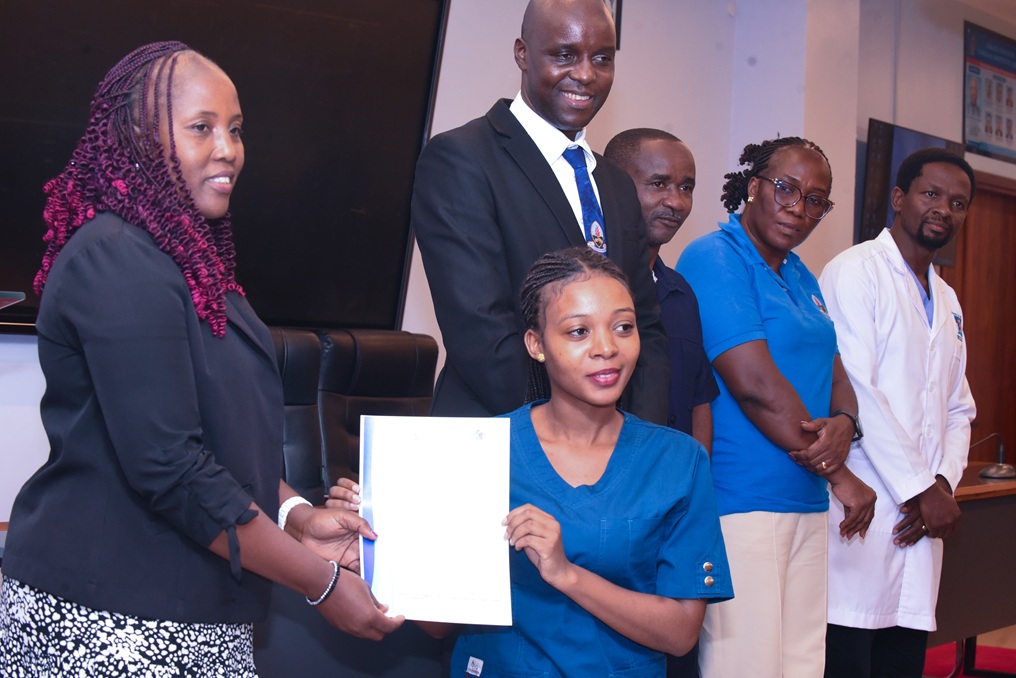
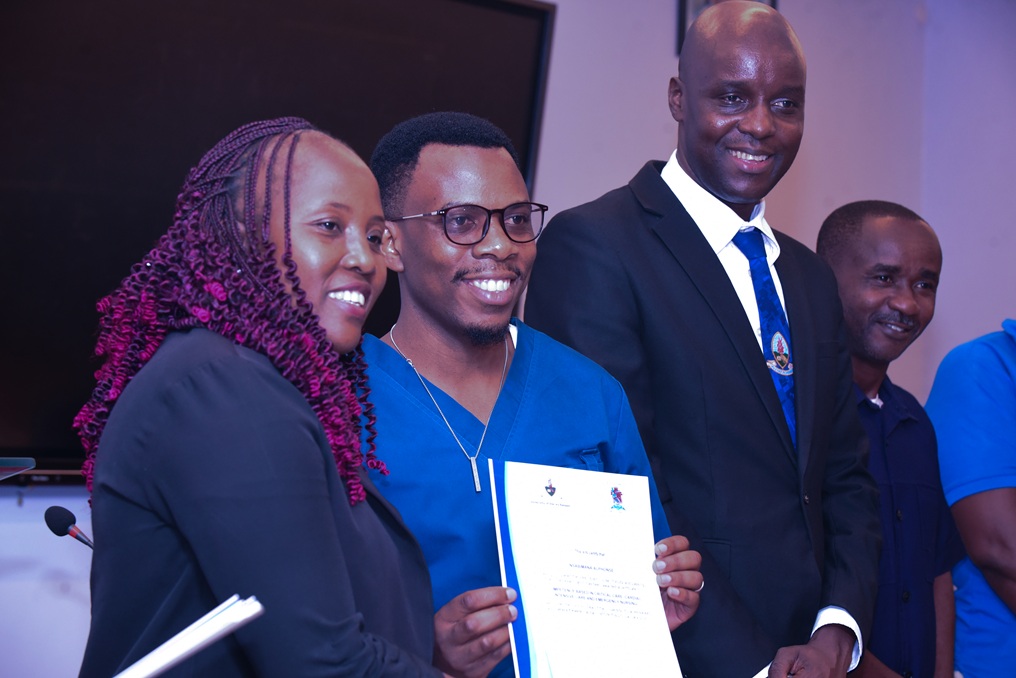
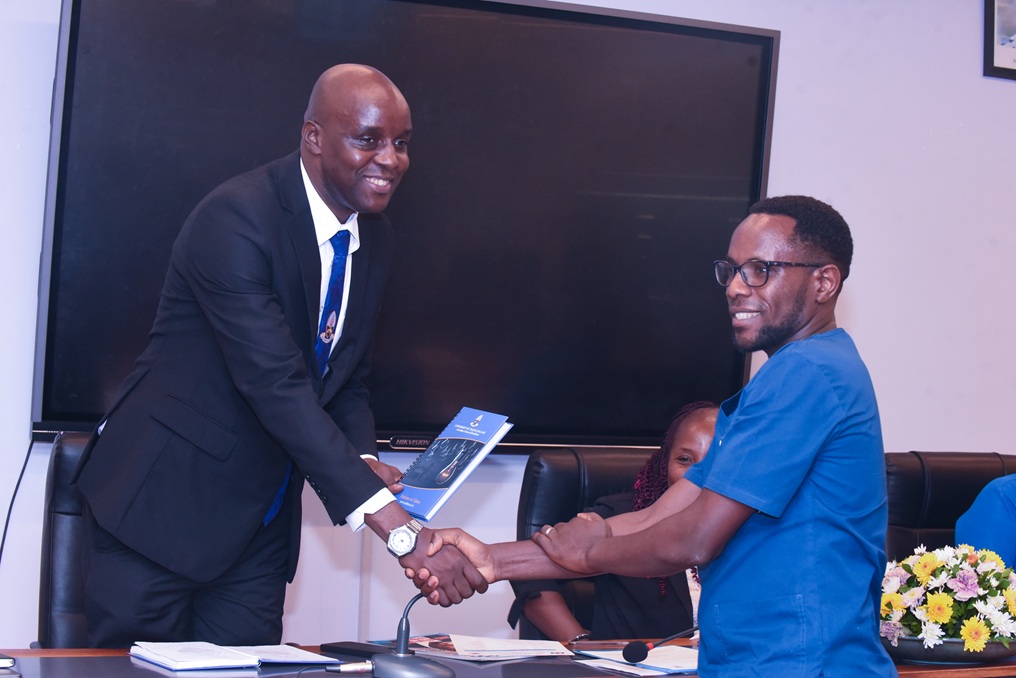
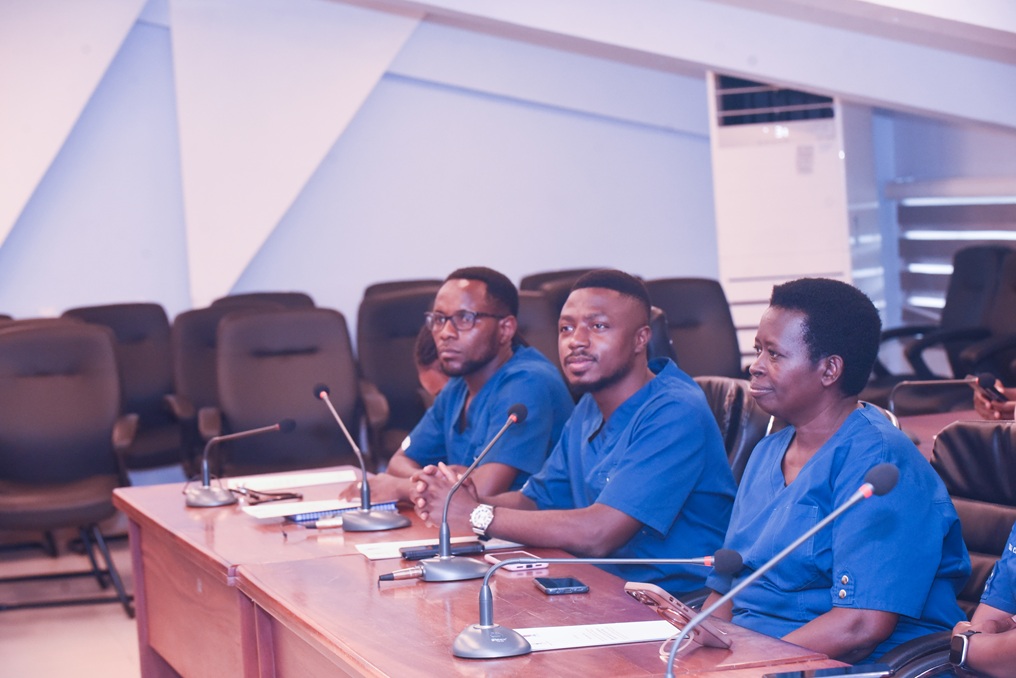
The University of Dar es Salaam (UDSM), in partnership with the Jakaya Kikwete Cardiac Institute (JKCI), has graduated 14 nurses from Tanzania, Rwanda and Zambia under a six-month Competency-Based Training in Advanced Critical Care Nursing, strengthening specialised and accountable critical care services in the region.
The graduation ceremony, held at JKCI in Dar es Salaam, marked the completion of the programme’s sixth cohort, which began in July 2025. The initiative comes at a time when healthcare systems in Tanzania and neighbouring countries are facing mounting pressure from cardiovascular diseases and other life-threatening conditions that require highly skilled critical care professionals.
Cardiovascular diseases remain among the leading causes of death globally, with low- and middle-income countries bearing a disproportionate burden. In Tanzania, the rising demand for advanced cardiac and intensive care services has underscored the need for nurses equipped not only with technical expertise but also with strong professional judgement and accountability.
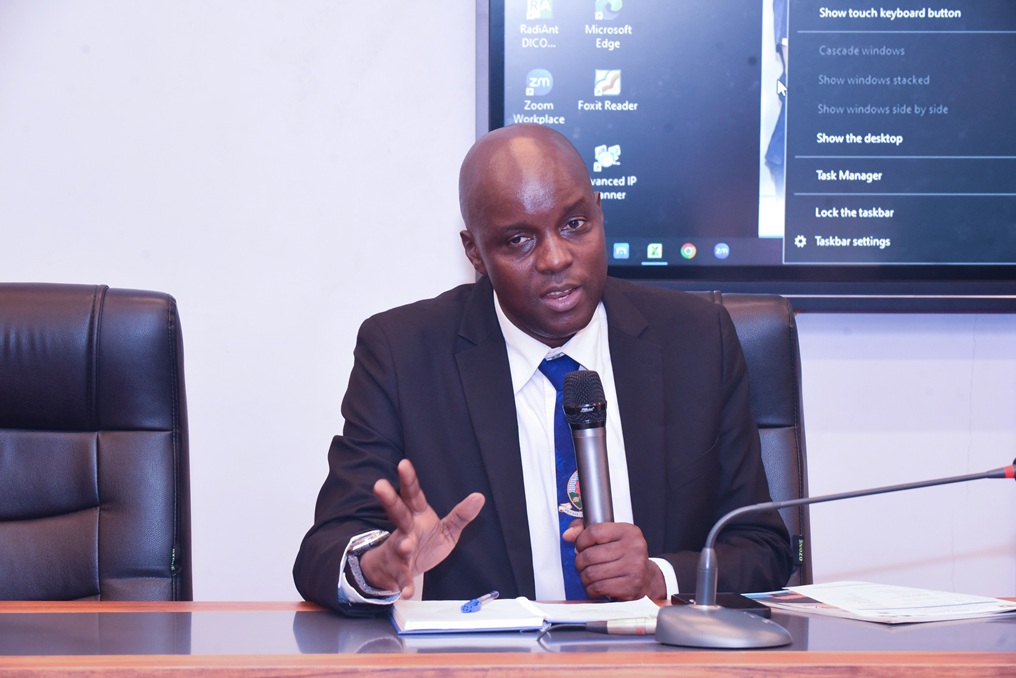
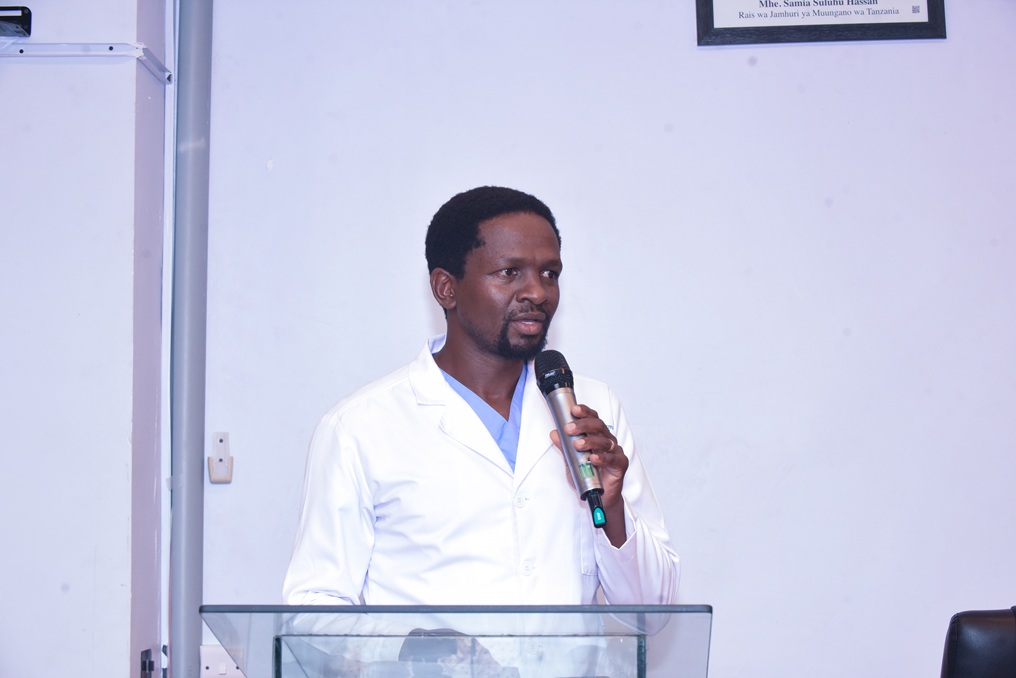
Speaking on behalf of the Deputy Vice Chancellor for Research at UDSM, Prof. Nelson Boniface, the Grants Coordinator, Dr. Leonard Binamungu said the programme reflects the University’s broader philosophy of healthcare education.
“At the University of Dar es Salaam, we believe that training healthcare professionals goes beyond technical competence. It is about producing practitioners who are accountable, ethical and capable of making sound decisions under pressure, particularly in critical care environments where lives are at stake,” he said.
Dr. Binamungu added that the programme aligns with UDSM’s commitment to supporting national and regional health priorities through education, research and innovation.
The heart of patient survival in intensive care units
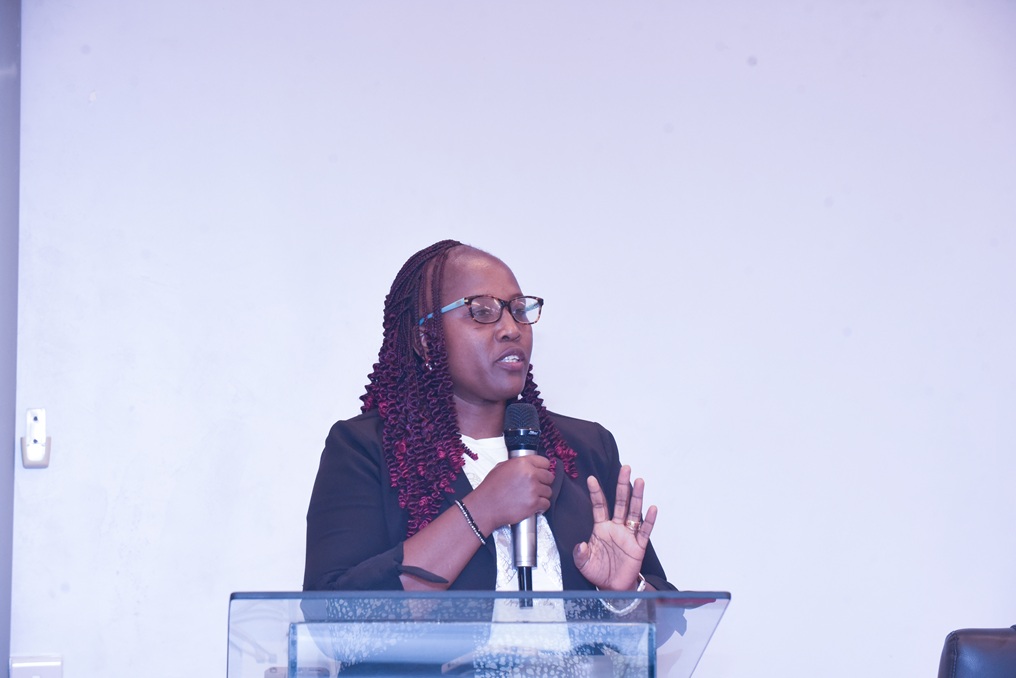
From a clinical standpoint, Dr. Angela Muhozya, Director of Cardiac Surgery at JKCI, highlighted the central role of advanced nursing skills in improving patient outcomes in intensive care units.
“Critical care nurses are at the heart of patient survival in intensive care units. This training strengthens their ability to monitor patients, respond promptly to emergencies and uphold professional accountability, which is essential for patient safety and quality care,” said Dr Muhozya.
She noted that the programme is in line with global recommendations to strengthen emergency and critical care services as a key component of universal health coverage.
The training was delivered by UDSM faculty in collaboration with JKCI specialists, including cardiologists, anaesthesiologists and critical care clinicians. It combined classroom-based learning with intensive hands-on clinical practice in JKCI’s intensive care units, where participants were assessed on clinical competence, ethical conduct, documentation and adherence to established care protocols.
According to JKCI Training Coordinator Joshua Ogutu, the impact of the programme is already evident in clinical settings.
“We have observed improved coordination, faster clinical decision-making and a stronger sense of responsibility among nurses who have undergone this training. Accountability in critical care is not optional, and this programme reinforces that principle,” he said.
The inclusion of participants from Rwanda and Zambia further positions Tanzania as an emerging regional hub for specialised healthcare training. Graduates are expected to return to their home institutions with advanced skills and a renewed commitment to professional responsibility.
One of the graduates, Emanuel Lusale, a Nursing Officer from Zambia Heart Hospital, described the programme as transformative.
“This training has changed how I approach critical care. I have gained advanced clinical skills alongside a deeper understanding of accountability, ethics and teamwork, all of which are essential for saving lives in intensive care settings,” he said.
As Tanzania continues to invest in specialised healthcare training, the collaboration between UDSM and JKCI stands out as a model of how universities and specialised hospitals can work together to strengthen critical care services, improve patient safety and deliver better health outcomes across the region.