

Academic Leaders Push Universities to Turn Research into Innovation and Impact
By Sulea Suleiman, CMU
African universities must move beyond producing knowledge for academic shelves and build stronger pathways that turn research into innovation, entrepreneurship, investment, jobs and solutions to society’s most pressing challenges, higher education leaders have said.
The call emerged strongly at the 2026 Annual Meeting of the Alliance for African Partnership (AAP), hosted by the University of Dar es Salaam (UDSM) under the theme “Reimagining Higher Education for Africa’s Future: Leadership, Innovation, and Global Partnerships.”
The international gathering brought together university leaders, scholars, policymakers, innovators, entrepreneurs and industry representatives, who challenged African higher education institutions to rethink how knowledge is generated, shared and translated into tangible impact.
Anchored by Michigan State University, AAP brings together 12 institutions from 10 African countries, providing a platform for universities to exchange knowledge and explore stronger partnerships in responding to the continent’s rapidly changing economic, technological and social landscape.
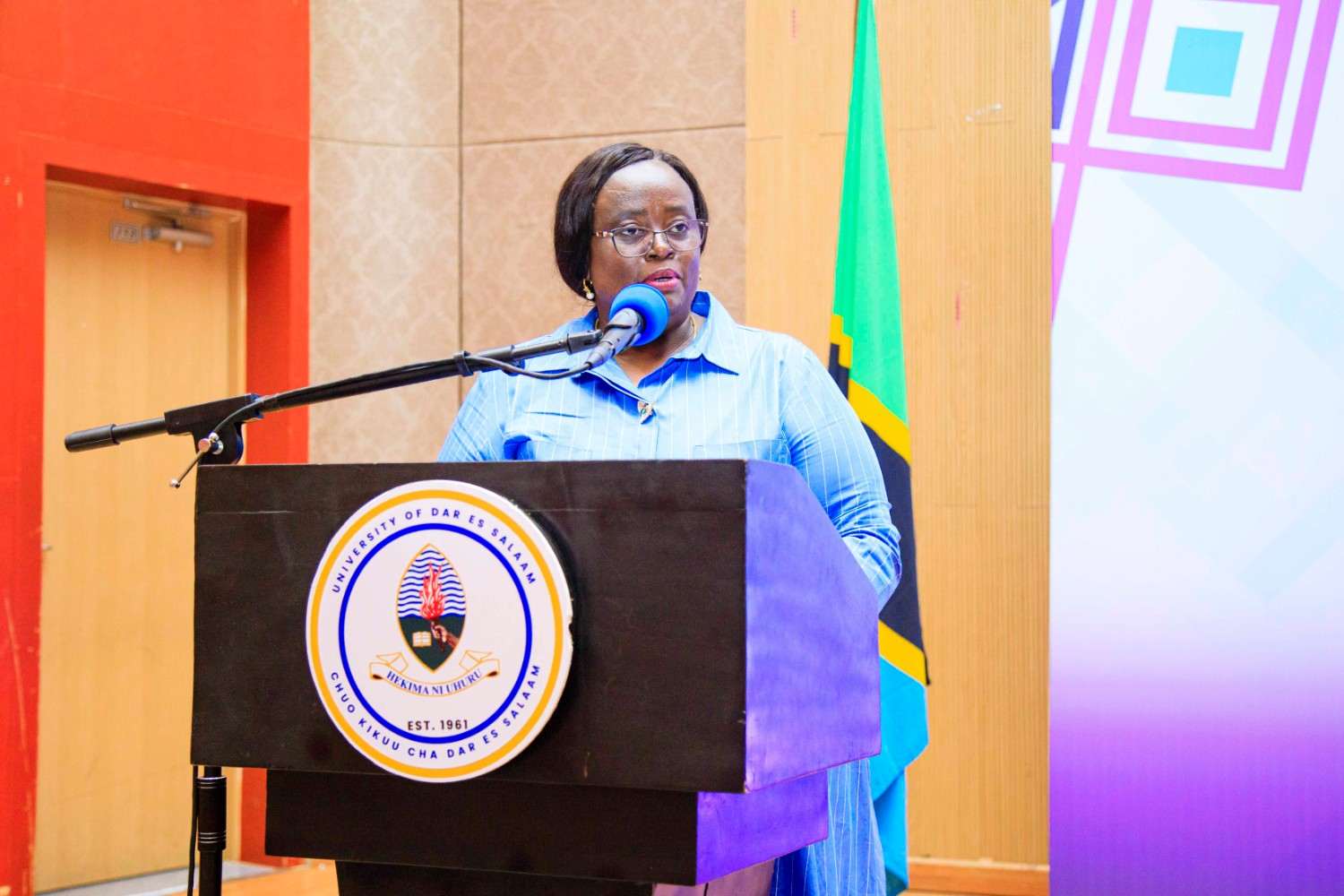
Delivering the opening remarks on behalf of UDSM Vice-Chancellor Prof. William A. L. Anangisye, Deputy Vice-Chancellor–Academic Prof. Rose Upor said Africa’s youthful population, changing economies, rapid technological development, evolving workplaces and intensifying climate pressures were placing new demands on universities.
“We cannot prepare young Africans for tomorrow using only the assumptions and structures of yesterday,” Prof. Anangisye said, calling for universities to rethink the knowledge, skills, research capabilities and partnerships needed to prepare young people for the future.
He said the modern university should be more than a place where students attend lectures and receive degrees.
“A university is a place where society invests in knowledge,” he said, adding that universities must enable young people to think critically, investigate problems, create new knowledge and serve society.
For Prof. Nelson Boniface, UDSM Deputy Vice-Chancellor–Research, that responsibility extends to ensuring that knowledge generated within universities reaches communities, industries, policymakers and society.
He said Africa’s interconnected challenges—from climate change, food and energy security and public health to urbanisation, digital transformation, employment and inclusive economic growth—cannot be adequately addressed by isolated disciplines or institutions.
“They demand collaboration,” Prof. Boniface said, stressing the importance of bringing together scientists, social scientists, humanities scholars, policymakers, entrepreneurs and communities through interdisciplinary and transdisciplinary research.
He challenged universities to look beyond conventional measures of research success, particularly academic publication.
“We must increasingly ask: What happens next?” Prof. Boniface said, questioning whether research findings can influence public policy, whether innovations can become products or services, whether university inventions can create employment and whether knowledge generated in laboratories can improve people’s lives.
Universities as engines of innovation
Those questions came into sharp focus during the Public Leadership and Global Impact panel, moderated by Professor Rose Upor, where participants examined how universities can become more responsive to national priorities while strengthening their contribution to society.
Panelist Ms. Faraja Kota, Founder Shule Direct, described the modern university as a “boiling pot of innovation,” highlighting the need for institutions to cultivate an environment where research, academic excellence, creativity and public engagement can interact.
The discussion moved beyond the traditional view of universities as knowledge providers, pointing instead to their potential as ecosystems where ideas can be developed, tested and transformed into solutions.
For Dr. Maryam Ismail, Assistant Director of Higher Education, Ministry of Education, Science and Technology, however, innovation must remain connected to the needs of society and national development.
She challenged educators to rethink how academic programmes are designed and urged them to develop flexible and accessible courses that respond directly to national priorities.
“Think of courses that bring more changes to the country,” she urged.
Her argument underscored a wider question facing higher education institutions across Africa: how can universities ensure that the knowledge and skills they produce respond to the economic and social realities of the communities they serve?
Panelist Dorcas Richard Mshiu, Founder an CEO of Vijana Innovation NGO, reinforced the need for universities to create environments that nurture entrepreneurship and innovation, rather than treating them as activities separate from mainstream academic life.
Together, the panel discussions pointed to a shift from viewing innovation as an occasional outcome of university research to seeing it as part of the institutional ecosystem itself.