Beyond the Classroom: COES-WIO 2026 Turns Ocean Science into Practical Action
By Selemani Nambimbi and Tereza Peter CMU
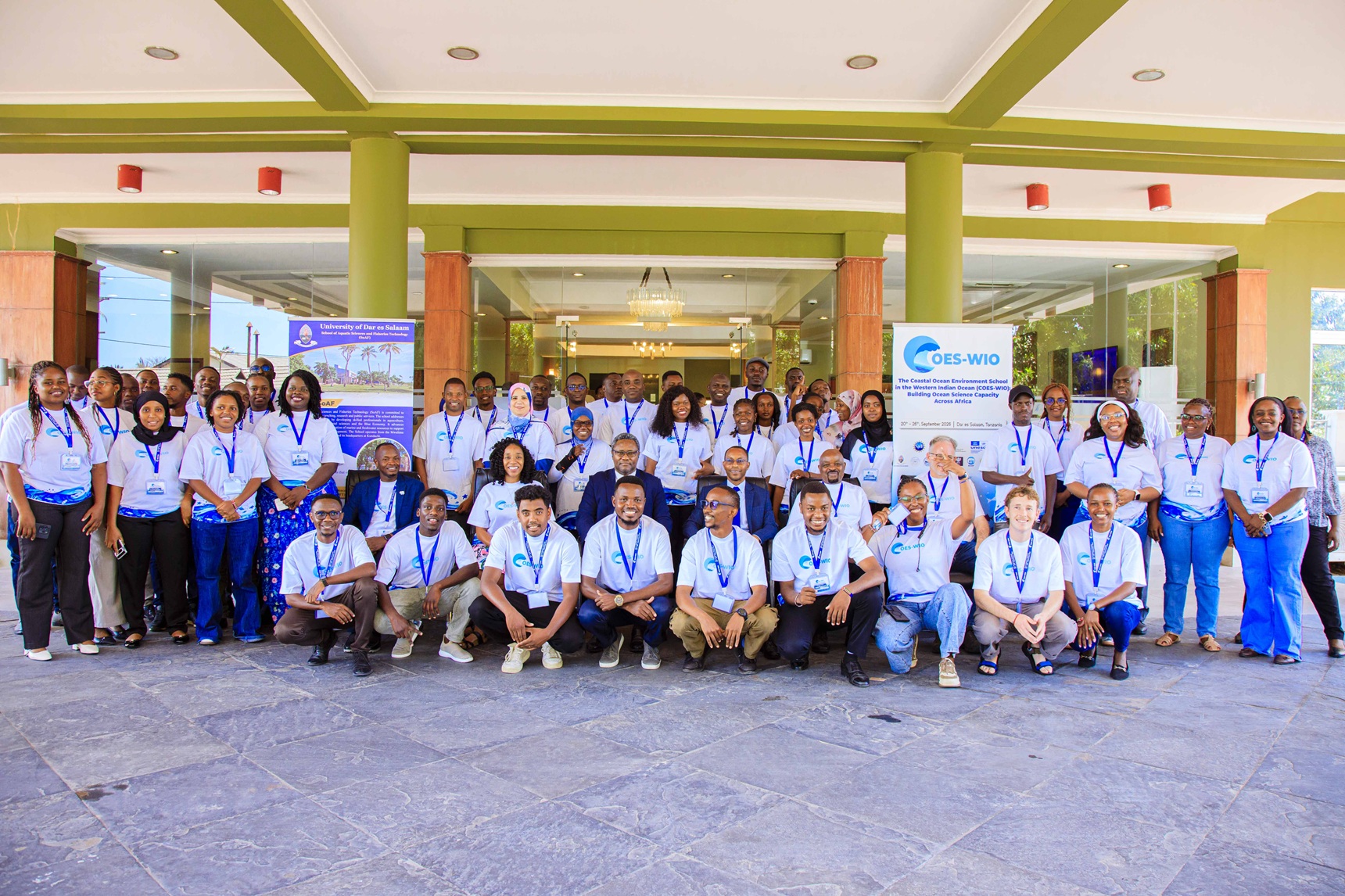
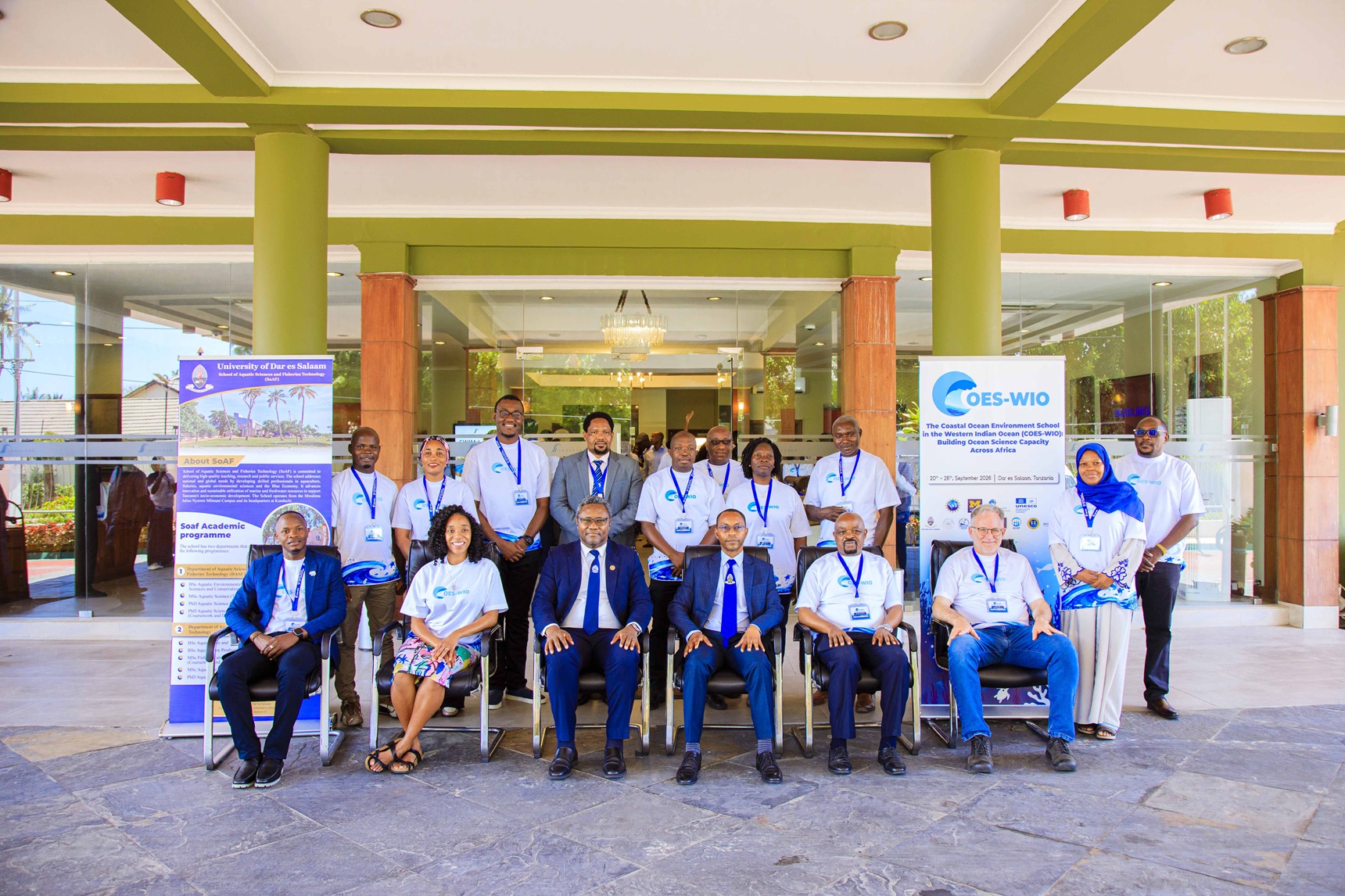
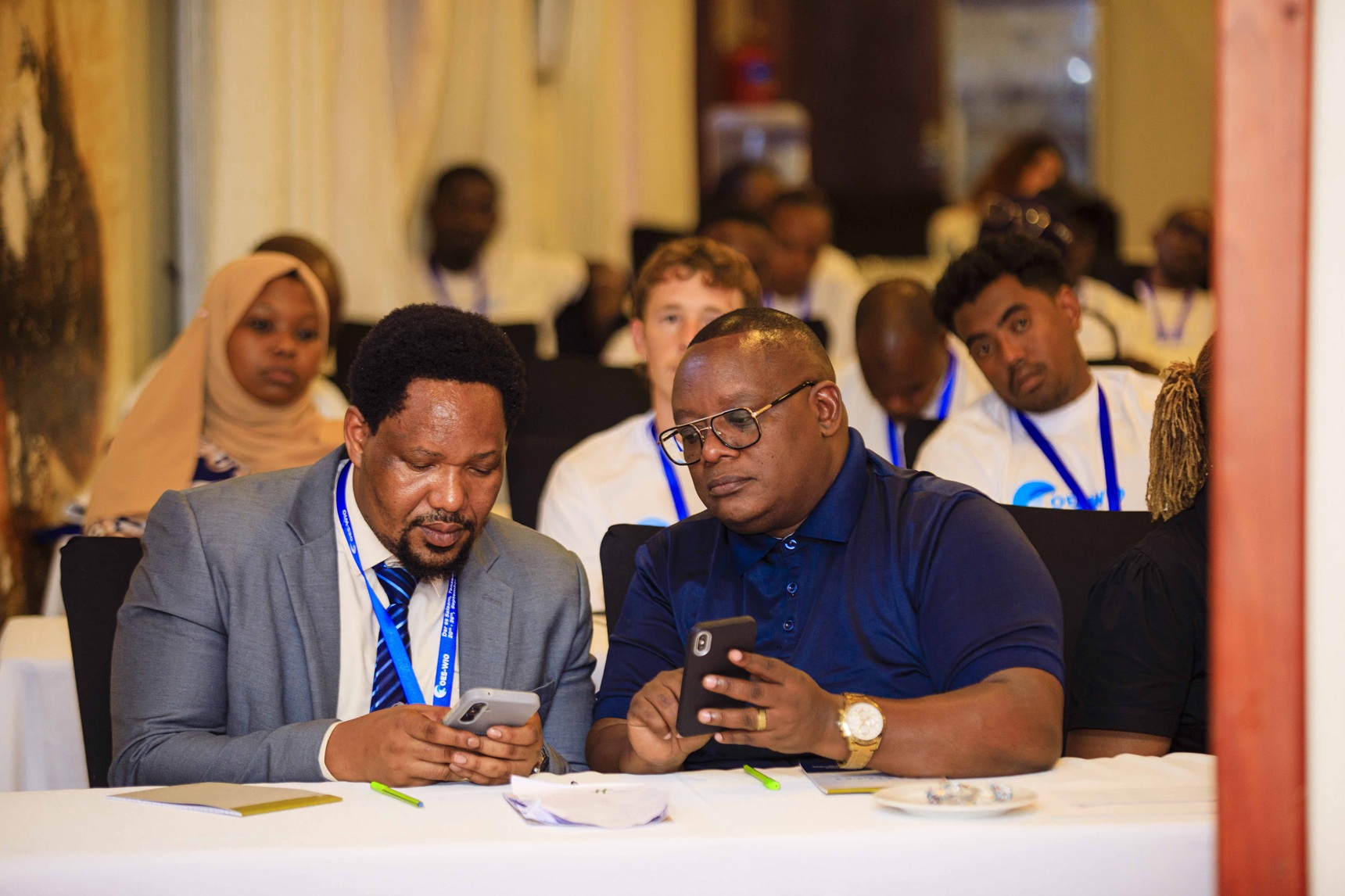
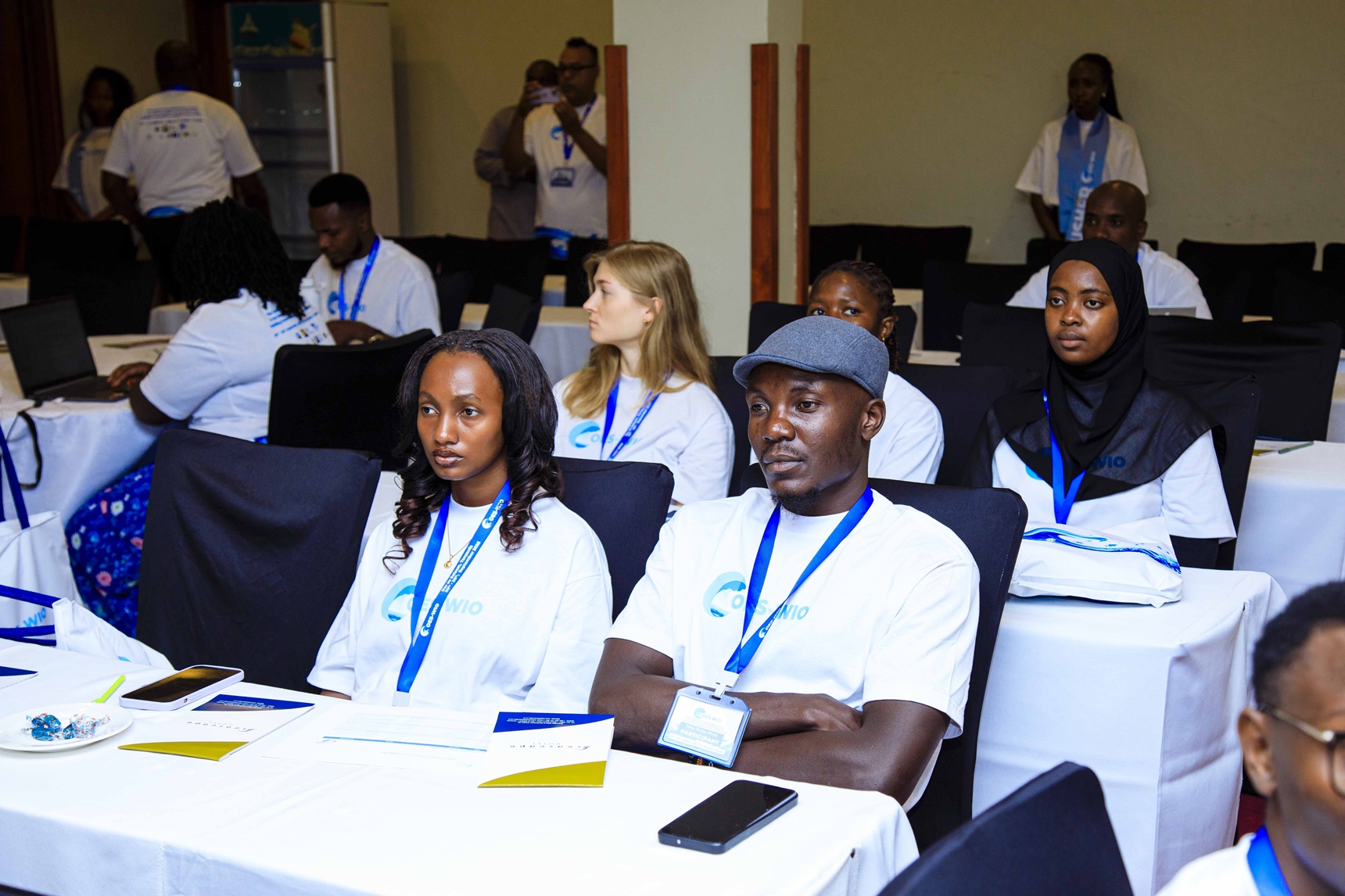
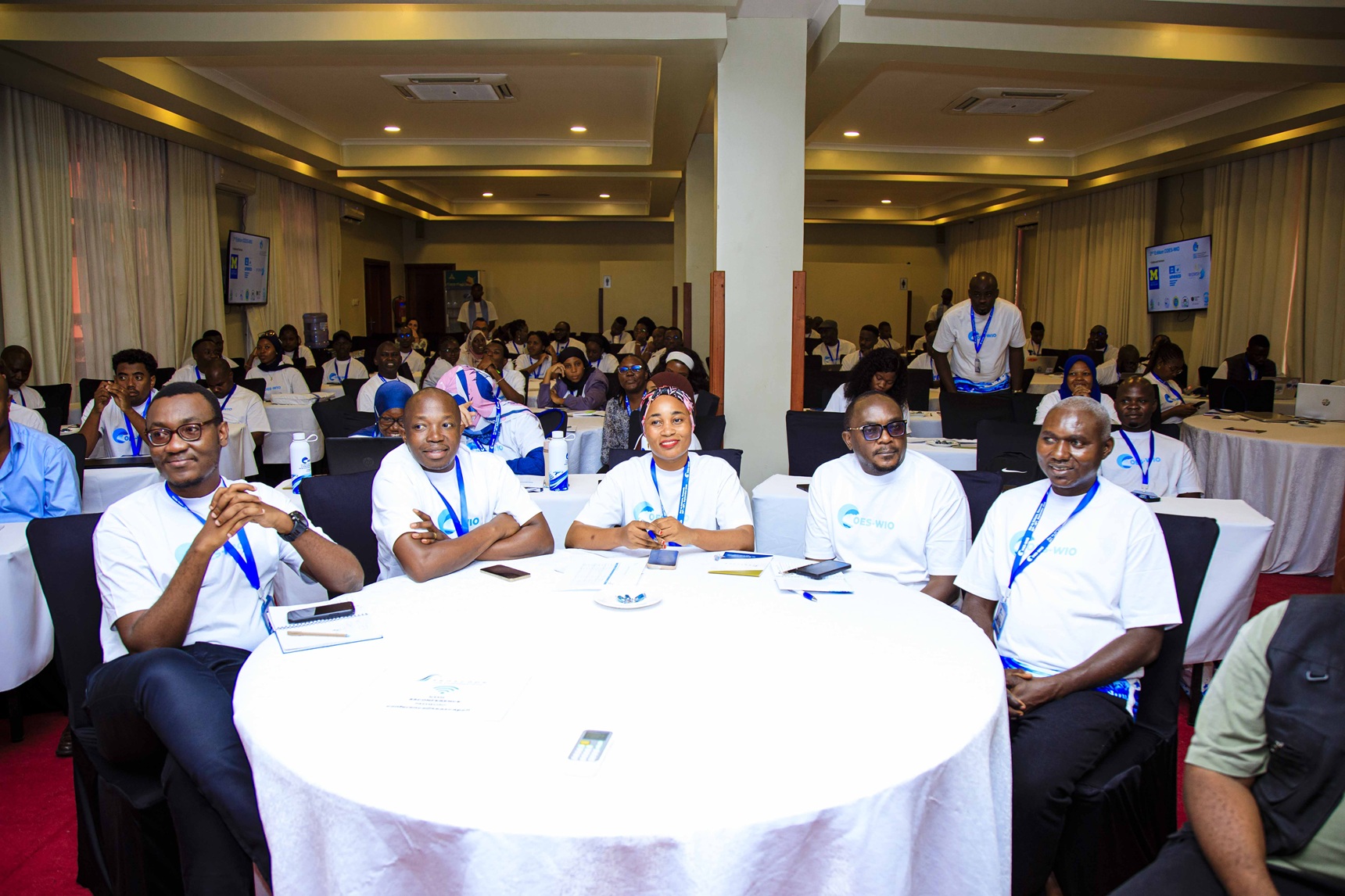
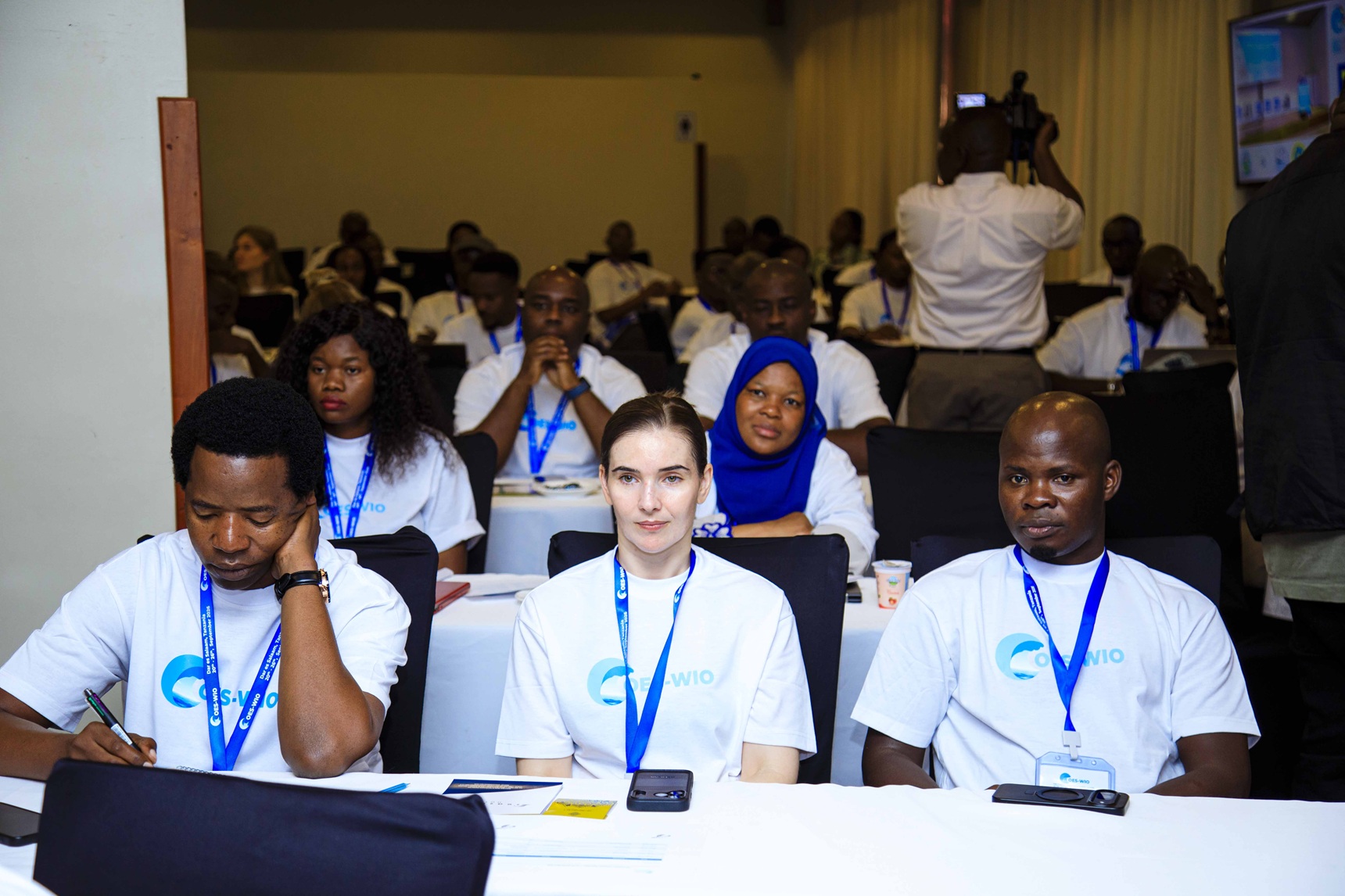
Emerging ocean scientists and professionals from across Africa and beyond are turning scientific knowledge into practical solutions for coastal and marine challenges as the Coastal Ocean Environment School – Western Indian Ocean (COES-WIO 2026) takes place at the University of Dar es Salaam (UDSM) from September 21–25, 2026.
The second edition of COES-WIO brings together researchers, academics, emerging scientists and ocean professionals from the Western Indian Ocean region and beyond for an intensive programme focused on strengthening practical skills, scientific collaboration and evidence-based responses to coastal and marine challenges.
The five-day school is taking place at UDSM through collaboration involving the School of Aquatic Sciences and Fisheries Technology (SoAF), the University of Michigan and other national, regional and international partners.
Participants are undertaking practical learning across four thematic areas: Marine Pollution and Plastics; Ecological Survey and Data Management; Shoreline Change and Restoration; and Chemical and Physical Oceanography.
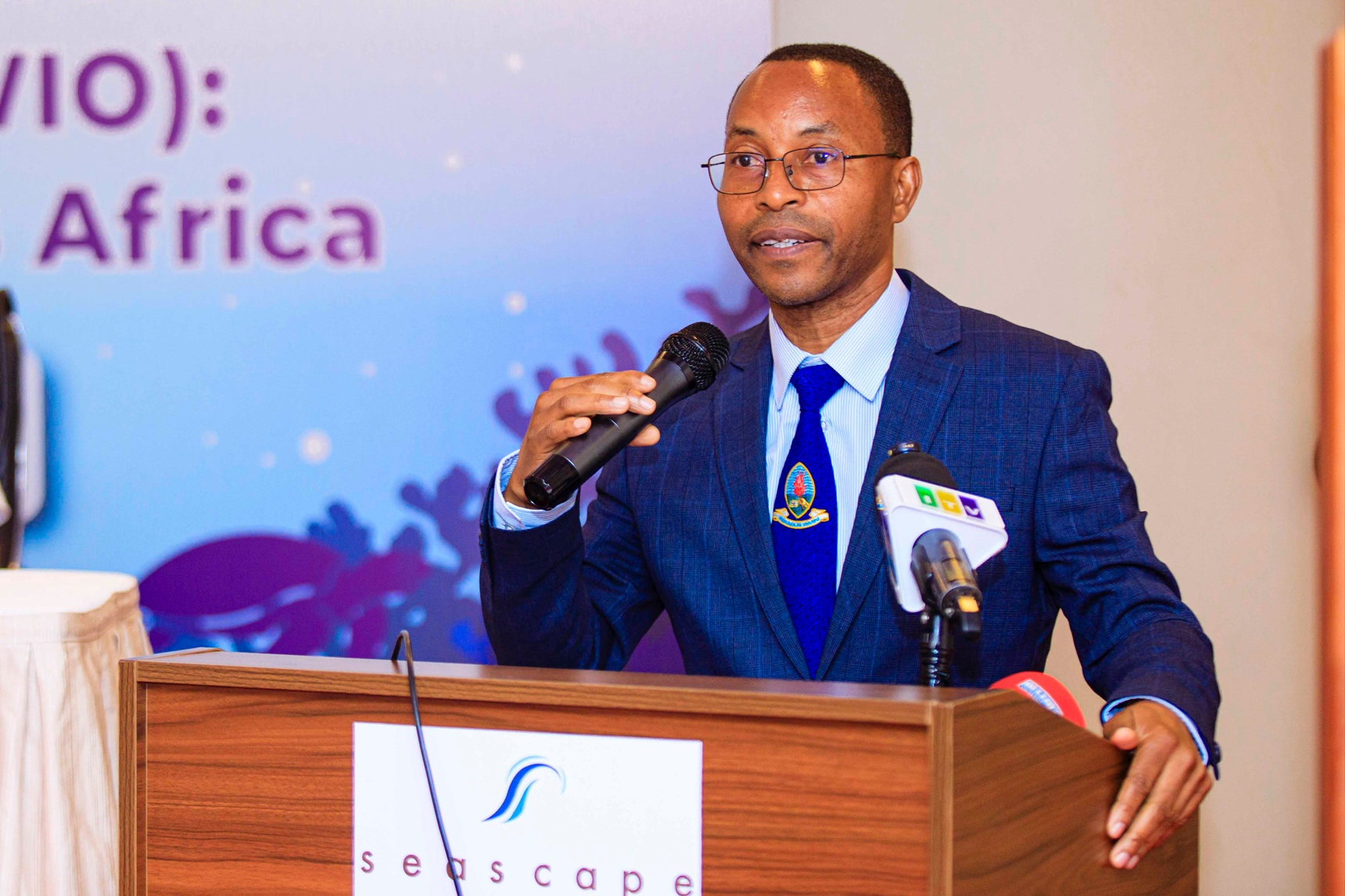
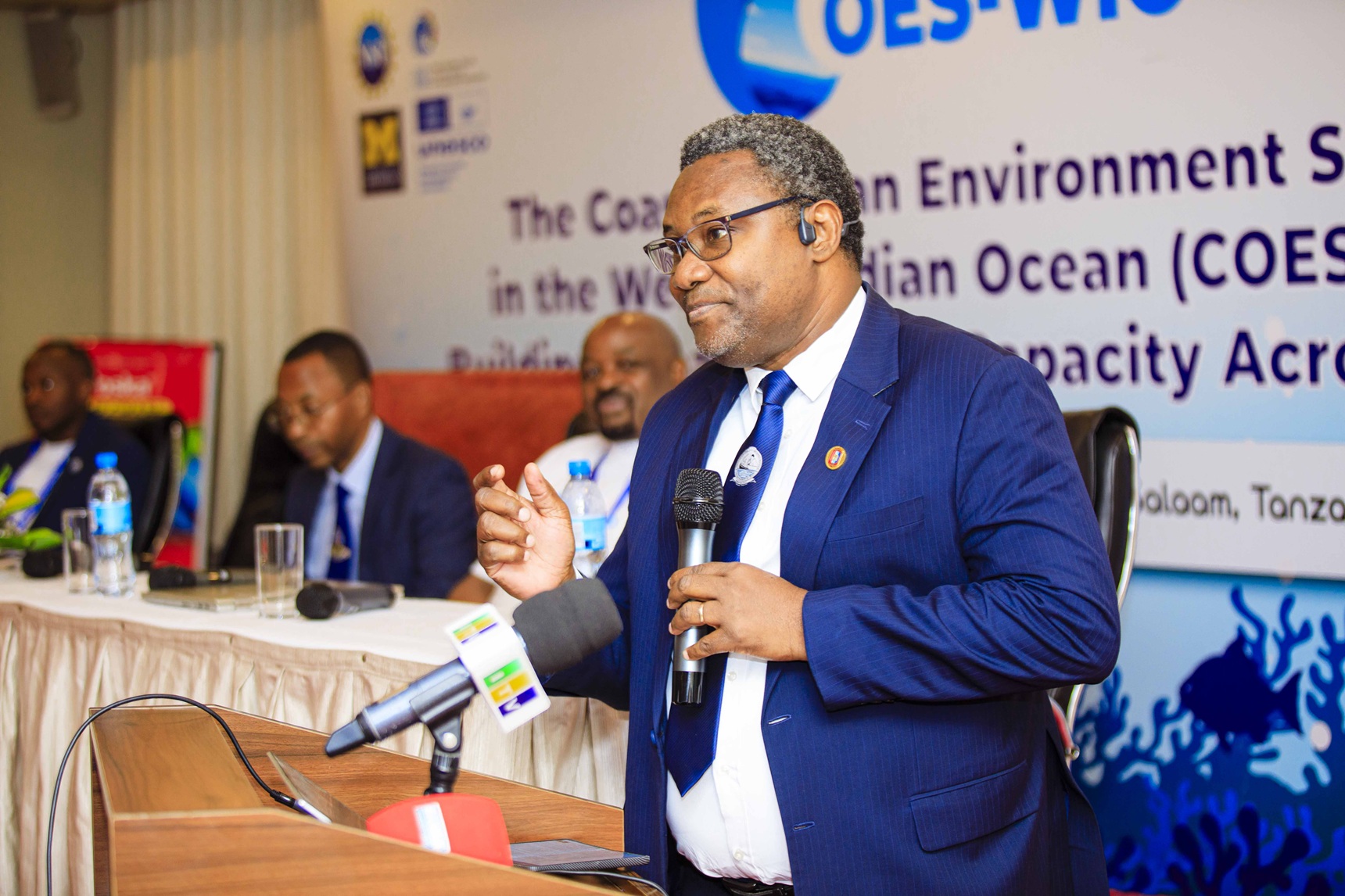
Opening the school on September 21 at Seascape Hotel in Dar es Salaam, UDSM Deputy Vice Chancellor–Research, Prof. Nelson Boniface, challenged participants to look beyond acquiring scientific knowledge and focus on how research, partnerships and innovation can generate tangible benefits for coastal communities and marine ecosystems.
He said the school’s emphasis on practical skills and collaboration was consistent with Tanzania’s development priorities, including the Tanzania Development Vision 2050 (Dira 2050) and the country’s ambition to harness the potential of the blue economy.
Prof. Boniface also linked the initiative to UDSM’s Vision 2061, stressing that universities and research institutions should increasingly measure the value of knowledge by the impact it creates in society.
He encouraged participants to use the opportunity to establish professional networks, identify potential collaborators and develop joint research ideas that could eventually lead to competitive research proposals and practical interventions.
Translating knowledge and skills into solutions
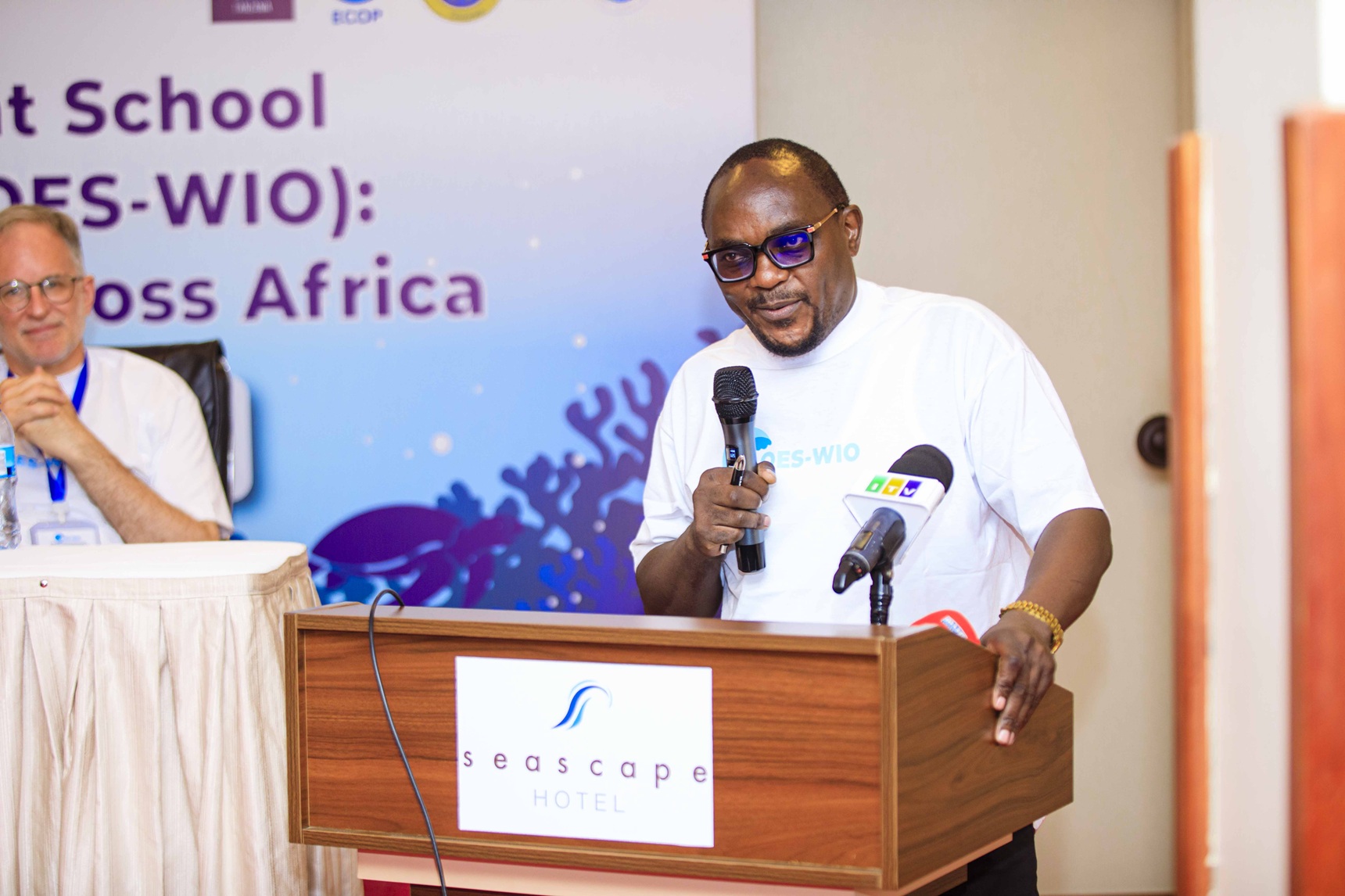
Representing the Dean of the School of Aquatic Sciences and Fisheries Technology, Dr. Blandina Lugendo, Prof. Daniel Shilla, Associate Professor of Biogeochemistry, urged participants to actively engage with the programme, ask questions and seek mentorship from experts participating in the school.
He encouraged them to translate the knowledge and skills gained into solutions for real-world coastal and ocean challenges in their respective countries.
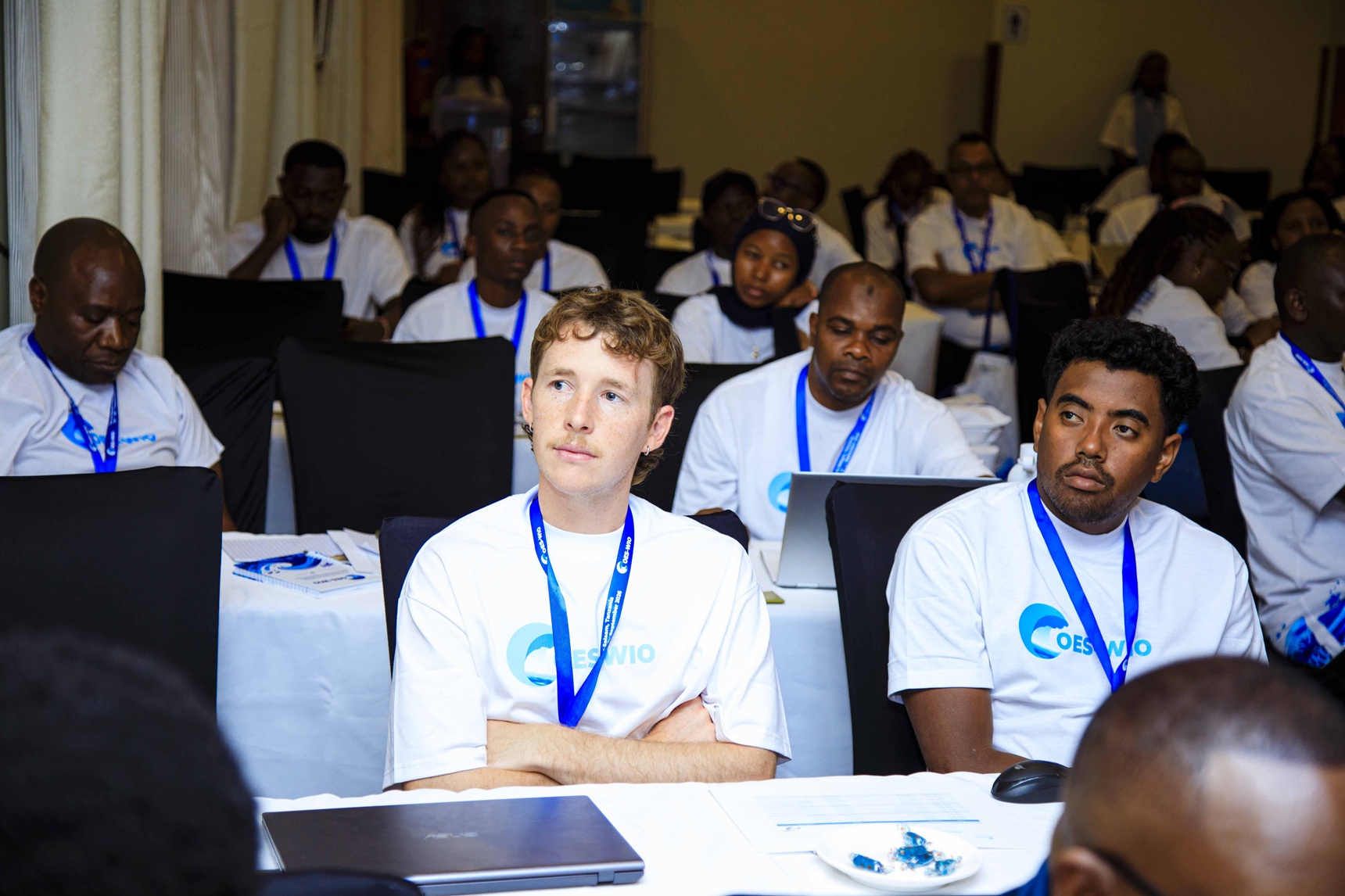
The school has attracted participants from Tanzania, Kenya, Zambia, South Africa, Egypt, Nigeria, Ghana, Senegal, Somalia, the United States and Germany, creating a platform for cross-border exchange of knowledge and experience.
Beyond the classroom, the initiative is strengthening connections among a new generation of ocean scientists who will be expected to respond to increasingly complex challenges affecting the Western Indian Ocean and coastal communities.
Its success, therefore, will not be measured only by what participants learn during the week, but also by what happens when they return to their institutions and communities—when scientific knowledge moves from training rooms into the field and contributes to better understanding, management and restoration of the ocean environment.