


Bridging Continents, Shaping Policy: CIDRA Conference Positions Africa–Europe Research at the Heart of Global Solutions
By Renancy Remmy, CMU
The University of Dar es Salaam (UDSM) has taken a decisive step in positioning Africa–Europe research collaboration at the centre of global policy transformation, following the landmark Maiden CIDRA Academic Conference that placed pressing global challenges, and their solutions, firmly on the academic agenda.
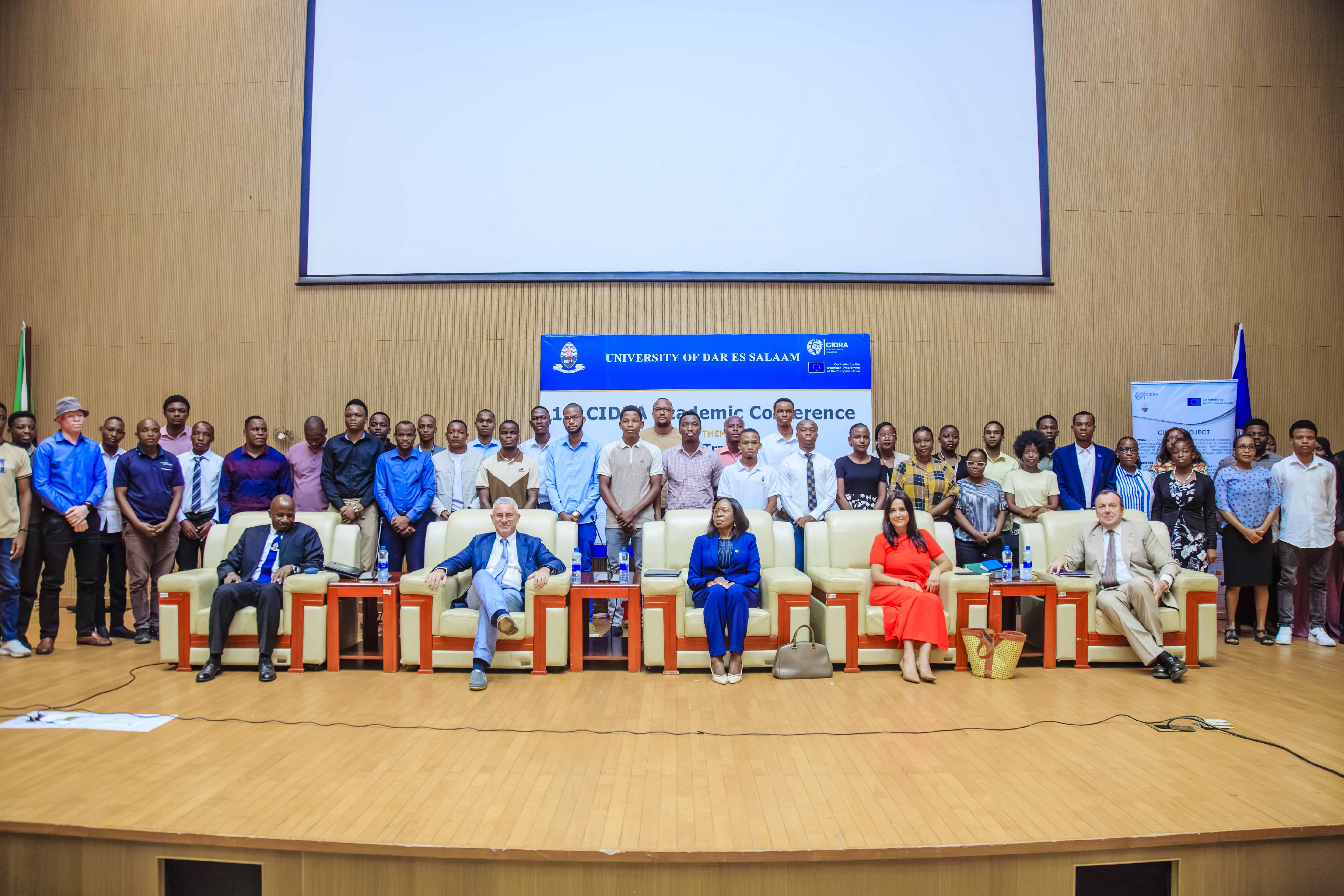
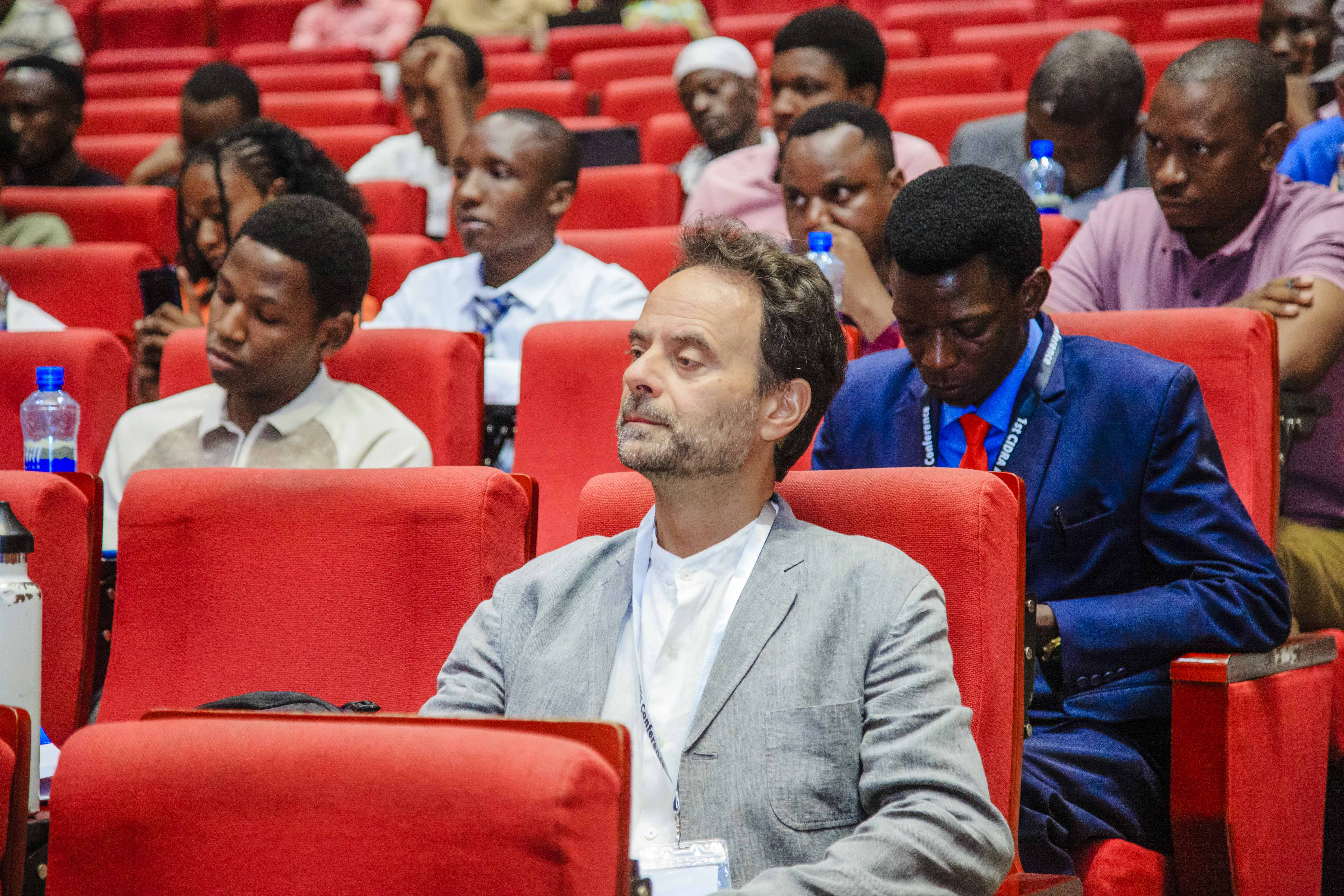
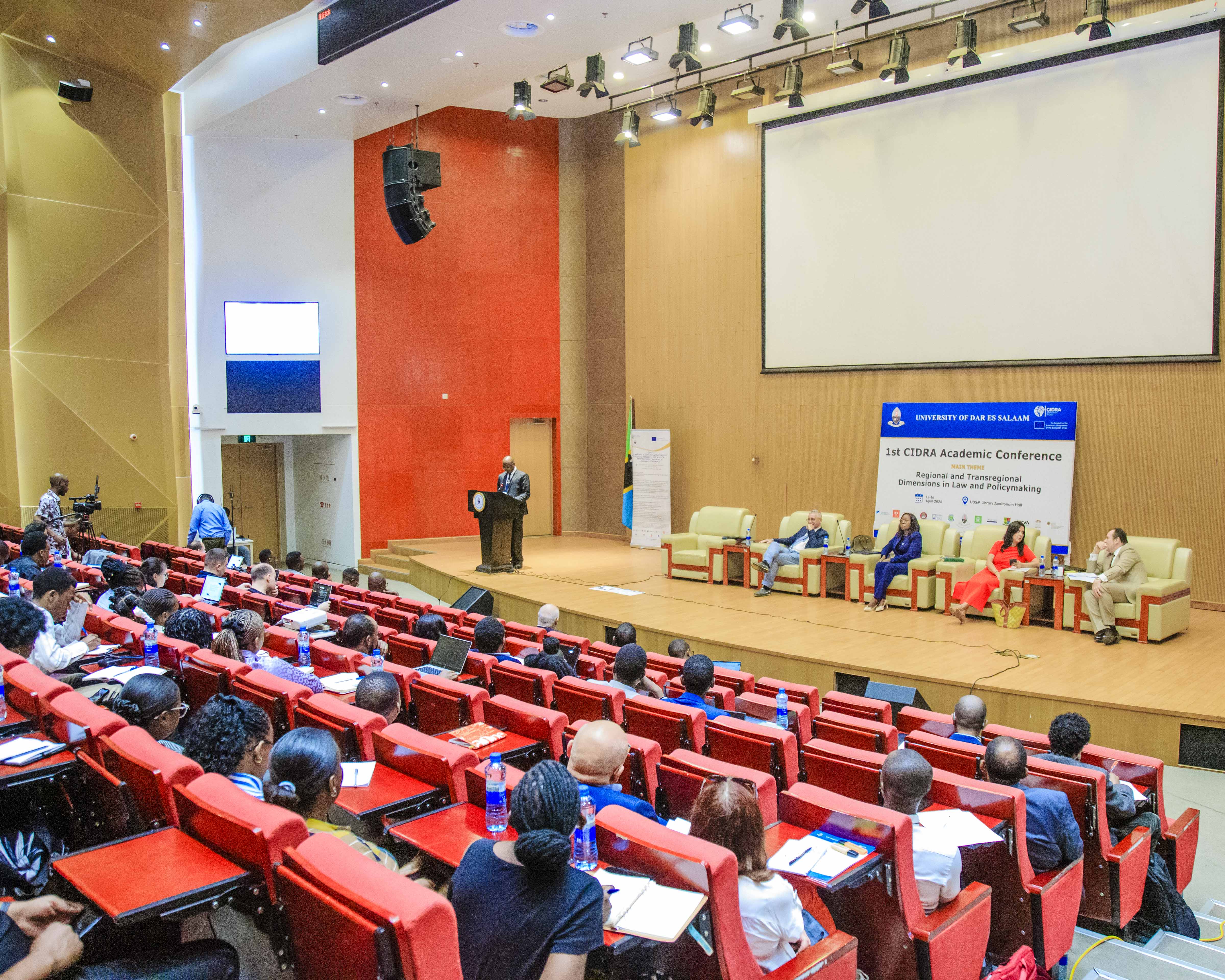
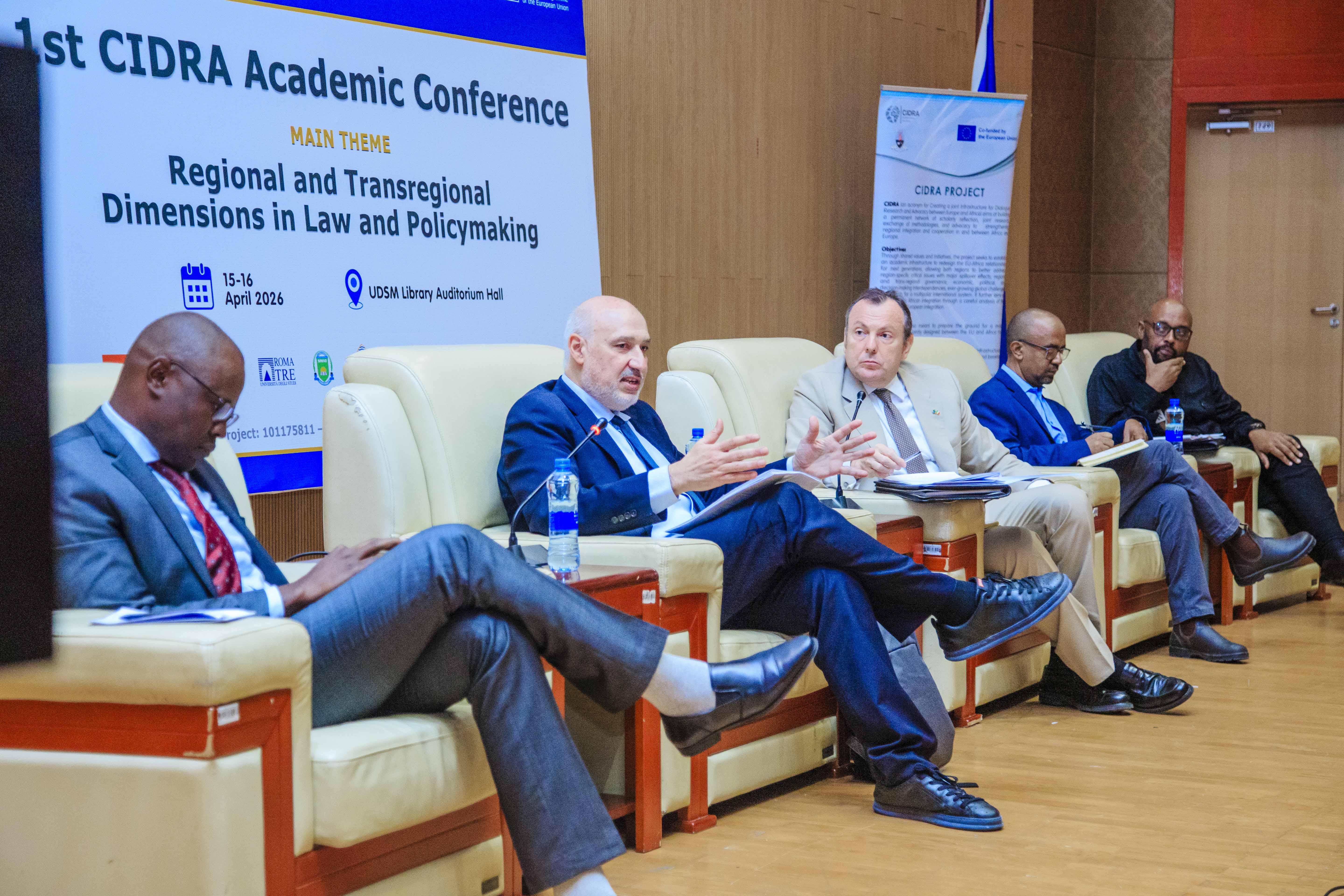
Held on 15–16 April 2026 at the University Library Auditorium, the high-level CIDRA (Creating a Joint Infrastructure for Dialogue, Research and Advocacy between Europe and Africa) conference drew scholars, policymakers, diplomats, and development practitioners from across two continents, united by a common goal: to translate research into actionable policy in an increasingly fragmented and complex world.
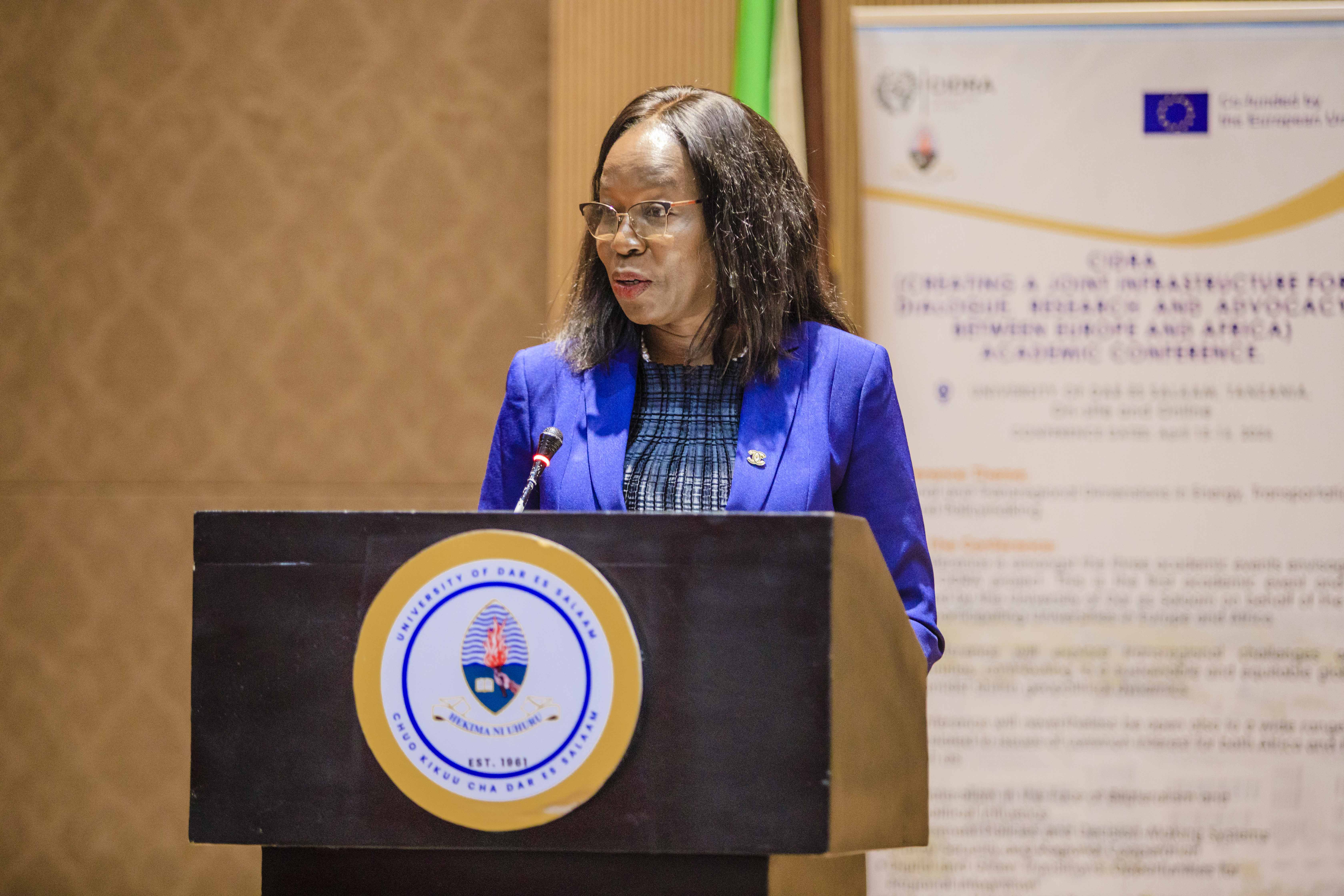
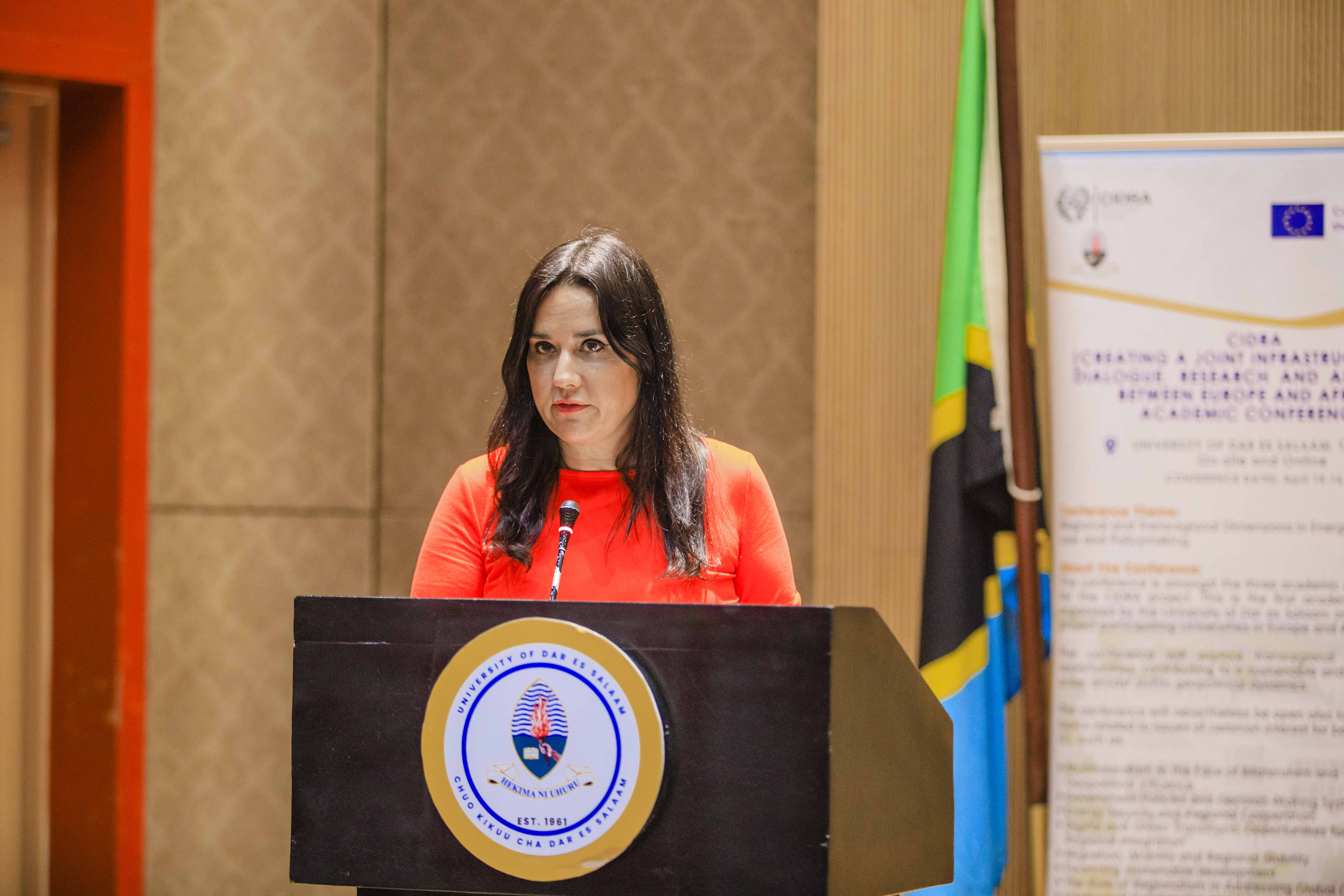
At the heart of the conference was a powerful message from the Guest of Honour, the Minister for Education, Science and Technology, Hon. Prof. Adolf Mkenda (MP), delivered on his behalf by Prof. Bernadeta Killian, UDSM Deputy Vice Chancellor-Planning, Finance and Administration.
Framing the discussions within a rapidly shifting global order, the Minister challenged participants to rethink the foundations of cooperation, governance, and sustainability. He raised three defining policy questions: how to strengthen multilateralism in an era of fragmentation; how to design governance systems that are inclusive and legitimate; and how to secure sustainable and equitable energy futures.
These questions set the tone for a conference that moved beyond academic exchange to become what Prof. Killian described as a “laboratory of ideas” for addressing real-world challenges.
Prof. Killian underscored the strategic importance of the CIDRA initiative—Creating a Joint Infrastructure for Dialogue, Research and Advocacy between Europe and Africa—as a model for impactful, collaborative scholarship.
“Collaborative projects such as CIDRA are essential not only for advancing knowledge, but also for mobilising research funding, strengthening academic infrastructure, and generating policy-relevant solutions,” she said.
She emphasized that international collaboration is no longer optional but fundamental to academic excellence. “When scholars move ideas across borders, they also move institutions forward,” she noted, highlighting how cross-border knowledge exchange strengthens both universities and societies.
The CIDRA consortium, comprising 13 universities from Africa and Europe, reflects a new model of partnership grounded in co-creation and mutual respect—moving beyond traditional hierarchies toward shared intellectual leadership.
From Academic Dialogue to Policy Impact
According to the conference communiqué, the deliberations reinforced a central message: research must inform policy. Participants explored how evidence-based scholarship can shape decision-making in critical sectors including energy, transportation, law, and governance.
The communiqué emphasized that CIDRA is designed as a “durable intellectual and institutional bridge” between Africa and Europe, with core pillars spanning research, dialogue, dissemination, and advocacy.
A plenary session examining relations between the European Union and African Regional Economic Communities (RECs) highlighted both opportunities and tensions in transregional cooperation.
Discussions pointed to lessons from European integration, particularly the principle of unity in diversity, while cautioning that successful regionalism depends on strong institutions, political will, and context-sensitive approaches.
Participants also acknowledged persistent challenges facing African RECs, including limited institutional capacity, policy fragmentation, and uneven implementation of regional frameworks.
Beyond high-level dialogue, the conference delivered a strong commitment to tangible outcomes. Key recommendations included strengthening joint and interdisciplinary research, expanding academic exchange, and producing policy-relevant outputs such as publications, briefs, and collaborative teaching resources.
The initiative is expected to significantly enhance research capacity across participating institutions while fostering long-term academic networks capable of addressing shared global challenges—from climate change and energy security to migration and digital transformation.
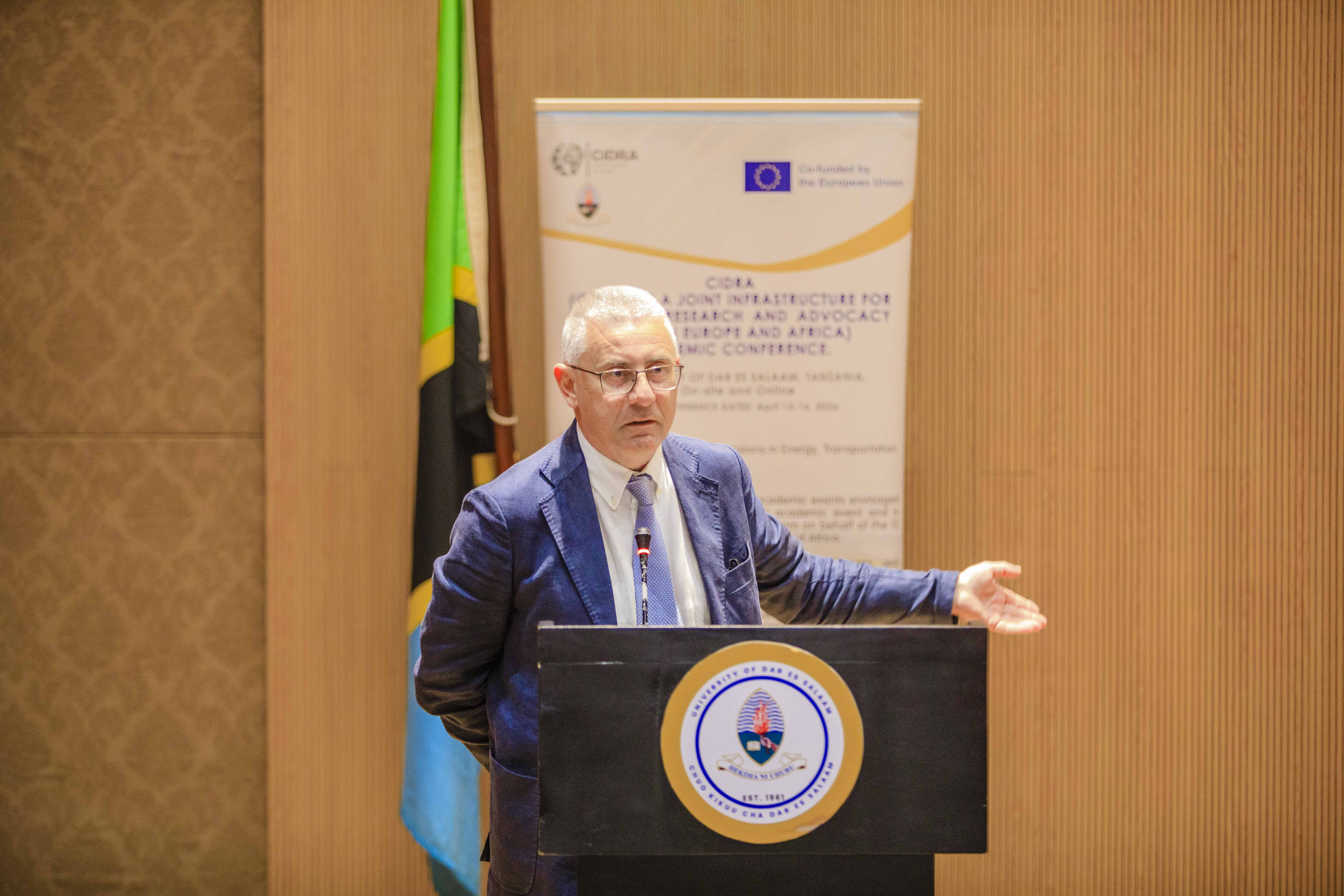
Delivering the vote of thanks, Dr. Lupa Ramadhani, Head of the Department of Political Science at UDSM, described CIDRA as a model of genuine partnership. “Its strength lies in its inclusivity, bringing together diverse scholars, disciplines, and perspectives to generate innovative and impactful knowledge”.
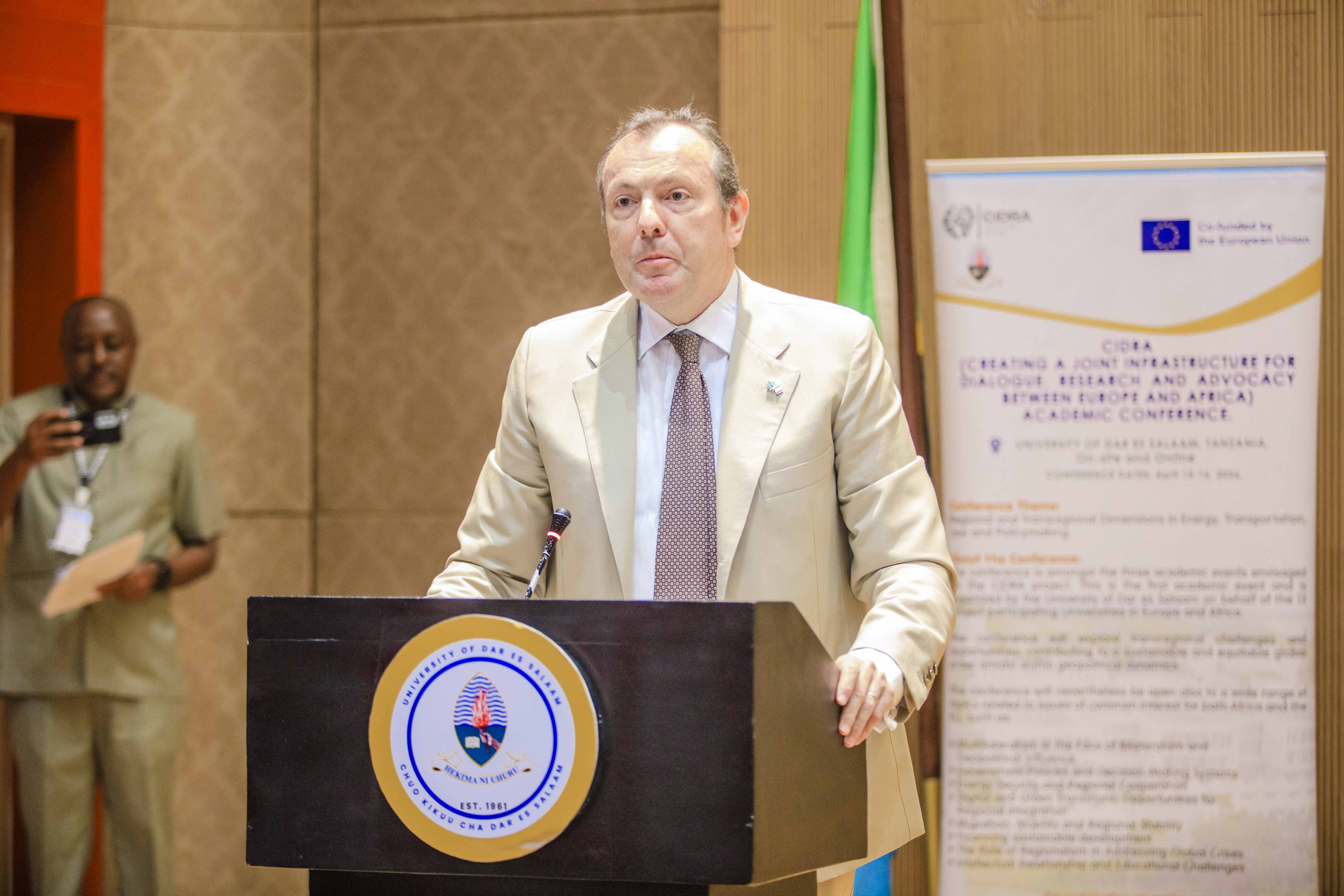
He also acknowledged the presence of members of the diplomatic corps, including ambassadors from Italy and Spain, noting that their participation reflects the growing international relevance of the initiative.
UDSM at the Forefront of Global Knowledge Leadership
The conference aligns closely with UDSM’s long-term vision of becoming a leading centre of intellectual wealth and innovation, as outlined in its Vision 2061 and Corporate Strategic Plan (2024–2033). By integrating research, teaching, and policy engagement, initiatives like CIDRA are redefining the University’s role in global knowledge production.
Participants resolved to sustain and expand the CIDRA network as a long-term platform for Africa–Europe collaboration, with the next engagement scheduled to take place at Addis Ababa University.
In an era defined by uncertainty and interconnected challenges, the message from Dar es Salaam was clear: impactful research must cross borders, inform policy, and drive collective progress. Through CIDRA, UDSM is not only advancing academic excellence; it is helping shape the ideas and partnerships that will define the future of global development.