

From Charcoal to Clean Cooking: How Youth Entrepreneurs Are Powering East Africa's Energy Transition
By Special Corresponsent, CMU
Every morning before dawn, 27-year-old Amina would prepare for another day serving breakfast and lunch to customers at her small food kiosk in Ilala, Dar es Salaam.
Before she could cook a single meal, however, she had to wrestle with her charcoal stove.
"It took 10 to 15 minutes just to get the fire going," she recalls. "I had to keep blowing on the charcoal until it caught. By then my eyes were watering, my chest felt heavy, and the smoke had already filled the kiosk. I thought that was simply part of the job."
For years, charcoal was the only energy source Amina and many other small food vendors knew. It powered her business, but at a cost. The smoke affected her health, while the rising price of charcoal steadily ate into her modest profits.
Today, that routine has changed completely.
Instead of coughing through clouds of smoke, Amina now cooks with a clean Liquefied Petroleum Gas (LPG) stove. Meals are prepared faster, her workplace is cleaner, and she spends less on fuel.
"It lights instantly," she says with a smile. "There is no smoke, no waiting, and I can start cooking immediately. I also spend less on fuel, so I can buy better ingredients for my customers."
Amina's transformation is part of a broader initiative led by the University of Dar es Salaam (UDSM) to help young entrepreneurs embrace clean energy while improving their livelihoods.
**A research project driving change**
In 2025, Amina joined the research project ‘Supporting African Youth Entrepreneurs to Accelerate Just Transition to Clean Energy’, funded by Canada's International Development Research Centre (IDRC).
The project seeks to help youth-led informal businesses in Tanzania and Uganda transition from polluting cooking fuels to cleaner, more affordable energy solutions through research, mentorship and practical support.
Project leader Prof. Jehovaness Aikaeli says the initiative goes beyond introducing new technologies.
“We are not simply asking young entrepreneurs to abandon charcoal. We are demonstrating that clean energy can improve their businesses, protect their health, reduce environmental degradation and increase their profits. When entrepreneurs see the economic benefits, the transition becomes much easier”, he explains.
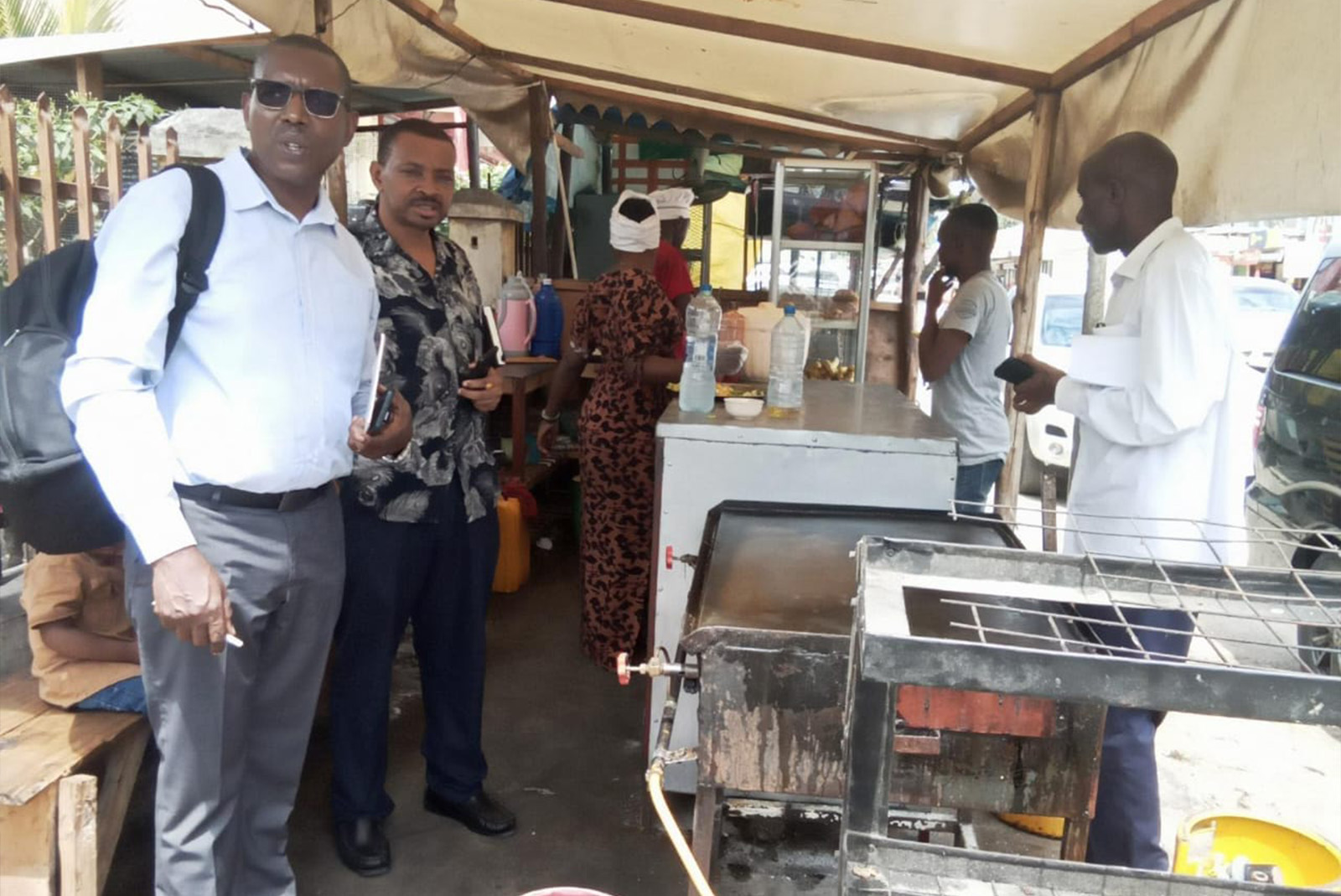
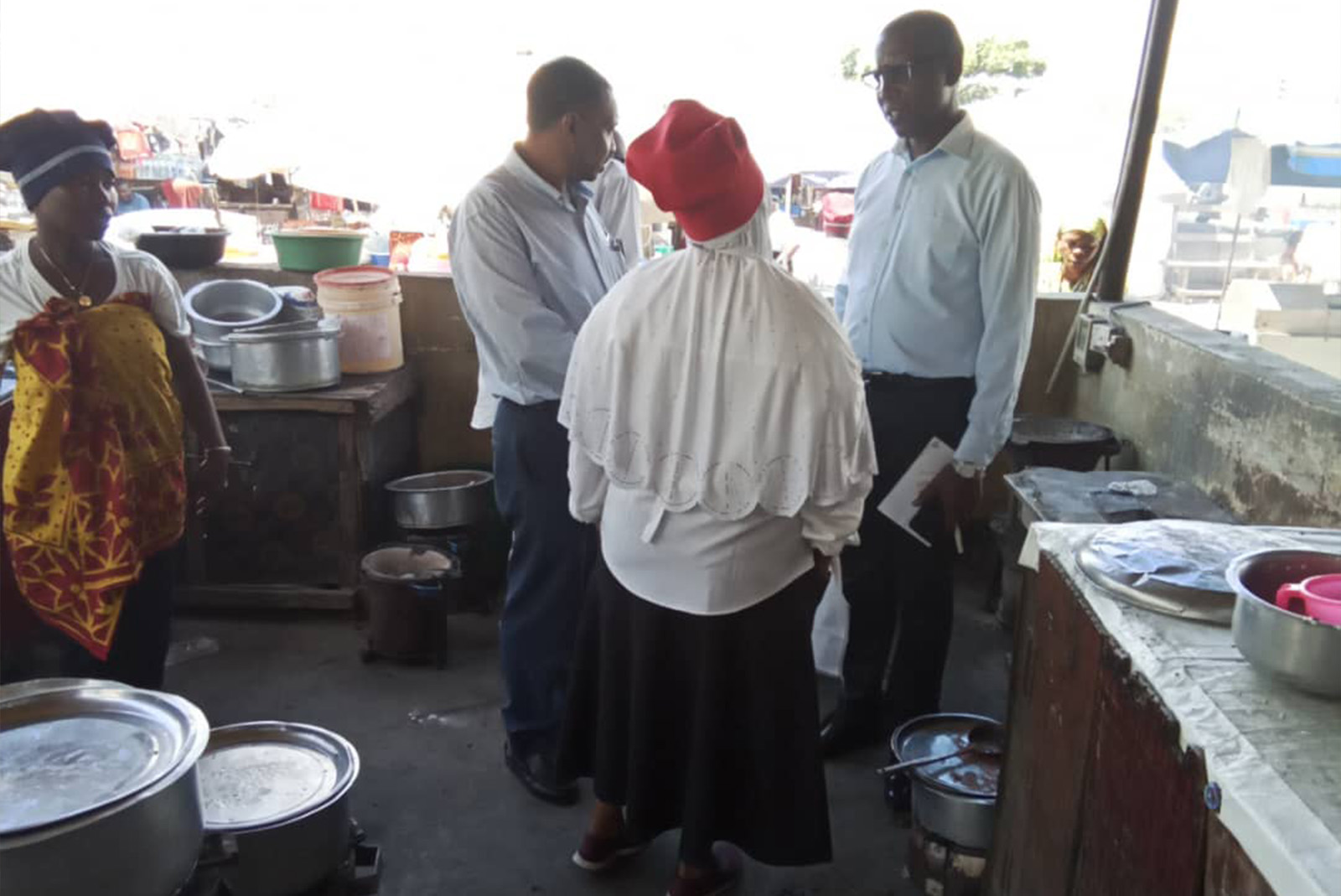
Researchers surveyed more than 100 youth-owned food and beverage businesses in Dar es Salaam's Ilala and Kinondoni districts to better understand the barriers preventing entrepreneurs from adopting clean energy technologies.
The findings revealed that many business owners associated LPG with high upfront costs and safety concerns, despite spending substantial amounts every week on charcoal and firewood.
Rather than relying on awareness campaigns alone, the project introduced an intensive mentorship programme linking entrepreneurs with researchers, government technical experts, clean-energy suppliers and financial service providers.
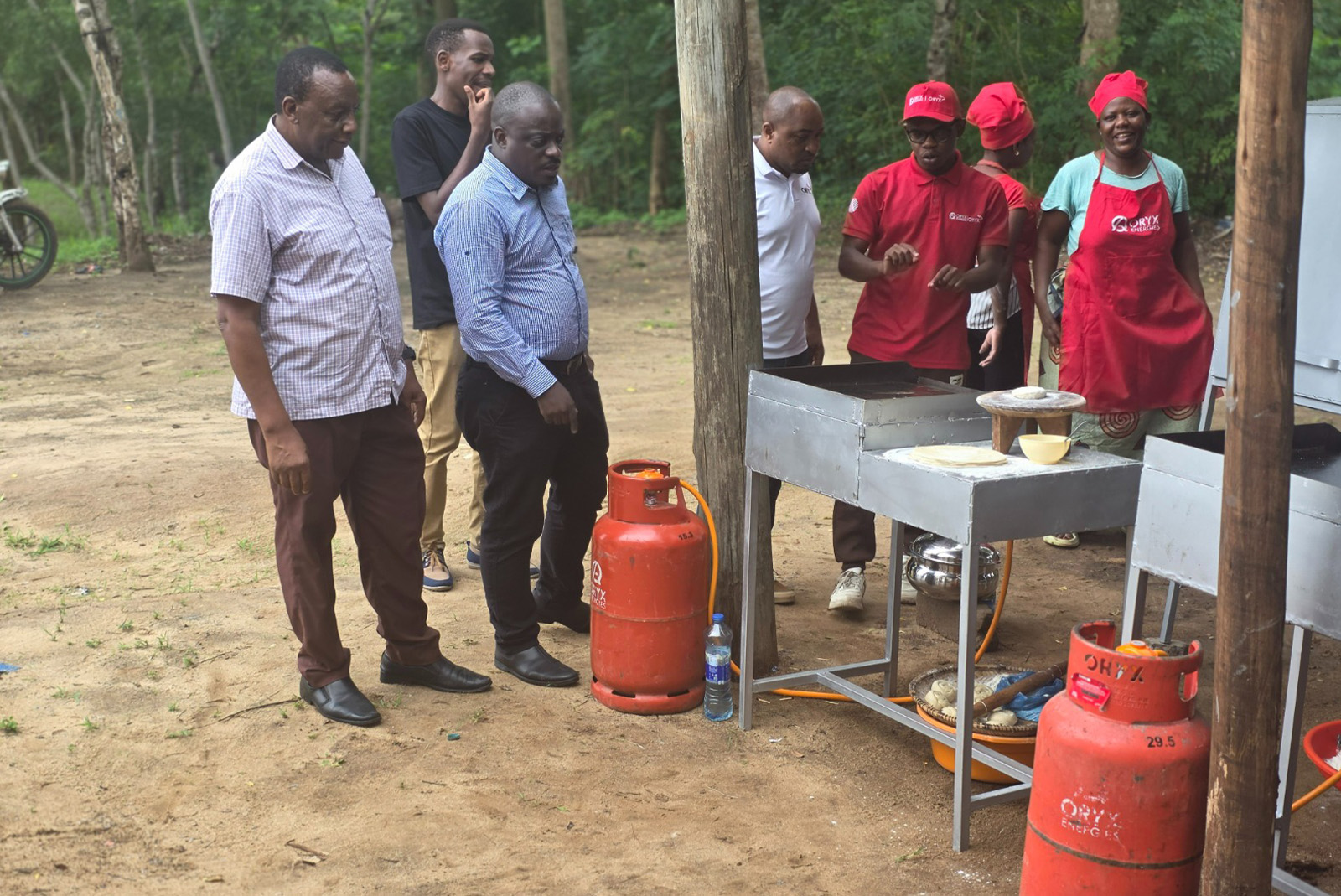
Participants received practical demonstrations, business coaching and cost comparisons showing how much they could save by switching to LPG.
"I thought gas cooking was only for large businesses or wealthy people. When the mentors calculated what I spent on charcoal every month, I realised I was actually losing money”, says Amina.
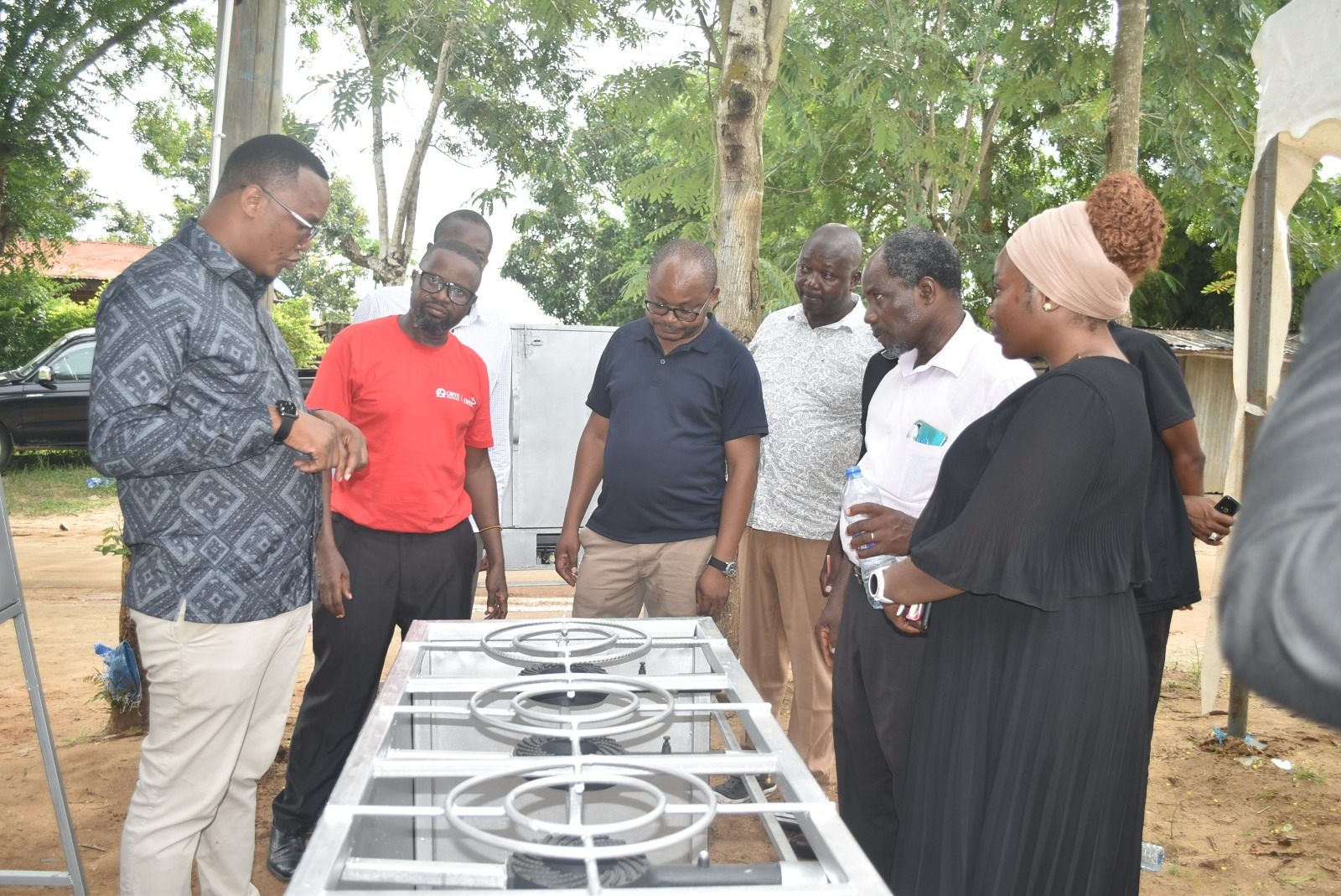
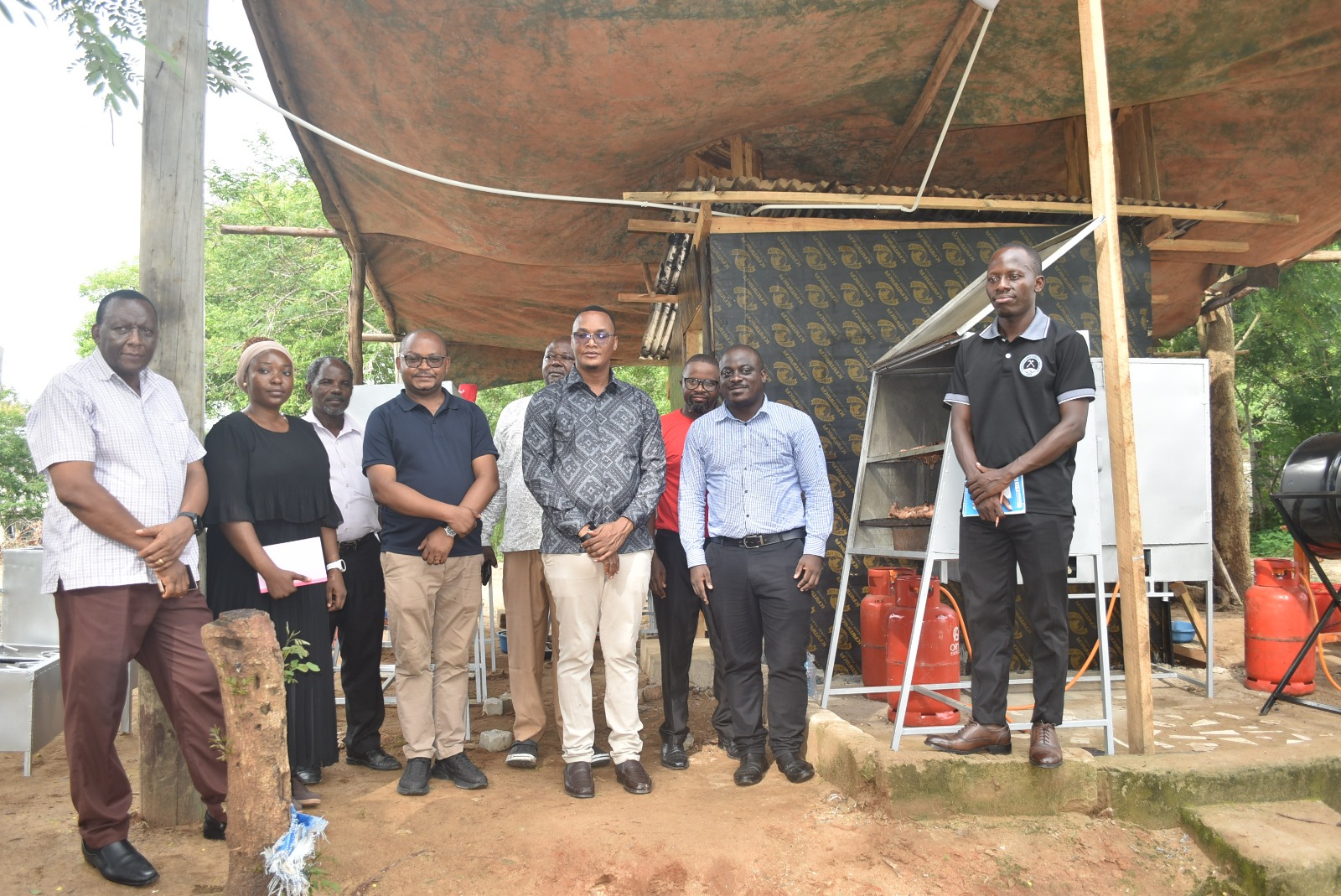
The project also connected participants with MATIMA Investment Ltd, a Tanzanian manufacturer producing affordable LPG stoves designed specifically for small food businesses.
According to Prof. Aikaeli, mentorship proved to be the project's biggest strength.
“People rarely change because they are told to. They change when they understand the benefits, receive practical guidance and have access to appropriate technologies and support”, he says.
**Turning evidence into action**
Out of 50 entrepreneurs enrolled in the mentorship programme, 21 were selected for the food and beverage cohort. By January 2026, 11 had fully transitioned to LPG cooking systems after receiving hands-on training in the safe use of the equipment at the University of Dar es Salaam.
Four of the entrepreneurs who successfully switched are young women, reflecting the project's deliberate focus on supporting women, who make up a large proportion of the informal food sector and face the greatest exposure to smoke-related health risks.
For Amina, the benefits became clear from the very first day.
"My customers immediately noticed the difference. The kiosk looked cleaner, and I felt healthier because I wasn't breathing smoke all morning”, she says.
The reduction in fuel costs has enabled her to reinvest in better cooking oil, higher-quality ingredients and other improvements to her business.
While the project has already demonstrated measurable success, researchers believe its impact could be much greater if expanded.
Thousands of food vendors across Dar es Salaam continue to rely on charcoal and firewood despite the health, environmental and financial costs. The research team estimates that tens of thousands of youth-led enterprises in Tanzania and Uganda could benefit from similar mentorship, affordable clean-energy technologies and improved access to financing.
Prof. Aikaeli believes supporting young entrepreneurs to adopt clean energy is an investment with multiple returns.
“Helping youth businesses transition to clean energy is not only about reducing emissions. It is about creating healthier workplaces, stronger businesses, better incomes and more resilient communities”, he says.
For Amina, the transition has already transformed both her business and her daily life.
"I never imagined changing my stove could change so much. Now I can cook faster, breathe cleaner air and save money at the same time”, she says.
As more young entrepreneurs make the switch, stories like hers demonstrate that the transition to clean energy is not only possible—it is already happening, one kitchen at a time.
Name changed to protect the identity of the research participant.