

Dr. Nchimbi Unveils Bold Education Vision as Tanzania Drives Skills Revolution at UDSM Global Conference
By Special Correspondent, CMU
The Vice President of the United Republic of Tanzania, Hon. Ambassador Dr. Emmanuel John Nchimbi, has called for a transformative overhaul of the country’s education system, placing skills development, inclusivity, and global competitiveness at the centre of national reforms.
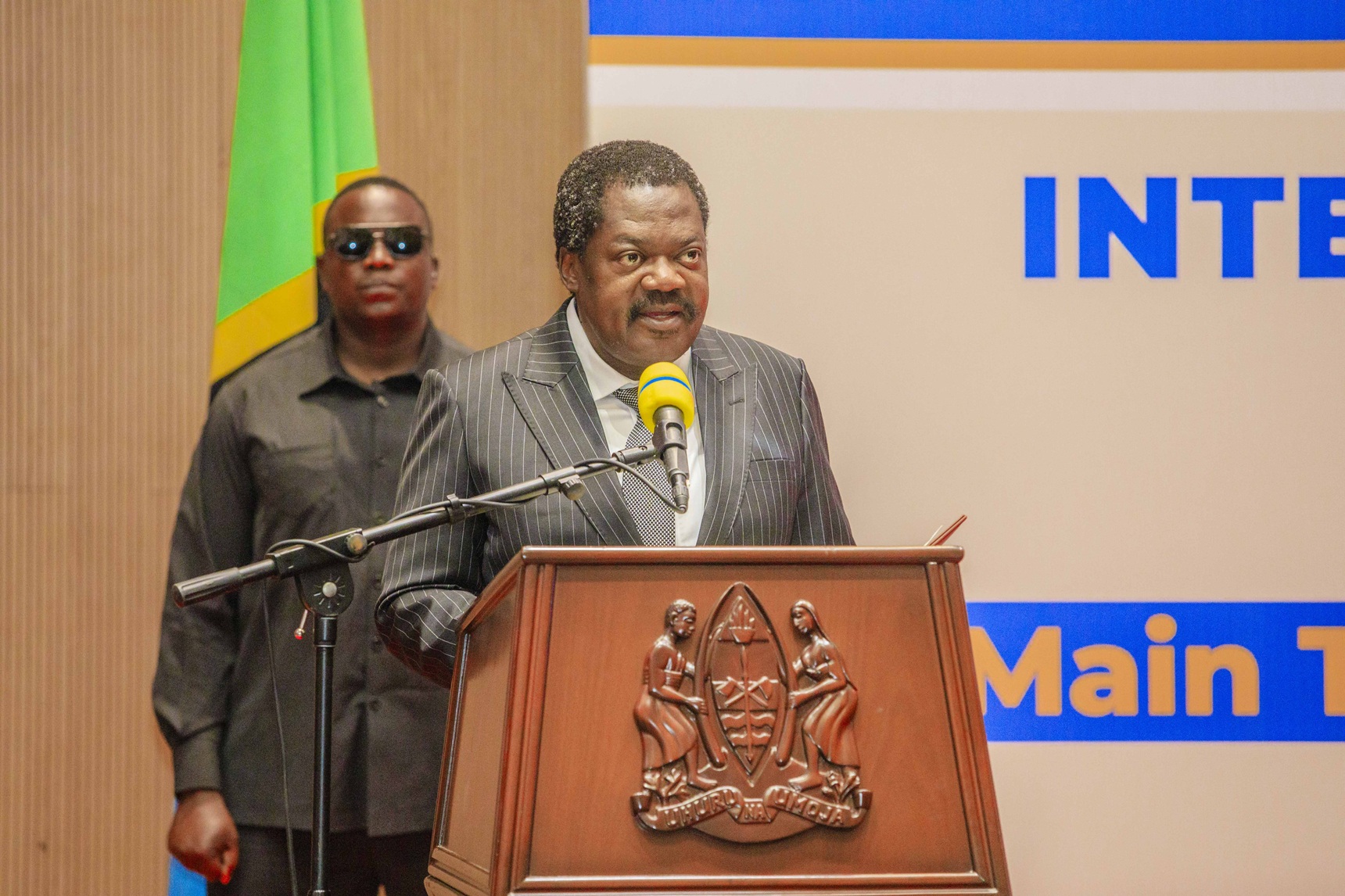
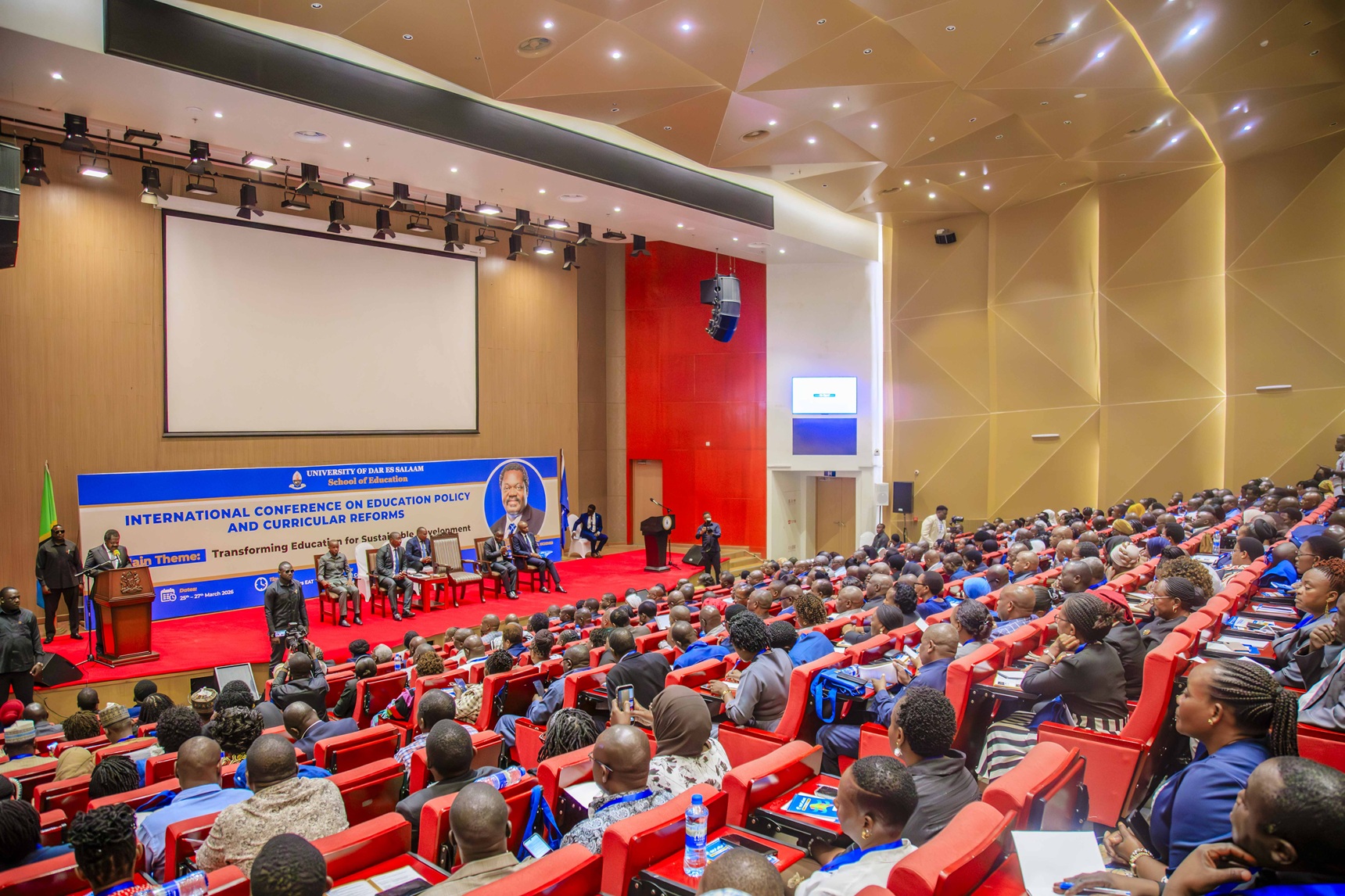
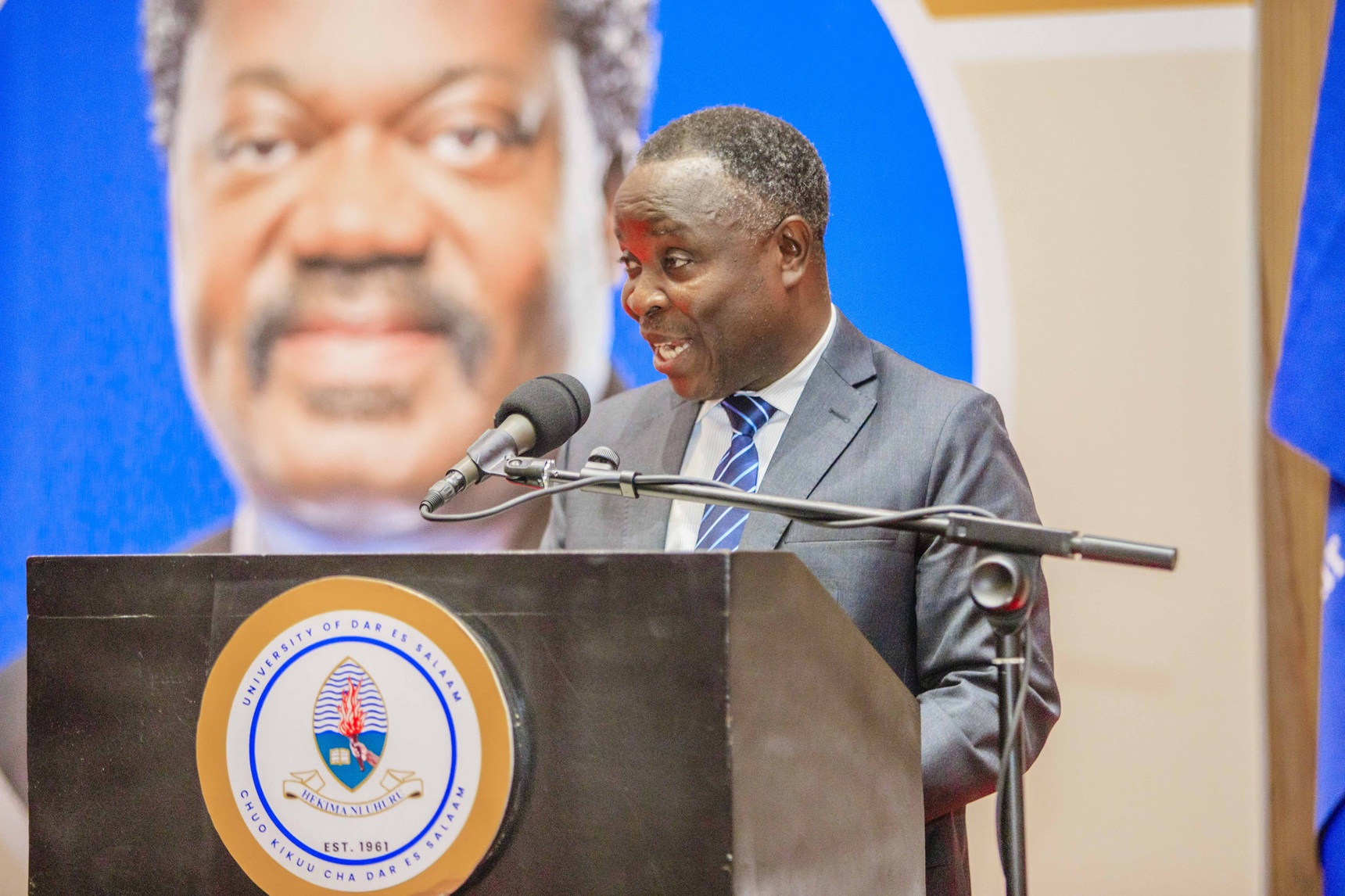
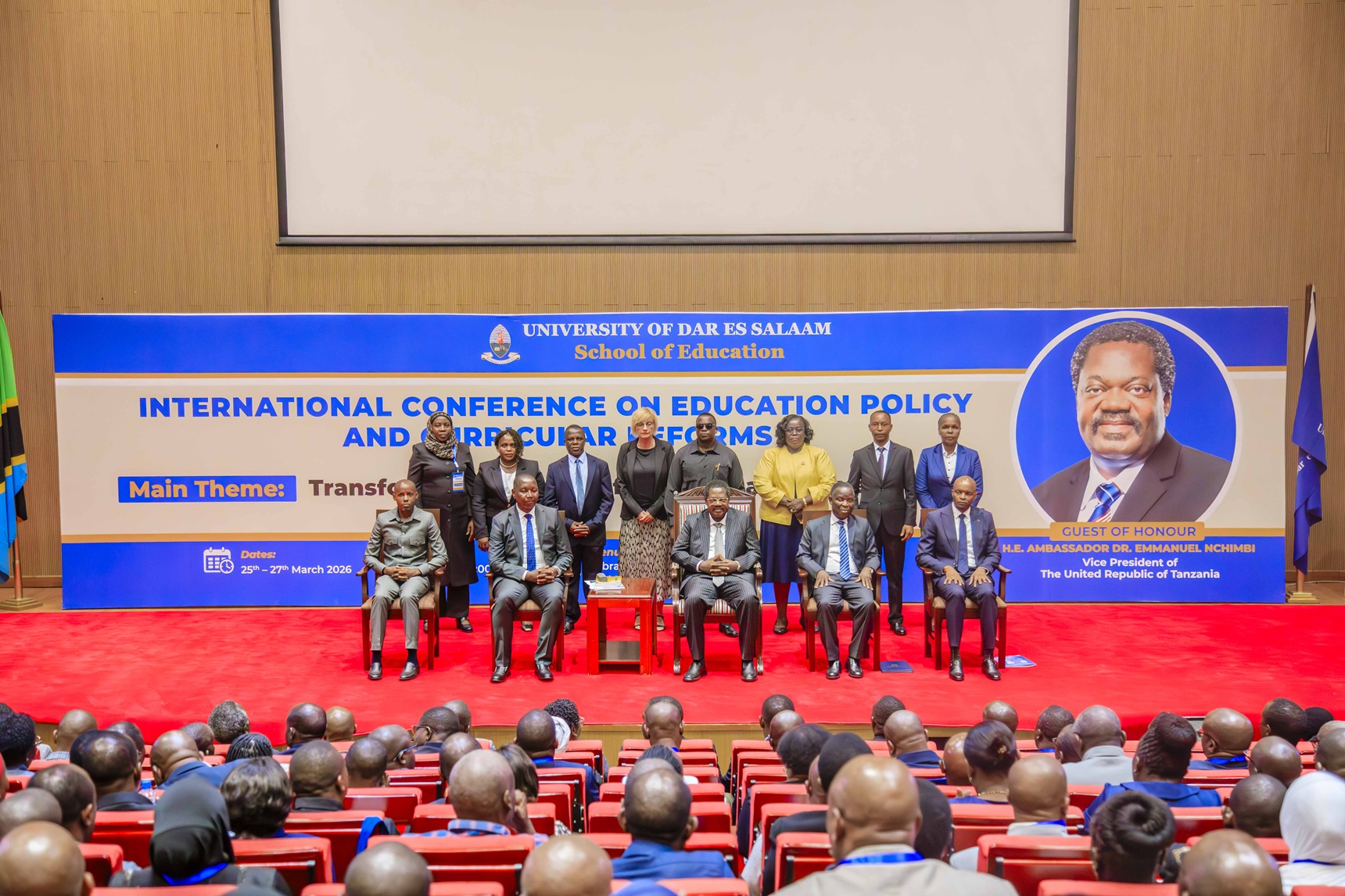
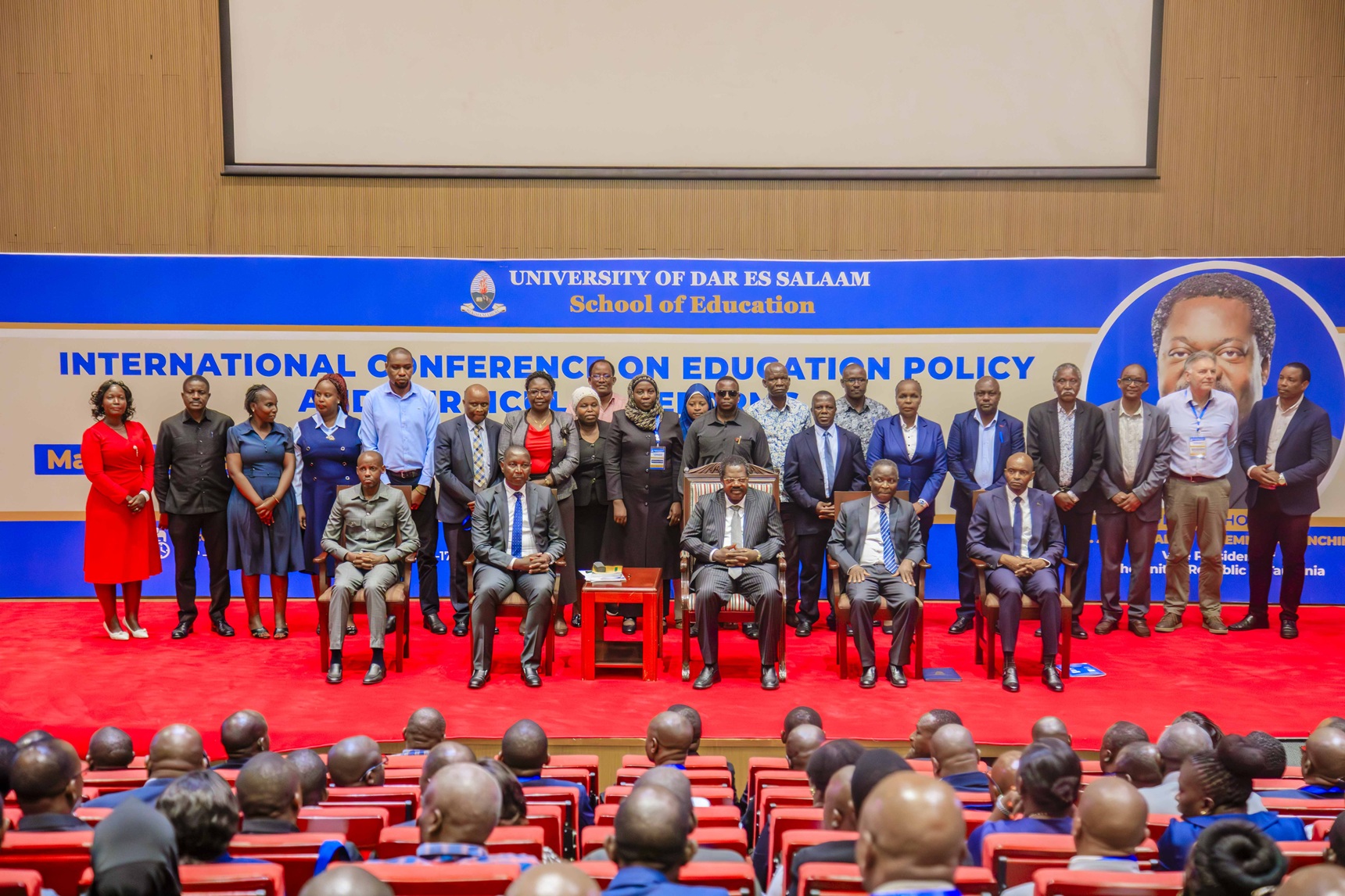
Dr. Nchimbi made the remarks while officially opening the International Conference on Education Policy and Curriculum Reforms at the University of Dar es Salaam, emphasizing that education remains the cornerstone of sustainable development.
“Education is the foundation and a key pillar of a country’s economic development and the well-being of its people,” he said, stressing that modern education systems must reflect rapid advancements in science and technology as well as the evolving demands of the labour market.
He noted that Tanzania’s ongoing reforms, anchored in the revised Education and Training Policy (2023), are designed to equip learners with practical skills, knowledge, and the right mindset to thrive in a competitive global environment.
“These reforms require strong understanding and close collaboration among all education stakeholders to ensure effective implementation,” he added.
The Vice President highlighted major structural changes, including the introduction of 10 years of compulsory education, expansion of infrastructure, and increased investment in teachers and technical training institutions. He also underscored the government’s commitment to inclusive education.
“The Government is committed to inclusive education that ensures equity and equal access for all learners, including those with special needs”, he stressed.
Dr. Nchimbi further expressed confidence that the conference will generate practical recommendations to guide the implementation of reforms and strengthen Tanzania’s education system.
“The Government looks forward to receiving constructive recommendations and resolutions from this conference to further improve the education sector,” he said.
Competency-based learning for 21st-century skills
The Minister for Education, Science and Technology, Prof. Adolf Mkenda, said the reforms are aimed at enhancing the quality and relevance of education in line with national development priorities.
He noted that the updated curriculum emphasizes competency-based learning, equipping students with essential 21st-century skills such as critical thinking, creativity, communication, and digital literacy.
“The goal is to ensure that education provides learners with the knowledge and skills needed to adapt to rapid global changes and contribute effectively to national development,” he said.
Prof. Mkenda further explained that the introduction of both general and vocational education pathways will enable students to pursue learning tracks aligned with their abilities and career aspirations.
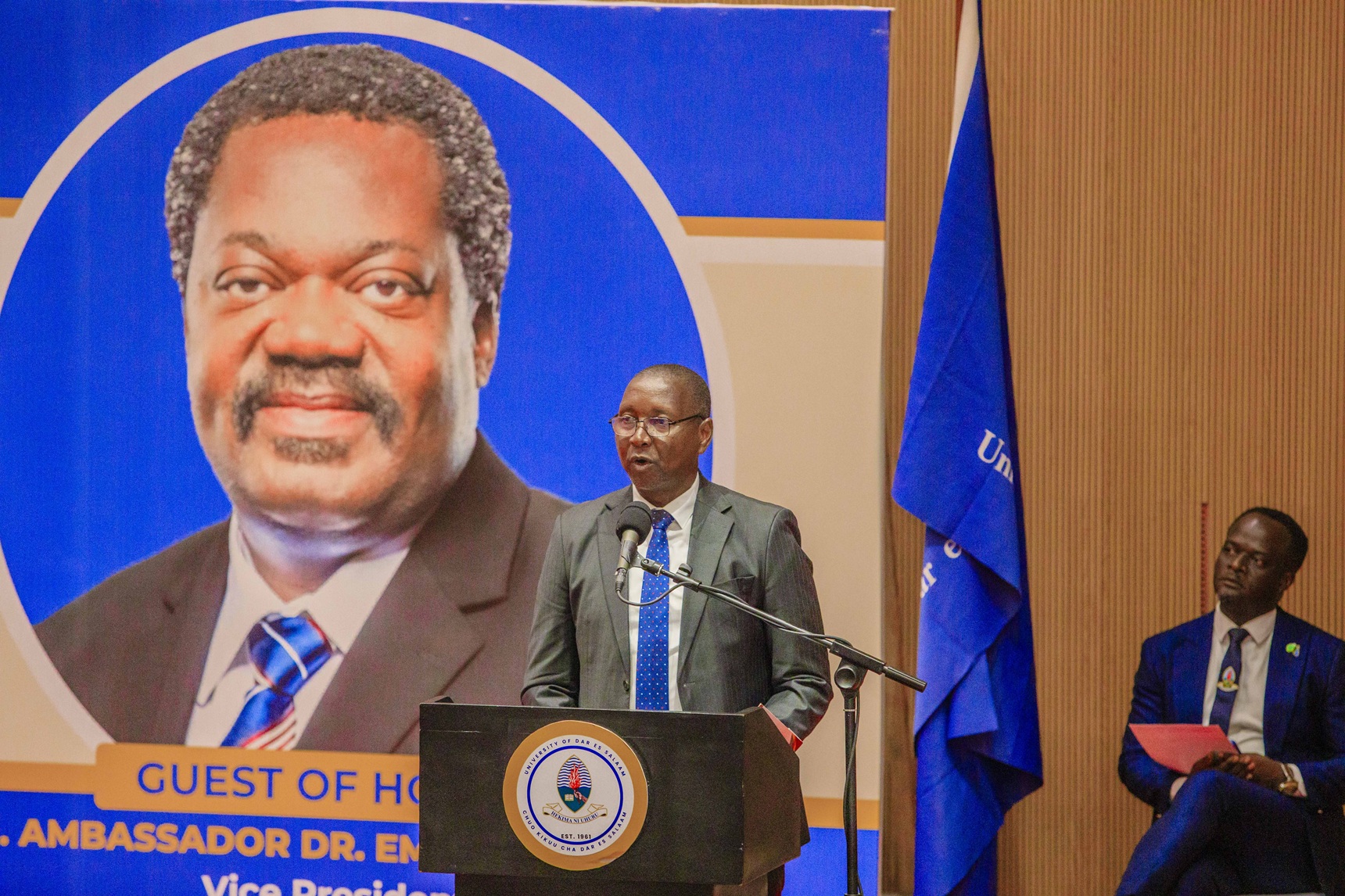
In his welcoming address, the Vice Chancellor of UDSM, Prof. William A. L. Anangisye, highlighted the University’s central role in supporting national education reforms through research, innovation, and policy engagement.
“Education policies and curricula cannot remain static; they must be continuously reviewed to keep pace with changes in science, technology, and societal needs,” he said.
Prof. Anangisye revealed that the University has already reviewed 270 academic programmes, including undergraduate and postgraduate courses, to align them with emerging national and global priorities. He added that a significant proportion of these programmes are now delivered through flexible modes, including online and blended learning.
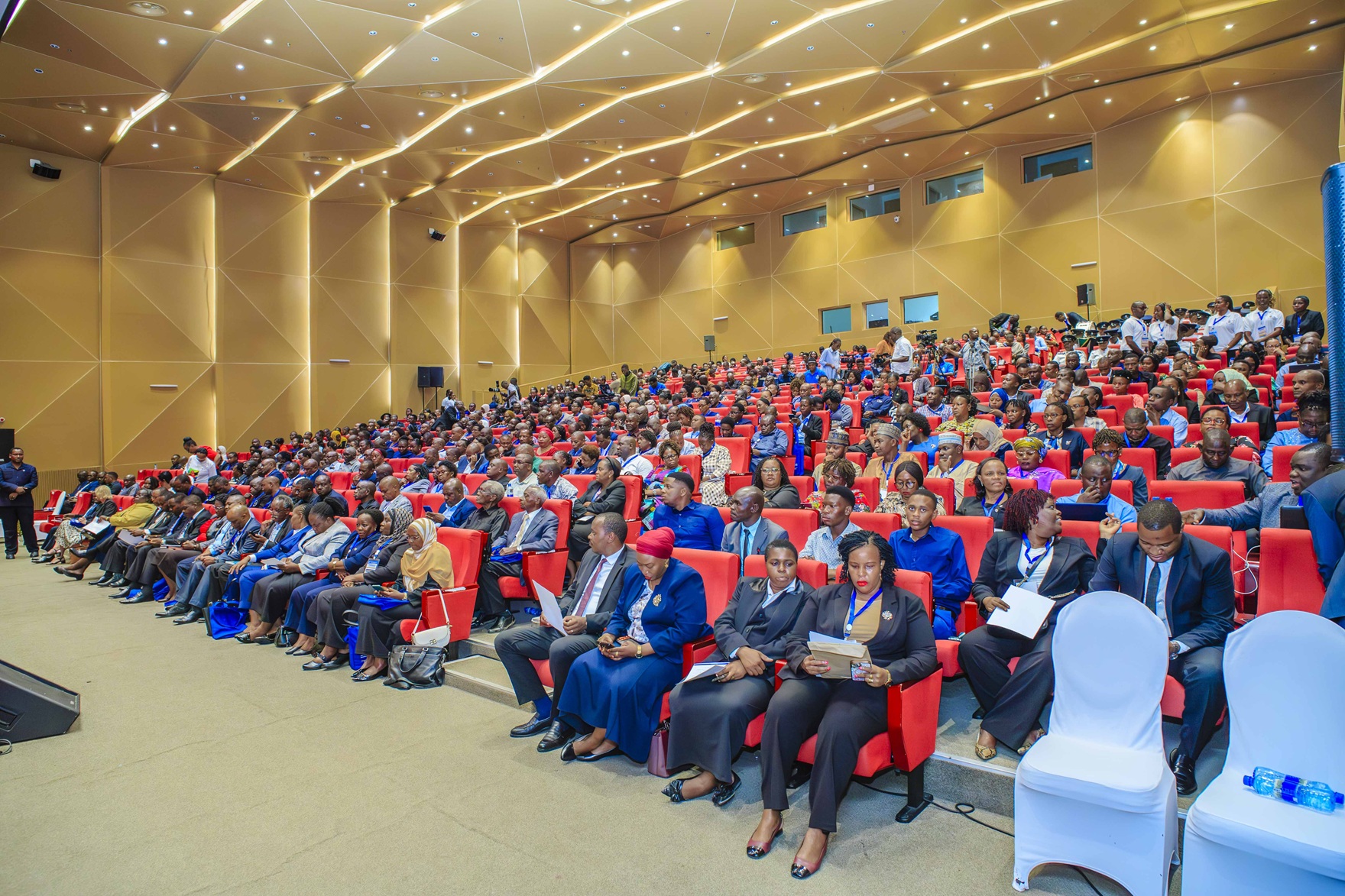
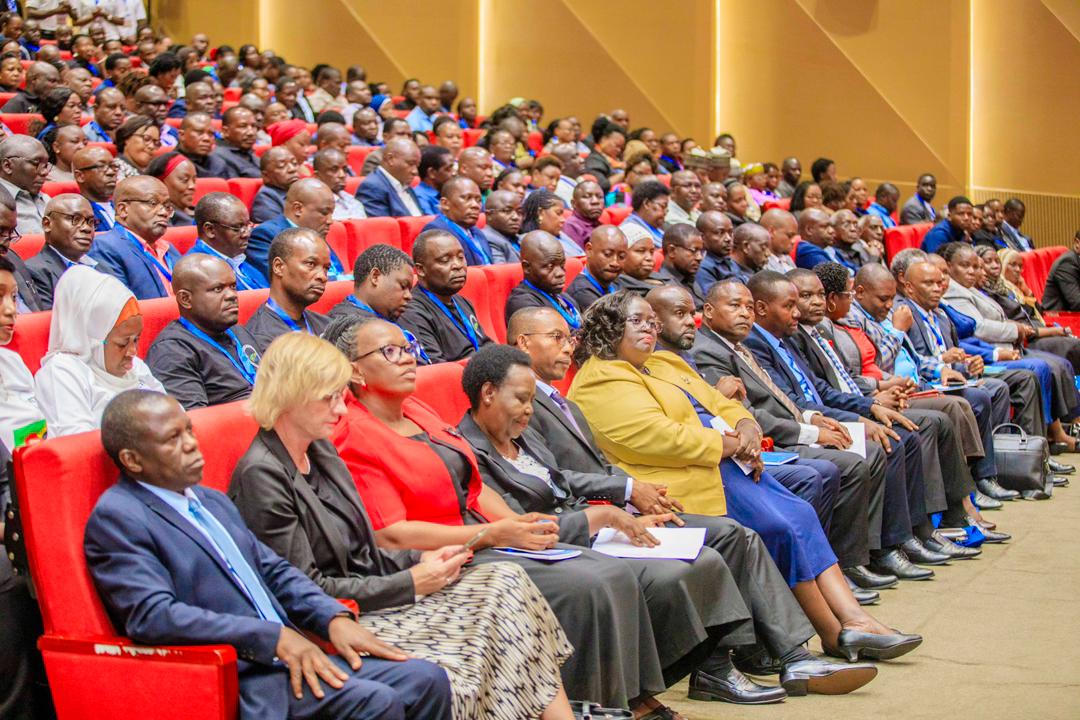
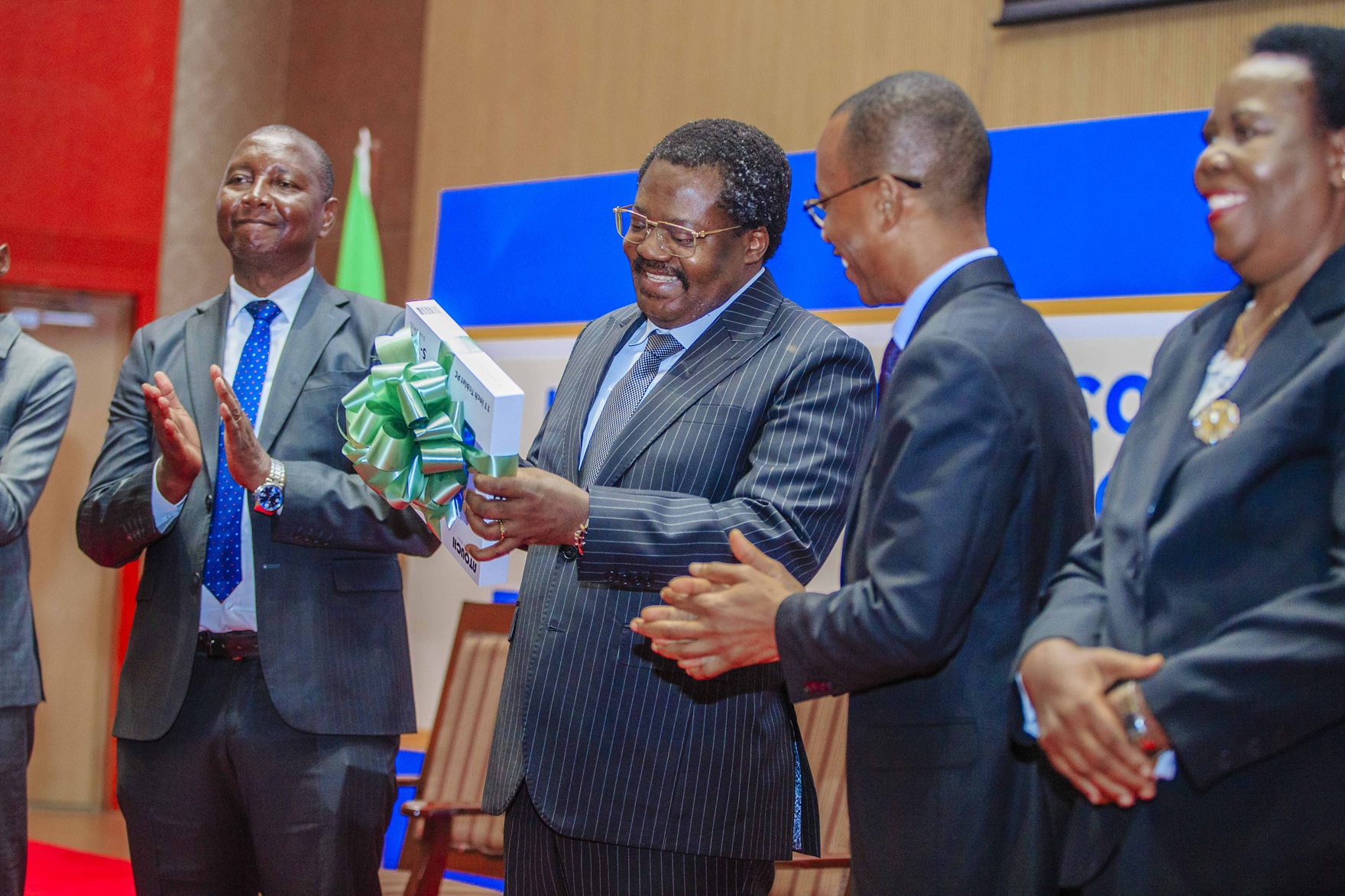
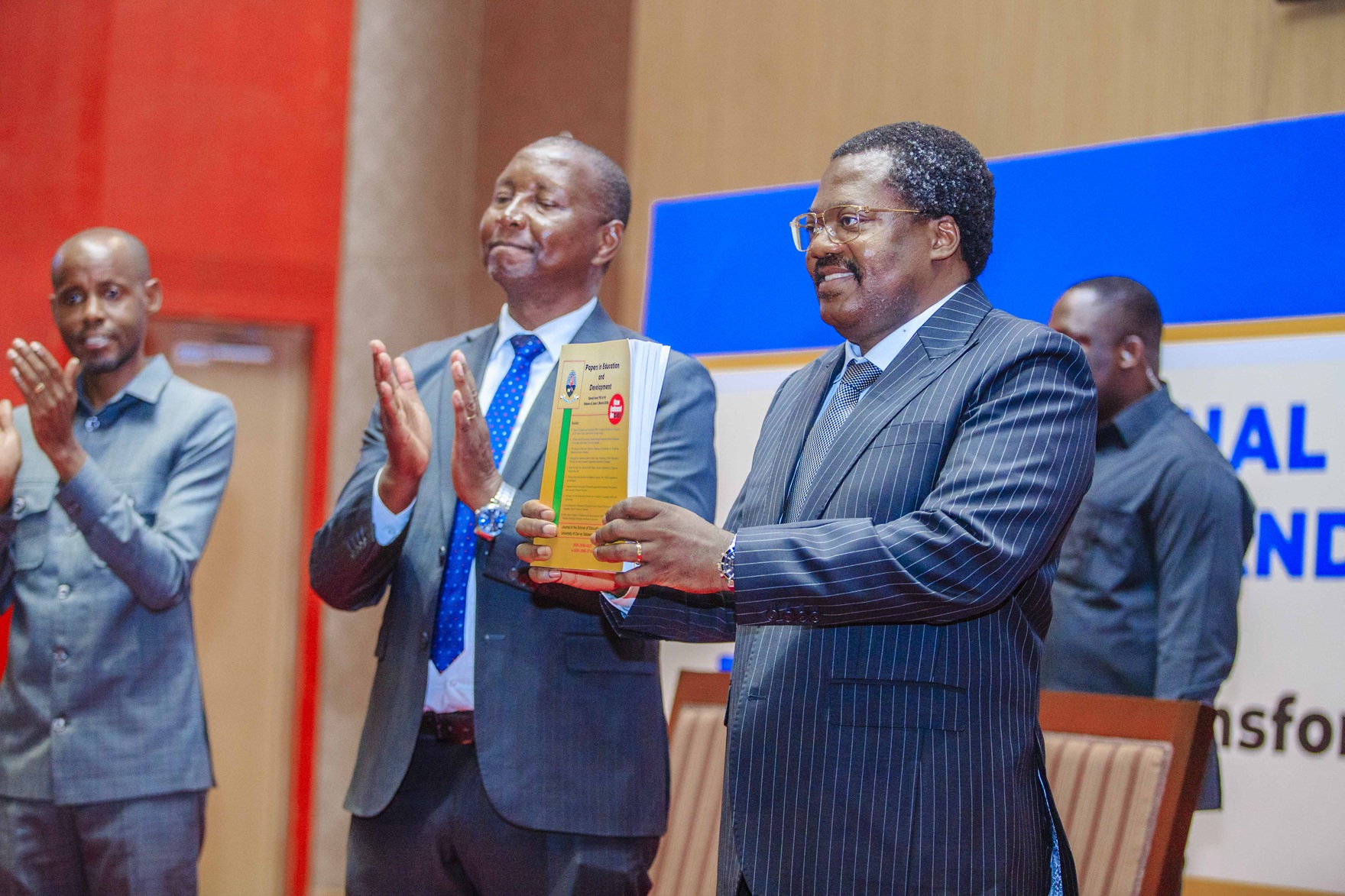
The conference, hosted by UDSM’s School of Education, and held from 25th to 27th March, 2026, has brought together policymakers, academics, and education stakeholders from across the globe to deliberate on key issues shaping the future of education. These include curriculum alignment across education levels, technical and vocational training, inclusive education, and the integration of emerging technologies.
As Tanzania advances its education transformation agenda, the conference signals a strong national commitment to building a future-ready system, one that equips learners not only with knowledge, but with the skills and adaptability needed to succeed in a rapidly changing world.