


From the Lab to the Livelihood: How UDSM is Transforming Palm Oil Value Addition in Ifakara
By Donald Boneka and Zamda George, CMU
In Ifakara District, Morogoro Region, where palm oil cultivation has long been a household economic activity, production has traditionally remained small-scale, labour-intensive, and low value. For years, farmers and processors relied on inherited techniques that yielded oil of inconsistent quality and limited market reach.
In January 2026, that long-standing pattern began to shift – driven not by chance, but by science deliberately taken to the field.
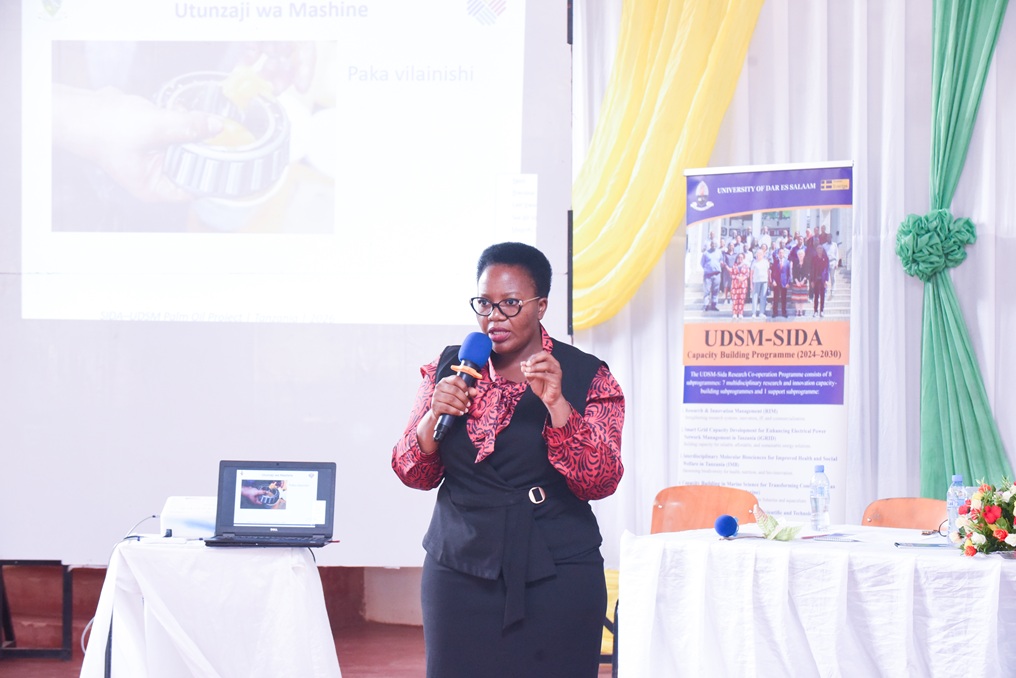
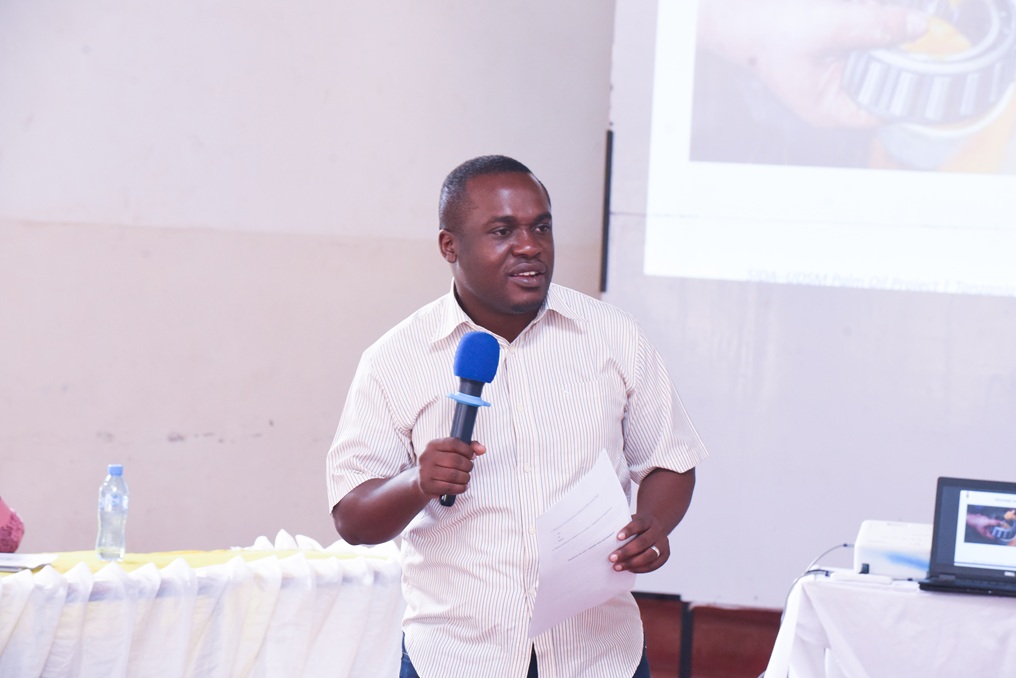
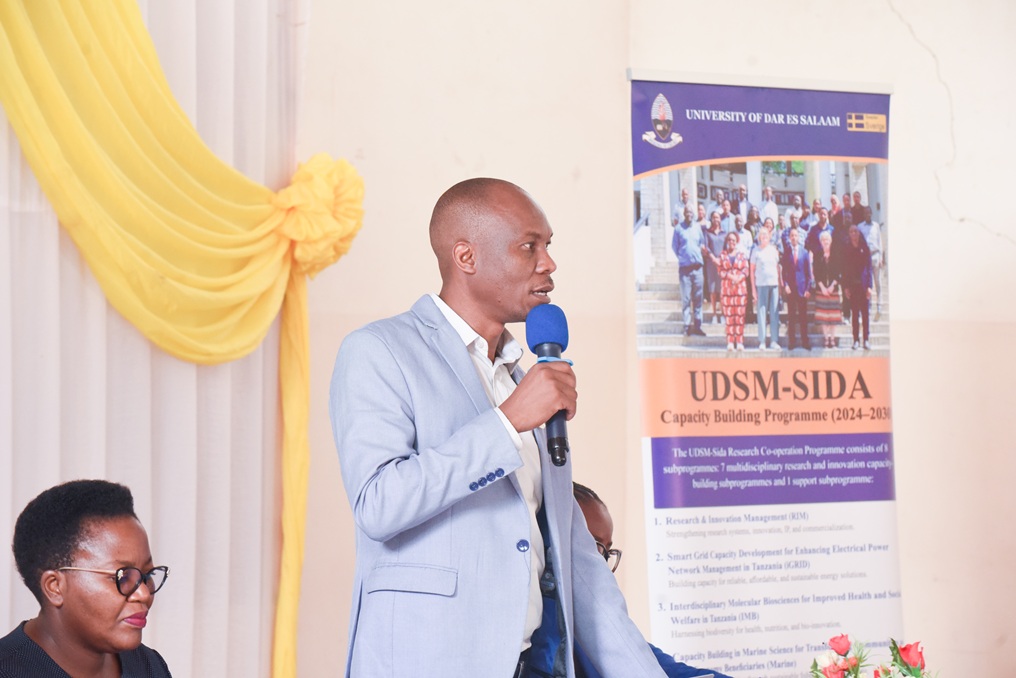
Through its Research and Innovation Management (RIM) Programme supported by the Swedish International Development Cooperation Agency (Sida), the University of Dar es Salaam (UDSM) conducted a two-day hands-on training workshop aimed at strengthening technology transfer and value addition in palm oil production.
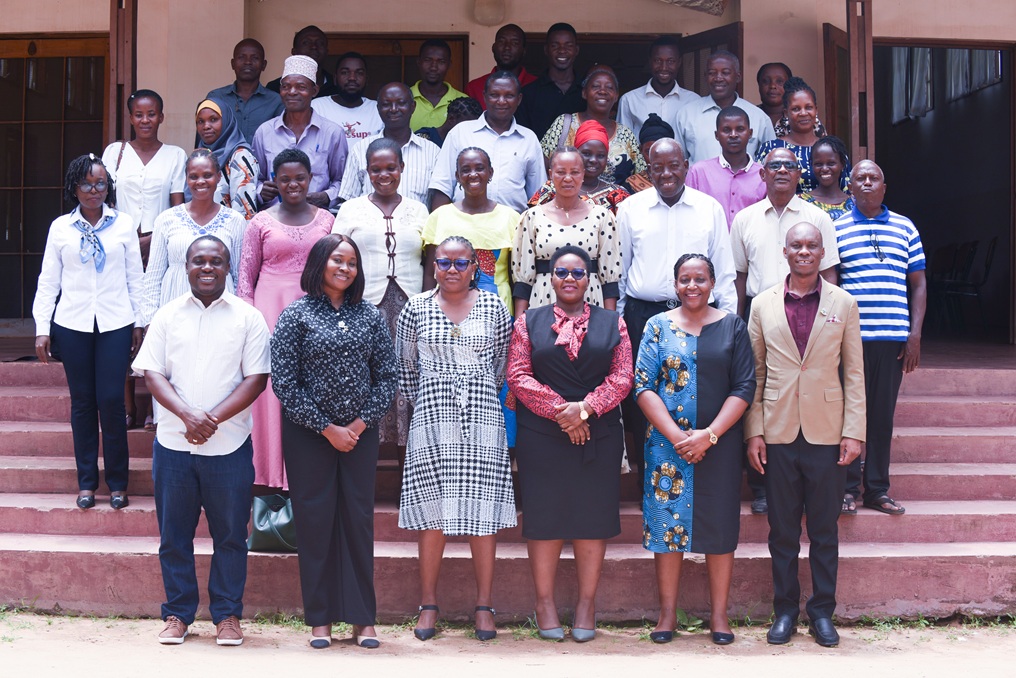
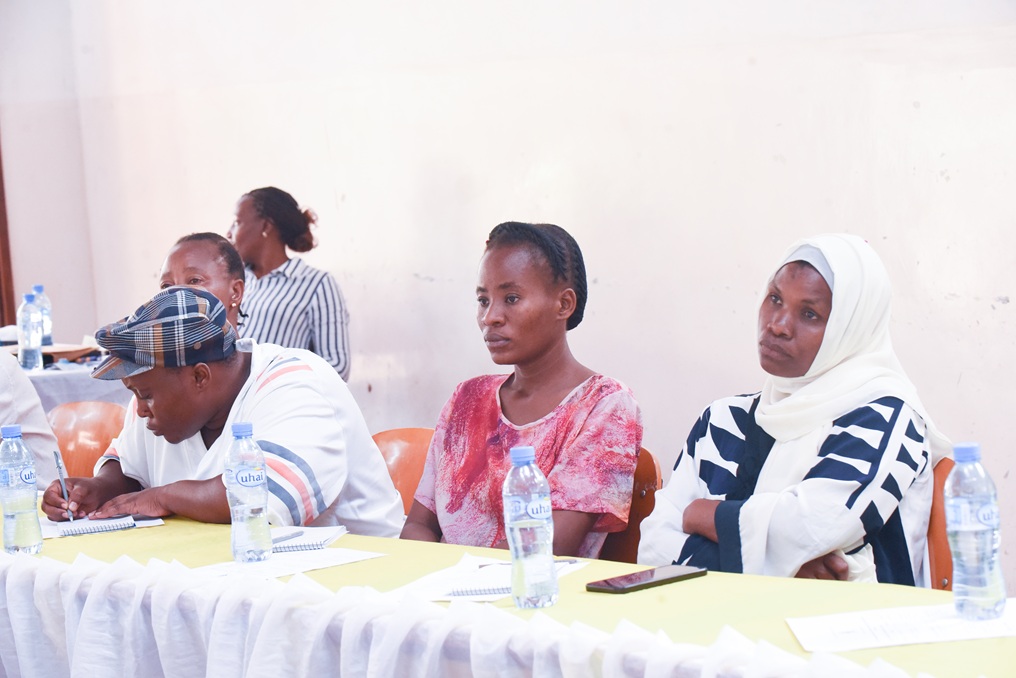
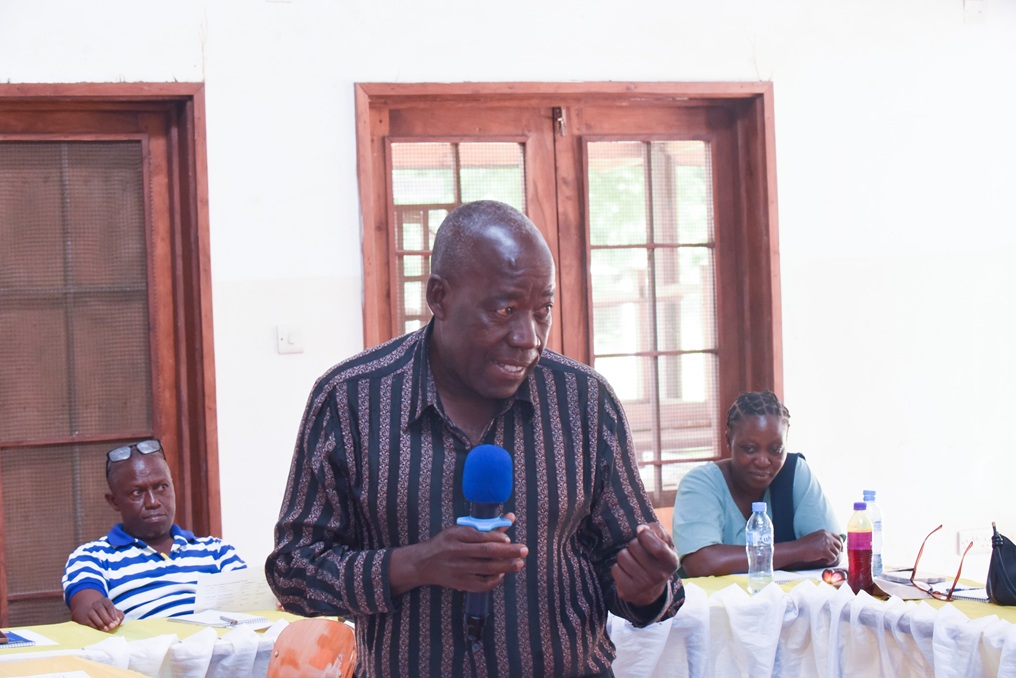
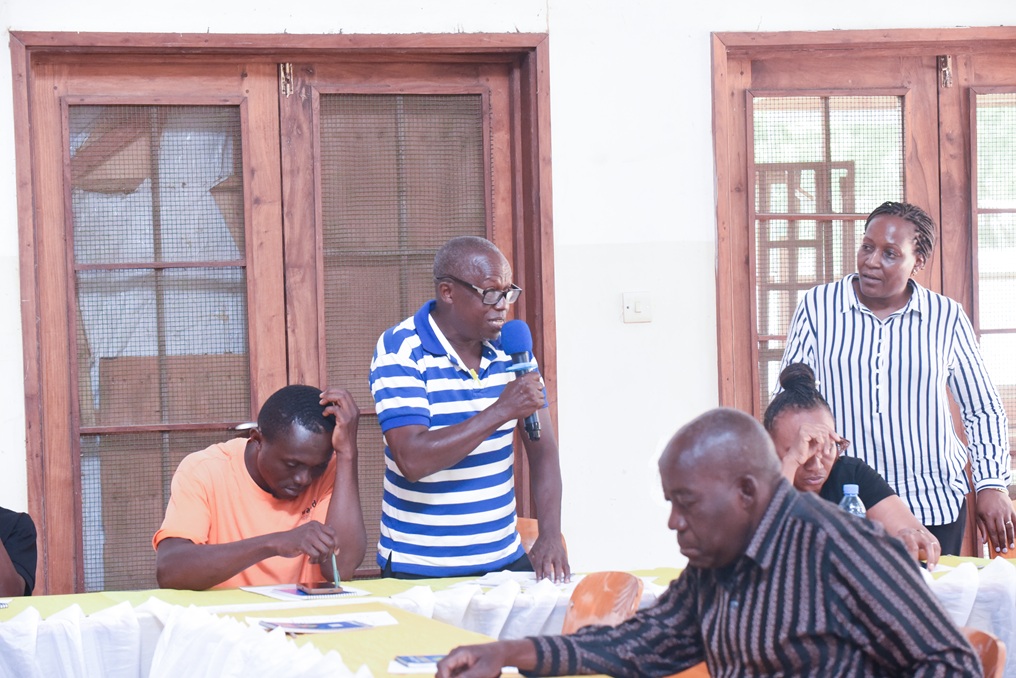
Held in Ifakara on 14 - 15 January 2026, the training brought together palm oil peasants, agro-processors, extension officers, and university experts in a practical demonstration of how research-driven innovation can directly improve livelihoods.
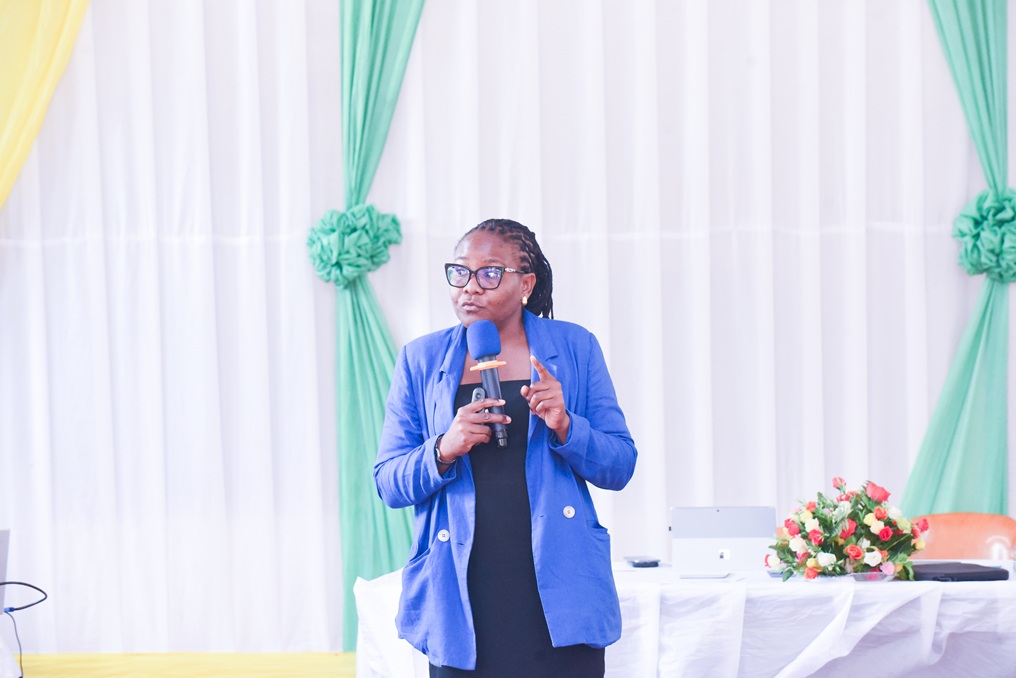
UDSM Director of Research and Publication and Principal Investigator of the Sida–RIM Subprogramme, Dr. Mathew Senga, positioned the training within University of Dar es Salaam’s broader mandate as a public research university.
“Research has no real meaning if it does not improve people’s lives. Our responsibility as a university is to ensure that the knowledge we generate, translates into practical solutions that communities can use”, Dr. Senga told participants of the training.
He noted that palm oil value addition represents a strategic entry point for linking academic research, industrialisation, and rural development, particularly in regions where agriculture remains the backbone of local economies.
Supporting this perspective, Dr. Merezia Wilson, Sida Coordinator, reaffirmed Sida’s commitment to technology and knowledge transfer that is both inclusive and impact driven.
“This programme is about more than machines,” she said. “It is about building capacity, confidence, and ownership, especially among women so that innovation becomes a shared driver of development.”
Why Palm Oil value addition matters
Palm oil production in Morogoro and surrounding regions is dominated by smallholders who often use traditional extraction methods that compromise quality, reduce shelf life, and limit access to higher-value markets. According to UDSM experts, the challenge lies not in the crop itself, but in how it is processed.
“Palm oil has enormous potential, but that potential is lost when processing remains inefficient. Technology is what turns effort into income”, said Dr. Ibrahim Mwammenywa, Deputy Manager, Technology Development at UDSM’s Technology Development and Transfer Centre (TDTC).
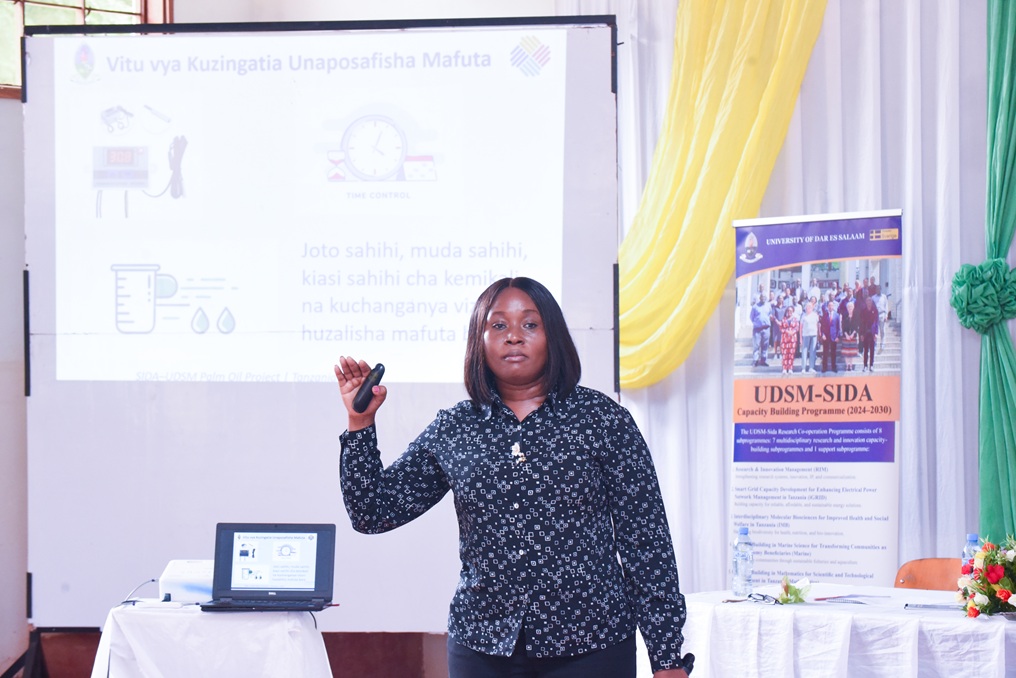
Participants were introduced to a compact palm oil refinery system designed around three scientifically controlled stages -degumming, bleaching, and deodorization- each aimed at removing impurities, improving clarity, and enhancing oil stability.
The system also demonstrates how by-products can be transformed into economically useful materials, including animal feed, construction inputs, soap, cosmetics, and biodiesel.
“When farmers realise that nothing goes to waste, their thinking changes. They begin to see palm oil processing as a business, not just a survival activity”, Dr. Mwammenywa explained.
TDTC: Bridging academic research and community needs
At the centre of the intervention is the Technology Development and Transfer Centre (TDTC), a specialised unit within the College of Engineering and Technology (CoET) at UDSM. Established to coordinate and facilitate technology development and transfer, TDTC plays a pivotal role in ensuring that innovations move beyond laboratories into productive use.
TDTC’s mission is to foster a competitive, safe, efficient, and environmentally sustainable production sector in Tanzania by strengthening skills, supporting entrepreneurship, and linking researchers with industry and communities.
“TDTC exists to shorten the distance between innovation and impact. We design technologies with users in mind, adapting them to real conditions faced by small and medium enterprises”, Dr. Mwammenywa said.
The Centre operates a modern engineering workshop equipped with CNC machines, 3D printers, laser cutters, and PCB fabrication tools, enabling prototyping, precision manufacturing, and technical training. Through Sida’s RIM Programme, TDTC is extending these capabilities directly to communities such as those in Ifakara.
The technical backbone of the training was delivered by Dr. Divine Kaombe, a chemical and processing engineer, who guided participants through demonstrations of the palm oil refinery process.
“Quality is not accidental. It is controlled through science: temperature, time, chemical balance, and correct handling of equipment”, Dr. Kaombe explained during the session.
She emphasised that refining crude palm oil is not only about appearance, but also about safety, stability, and compliance with national and international standards.
“Once processors understand the science behind refining, they are able to consistently produce oil that attracts better prices and wider markets”, she said.
Participants also received training on equipment operation, routine maintenance, workplace safety, and environmental management, key components for sustainable agro-processing enterprises.
From innovation to adoption: Technology Transfer in practice
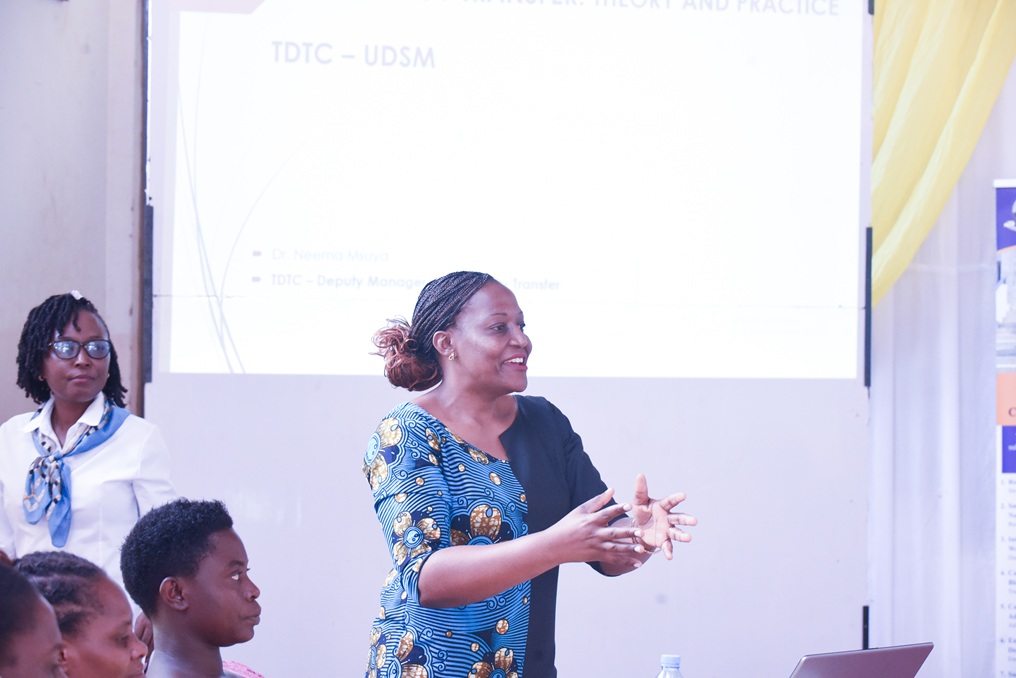
While technology development is essential, its success depends on effective adoption. This aspect was led by Dr. Neema Msuya, Deputy Manager - Technology Transfer at TDTC, who focused on how communities can integrate the refinery technology into their production systems.
“Technology transfer is not about handing over a machine and walking away. It is about building capacity so that users can operate, maintain, and sustain the technology independently”, Dr. Msuya told participants.
She highlighted the importance of continuous engagement between UDSM researchers and palm oil processors, as well as collaboration among processors to strengthen market access and bargaining power.
“When people understand how the technology fits into their business models, adoption becomes natural”, she added.
Complementing the technical sessions, Dr. Judith Iddy, Manager of UDSM’s Intellectual Property Management Office (IPMO), addressed the intellectual property aspects of innovation, often overlooked but critical for long-term success.
“Innovation has value, and that value must be protected. Intellectual property allows knowledge to be shared and commercialised responsibly, while reducing legal and financial risks”, Dr. Iddy said.
She encouraged participants to view IP as a strategic tool for building partnerships, attracting investment, and safeguarding business interests.
Voices from the field: farmers becoming entrepreneurs
For the palm oil peasants, the training marked a turning point.
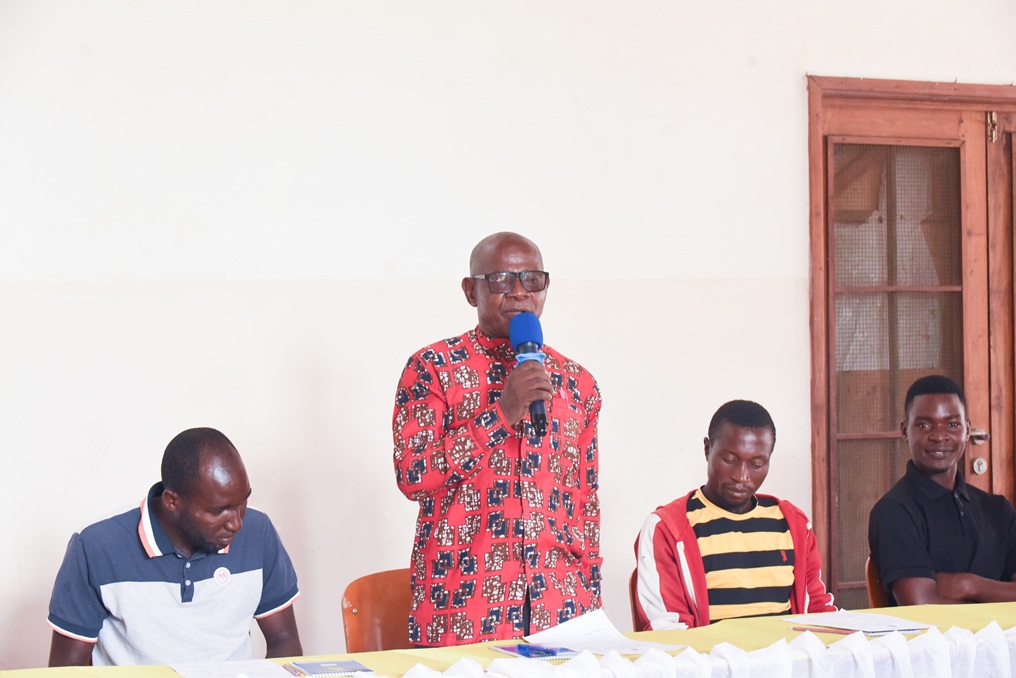
Mr. Mkuzo, a local processor, said the programme challenged long-held assumptions. “We used to think refining oil was only for big factories. Now we see that even small processors like us can produce clean, high-quality oil and earn more”.
He noted that learning about by-products was particularly transformative. “What we used to throw away can now generate extra income. That alone changes the business.”
Ms. Joyce, a small-scale palm oil entrepreneur, highlighted the empowerment aspect of the training. “This training has given me confidence. I now understand my product, its quality, and how to plan for growth. I feel part of the value chain, not left behind”.
Participants also openly shared challenges they face, including access to finance, market fluctuations, and production constraints, feedback that UDSM experts noted will inform future research and interventions.
Beyond the workshop: sustaining Impact
The programme is designed for continuity. Post-training monitoring, follow-up technical support, and strengthened linkages between researchers and processors aim to ensure sustained adoption and impact.
“This is not a one-off activity. It is the beginning of a long-term partnership between UDSM and the community”, said Dr. Senga.
In Ifakara, palm oil is no longer just a subsistence crop. Through UDSM’s research-driven engagement, it is becoming a platform for skills development, entrepreneurship, and inclusive growth.
The initiative stands as a clear example of how a public university can fulfil its social mission, by listening to communities, applying science to real problems, and ensuring that innovation delivers value where it matters most: in people’s lives.