

Open Science Takes Centre Stage: Prof. Mnyone Call for Policy Reform and Digital Openness Drives UDSM Forum
By Renancy Remmy, CMU
A strong call to accelerate policy reform, expand research accessibility, and harness digital transformation to unlock innovation defined the 2nd Open Science Forum at the University of Dar es Salaam, as Prof. Ladslaus Mnyone positioned Open Science as a critical pillar for national and regional development.
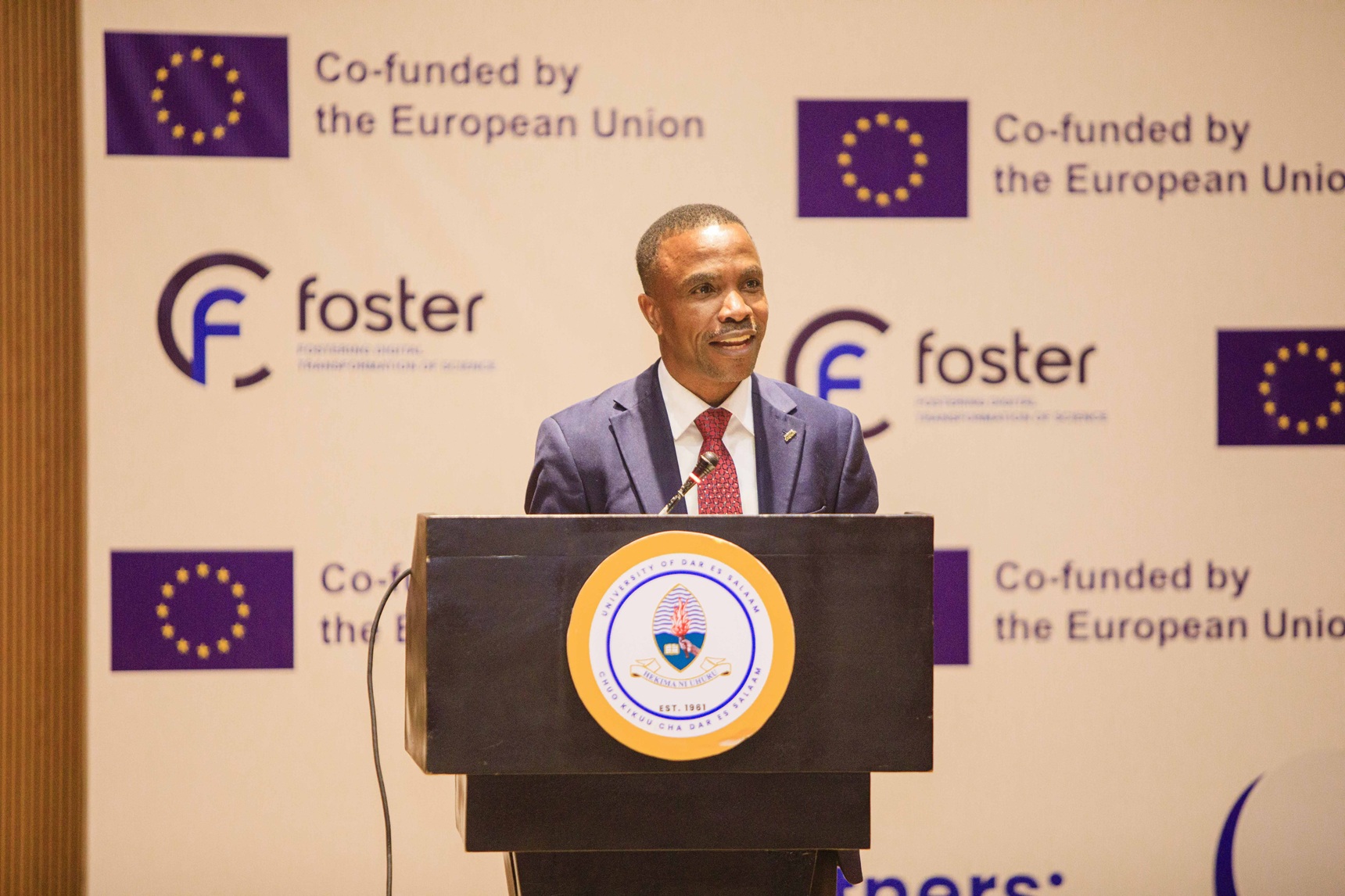
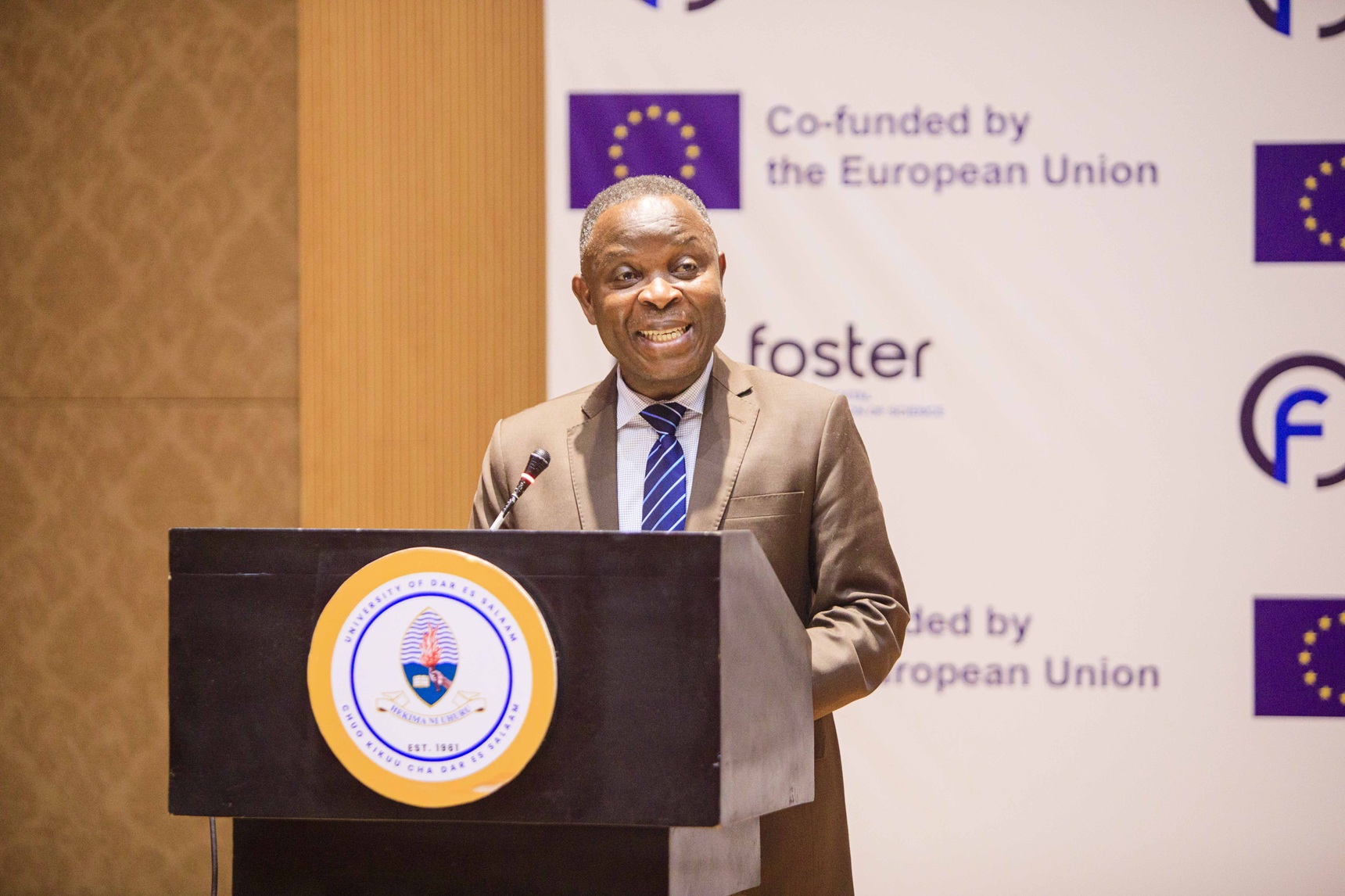
Officially opening the forum on behalf of the Minister for Education, Science and Technology, Prof. Adolf Mkenda, the Director of Science, Technology and Innovation at the Ministry, Prof. Mnyone delivered a compelling message that the future of science lies in openness, collaboration, and inclusivity.
He underscored that Open Science is not merely a technical concept, but a transformative global movement that ensures scientific knowledge is accessible, transparent, and usable for societal benefit.
“Open Science enhances collaboration across disciplines and borders while ensuring that research generates meaningful impact,” he emphasized, aligning Tanzania’s direction with the UNESCO 2021 Recommendation on Open Science.
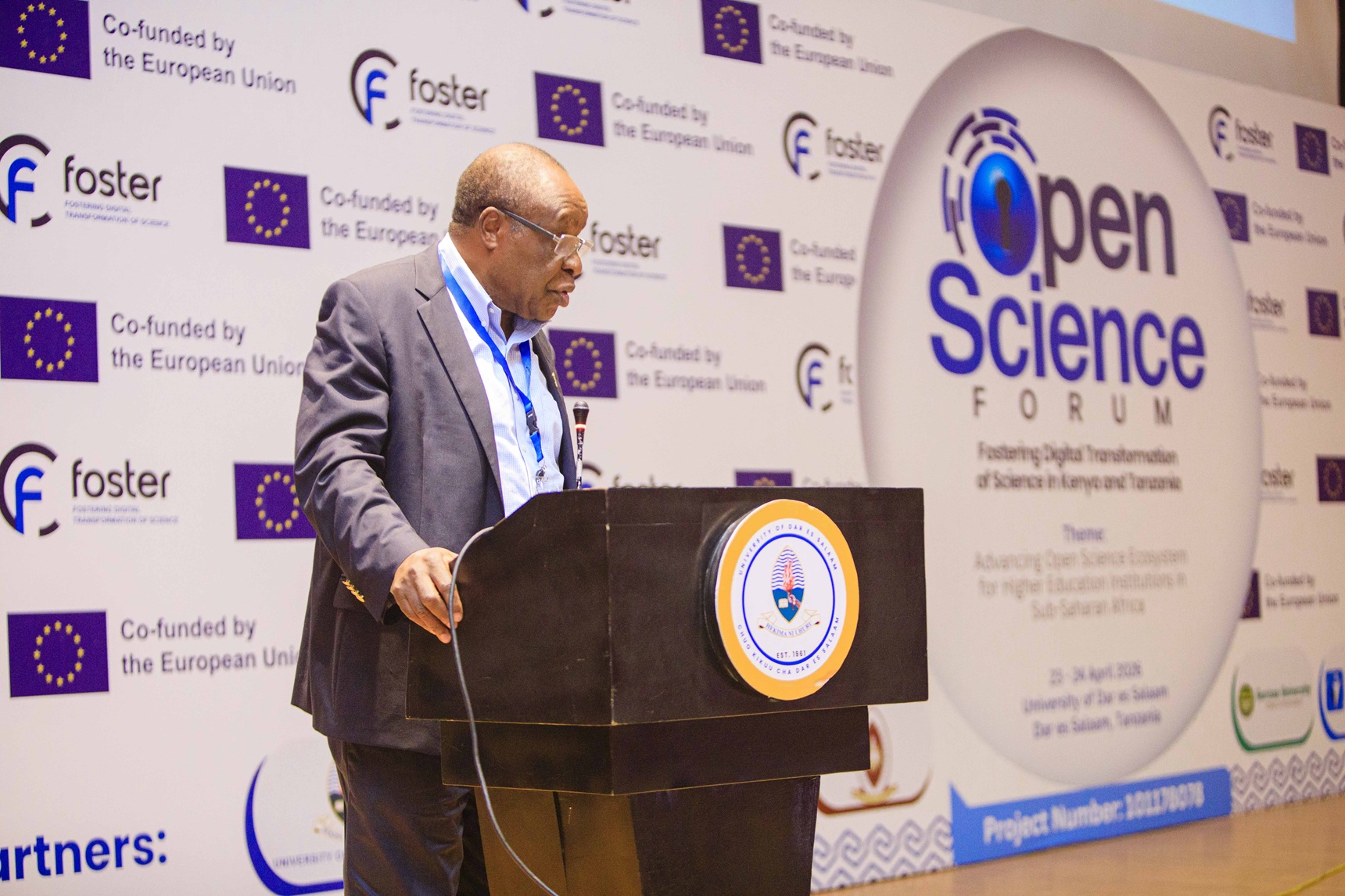
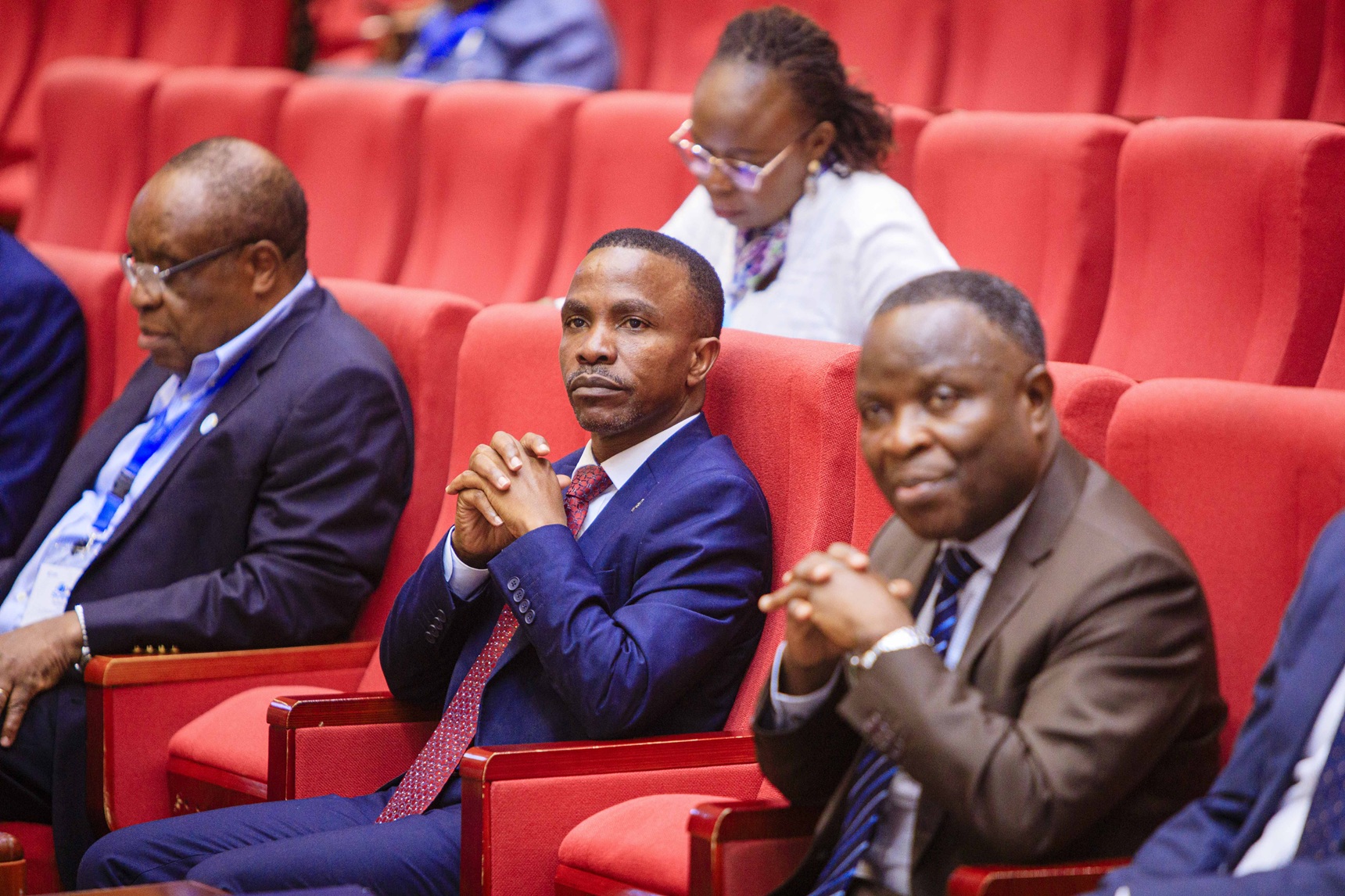
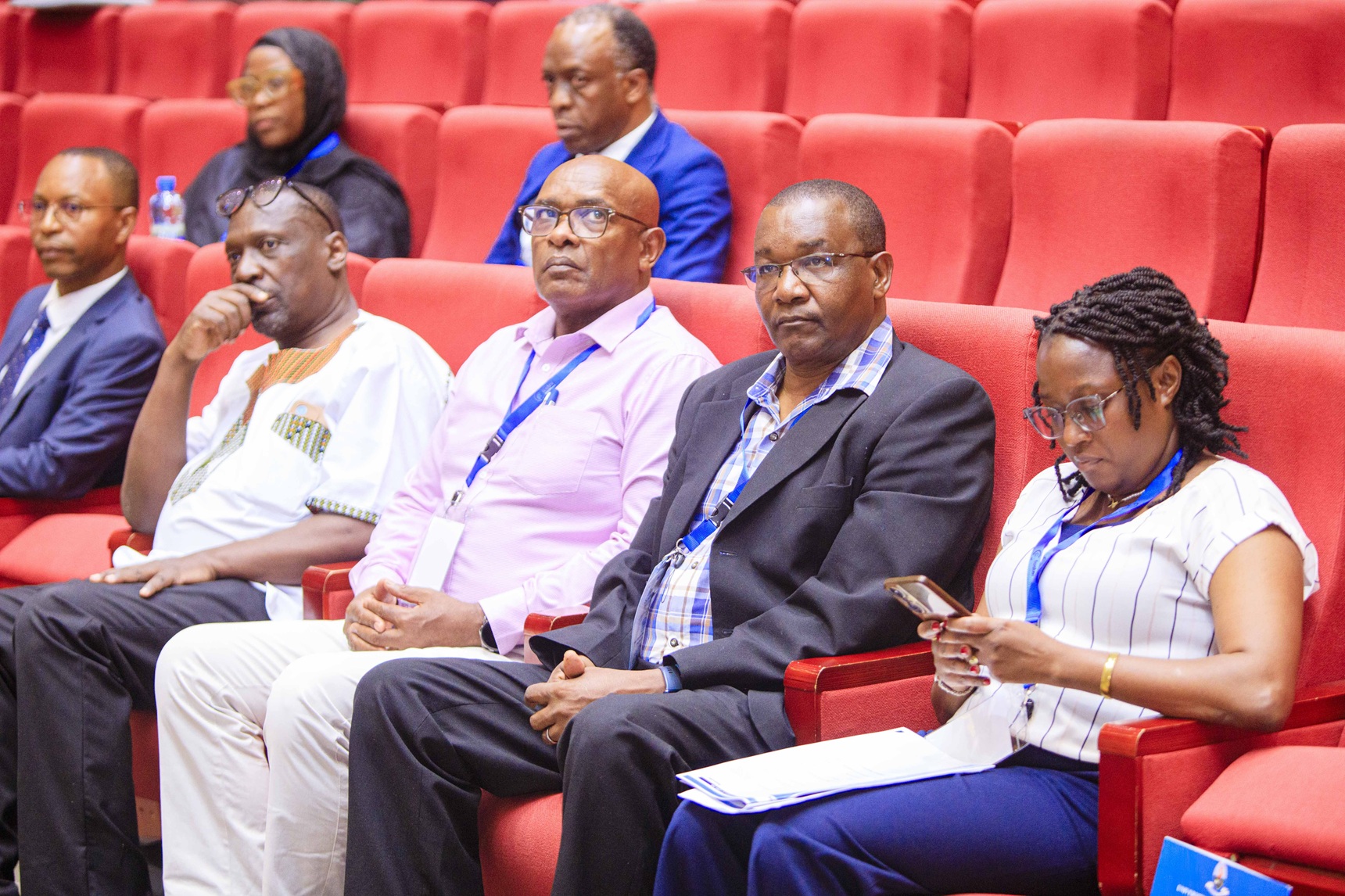
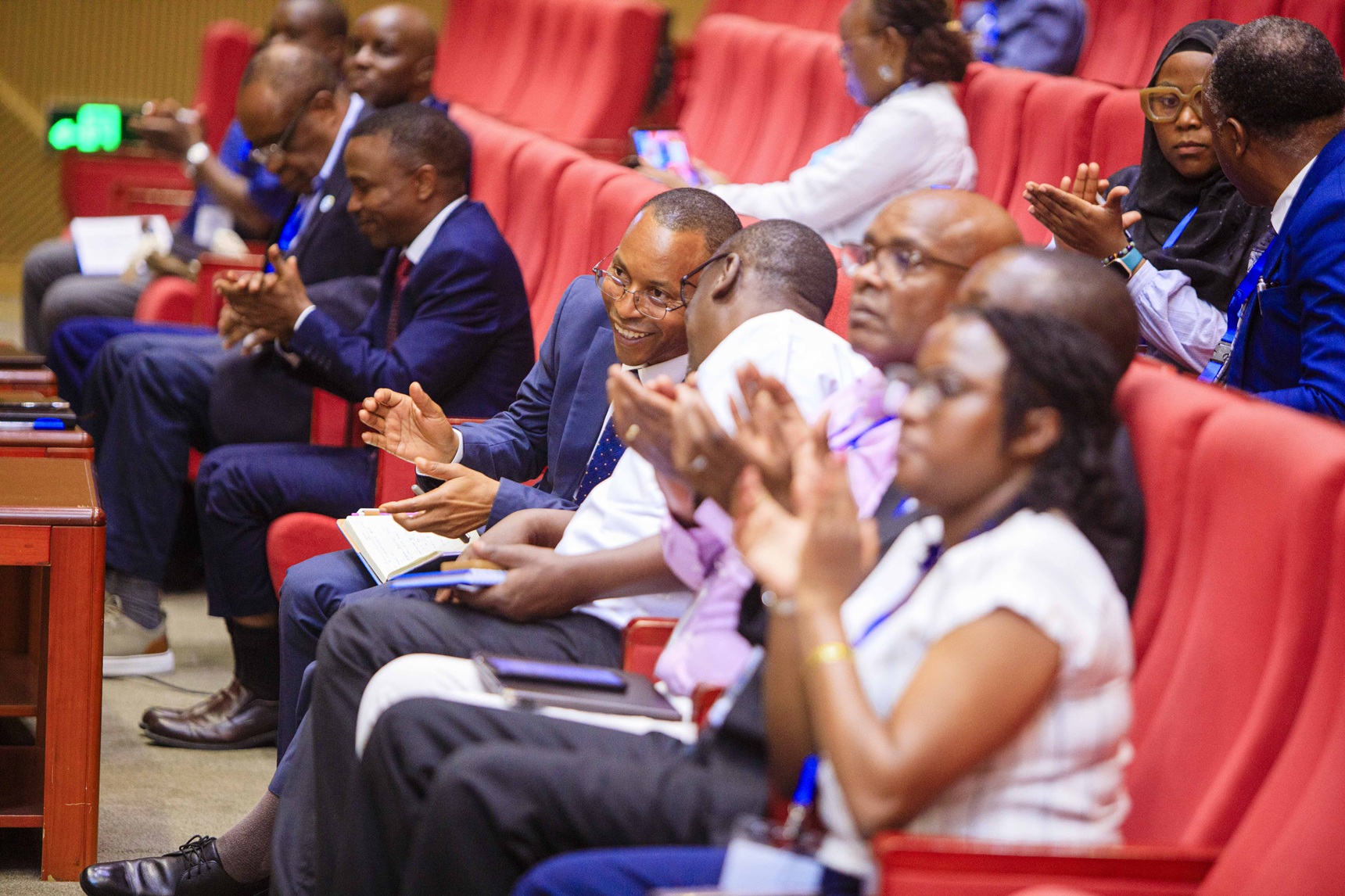
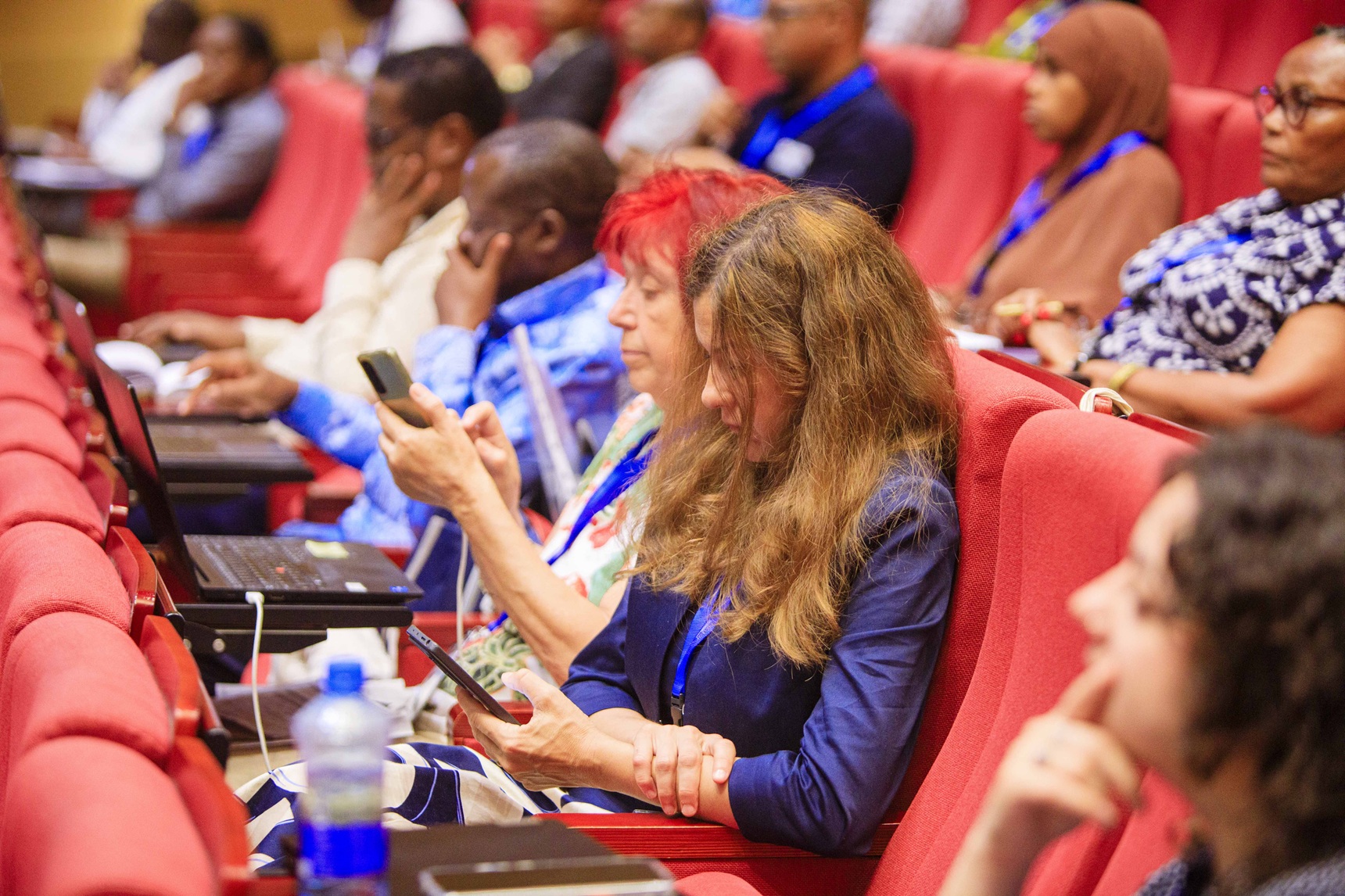
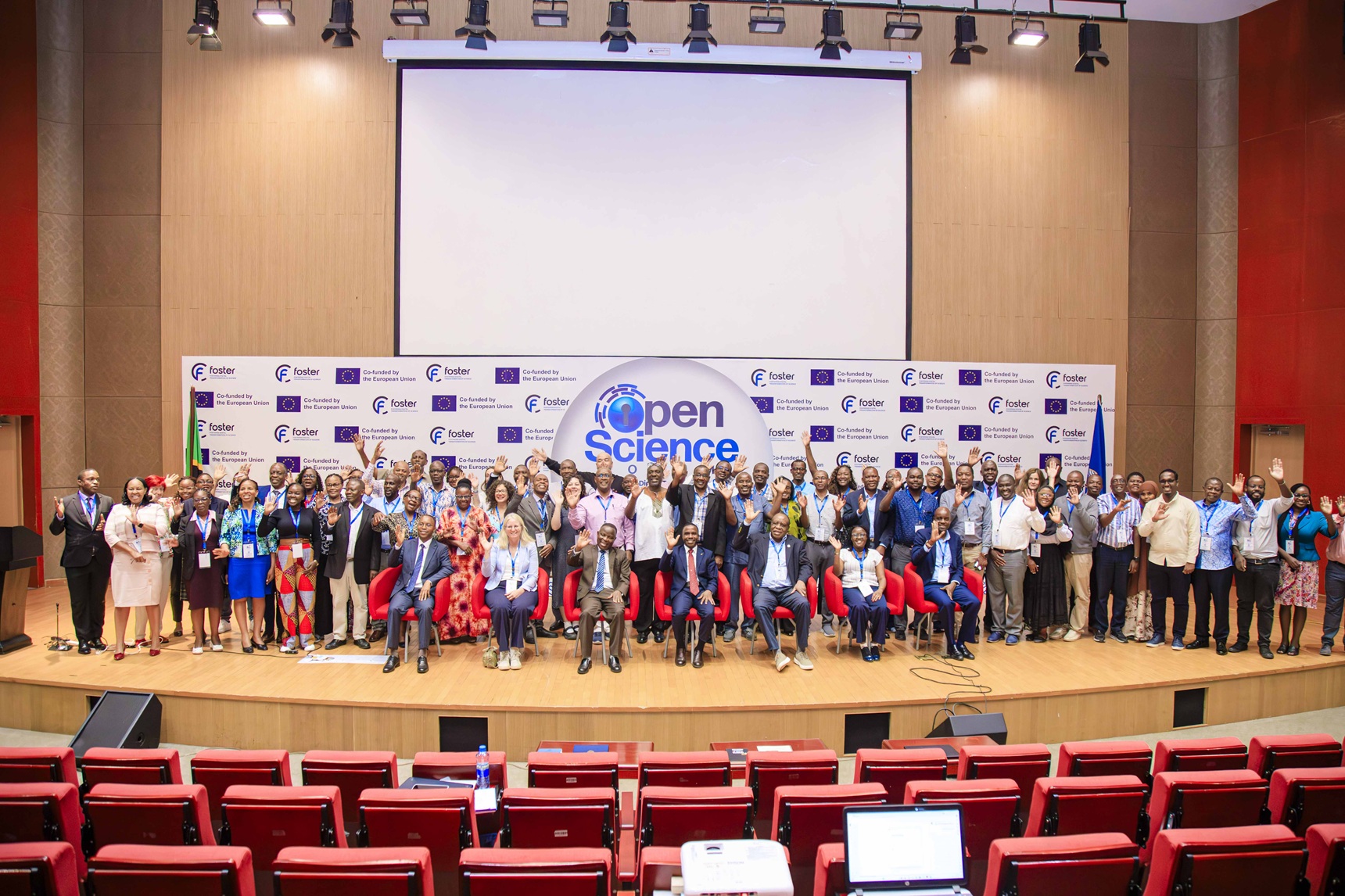
The high-level forum, held at the New Library Auditorium, brought together researchers, policymakers, and international partners from Tanzania, Kenya, Slovenia, Spain, and the Netherlands under the European Union-supported FOSTER Project, which focuses on fostering digital transformation of science in East Africa.
Placing Tanzania within the global Open Science movement, Prof. Mnyone revealed that the country is in the final stages of developing a new Science, Technology and Innovation Policy aimed at strengthening frameworks for research openness, collaboration, and innovation-driven growth.
He acknowledged existing barriers – including limited funding, gaps in digital infrastructure, and unequal access to research data – but stressed that these challenges also present an opportunity for systemic reform.
In a decisive policy direction, he called on key regulatory institutions, including the Tanzania Commission for Science and Technology and the Tanzania Commission for Universities, to lead the development of a harmonised national Open Science framework.
Such a framework, he noted, should prioritise open access policies, robust research data management systems, and clear licensing mechanisms, while ensuring investments in shared digital infrastructure and research platforms to improve efficiency and reduce duplication.
UDSM showcases growing research capacity
Welcoming participants, UDSM Vice Chancellor, Prof. William Anangisye described the forum as timely, noting that global momentum around open access to scientific knowledge is rapidly increasing.
He highlighted the University’s expanding research footprint, with projects rising from 270 in the 2019/2020 academic year to 515 in 2023/2024, alongside significant growth in postgraduate output. “These gainsreflect UDSM’s strengthening capacity as a research-intensive institution aligned with its long-term vision of global competitiveness and impact”.
Prof. Anangisye also commended the European Union, through the Erasmus+ Capacity Building Programme, for supporting the FOSTER initiative, describing it as a model of international collaboration driving innovation and knowledge exchange.
The forum drew strong regional perspectives, including from Prof. Laban P. Ayiro, the Vice Chancellor of Daystar University, Kenya, who emphasized that research must move beyond academia to directly address societal challenges.
He cited the importance of community engagement in shaping solutions to real-life issues such as water access and sanitation in underserved areas.
From a research governance perspective, UDSM Deputy Vice Chancellor – Research, Prof. Nelson Boniface, highlighted the growing importance of data in the era of Artificial Intelligence, stressing that accessible and usable research outputs are essential for evidence-based decision-making and policy development.
International partners, including representatives from International School for Social and Business Studies, reaffirmed the value of collaboration between European and African institutions in advancing Open Science and building sustainable research ecosystems.
Beyond access: transforming research systems
Discussions throughout the forum reinforced that Open Science is not only about access to information, but about transforming how research is produced, shared, and applied. Participants called for stronger institutional policies, increased investment in digital infrastructure, and deeper collaboration across governments, academia, and development partners.
For Tanzania, the agenda aligns closely with long-term national development priorities, including Vision 2050, where science, technology, and innovation are expected to play a central role in economic transformation.
In this forum, stakeholders expressed a shared commitment to advancing transparency, collaboration, and innovation in research systems across the region. The University of Dar es Salaam is expected to host the closing FOSTER Conference in December 2027, where progress in implementing Open Science practices will be assessed.
More than a conference, the 2nd Open Science Forum signalled a decisive shift toward a more open, inclusive, and impact-driven research ecosystem – anchored by policy reform, digital transformation, and a collective vision for science that serves society.