

From Research to Real-Life Solutions: African Universities Push to Keep Clean Energy Innovations Alive
By Erca Kisoli, CMU
From cleaner cooking technologies to solar-powered heating and heat storage systems, a six-year research partnership involving African universities is helping turn scientific knowledge into practical energy solutions, while strengthening the next generation of researchers.
As the NORHED II Energy Technology Network (ENET) Project approaches the end of its 2021–2026 implementation period, researchers and academic leaders have called for sustained collaboration to ensure that the technologies, expertise and institutional relationships developed through the initiative continue to benefit communities long after the project ends.
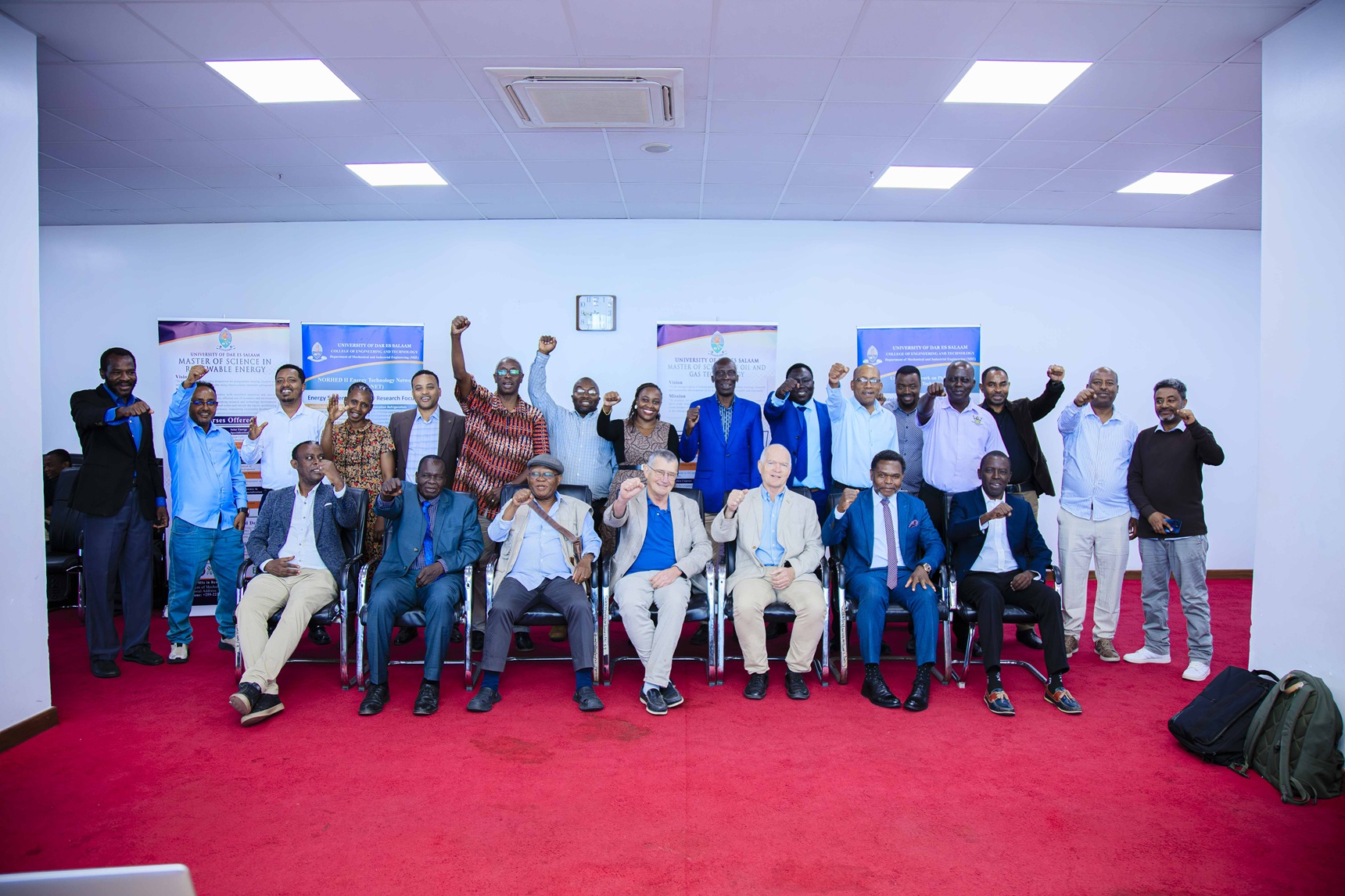
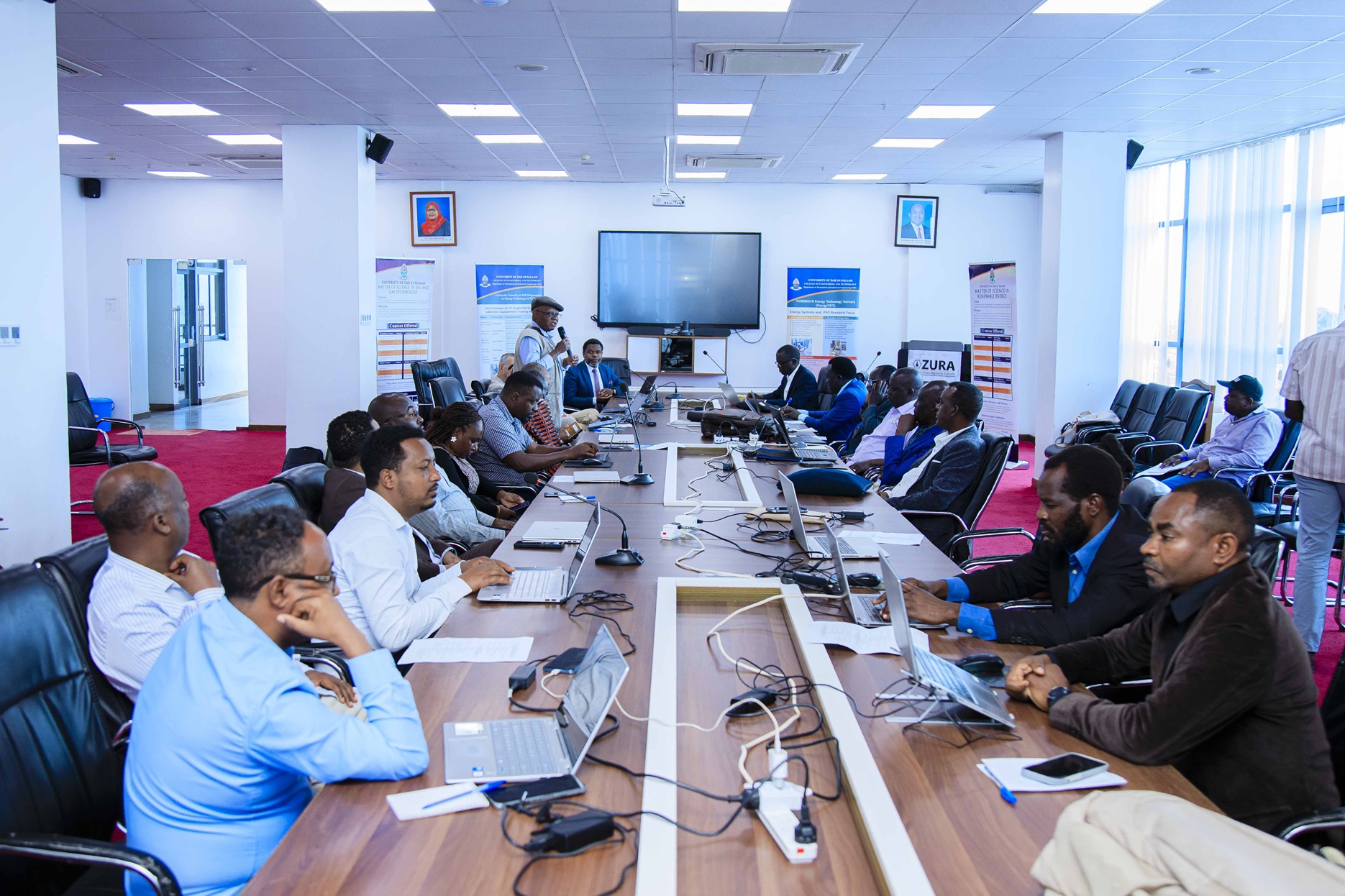
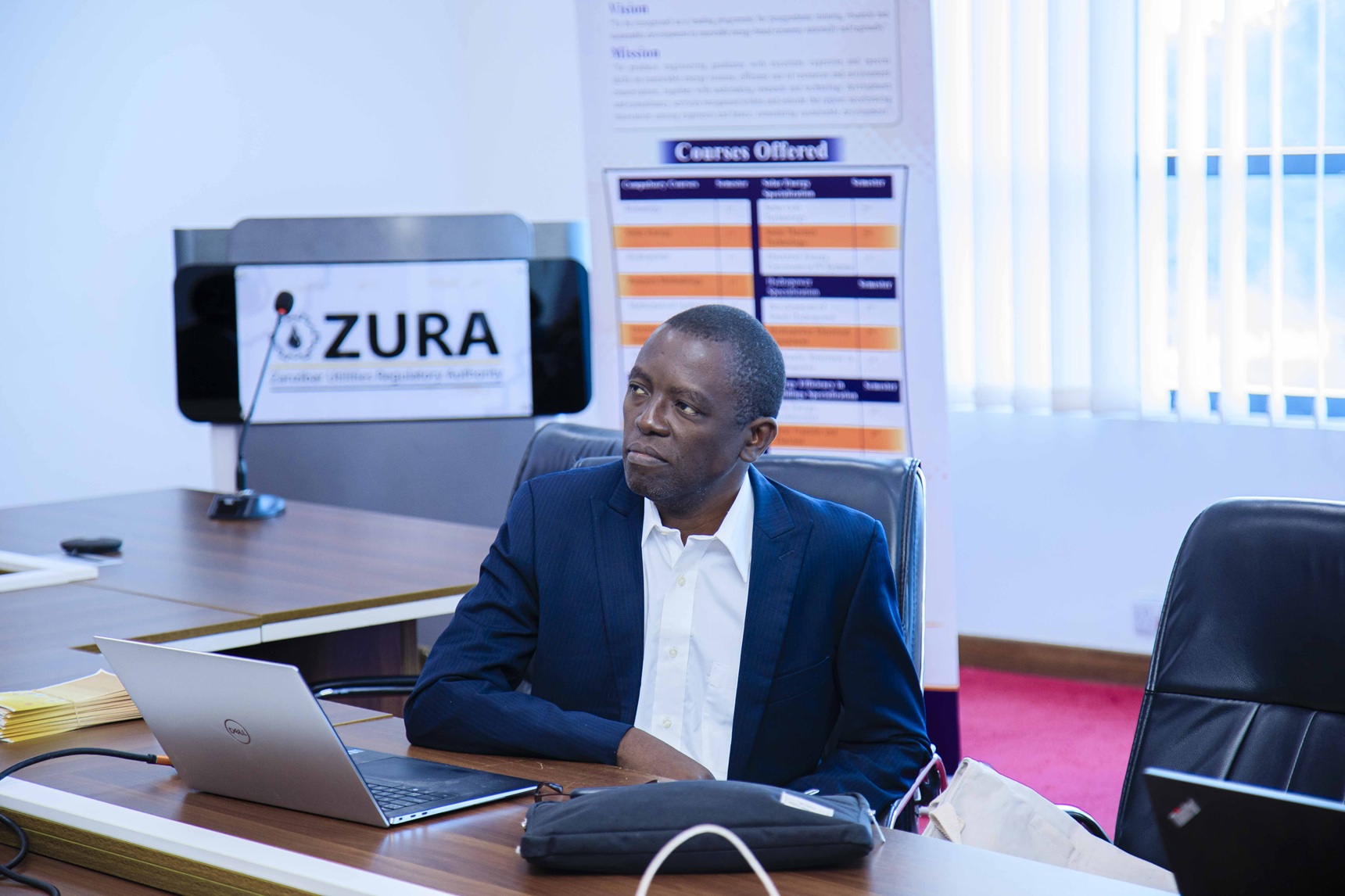
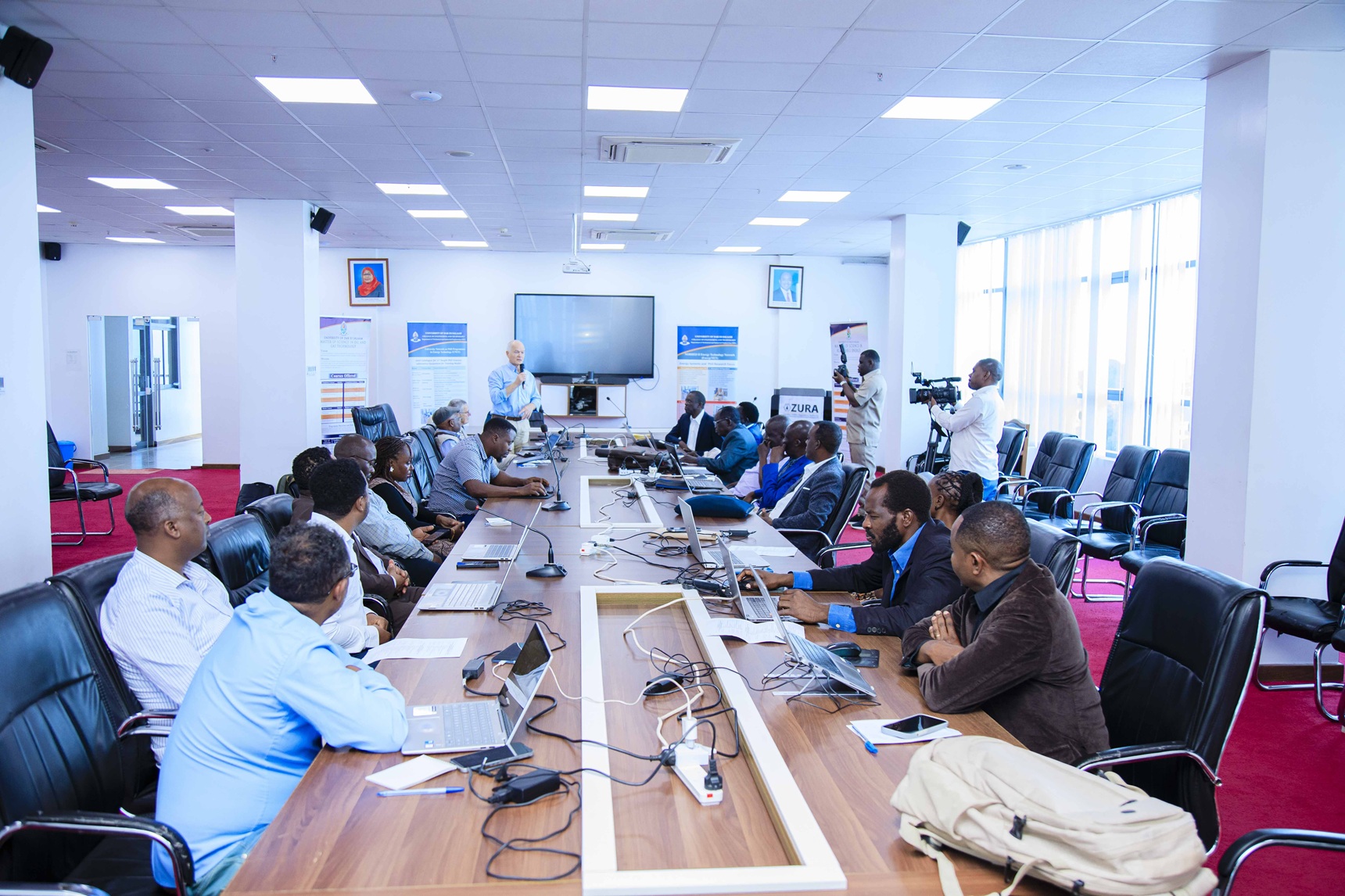
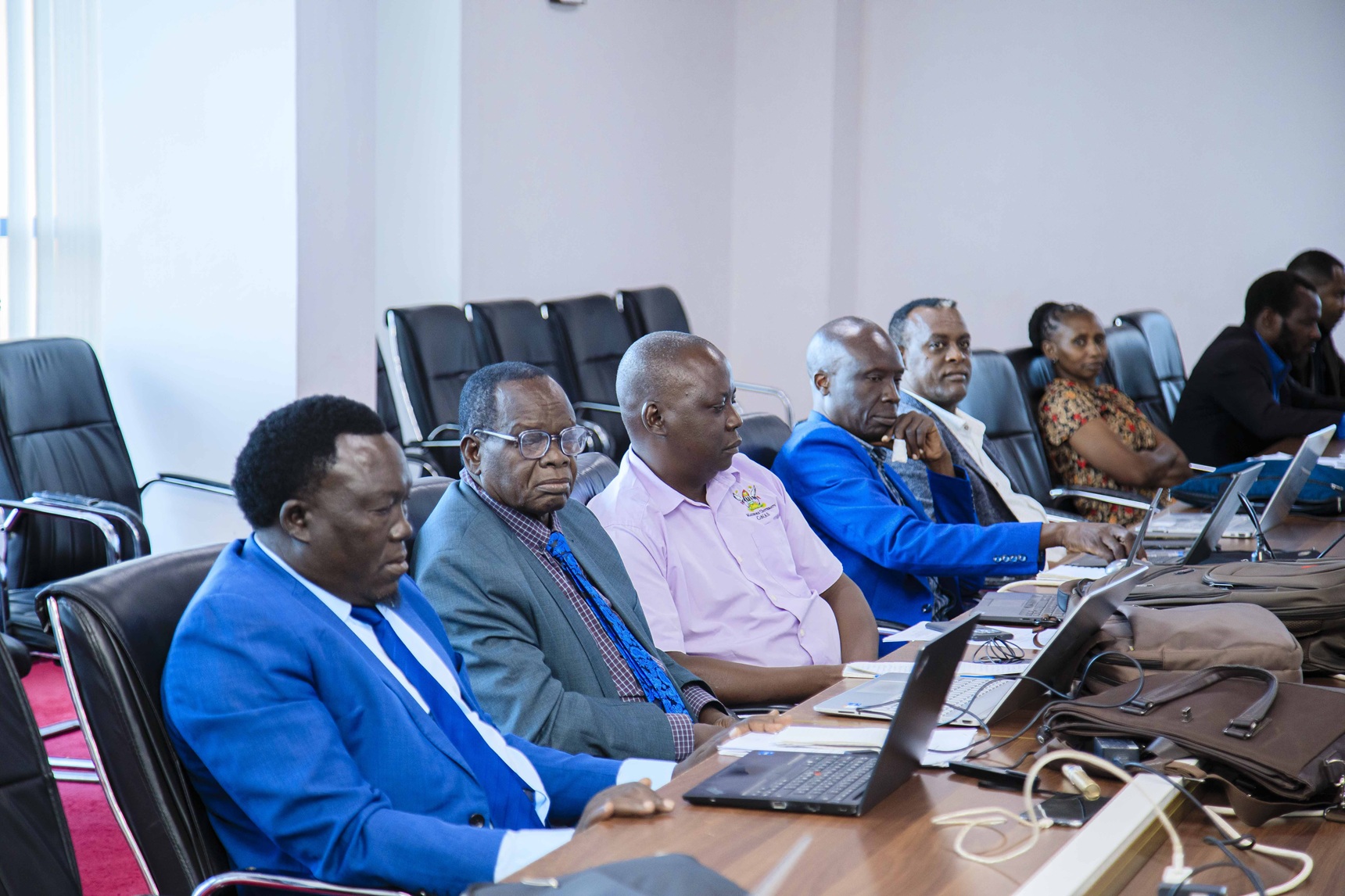
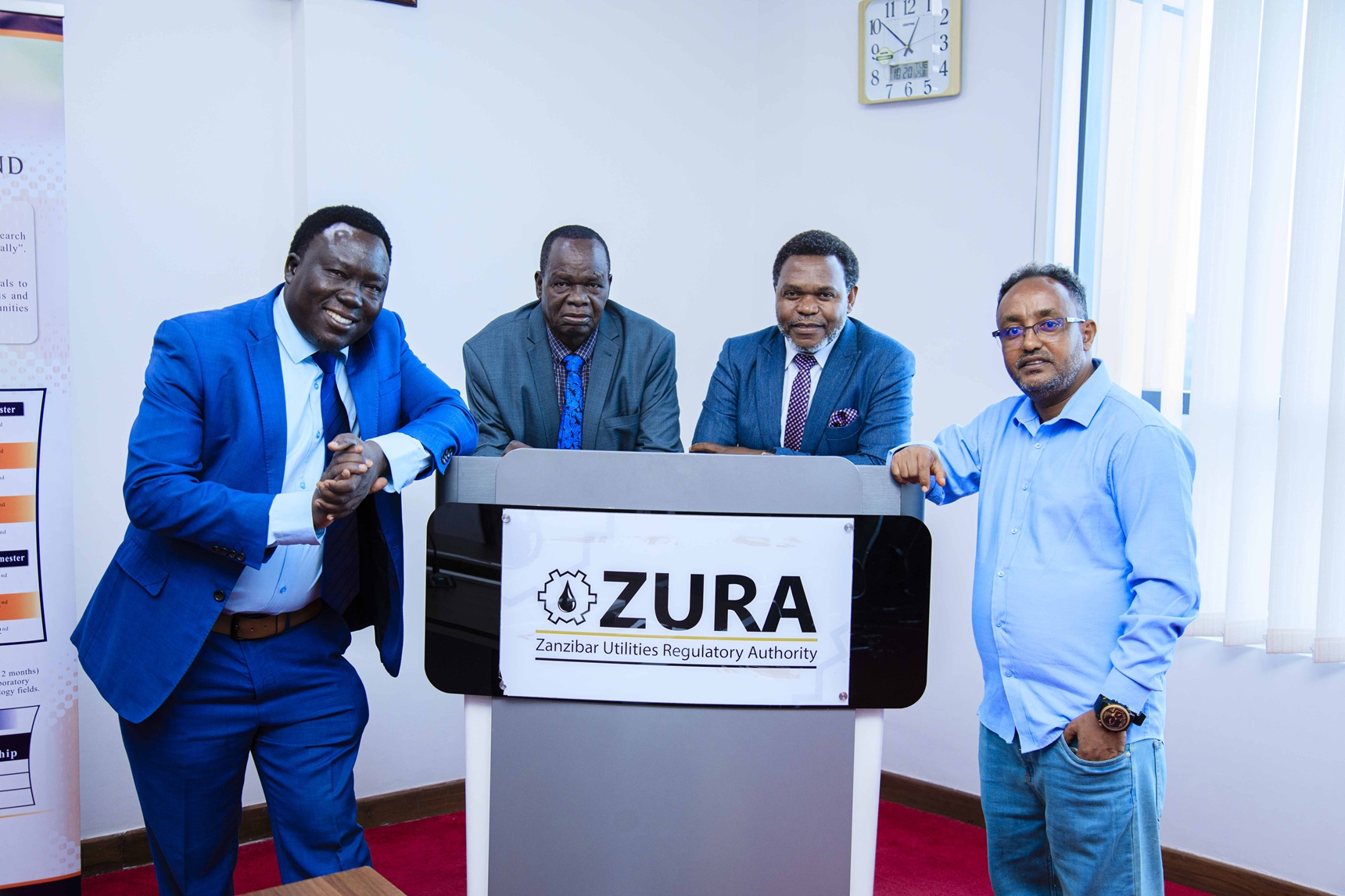
The call emerged during the network’s annual meeting at the Zanzibar Utilities Regulatory Authority (ZURA), bringing together representatives of the University of Dar es Salaam (UDSM), the Norwegian University of Science and Technology (NTNU), and partner institutions across Africa to assess achievements and explore ways of sustaining the collaboration.
For the University of Dar es Salaam, the partnership demonstrates how international academic cooperation can strengthen postgraduate training, advance renewable energy research and support the development of technologies responsive to local needs.
Officially opening the meeting on behalf of the Director of Research and Publications at UDSM, Dr. Mathew Senga, UDSM Grants Coordinator, Dr. Leonard Binamungu commended the partners for building on a longstanding relationship between UDSM and NTNU, which has supported postgraduate education, staff and student mobility, and research capacity development.
“UDSM recognises NORHED II ENET as a continuation of long-term collaboration,” Dr. Binamungu said, emphasising the importance of preserving the partnerships and research networks established through the project.
He reaffirmed the University's commitment to collaborative research and academic development, stressing that the value of such initiatives extends beyond their formal implementation periods.
Dr. Binamungu also welcomed the integration of the annual meeting with the ninth International Conference on Mechanical and Industrial Engineering (MIE 2026), scheduled for 22–23 October 2026, noting that the conference would provide additional opportunities for researchers to exchange knowledge and disseminate their findings.
Clean energy research with communities in mind
One of the project's major areas of focus is the development of renewable energy technologies that respond to practical challenges facing African communities, particularly in clean cooking, solar thermal applications and heat storage.
For households and small-scale food processors, access to efficient and affordable cooking technologies can make a difference in energy use, operating costs and the sustainability of everyday activities. The ENET research agenda seeks to address such needs by exploring technologies that can be adapted to different environments and cooking practices.
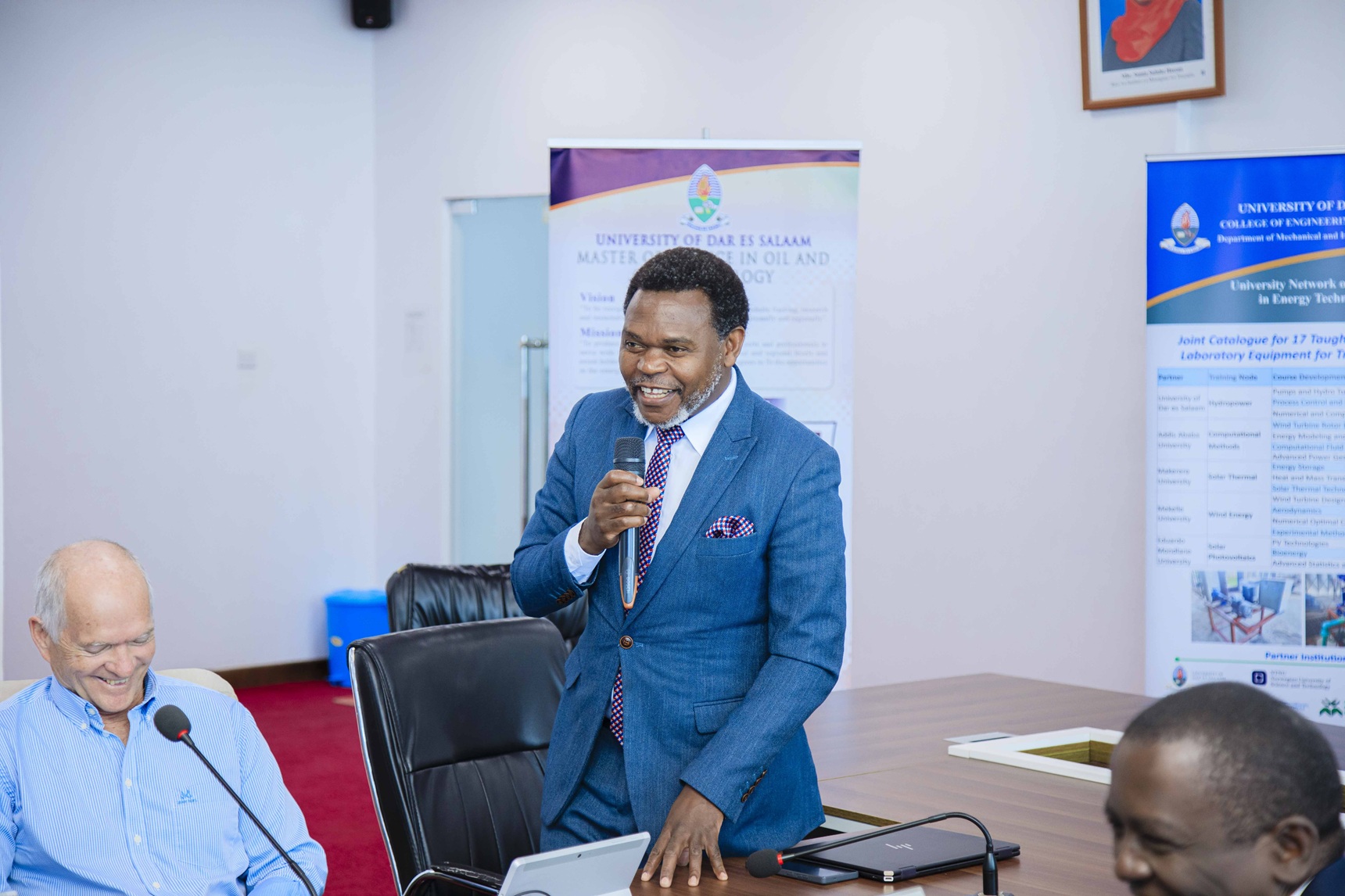
UDSM ENET Coordinator, Dr. Joseph Kihedu, said the research was moving towards practical solutions that recognise the diversity of food preparation methods and energy needs across African communities.
The innovations include technologies designed for food processing, including fish, as well as heat storage systems that retain thermal energy for later use, potentially improving efficiency and reducing energy losses.
The research also takes account of different cultural preferences and cooking requirements, exploring applications for foods such as beans, rice and meat, as well as Ethiopia's traditional injera.
Dr. Kihedu emphasised that the ultimate goal was to ensure that the research generated benefits beyond academic publications and laboratory experiments.
“Our main objective is to ensure that the results of our research contribute to the implementation of national development priorities,” he said.
The work illustrates the importance of developing energy technologies with their intended users in mind. Solutions that account for local food practices, available resources and everyday energy needs have greater potential to be adapted for practical use.
As the project moves towards completion, further collaboration with government, industry and other stakeholders will be important in testing, refining and scaling up promising innovations.
Building researchers, not just technologies
Beyond the technologies themselves, participants highlighted the project's contribution to postgraduate education, research supervision and the development of professional networks connecting African universities with international research institutions.
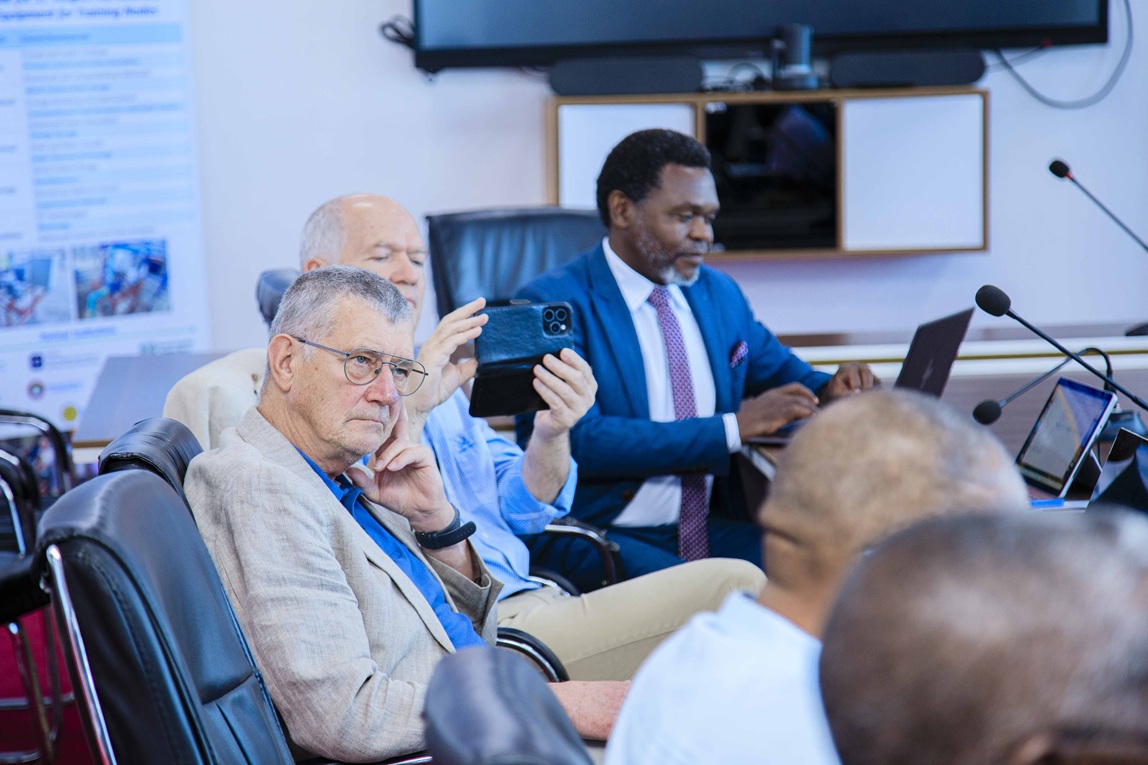
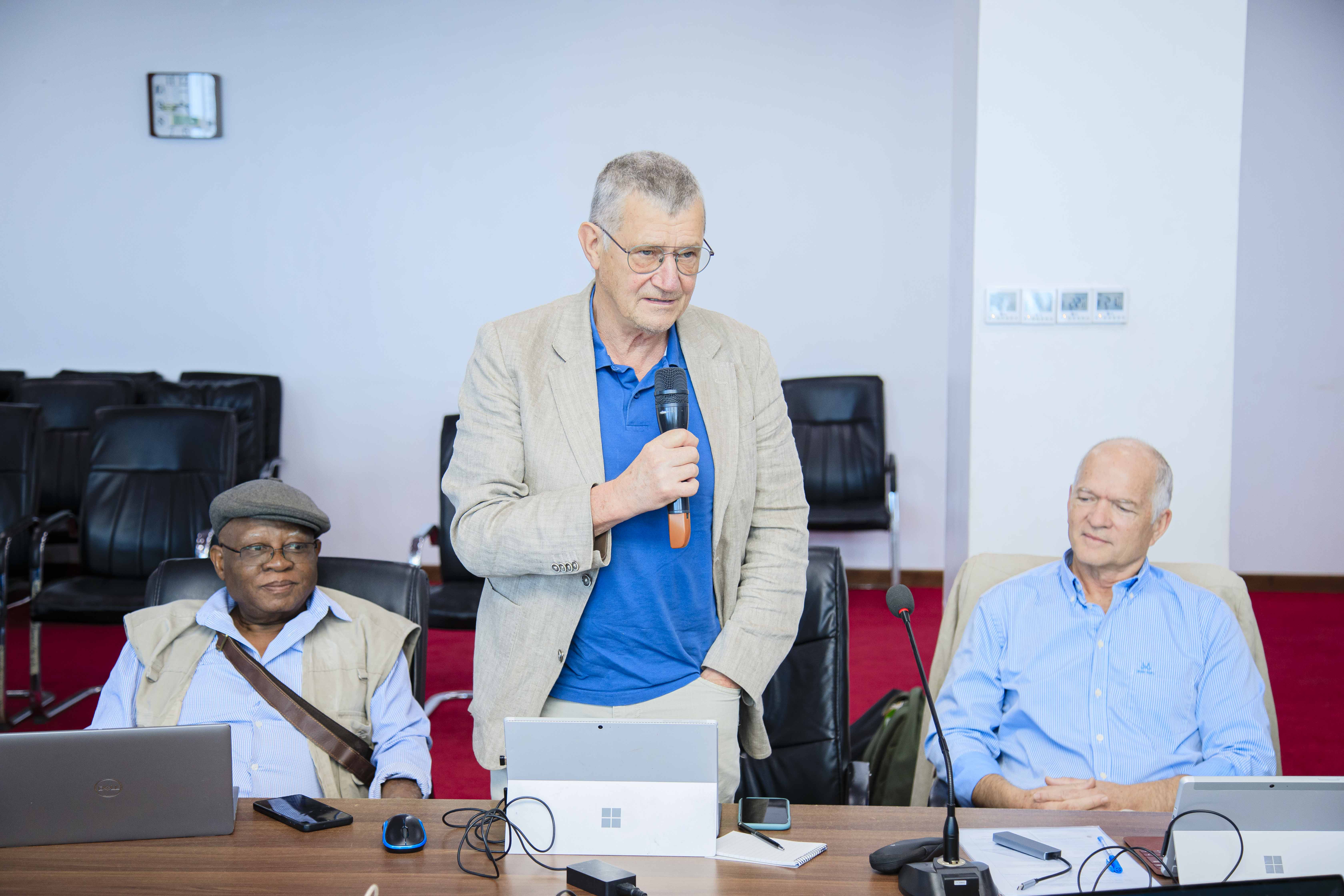
Prof. Torbjørn Kristian Nielsen of NTNU recalled the establishment of a collaborative master's programme in renewable energy, which created opportunities for students from participating countries to pursue advanced studies and benefit from shared academic expertise.
He said the experience demonstrated the value of sustained institutional cooperation in strengthening higher education and research capacity.
For participating universities, the benefits have included opportunities to exchange technical expertise, improve research supervision, strengthen project management and gain access to specialised facilities. The network has also enabled researchers to consult colleagues across borders, share ideas and develop professional relationships that can support future research.
Prof. Boaventura Chongo Cuamba of Eduardo Mondlane University in Mozambique praised the network's culture of knowledge sharing, identifying collaboration as one of its greatest strengths.
“Within this network, we have created an environment where knowledge and expertise are shared openly,” he said, expressing hope that the partnership would continue beyond the current project.
His remarks highlighted a key lesson from the initiative: research partnerships are strengthened not only by funding and equipment, but also by trust, the exchange of expertise and the willingness of institutions to learn from one another.
Mentorship that shapes the next generation
For postgraduate researchers, the partnership has also provided opportunities to develop technical skills, gain international exposure and build confidence through interaction with experienced academics.
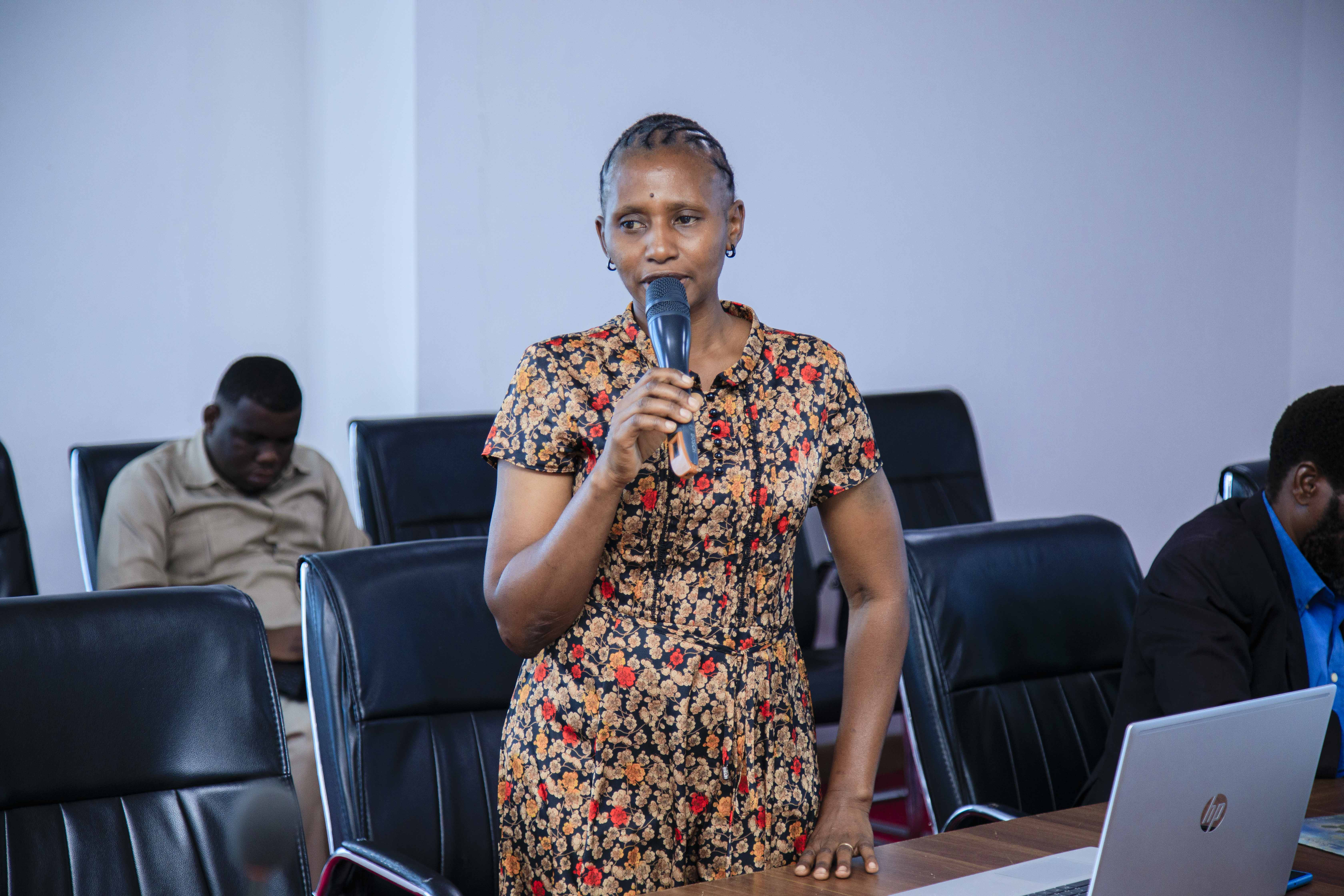
Dr. Anna Sharishoy of the Dar es Salaam Institute of Technology (DIT), a beneficiary of the programme, highlighted the importance of mentorship and academic support in helping doctoral candidates advance their research and professional development.
She noted that engagement with academics at partner institutions in Norway, Tanzania and Uganda had broadened students' research experience and strengthened their professional networks.
Dr. Sharishoy also acknowledged the encouragement and guidance provided by supervisors and senior academics, which helped her pursue doctoral studies and develop her expertise in renewable energy.
“The strength of this programme is not only in the research opportunities it provides, but also in the mentorship, support and collaboration that help students grow into confident researchers,” she said.
Such experiences demonstrate how international research partnerships can influence individual academic journeys while strengthening the institutions that train future scientists and innovators.
For students, access to supervision, specialised knowledge and international research networks can help turn academic ambitions into practical skills. For universities, the resulting expertise contributes to their long-term capacity to conduct research, train postgraduate students and address development challenges.
Keeping the collaboration alive beyond 2026
With the project approaching the end of its formal implementation period, participants stressed that its conclusion should not mean the end of the relationships and research activities it has fostered.
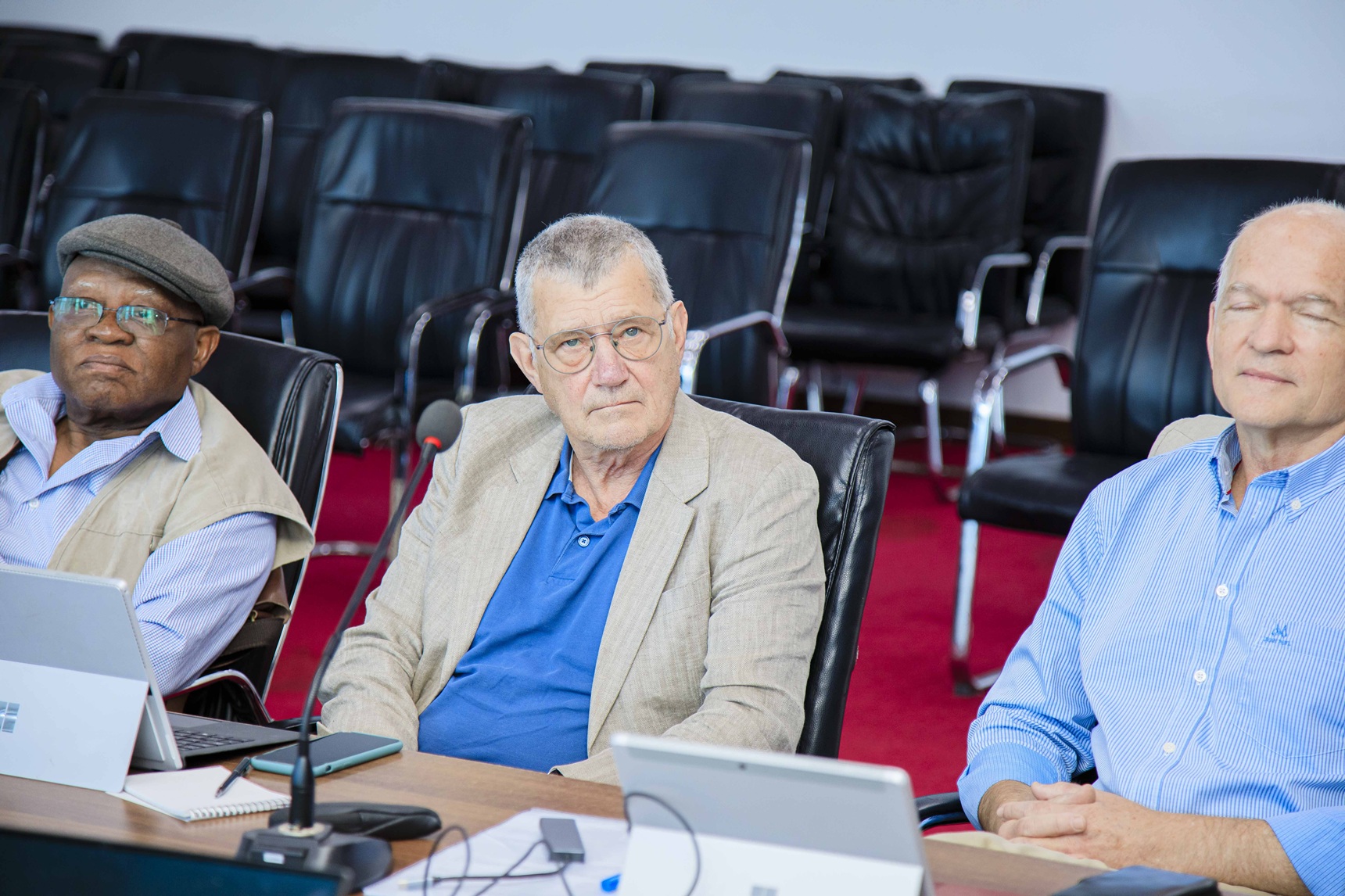
Prof. Nielsen expressed hope that the network would remain active, warning against allowing the completion of project activities to bring the collaboration to a halt.
Other participants similarly called on partner institutions to build on existing achievements, identify new research opportunities and strengthen efforts to move promising technologies towards practical application.
Sustaining the gains will require continued institutional commitment, opportunities for joint research, support for postgraduate training and engagement with stakeholders who can help translate research findings into usable solutions.
For UDSM and its partners, the next phase will be about ensuring that the knowledge, technologies and research capabilities developed through ENET continue to create value beyond the project's lifetime.
The Zanzibar meeting therefore served not only as an opportunity to reflect on six years of collaboration, but also as a reminder that the long-term impact of research depends on what happens after a project ends.
About the NORHED II ENET Project
The Energy Technology Network (ENET) Project is implemented under the Norwegian Programme for Capacity Development in Higher Education and Research for Development (NORHED II), with support from the Norwegian Agency for Development Cooperation (Norad).
Running from 2021 to 2026, the project brings together NTNU and African partner universities in Tanzania, Uganda, Ethiopia, Mozambique, Malawi and South Sudan.
The initiative builds on longstanding academic collaboration in renewable energy education and research. Its focus includes strengthening institutional capacity, training postgraduate researchers and developing small-scale renewable energy technologies for off-grid applications, particularly heating, cooling and clean cooking solutions incorporating heat storage.
Through joint research, staff and student development, knowledge exchange and technology testing, ENET seeks to strengthen participating universities' capacity to generate relevant research and contribute to sustainable energy solutions for their communities.
As the partners reflect on the project's achievements in Zanzibar, their message is clear: the true measure of the collaboration will be whether its research continues to improve energy solutions, nurture researchers and deliver lasting benefits to African communities long after the formal project period ends.