

Shaping Ethical Digital Justice in East Africa: Deputy Minister Urges Ethical, Inclusive Digital Justice Reform as UDSM Hosts Landmark Regional Symposium
By Renancy Remmy, CMU
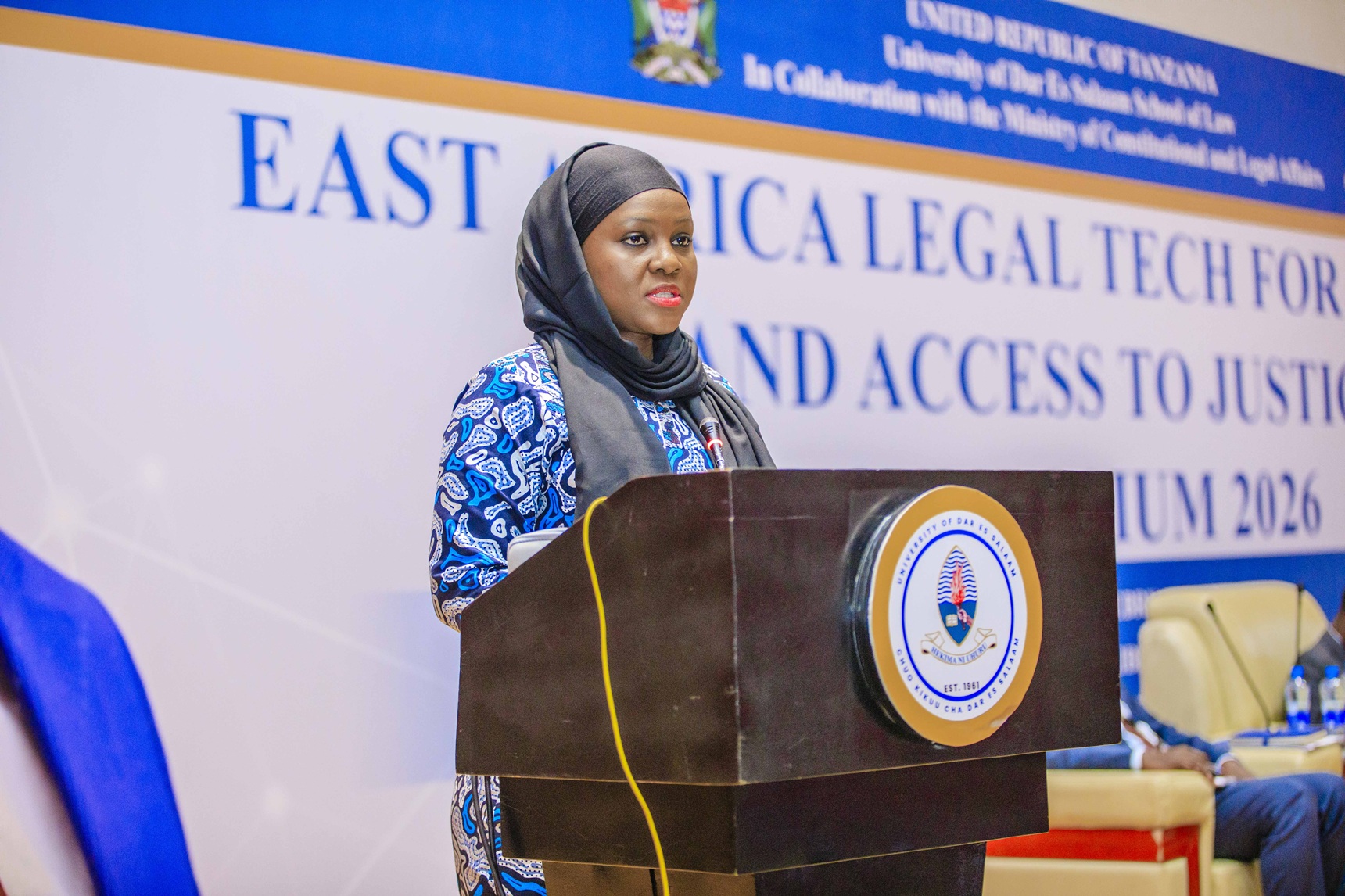
The Honourable Deputy Minister for Constitutional and Legal Affairs, Hon. Zainab Katimba, has urged East African justice stakeholders to embrace an ethical, inclusive, and people-centred digital transformation of justice systems across the region.
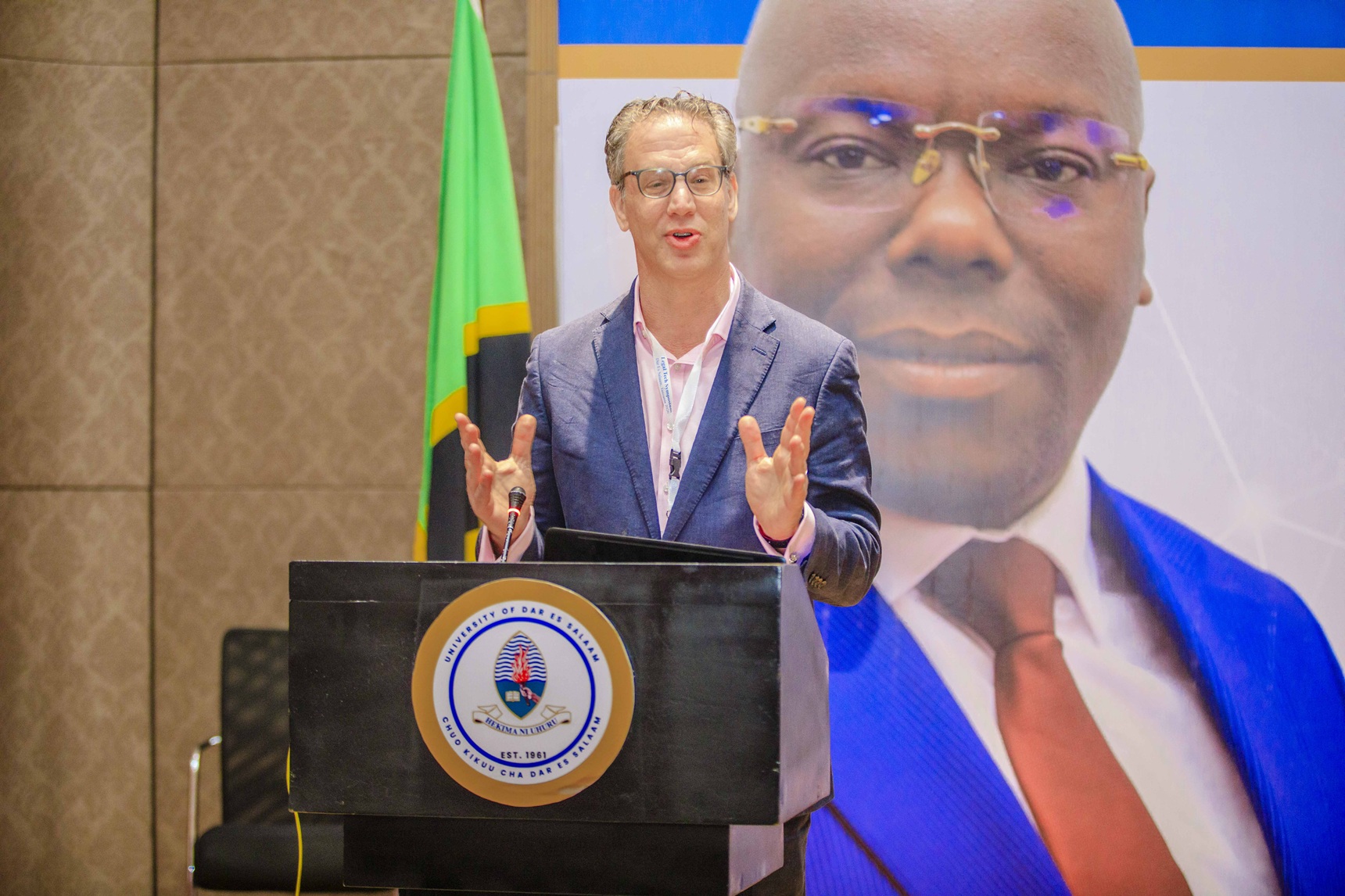
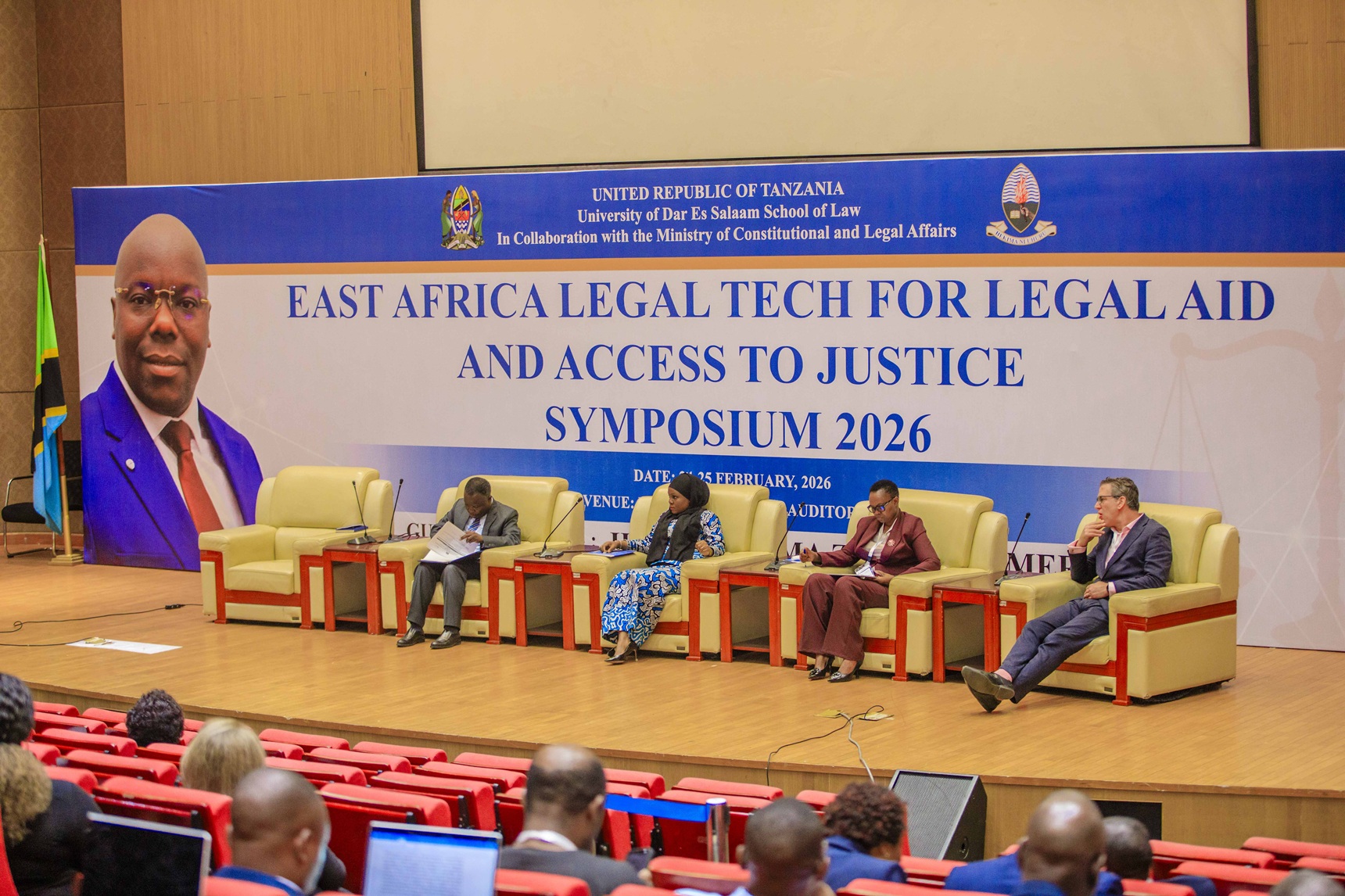
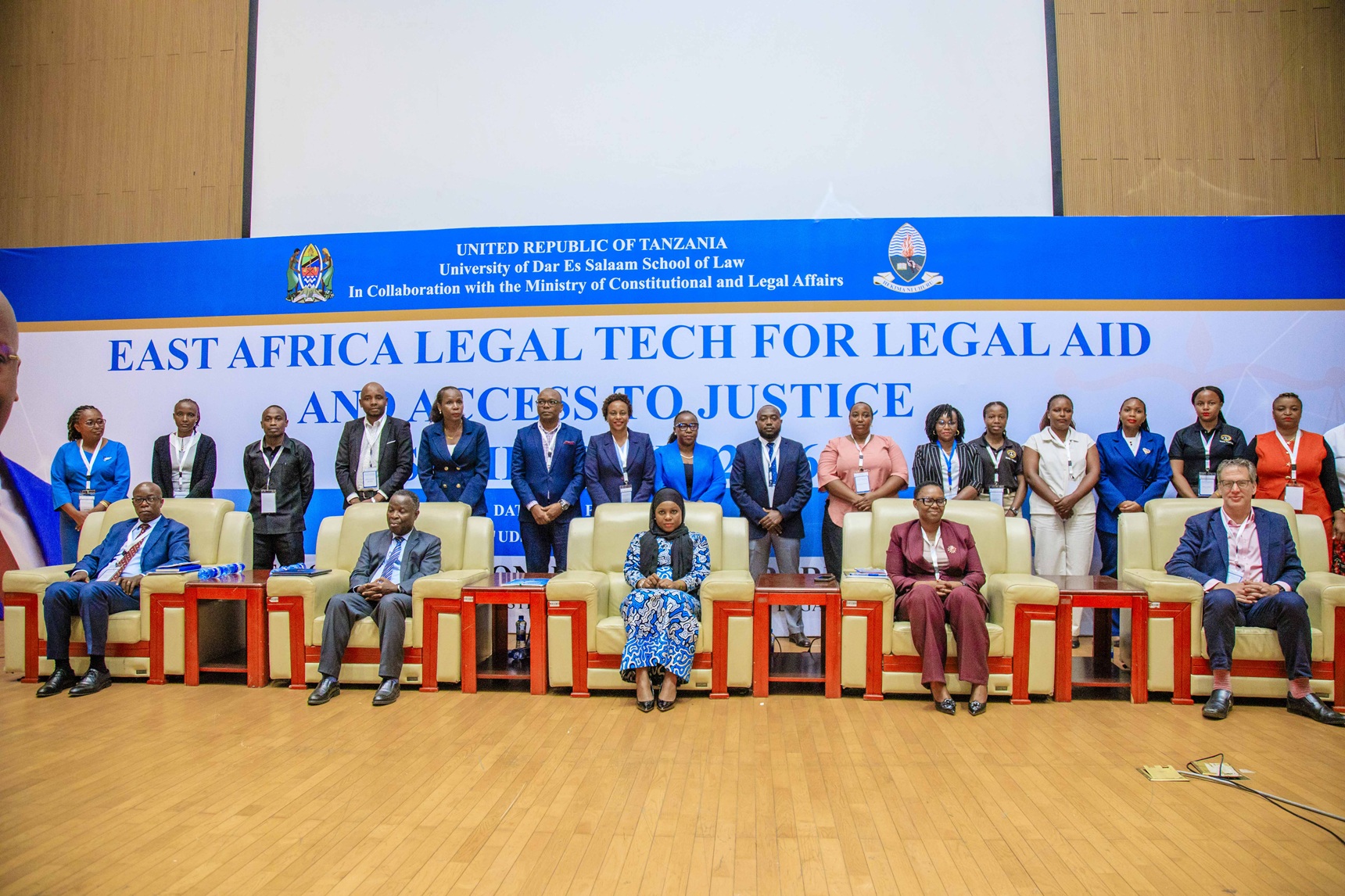
She made the call on 24 February 2026 while officially opening the East Africa Legal Tech for Legal Aid and Access to Justice Symposium 2026 at the University of Dar es Salaam (UDSM) in Dar es Salaam.
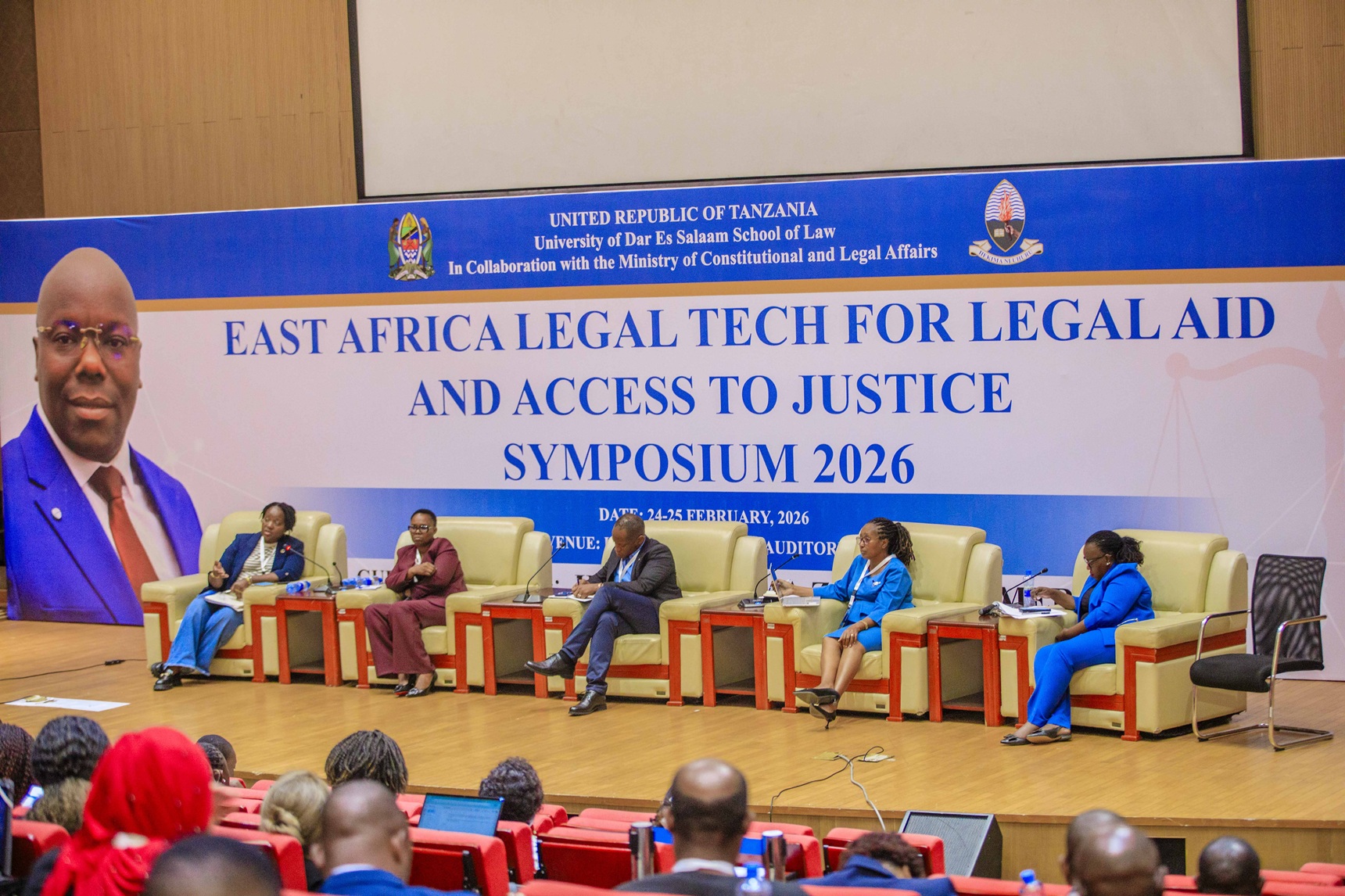
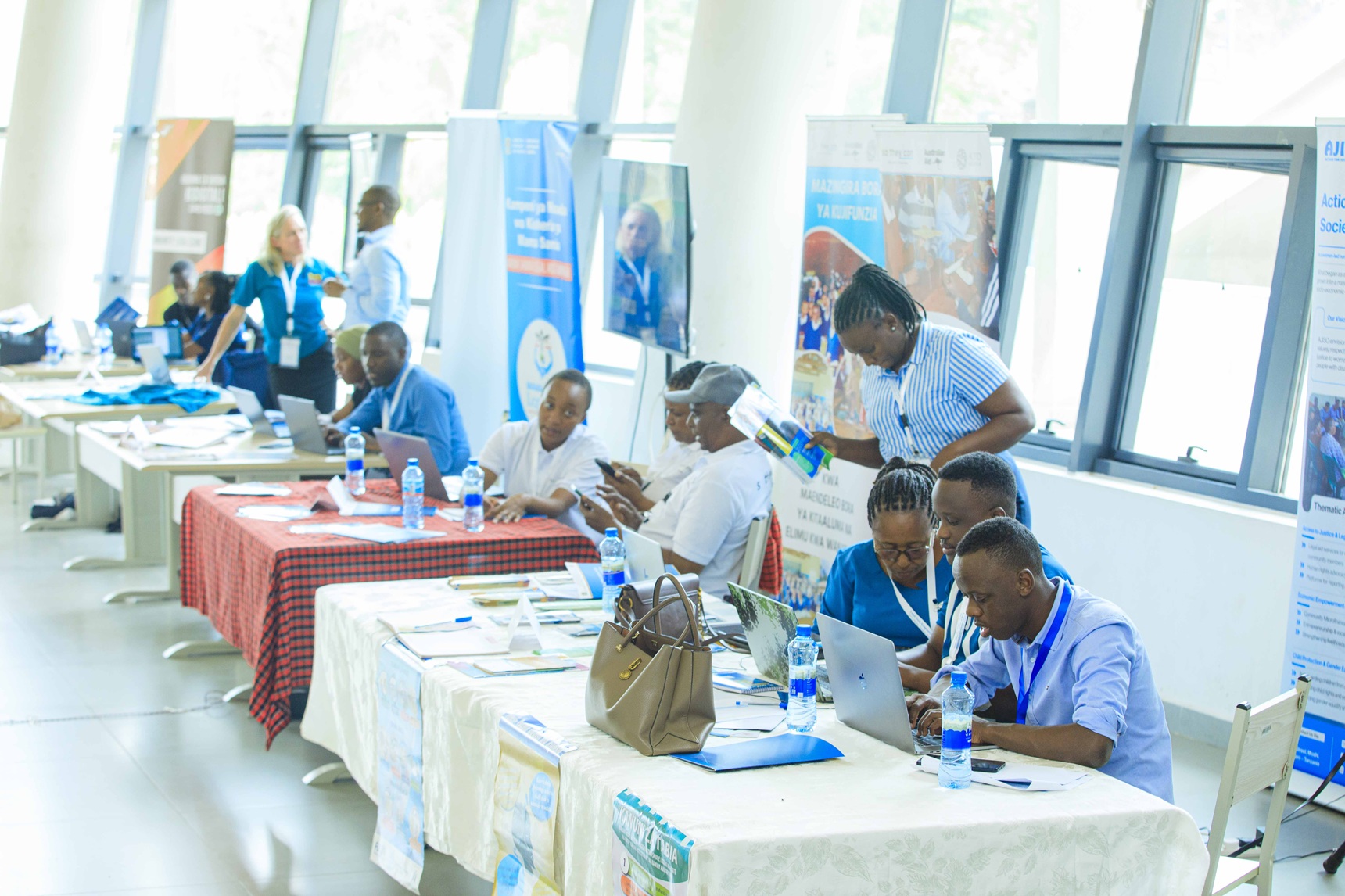
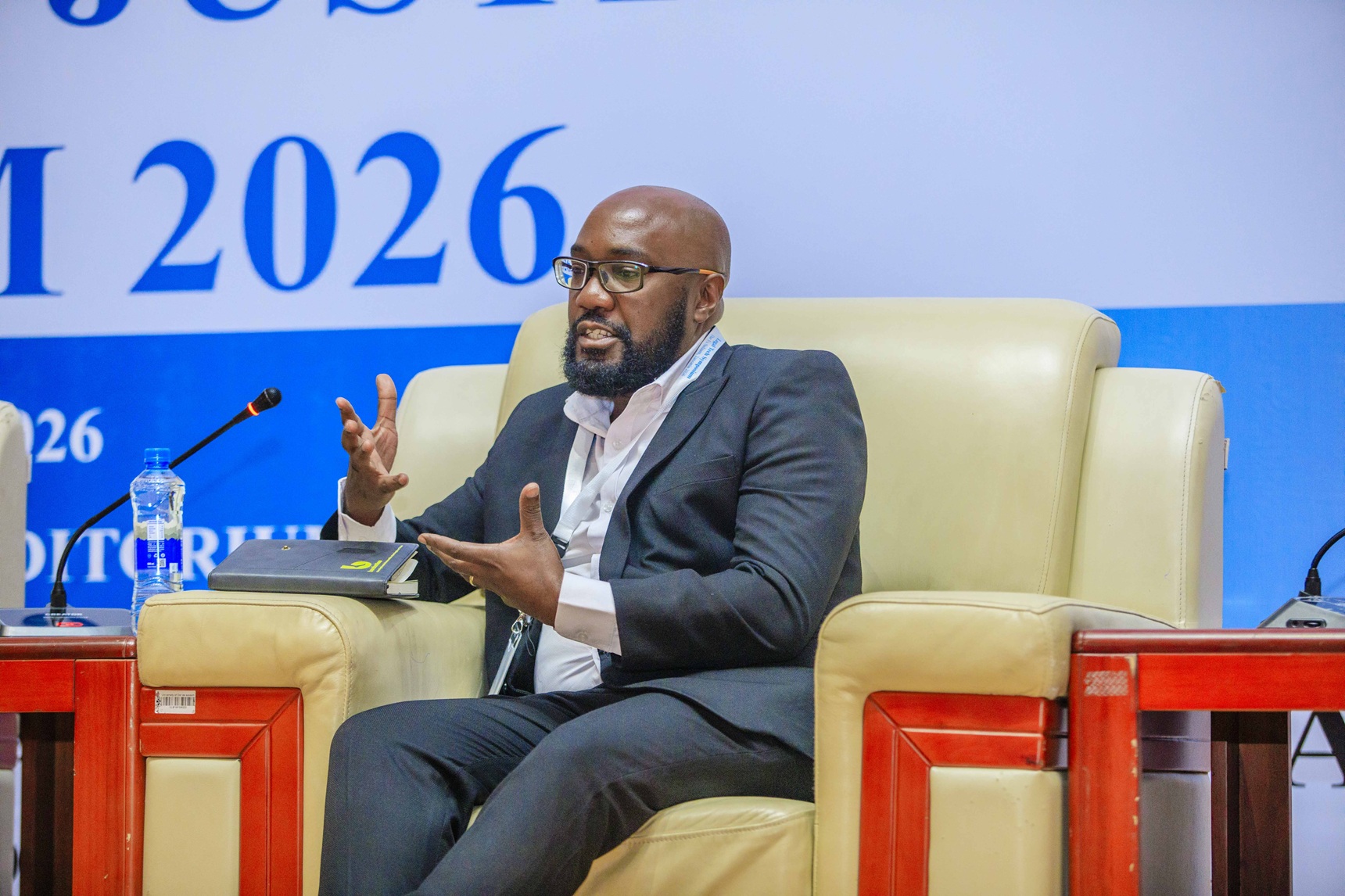
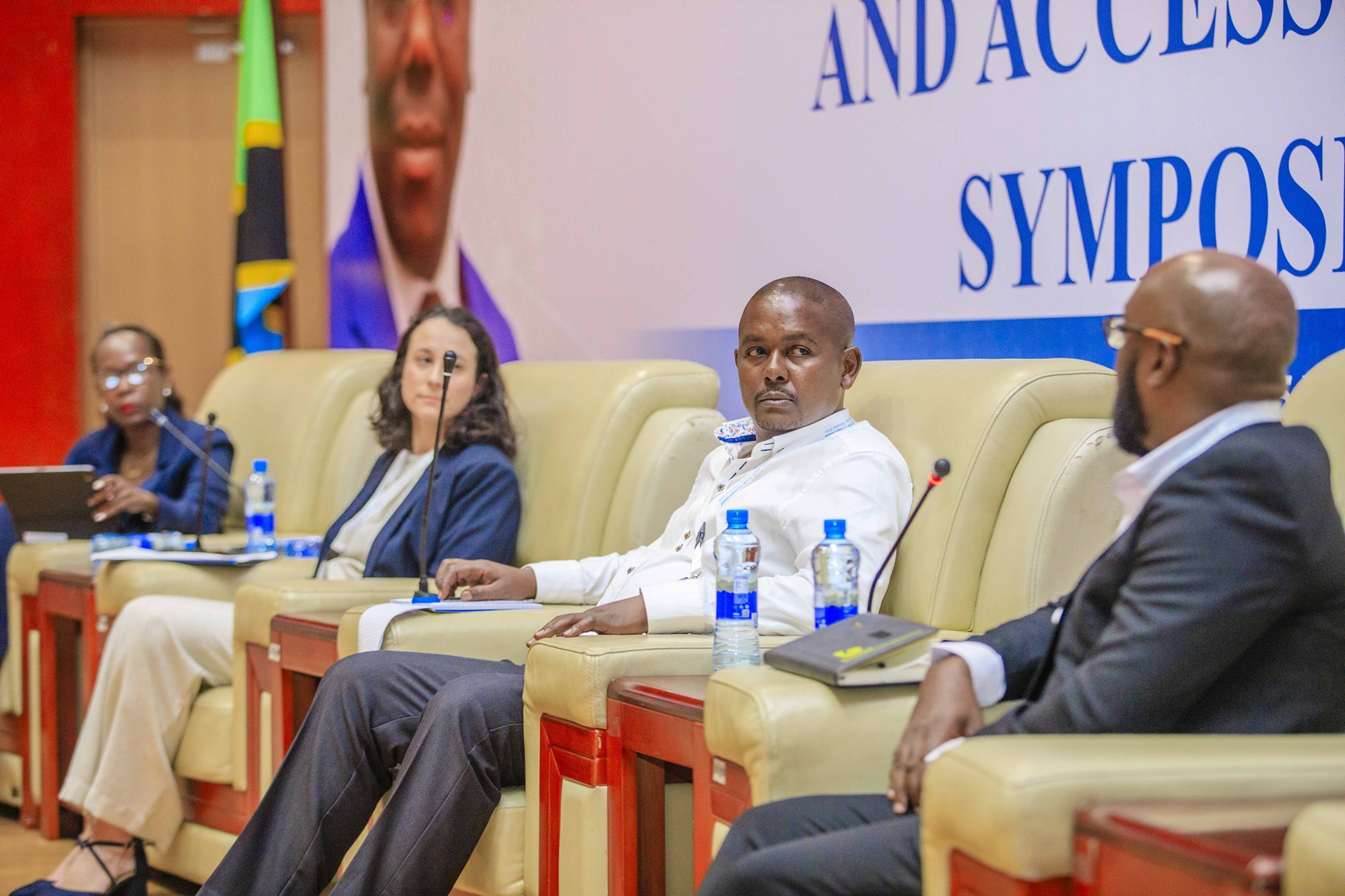
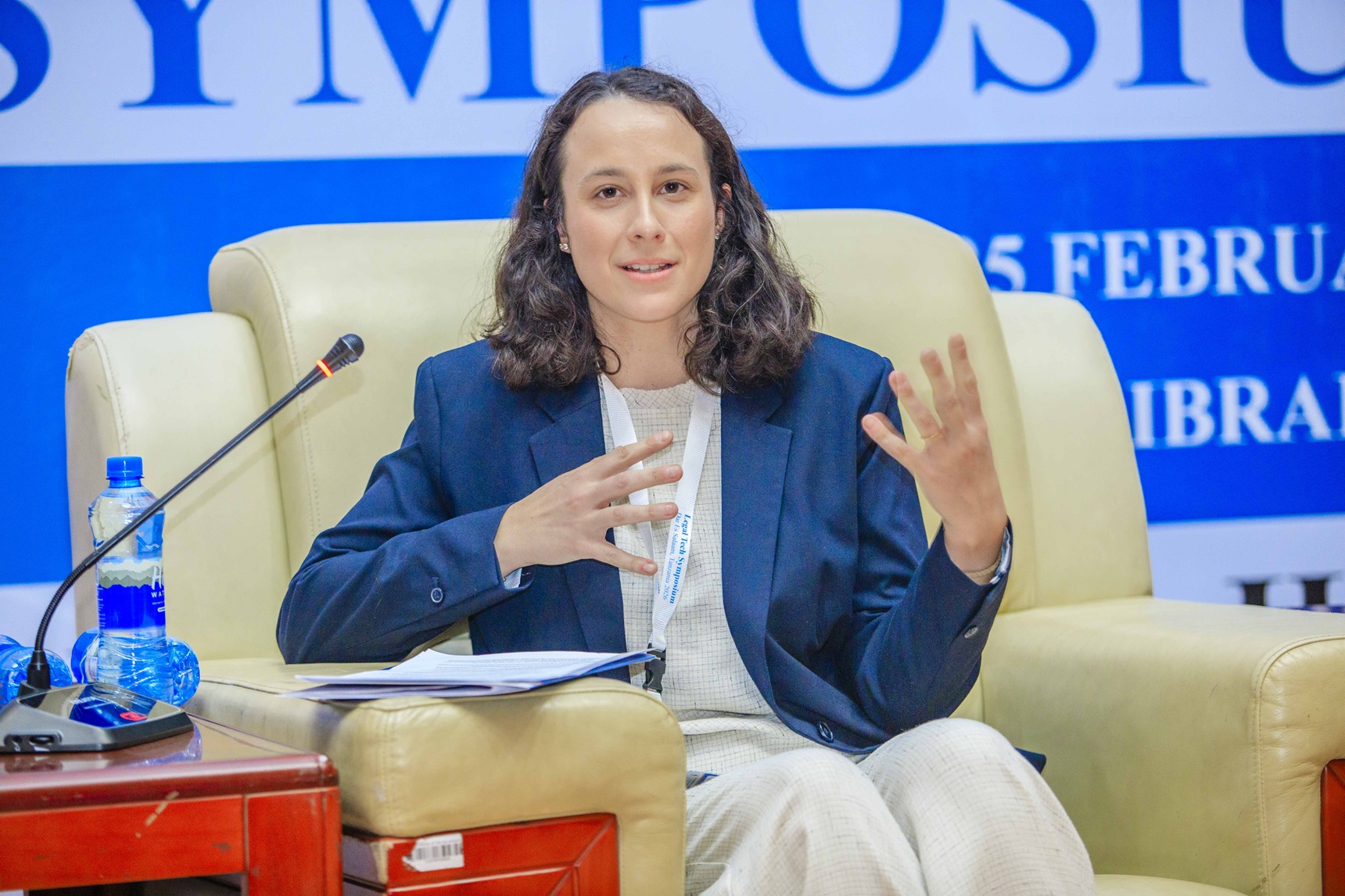
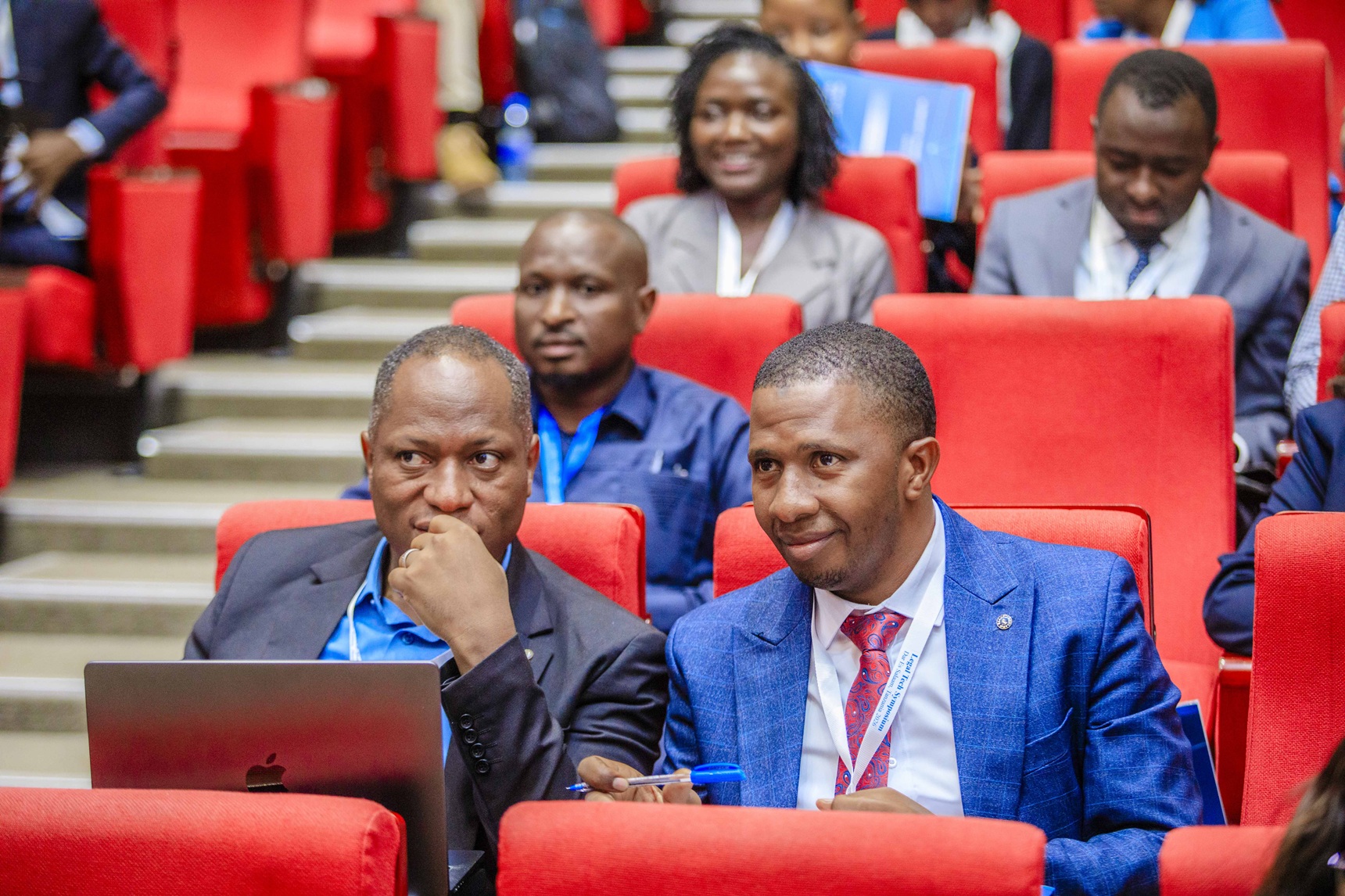
The two-day regional symposium, held at the University’s New Library Auditorium in Dar es Salaam, convened more than 200 participants from governments, judiciaries, legal aid providers, academia, development partners, and technology innovators. The gathering aimed to develop a shared framework for expanding access to justice through responsible and rights-based legal technology.
Speaking on behalf of the Minister for Constitutional and Legal Affairs, Dr. Juma Zuberi Homera, the Deputy Minister underscored the urgency of digital justice reform.
“Across Tanzania and the wider East African region, millions of citizens continue to face land disputes, family conflicts, labour grievances, and other legal challenges without timely or affordable assistance. High costs, geographical distance, procedural complexity, and the digital divide disproportionately affect women, children, persons with disabilities, and rural communities”, she stated.
She highlighted Tanzania’s ongoing reforms, including implementation of the Legal Aid Act, 2017, expansion of legal aid services, strengthened collaboration with paralegal networks, and court digitization initiatives such as electronic case management systems and virtual hearings.
However, she cautioned that technology must remain a strategic enabler rather than a substitute for institutions or human judgment.
“Digital transformation must be grounded in strong legal and regulatory frameworks, ethical safeguards, data protection, institutional capacity, and public trust,” she emphasized. “Translate dialogue into design, design into deployment, and deployment into measurable justice outcomes. The true test of our efforts is whether citizens experience justice that is faster, fairer, and more affordable.”
UDSM reaffirms its social justice mission
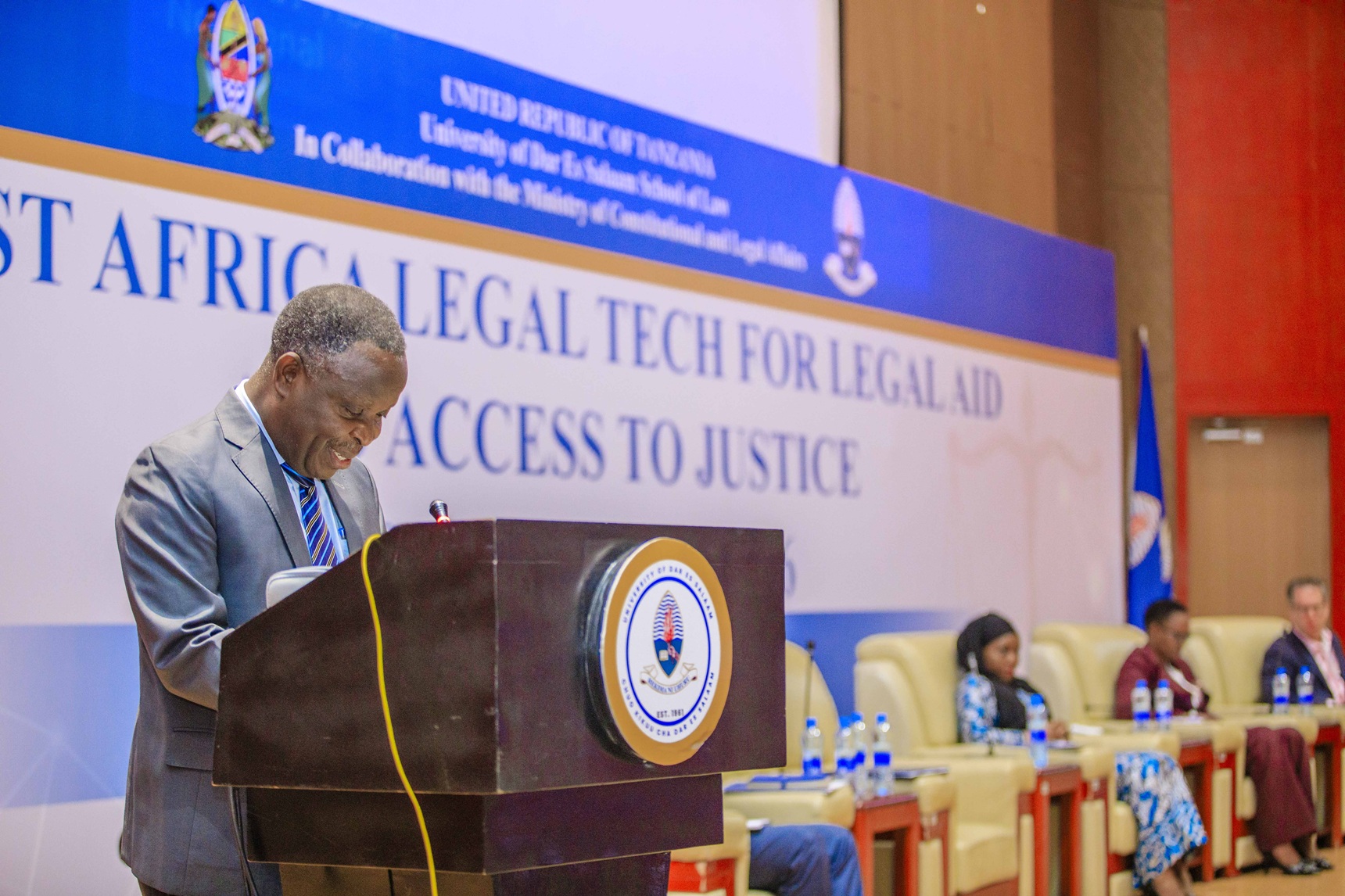
Welcoming participants, UDSM Vice Chancellor, Prof. William A. L. Anangisye, described the symposium as a reflection of the University’s enduring commitment to social responsibility and national transformation.
“Access to justice is not merely an academic concept at UDSM; it is a lived commitment. Through our Legal Aid Clinic and the Research Group on Law, Society and Technology, we combine scholarship with service to ensure that knowledge directly benefits society”, he said.
He noted that the University serves as a neutral convening platform where government, the judiciary, civil society, the private sector, and communities collaborate to address complex national and regional challenges.
“The University must remain a beacon of learning and innovation, nurturing future lawyers who are both technologically competent and ethically grounded,” he added, urging participants to translate the symposium’s deliberations into practical tools and sustainable partnerships.
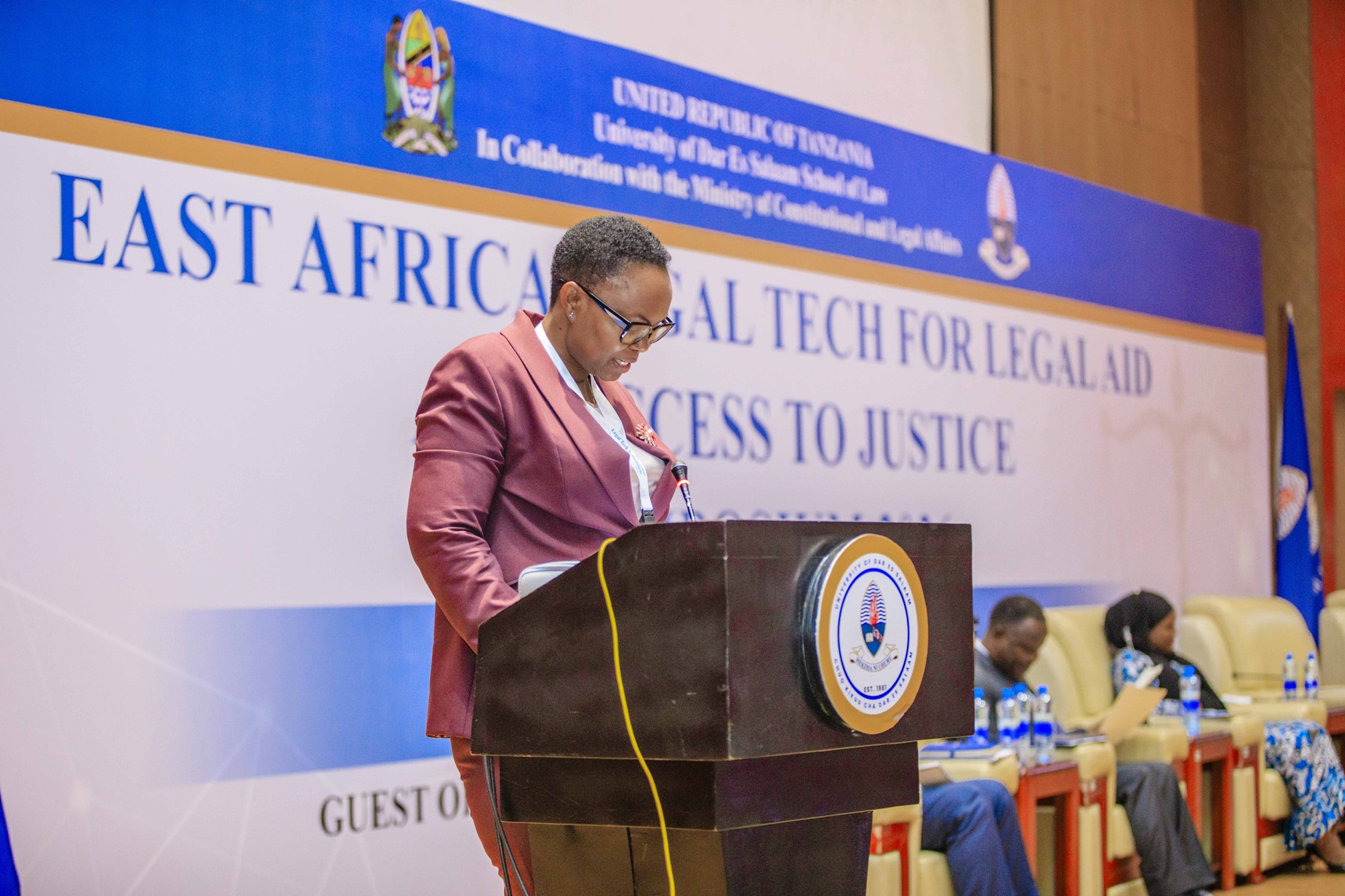
Representing the Permanent Secretary in the Ministry of Constitutional and Legal Affairs, the Director of Legal Aid Services, Ms. Ester Msambazi, commended UDSM for hosting the symposium and reaffirmed the Government’s commitment to strengthening legal aid under the Legal Aid Act, 2017.
“Mobile legal platforms, digital case management systems, and online dispute resolution mechanisms are helping reduce case backlogs and extend services to rural and underserved communities. Our focus is to ensure these innovations are accessible, secure, and responsive to citizens’ needs”, she noted.
On behalf of the Dean of the School of Law, Dr. Boniphace Luhende, Head of the Department of Private Law, emphasized that since its establishment in 1961, the year Tanzania attained independence, the School has upheld a dual mission of academic excellence and social justice.
“Through our Legal Aid Clinic, which serves thousands of vulnerable clients including survivors of gender-based violence, smallholder farmers, and indigent litigants, students gain practical experience while advancing community justice,” he said.
He added: “We have also embedded digital literacy and legal technology into our curriculum to prepare future legal professionals to responsibly navigate electronic filing systems, AI-assisted research tools, and online dispute resolution platforms.”
Concrete outcomes for regional impact
The symposium is expected to deliver three major outputs: the Dar es Salaam Guiding Principles for Legal Tech for Access to Justice; a Framework for Assessing Enabling Conditions for Digital Justice Deployment; and a comprehensive report capturing lessons learned and stakeholder recommendations.
These instruments are designed to guide governments, legal aid providers, and development partners in scaling ethical, inclusive, and sustainable digital justice solutions across East Africa.
Hosted by the UDSM School of Law’s Legal Aid Clinic and Research Group on Law, Society and Technology in partnership with the Ministry of Constitutional and Legal Affairs, the University of Cape Town, the University of Sussex, GIZ, and other international collaborators, the symposium examined innovations including AI-assisted legal research tools, mobile legal aid platforms, online dispute resolution systems, and digital case management technologies.
By convening this landmark regional dialogue, the University of Dar es Salaam continues to demonstrate leadership in bridging theory and practice, advancing policy reform, and strengthening regional collaboration – ensuring that digital transformation enhances, rather than hinders, equitable access to justice for all.