Tanzania Must Turn Research into Solutions, Knowledge into Prosperity, Government Tells Universities
By Renancy Remmy, CMU
Tanzania's future economic transformation will depend not only on the abundance of its natural resources, but also on the country's ability to convert research, innovation and scientific knowledge into practical solutions that address national challenges and create sustainable prosperity, the Government has said.
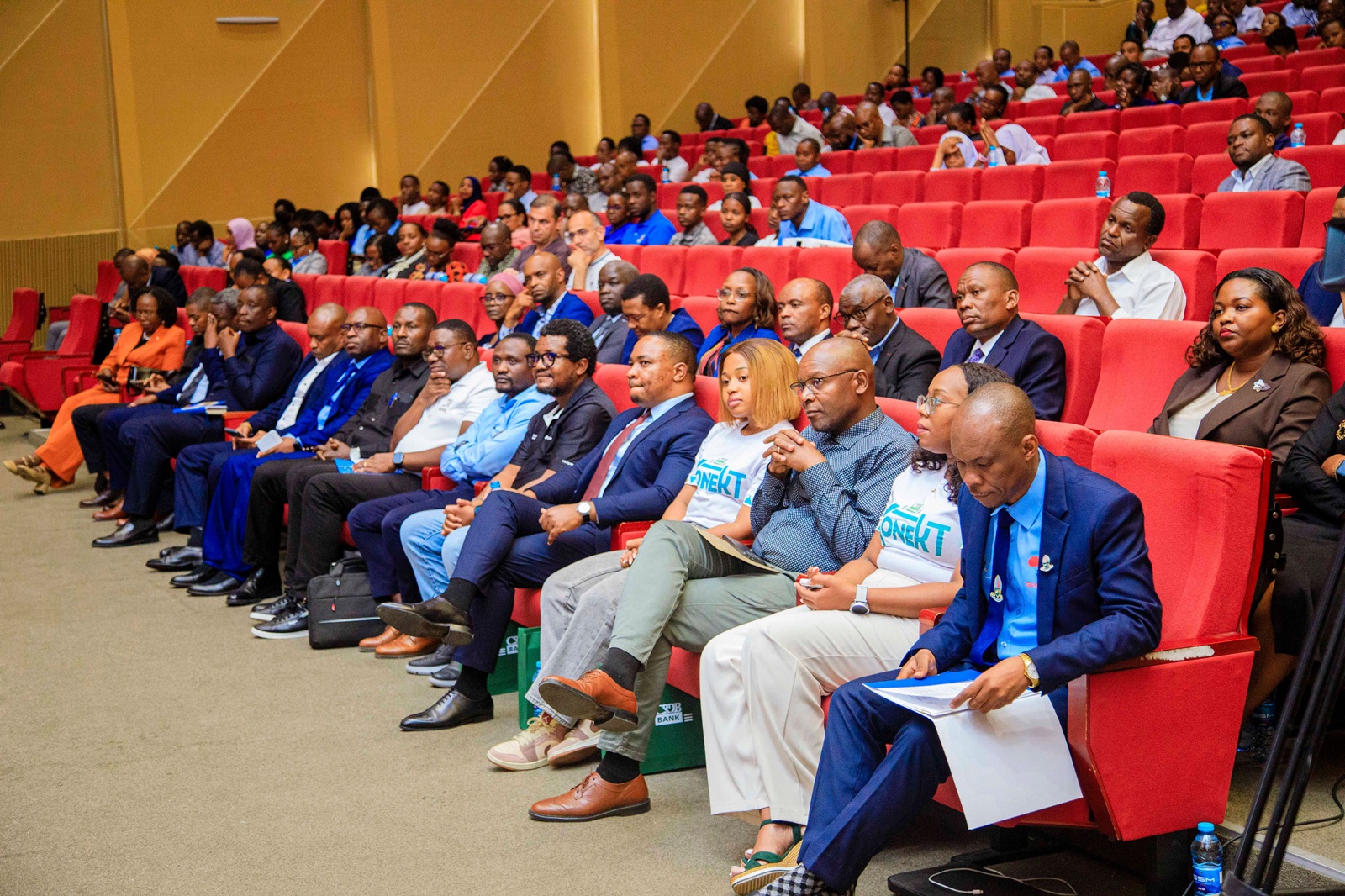
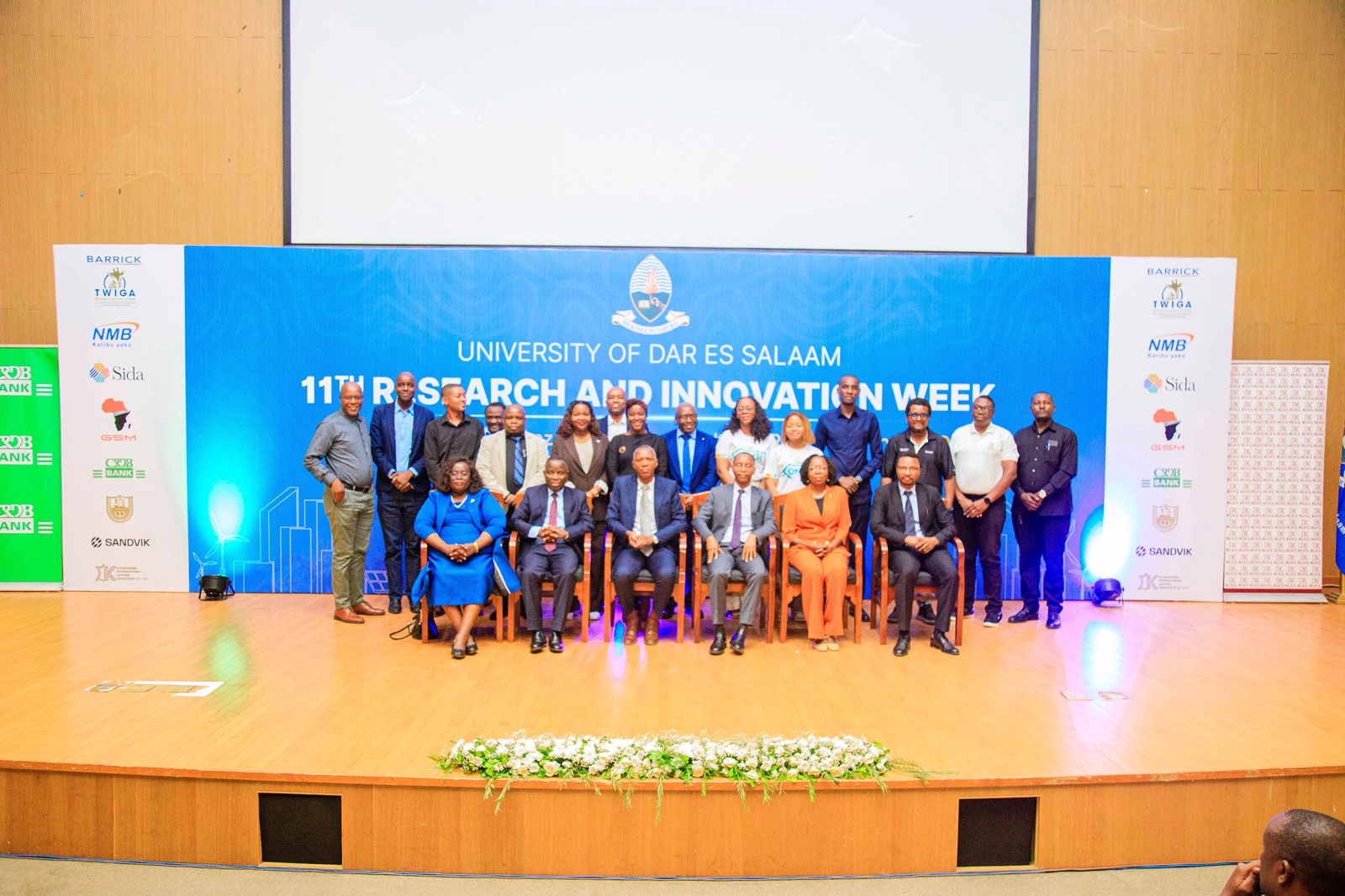
The remarks were made during the closing ceremony of the 11th Research and Innovation Week at the University of Dar es Salaam (UDSM).
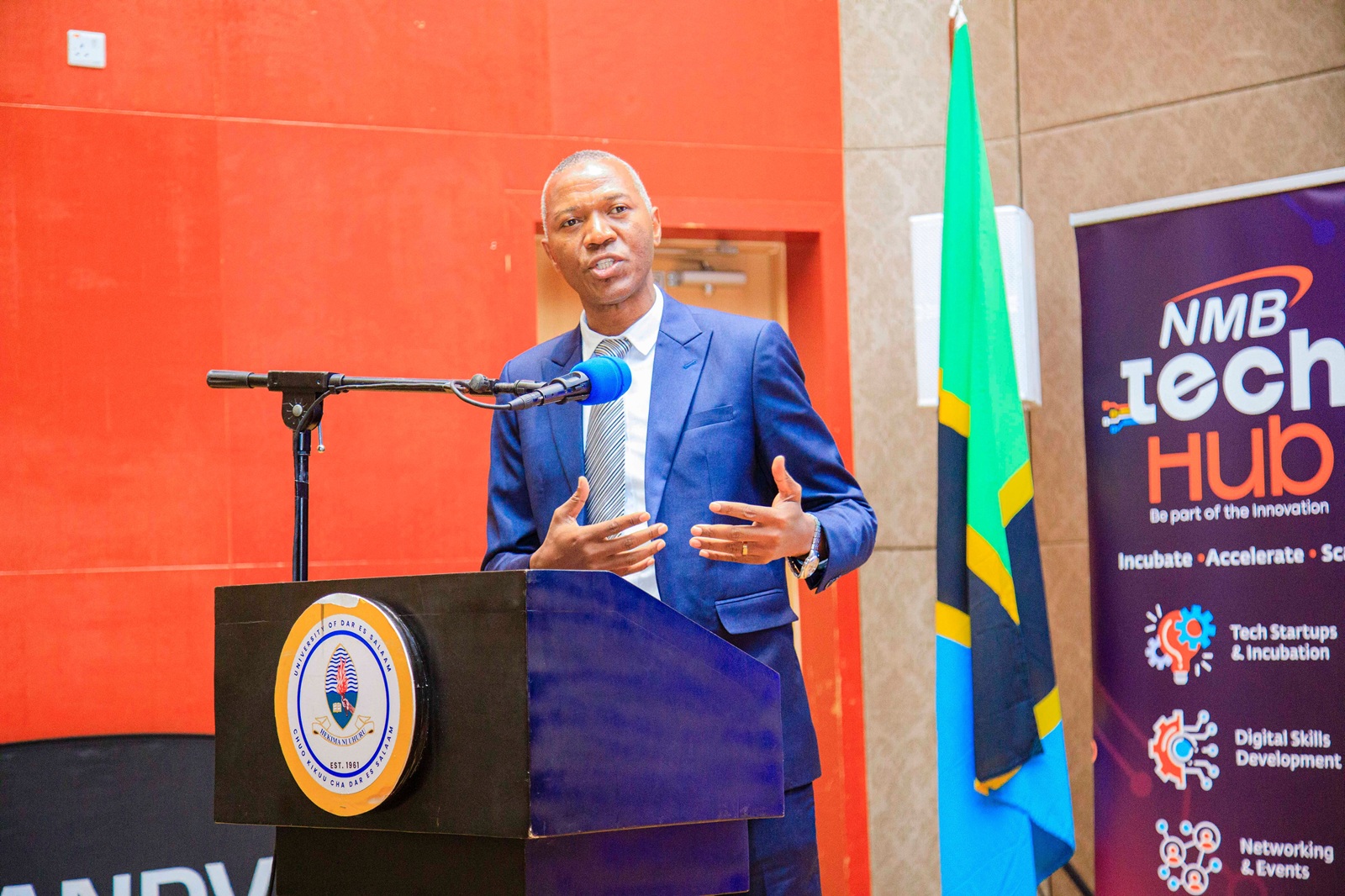
The event was officiated by the Guest of Honour, the Permanent Secretary in the Ministry of Education, Science and Technology, Prof. Carolyne Ignatius Nombo, who was represented by the Director General of the Tanzania Commission for Science and Technology (COSTECH), Dr. Amos Nungu.
Delivering the Guest of Honour's speech, Dr. Nungu called on universities, researchers and innovators to move beyond knowledge generation and focus on developing solutions that directly contribute to national development.
He said research, science, technology and innovation are among the most important pillars for achieving the aspirations of Tanzania Development Vision 2050, which seeks to build a competitive, inclusive and knowledge-based economy.
"Universities have a critical responsibility to produce highly skilled professionals, generate new knowledge, promote innovation and provide evidence-based solutions to the challenges facing our nation," said Dr. Nungu.
Reflecting on this year's theme, "Harnessing Tanzania's Mineral Wealth for Renewable Energy, Digital Transformation and Societal Security," he noted that Tanzania's vast mineral resources offer opportunities far beyond extraction and export.
According to him, the growing global demand for strategic minerals presents an opportunity for Tanzania to strengthen renewable energy systems, accelerate digital transformation and expand industrial development.
However, realizing these opportunities will require investment in research, innovation and the development of technologies capable of adding value to the country's mineral resources.
"We need researchers, innovators and institutions that can transform our natural resource wealth into technologies, industries and solutions that improve people's lives and strengthen our economy," he emphasized.
UDSM’s longstanding contribution to higher education, research and innovation
The Guest of Honour commended UDSM for its longstanding contribution to higher education, research and innovation, describing the institution as a leading centre of knowledge production and professional expertise in Tanzania.
He praised the University for creating an environment that encourages practical learning, innovation and entrepreneurship while strengthening collaboration with government, industry and development partners.
Dr. Nungu further challenged universities to expand research in renewable energy, digital technologies and societal security, noting that these areas will play an increasingly important role in shaping Tanzania's future competitiveness and resilience.
Earlier, UDSM Vice Chancellor Prof. William A. L. Anangisye said the University's Research and Innovation Week has evolved into a strategic platform that brings together academia, industry, policymakers and development partners to identify solutions to pressing national and global challenges.
"The true value of research is not measured by the number of projects we showcase, but by the impact those projects create in society," said Prof. Anangisye.
He stressed the importance of strengthening partnerships that can help researchers move innovations from laboratories into communities, industries and markets.
Prof. Anangisye reaffirmed UDSM's commitment to supporting innovation through research infrastructure, technology transfer mechanisms, innovation hubs and strategic partnerships that enable the commercialization and scaling of promising ideas.
680 participants, 308 projects
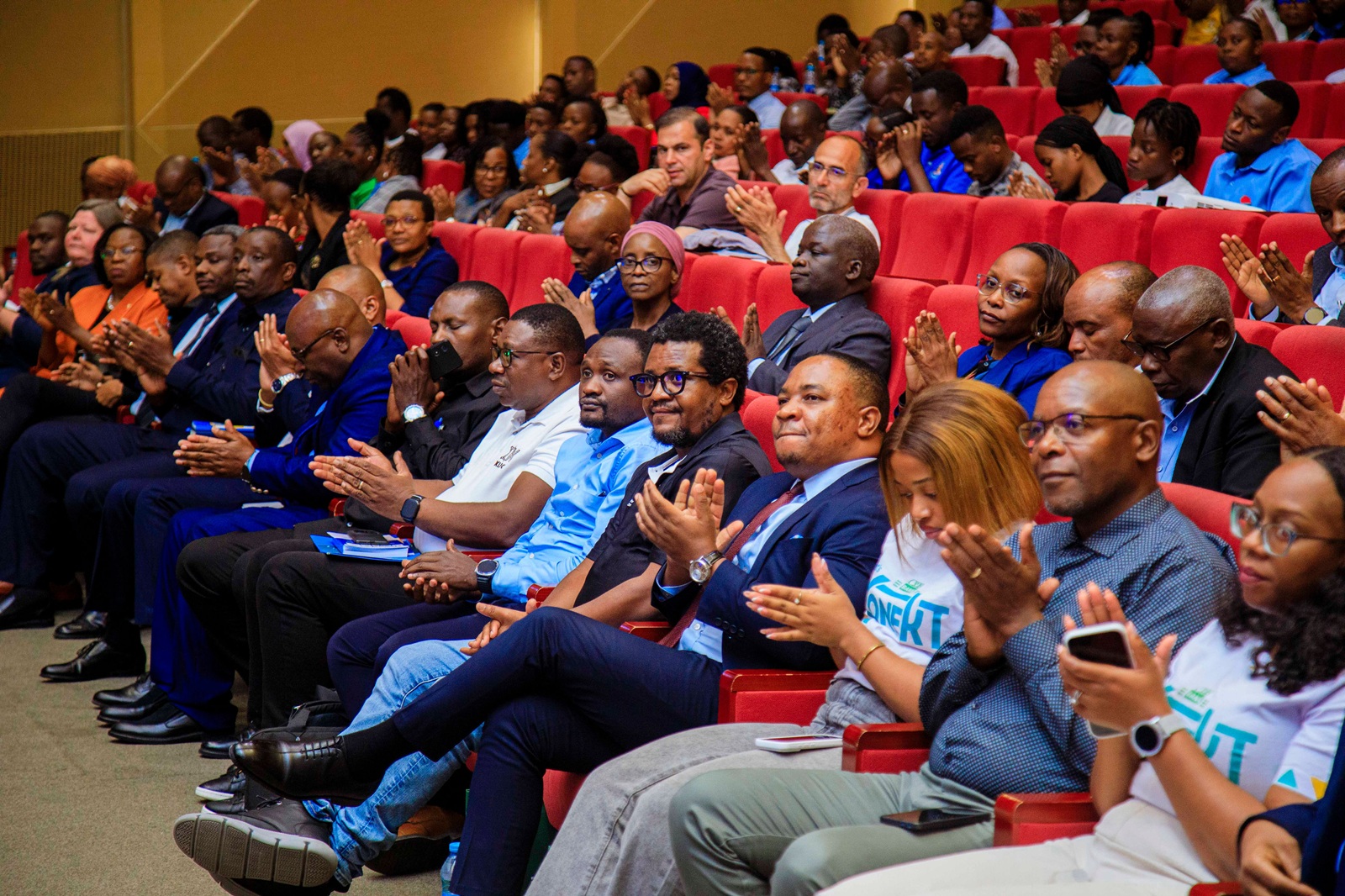
Providing an overview of the week's achievements, Deputy Vice Chancellor – Research, Prof. Nelson Boniface, said the event attracted approximately 680 participants from academia, government institutions, industry, development organizations and the wider public.
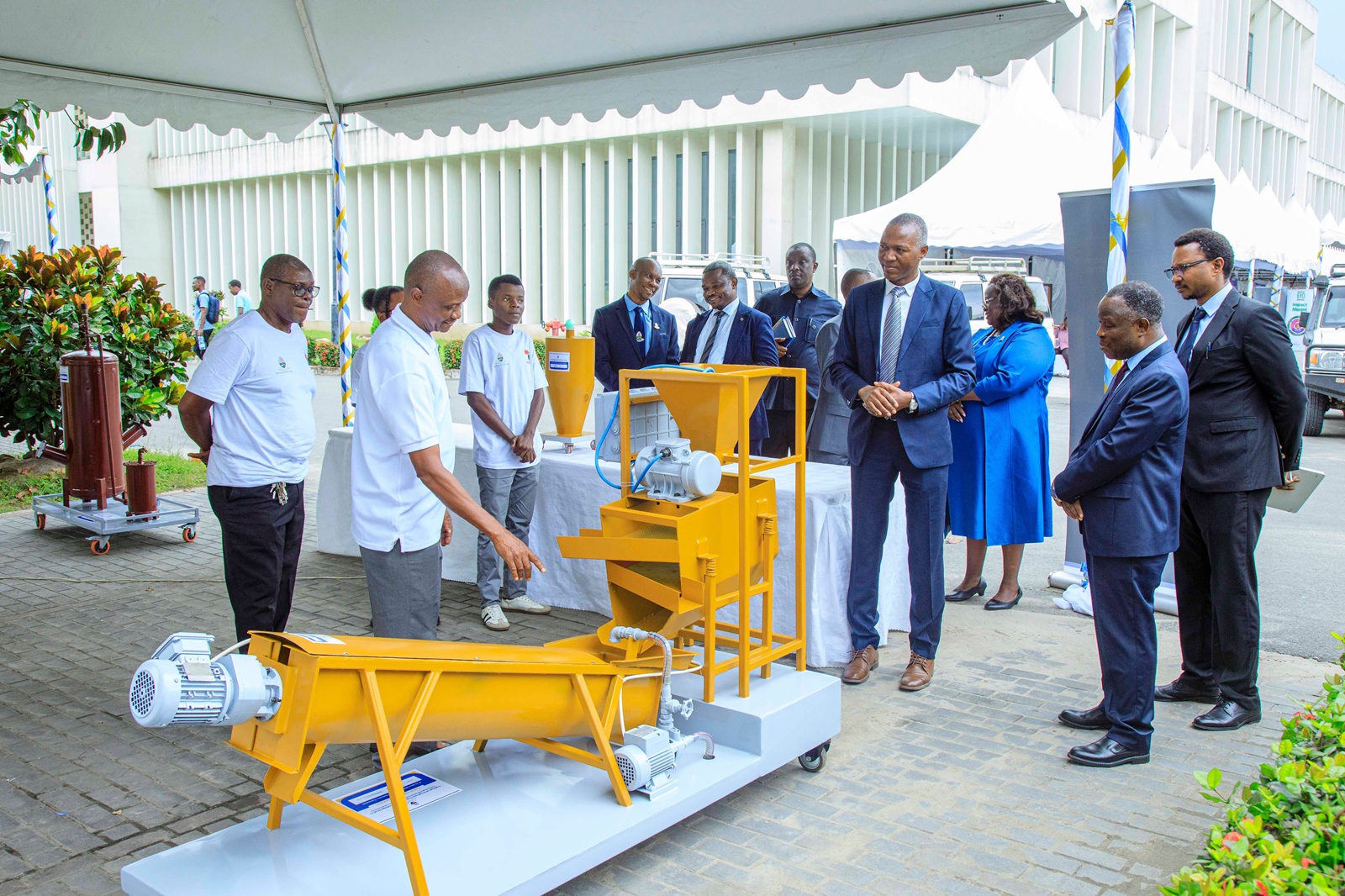
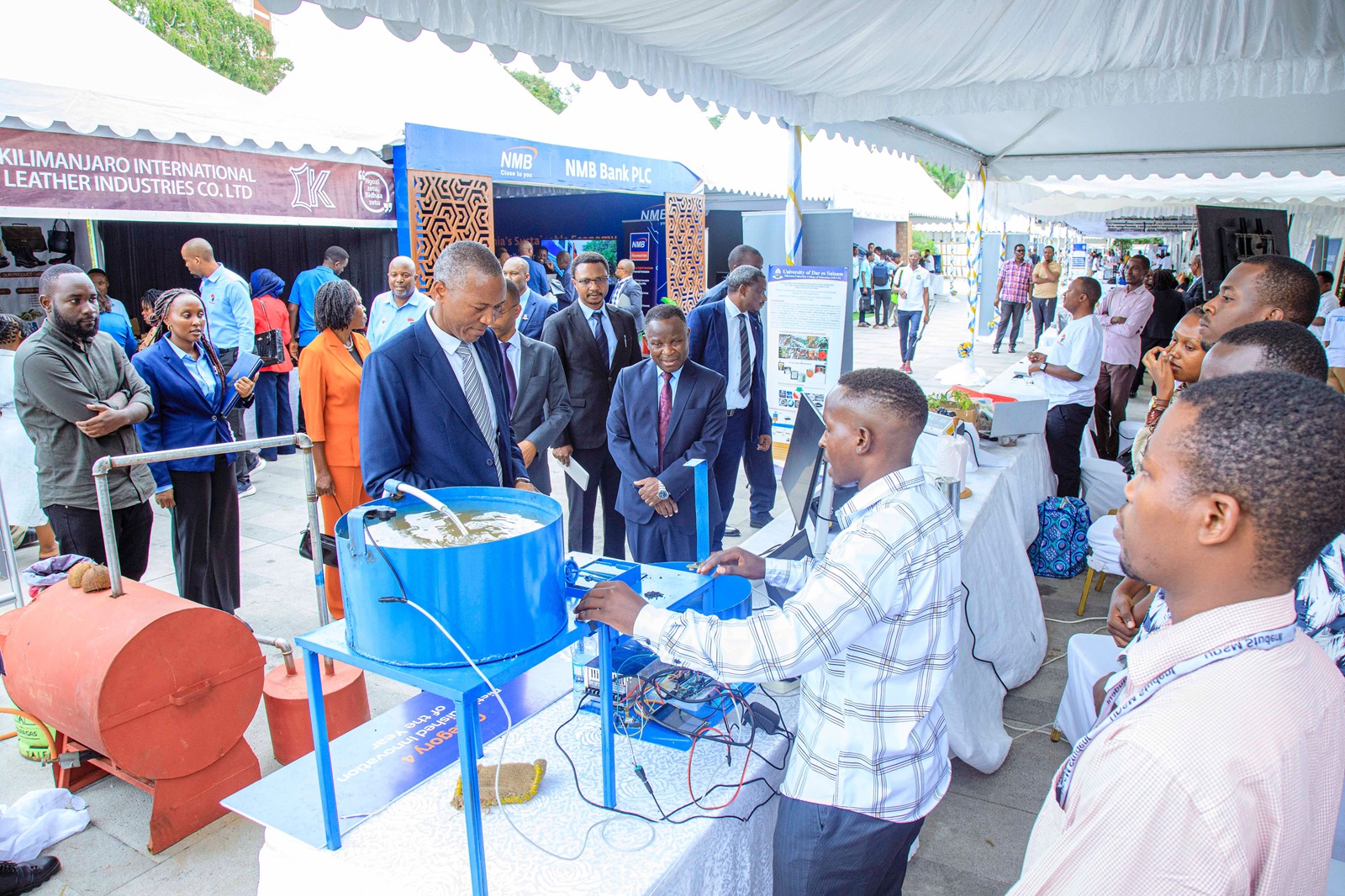
He revealed that 308 projects were initially exhibited at departmental level, with 106 outstanding projects progressing to the University-level exhibitions.
"The quality of innovations and research projects displayed this year demonstrates the growing capacity of our researchers and students to generate solutions that respond to national priorities and societal needs," said Prof. Boniface.
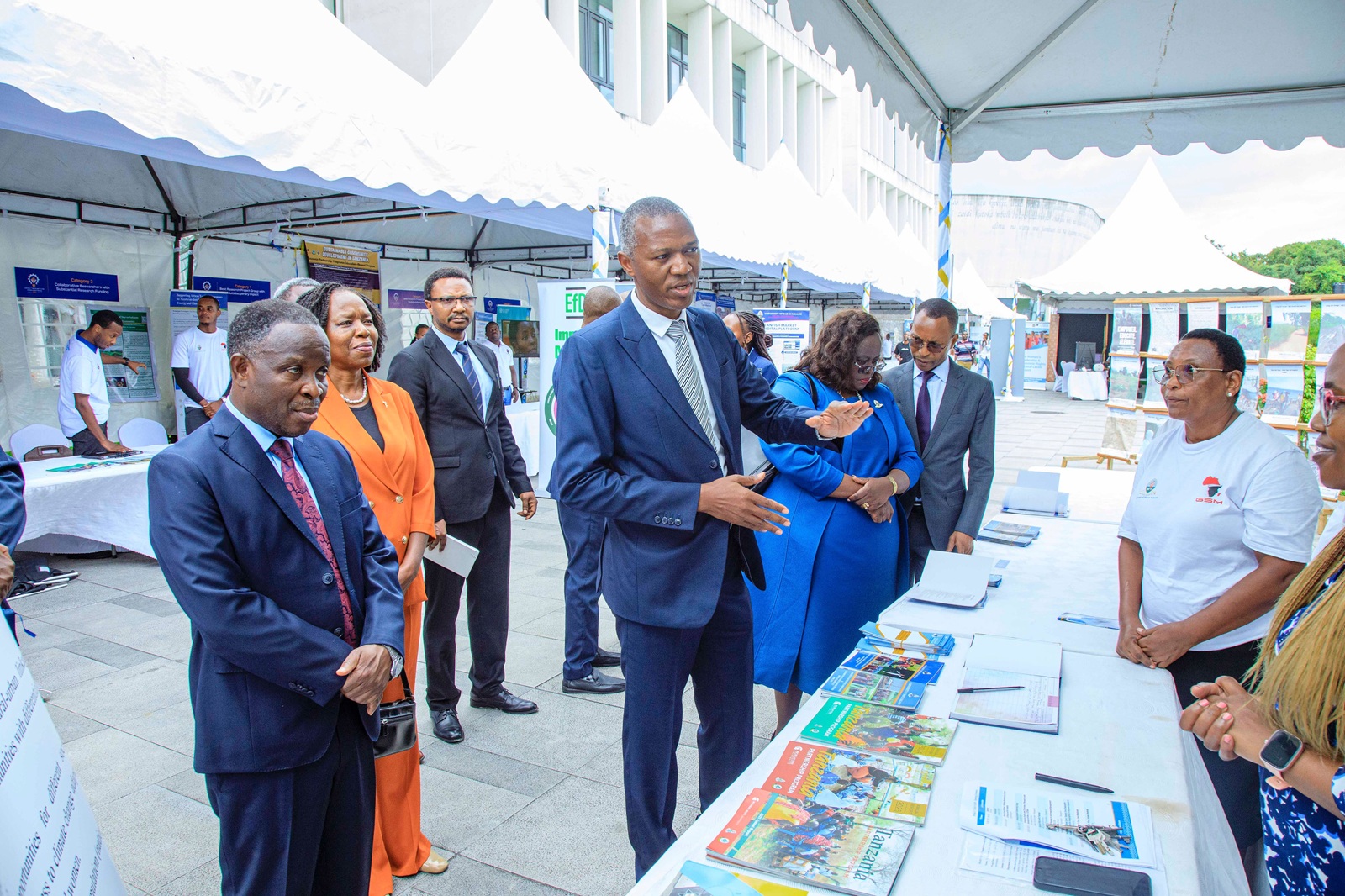
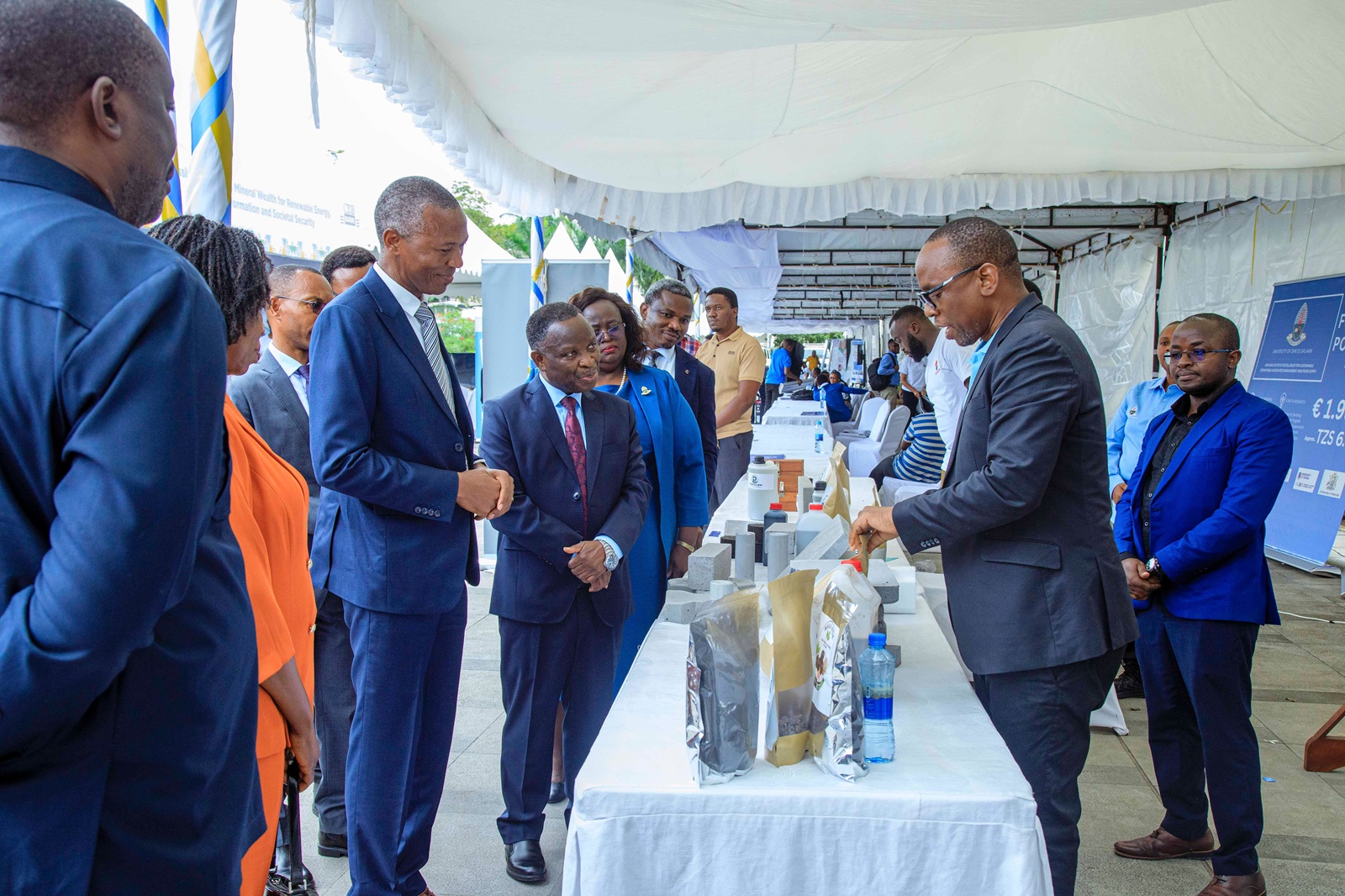
He noted that the event provided valuable opportunities for innovators and researchers to engage directly with policymakers, investors, financial institutions and industry stakeholders, creating pathways for collaboration, commercialization and entrepreneurship.
One of the highlights of this year's Research and Innovation Week was a special public lecture delivered by the President of Singapore, H.E. Tharman Shanmugaratnam, whose participation elevated the international profile of the event and stimulated discussions on innovation-driven development, leadership and economic transformation.
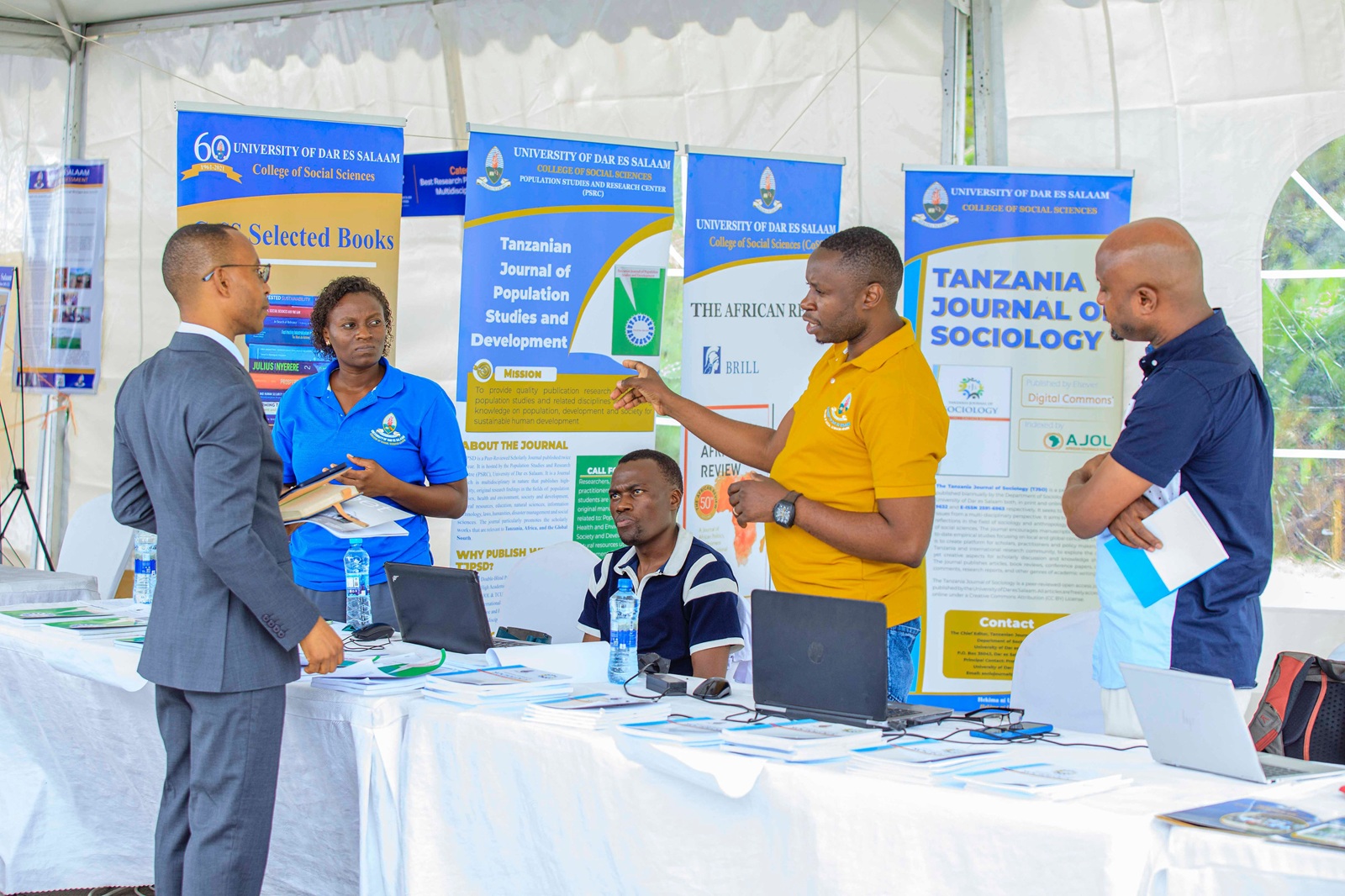
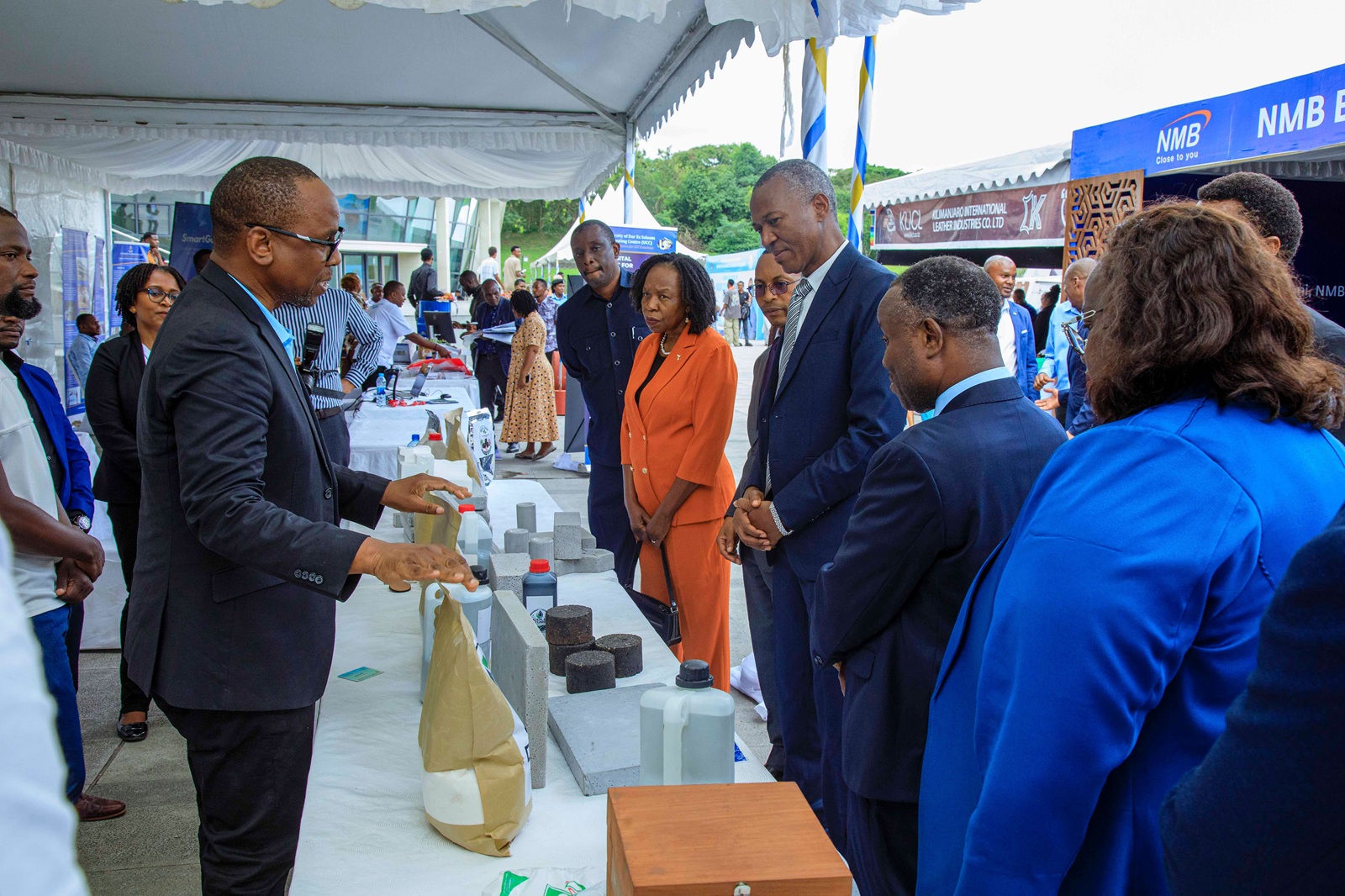
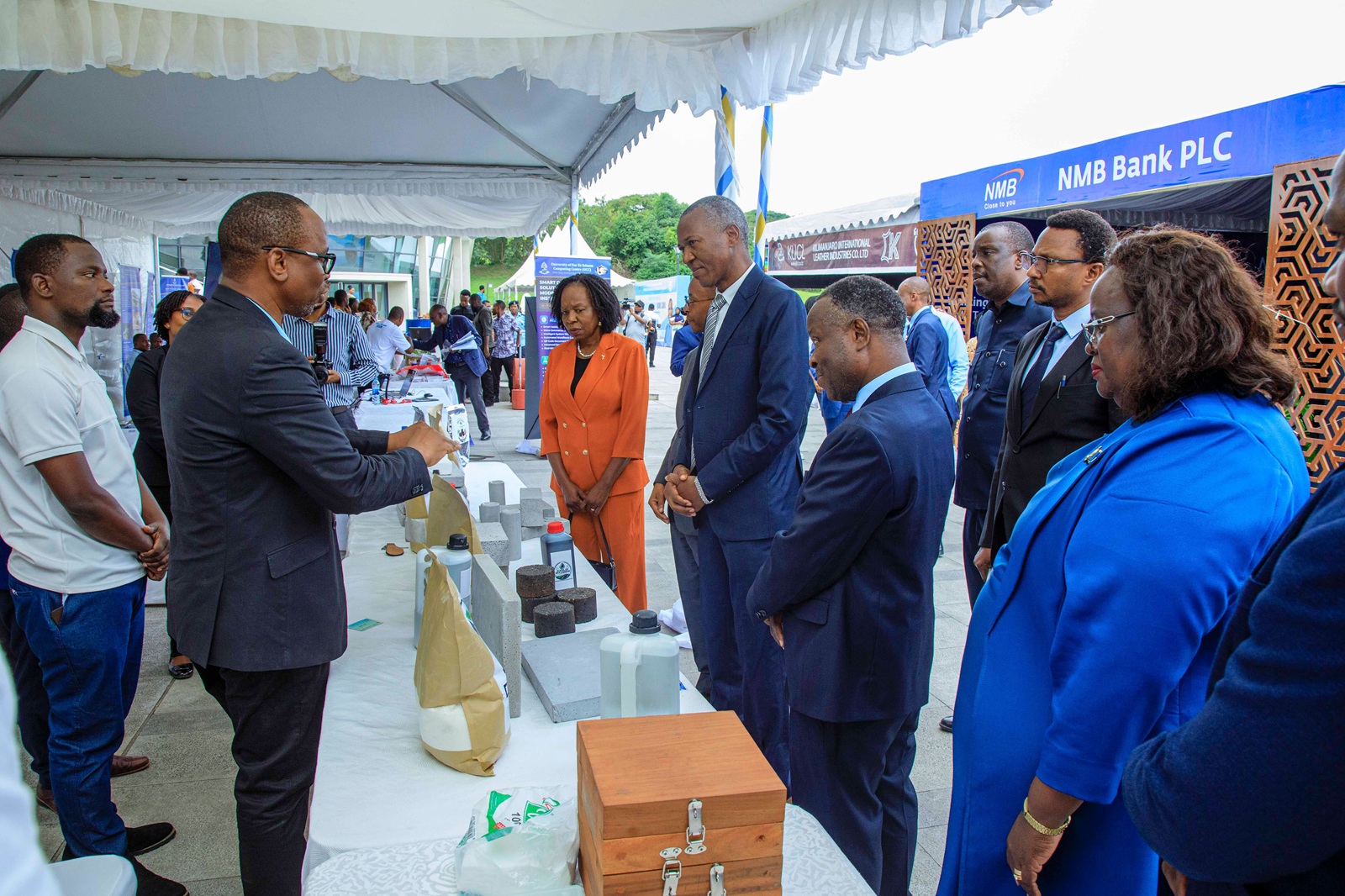
The week also featured research exhibitions, policy dialogues, academic discussions, strategic partnership engagements and innovation showcases designed to demonstrate the role of research and technology in advancing national development.
Outstanding researchers, innovators, students and partners
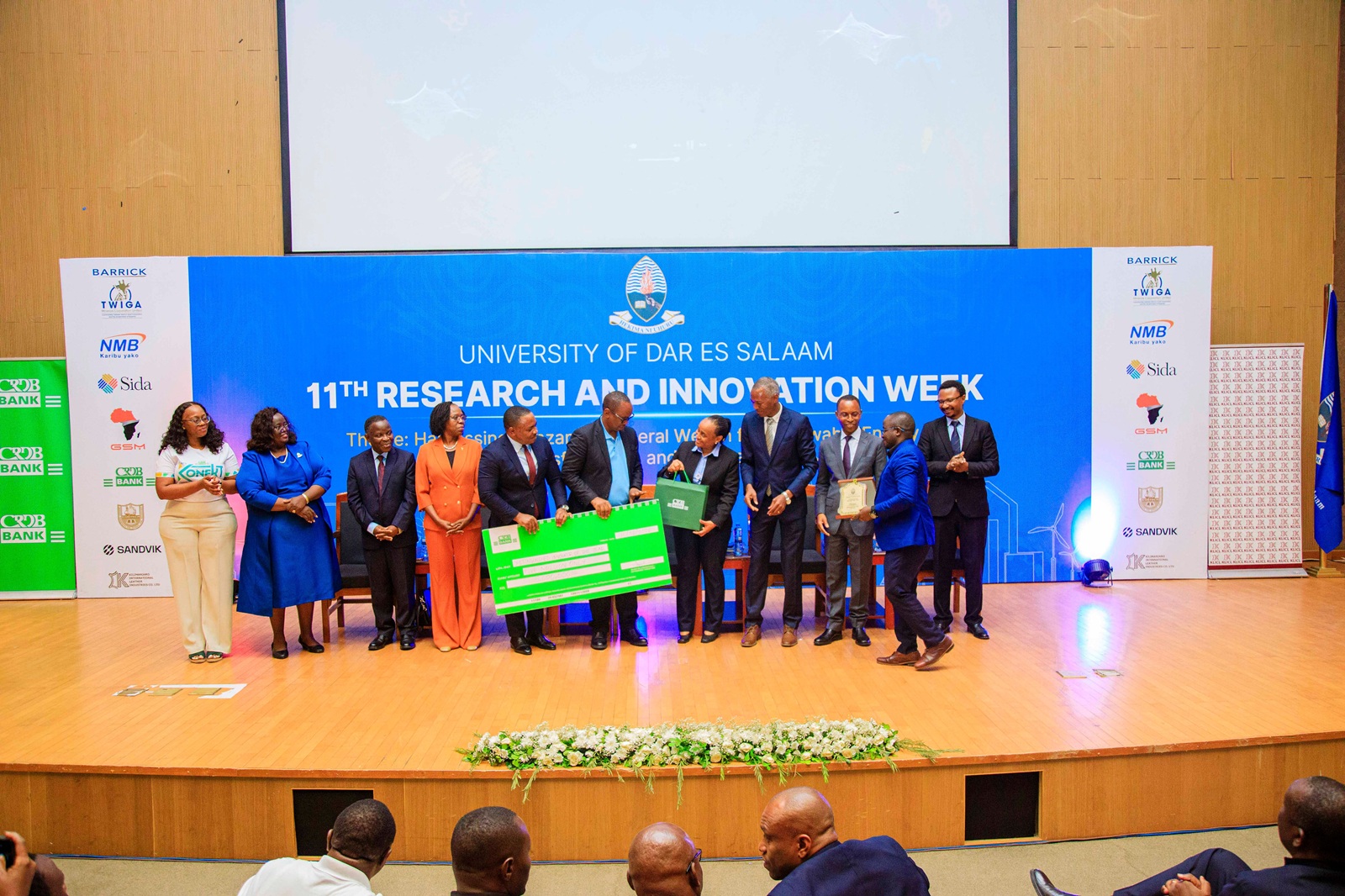
During the closing ceremony, UDSM honoured outstanding researchers, innovators, students and partners whose contributions have demonstrated excellence in research, innovation, collaboration and knowledge transfer.
The awards recognized achievements across research, innovation, consultancy, strategic partnerships and institutional transformation, reflecting the University's commitment to nurturing a culture of excellence and impactful scholarship.
Officially closing the event, the Guest of Honour reaffirmed the Government's commitment to supporting higher education, science, technology and innovation, expressing confidence that stronger collaboration between universities, government and industry will accelerate Tanzania's journey towards a resilient and knowledge-driven economy.
"As we look to the future, research and innovation must remain at the centre of our national development agenda. They are indispensable tools for creating jobs, driving industrialization and improving the wellbeing of our people," he said.
The 11th Research and Innovation Week was held from 9 to 11 June 2026 at the Mwalimu Julius Nyerere Mlimani Campus, bringing together researchers, innovators, students, policymakers, industry leaders and development partners to explore how knowledge and innovation can contribute to Tanzania's sustainable development and economic transformation.