

UDSM Alumnus AmbassadorKairuki Tells Cambridge Forum: ‘Africa Must Lead, Not Follow, the AI Revolution’
By Renancy Remmy, CMU
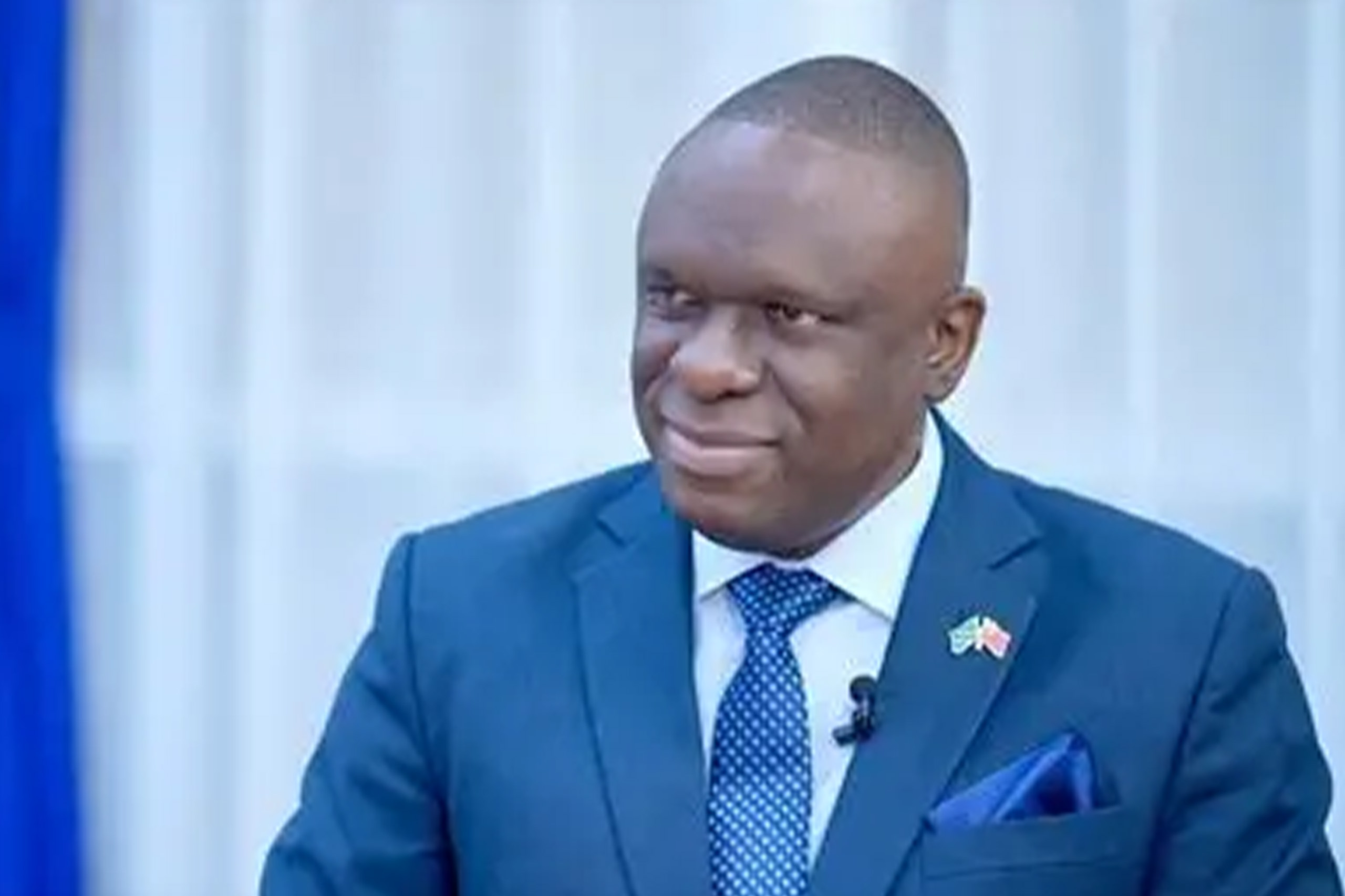
The Tanzania's High Commissioner to the United Kingdom, Ambassador Mbelwa Kairuki, has challenged African nations to move beyond being consumers of artificial intelligence (AI) technologies and become innovators and global leaders in shaping the future of AI through research, innovation, ethical governance, and investment in human capital.
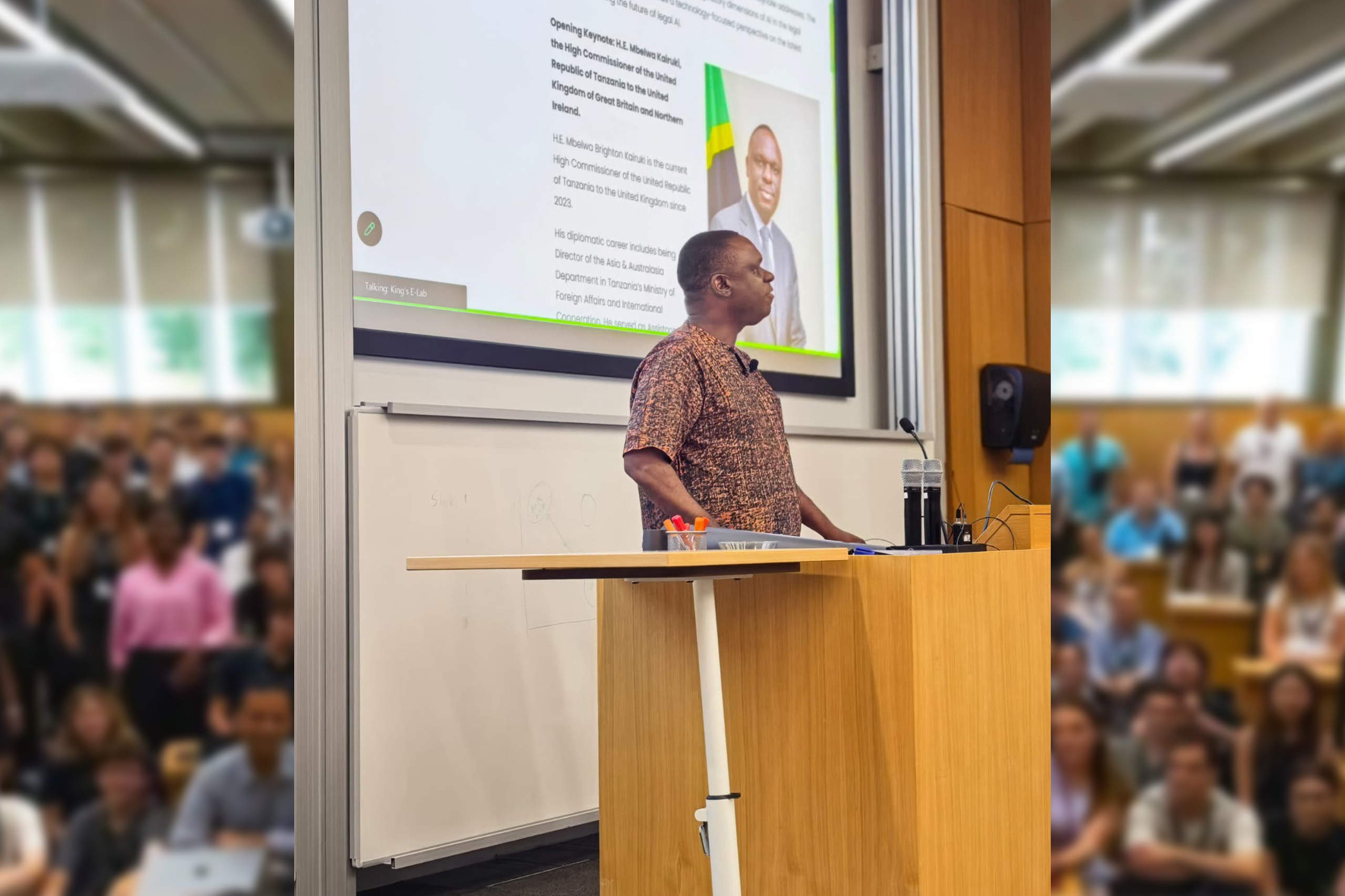
Ambassador Kairuki, an alumnus of the University of Dar es Salaam (UDSM), delivered the keynote address recently during Hack the Law 2026, an international conference hosted by the King's Entrepreneurship Lab (King's E-Lab) at the University of Cambridge.
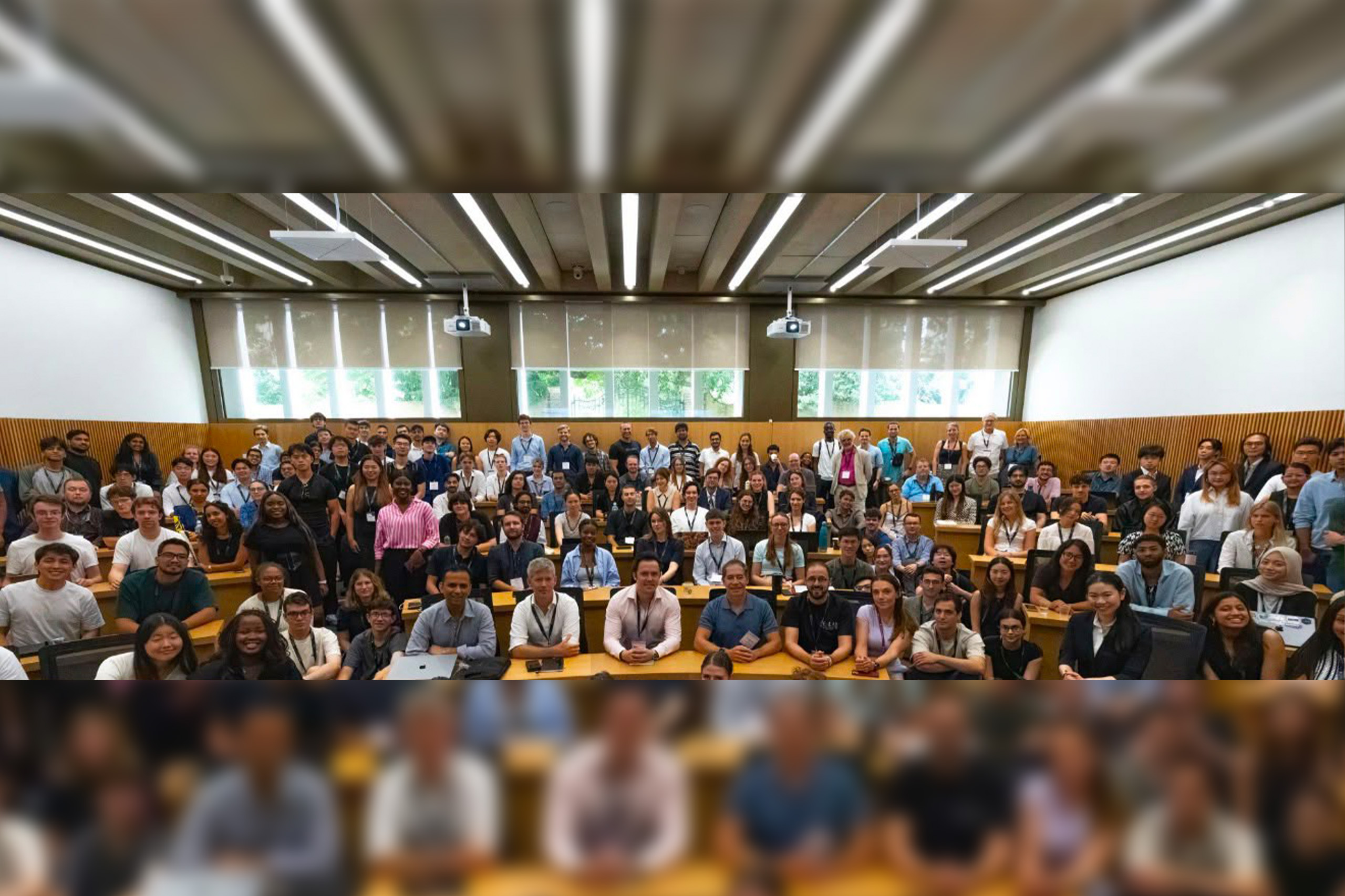
The forum brought together more than 200 participants from over 60 institutions across 24 countries, including legal scholars, policymakers, entrepreneurs, technology experts, students, and innovators to examine the evolving relationship between law, artificial intelligence, innovation, and public policy.
Addressing the international gathering, Ambassador Kairuki said Africa stands at a critical moment in its technological journey and must position itself as a creator—not merely a consumer—of emerging technologies.
"Artificial intelligence presents Africa with a defining opportunity to shape its own future. Our continent has the intellectual capacity, youthful population, and innovative potential to become a significant contributor to the global AI ecosystem”, he said.
He added: “We must invest in our people and build technologies that respond to African realities while contributing to global progress”.
He noted that while AI is transforming economies, industries, and public institutions worldwide, Africa's long-term competitiveness will depend on its ability to produce knowledge, develop home-grown technologies, and nurture innovation ecosystems supported by strong research institutions and digital infrastructure.
According to Ambassador Kairuki, universities will play a central role in achieving this vision by preparing future scientists, engineers, legal experts, entrepreneurs, and policymakers capable of navigating the opportunities and challenges presented by artificial intelligence.
"Higher learning institutions must strengthen interdisciplinary research that brings together technology, law, ethics, governance, and public policy. Innovation must be accompanied by responsible leadership to ensure that AI advances human development while protecting fundamental rights and public trust”, he said.
The Ambassador also stressed the importance of ensuring that African languages, cultures, legal traditions, and social values are reflected in emerging AI systems.
"If Africa does not actively participate in developing artificial intelligence, we risk becoming dependent on technologies designed without consideration for our unique contexts and development priorities," he cautioned.
He therefore called for increased investment in digital infrastructure, research institutions, innovation hubs, and technology entrepreneurship to enable African countries to develop solutions for challenges in education, healthcare, agriculture, justice, governance, financial services, and climate resilience.
AI as both a technological and leadership challenge
Reflecting on the broader implications of AI, Ambassador Kairuki described artificial intelligence as both a technological and leadership challenge.
"The future of AI will be shaped not only by technological breakthroughs but also by the quality of leadership, governance, and ethical decision-making that guide its development. Governments, universities, industry, and innovators must work together to establish governance frameworks that encourage innovation while safeguarding accountability, transparency, and human dignity”, he said.
He further observed that as AI becomes increasingly integrated into public administration, commerce, healthcare, education, and judicial systems, legal frameworks must evolve to address emerging issues such as privacy, intellectual property, cybersecurity, algorithmic accountability, and fairness.
Ambassador Kairuki thanked Professor Kamiar Mohaddes and the King's E-Lab team for creating what he described as an important global platform for dialogue on the future of law and technology.
"Forums such as Hack the Law enable researchers, policymakers, students, and innovators from different parts of the world to exchange ideas and build partnerships capable of addressing global challenges through collaborative innovation," he said.
He also commended the diversity of participants, saying it reflected a growing international commitment to ensuring that technological advancement is inclusive, ethical, and beneficial to society.
The future of AI: creativity, ambition, and commitment
Ambassador Kairuki expressed optimism about the future of artificial intelligence, citing the creativity, ambition, and commitment demonstrated by students, researchers, legal scholars, and technology leaders participating in the conference.
"The next generation has the talent and determination to develop technologies that advance human progress while upholding ethical principles and the rule of law," he said.
Ambassador Kairuki's participation at one of the world's leading academic institutions highlights the growing contribution of African voices to global conversations on emerging technologies and sustainable development.
His message also resonates with the University of Dar es Salaam's commitment to advancing multidisciplinary research, innovation, digital transformation, and international engagement.
Through research excellence and strategic partnerships, UDSM continues to equip graduates with the knowledge and skills needed to address complex national and global challenges while contributing to Africa's scientific and technological advancement.
Ambassador Kairuki's address serves as a timely reminder that the continent's future in artificial intelligence will be determined not only by technology itself, but also by sustained investment in education, research, innovation, and ethical leadership.