



UDSM Attains 86 Percent HEET Project Implementation as Major Academic and Infrastructure Milestones Recorded
By Dickens Dominic, CMU
The University of Dar es Salaam (UDSM) has continued to register significant progress in the implementation of the Higher Education for Economic Transformation (HEET) Project, achieving an overall physical implementation rate of approximately 86 percent during the January–March 2026 quarter.
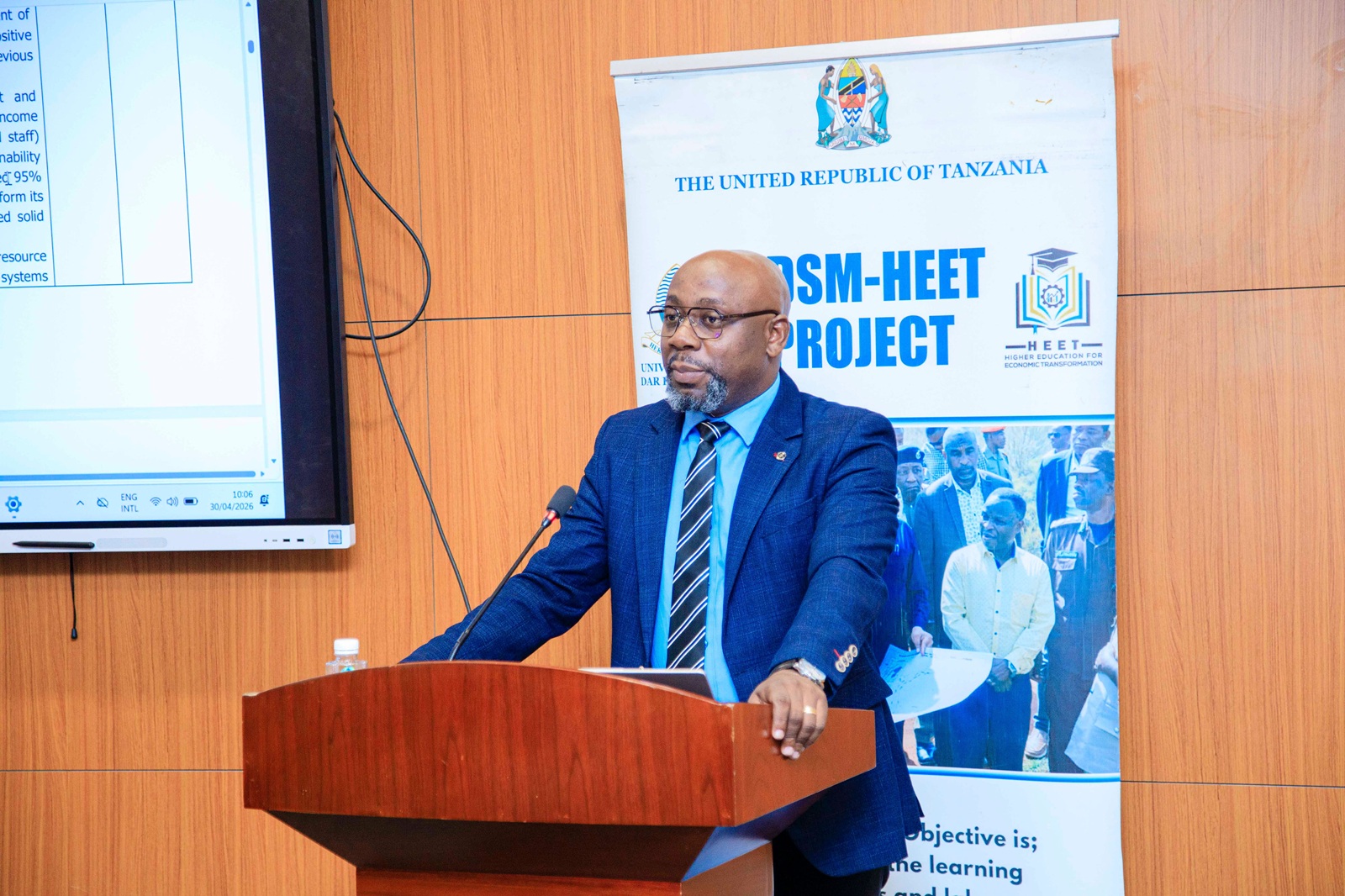
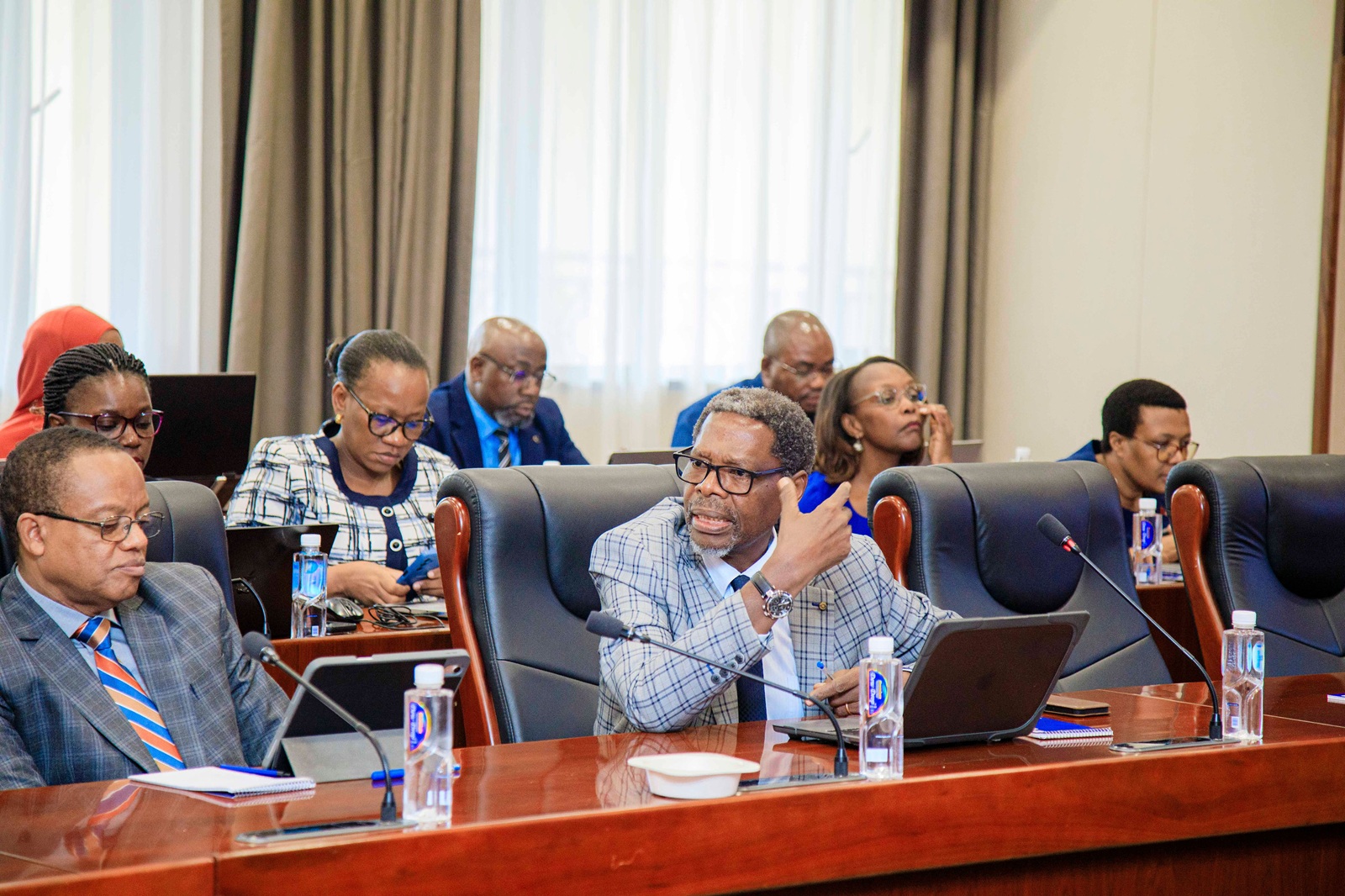
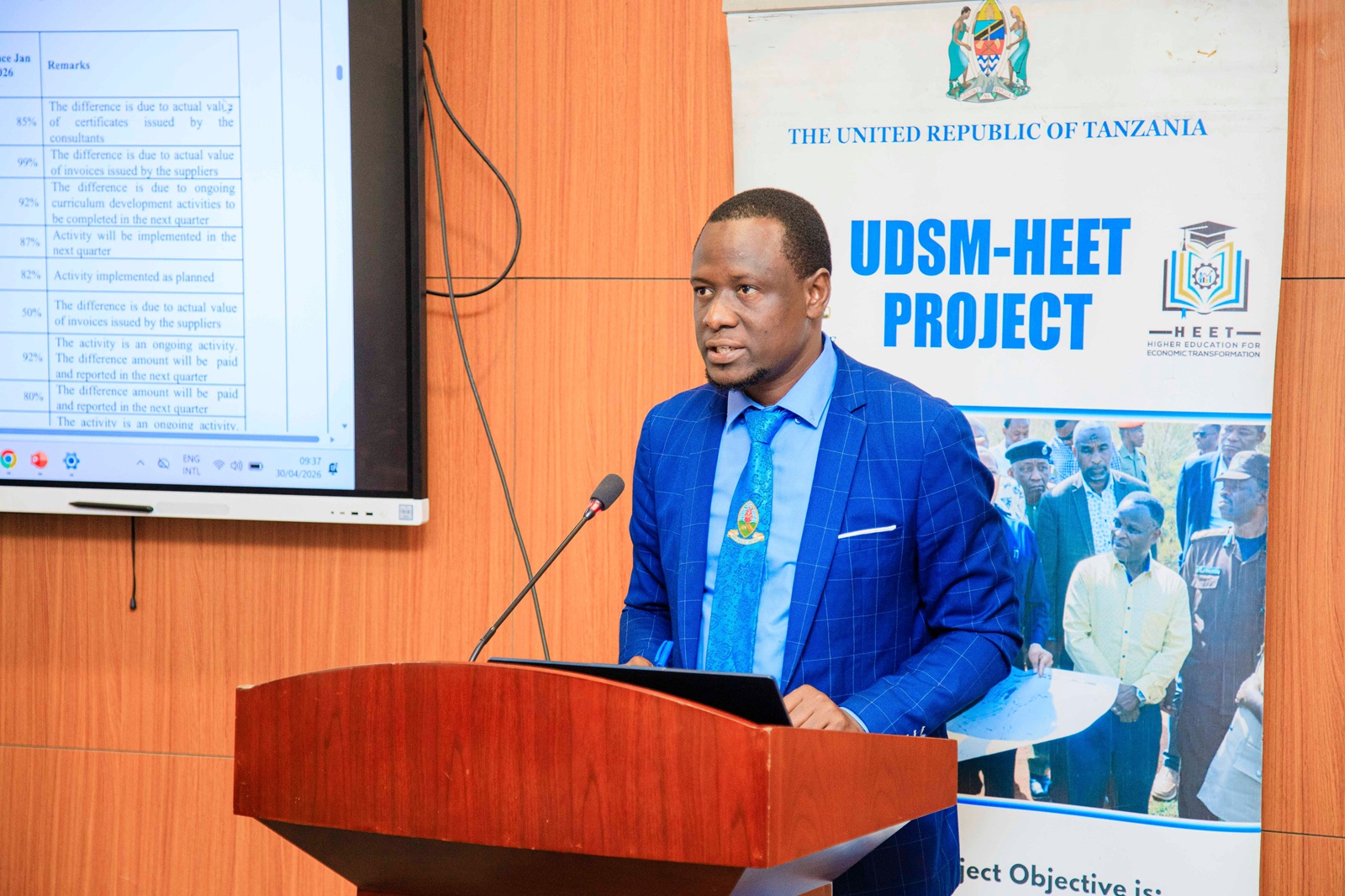
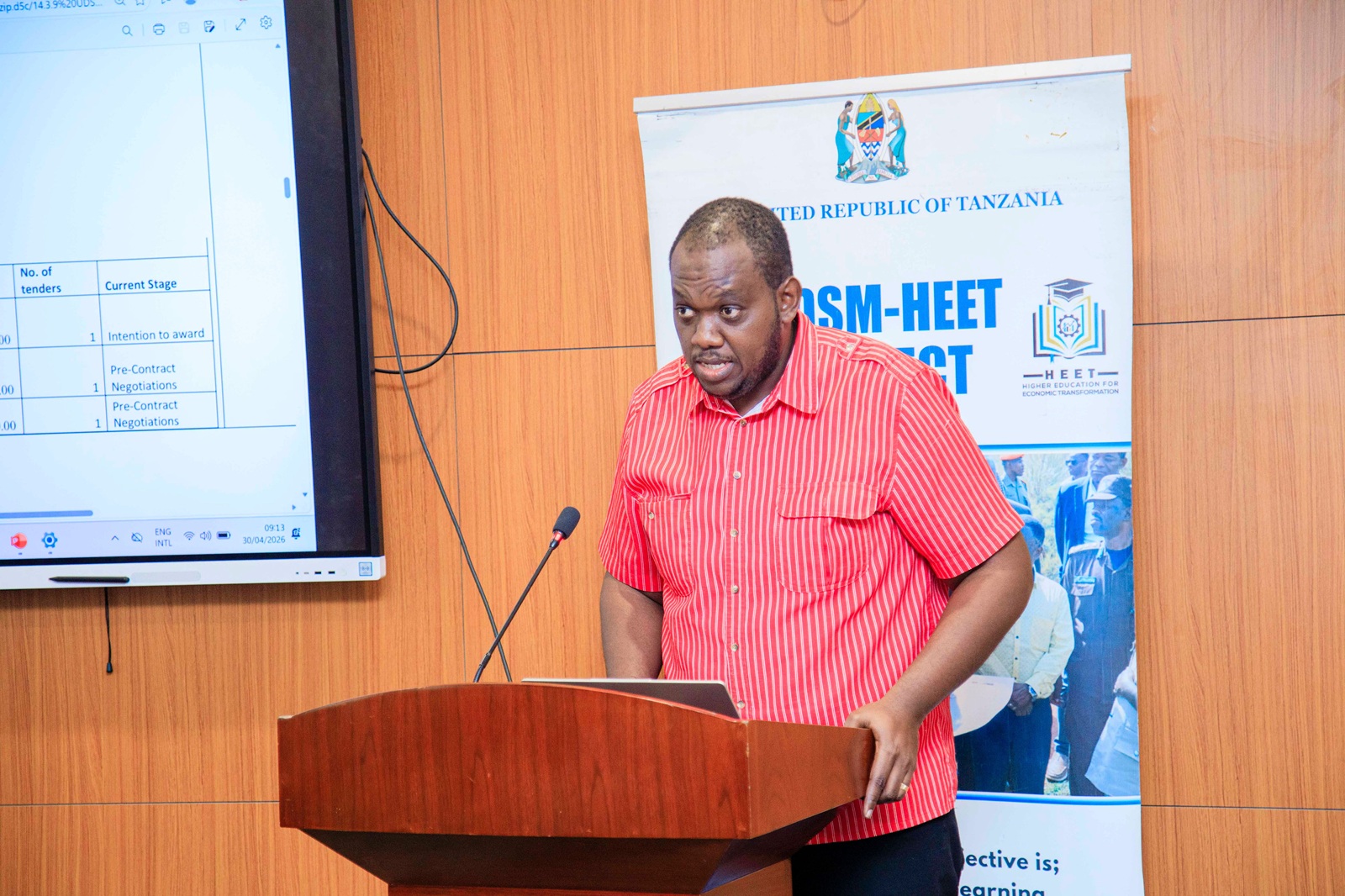
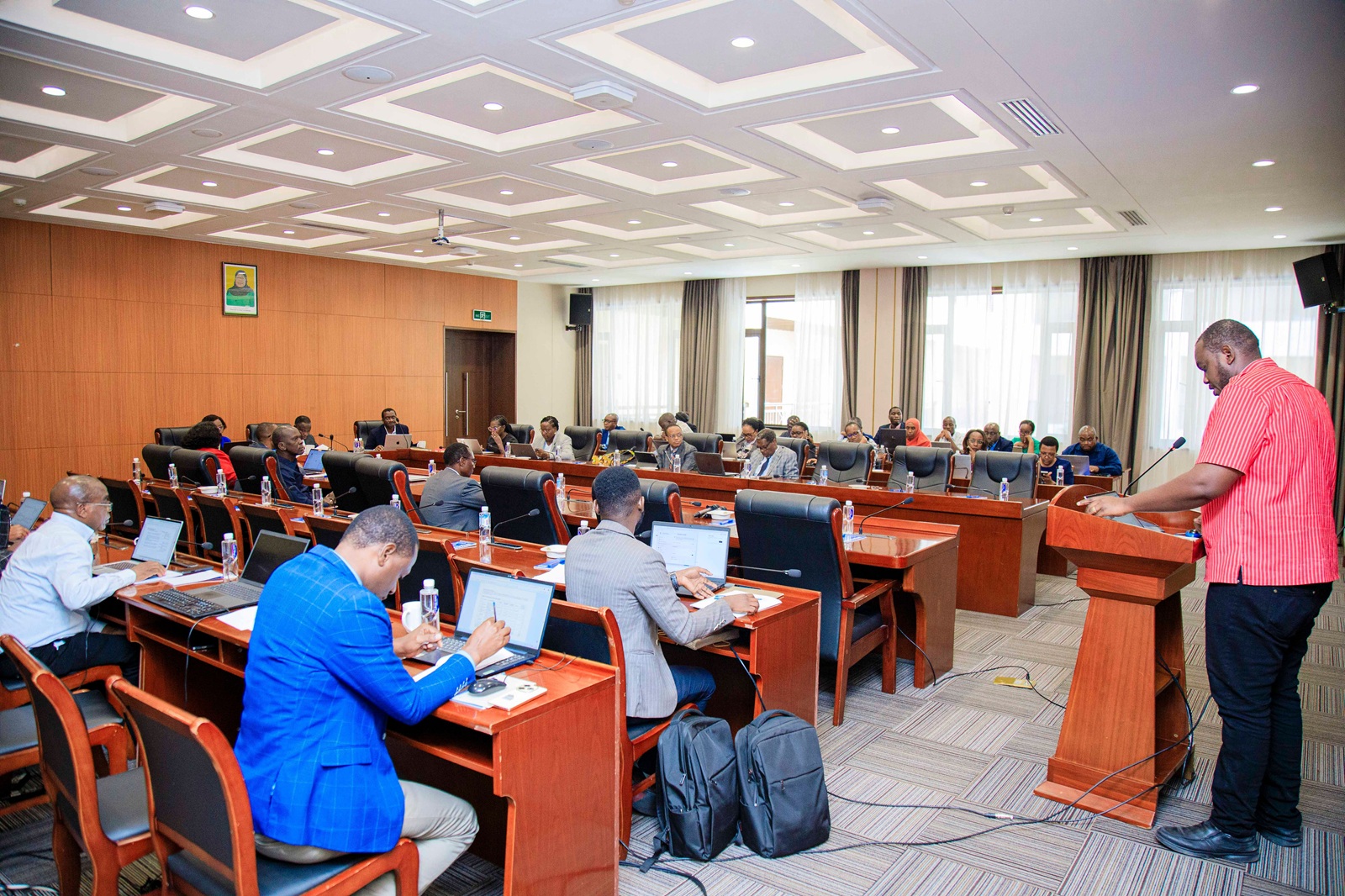
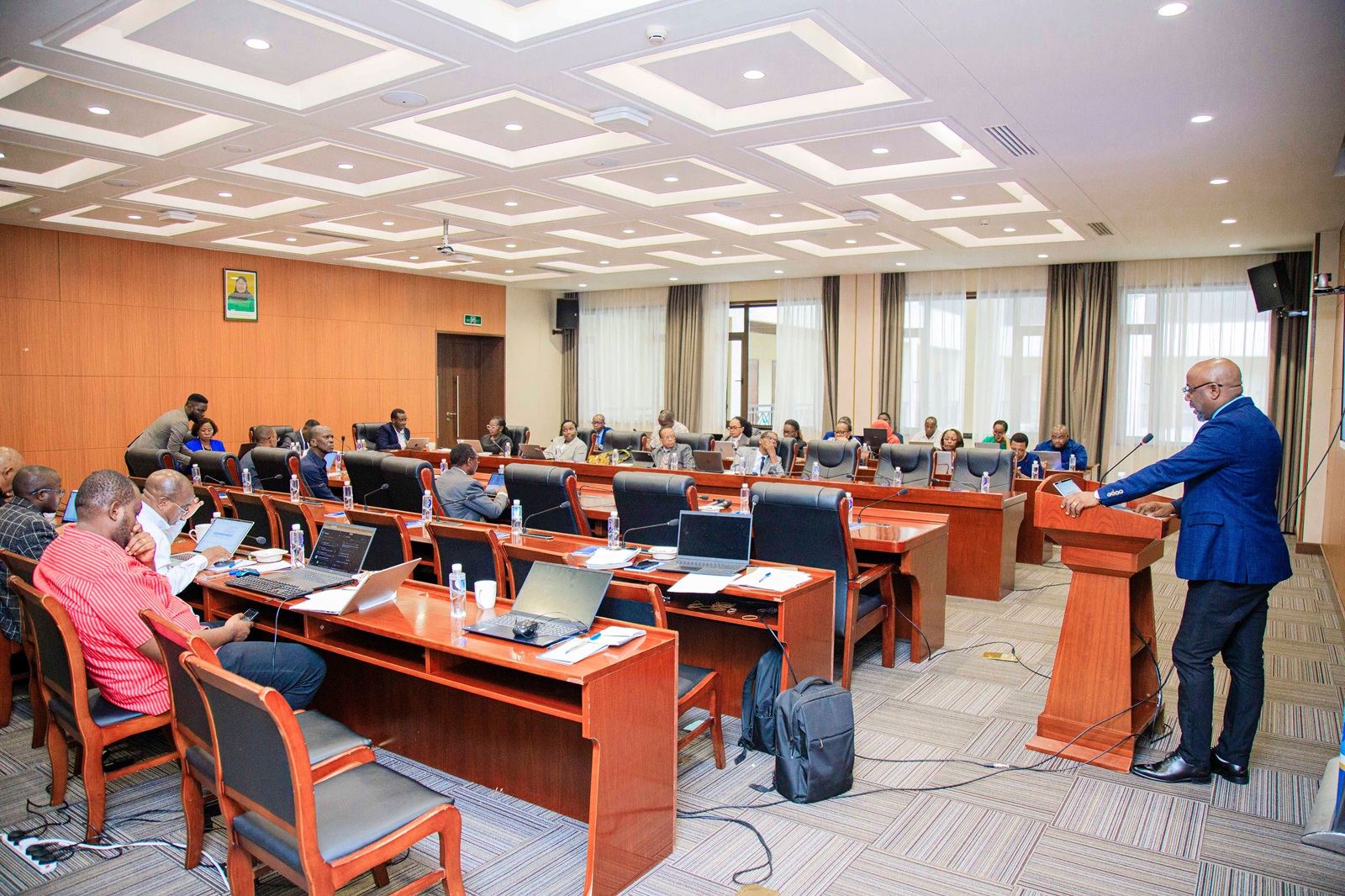
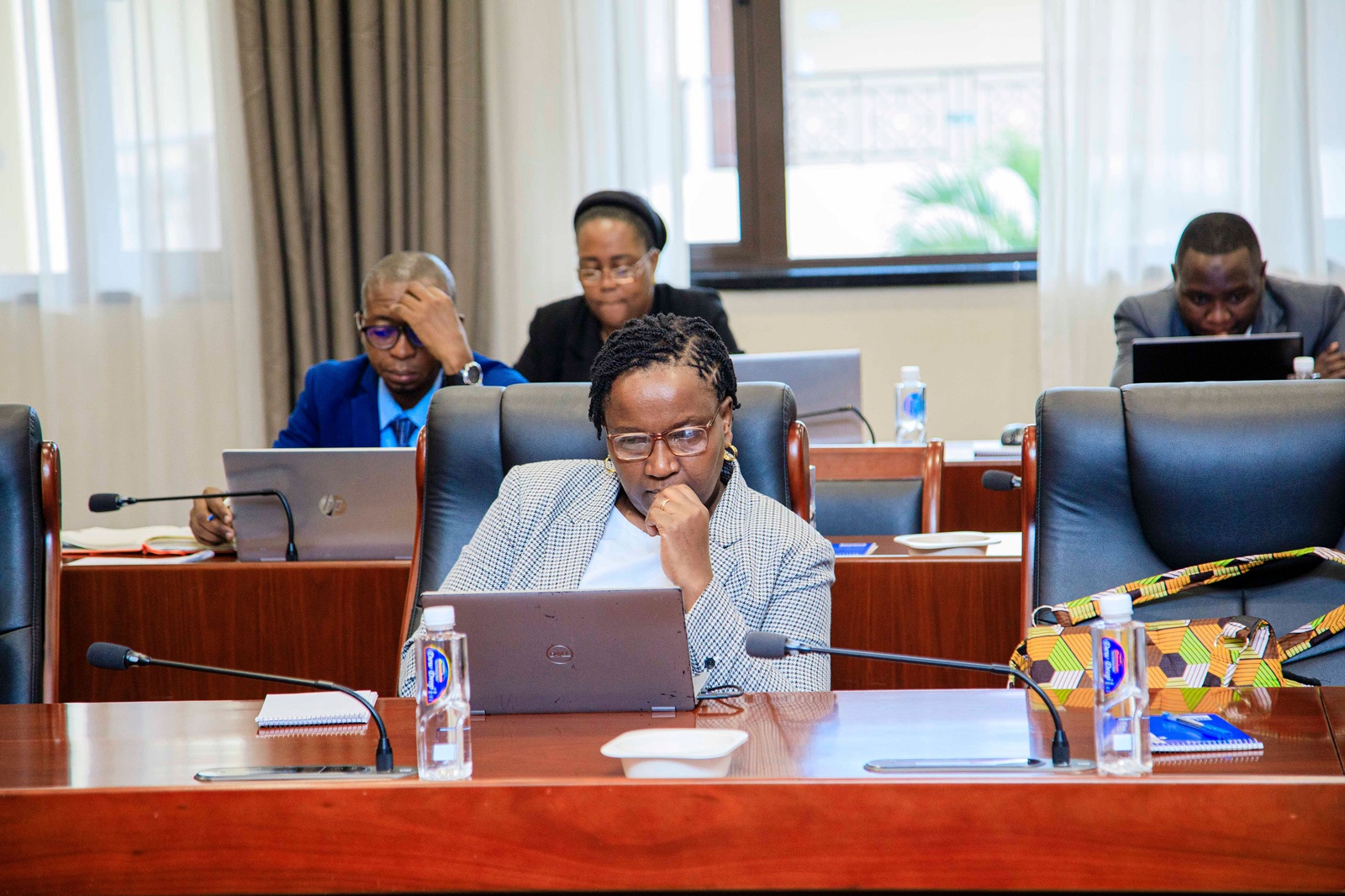
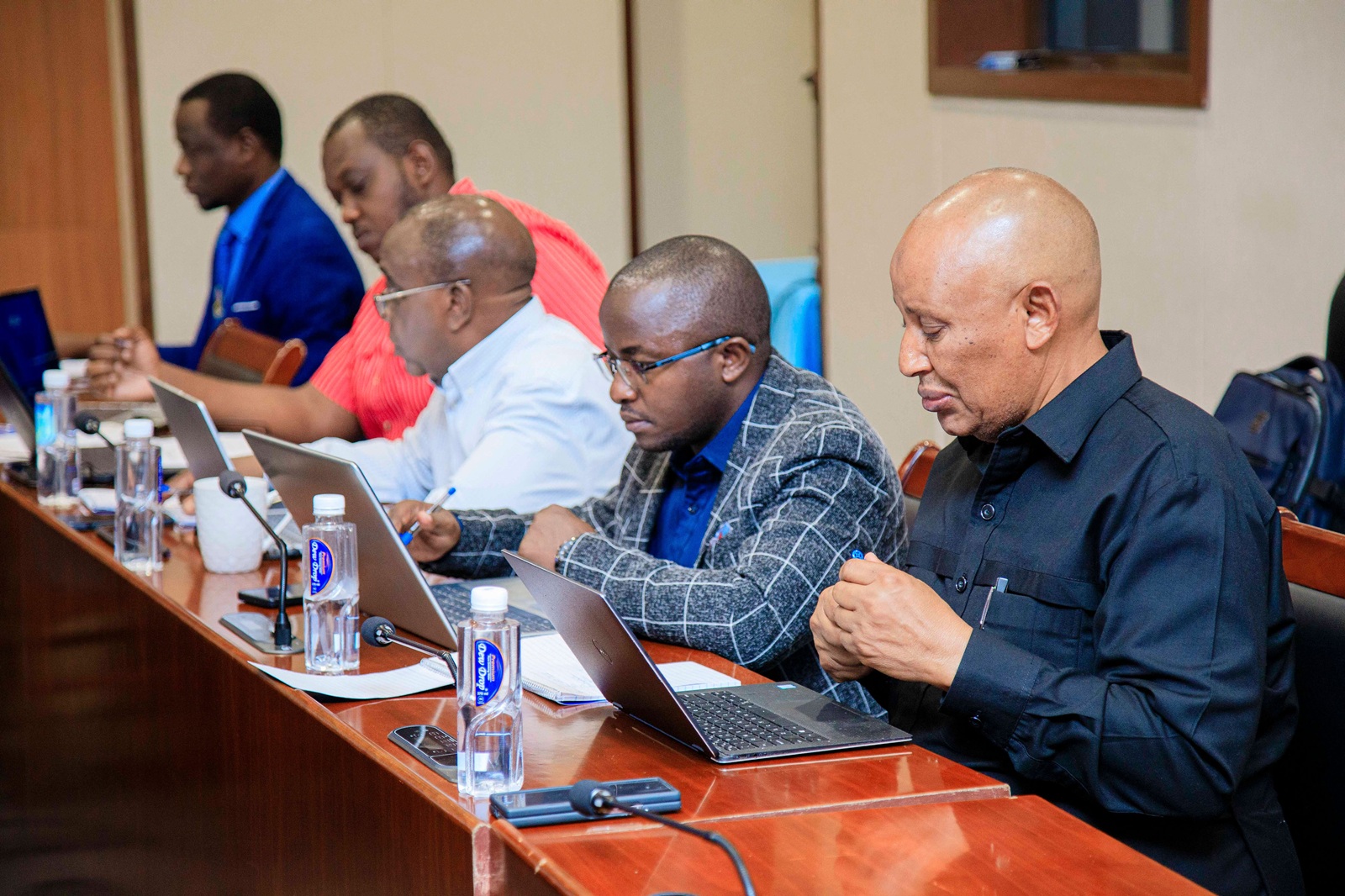
The progress, presented by the Project Implementation Unit (PIU) during the Institutional Project Steering Committee meeting held recently, reflects the University’s sustained commitment to strengthening higher education through improved infrastructure, curriculum transformation, digital innovation, research, and industry collaboration.
Speaking on the progress of the project, Vice Chancellor of the University of Dar es Salaam, Prof. William-Andey Lazaro Anangisye, commended the collective efforts of staff, project teams, and stakeholders in driving the successful implementation of the HEET initiatives.
He noted that the achievements recorded demonstrate the University’s strategic commitment to academic excellence and national development.
“The HEET Project is transforming the University in a very significant way. Beyond infrastructure, it is strengthening our capacity to deliver quality education, research, innovation, and services that respond directly to national and global demands,” said Prof. Anangisye.
Among the notable achievements highlighted in the report is the strong performance in curriculum review and innovation, which reached 291 percent of planned targets. To date, 285 academic programmes have been approved by the University Senate, with 246 submitted to the Tanzania Commission for Universities (TCU) and 146 already accredited.
Capacity building for academic staff and university leadership reached 97 percent completion, while initiatives aimed at promoting self-generated income attained full implementation. Significant progress was also recorded in strengthening functional linkages with industry, governance systems, and applied research.
UDSM HEET Coordinator and Deputy Vice Chancellor – Planning, Finance and Administration, Prof. Bernadeta Killian, said the progress achieved reflects effective coordination and strong institutional commitment toward the project objectives.
“We are witnessing tangible transformation across the University. The improvements in infrastructure, curriculum modernization, digital systems, and research capacity are laying a strong foundation for a more competitive and responsive higher education institution,” she said.
She further noted that the University remains focused on ensuring sustainability and timely completion of all remaining activities under the project.
Infrastructure development reaches 90 percent completion
The report also indicates that infrastructure development works have reached approximately 90 percent completion, with major investments directed toward improving the teaching and learning environment. Newly completed facilities include lecture halls, laboratories, seminar rooms, hostels, and staff offices.
Major projects at the Institute of Marine Sciences in Zanzibar, the College of Information and Communication Technologies (CoICT), and the School of Aquatic Sciences and Fisheries Technology (SoAF) have either been completed or are at advanced stages of implementation.
In the area of digital transformation, the University has continued to strengthen the use of technology in teaching, learning, and administration through the establishment of multimedia studios, implementation of digital administrative systems, and development of online learning platforms.
Deputy UDSM HEET Coordinator, Prof. Liberato Haule, noted that digital transformation remains a critical pillar in enhancing accessibility and efficiency within the University.
“The ongoing Smart Campus initiatives and virtual learning systems are positioning UDSM to meet the evolving demands of higher education in the digital era”, he said.
He added that several high-impact ICT initiatives currently under implementation are expected to accelerate progress in the coming phase.
Strengthening UDSM collaboration with industry
The University has also strengthened collaboration with industry through the operationalization of Industrial Advisory Committees and the signing of several Memoranda of Understanding (MoUs) with strategic partners. Notably, collaboration with the Tanzania Forest Conservation Group has enhanced research and outreach activities related to climate change and environmental conservation.
Financially, the University had received USD 37.27 million by March 2026, equivalent to 75 percent of the total HEET Project allocation. Cumulative expenditure stood at USD 25.78 million, representing 52 percent of the total budget and 69 percent of the funds received.
According to the report, the difference between physical implementation and financial absorption is largely attributed to the nature of infrastructure and ICT investments, where significant expenditures are realized during the final stages of implementation.
Despite the commendable progress, the University acknowledged several implementation challenges, including delays in construction material supply, slower accreditation processes for some curricula, limited staff participation in selected training programmes, and rising costs associated with exchange rate fluctuations.
Nevertheless, the University remains optimistic as it enters the final implementation phase, with priorities focused on completing ongoing infrastructure works, accelerating digital transformation, strengthening procurement efficiency, and enhancing stakeholder coordination.
The continued success of the HEET Project underscores UDSM’s growing role in advancing higher education transformation in Tanzania. Through sustained investment in infrastructure, academic innovation, research, and digital systems, the University continues to position itself as a leading centre of excellence committed to producing knowledge, skills, and solutions that contribute to national development.