

UDSM Challenges Graduates to Think Like CEOs and Create Opportunities
By Donald Boneka, CMU
University graduates should look beyond searching for employment and develop the mindset, leadership skills and initiative to identify and create opportunities in an increasingly competitive professional world, a professional development programme at the University of Dar es Salaam (UDSM) has emphasised.
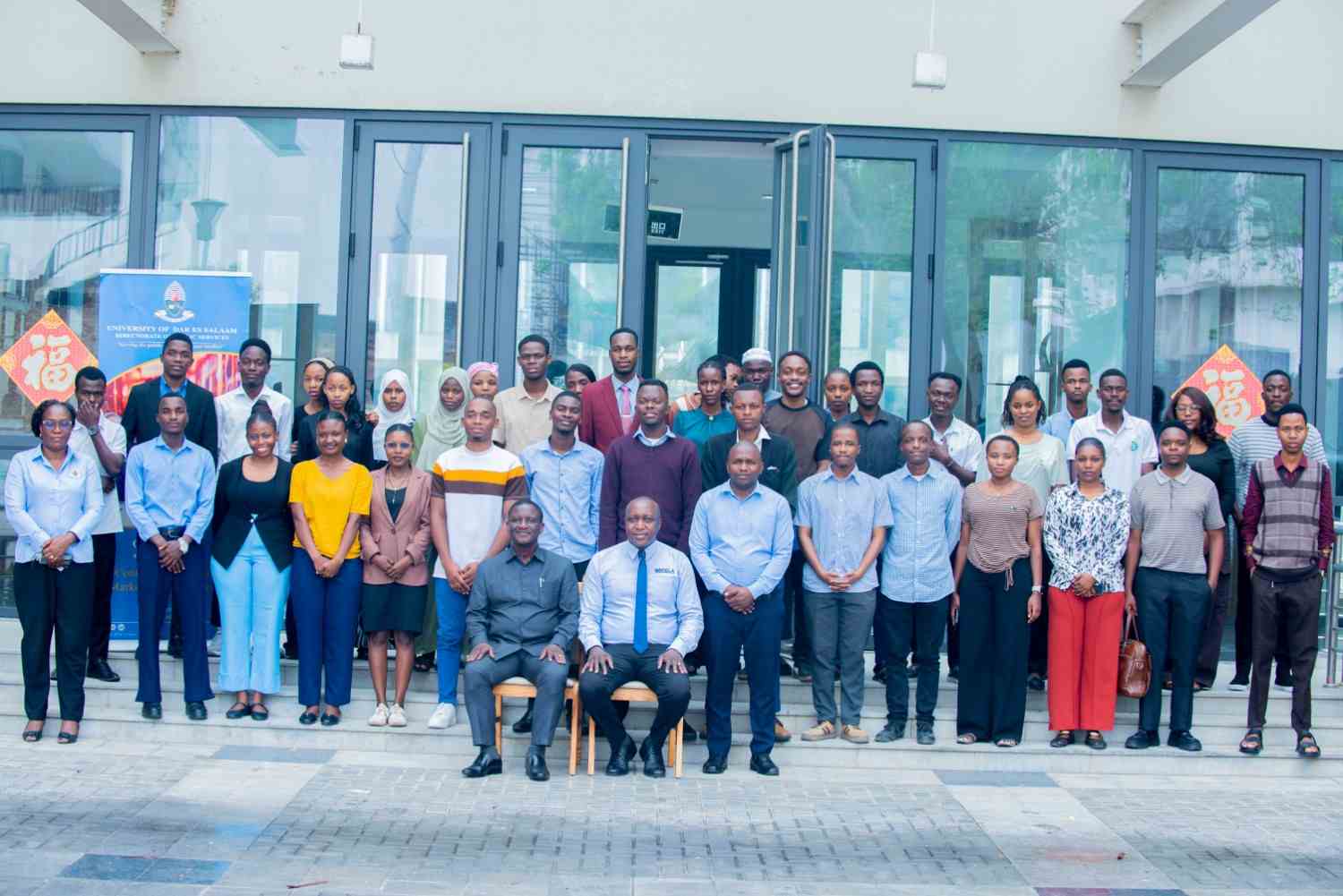
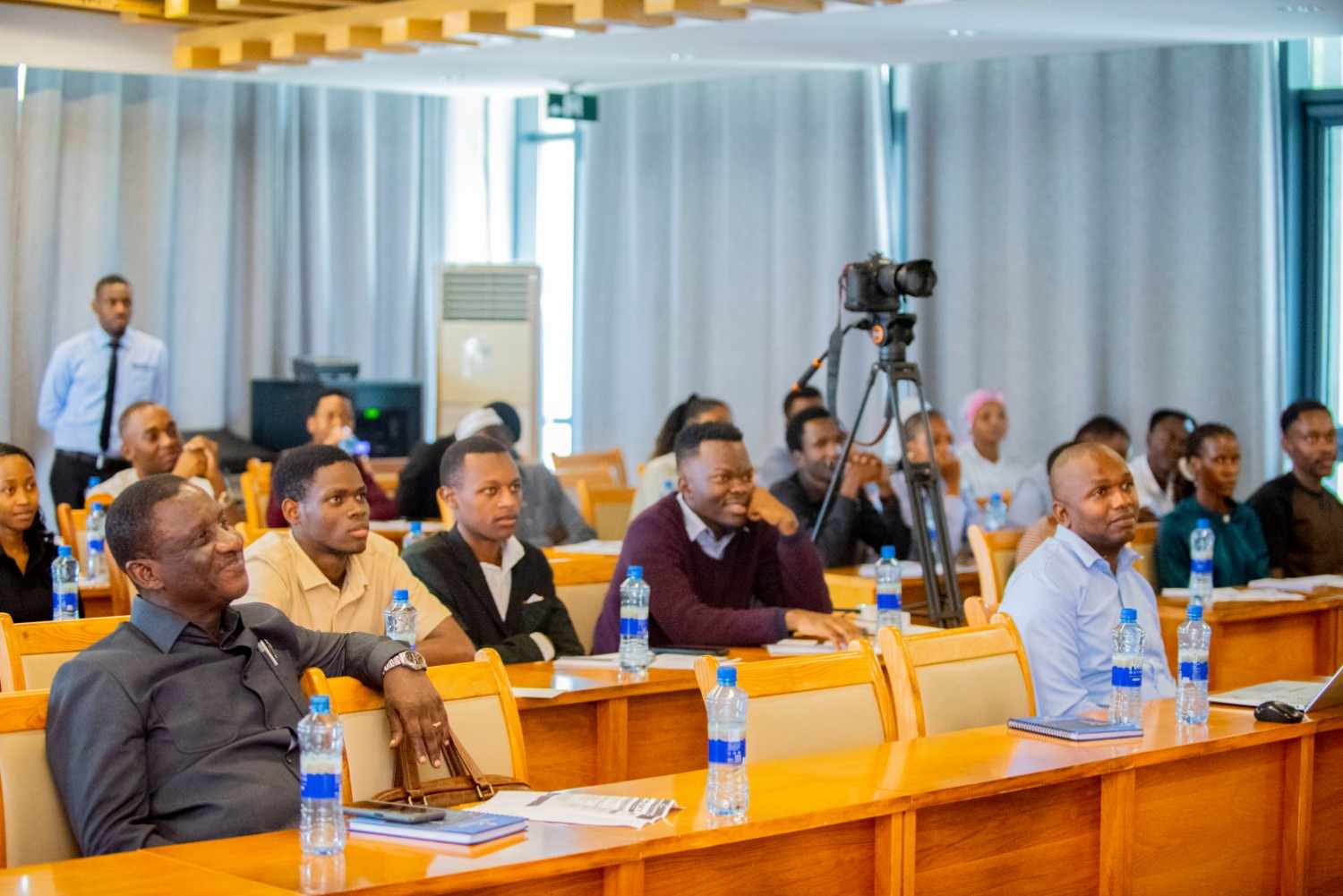
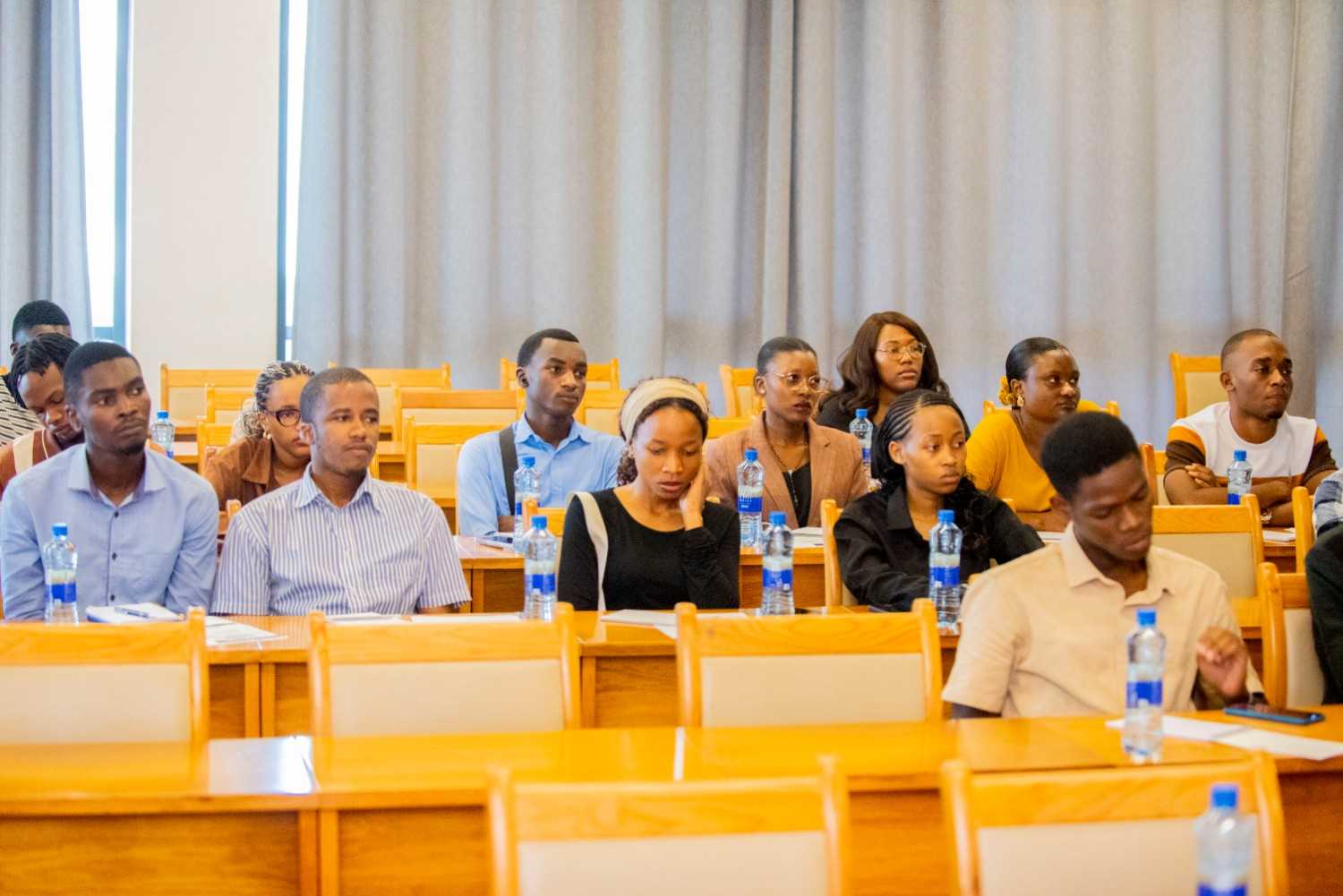
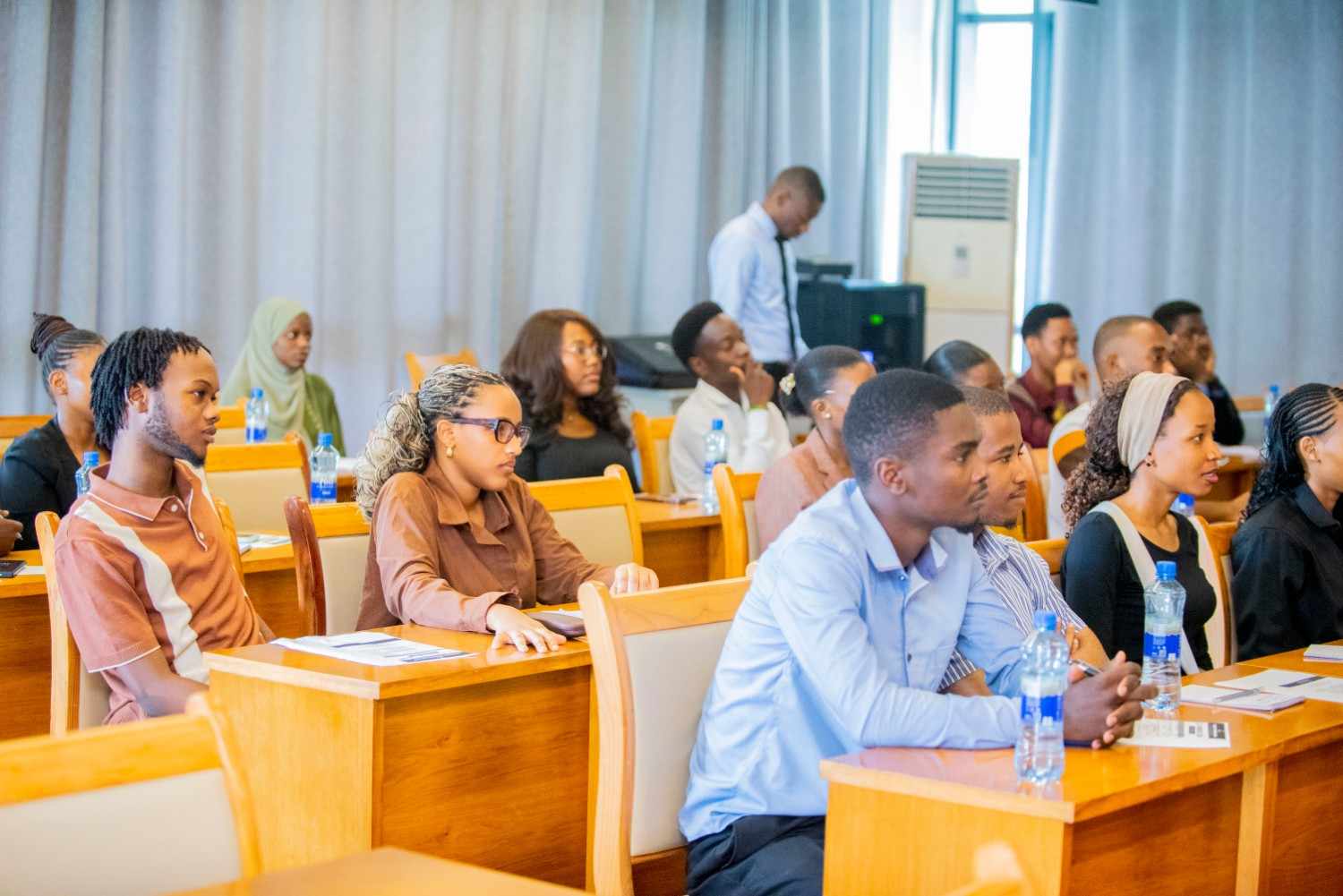
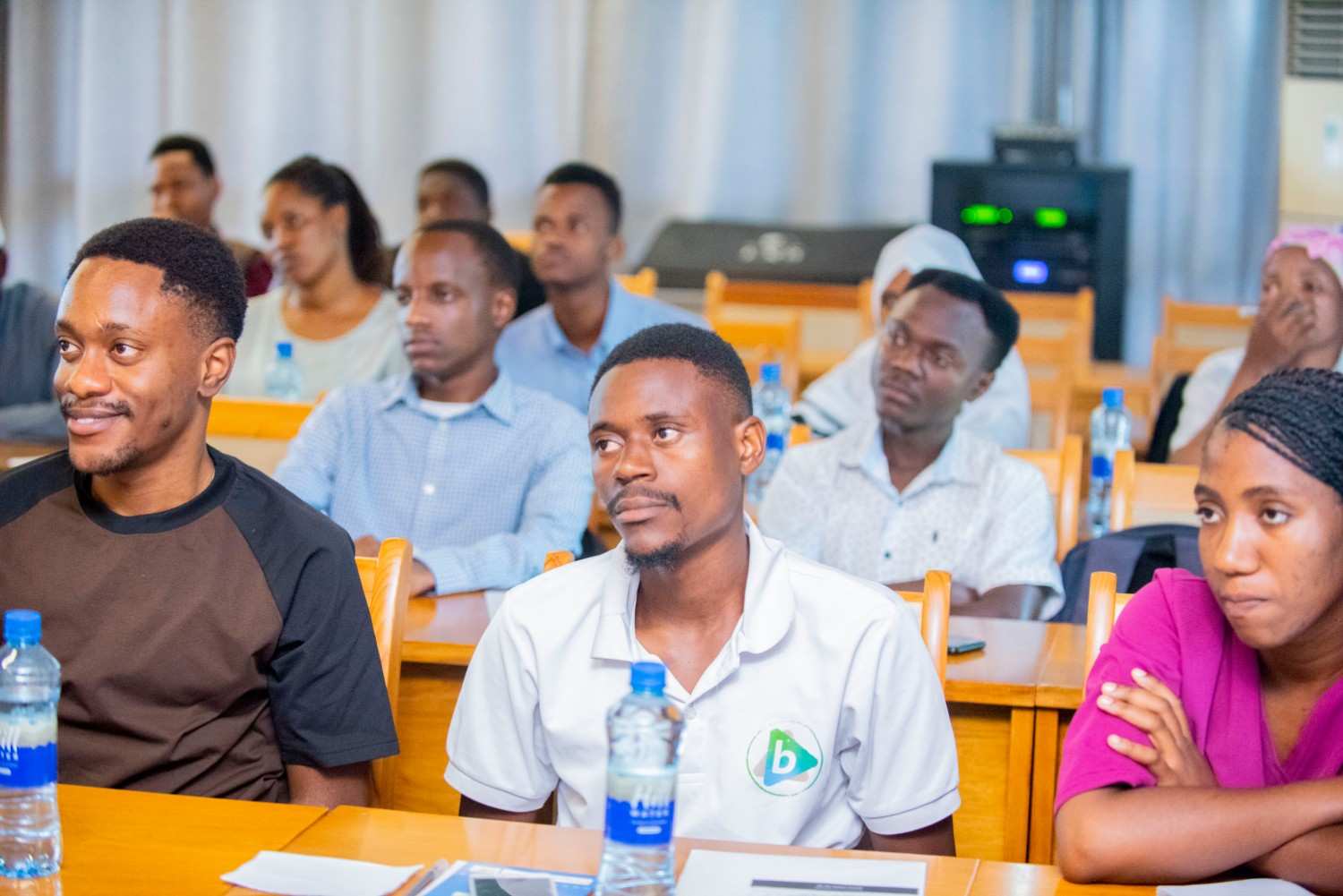
The message emerged during a programme held on September 17, 2026, at the UDSM–Confucius Institute, where participants explored the theme “Think Like a C.E.O. – Mindset, Leadership & Opportunity Creation.”
Organised through the UDSM Directorate of Public Services (DPS), the programme focused on leadership mindset, professional development and the transition from graduate to professional, with speakers challenging participants to think beyond academic qualifications and take greater responsibility for shaping their careers.
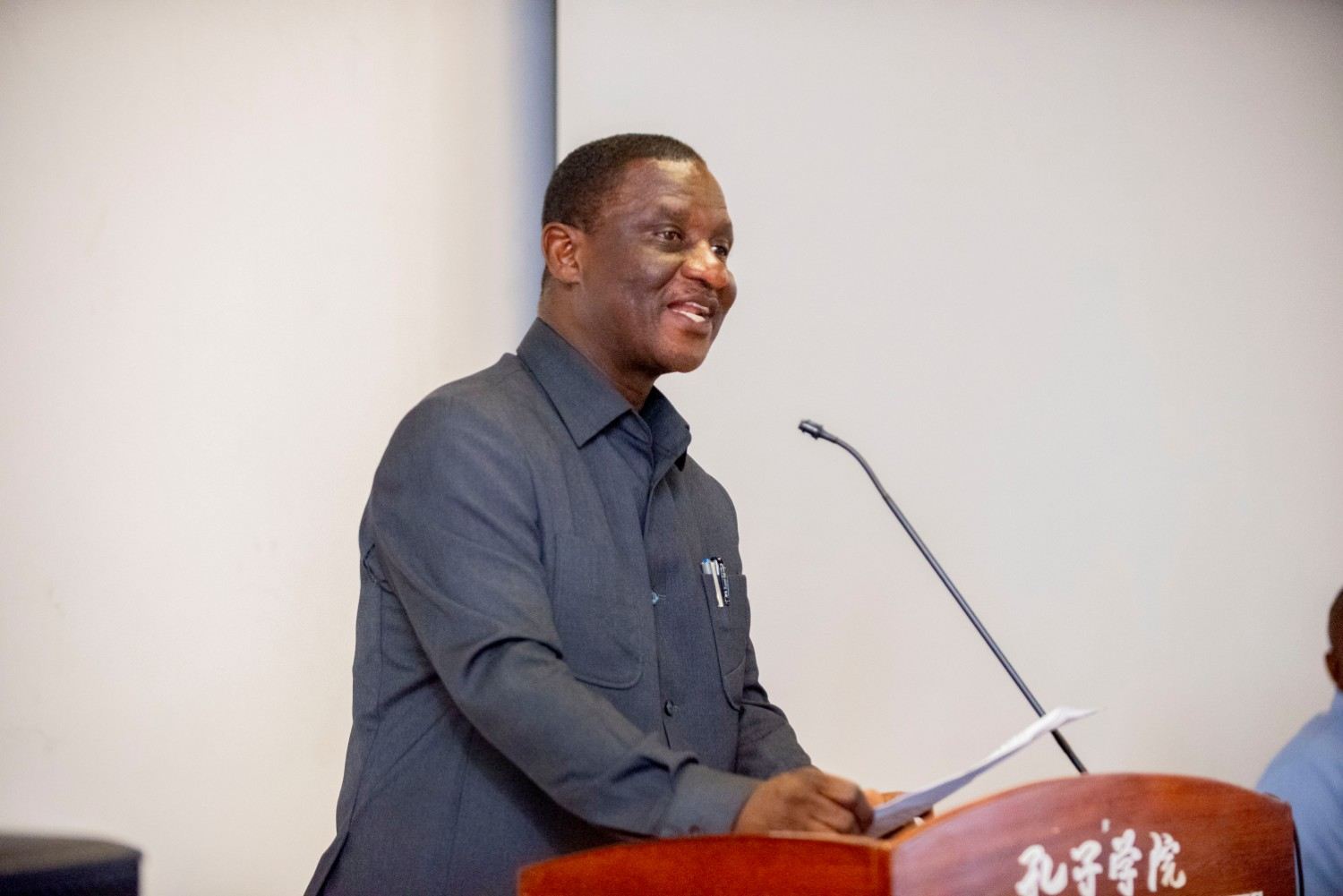
Opening the programme, Prof. Omari Mbura, Dean of the University of Dar es Salaam Business School (UDBS), said academic knowledge provides an important foundation, but graduates also need the mindset to recognise opportunities, demonstrate leadership and create value.
“Preparing graduates for the future goes beyond academic knowledge. It is equally important to develop a mindset that enables them to recognise opportunities, demonstrate leadership and create value wherever they find themselves,” he said.
His remarks underscored a growing reality for graduates: earning a qualification is an important milestone, but succeeding in the professional world also requires the ability to apply knowledge, solve problems, adapt to change and identify where one can make a meaningful contribution.
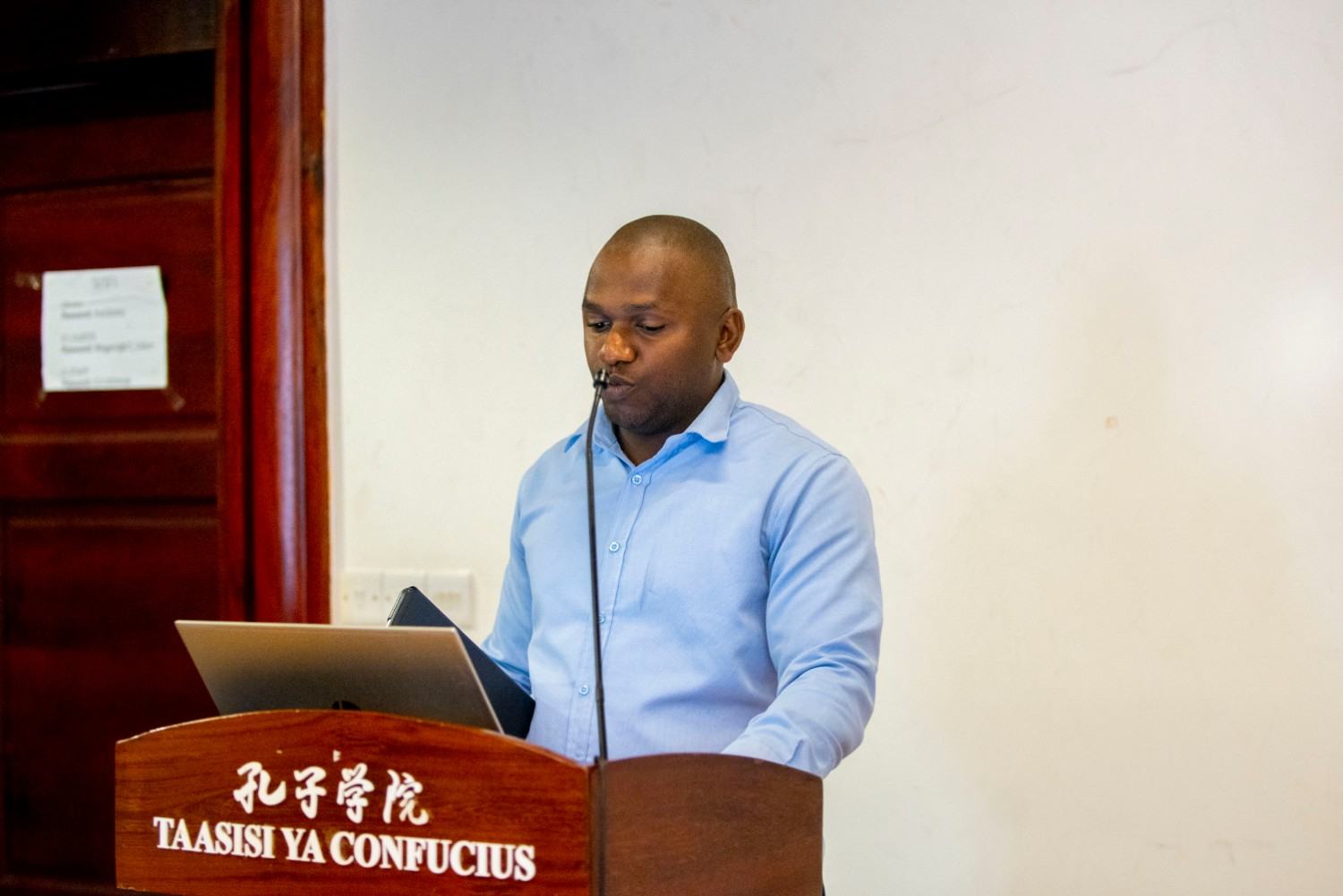
Introducing the programme, Mr. Zawadi George from DPS, outlined the purpose of the sessions and set the stage for discussions on the attitudes and skills needed to navigate professional life.
The transition from university to employment can require graduates to make a significant shift—from acquiring knowledge in the classroom to applying it in environments where initiative, judgement, collaboration and problem-solving are expected.
The programme therefore placed professional development within a broader context, encouraging participants to view career growth as an ongoing process rather than something that begins and ends with securing a job.
What does it mean to think like a CEO?
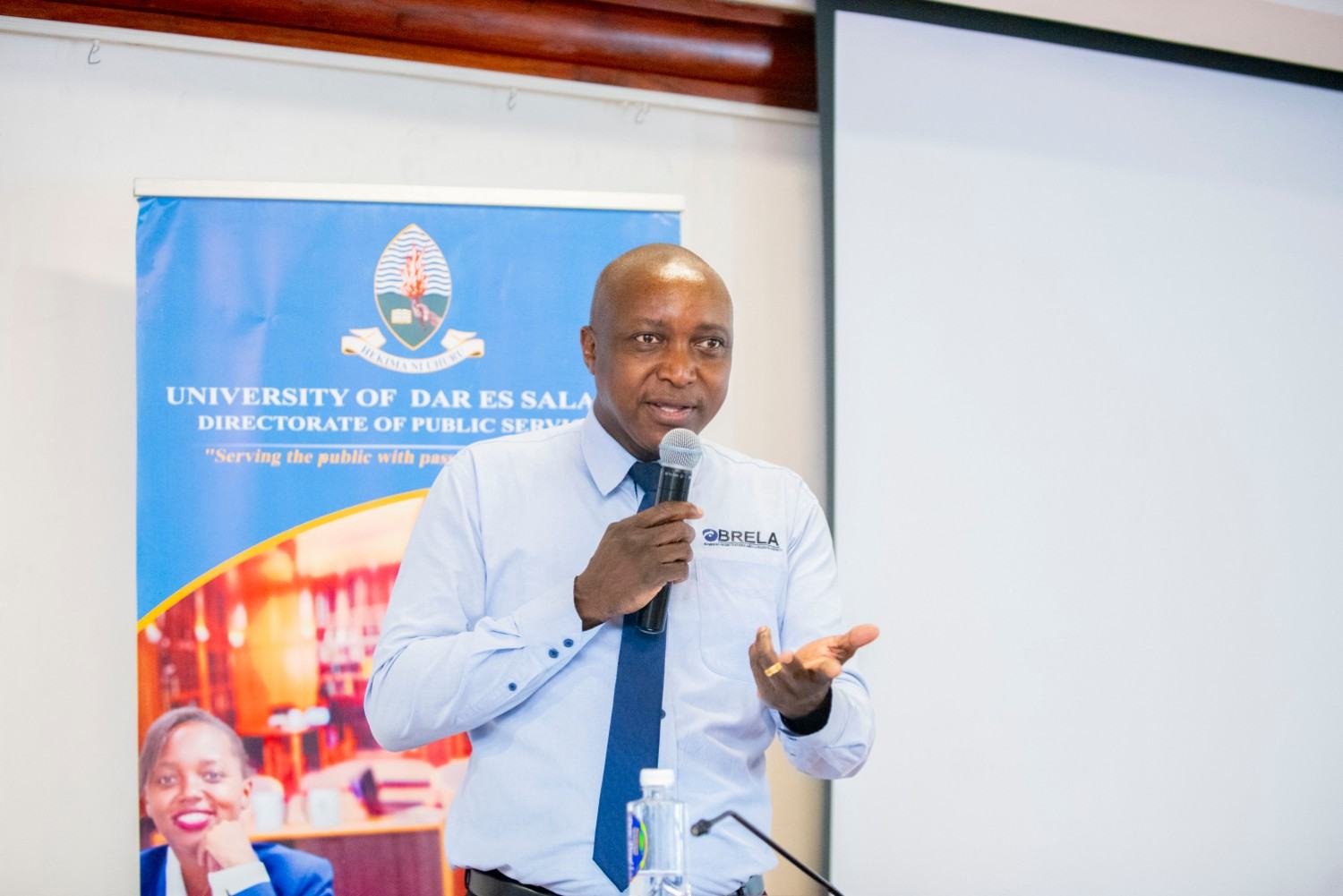
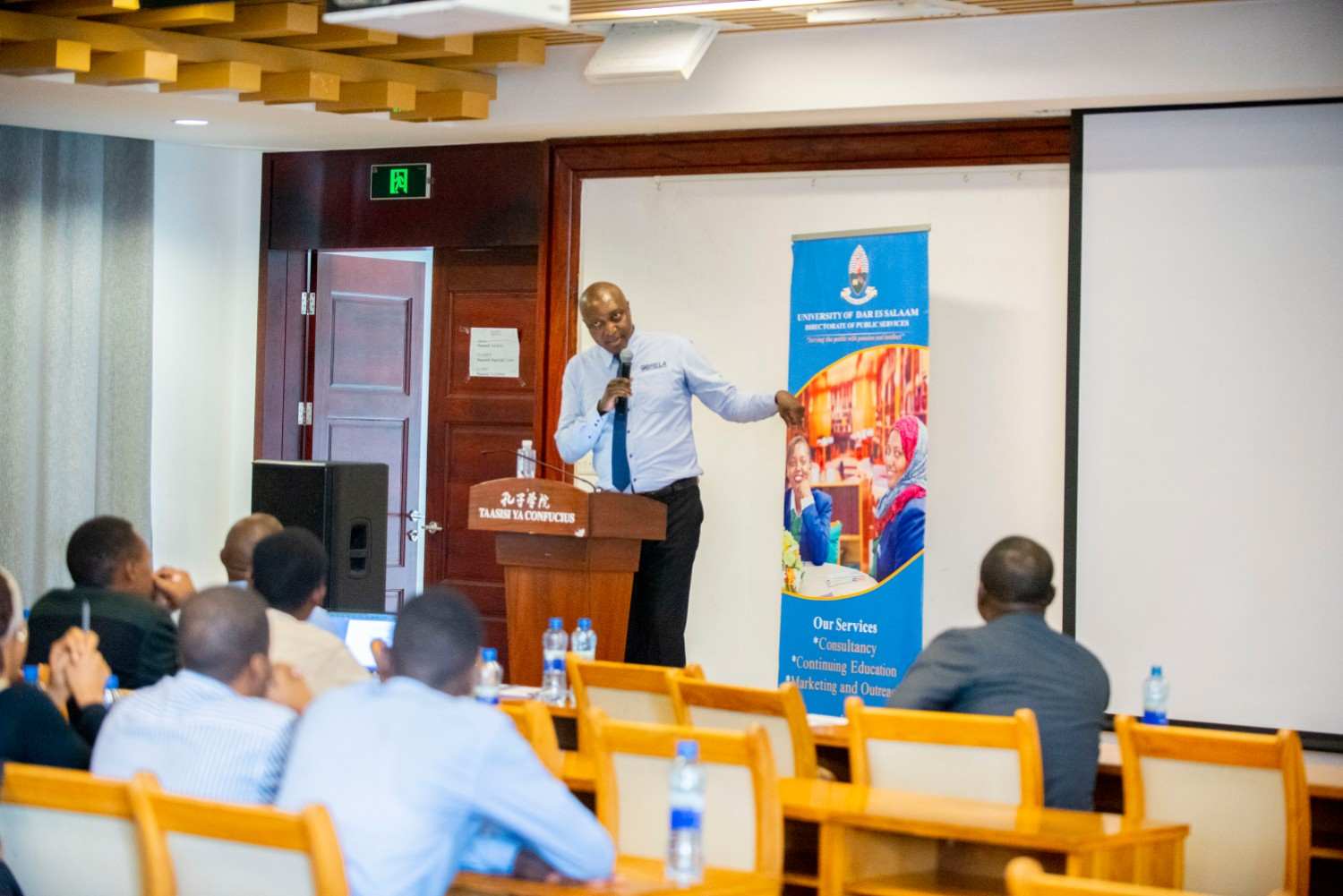
The question formed the heart of the keynote session delivered by Mr. Godfrey Simango Nyaisa, Chief Executive Officer of the Business Registrations and Licensing Agency (BRELA).
Mr Nyaisa challenged participants to understand leadership as more than occupying a senior position, arguing that the CEO mindset begins with how individuals approach responsibility, challenges and opportunities.
“Thinking like a CEO is not only about holding a leadership position; it is about developing the mindset to identify opportunities, take responsibility, solve problems and create value,” he said.
The message reframed the conventional question many graduates face after university—“Where can I find a job?”—into a more proactive one: “What can I do with what I know, and what opportunities can I create?”
For graduates, such a mindset can influence how they approach employment, entrepreneurship and professional development, particularly in a world where career paths are becoming increasingly diverse and dynamic.
The discussion continued through an interactive session titled “From Graduate to Professional,” also led by Mr. Nyaisa.
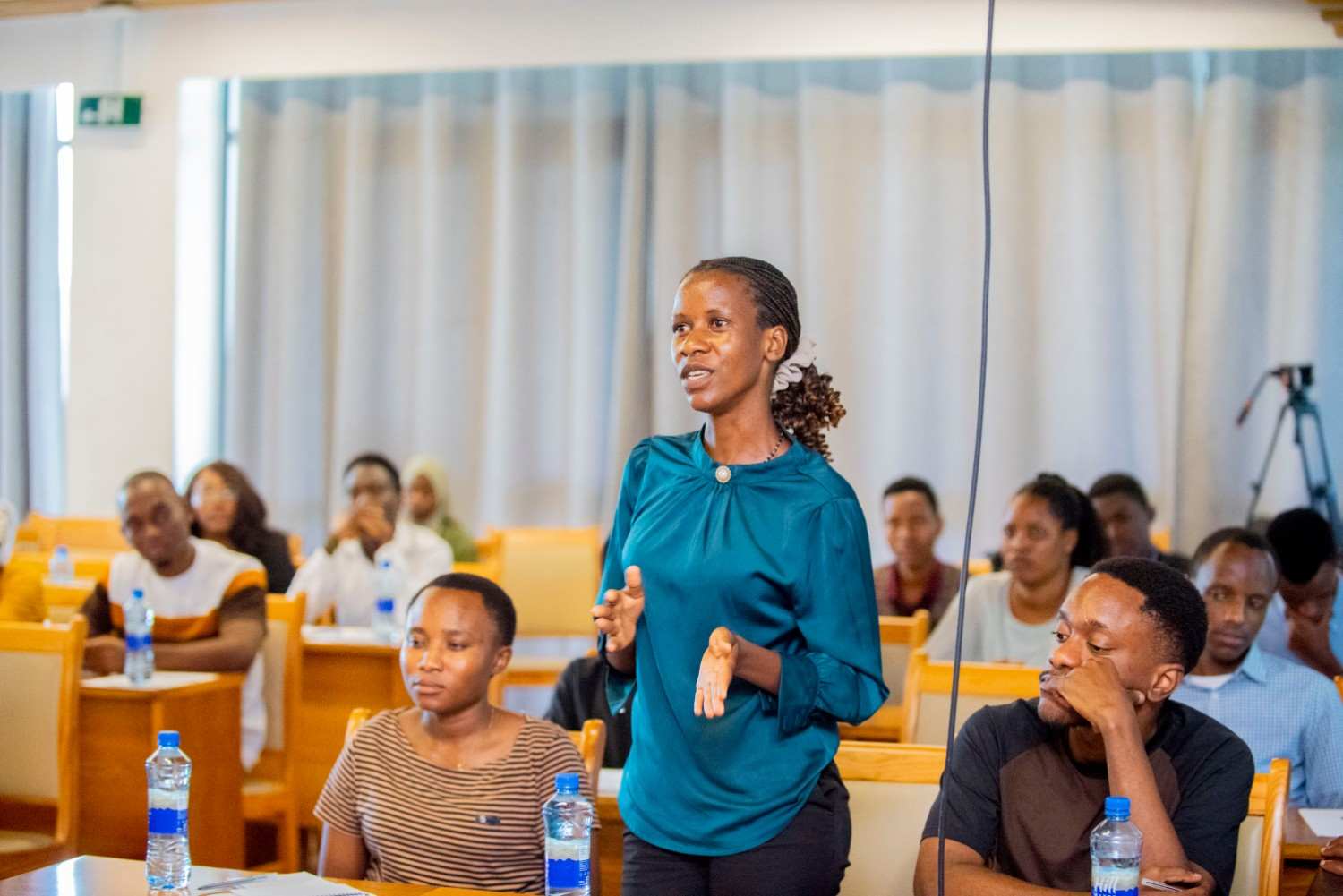
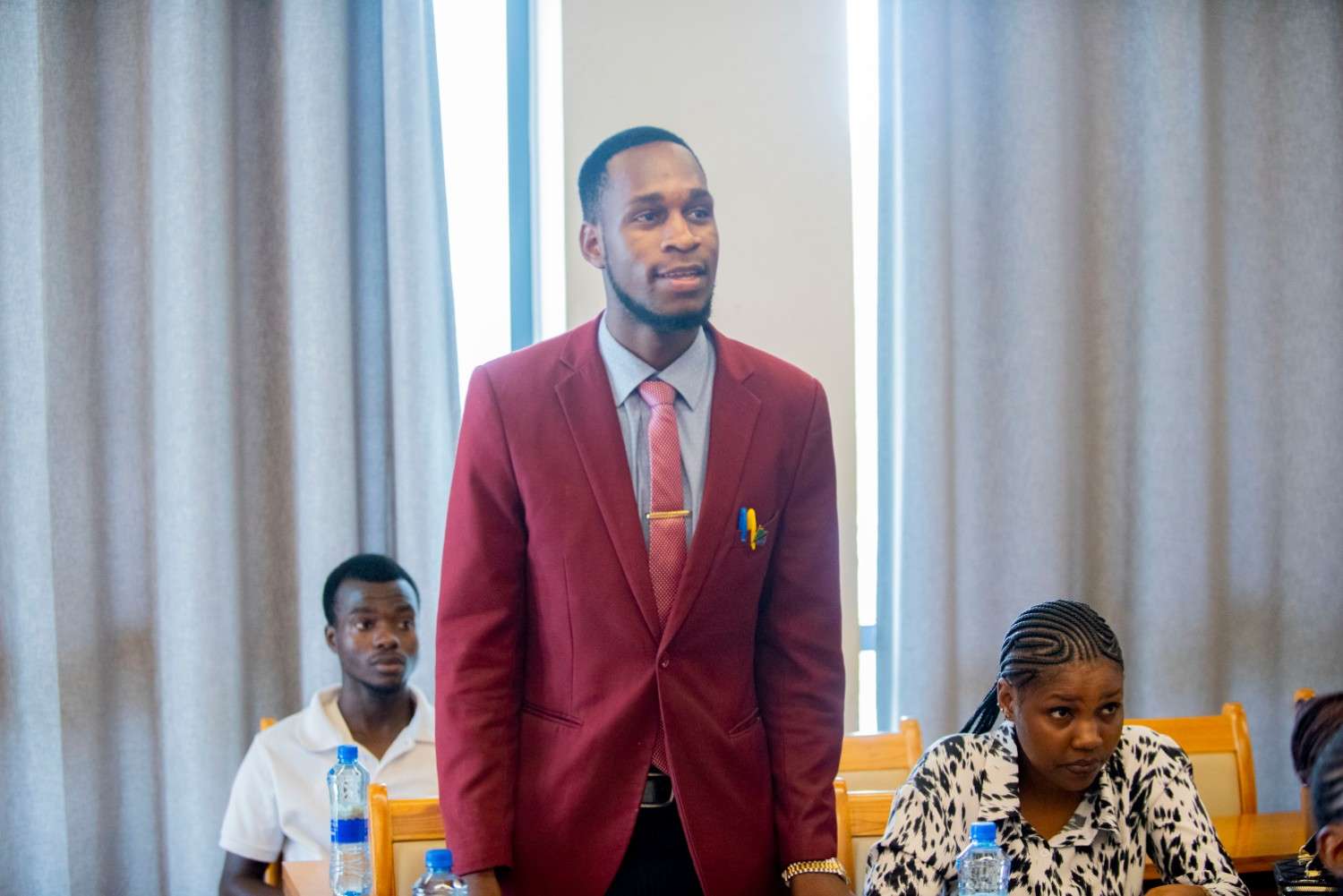
Participants reflected on the realities of entering professional environments and explored how the principles of responsibility, initiative, problem-solving and opportunity creation could be applied to their own career journeys.
The session also reinforced the idea that graduation should not mark the end of learning. Instead, it begins another phase in which professionals must continuously acquire new knowledge, build relationships, adapt to changing circumstances and demonstrate the ability to create value.
For many graduates, this transition can involve navigating different pathways, including formal employment, entrepreneurship, innovation, consultancy and other emerging forms of professional engagement.
Leadership begins before the title
The discussions ultimately placed leadership within reach of every graduate, rather than limiting it to those who already occupy executive positions.
Leadership can begin with taking responsibility for a task, identifying a problem, helping others find a solution or recognising an opportunity where others see a challenge.
For UDSM, professional development programmes of this nature provide an important link between academic learning and the realities graduates encounter beyond the university, while giving participants access to practical perspectives from leaders working across different sectors.
The programme left participants with a message that extends beyond the pursuit of a CEO title: professional success begins with how individuals respond to responsibility, challenges and opportunities.
For a graduate standing at the threshold of professional life, thinking like a CEO may therefore not mean having an office at the top of an organisation. It may simply mean seeing an opportunity, taking responsibility and having the initiative to turn an idea into value.