

UDSM Inducts 329 New Staff, Sets Bold Tone for Excellence, Innovation and National Impact
By Renancy Remmy, CMU
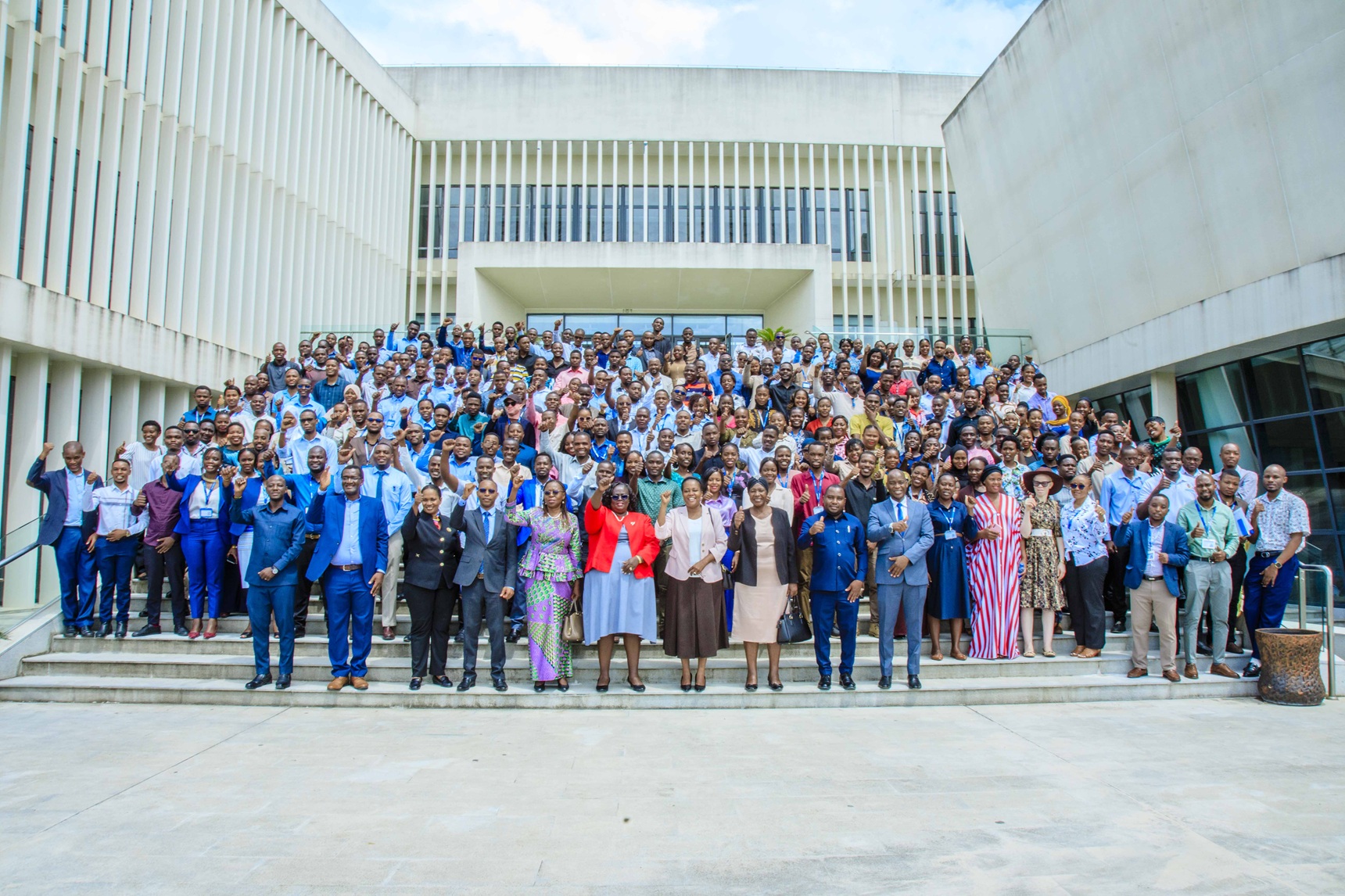
The University of Dar es Salaam (UDSM) has conducted a comprehensive three-day induction seminar for newly appointed staff, reaffirming its commitment to professionalism, capacity building, and institutional excellence.
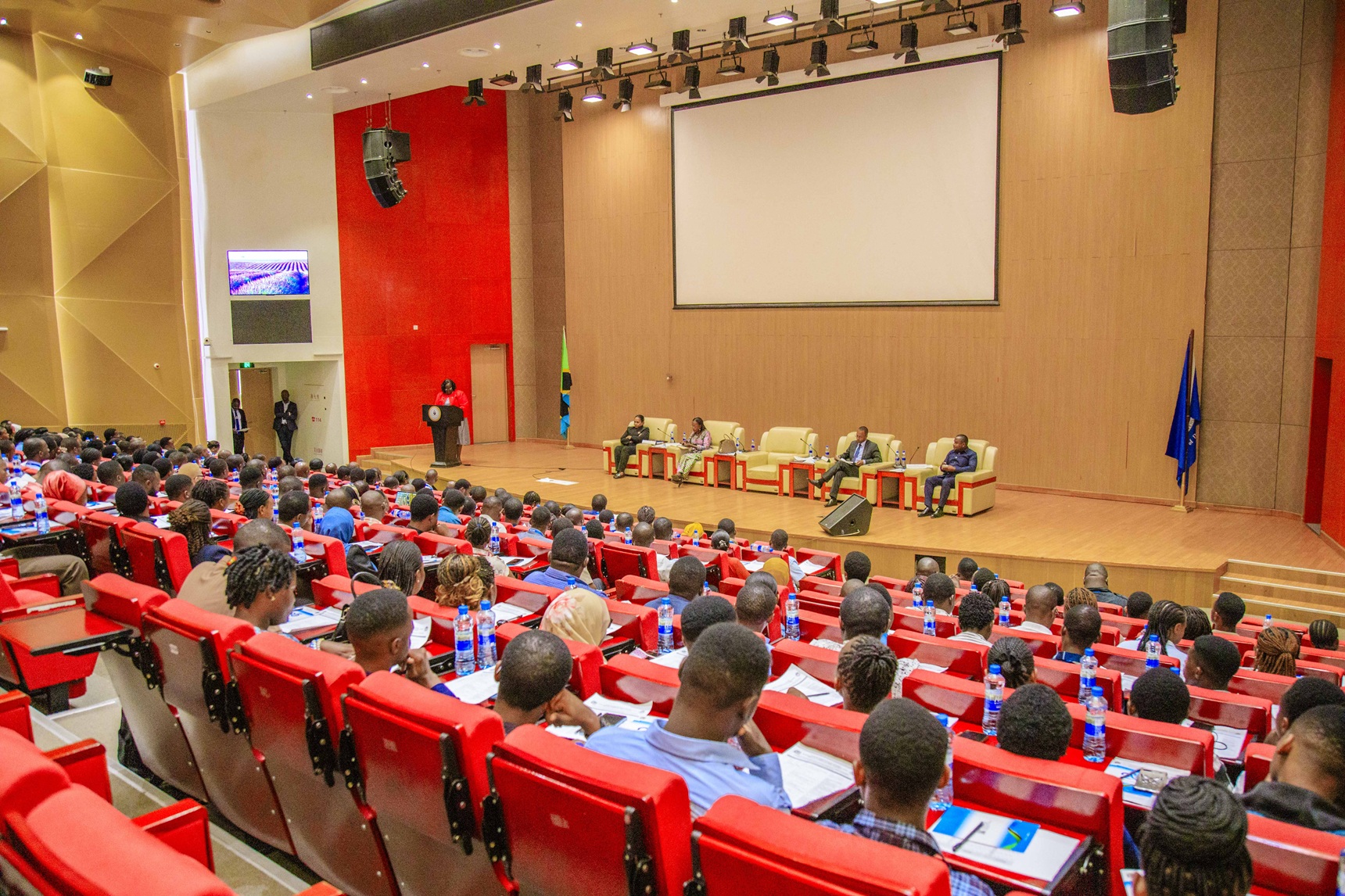
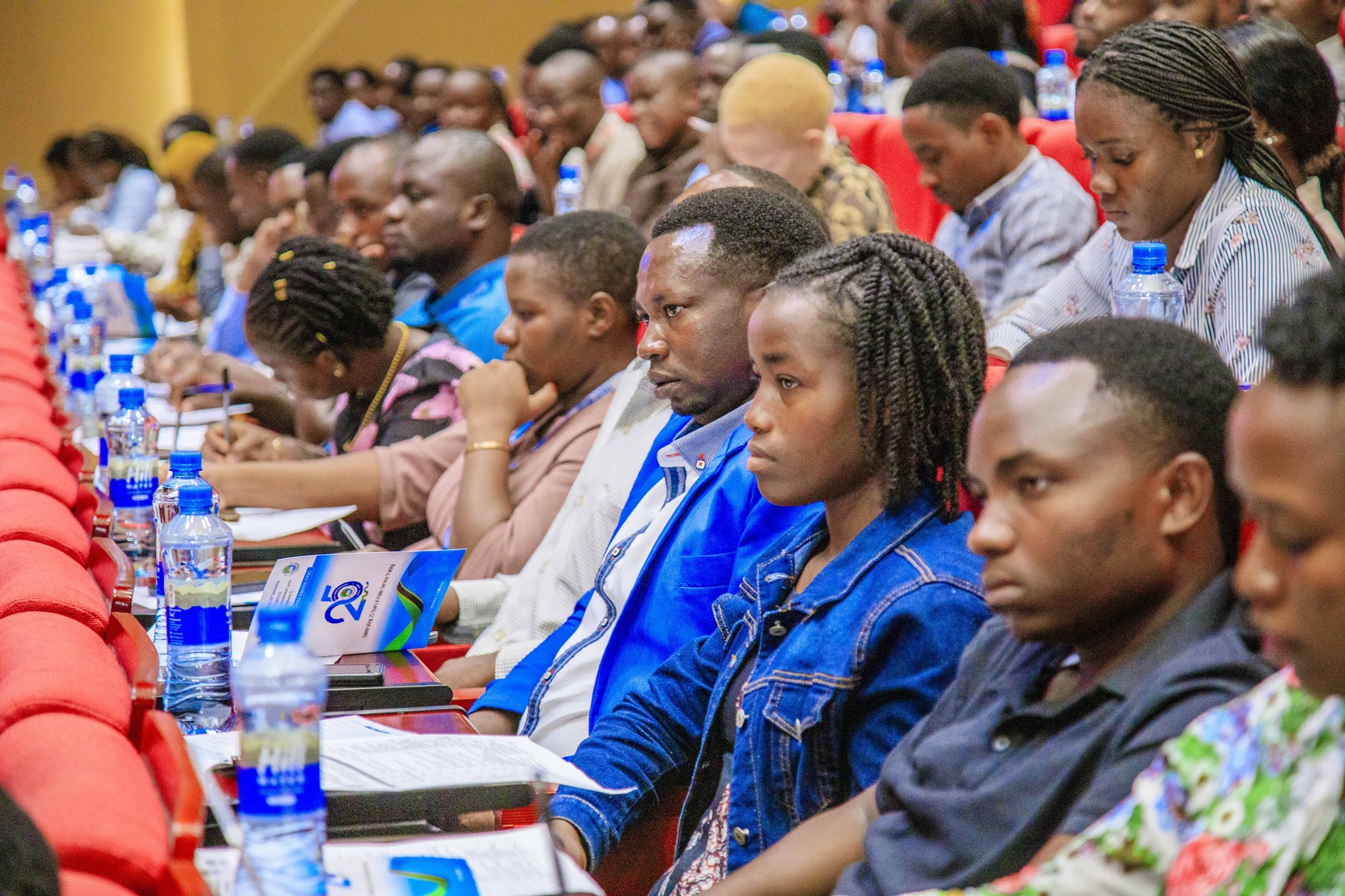
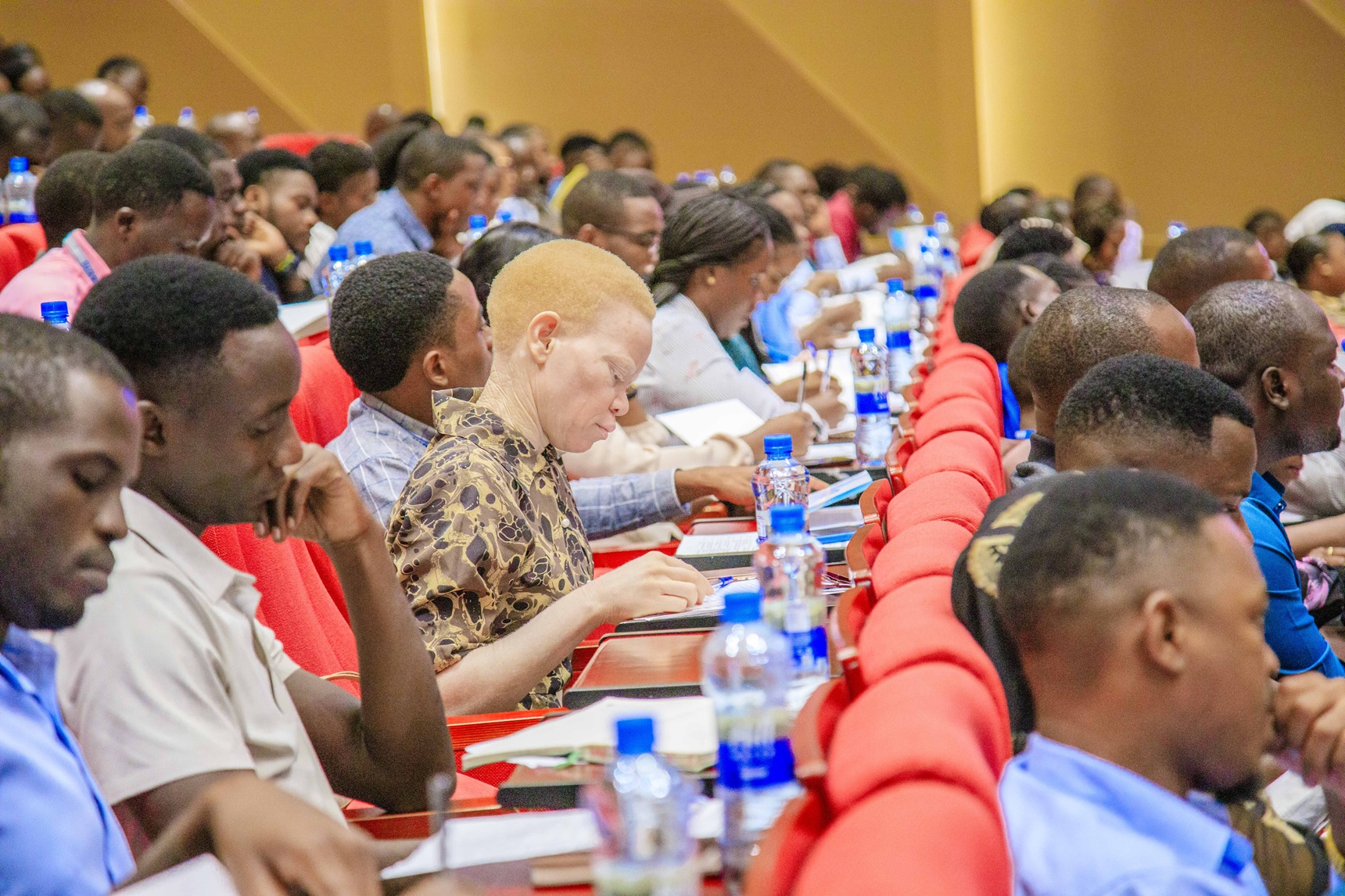
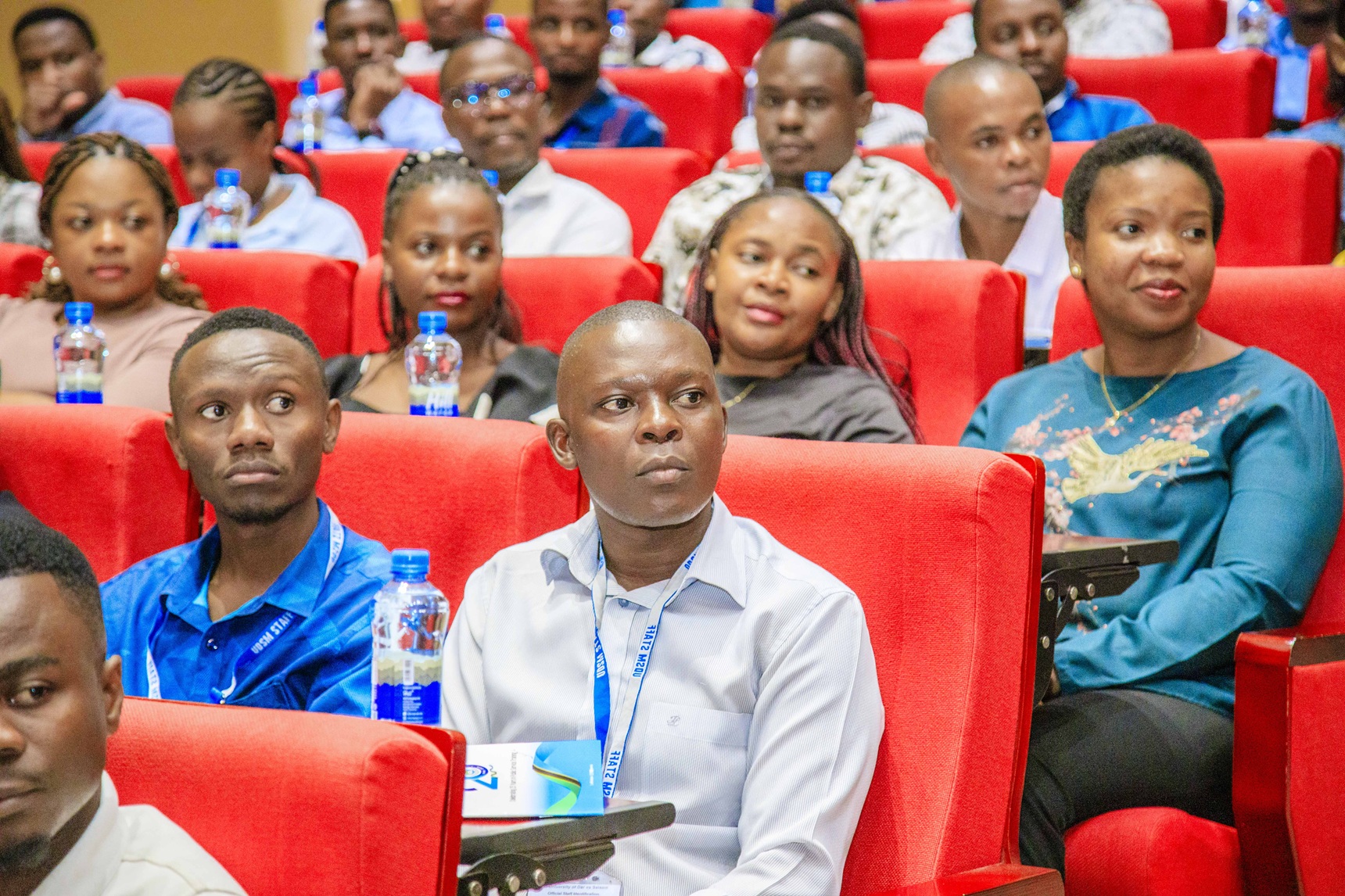
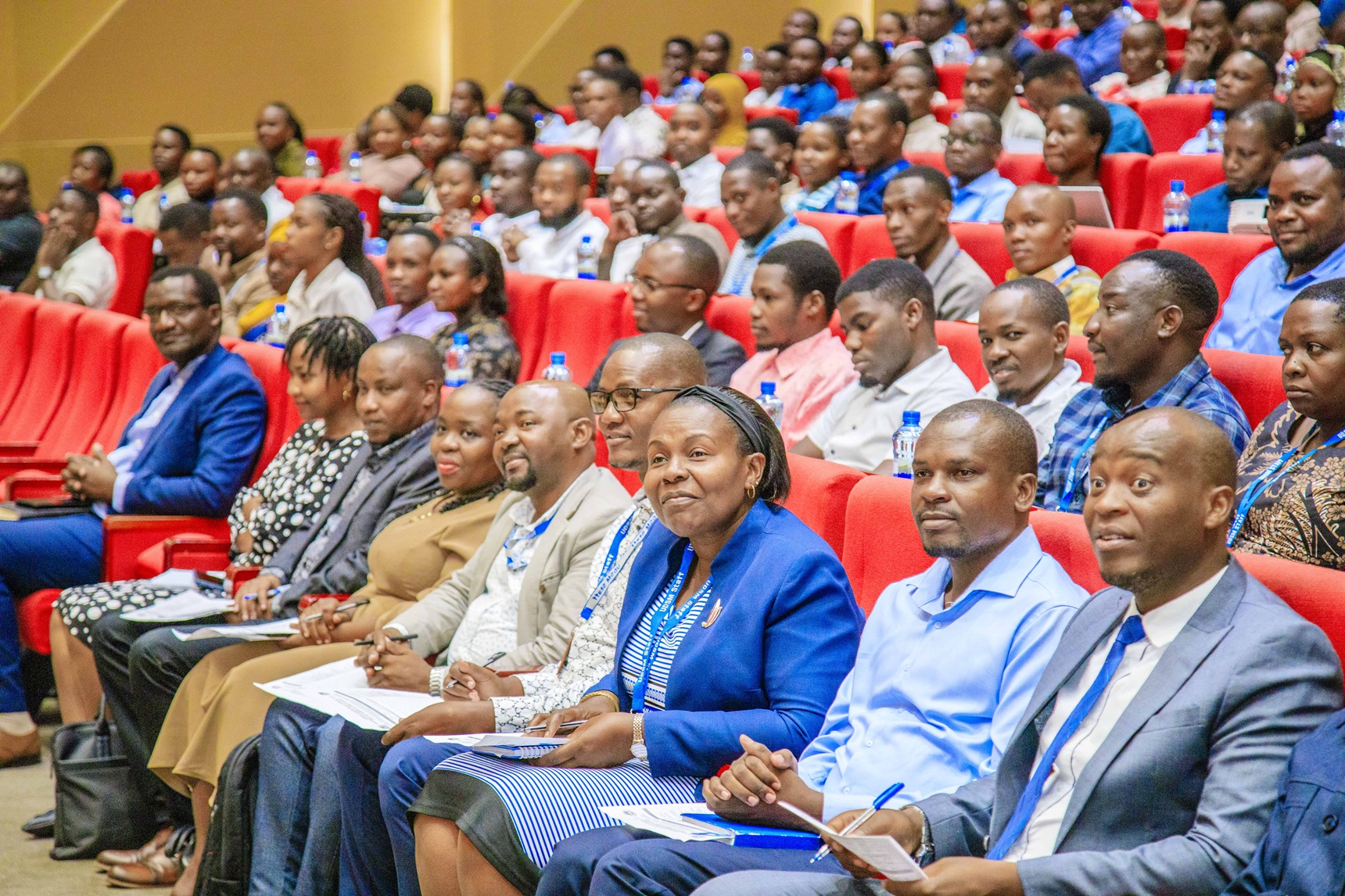
Held from 23 to 25 March 2026 at the New Library Auditorium, the seminar brought together 329 staff members drawn from the University’s campuses in Dar es Salaam, Dodoma, Mbeya, and Zanzibar.
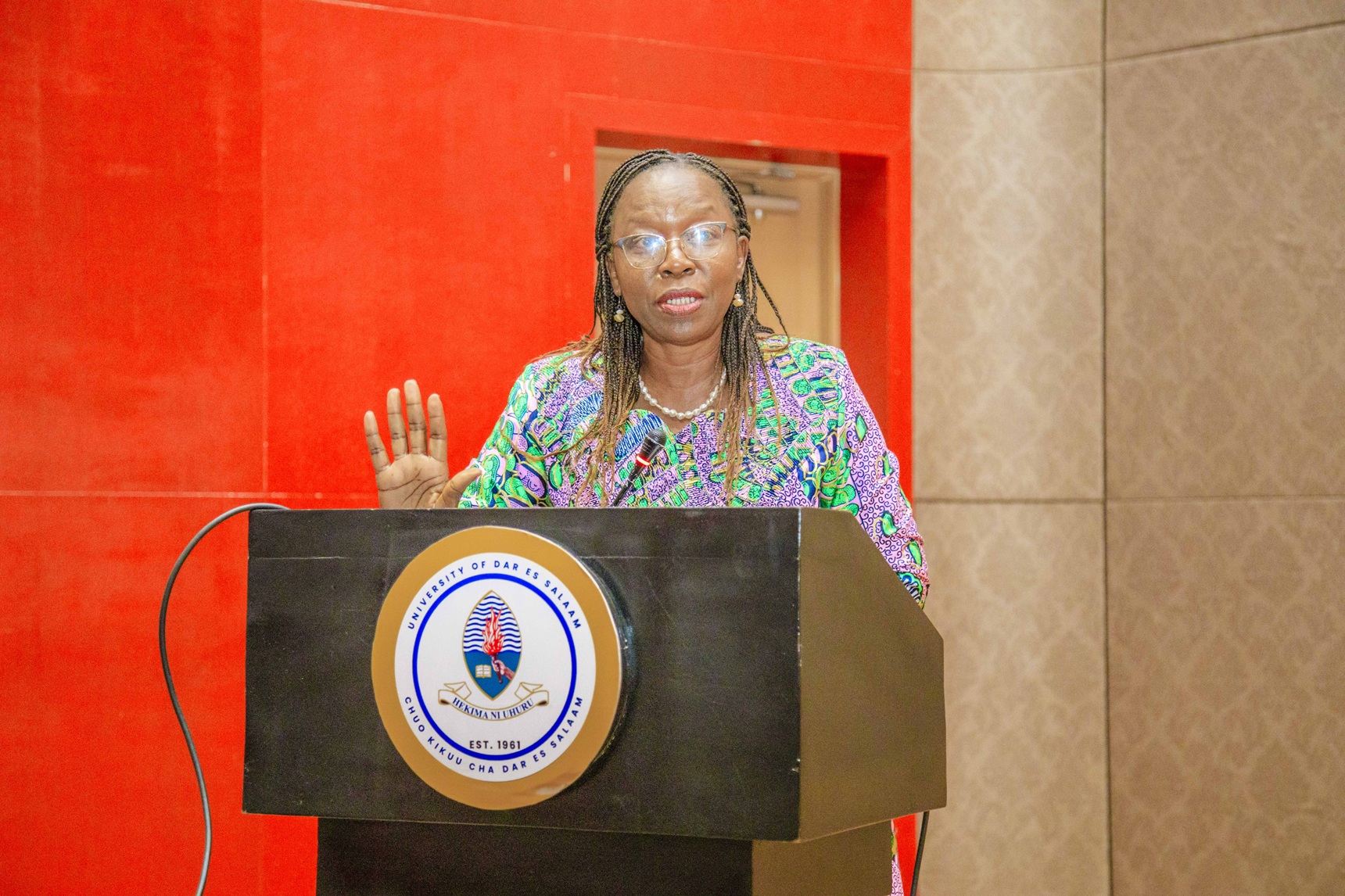
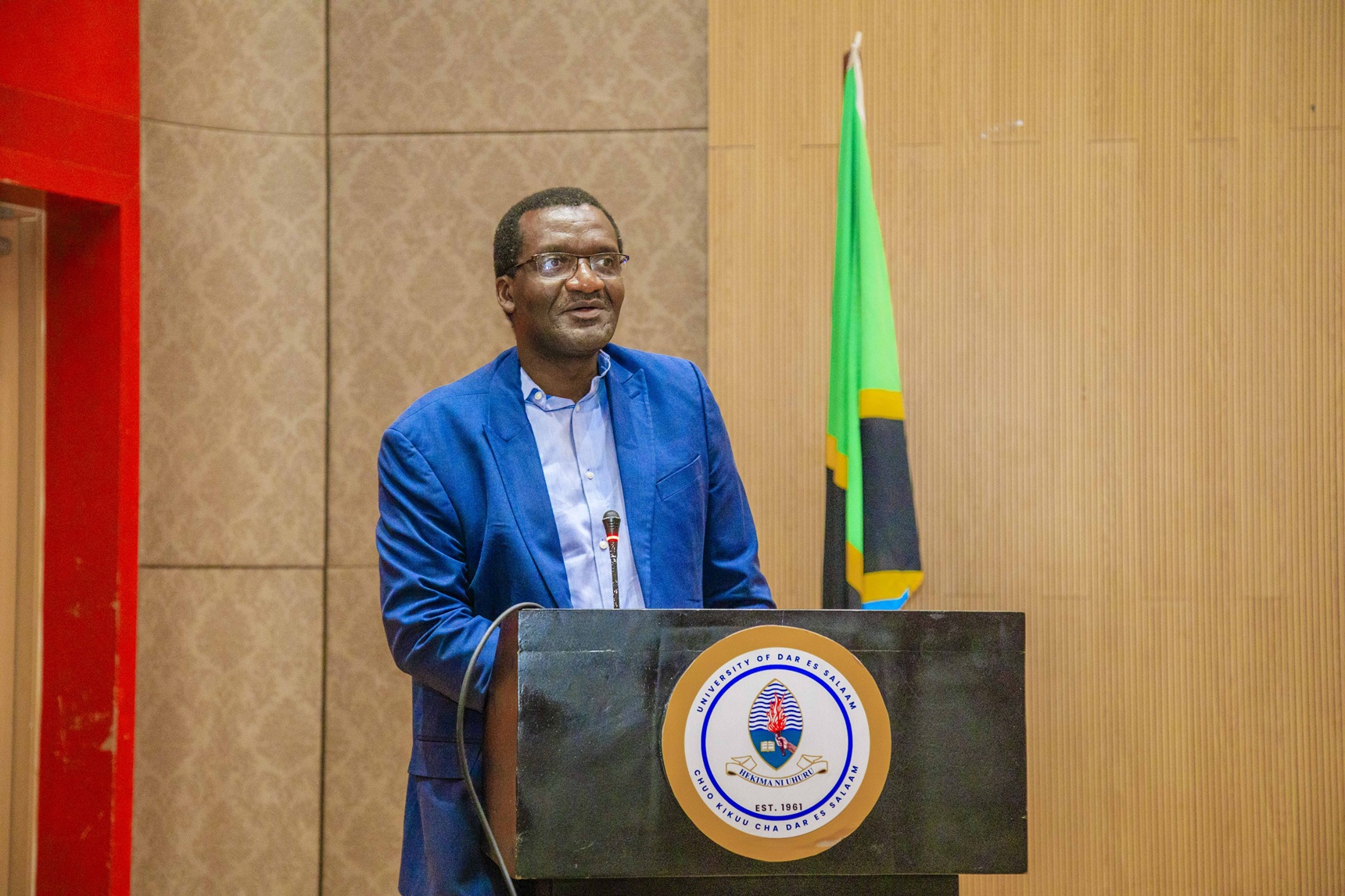
Speaking at the officiating of this orientation programme, the Deputy Vice Chancellor-Academic, Prof. Rose Acen Upor, who represented the Vice Chancellor, Prof. William A. L. Anangisye, underscored that joining UDSM is both a privilege and a responsibility, given the institution’s central role in shaping Tanzania’s development trajectory.
“On behalf of the University Management, I warmly welcome all newly appointed staff to this community to serve the institution and contribute to nation-building. This is an invaluable opportunity to grow your capacity, sharpen your skills, and develop your talents in teaching, research, and public service”, she said.
Prof. Upor emphasized adherence to public service principles, noting that the induction training is mandatory in equipping staff with a clear understanding of laws, regulations, and operational procedures.
She also highlighted the importance of the oath-taking session, where participants pledged to uphold confidentiality and safeguard government information, reinforcing a culture of accountability and integrity.
She urged participants to actively engage throughout the seminar, stressing that the knowledge gained would serve as a foundation for their professional journey at the University.
As the new staff embark on their roles, they are expected to uphold UDSM’s core values, demonstrate integrity and professionalism, and contribute meaningfully to the institution’s mission.
“Your journey here is more than employment; it is a path of service, innovation, and impact. Your contributions will shape the future of this University and the generations it serves”, Prof. Upor remarked.
Strengthening competence and professional values
The induction seminar was designed to equip participants with a solid grounding in public service ethics, institutional frameworks, and operational systems. Of the 329 participants, 190 were academic staff, while 139 were administrative and technical personnel.
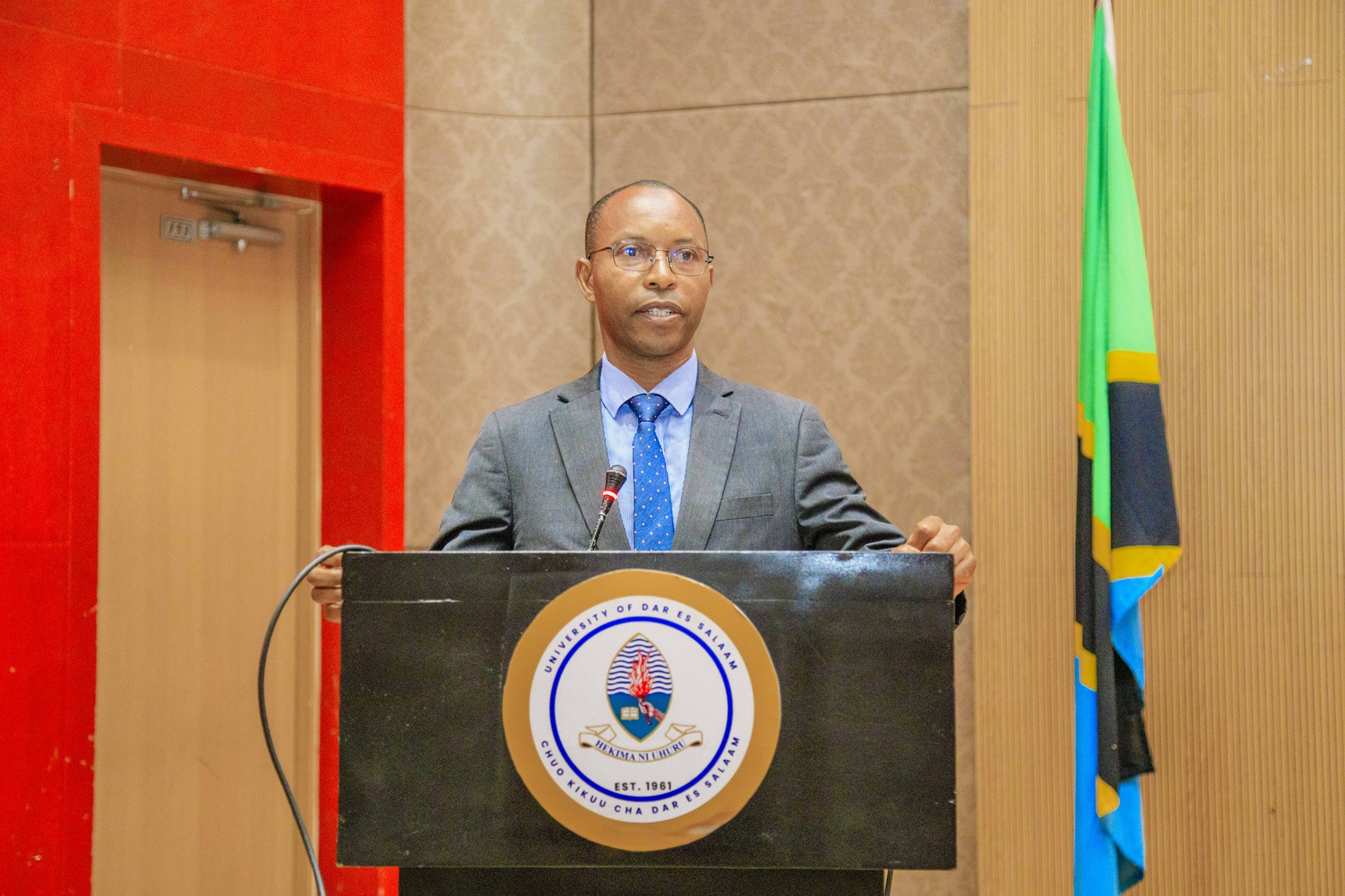
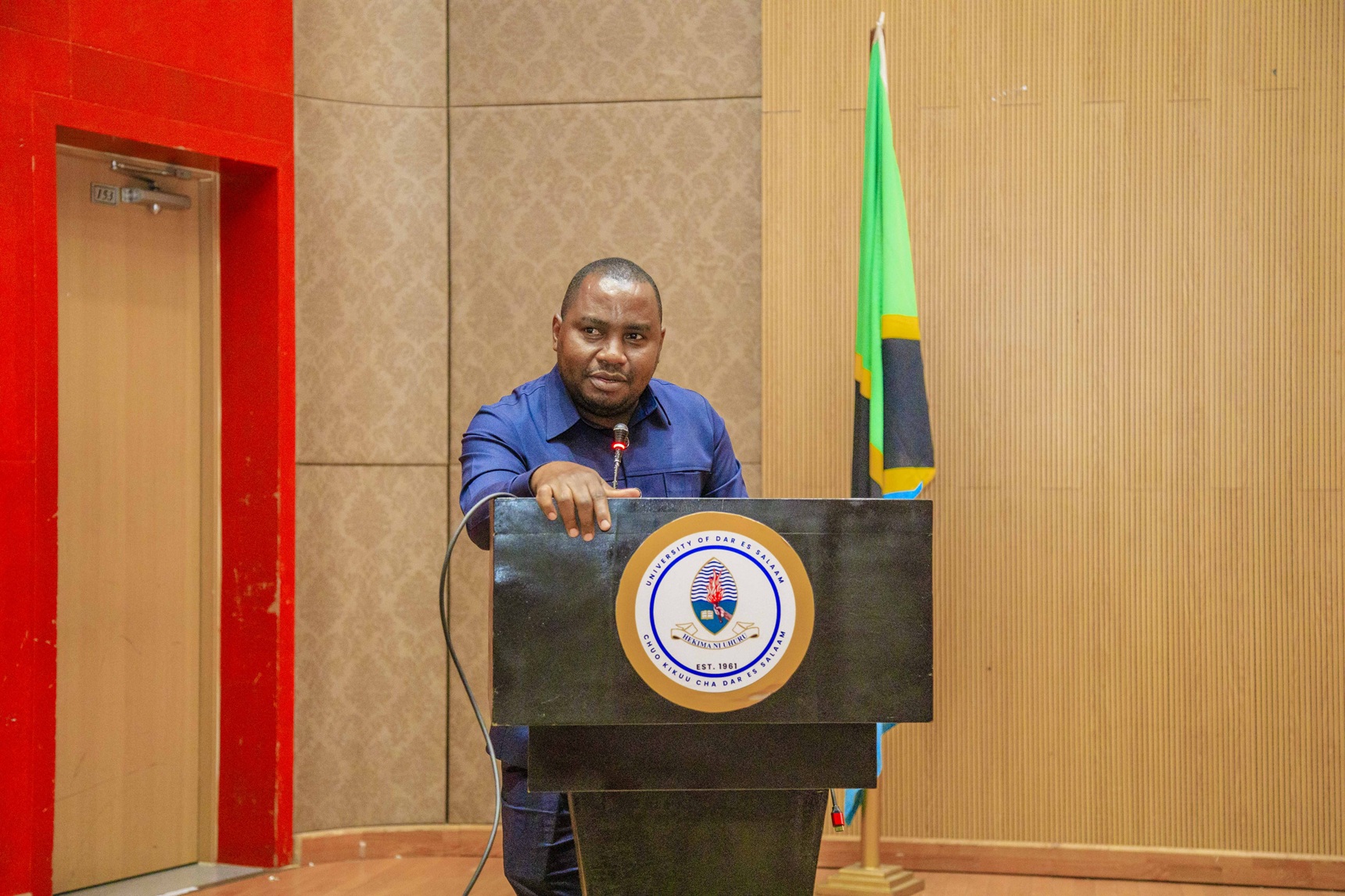
The Deputy Vice Chancellor - Planning, Finance and Administration, Prof. Bernadeta Killian, highlighted UDSM’s ambition to become a world-class university. She emphasized the importance of passion, collegiality, and uncompromising quality standards in achieving excellence across teaching, research, and public service.
The Director of Human Resource Management and Administration, Ms. Hilda Kinanga, noted that the recruitment of the new staff reflected merit and competence. She encouraged them to apply their knowledge and skills effectively in advancing both the University and national development goals.
“Your appointment is a testament to your capability. Use your expertise to drive transformation within the institution and in society”, she said.
Meanwhile, the Deputy Vice Chancellor – Research, Prof. Nelson Boniface, called on academic staff to prioritize research output and global visibility. He underscored the importance of publishing in internationally recognized journals indexed in platforms such as Scopus and Web of Science, noting that this enhances both individual careers and the University’s global standing.
Adding to the discussions, Prof. Liberato Haule, the Deputy Coordinator of the Higher Education for Economic Transformation (HEET) project at UDSM, presented on the project, outlining its achievements in strengthening infrastructure, improving teaching and learning environments, and expanding research capacity at UDSM.
Comprehensive training on institutional and social issues
The seminar provided an in-depth overview of UDSM’s structure, mandate, and core functions, including teaching, research, community service, and institutional management. Participants were also introduced to the University’s key stakeholders – students, parents, alumni, and service providers – as well as the Client Service Charter guiding service delivery.
Cross-cutting social issues featured prominently, particularly gender-based violence (GBV) prevention and mental health awareness. Participants were trained to identify various forms of GBV – physical, psychological, sexual, and economic – and were encouraged to promote equality and foster a safe, inclusive workplace environment.
Facilitators from the Tanzania Public Service College (TPSC) led sessions on the structure and functioning of the Government of Tanzania, emphasizing core public service values such as professionalism, integrity, accountability, and truthfulness.
Additional sessions focused on official communication protocols within public institutions, guiding staff on effective use of formal channels including letters, reports, memos, and meetings.
Employee welfare was also addressed, with training on social security schemes such as the Public Service Social Security Fund (PSSSF) and the Workers Compensation Fund (WCF), ensuring staff understand registration processes and benefit claims.
Financial literacy formed another key component, with participants introduced to investment opportunities through institutions such as UTT AMIS, CRDB Bank, NMB Bank, Exim Bank Tanzania, and NBC Bank Tanzania. Staff were encouraged to adopt sound financial habits and plan for long-term stability.
A critical session by the Government Security Office (GSO) emphasized national security, confidentiality, and patriotism, reminding staff of their duty to safeguard public resources and uphold national interests.