




UDSM–Japan Partnership Advance Clean Energy with Launch of Bioenergy Research Centre
By Renancy Remmy, CMU
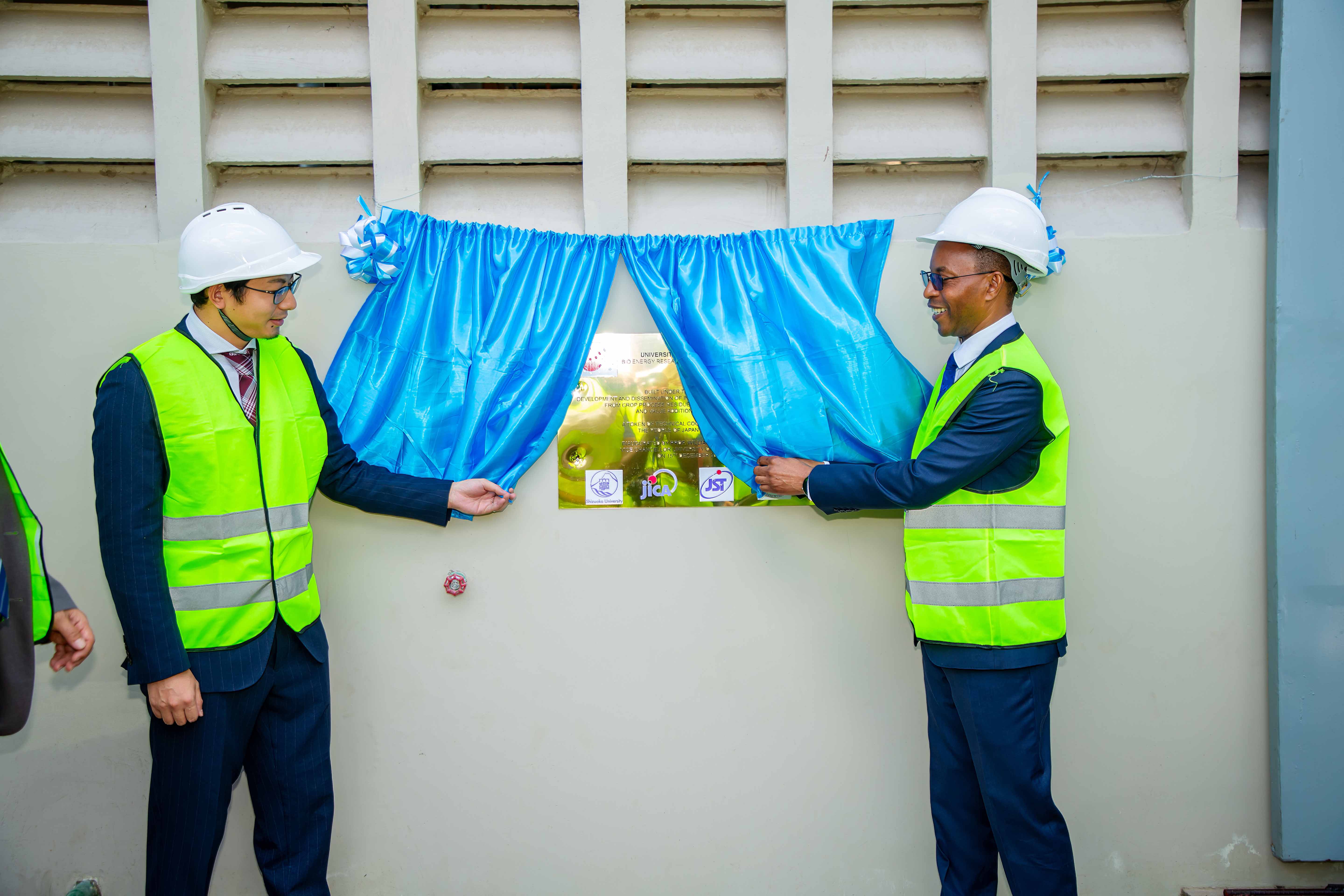
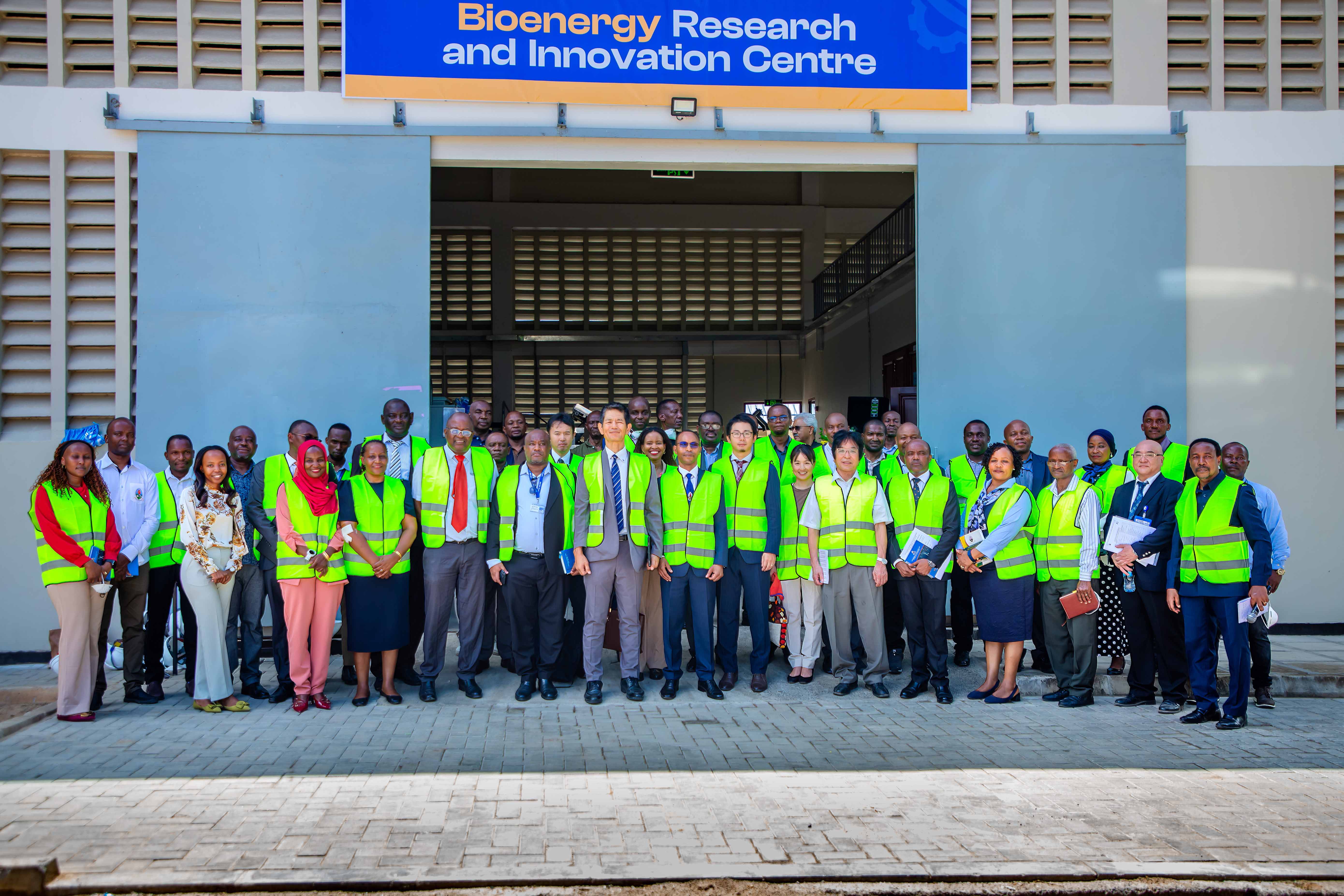
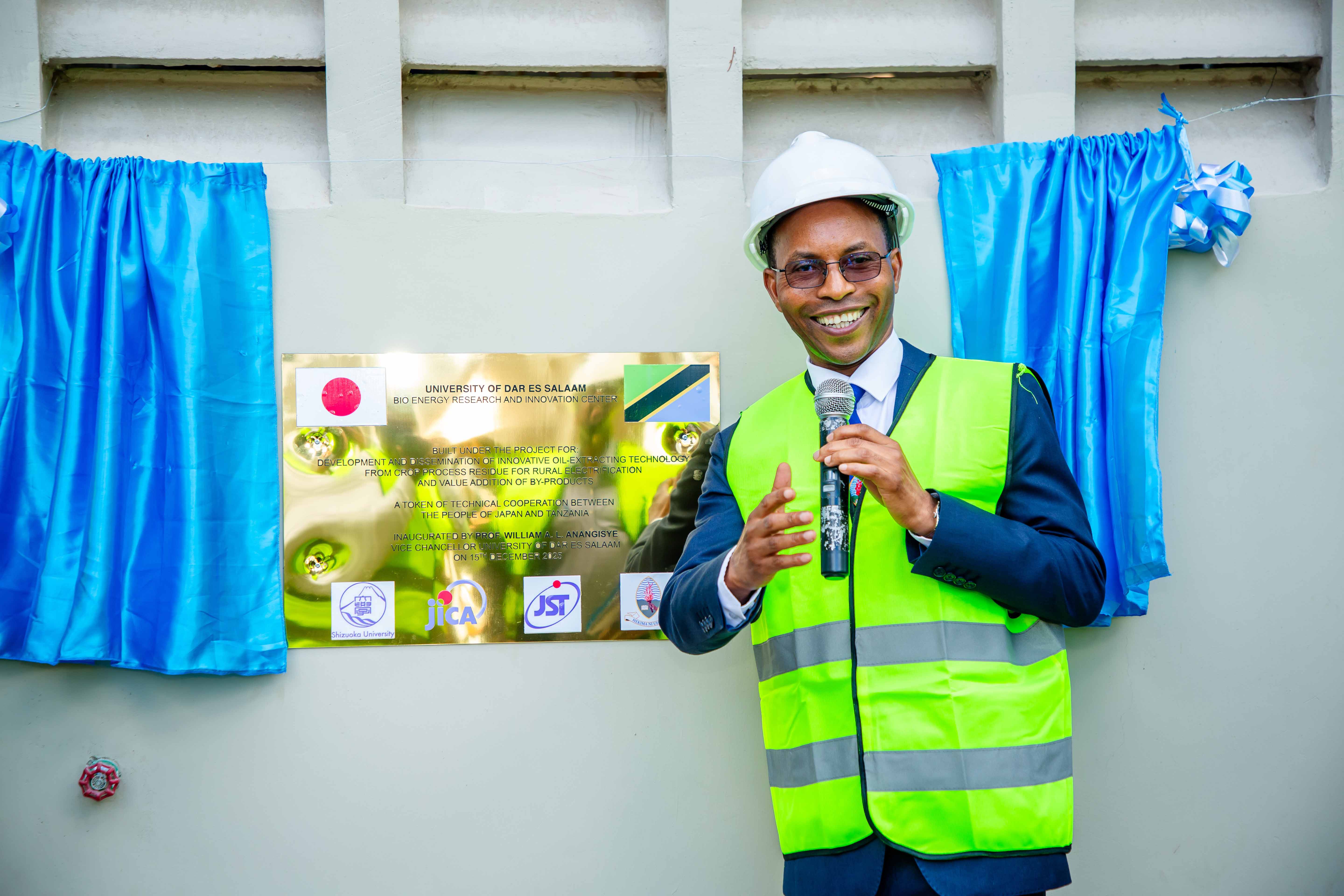
The long-standing scientific partnership between Tanzania and Japan has reached a major milestone with the official inauguration of the Bioenergy Research and Innovation Centre at the University of Dar es Salaam (UDSM), marking a significant step forward in clean energy research, innovation, and sustainable development.
Speaking on behalf of the Vice Chancellor, Prof. William A. L. Anangisye, during the inauguration ceremony on 15 December, 2025, Prof. Nelson Boniface, Deputy Vice Chancellor – Research, described the Centre, established under the Science and Technology Research Partnership for Sustainable Development (SATREPS) Tanzania–Japan framework, as a transformative investment in the country’s clean energy future.
“This Centre is a powerful symbol of what sustained international scientific collaboration can achieve. Japan’s support goes beyond physical infrastructure; it strengthens our research capacity, builds local expertise, and empowers us to convert agricultural residues into clean, renewable bioenergy that directly supports national development priorities”, said Prof. Boniface.
He noted that the initiative reinforces the strategic partnership between Tanzania and Japan while contributing to rural electrification, industrial development, and the transition to a low-carbon economy.
“The Bioenergy Research and Innovation Centre aligns closely with UDSM Vision 2061 and Tanzania’s development agenda. It positions the University as a regional hub for sustainable energy research, innovation, and policy engagement”, he added.
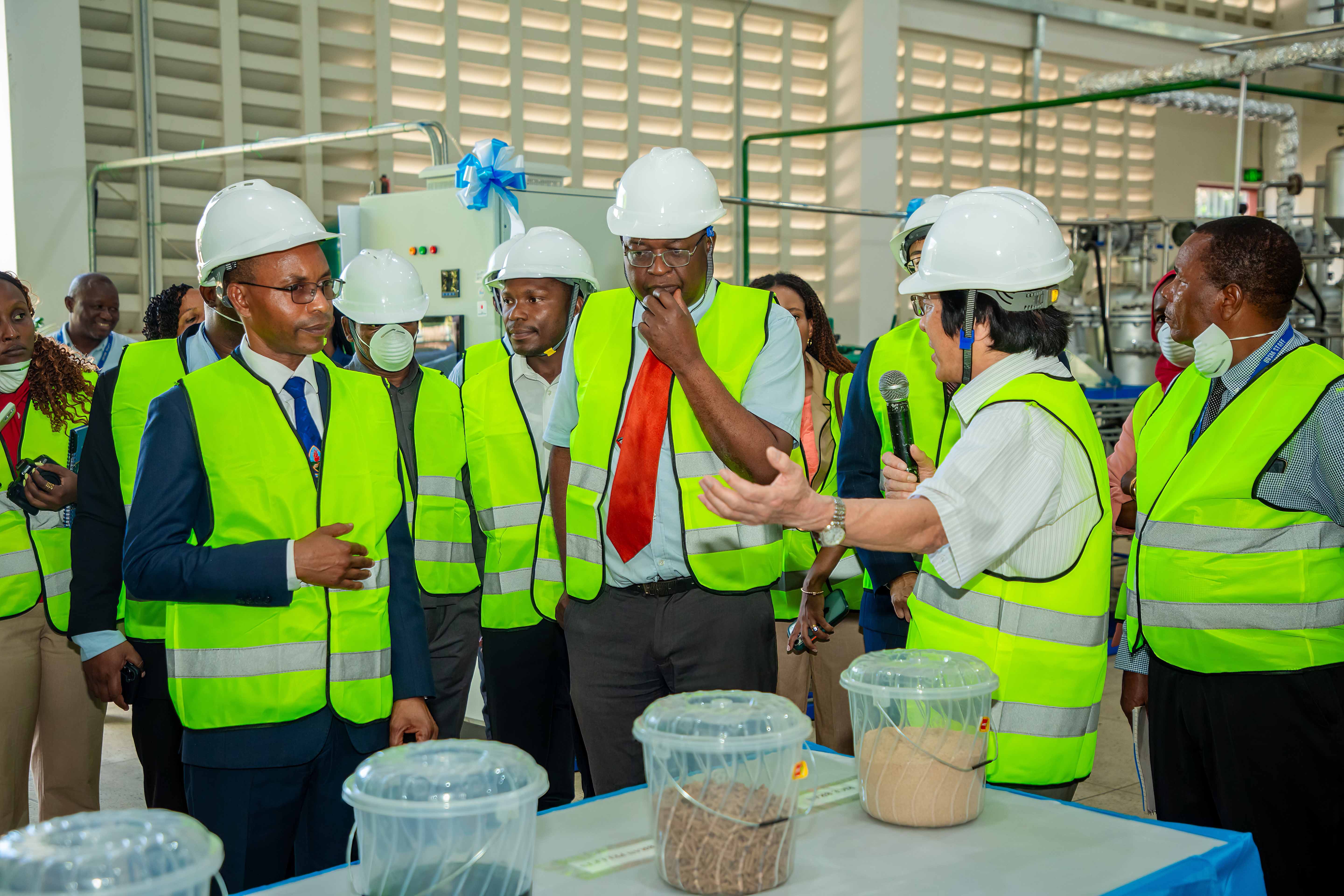
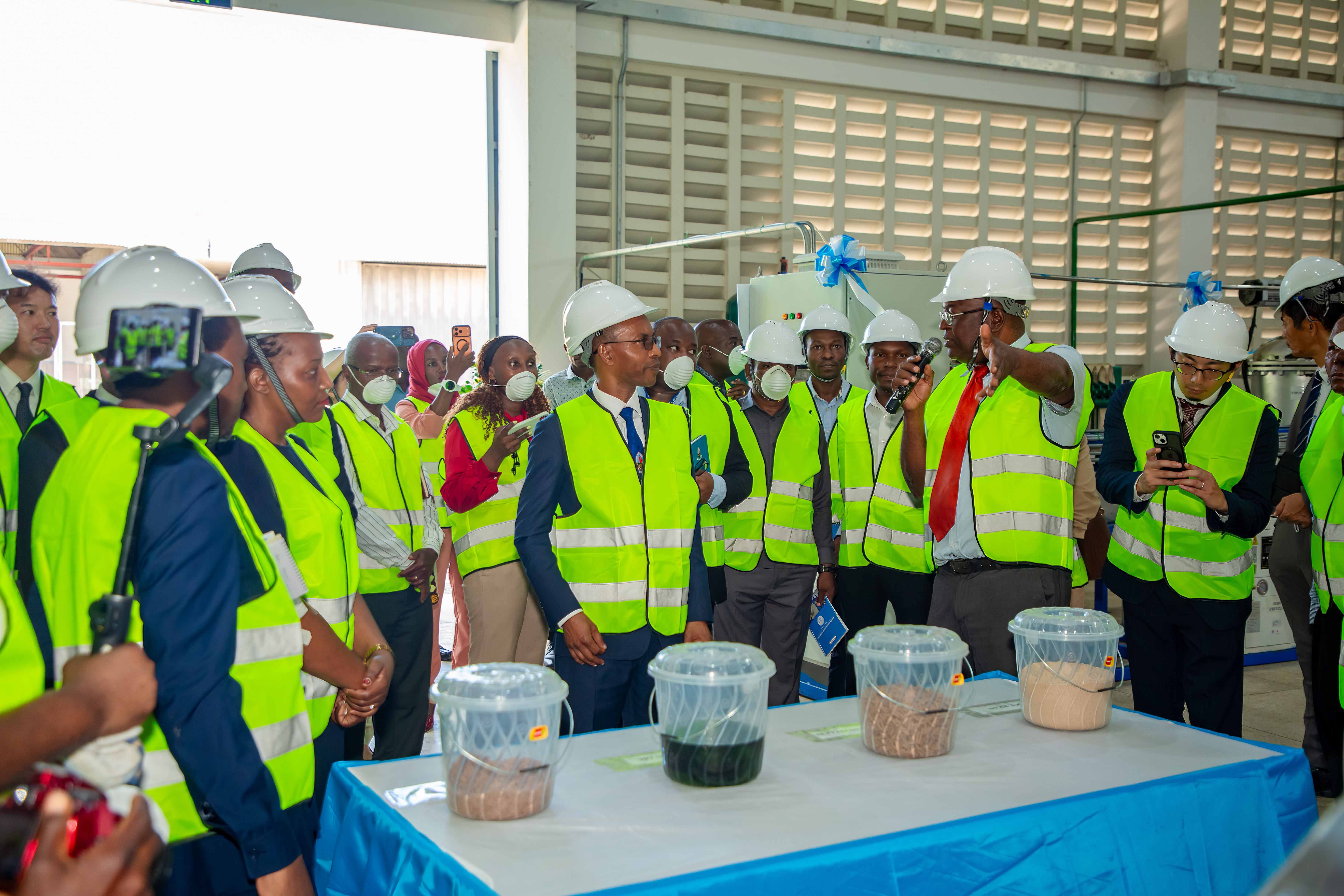
The Centre was established through the SATREPS programme, jointly implemented by the Japan International Cooperation Agency (JICA) and Japanese research institutions in collaboration with UDSM. Its core mission is to transform agricultural waste into bioenergy and value-added products, addressing challenges related to energy access, environmental sustainability, and income generation for local communities.
Developing efficient and scalable technologies
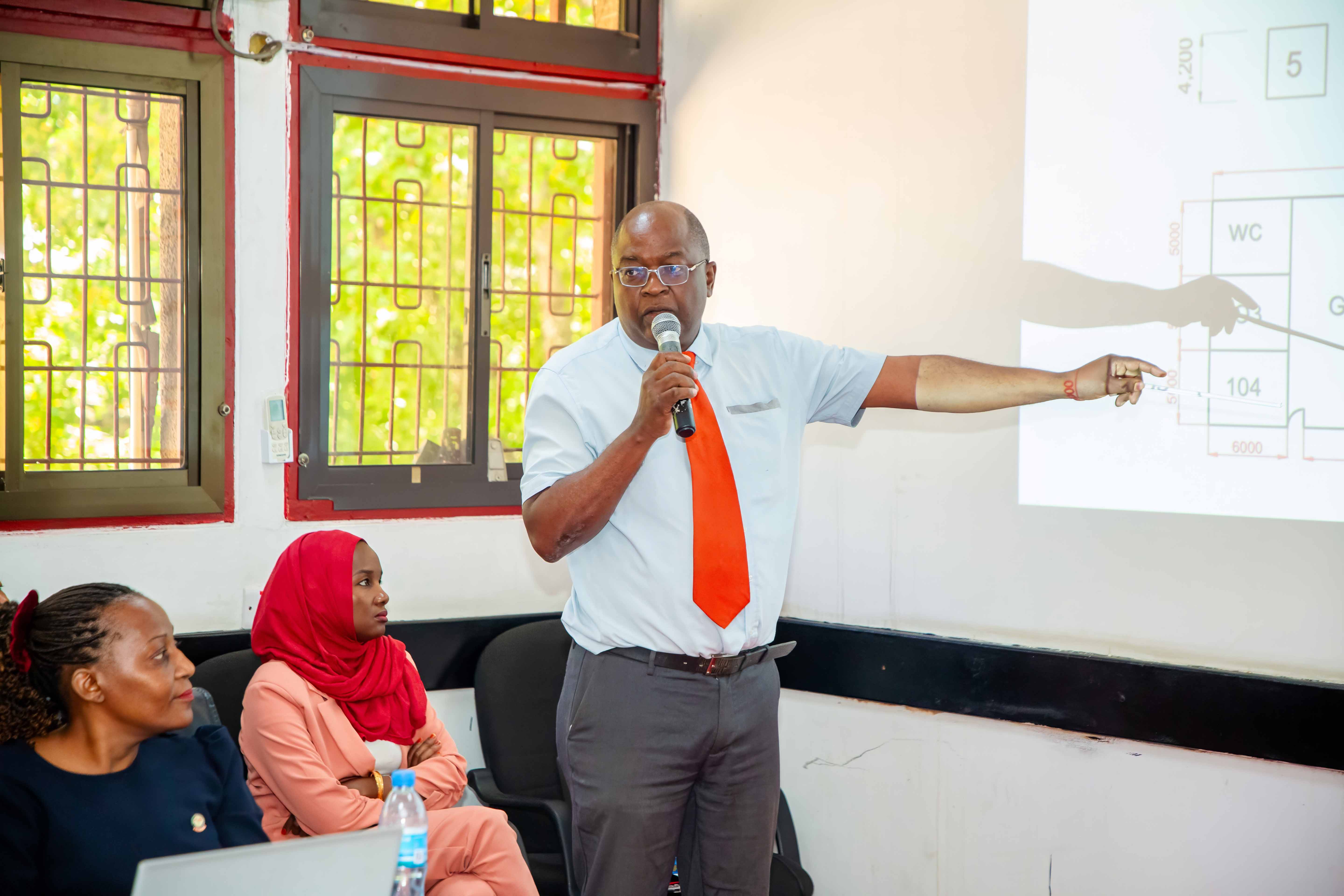
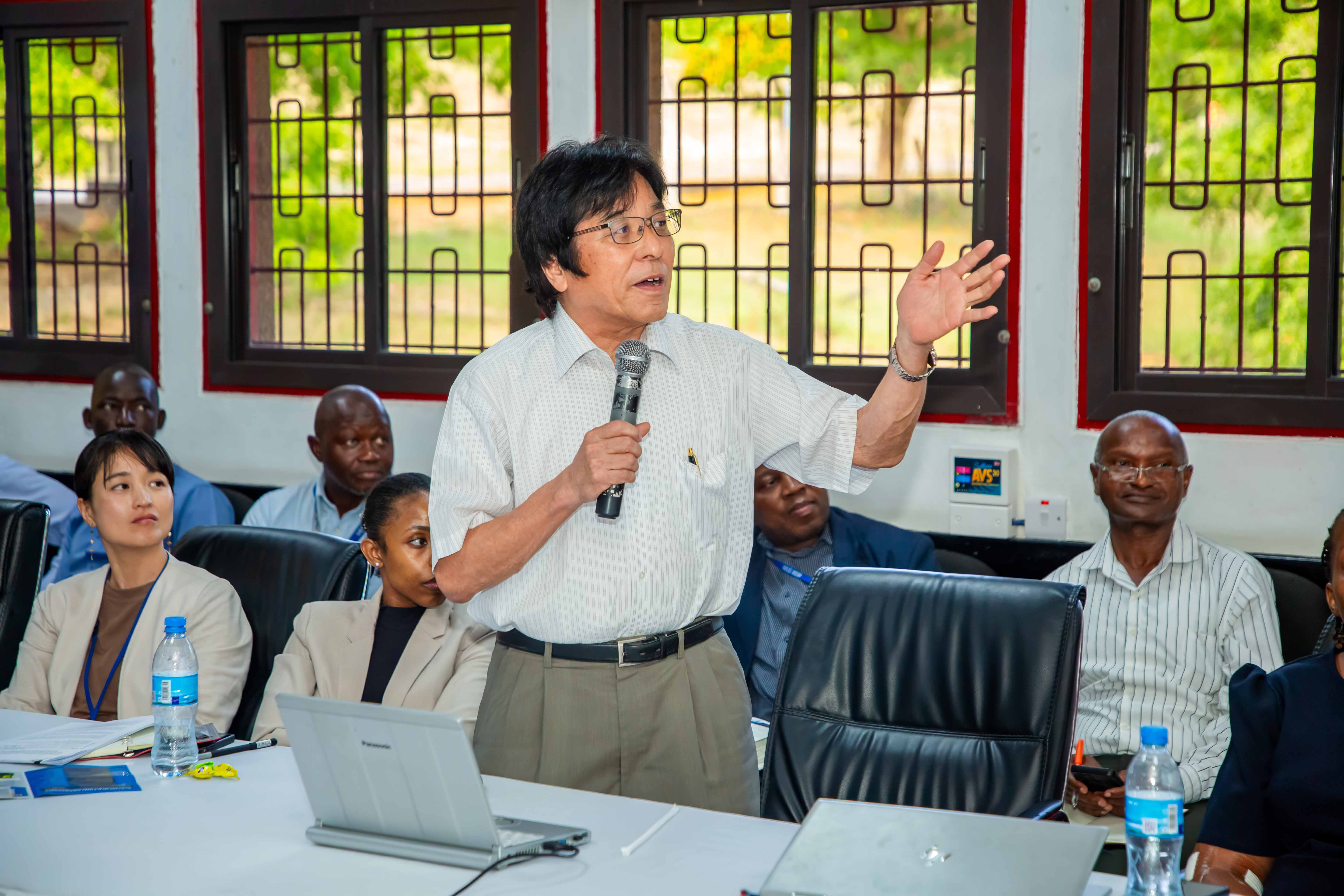
Presenting the technical dimensions of the project, Research Leader Prof. Takeshi Sako highlighted the innovation behind the Centre’s design and technology.
“Our research focuses on developing efficient and scalable technologies that utilize agricultural residues which are often underused. Through this collaboration, we aim to bridge scientific research with practical applications that can support industry and community development,” said Prof. Sako.
UDSM Project Manager Prof. Emrod Elisante emphasized the Centre’s role in research training and technology transfer.
“This facility will serve as a platform for advanced research, postgraduate training, and industrial collaboration. It provides an opportunity for Tanzania to develop home-grown solutions in bioenergy while nurturing the next generation of scientists and innovators”, Prof. Elisante noted.
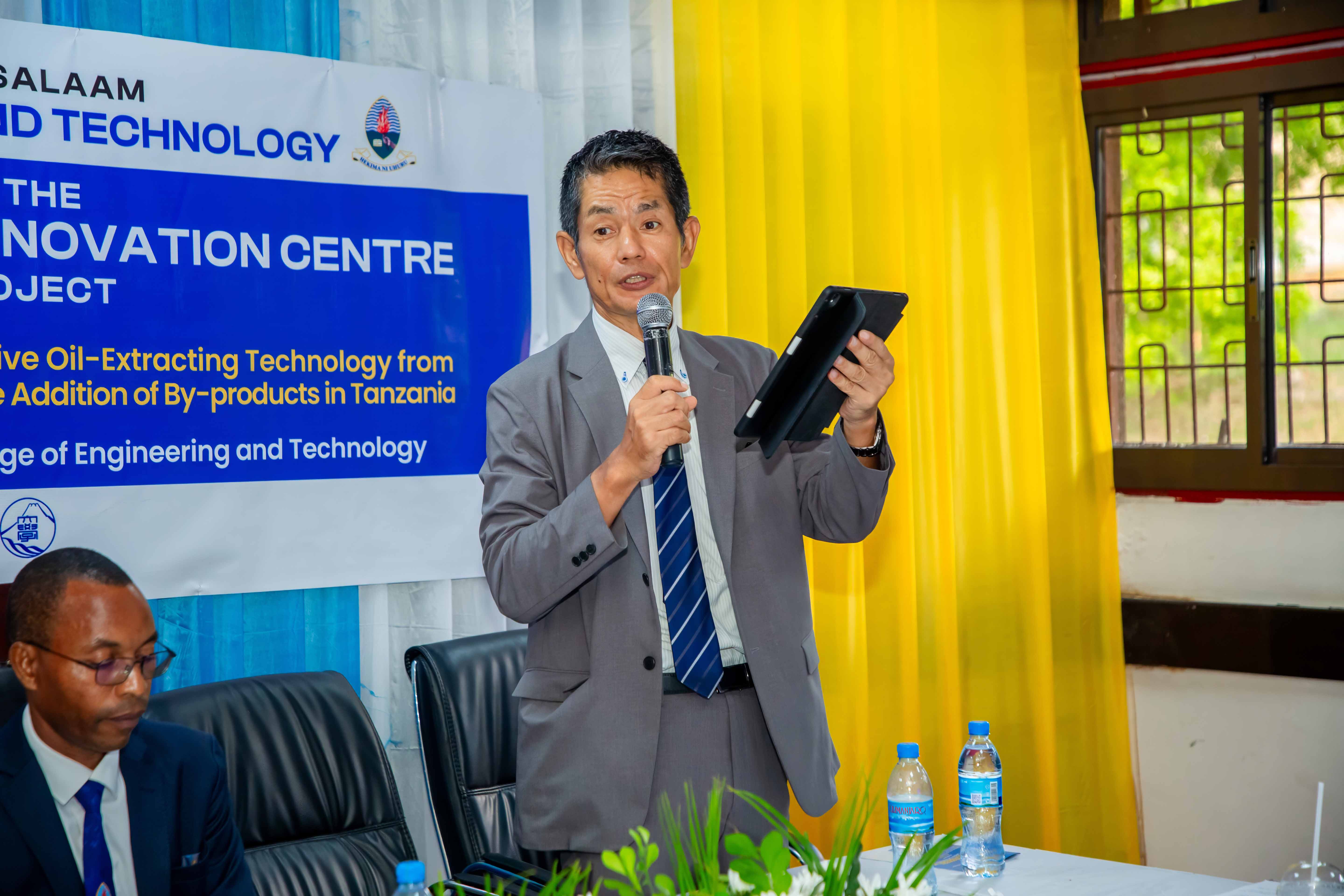
On behalf of JICA, Chief Representative Mr. Ara Hiyoshi underscored the importance of modernizing agriculture and maximizing the value of local resources.
“By turning agricultural residues into energy, we are not only addressing energy challenges but also creating economic opportunities,” Mr. Hiyoshi said.
He added: “Pamoja, we share the purpose of ensuring that the outcomes of this research translate into tangible benefits for communities and industries in Tanzania.”
He called on the Government of Tanzania and UDSM to support the scaling up of research outcomes, noting that sustained investment would enable the Centre to generate broader socio-economic impact.
Representatives from the Embassy of Japan reaffirmed Japan’s long-term commitment to supporting bioenergy research and innovation in Tanzania.
“This Centre reflects Japan’s continued partnership with Tanzania in advancing science, technology, and sustainable development. We are confident that its work will contribute to income generation, community empowerment, and environmental sustainability”, one representative noted.
The inauguration of the Bioenergy Research and Innovation Centre not only strengthens the enduring Tanzania–Japan partnership in science and technology but also firmly positions UDSM as a leading regional institution translating scientific collaboration into practical solutions for a cleaner, more resilient future.