
UDSM Puts Gen Z’s Voice, Power and Place in Africa’s Future Under Academic Scrutiny
By Erca Kisoli, CMU
How can Africa’s Generation Z turn its growing digital influence, social awareness and capacity for mobilisation into meaningful participation in leadership, governance and decisions shaping their future?
The University of Dar es Salaam (UDSM) is bringing scholars, researchers and young people together to examine this critical question and explore how the generation can contribute to shaping Africa’s social, political and economic future.
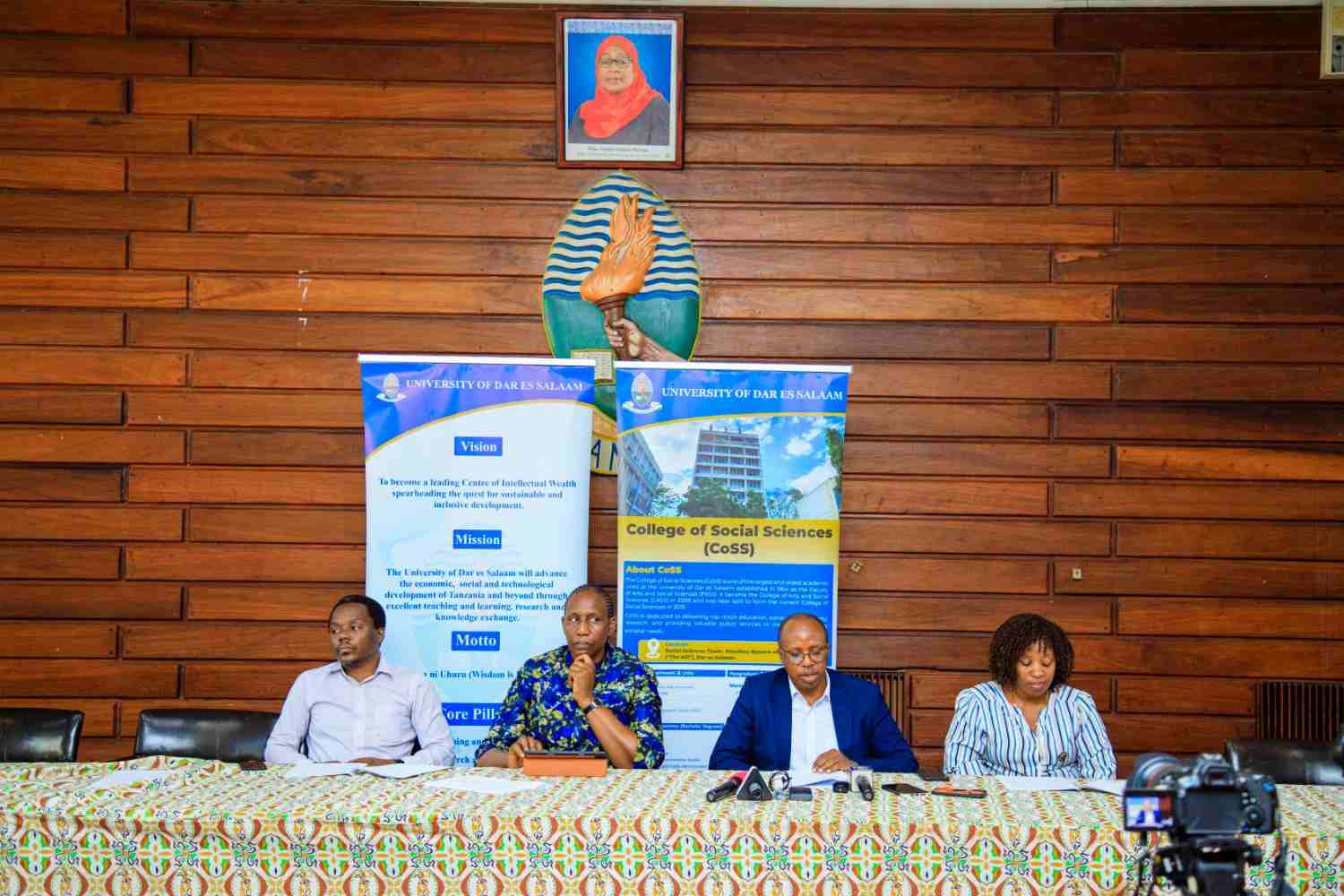
The debate will take centre stage at the ninth Voices of Social Sciences Conference (VSS2026), organised by UDSM’s College of Social Sciences (CoSS), on November 5 and 6, 2026, at the University in Dar es Salaam.
The conference will move beyond general perceptions of Gen Z to critically examine the generation’s influence on social movements, the opportunities available to young people and the barriers that limit their participation in decision-making.
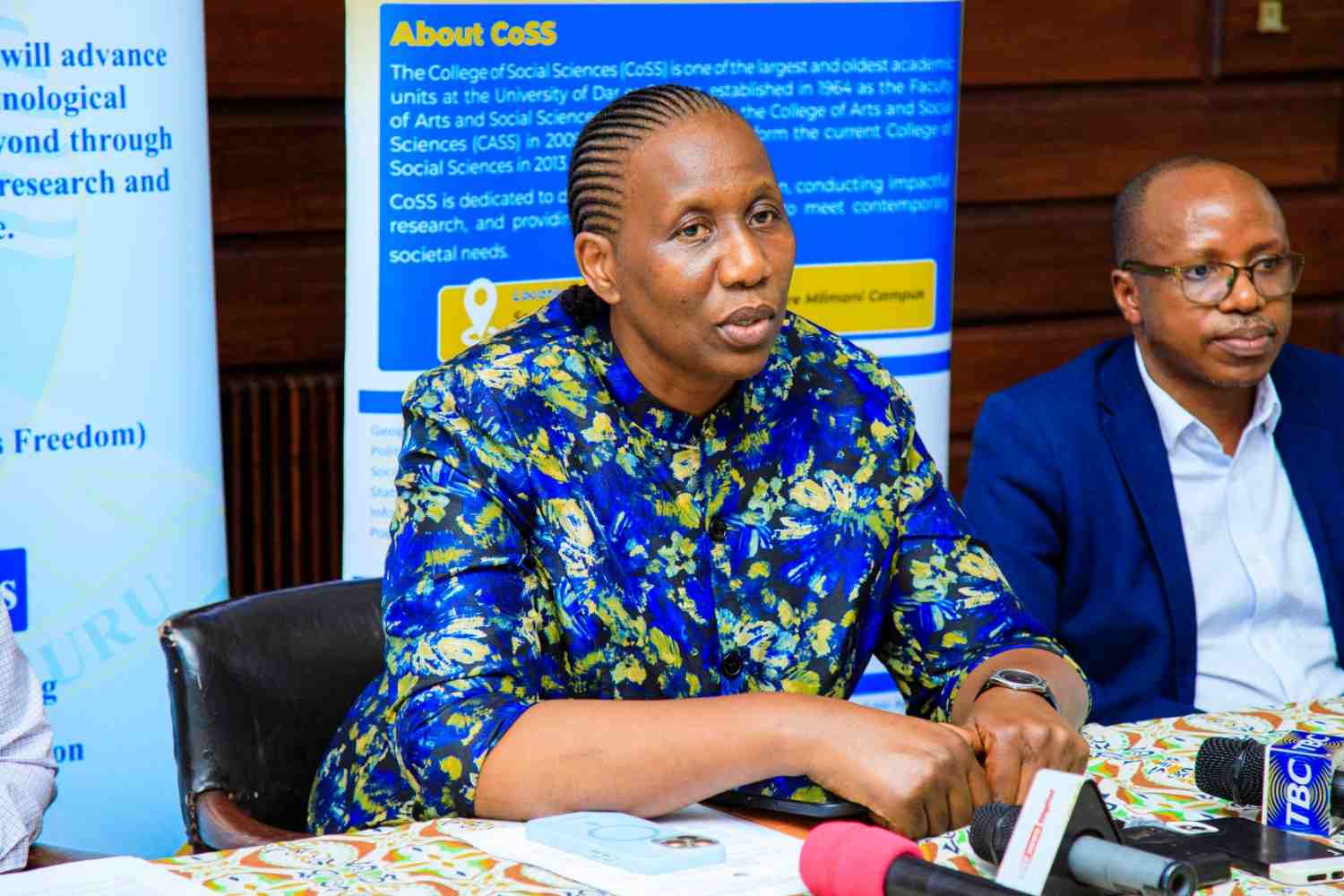
The Principal of CoSS, Prof. Christine Noe, said the conference responds to profound global transformations in technology, the economy and society, which are reshaping how young people engage with institutions and participate in public life.
“Universities cannot isolate themselves from the issues affecting society. We have a responsibility to create platforms where young people can share their ideas, discuss the challenges they face and explore solutions. They must be part of conversations about their future and the development of society,” Prof. Noe said.
She emphasised that universities must go beyond producing academic knowledge and create opportunities for young people’s experiences and perspectives to inform discussions on policies and development priorities affecting their lives.
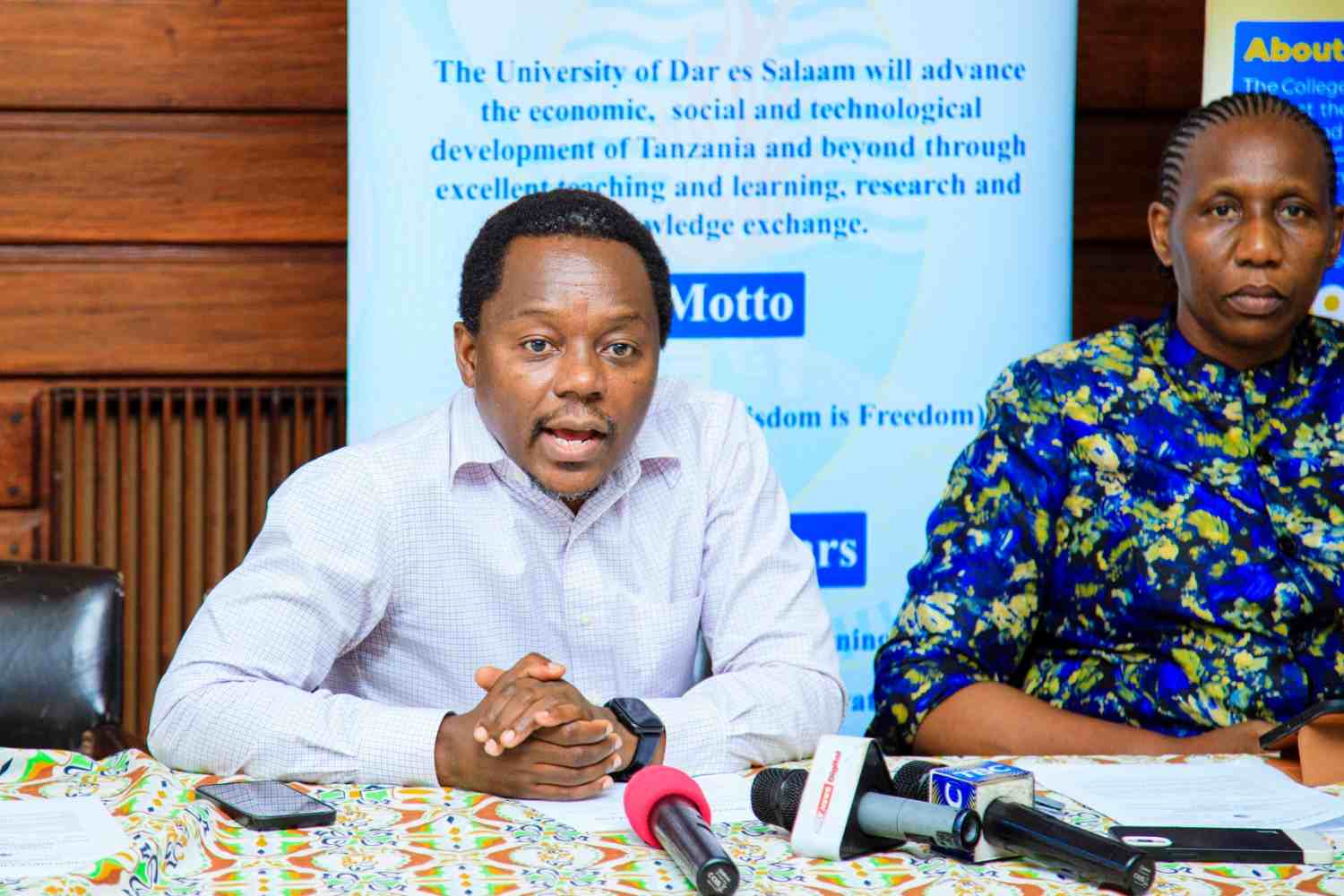
Dr. Richard Sambaiga, Senior Lecturer and Head of the Department of Sociology and Anthropology at CoSS, said the conference would provide an important academic platform for examining the contributions, aspirations and challenges of Generation Z, particularly their participation in leadership and decision-making processes.
“Gen Z are not merely observers of the changes taking place in society; they are part of those changes. We therefore need to create opportunities for them to express their views, engage in discussions and participate in decisions that shape their future and that of society,” Dr. Sambaiga said.
He explained that a key area of discussion would be how digital technologies and social media are transforming youth participation by enabling young people to raise concerns, share information, mobilise collective action and influence public debates.
Growing digital engagement and meaningful influence
The conference will also interrogate whether this growing digital engagement translates into meaningful influence within public institutions and development processes.
Beyond digital activism, the discussions will examine issues that directly affect young people's lives, including unemployment, economic and livelihood opportunities, gender relations, identity, income inequality, climate change, culture, education and knowledge production.
These interconnected themes will place the Gen Z debate within the wider social, economic and political transformations taking place across Africa.
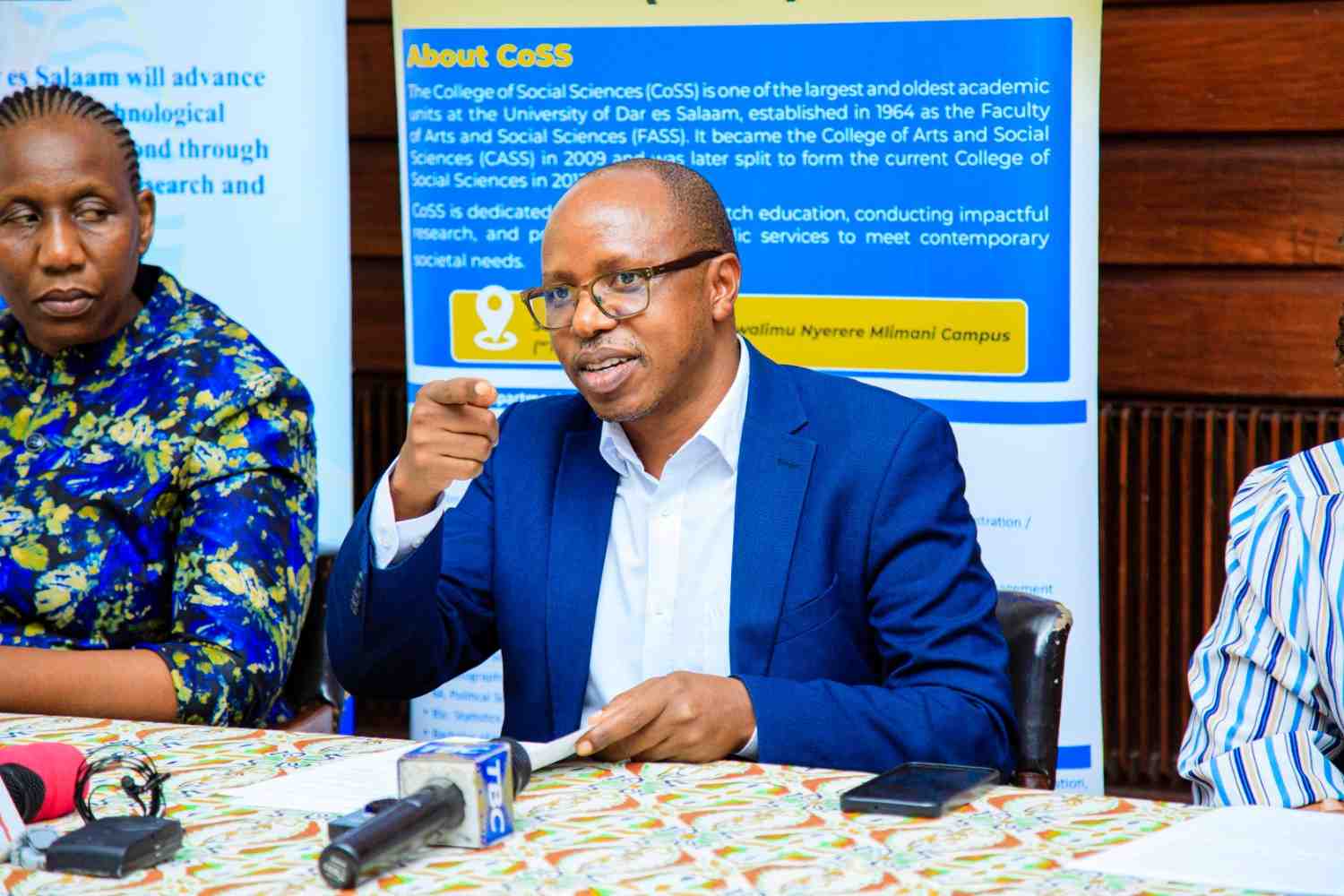
The Chairperson of the Conference Organising Committee, Dr. Muhidini Shangwe, said placing the Gen Z debate within an academic setting was important for bringing young people and other stakeholders together to reflect critically on the generation’s challenges, opportunities and future.
The programme will feature research presentations, scholarly discussions and special lectures, including a keynote address by Prof. Mette Fog Olwig of Roskilde University, Denmark.
The lecture is expected to explore how technology connects young people across geographical boundaries through shared experiences and challenges, while recognising differences in their social, economic and political environments.
Through VSS2026, UDSM is reinforcing the role of social sciences in examining emerging societal realities and generating knowledge that can inform public debate and development.
Ultimately, the central question is not simply whether Gen Z has a voice, but whether institutions are prepared to listen, respond and create meaningful opportunities for young people to shape Africa’s future.