






From Ulanzi to Innovation: UDSM Researchers Unlock New Economic Value from Bamboo Sap
By Renancy Remmy, CMU
What has long been known as ulanzi, a traditional beverage tapped from bamboo—is now emerging as a valuable raw material for industrial and commercial products, thanks to research by scientists from the Mkwawa University College of Education (MUCE), a constituent college of the University of Dar es Salaam (UDSM).
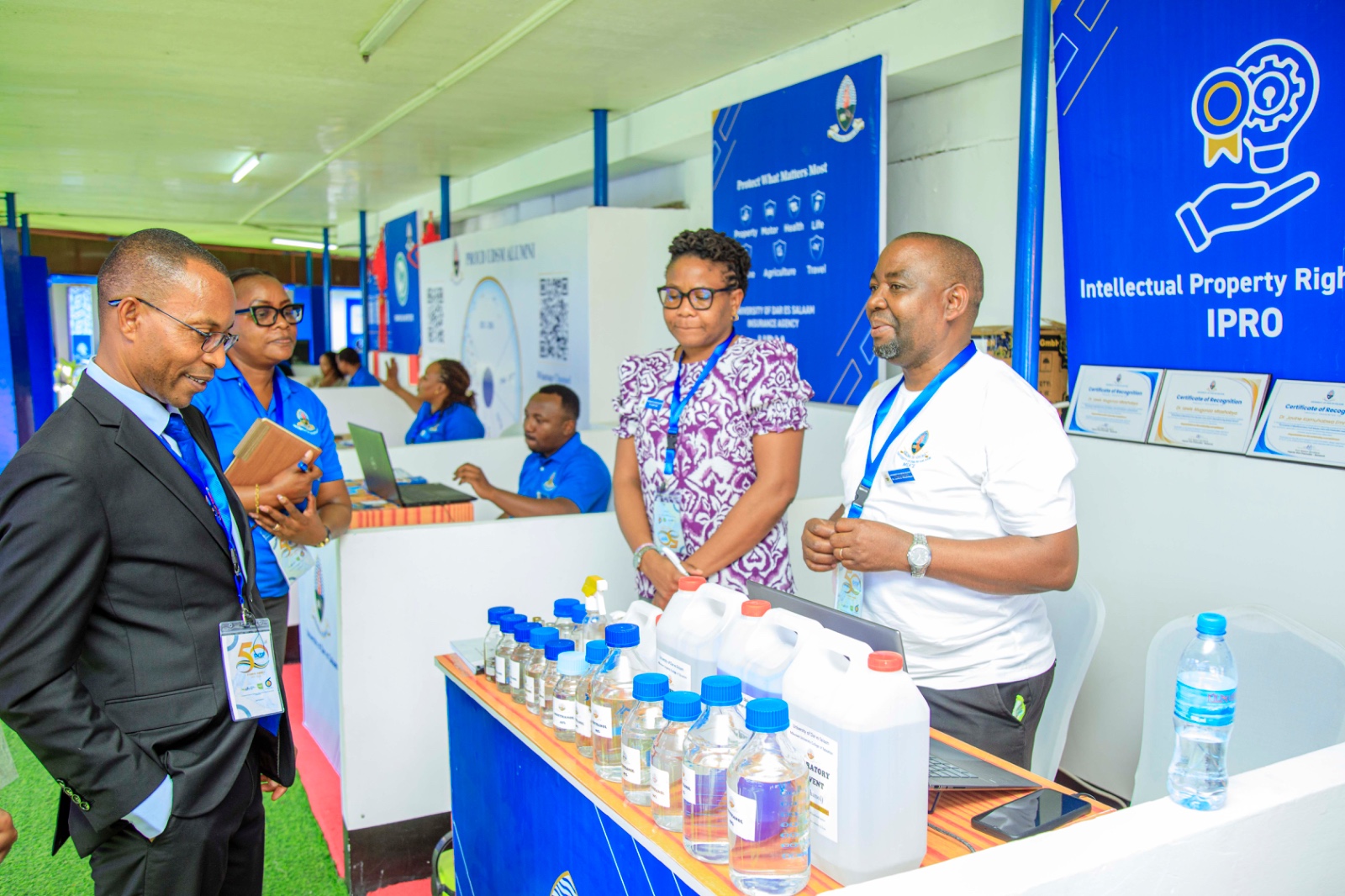
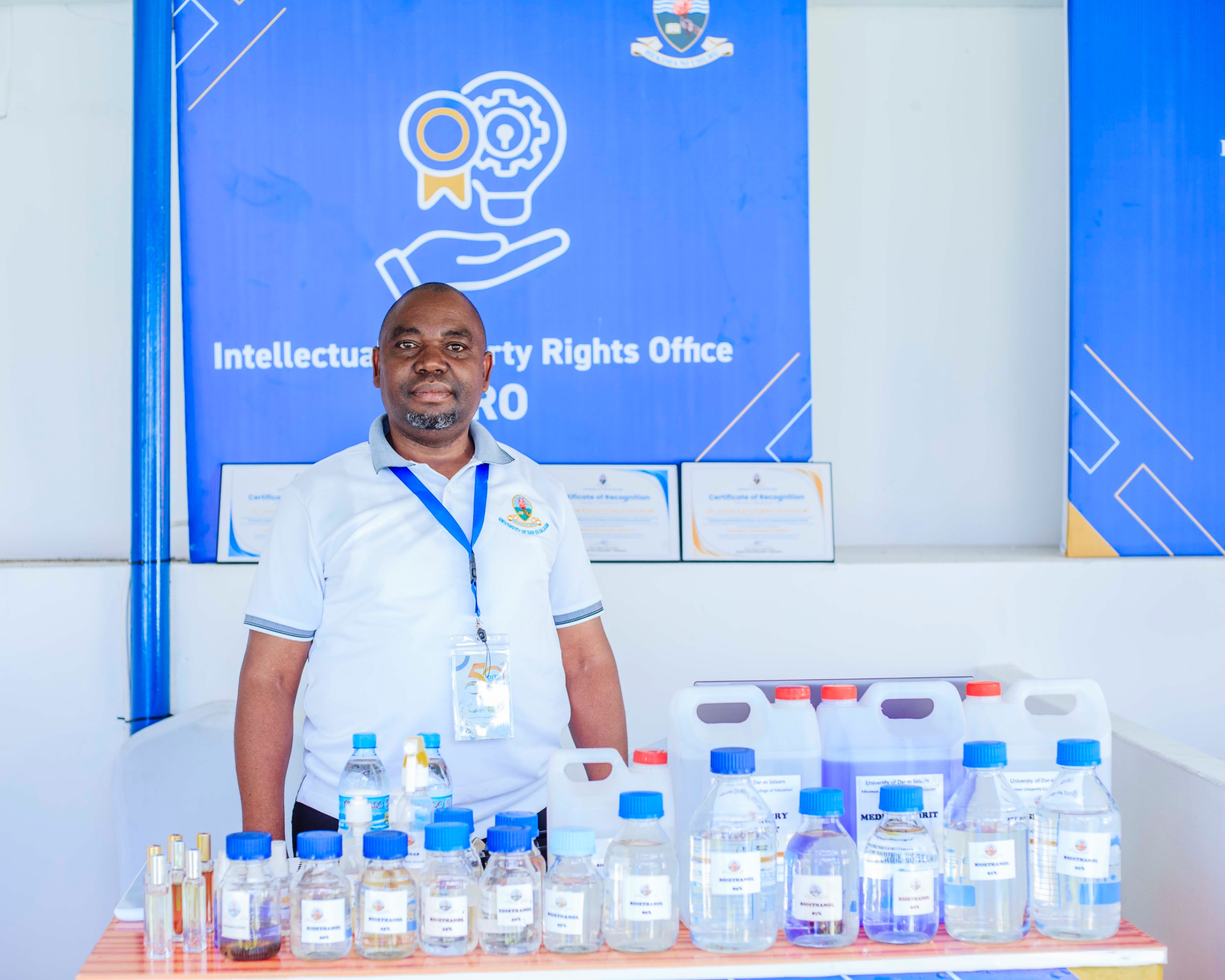
The research, led by Prof. Jovine Emmanuel and Dr. Lewis Mtashobya, has successfully demonstrated that bamboo sap can be processed into a variety of high-value products, including laboratory solvents, vinegar, clinical spirit, preservatives, and disinfectants. The innovation offers new opportunities for value addition while unlocking the economic potential of one of Tanzania's locally available natural resources.
According to the researchers, the innovation addresses a long-standing challenge facing bamboo growers in Tanzania's Southern Highlands, where the price of ulanzi often drops significantly during the rainy season, sometimes to as low as TZS 200 per litre, leaving producers with limited returns.
"By converting bamboo sap into a range of value-added products, we are creating alternative markets that can increase farmers' incomes, reduce post-harvest losses, and promote the sustainable utilization of bamboo resources," said Prof. Emmanuel and Dr. Mtashobya.
The researchers explained that the innovation not only improves the commercial value of bamboo sap but also demonstrates how science can transform indigenous resources into products with applications in healthcare, laboratories, households, and industry.
"This research demonstrates the enormous untapped potential of our local resources. Through science, innovation, and value addition, products once regarded as ordinary can become catalysts for entrepreneurship, industrial development, and community prosperity," they noted.
Beyond enhancing incomes for bamboo producers, the innovation has the potential to stimulate small and medium-sized enterprises, strengthen local manufacturing, and contribute to Tanzania's industrialization agenda by creating sustainable value chains based on locally available resources.
The research exemplifies the University of Dar es Salaam's commitment to producing knowledge-driven innovations that address real societal challenges, improve livelihoods, and support sustainable national development through research with tangible community impact.