




Understand Yourself Before You Lead Others, ATCL Managers Told
By Erca Kisoli, CMU
Effective leadership begins with understanding oneself, managing one's emotions and recognising the needs of others before attempting to lead a team. Without these qualities, even managers with authority may struggle to inspire people, build trust and deliver organisational results.
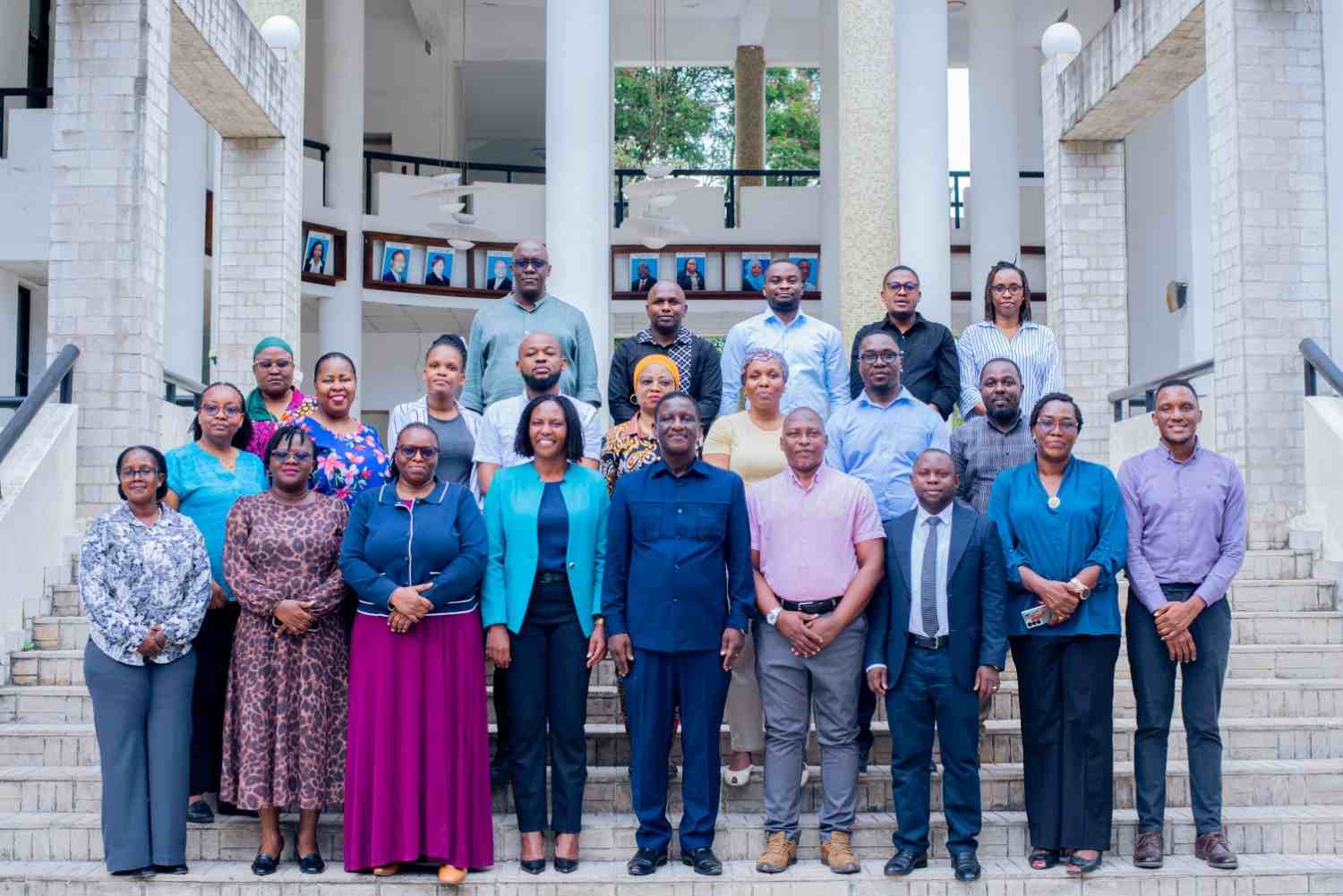
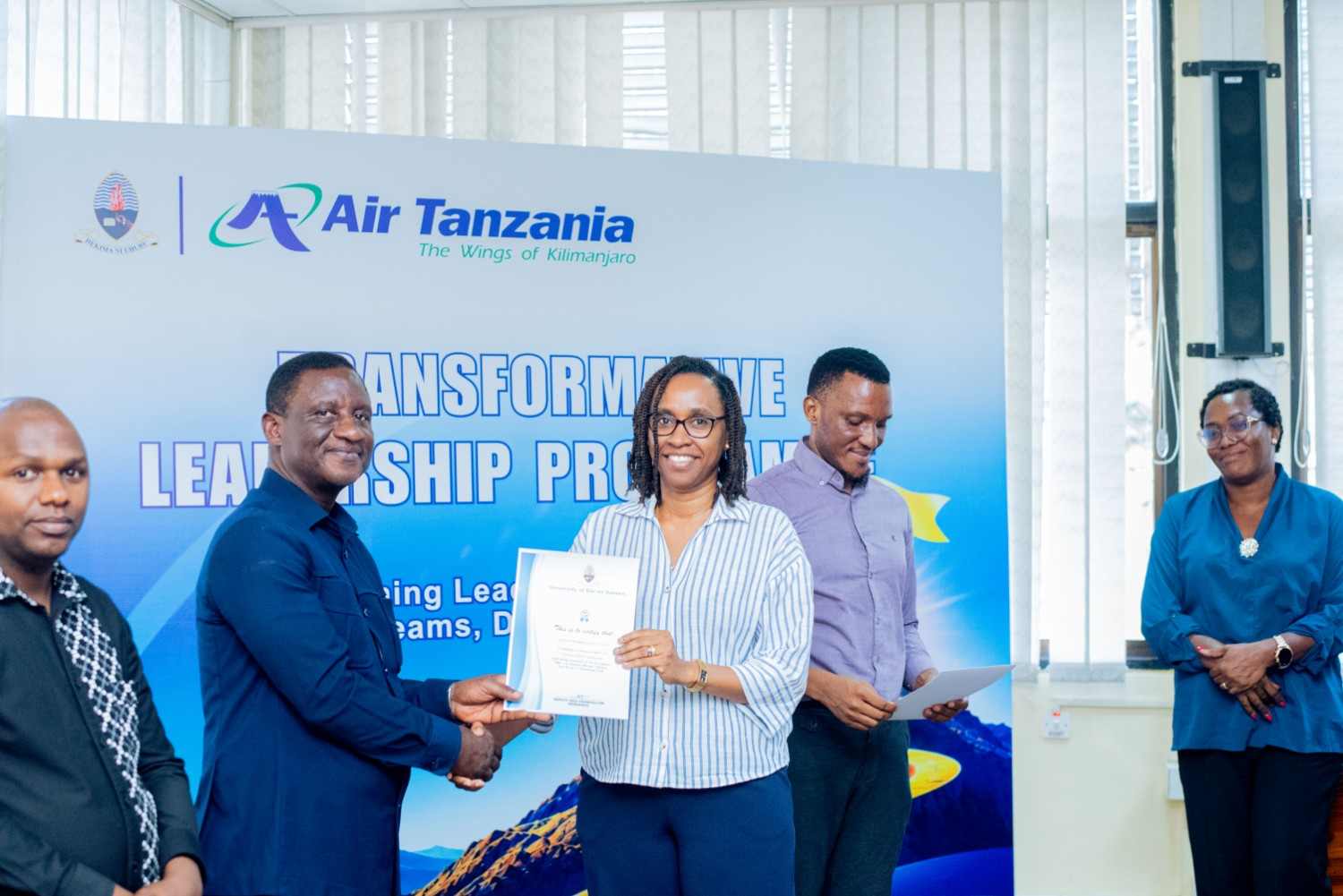
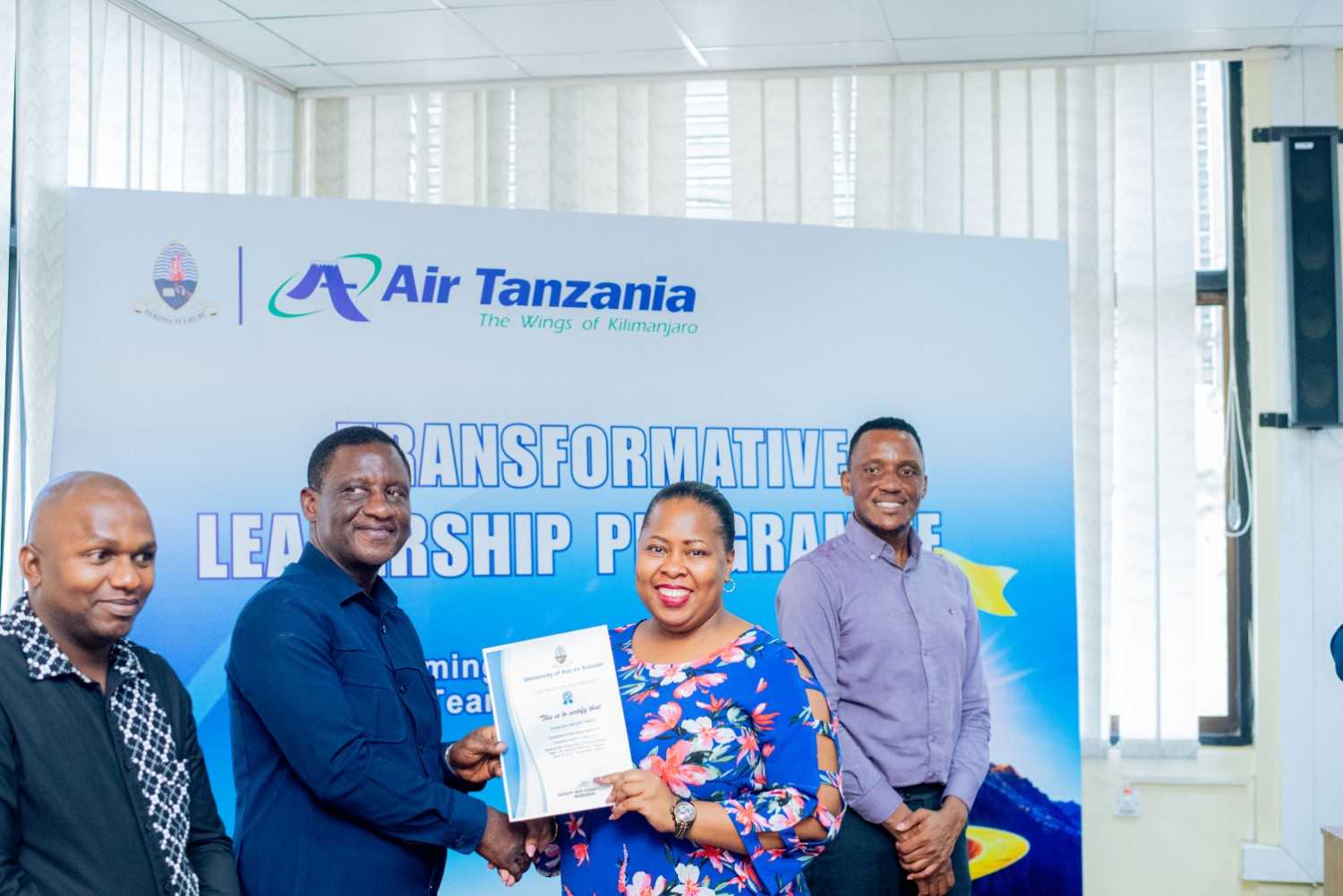
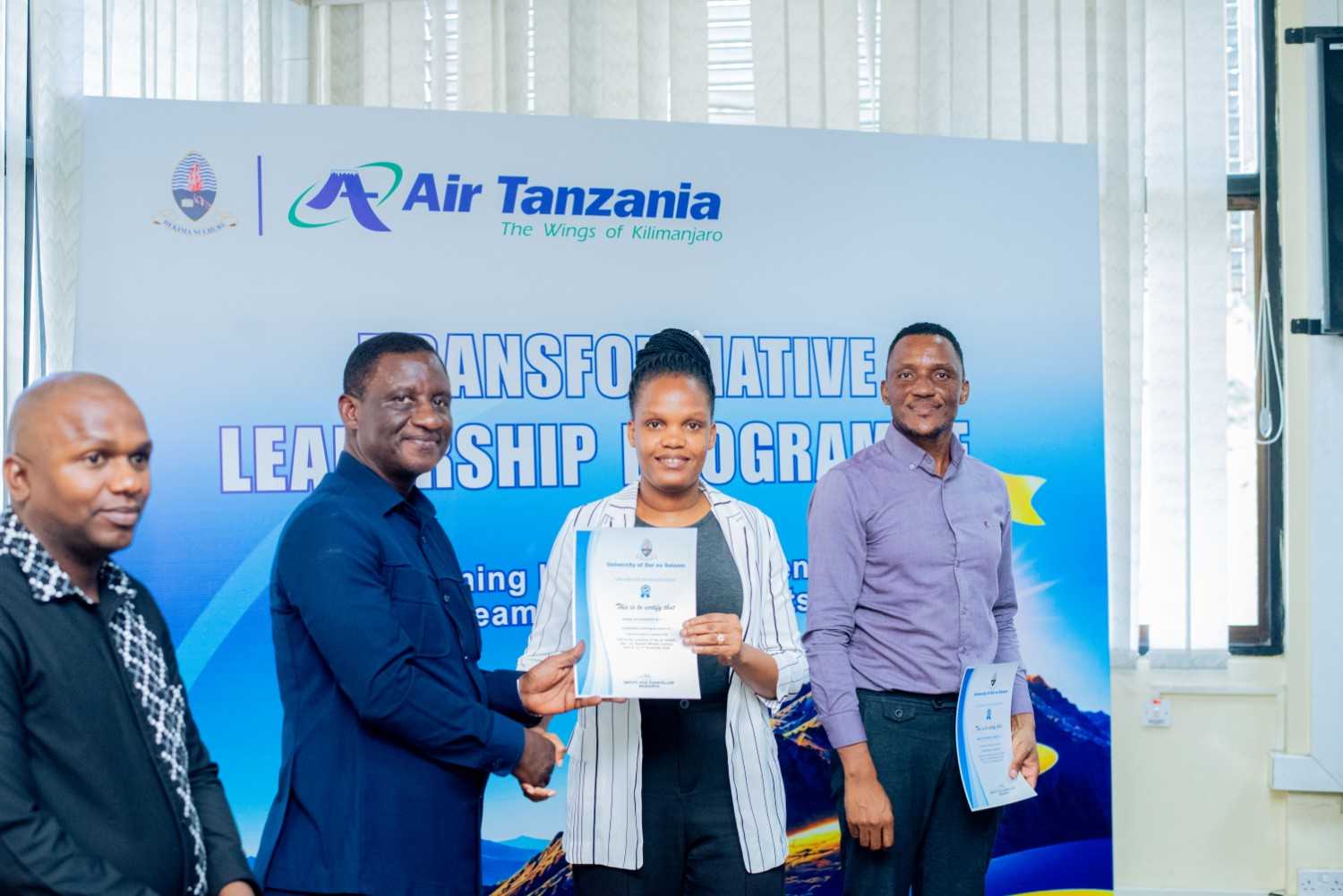
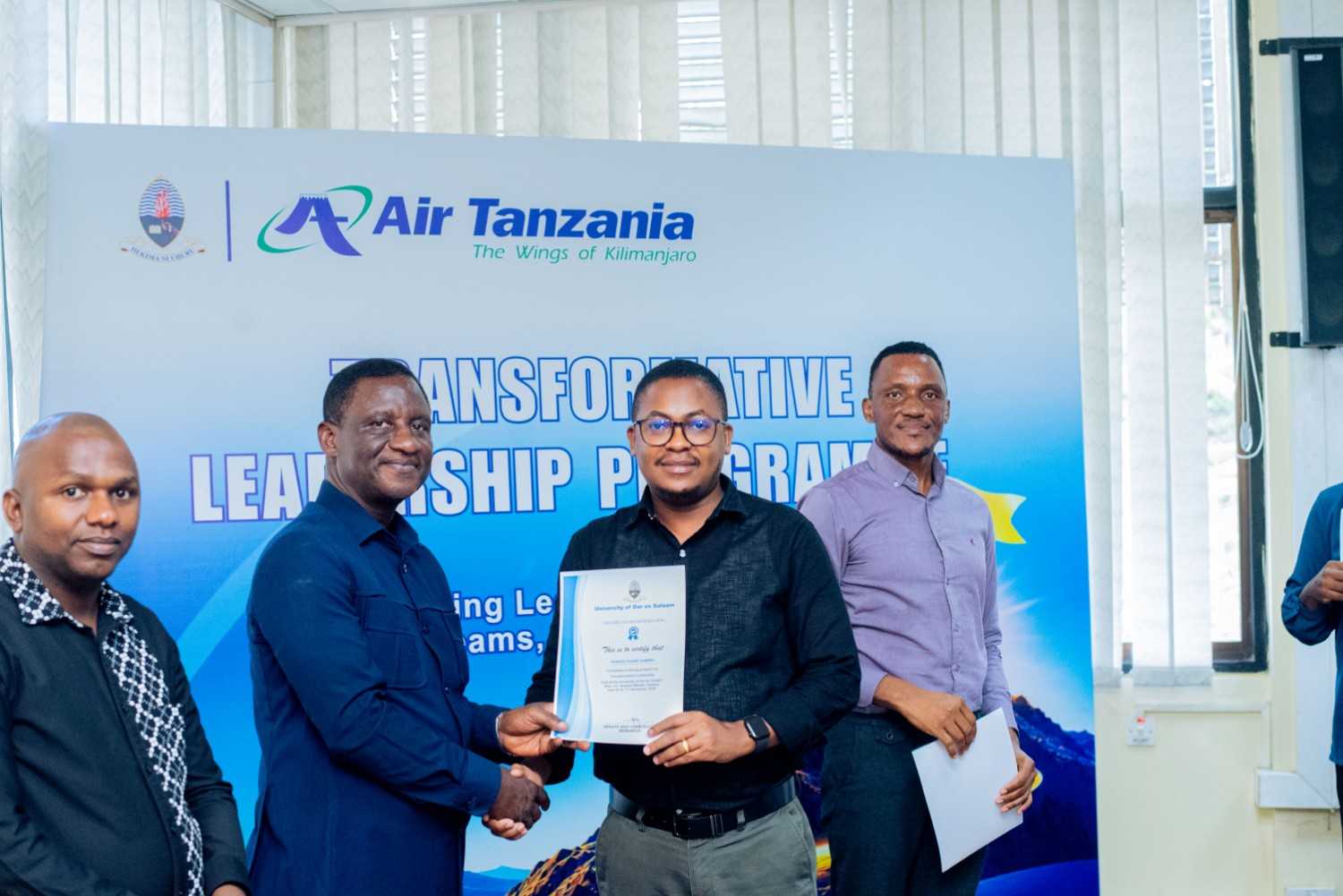
This was a central message to managers from Air Tanzania Company Limited (ATCL) during a Transformative Leadership Programme on Strategic Thinking and Leadership in Complex Environments, organised by the University of Dar es Salaam (UDSM) through its Directorate of Public Services (DPS).
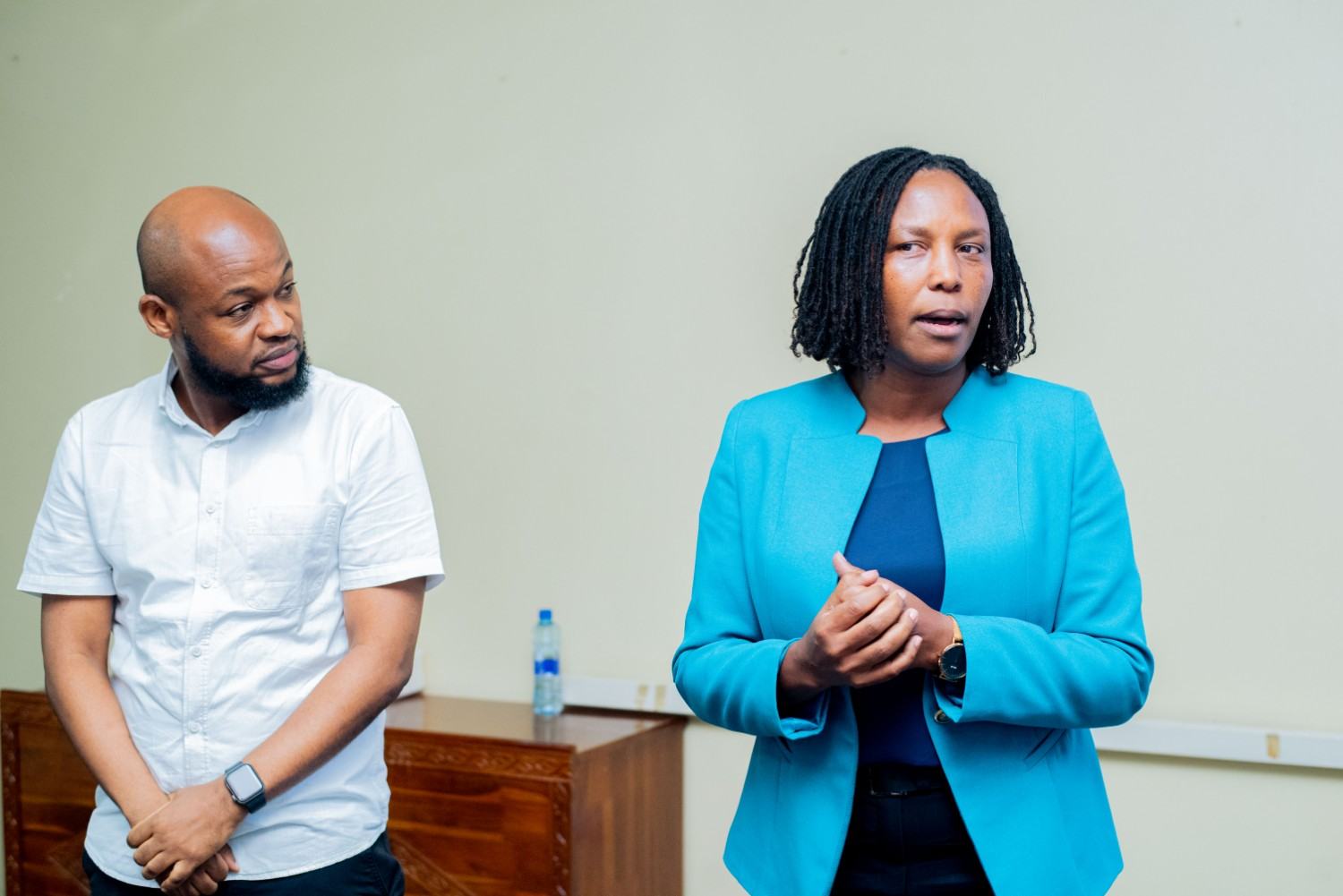
Addressing participants during the programme's closing session, Godfrey Rutasingwa, Director of Human Resources at CRDB Bank, challenged managers to appreciate that leadership is not simply about directing employees but also understanding the people behind the work.
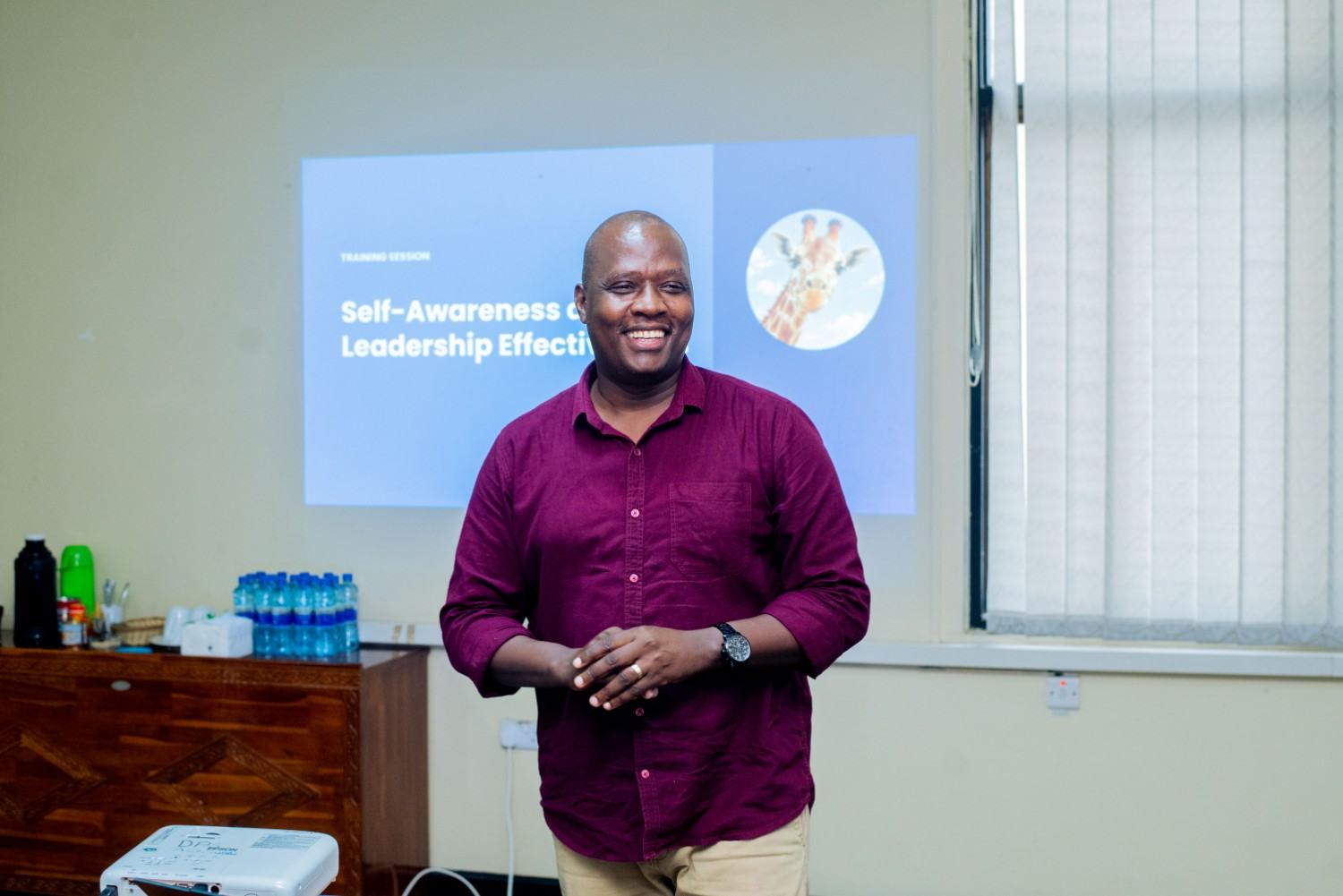
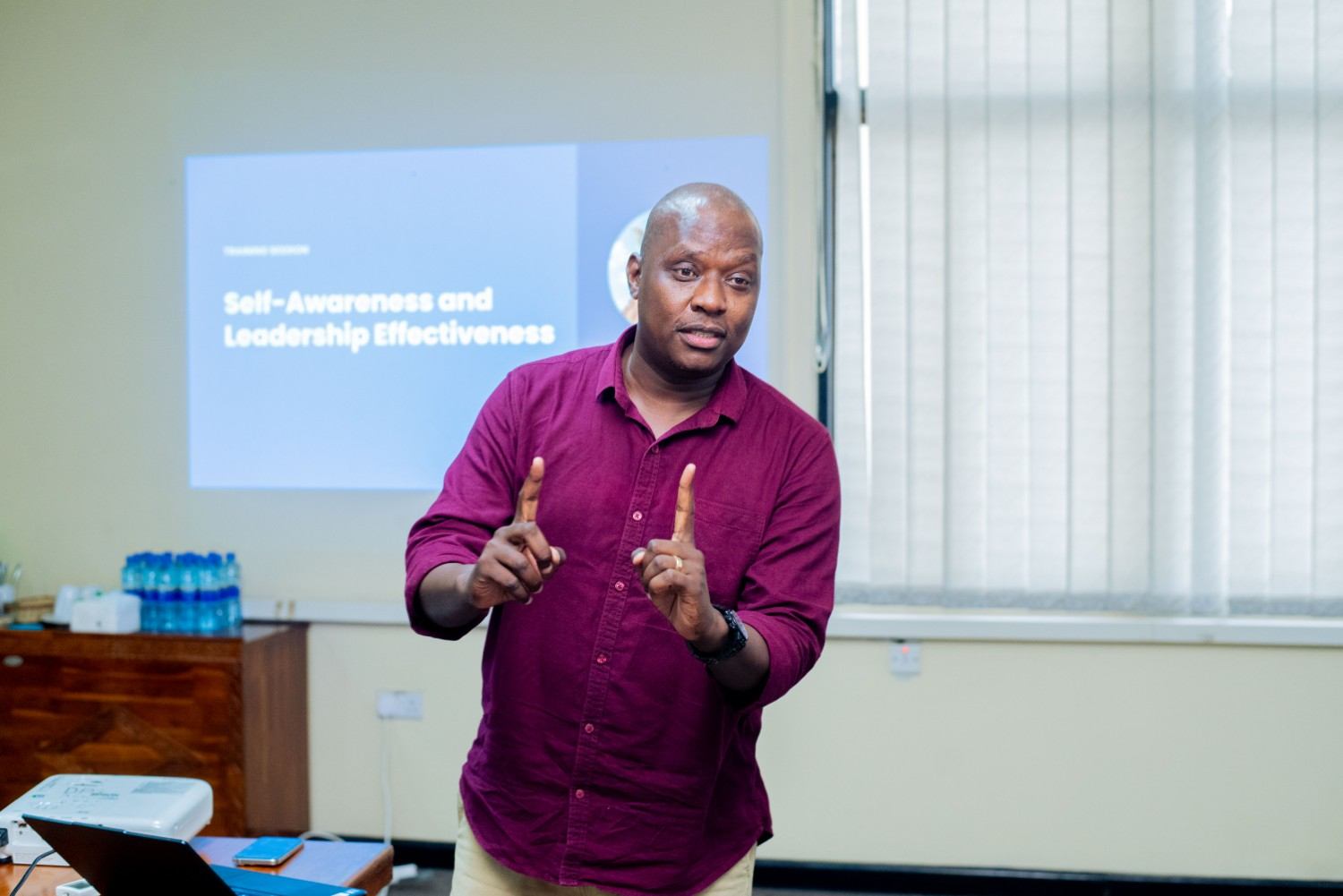
"Before you lead other people, you must first understand yourself. You need to understand your emotions, your reactions and how your behaviour affects the people around you," he said.
Rutasingwa explained that self-awareness and emotional intelligence shape how managers respond to pressure, resolve disagreements and interact with employees, ultimately influencing the working environment and organisational performance.
He cautioned that leaders who fail to manage their emotions risk creating unnecessary tension, weakening teamwork and discouraging employees from contributing their best.
He also emphasised empathy, urging managers to recognise that employees have different personalities, experiences and personal circumstances that influence their performance.
"People are different, and as a leader you must understand those differences. You cannot manage everyone in exactly the same way. You have to understand people, listen to them and know how to respond to their needs," he said.
He encouraged the managers to exercise emotional self-control, listen before reacting and build relationships that make employees feel understood, respected and motivated.
UDSM challenges managers to lead with integrity and vision
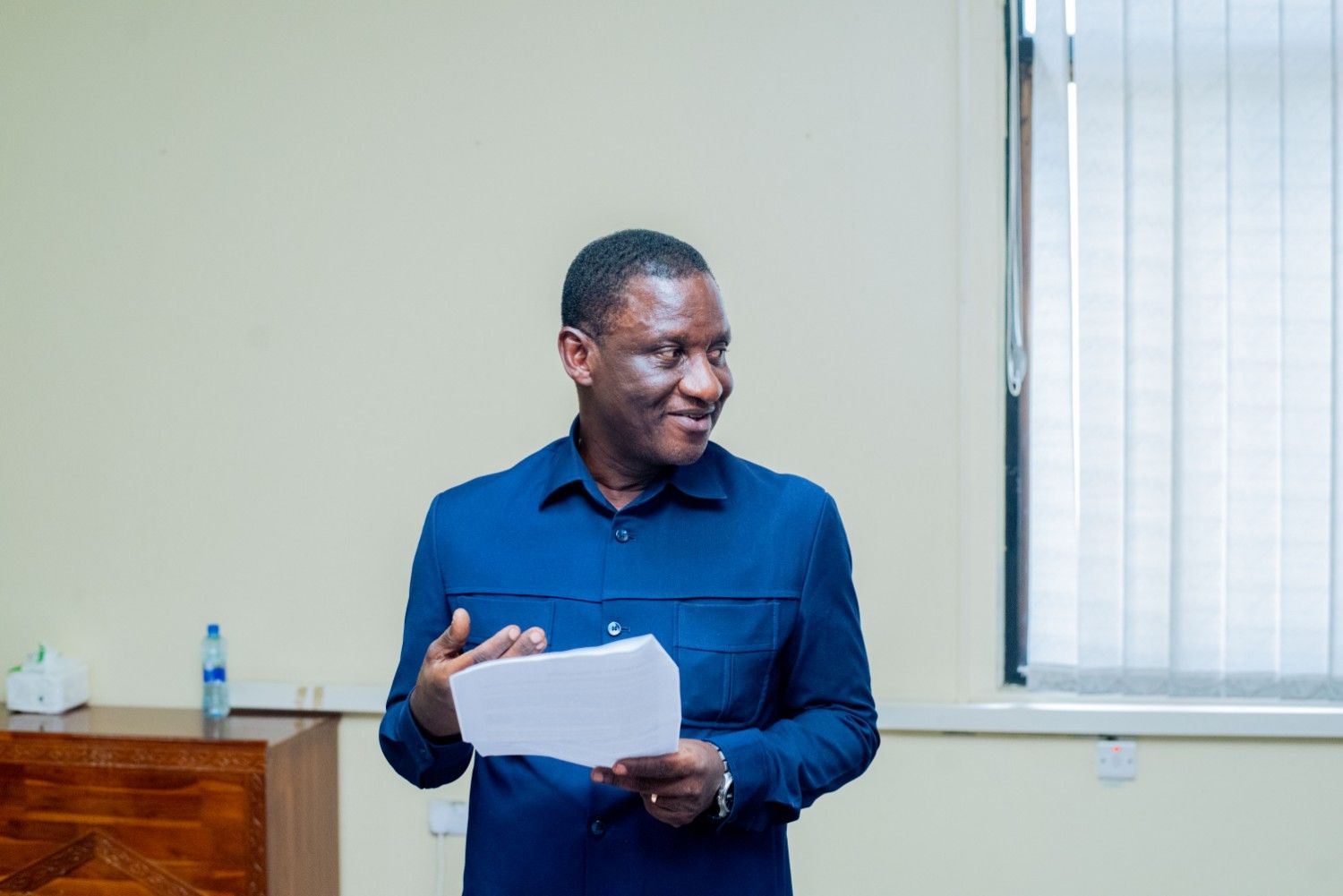
The Dean of the UDSM Business School, Prof. Omari Khalifa Mbura, reinforced the message, stressing that leadership must be measured not by the authority attached to a position but by the integrity, accountability and positive influence a person demonstrates.
He said ethical leadership was fundamental to building trust, encouraging open communication and creating workplaces where employees could collaborate and take responsibility for institutional results.
"Ethical leadership is essential in building trust and creating an environment where people can communicate honestly, work together and take responsibility for achieving institutional objectives," Prof. Mbura said.
He challenged participants to move beyond the theoretical knowledge acquired during the programme and apply it in their daily management responsibilities, particularly through effective delegation, communication, teamwork and staff development.
Prof. Mbura also underscored strategic thinking as an essential quality for managers operating in increasingly complex environments, urging them to anticipate challenges, identify emerging opportunities and make informed decisions rather than simply reacting to problems.
He emphasised that leaders must provide clear direction while creating opportunities for others to contribute, grow professionally and take ownership of organisational objectives.
‘There is no exit from UDSM’, ATCL Manager says
For the participants, the programme was more than an opportunity to acquire management skills; it was an investment in their continued professional growth and ability to lead their organisations more effectively.
Expressing appreciation on behalf of her colleagues, Judes Mjungu, County Manager at Air Tanzania-Kenya, said the experience had broadened their leadership perspectives and provided practical lessons they could apply in their respective workplaces.
She particularly reflected on the lasting value of learning at UDSM, describing the University's contribution to professional development as something that extends well beyond the classroom.
"When you enter into the University of Dar es Salaam, there is no exit," she remarked.
Her observation captured the enduring influence of education and professional learning, suggesting that the knowledge, experiences and relationships gained at the University continue shaping individuals long after they complete their programmes.
She thanked the facilitators, organisers and UDSM management for providing an enriching learning environment, adding that the lessons gained would remain valuable in their professional responsibilities.
"Our appreciation goes beyond words. We are truly grateful for this opportunity and the knowledge we have gained," she said.
The programme reflects UDSM's continuing commitment to connecting academic expertise with the practical leadership needs of organisations. Through its professional development initiatives, the University seeks to equip managers with the strategic, ethical and interpersonal competencies needed to build stronger institutions.