

World Bank Hails UDSM’s Progress in Inclusion, Student Welfare and Graduate Employability
By Selemani Nambimbi, CMU
The University of Dar es Salaam (UDSM) has earned recognition from the World Bank for strengthening student welfare, inclunsivity, campus safety, and graduate employability, demonstrating its commitment to creating a supportive and equitable environment.
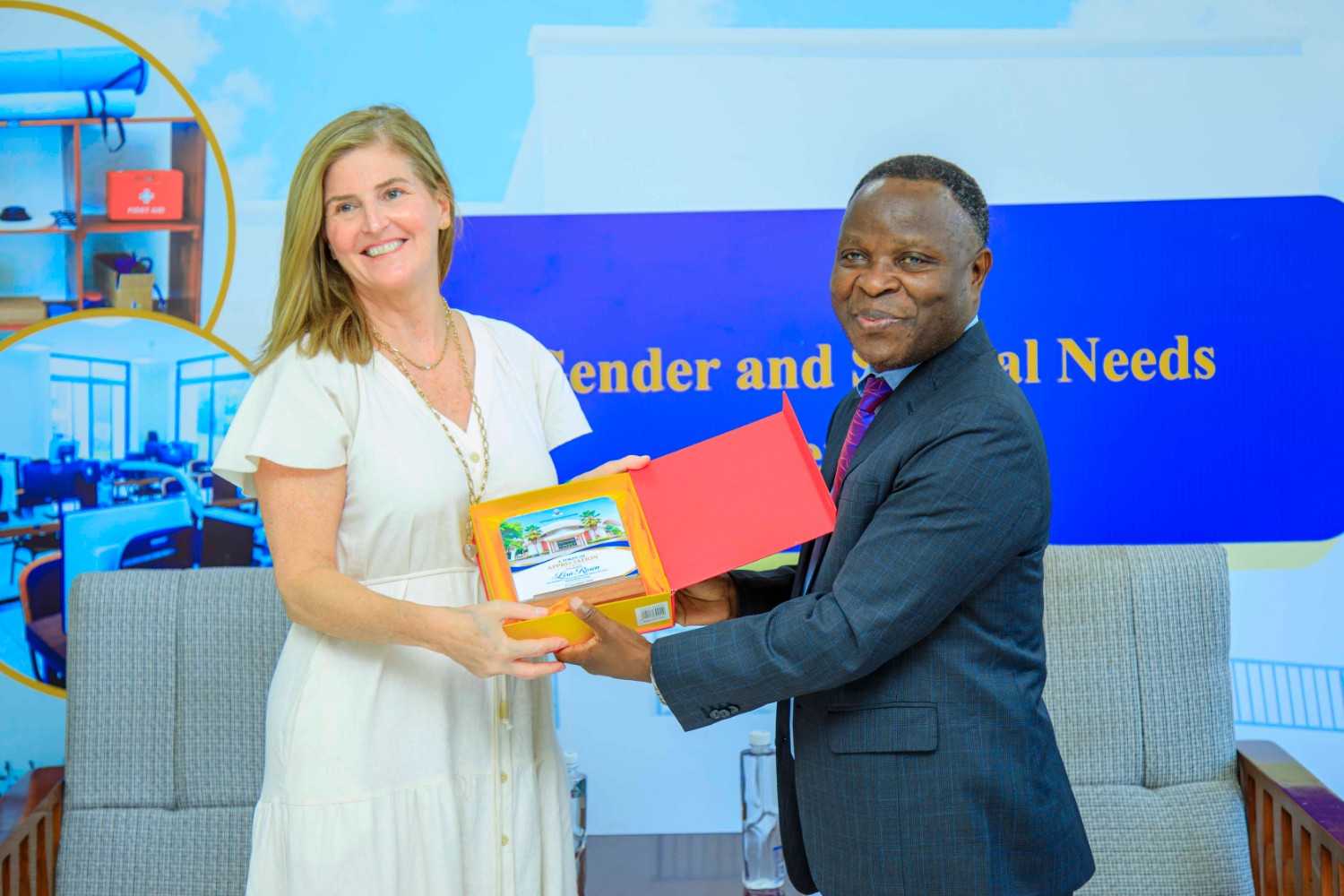
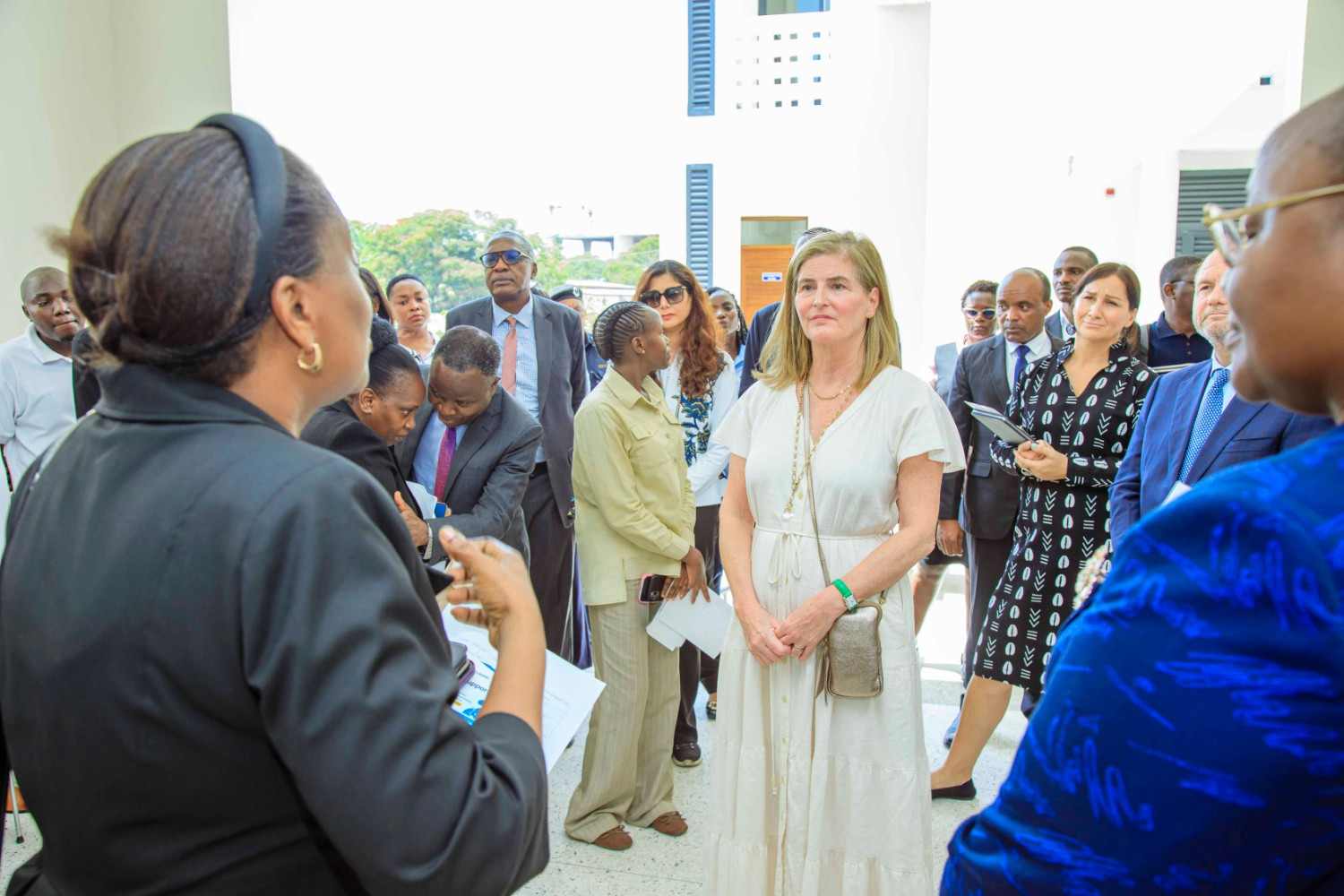
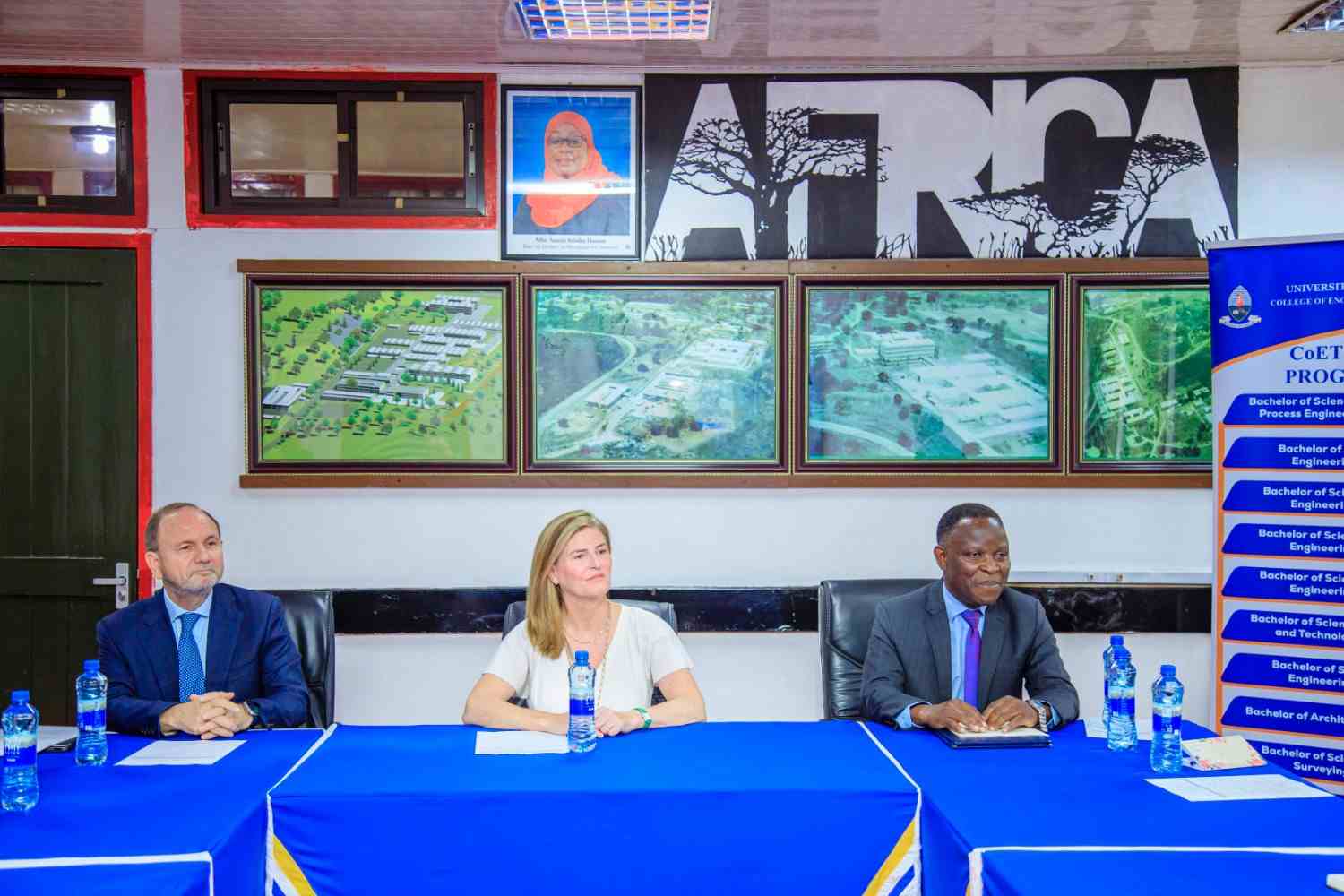
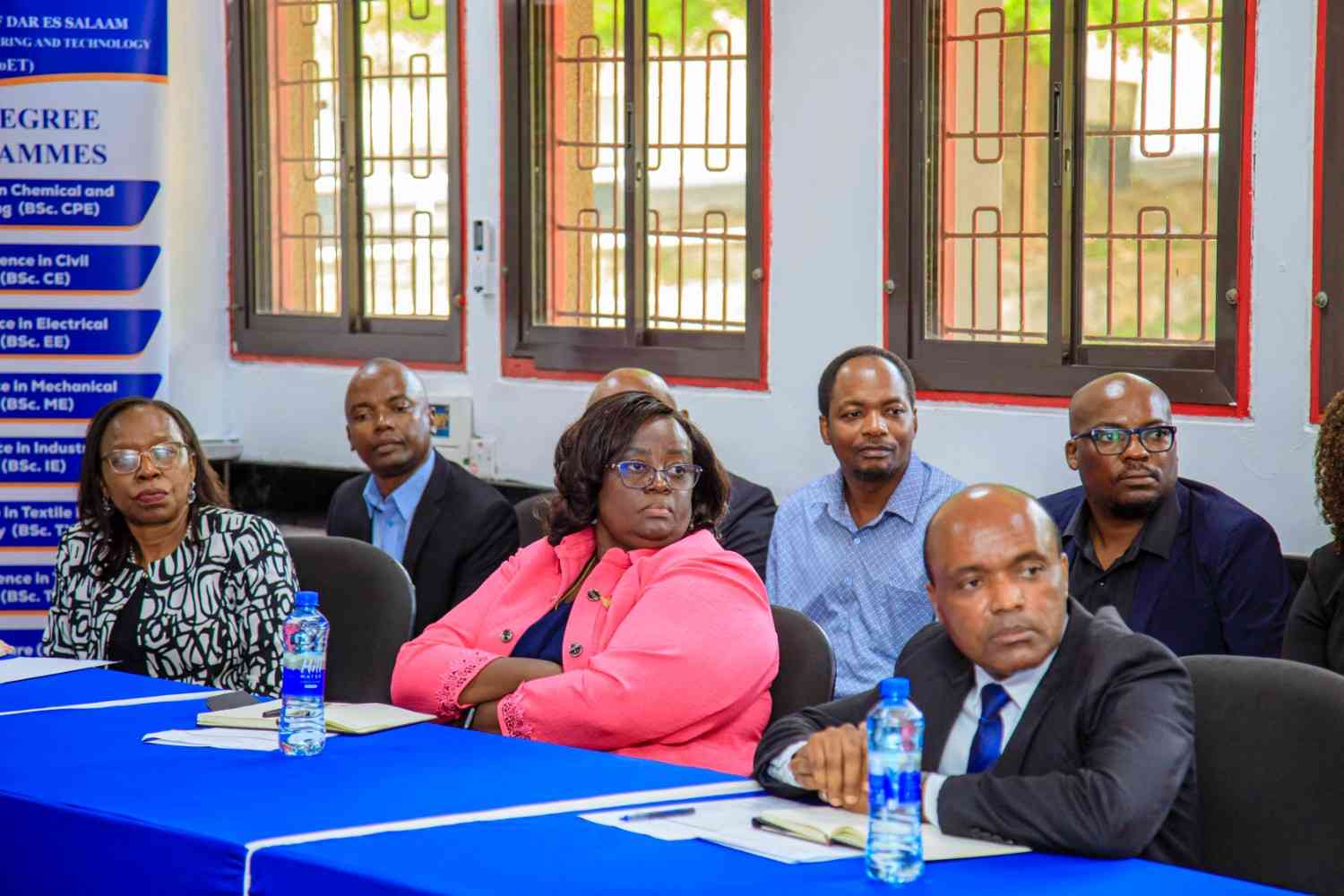
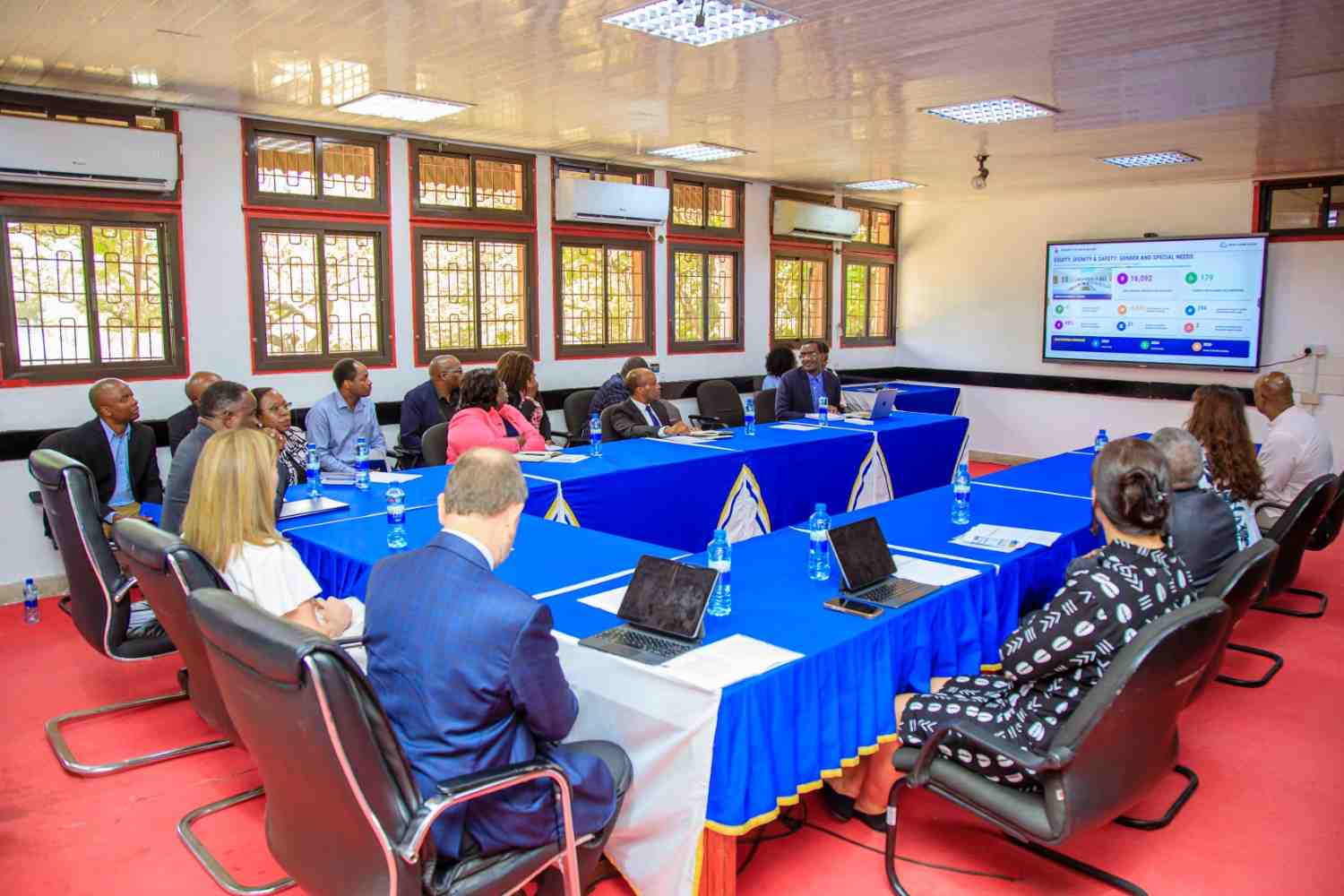
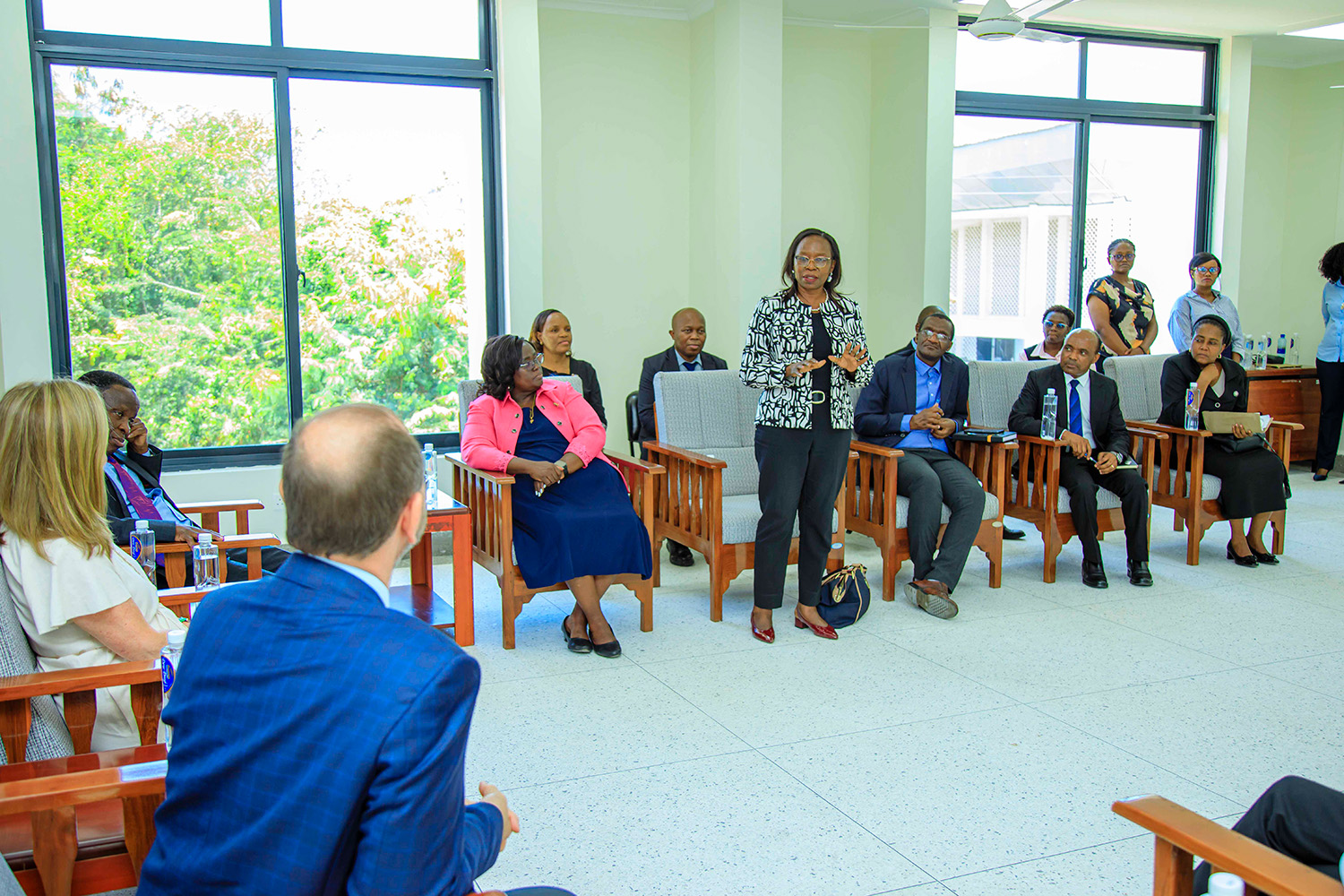
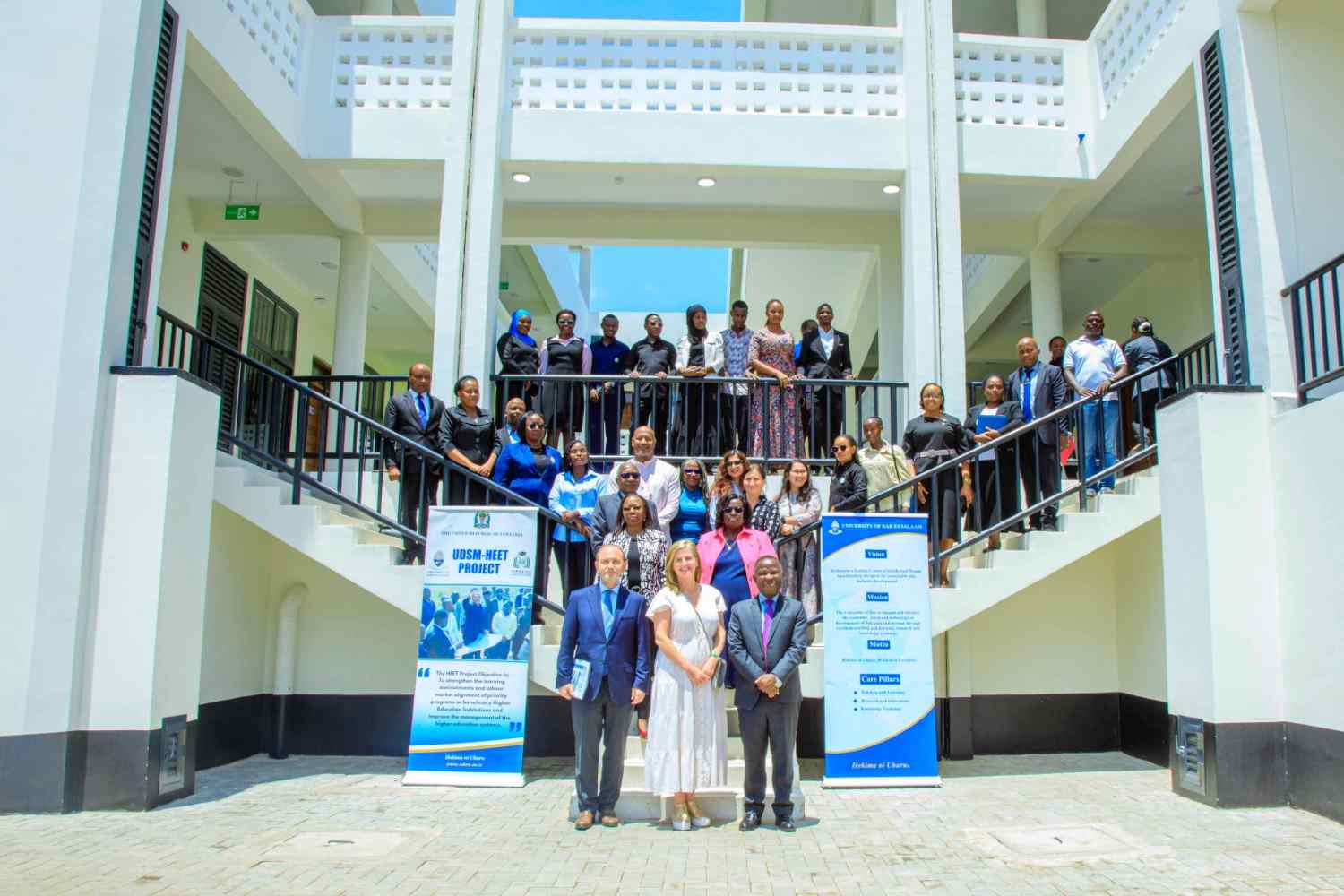
During a visit to the University on Tuesday, November, 3, 2026, Ms. Lisa Rosen, Vice President of Ethics and Internal Justice Services at the World Bank, praised UDSM’s efforts to reinforce institutional policies and support systems that promote fairness, accountability and equal opportunities for all students.
“Achievement is important, but so is how people are treated,” Ms Rosen said, underscoring the importance of creating a university environment in which every student feels respected, valued and confident that their concerns will be heard and addressed fairly.
She particularly recognised UDSM’s efforts to improve grievance-handling mechanisms, campus safety and student support services, as well as its zero-tolerance policy, noting that such measures are essential in building an institutional culture grounded in fairness and accountability.
The World Bank representative also highlighted the University’s graduate employability record, noting that 69 per cent of UDSM graduates secure employment, describing the achievement as tremendous. The performance reflects the importance of connecting academic training with the skills and competencies required in the labour market.
“A university’s performance is not measured solely by the quality of its graduates or their employment prospects, but also by the quality of the environment in which they learn,” she said.
Infrastructure investment driving institutional transformation
The visit also provided an opportunity to reflect on the contribution of the World Bank-supported project, the Higher Education for Economic Transformation (HEET) project, to UDSM’s institutional transformation.
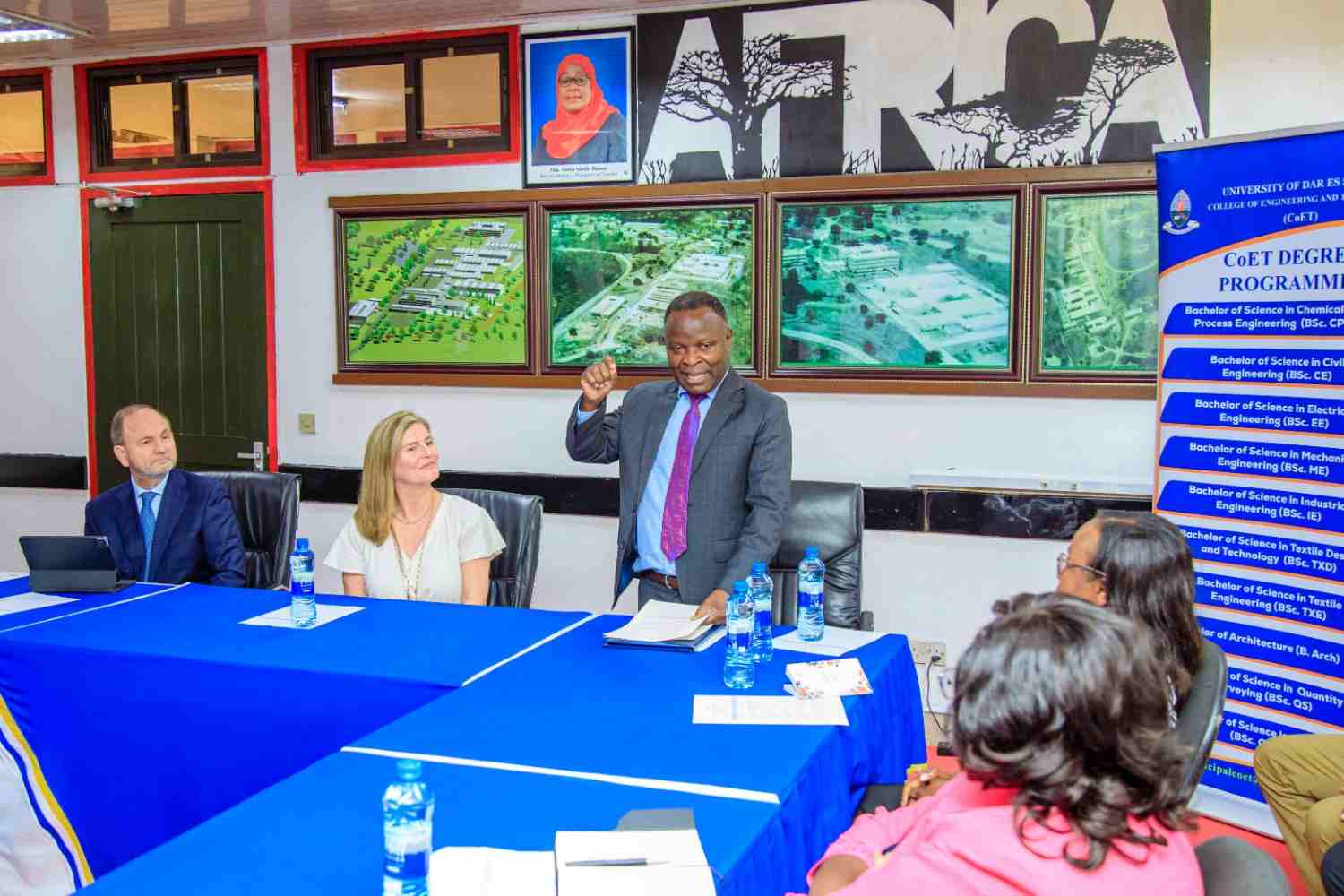
The Vice Chancellor, Prof. William A. L. Anangisye, appreciated the World Bank’s partnership, noting its contribution to infrastructure development, institutional capacity and improved student support services.
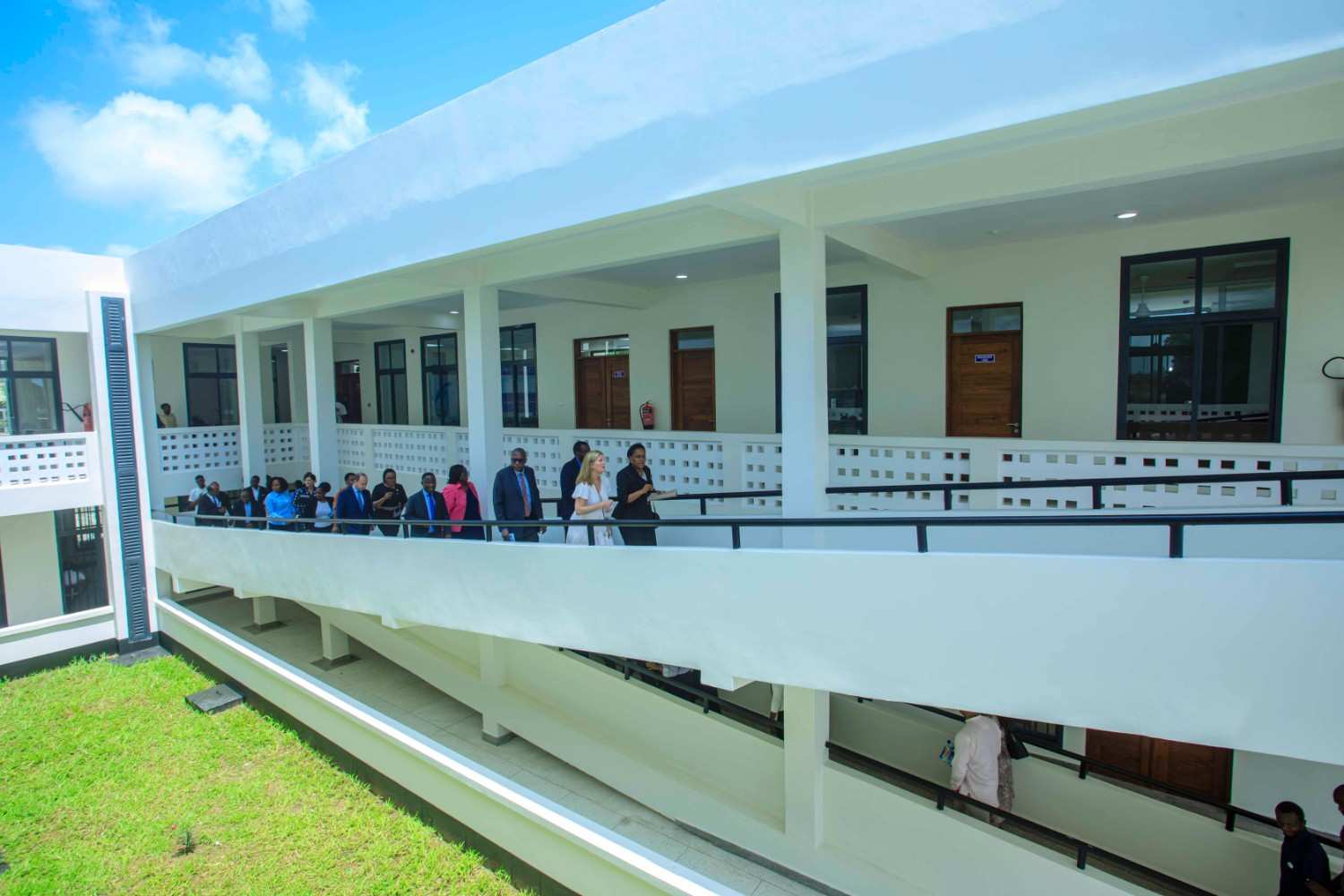
The Deputy Vice-Chancellor for Planning, Finance and Administration (DVC-PFA), Prof. Bernadeta Killian, who also serves as the HEET Project Coordinator at UDSM, said the programme had enabled significant improvements to infrastructure and institutional systems after nearly six decades without rehabilitation and infrastructure improvements of comparable magnitude.
“Through this programme, we have been able to rehabilitate existing facilities, construct new buildings and improve infrastructure, including facilities that date back to the 1960s and 1970s,” Prof. Killian explained.
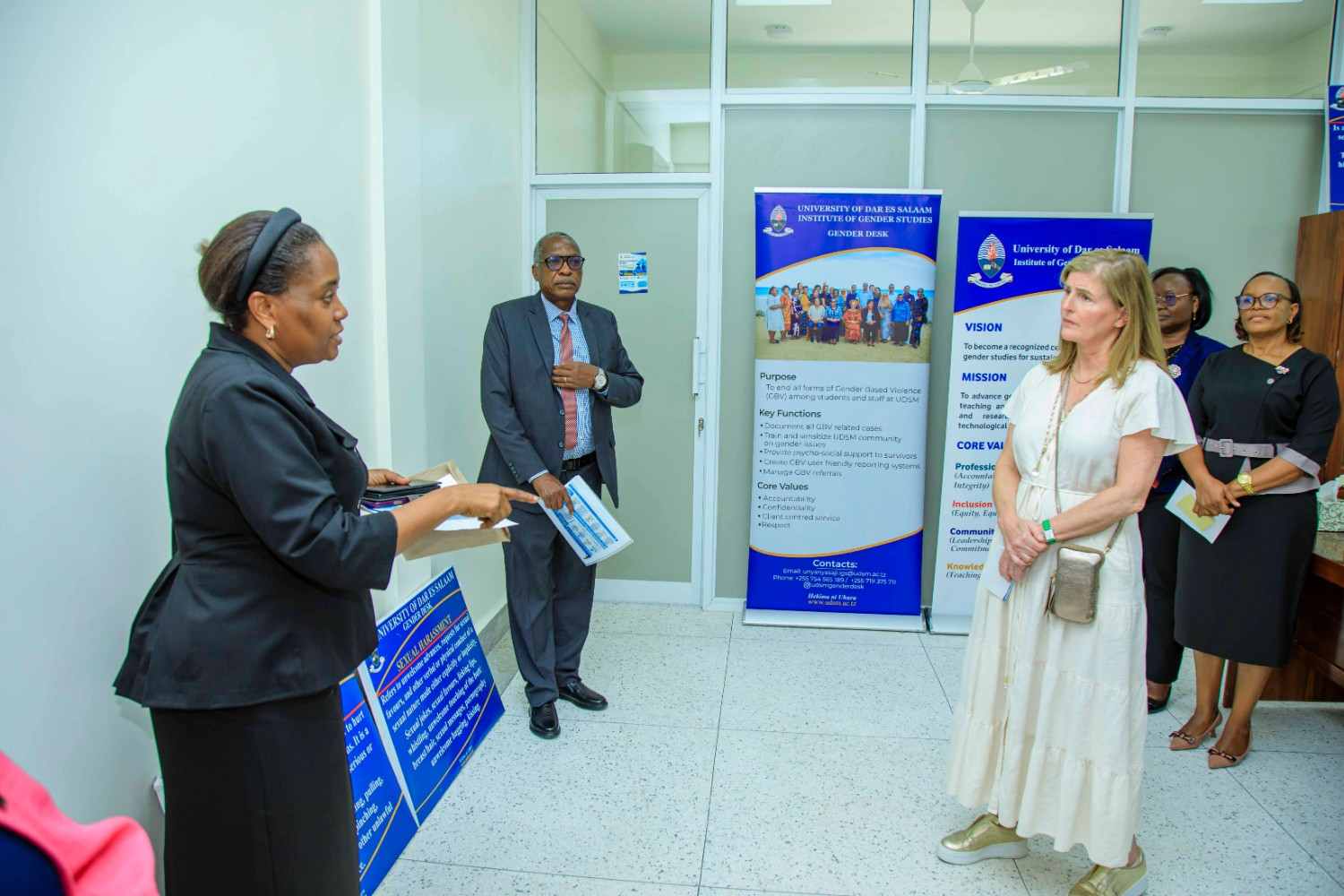
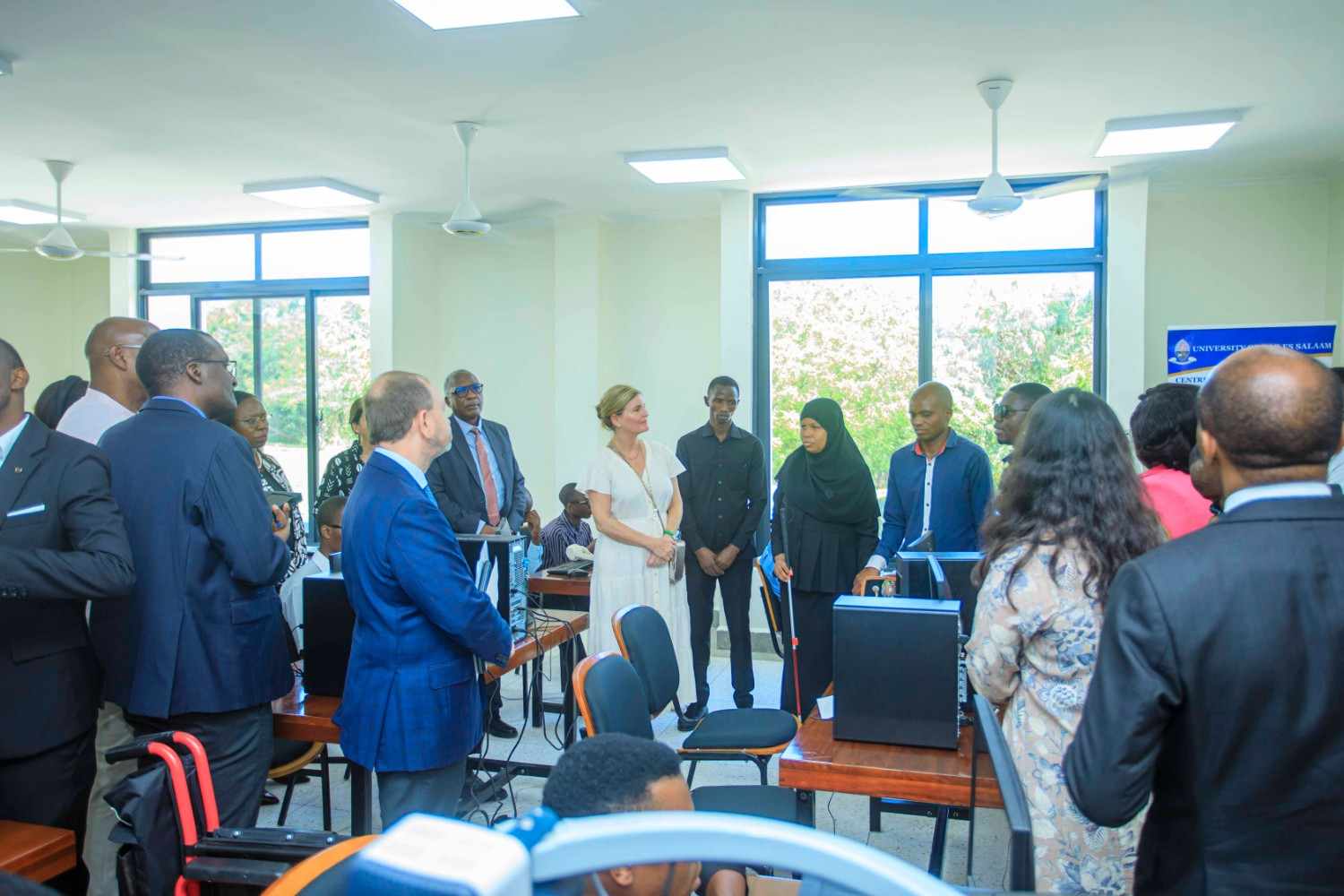
She emphasised that the programme’s impact extended beyond buildings to strengthening institutional policies and services that make university education more accessible and responsive to diverse student needs. These included improvements to the Disability Centre and Gender Desk, alongside policy and regulatory measures addressing inclusivity, climate change and other institutional priorities.
For students, such improvements mean more than better facilities. They represent greater opportunities to participate in university life, access support services and pursue their studies in an environment that recognises and accommodates their different needs.
Bridging the gap between university and industry
UDSM has also strengthened its engagement with the private sector, creating opportunities for students to interact with industry professionals, acquire practical skills and gain exposure to actual workplace demands.
Prof. Killian said the programme had supported industrial placements and closer collaboration between academia and industry, helping students connect classroom learning with practical experience.
“Today, we have created opportunities for closer engagement between academia and industry. We have also strengthened practical learning by taking students into industries,” she said.
These initiatives are particularly important in preparing graduates for a competitive labour market, where employers increasingly expect university graduates to combine academic knowledge with practical competencies and workplace experience.
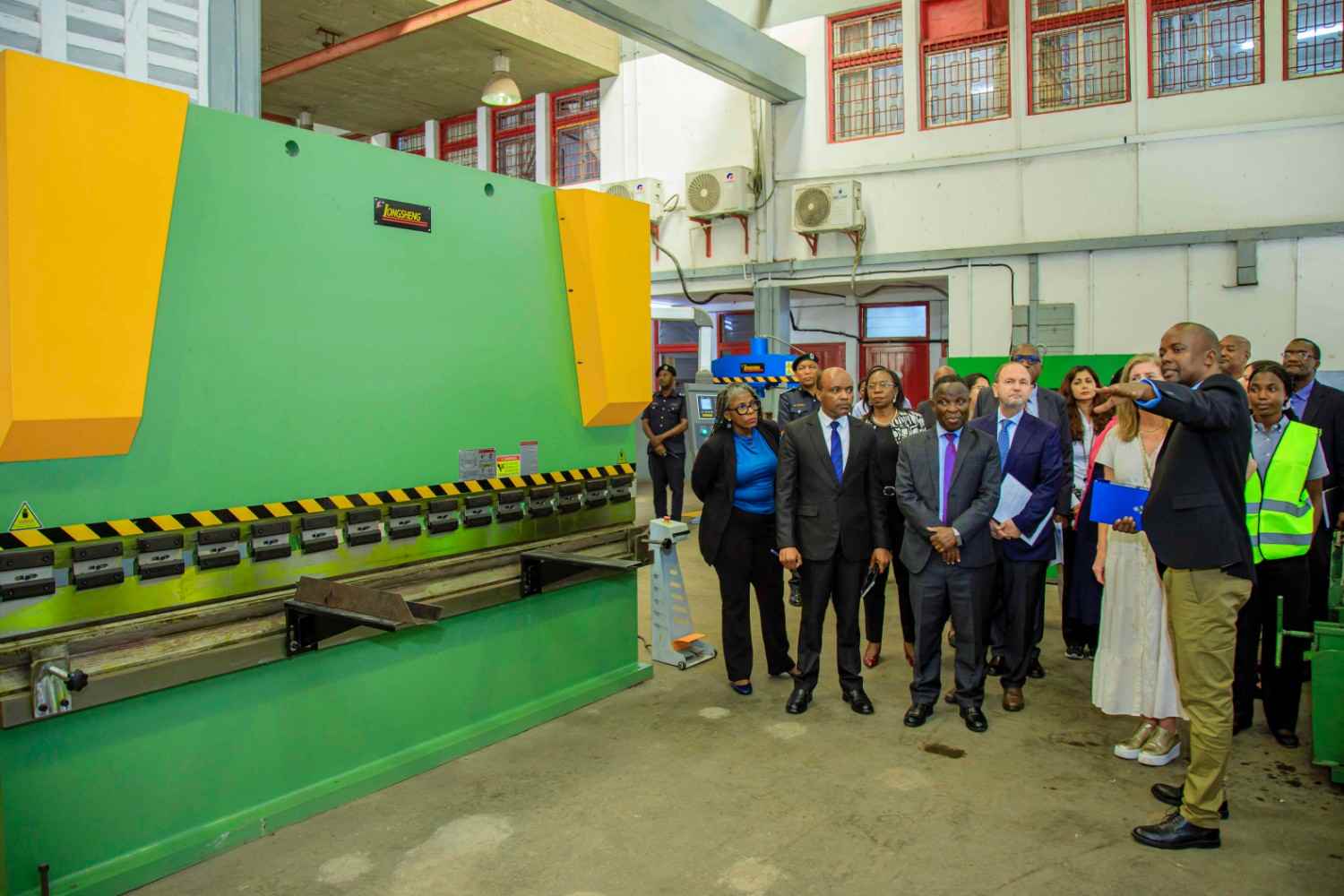
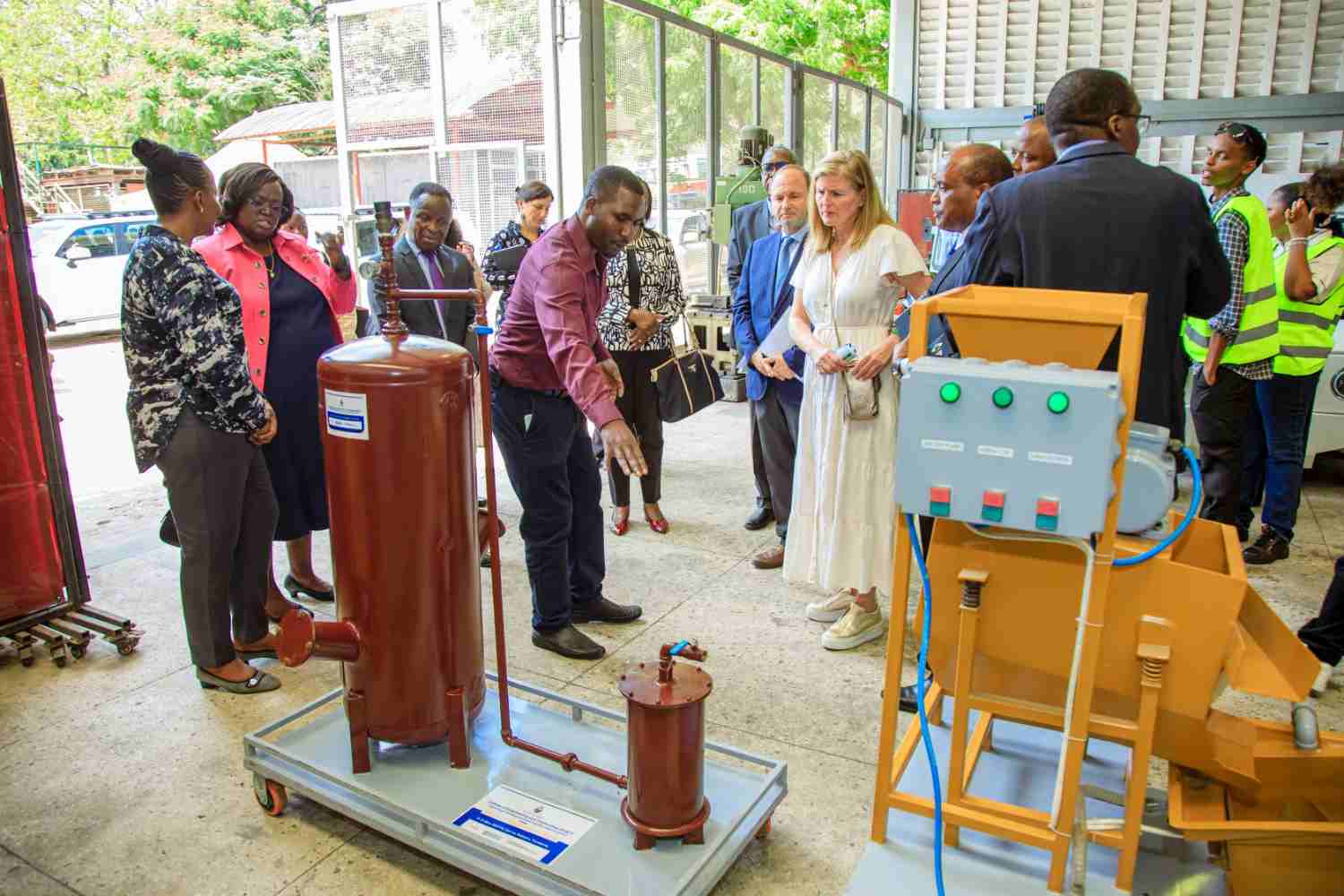
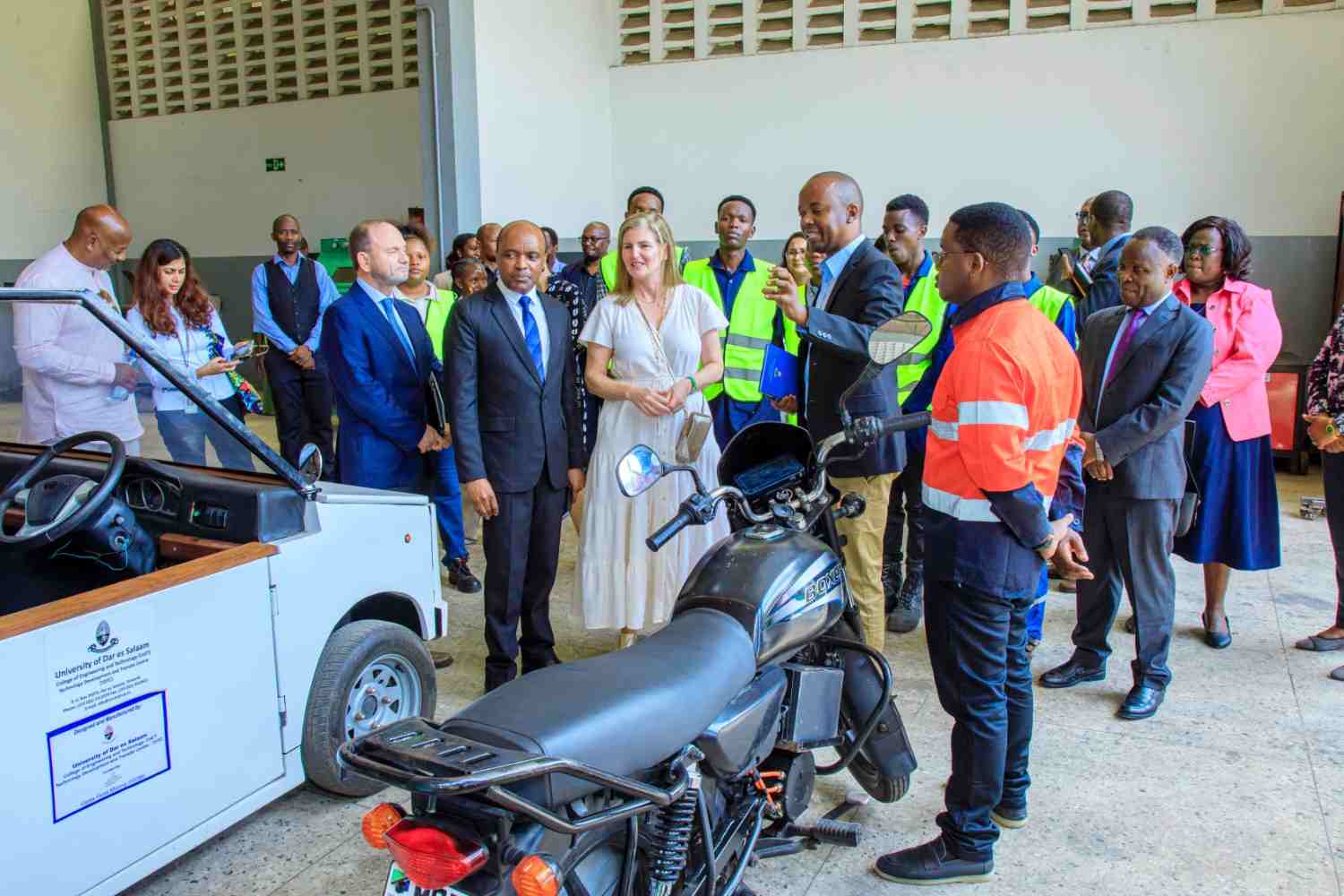
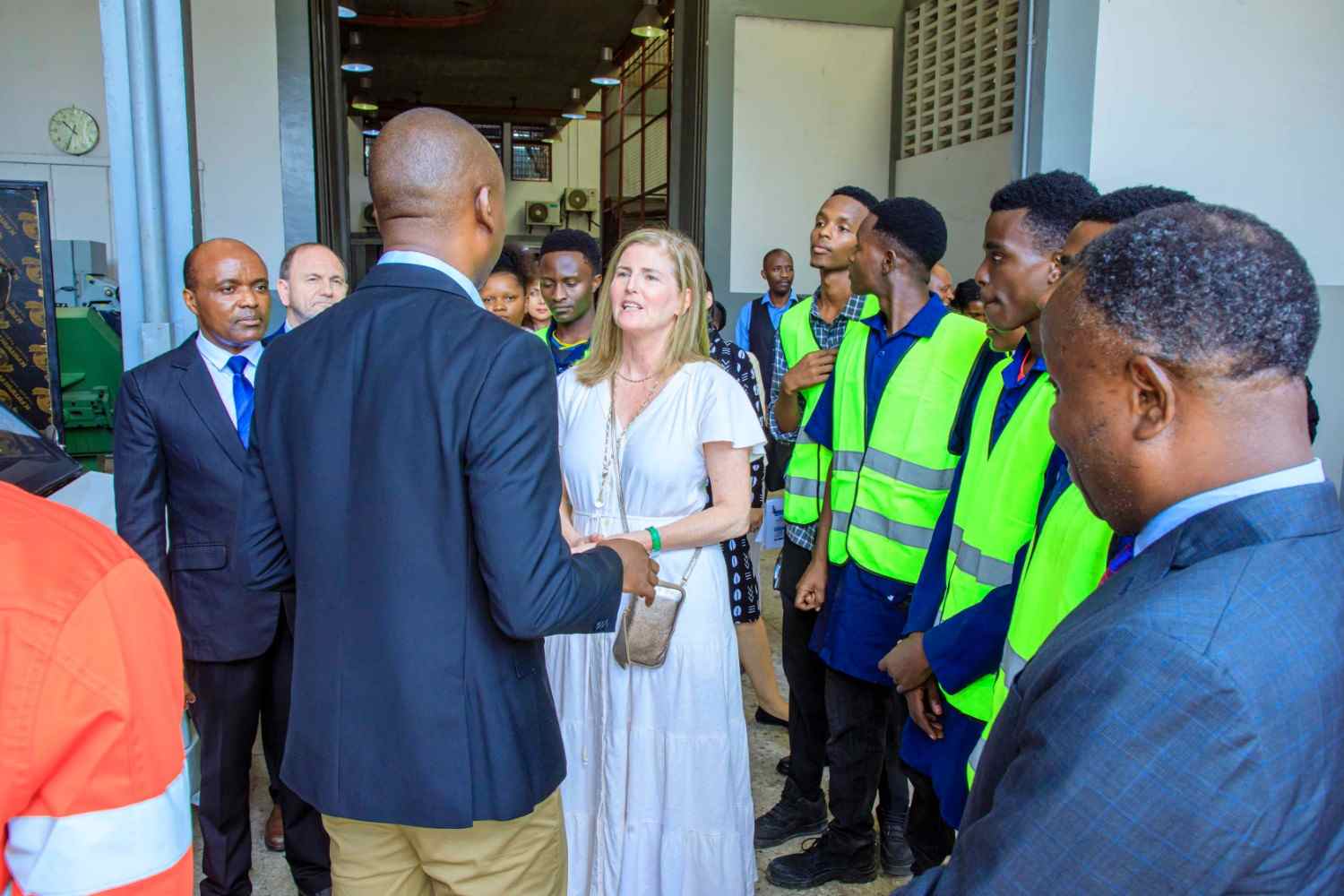
The World Bank delegation visited the College of Engineering and Technology (CoET), the Technology Development and Transfer Centre (TDTC), where it viewed student projects and industry-linked innovations, and the Gender and Special Needs Services Centre, where discussions focused on accessibility, inclusion and student support.
While recognising the programme’s achievements, Prof. Killian noted that growing demand for specialised support services, particularly among students with disabilities, remained an important area requiring further investment.
She explained that the increasing number of students requiring personal assistants and other specialised services was placing additional financial demands on the University. She called for continued collaboration with the Government and other stakeholders to strengthen disability support, review curricula and address emerging infrastructure and institutional needs.
She also acknowledged the Government’s contribution, particularly in facilitating access to additional land for the University, and emphasised the importance of sustaining the gains made through continued institutional and stakeholder commitment.
Ms Rosen similarly stressed that the programme’s long-term impact would depend on UDSM’s ability to maintain its achievements beyond the project period through partnerships with the Government and private sector, responsiveness to employers’ needs and sustained engagement with students.
She said the lasting legacy should be a university that upholds fairness and accountability, listens to its students, responds to labour-market demands and ensures that educational and employment opportunities are accessible to all.
For UDSM, the recognition reinforces a broader institutional commitment: delivering quality higher education while ensuring that students are supported, included and equipped to contribute meaningfully to society.