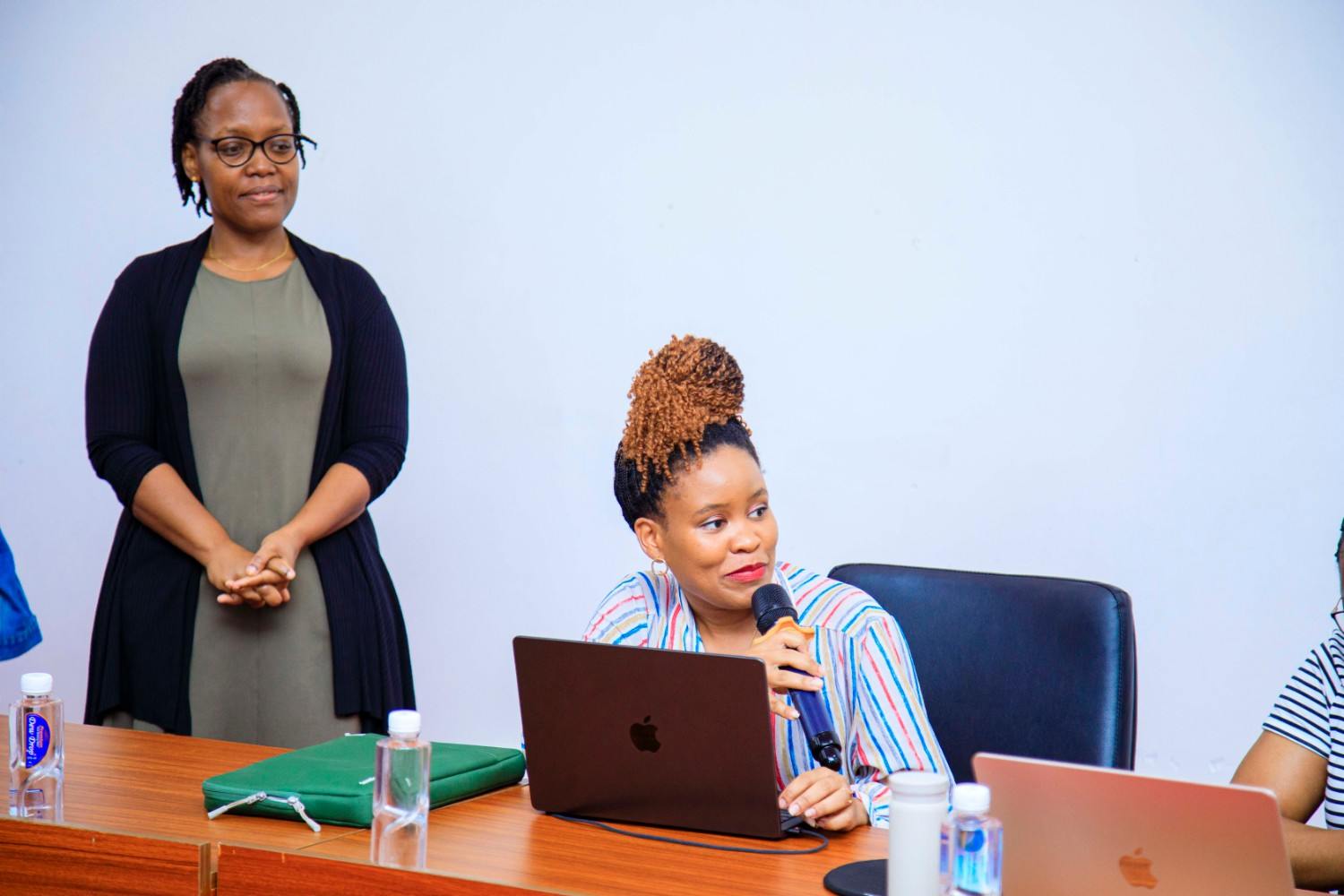
From Writing Time to Career Growth: How UDSM Is Helping Women Academics Rise
By Selemani Nambimbi, CMU
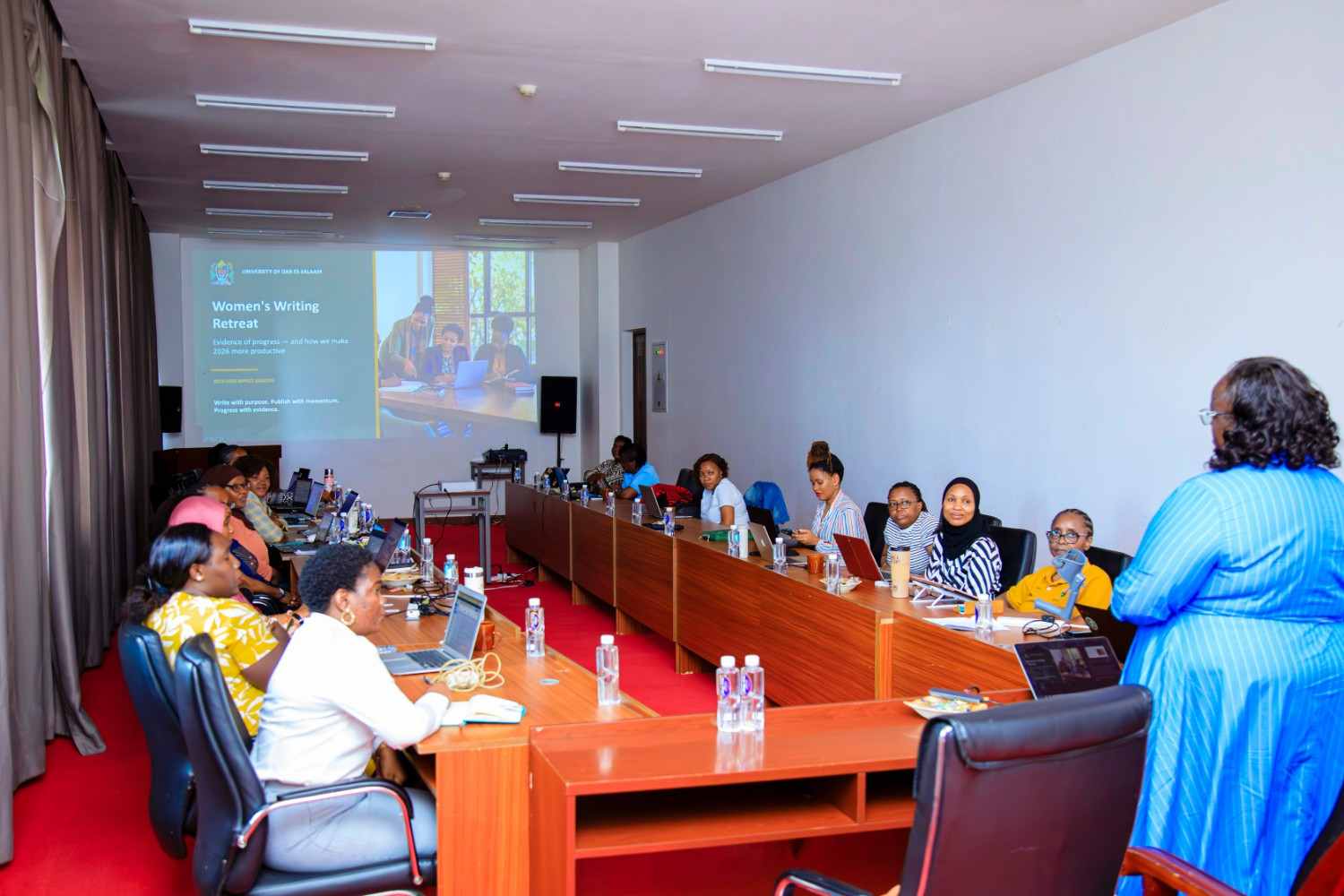
For many women academics, finding uninterrupted time to write, publish and build a strong academic profile can be as challenging as the research itself. At the University of Dar es Salaam (UDSM), a programme is helping change that by creating space for women academics to write, learn from one another and take the next step in their careers.
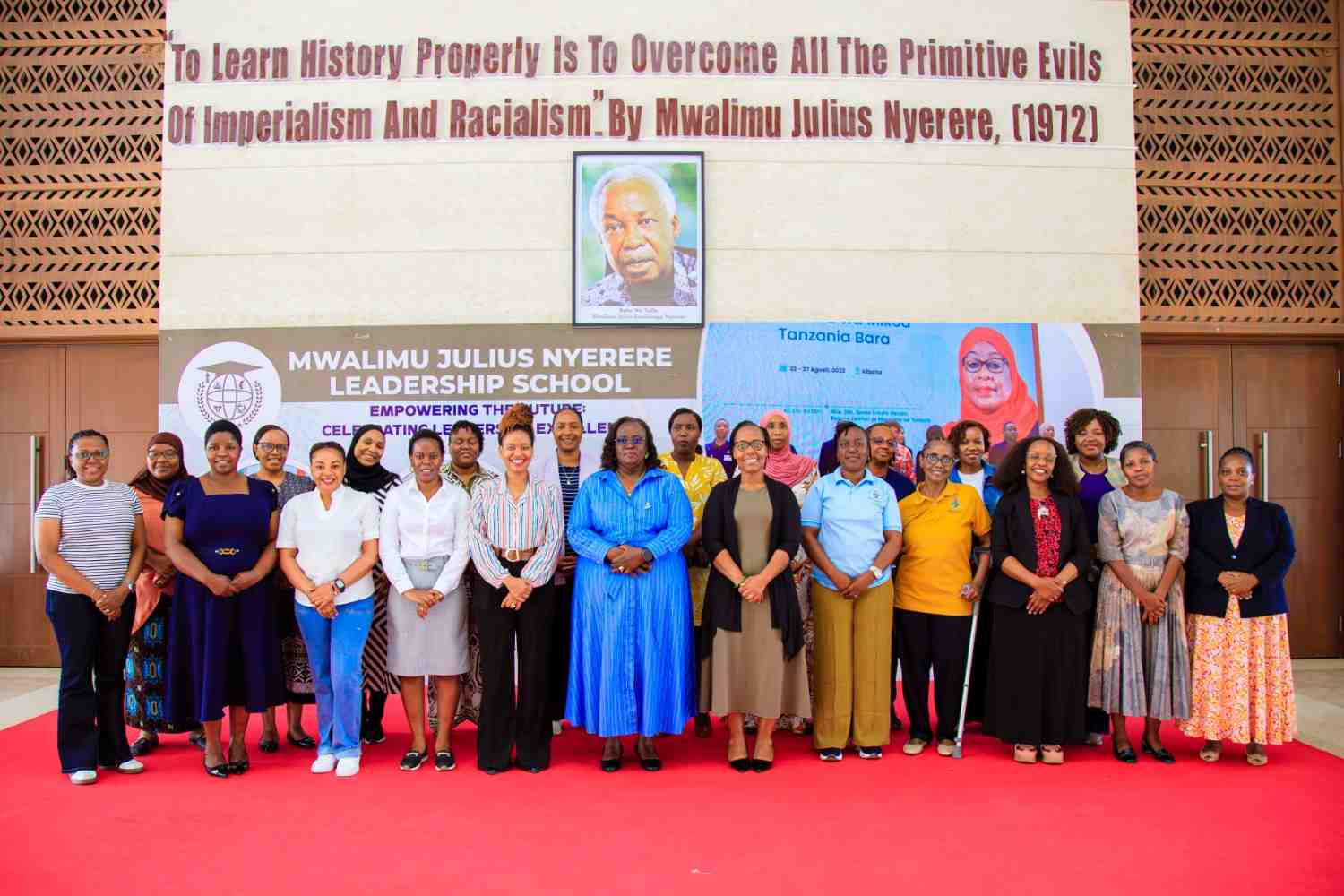
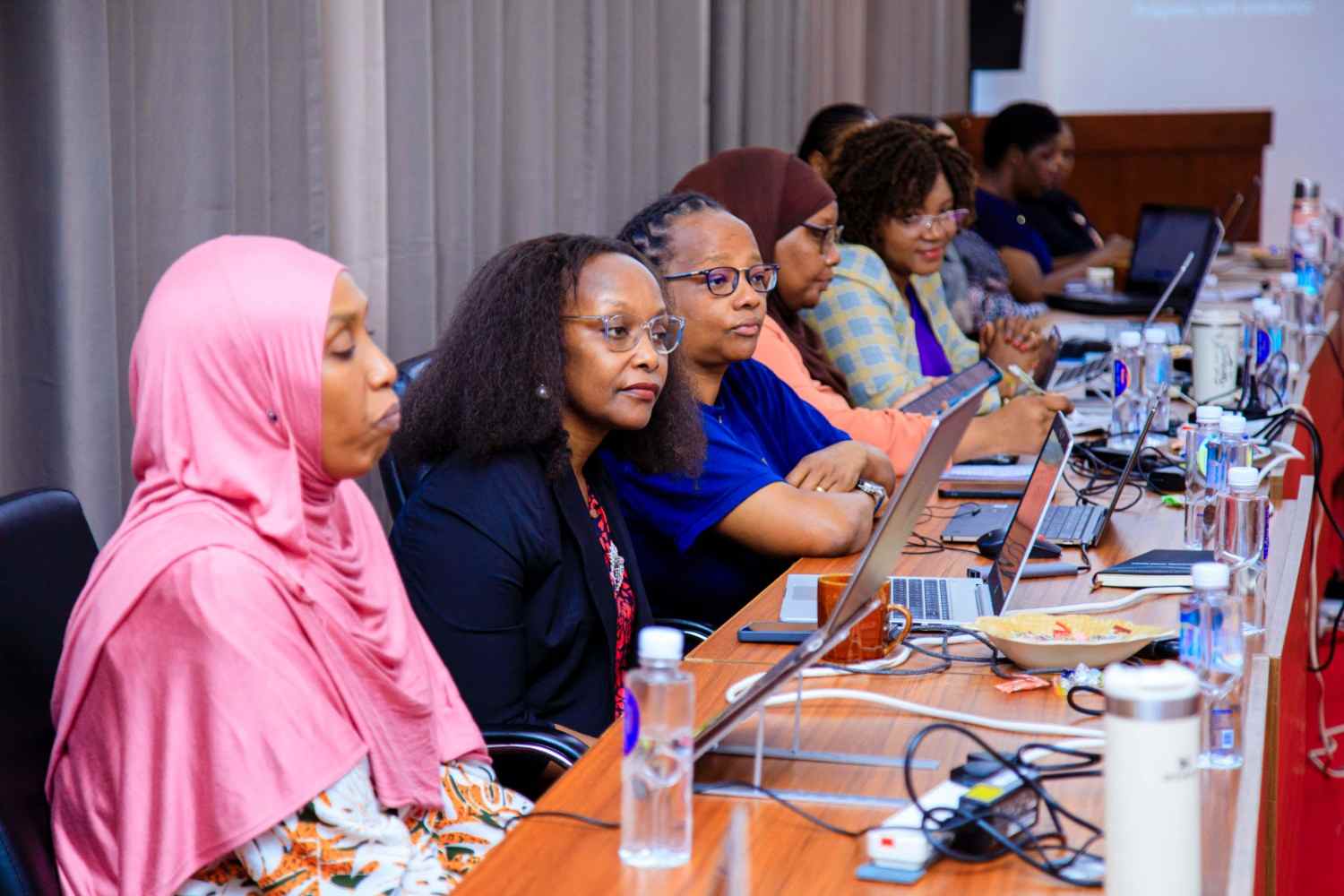
The Academic Writing Programme for Female Leaders concluded its latest five-day session on 5 September 2026, bringing together 24 women academics for an intensive period of academic writing, reflection and peer support.
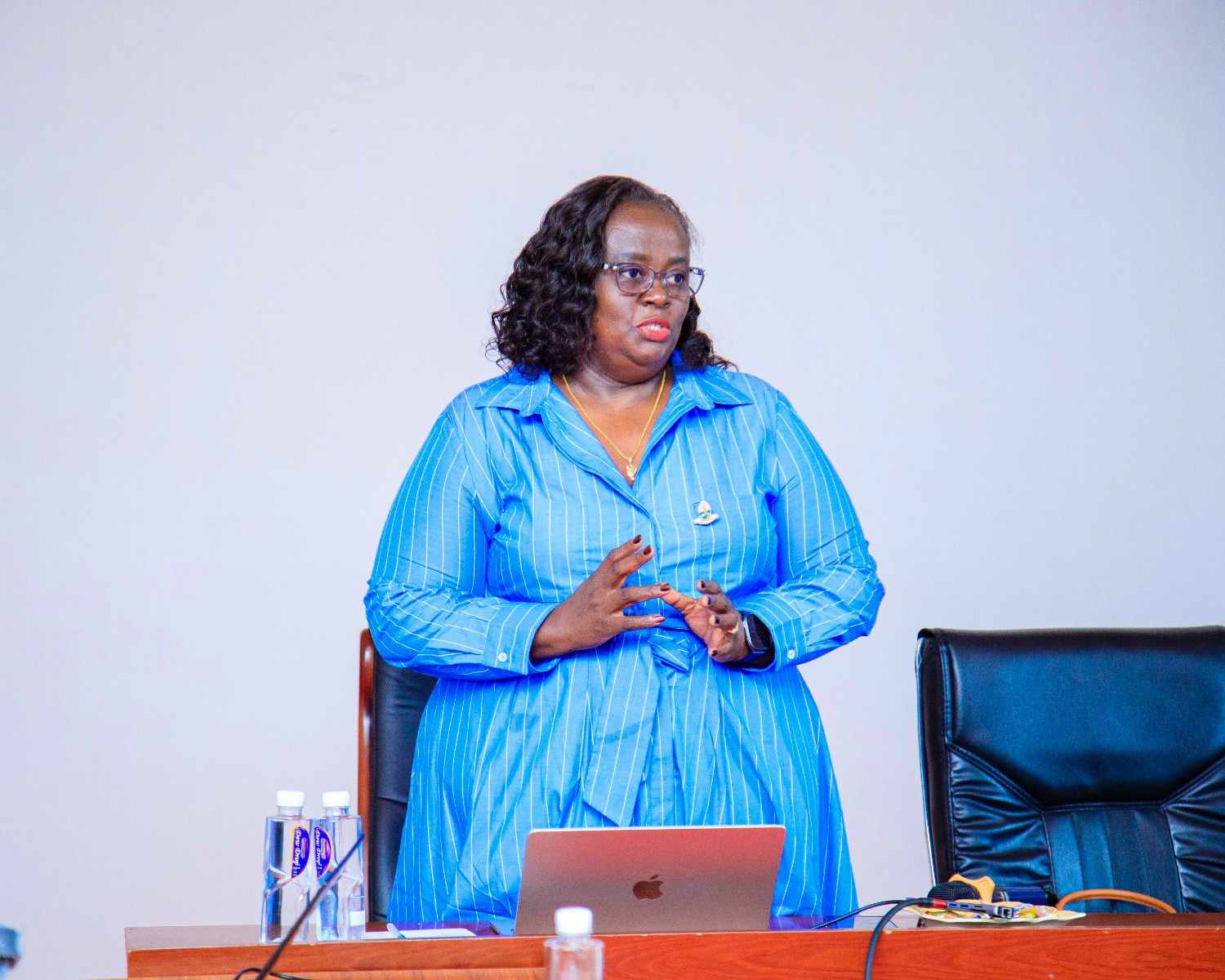
But the programme is about more than five days of writing. According to UDSM Deputy Vice-Chancellor – Academic, Prof. Rose Upor, its impact is increasingly being seen in the careers of women who have gone through it.
“So far, 93 women academics have benefited from this programme, and 29 have progressed from Lecturer to Senior Lecturer and, in some cases, to professorial positions. The programme has supported them in different areas of their academic careers”, Prof. Upor said.
She said this year’s participants were encouraged to return to active academic writing and strengthen their publication output, an important step for academics seeking promotion and greater leadership responsibilities.
“Sometimes what women academics need is simply the opportunity to step away from the daily demands of work, focus on writing and learn from one another. This programme gives them that space and creates an environment where they can support each other”, Prof. Upor said.
Practical and personal experience
For Eng. Dr. Jaqueline Masaki, a Lecturer in the Department of Transportation and Geotechnical Engineering at the College of Engineering and Technology (CoET), the experience was both practical and personal.
Taking part in the programme for the first time, Dr. Masaki said she came expecting to improve her writing, but left with something equally important: renewed confidence.
“I thank the UDSM leadership for giving women academics this opportunity to come together, spend time writing and collaborate. It was my first time participating, and I have learned a lot”, she said.
What stood out most for her was the opportunity to learn from other women academics and see possibilities in her own career.
“I have been inspired by learning from other women, and I have also come to realise that I can do more,” Dr. Masaki said.
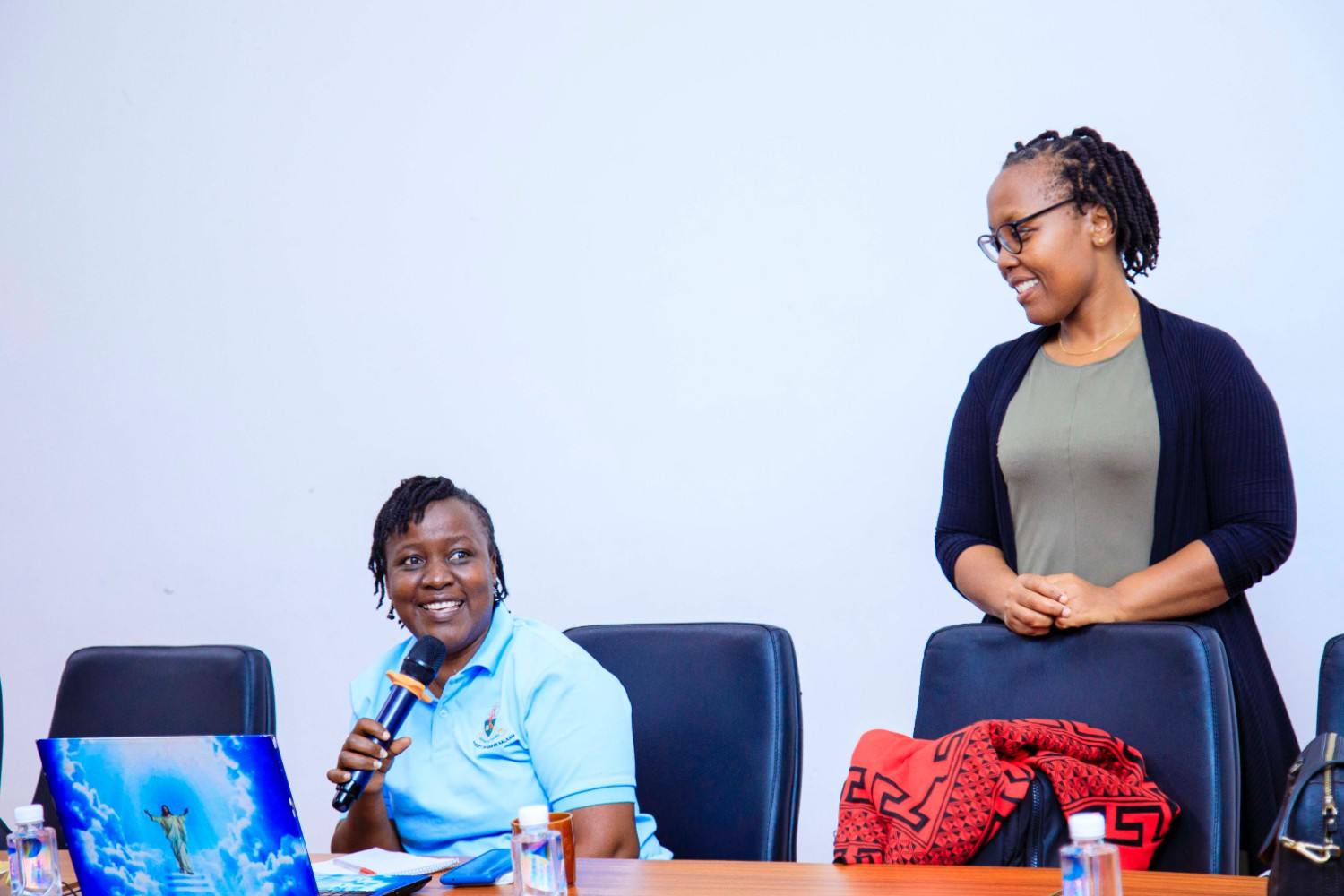
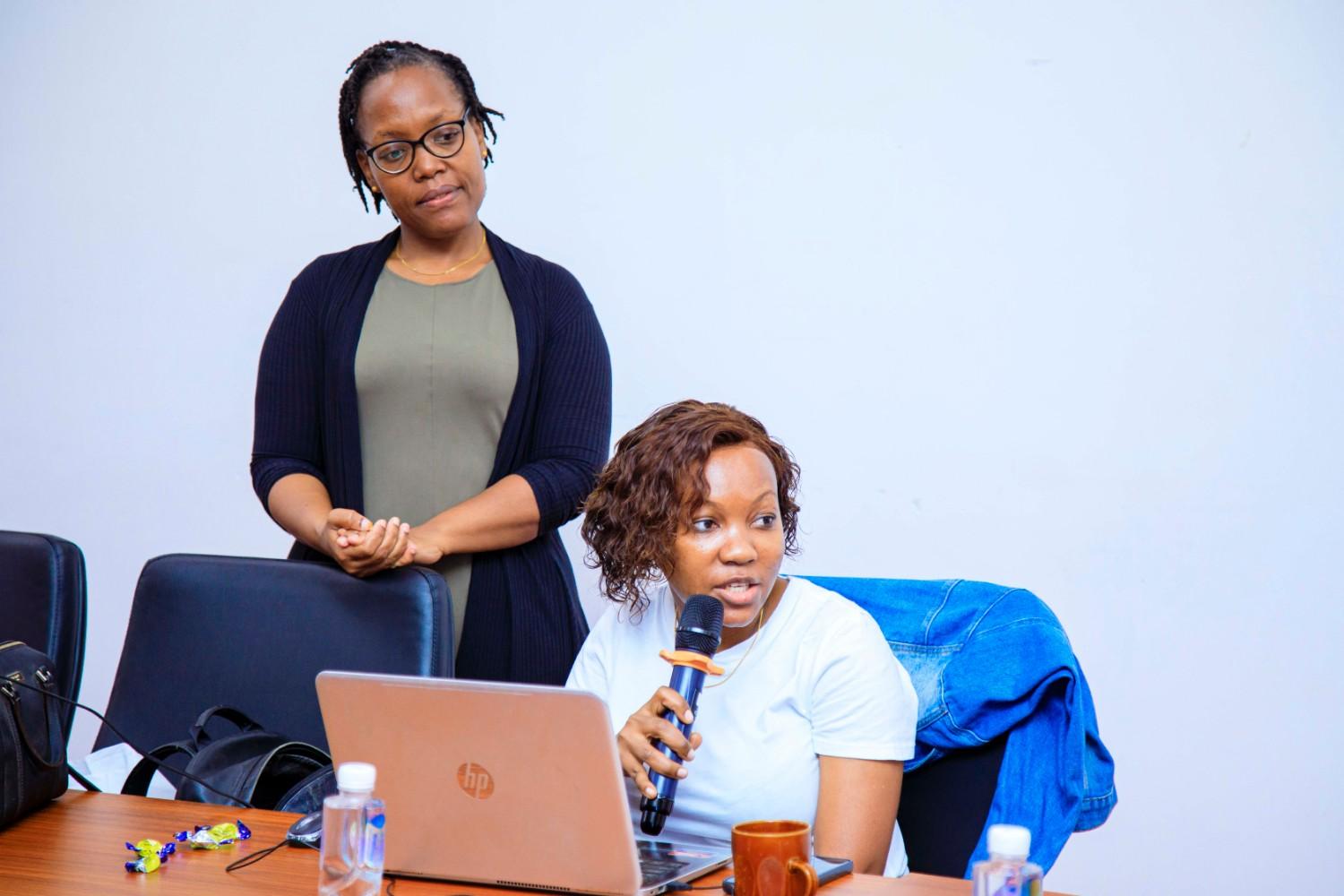
That sense of possibility is at the heart of the programme. Rather than treating academic writing as an individual struggle, the initiative creates a community where women can exchange ideas, encourage one another and work deliberately on the publications that can shape their academic careers.
For UDSM, the programme is part of a broader effort to address some of the barriers that can slow women’s progression in academia. Strong research, publications and academic leadership are essential to career advancement, and the University is seeking to ensure that women have the support and opportunities needed to compete and progress.
The growing numbers are encouraging. With 93 women academics already benefiting and 29 having progressed through the academic ranks, the programme is demonstrating that creating the right environment can make a tangible difference.
As the latest cohort returns to their colleges, departments and research work, the expectation is that the five days will not end with the closing ceremony. The real measure of success will be seen in the papers published, research completed, promotions achieved and leadership opportunities taken up.
For Dr. Masaki, it may be as simple—and as powerful—as recognising her own potential. “I have also come to realise that I can do more.”
And that, perhaps, is the bigger story behind UDSM’s investment in women academics: sometimes advancing a career begins by creating the space for someone to believe they are capable of going further.