

IMS Advances Campus Well-Being Agenda with Focus on Safety, Mental Health and Inclusion
By Dickens Dominick, CMU
The University of Dar es Salaam (UDSM), through its Institute of Marine Sciences (IMS) Zanzibar, has reaffirmed its commitment to a safe, inclusive, and supportive academic environment, with a strong call for collective responsibility in addressing gender-based violence, mental health, counselling, and disability inclusion.
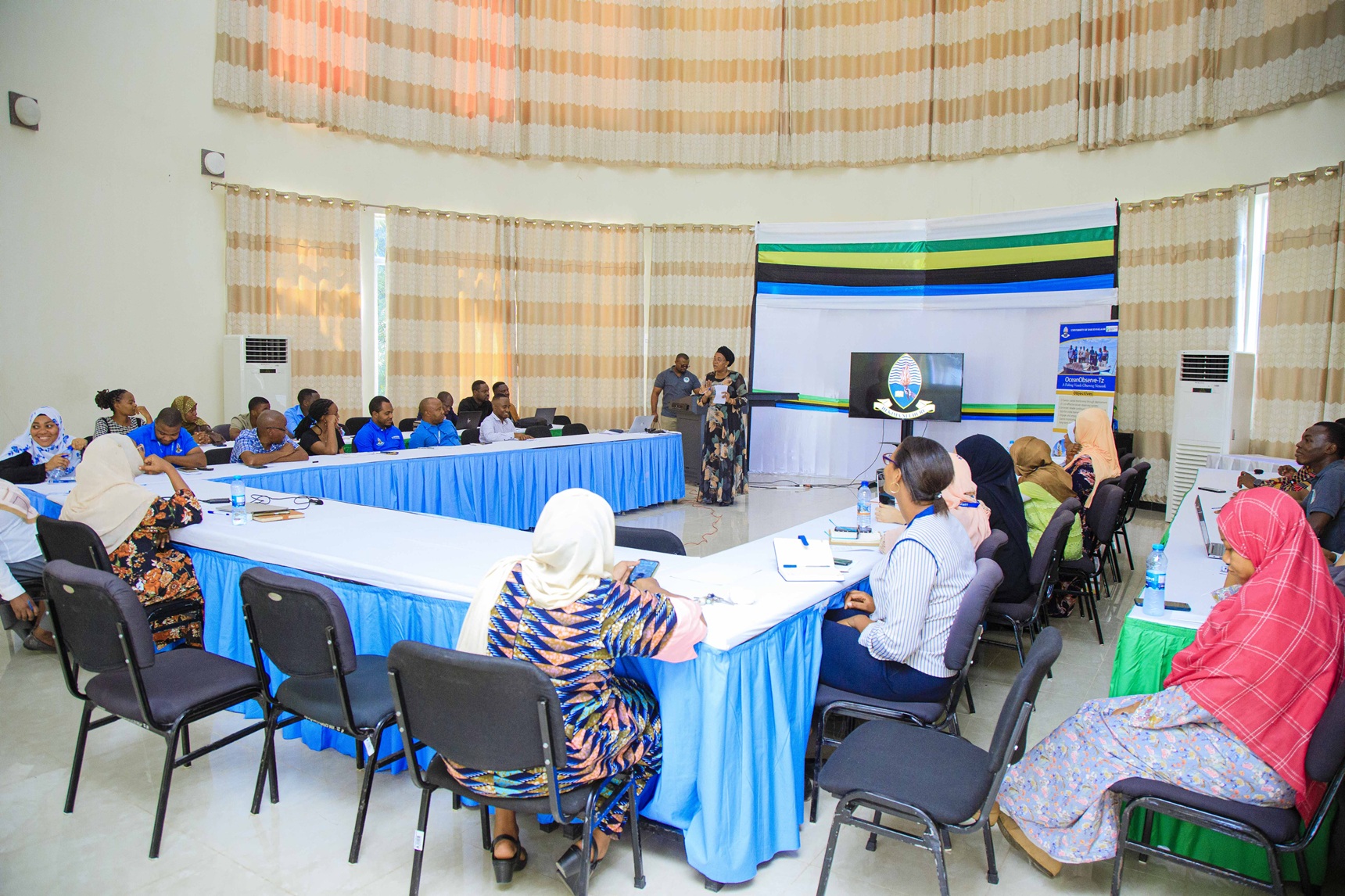
Opening a capacity-building workshop for staff and students, Dr. Batuli Mohamed Yahya, representing IMS Director Dr. Mwita Mangora, underscored that institutional well-being is a strategic priority central to academic excellence, ethical conduct, and human dignity.
The workshop positioned well-being not as an auxiliary service but as a core institutional function that cuts across governance, teaching, research, and student life. “A university can only achieve academic excellence when its people feel safe, supported, and included,” Dr. Batuli noted, adding that IMS is committed to embedding well-being into everyday institutional practice rather than treating it as a peripheral concern.
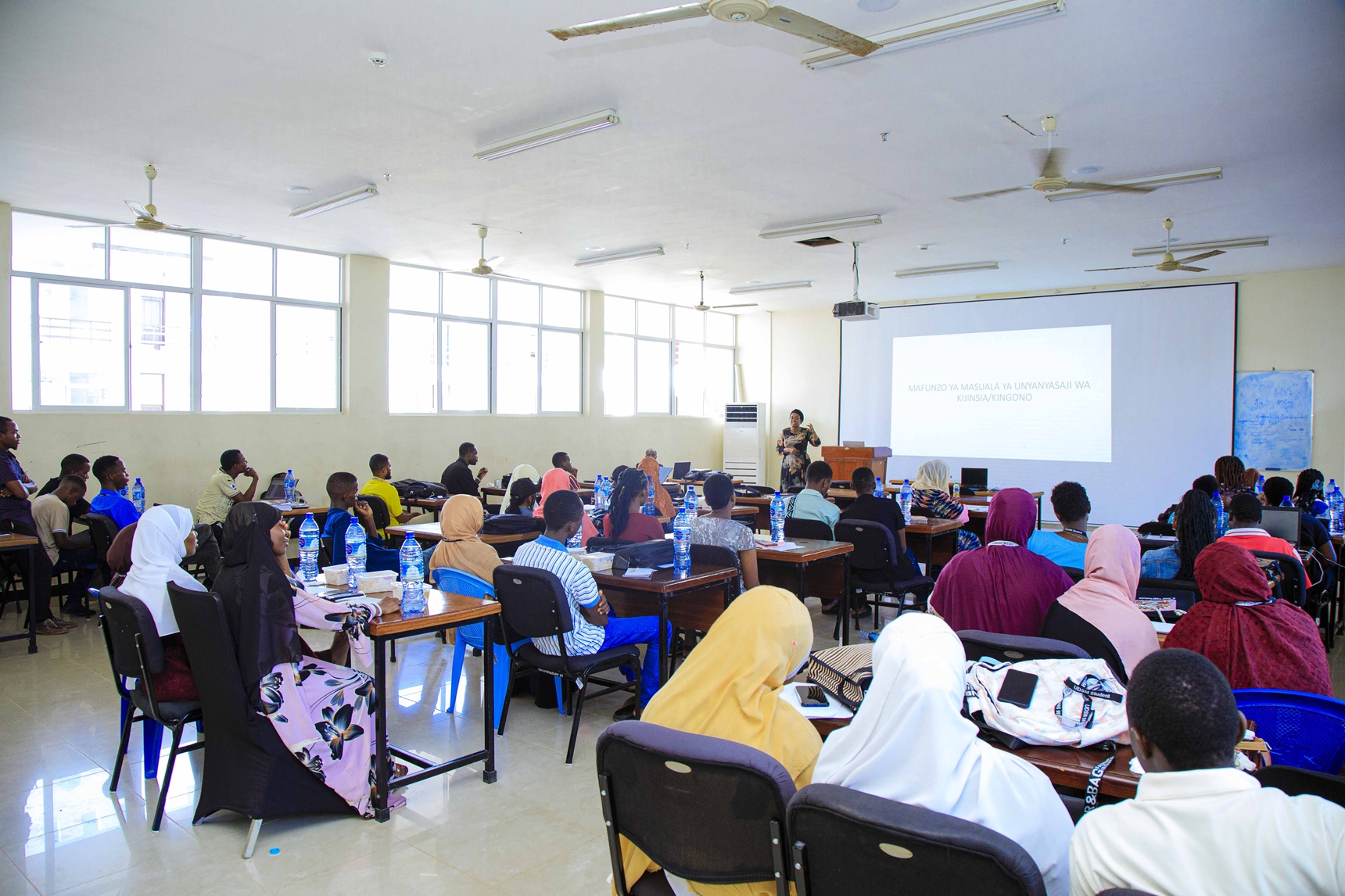
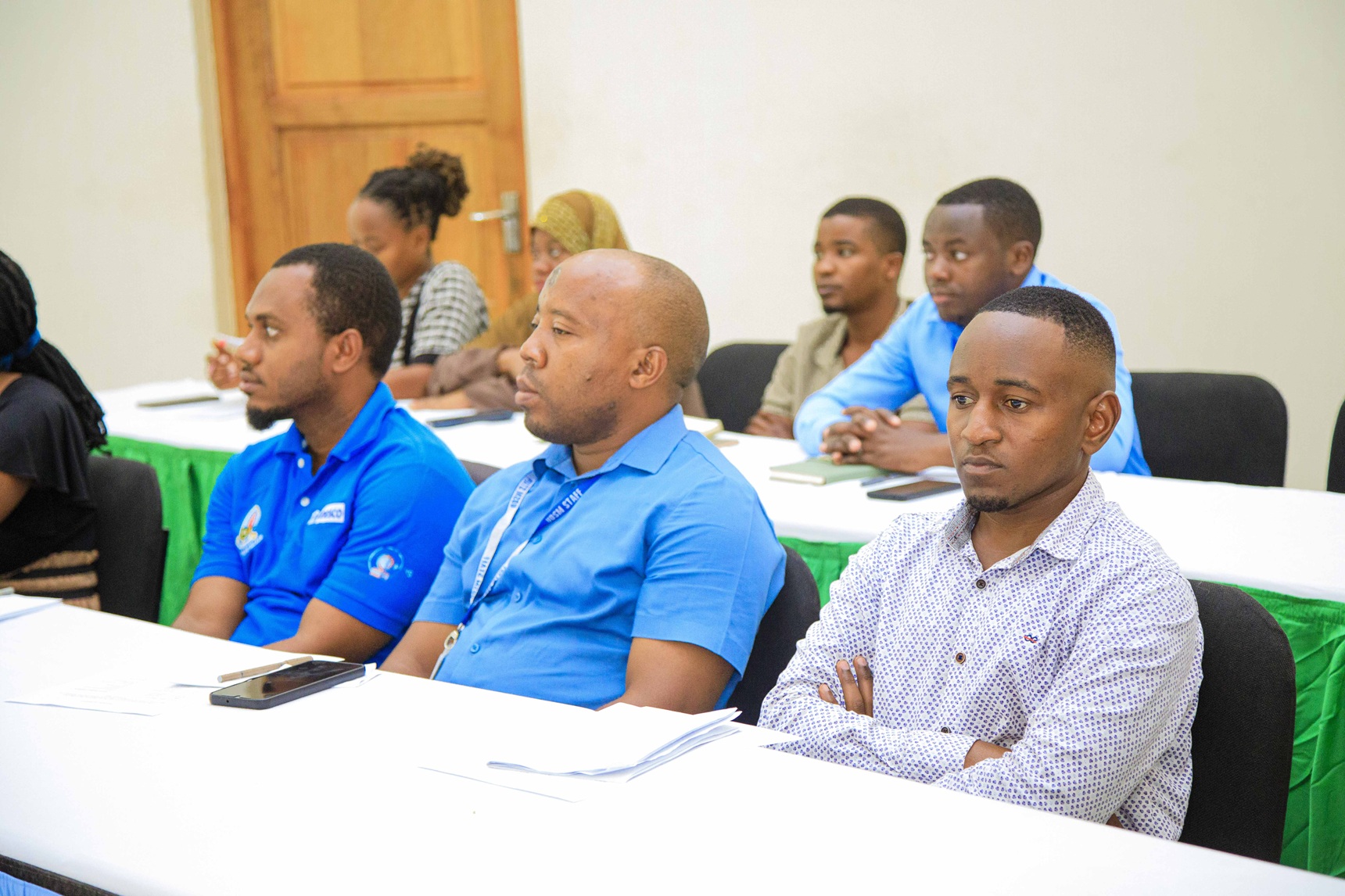
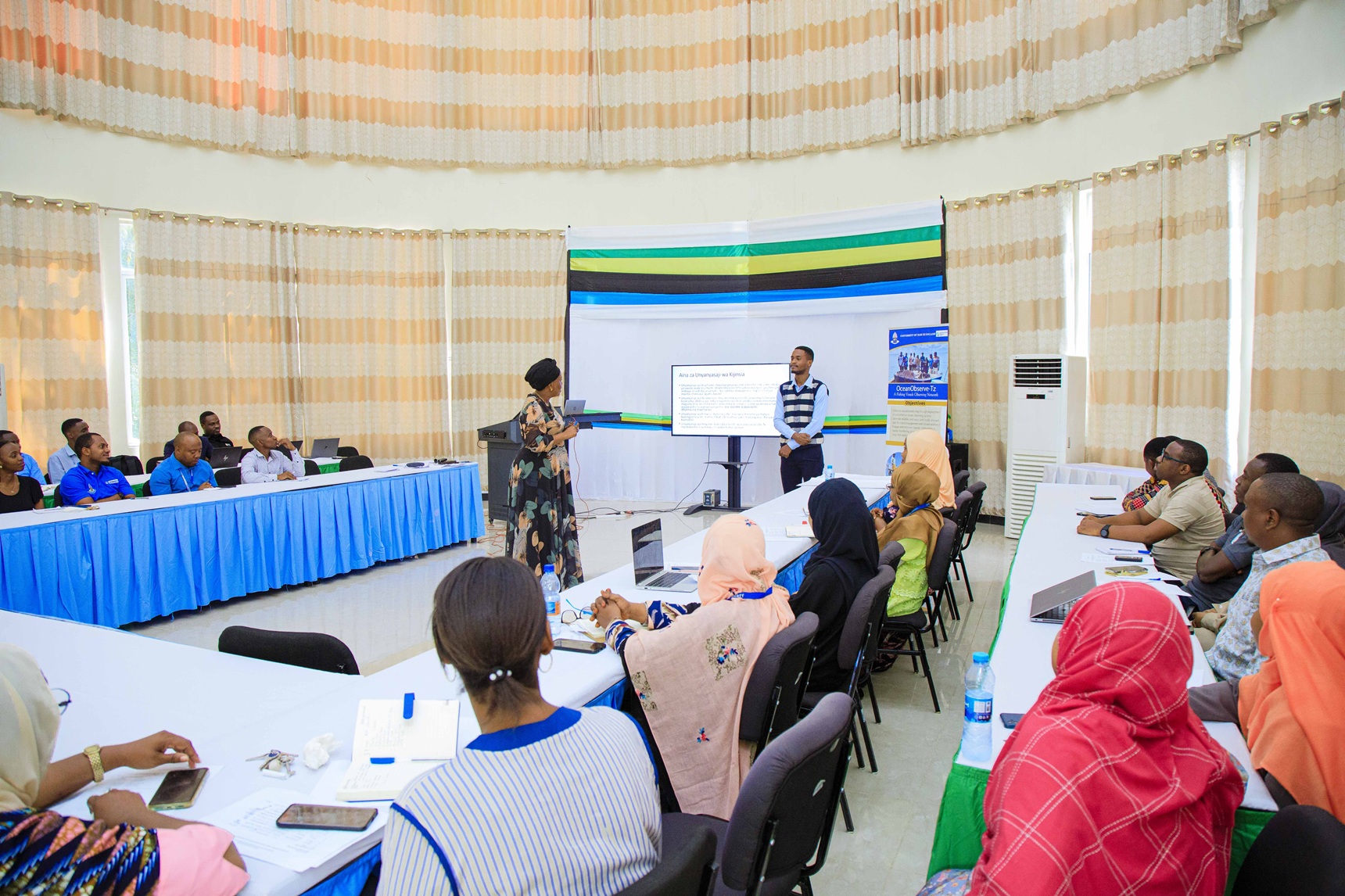
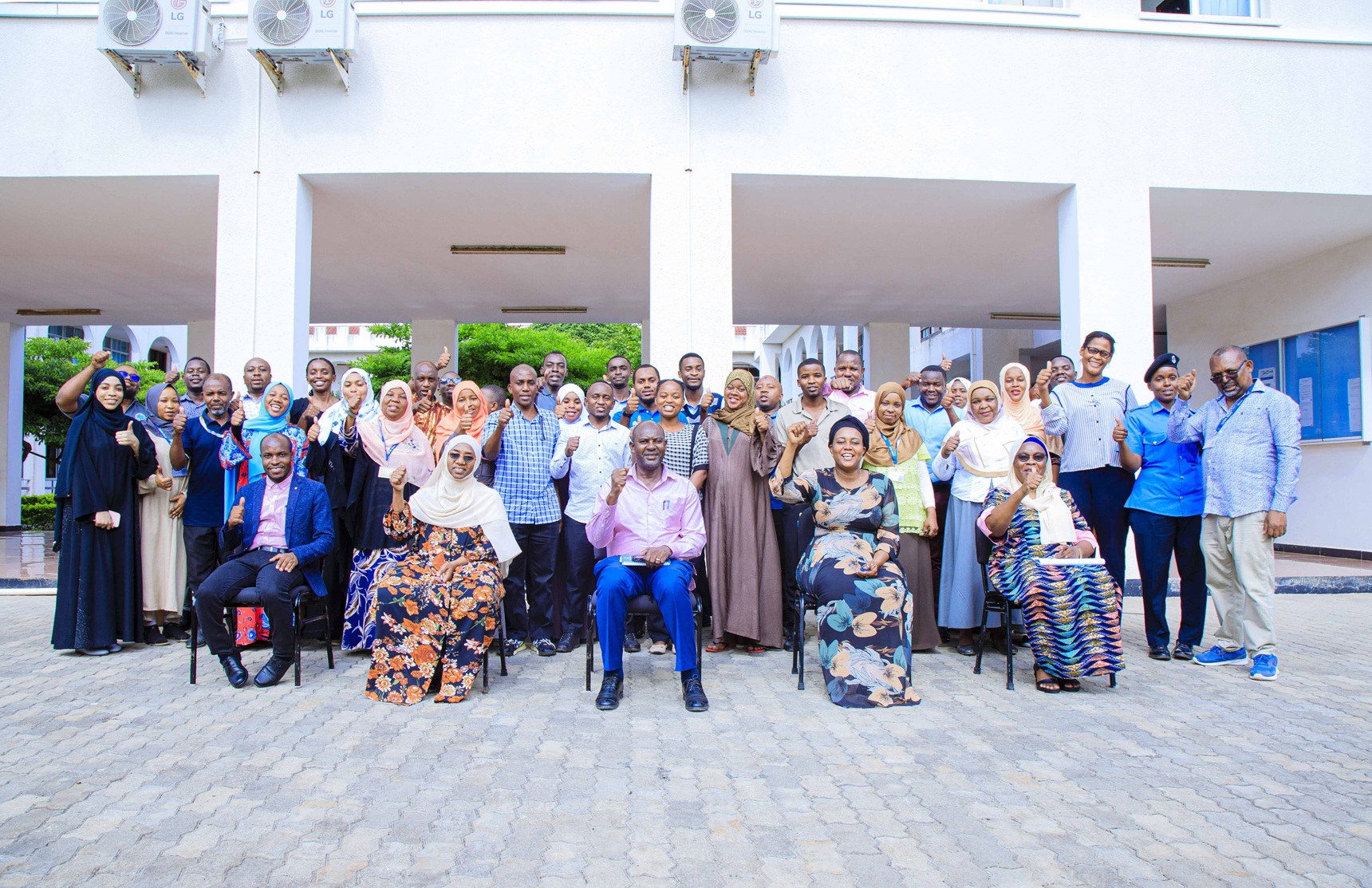
Bringing together senior management, academic and administrative staff, and students, the engagement reflected UDSM’s holistic approach to tackling social, psychological, and accessibility challenges within higher education, while aligning IMS initiatives with the University’s wider equity and inclusion agenda.
A key focus of the training was the prevention of gender-based violence and sexual exploitation and abuse (GBV/SEA). Dr. Lulu Mahai, Director of Social Services and HEET Coordinator of Gender and Special Needs at UDSM, emphasized that universities are not insulated from GBV and SEA risks and therefore require strong prevention systems, early reporting mechanisms, and institutional accountability.
She called for strict adherence to UDSM and IMS Zanzibar guidelines, alongside the promotion of a campus culture grounded in respect, zero tolerance to abuse, and ethical conduct.
Addressing students directly, Dr. Mahai highlighted their central role in prevention efforts, urging them to understand their rights and responsibilities, support peers at risk, and actively use established reporting and counselling channels. “Awareness, vigilance, and mutual support are essential to building a safe and respectful campus community”.
Mental health: a critical pillar of institutional well-being
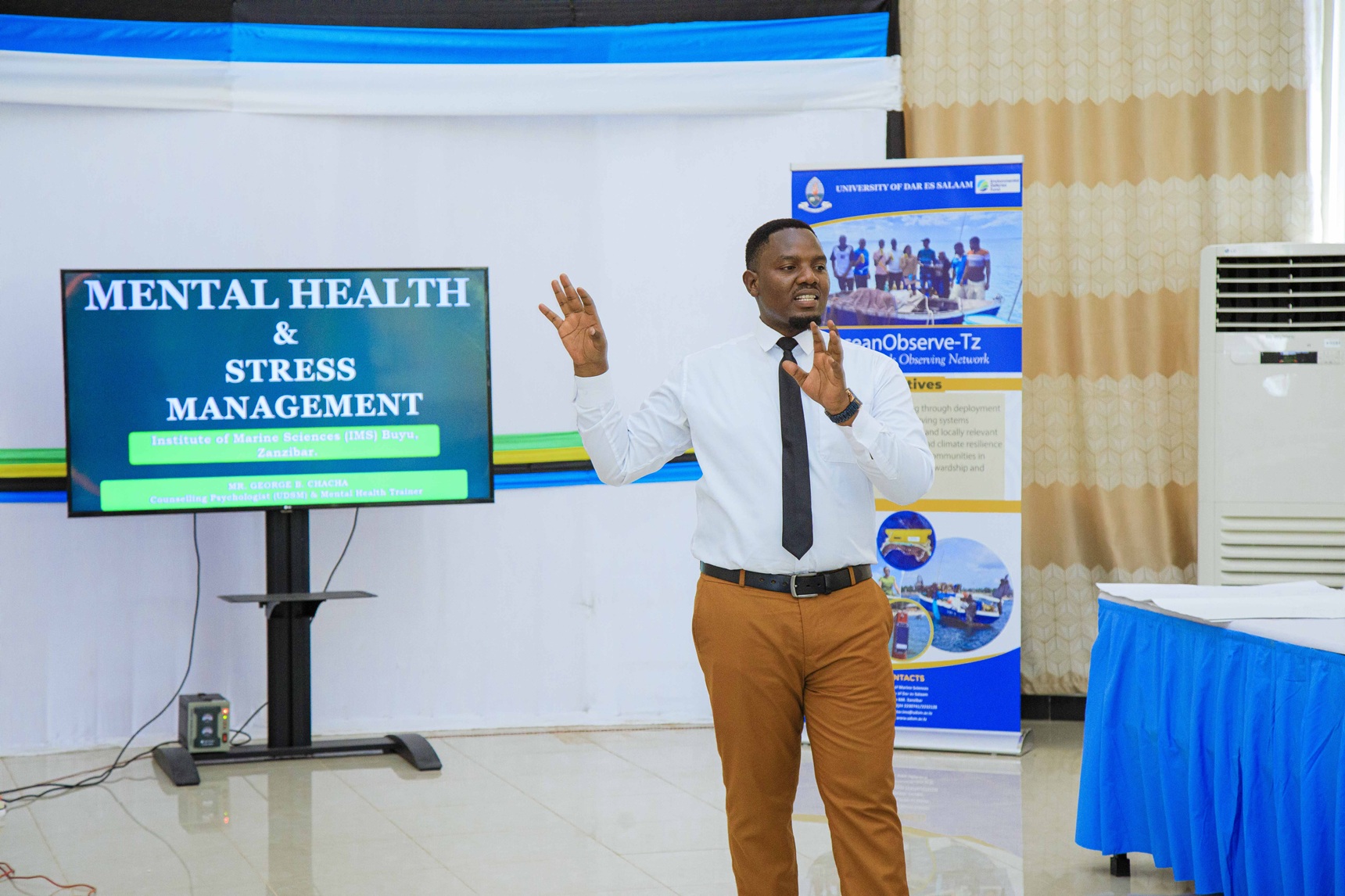
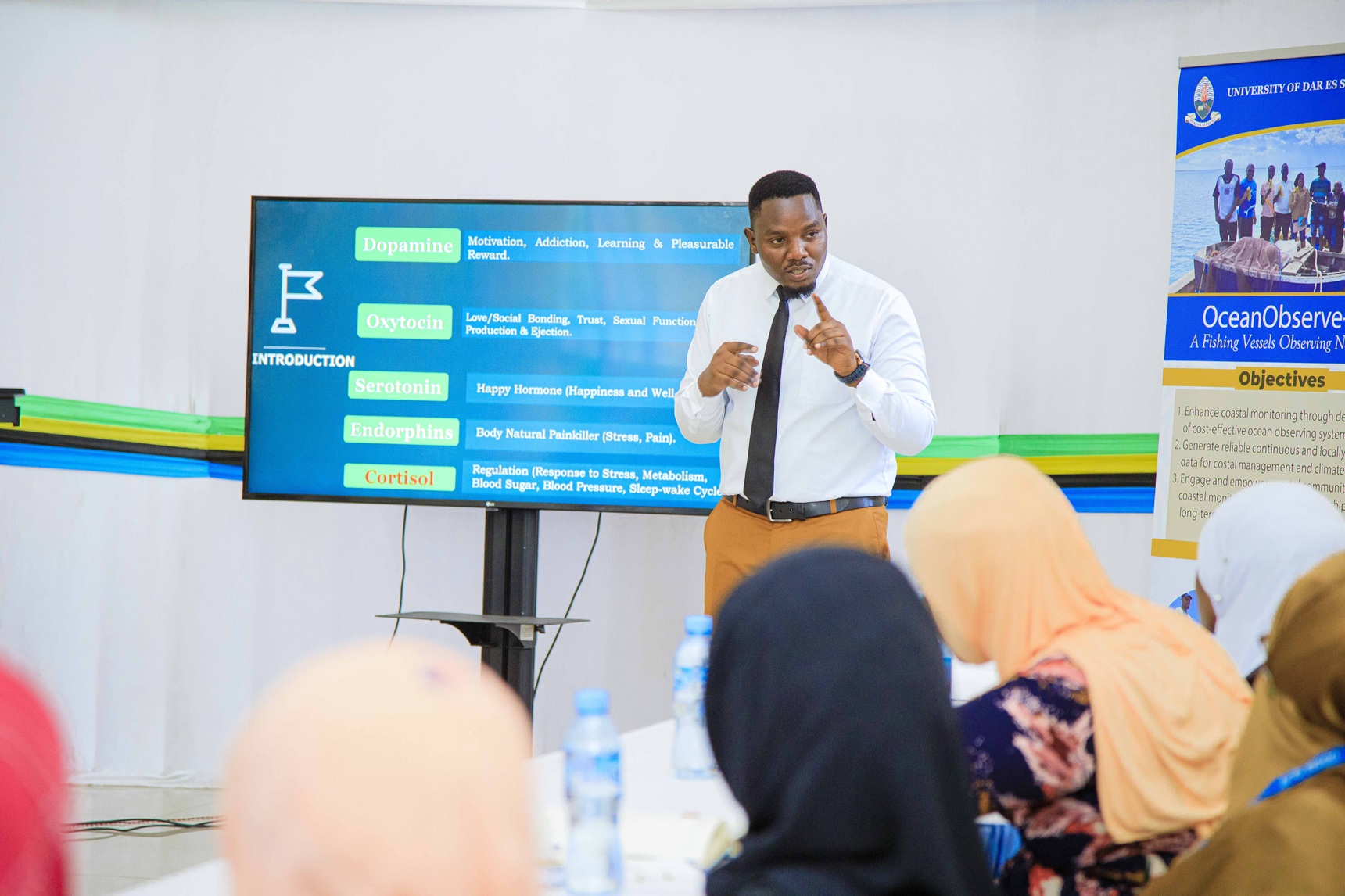
Mental health emerged as another critical pillar of institutional well-being. Facilitators from the UDSM Counselling Unit, Mr. George Chacha and Mr. Ally Sanga, addressed common challenges including stress, anxiety, burnout, depression, and emotional exhaustion.
They emphasized the importance of self-care, healthy work-life balance, and timely help-seeking, while calling for a campus culture that normalizes conversations around mental health and reduces stigma.
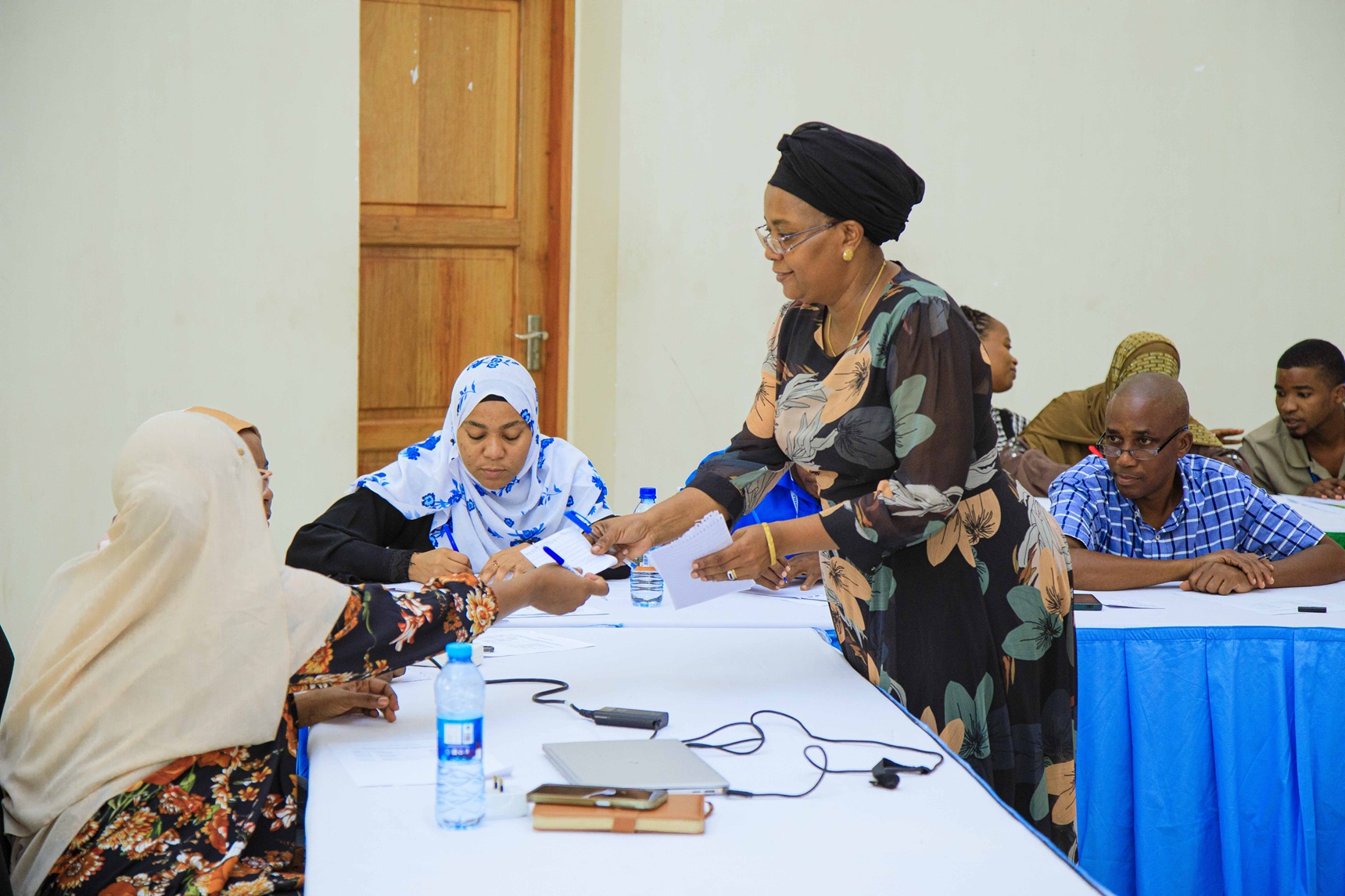
Counselling services were presented as a central support mechanism for both prevention and response, particularly for individuals facing GBV, academic pressure, or personal challenges. Participants were introduced to counselling principles, referral pathways, and the role of professional support in strengthening emotional resilience, personal development, and academic performance.
Disability inclusion further reinforced the workshop’s integrated approach to well-being. Mr. Isaya Kalobona from the UDSM Disability and Special Needs Support Unit highlighted the need for early identification and support for persons with physical, sensory, learning, intellectual, and psychosocial disabilities.
He stressed reasonable accommodation, accessible infrastructure, inclusive teaching practices, and positive attitudes as essential to safeguarding dignity and full participation in university life.
By linking GBV prevention, mental health promotion, counselling services, and disability inclusion, the training underscored the need for coordinated and sustained institutional responses.
Through this initiative, IMS continues to strengthen its capacity to foster a campus environment where safety, inclusion, and well-being are integral to learning and professional growth – reflecting UDSM’s broader mission of ethical leadership, social responsibility, and inclusive excellence across all its campuses.