

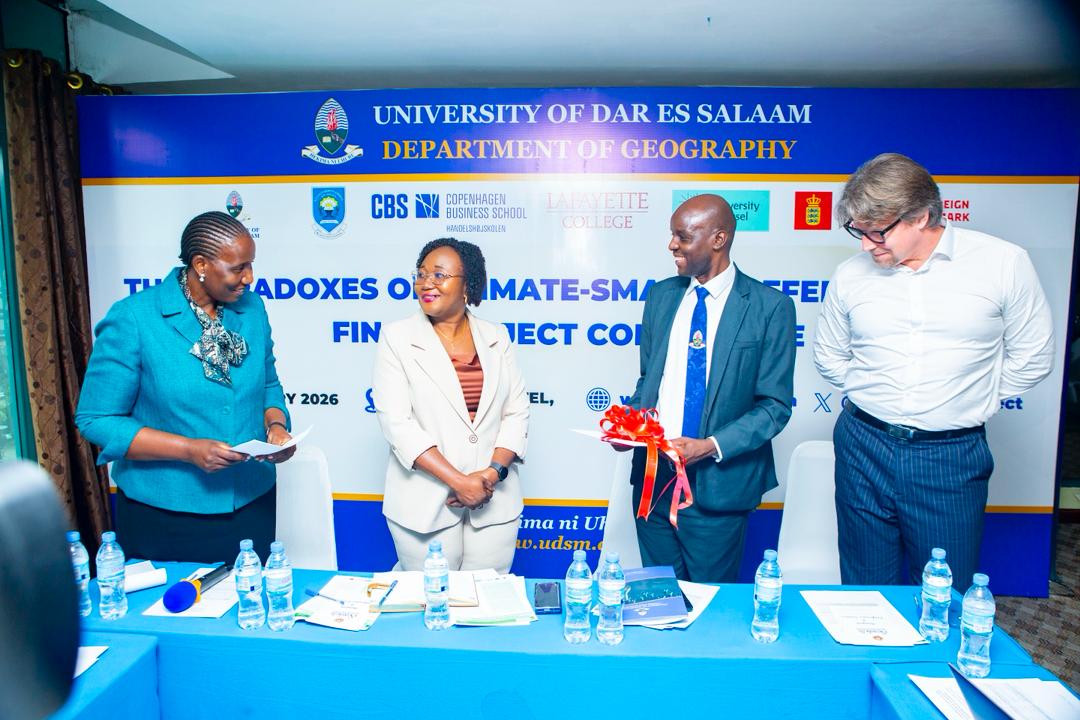

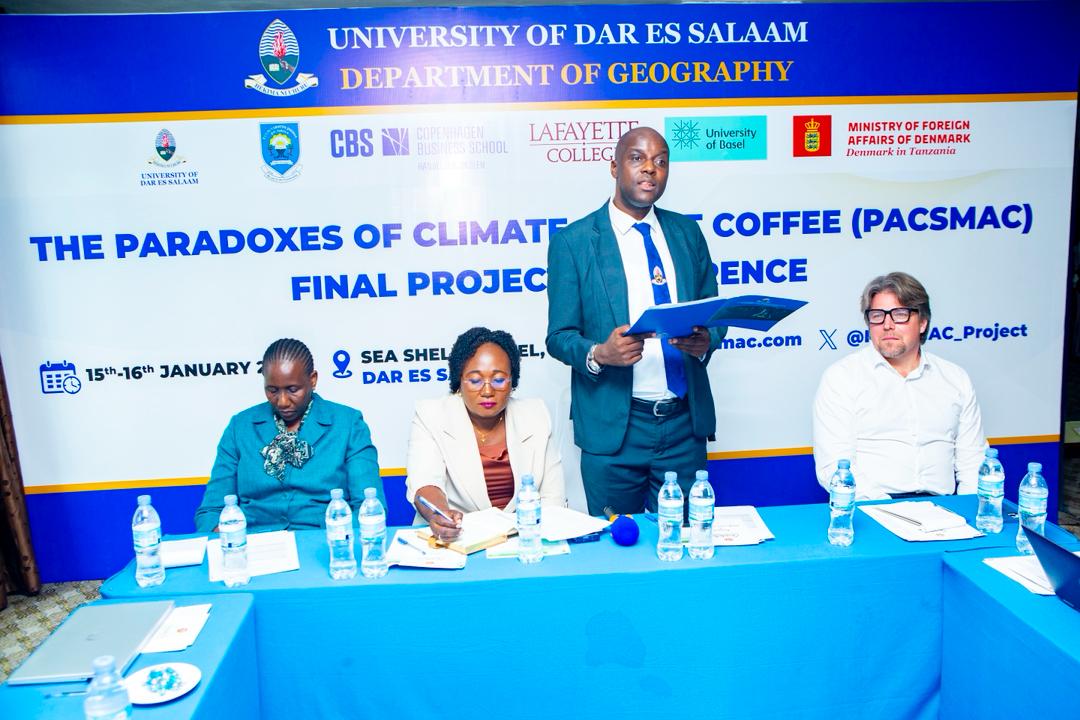
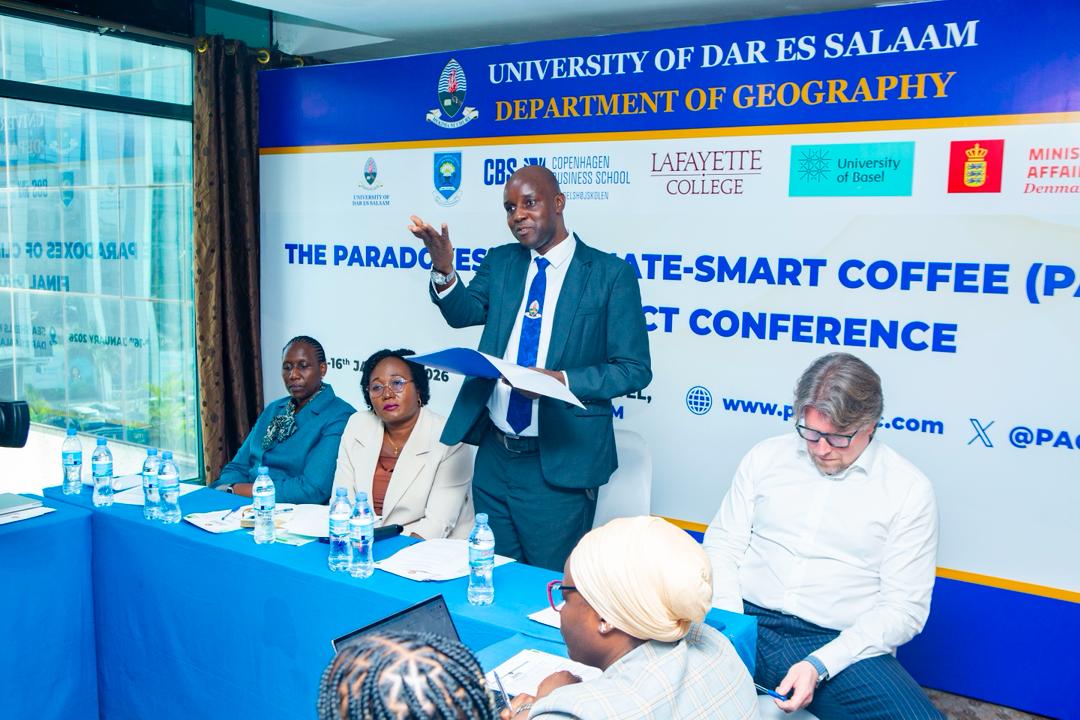
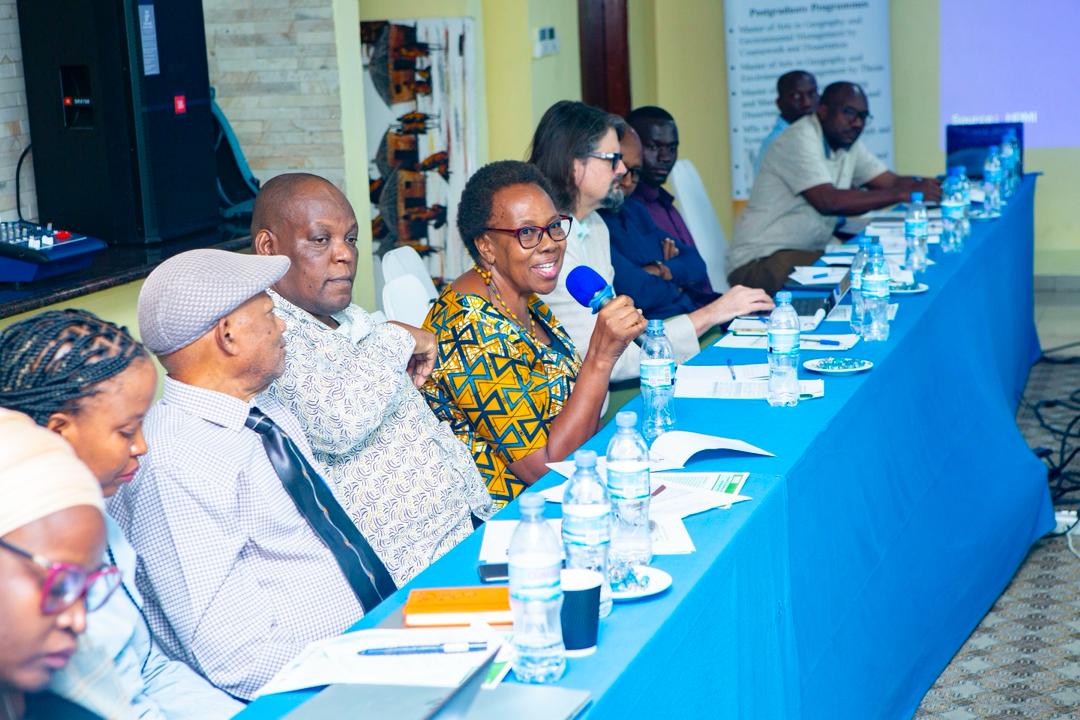
From Research to Resilience: How PACSMAC Project is Helping Tanzania’s Coffee Farmers Adapt
By Renancy Remmy, CMU
By deliberately linking scientific research with community experience and policy engagement, the University of Dar es Salaam (UDSM) is demonstrating how academic knowledge can move beyond journals and classrooms to deliver practical solutions for communities facing climate and economic uncertainty.
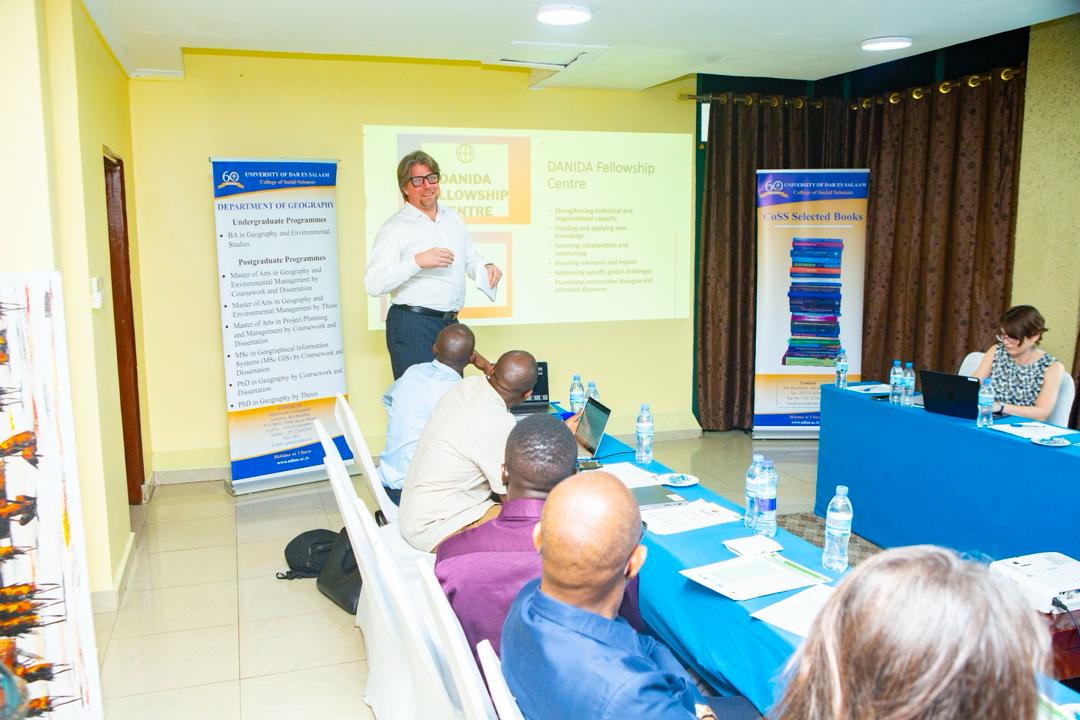
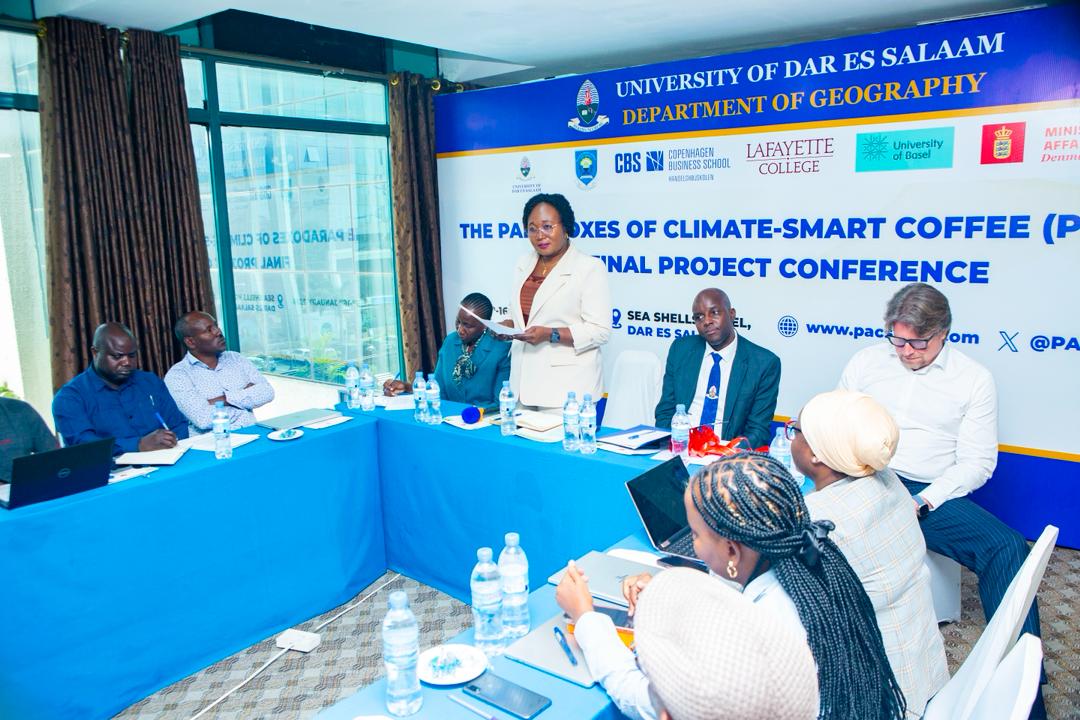
This approach is exemplified through the Paradoxes of Climate-Smart Coffee (PACSMAC) project, a five-year, DANIDA-funded international research initiative launched in 2021, which places research at the centre of real-world responses to climate change in Tanzania’s coffee-growing regions.
The project shows how university-led expertise, when embedded within farming communities and policy processes, can strengthen resilience, equity, and sustainability in one of Tanzania’s most important agricultural sectors.
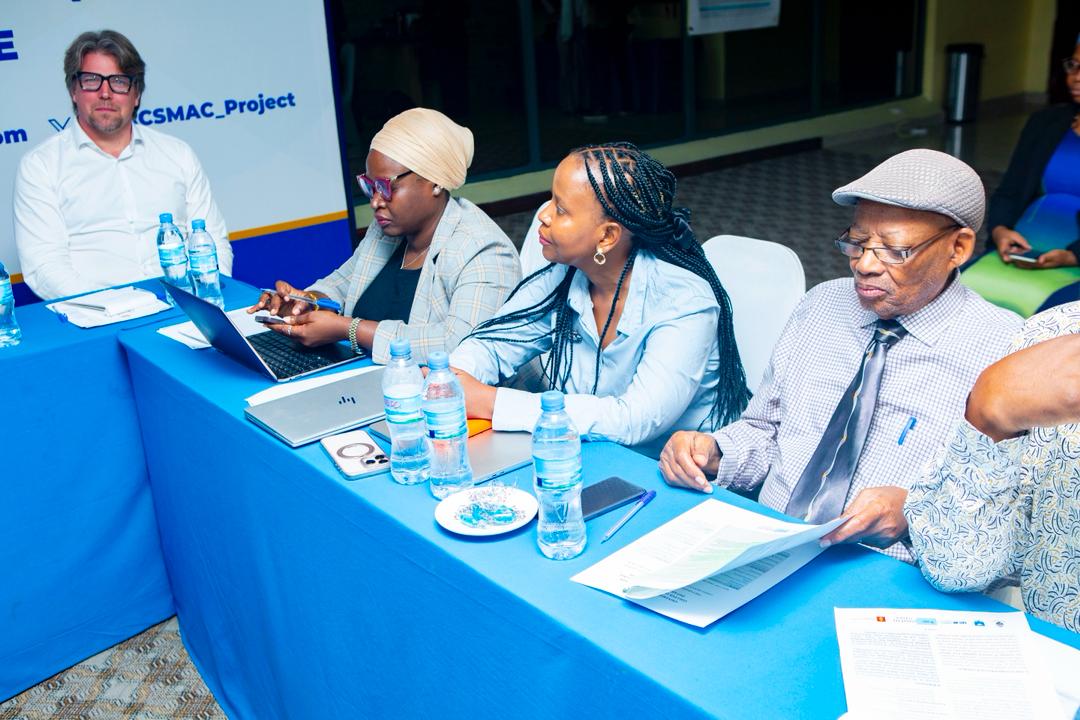
PACSMAC brought together 17 researchers, PhD candidates, and research assistants from the University of Dar es Salaam, Jimma University, Copenhagen Business School, ESADE Business School, and Lafayette College, spanning Africa, Europe, and North America. While global in scope, the project remained firmly grounded in the lived realities of smallholder coffee farmers.
At the heart of PACSMAC’s work in Tanzania was UDSM, whose researchers played a leading role in translating complex climate and value-chain research into locally relevant knowledge.
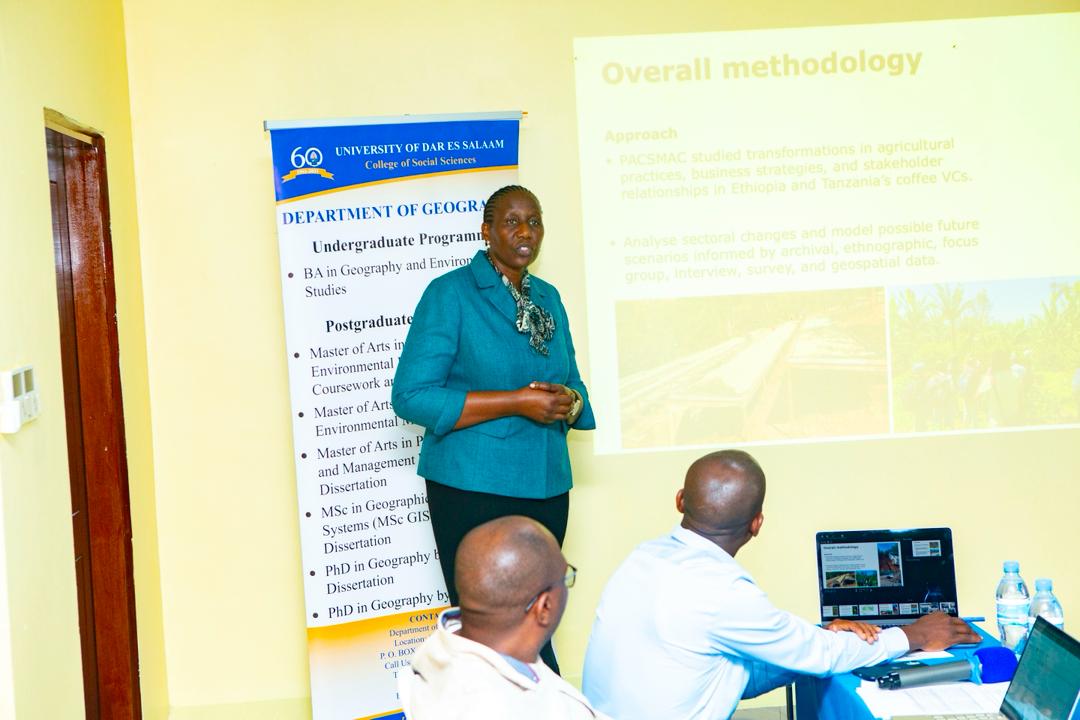
Prof. Christine Noe Pallangyo, Associate Professor of Human Geography and Principal of the College of Social Sciences at UDSM, emphasized that the project deliberately positioned farmers as knowledge partners rather than research subjects.
“From the outset, PACSMAC was designed to listen to farmers as experts of their own environments. Our role as researchers was to connect their lived experiences with scientific evidence and policy processes,” said Prof. Noe.
Taking research to the field
Beginning in early 2023, PACSMAC researchers moved beyond theory into the field, engaging directly with coffee-growing communities in Kyerwa, Rombo, Mbinga, and Mbozi districts – areas representing Tanzania’s diverse coffee agro-ecological zones.
Through more than 1,500 household surveys, 128 focus group discussions, and extensive farm-level interviews, the research documented how climate change is already reshaping coffee production. Farmers consistently reported erratic rainfall, prolonged dry spells, rising temperatures, and increased pest pressure as key threats to yields, bean quality, and household income.
According to the findings, many farmers described seasons that no longer follow predictable patterns, making planting decisions increasingly risky.
“Farmers repeatedly told us that they can no longer rely on traditional seasonal calendars. Rains arrive late, stop abruptly, or fall too intensely, damaging both crops and soils,” Prof. Noe explained.
Crucially, the engagements were not one-way data collection exercises. Farmers shared generational knowledge about shifting seasons and declining productivity, while researchers explained scientific observations such as increased vapour pressure deficits and delayed flowering cycles.
“When farmers saw that the science reflected what they have been experiencing for years, it strengthened trust. The exchange became a dialogue, not an interview”, Prof. Noe noted.
Translating Climate Science into Action
One of UDSM’s most significant contributions to PACSMAC was ensuring that sophisticated research, ranging from climate suitability modelling to global value-chain analysis, was translated into practical, accessible insights for farmers, cooperatives, and extension officers.
Climate projections indicating a contraction of suitable coffee-growing areas by 2050 were presented in ways that helped communities understand future risks. In districts such as Mbinga, where high-emission scenarios suggest substantial losses in Arabica suitability, discussions extended beyond short-term adaptation to include diversification and long-term livelihood planning.
“In some areas, the science is very clear: coffee will become increasingly difficult to sustain. That does not mean abandoning farmers, but rather supporting them to plan realistic and dignified livelihood transitions”, Prof. Noe said.
The project also examined buyer-driven value chains and emerging global regulations, including the European Union Deforestation Regulation (EUDR). Researchers found that while such policies aim to promote sustainability, they could unintentionally disadvantage smallholders who lack resources for compliance.
“Without deliberate support mechanisms, well-meaning global regulations risk excluding the very farmers they are supposed to protect”, Prof. Noe cautioned.
By grounding global dynamics in local examples, PACSMAC enabled farmers, cooperatives, and extension actors to anticipate change rather than react to crises.
Informing Policy for a Fairer Coffee Sector
Beyond the farm gate, PACSMAC research fed directly into national policy debates on the future of Tanzania’s coffee sector. The findings revealed a persistent gap between policy priorities and household-level realities.
While climate and agricultural policies often emphasize productivity, quality, and export performance, the research showed that livelihood resilience, gender equity, and long-term adaptation pathways remain underemphasized.
“Productivity alone cannot sustain farming households in a changing climate. Policies must engage with how people actually live, cope, and adapt,” Prof. Noe observed.
The project generated evidence-based recommendations calling for farmer-centred, livelihood-oriented climate governance. These included stabilising buyer–producer relationships through regulatory reforms, strengthening cooperative governance and financing, embedding gender equality through women’s land rights and leadership, and integrating diversification strategies into national agricultural planning, especially in areas facing declining coffee suitability.
These insights were shared through structured policy dialogues with government agencies, sector stakeholders, and coffee institutions, helping bridge the gap between research evidence and decision-making.
Building capacity beyond the project
PACSMAC also invested in the future of climate and agricultural research in the region. Four PhD candidates, two from UDSM and two from Jimma University, received advanced training, mentorship, and extensive field research experience. Three are at the final stages of graduation, while one continues with ongoing research.
This investment strengthens regional expertise in climate modelling, value-chain analysis, and rural livelihoods, ensuring that the capacity to respond to climate challenges continues to grow.
For farmers, the value of PACSMAC lies not only in academic publications, but in its potential to support tangible change. Access to climate knowledge enables farmers to adjust planting calendars, adopt resilient varieties, and explore complementary income strategies.
Cooperatives informed by value-chain research can negotiate more effectively, while policymakers equipped with evidence can design interventions that balance productivity, equity, and long-term resilience.
By linking scientific expertise with community experience and policy engagement, UDSM’s role in PACSMAC exemplifies the power of engaged scholarship. It shows how universities can shape solutions where they matter most on farms, in households, and across rural communities.
As Tanzania navigates an increasingly uncertain climate future, the PACSMAC project stands as a compelling model of how research can inform action, strengthen resilience, and support sustainable livelihoods for generations to come.