

Code for Impact: UDSM Hackathon Unleashes Student Innovation to Elevate Global Research Visibility
By Ally Mambele, CMU
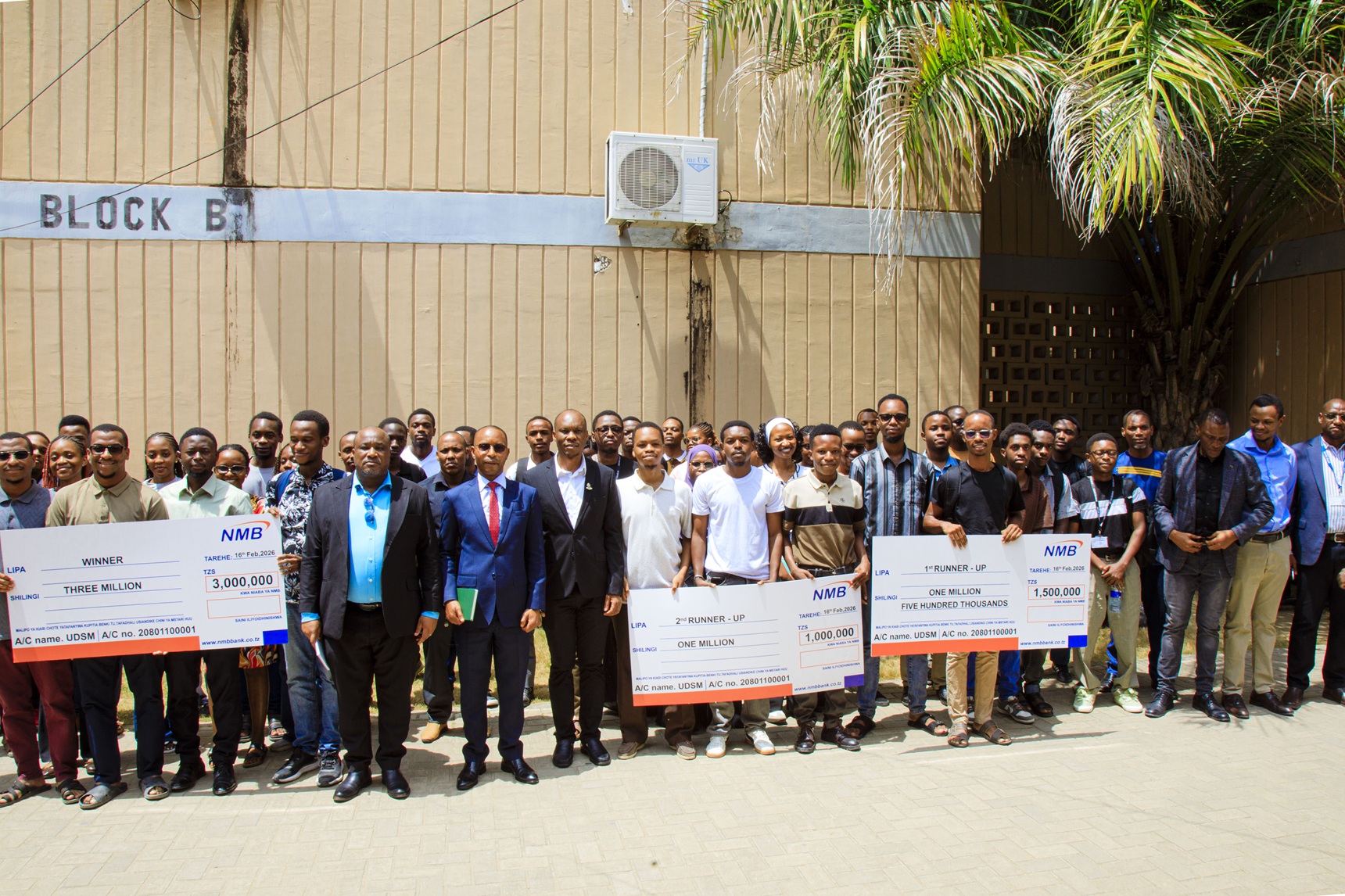
The University of Dar es Salaam has reaffirmed its leadership in digital innovation and research excellence after hosting the grand finale of the ICT Innovation Challenge 2026, an intensive, solutions-driven competition designed to harness student creativity to address real institutional needs.
Organised through the Office of the Deputy Vice Chancellor – Research in collaboration with the College of Information and Communication Technologies (CoICT), the 72-hour hackathon brought together some of the University’s most talented student developers to design and build an interactive, real-time dashboard capable of tracking and visualising the global reach, citation performance, and academic impact of UDSM journals.
The initiative aimed to strengthen the international visibility of the University’s scholarly output while enabling students to translate theoretical knowledge into practical digital solutions.
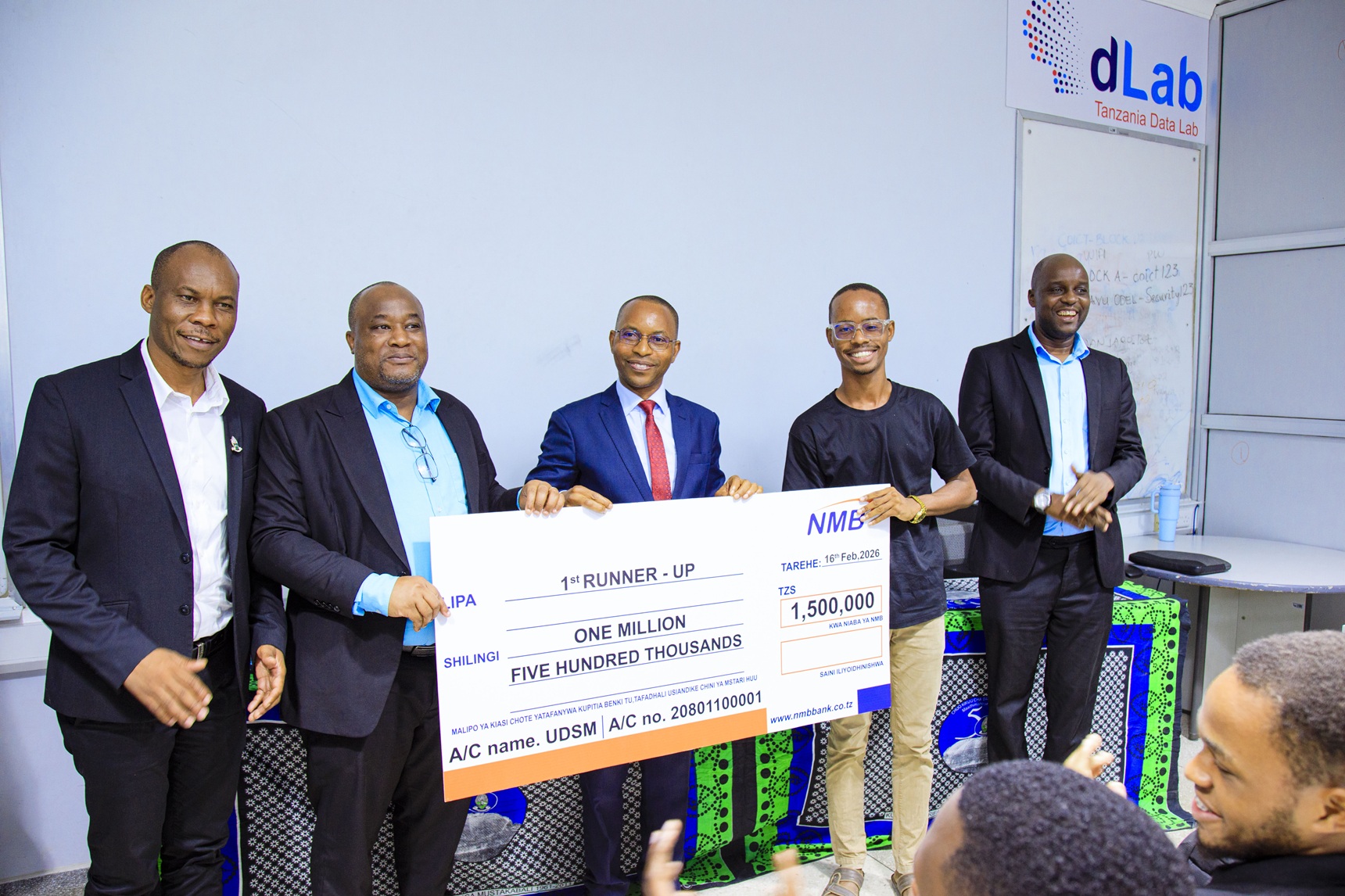
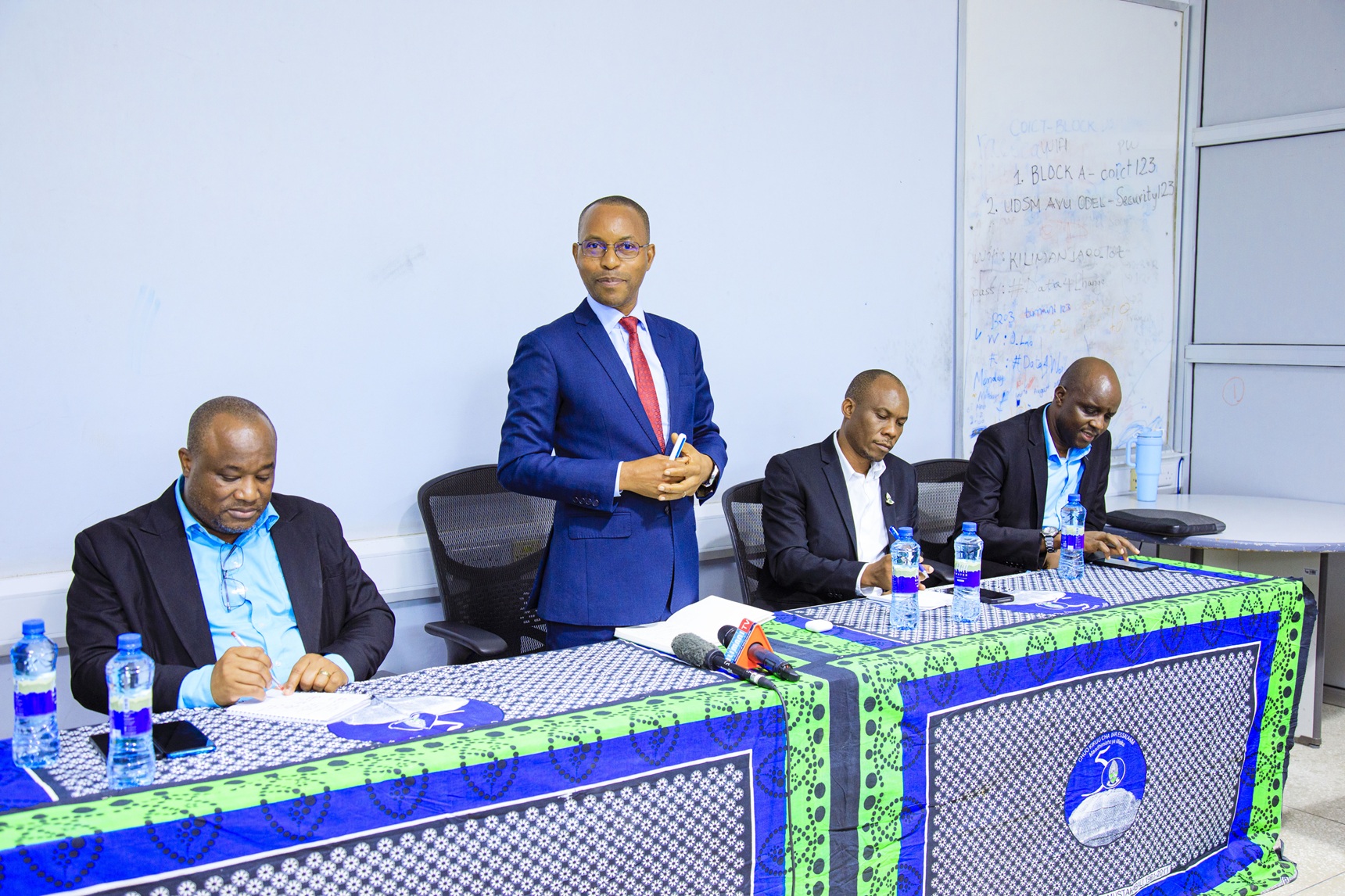
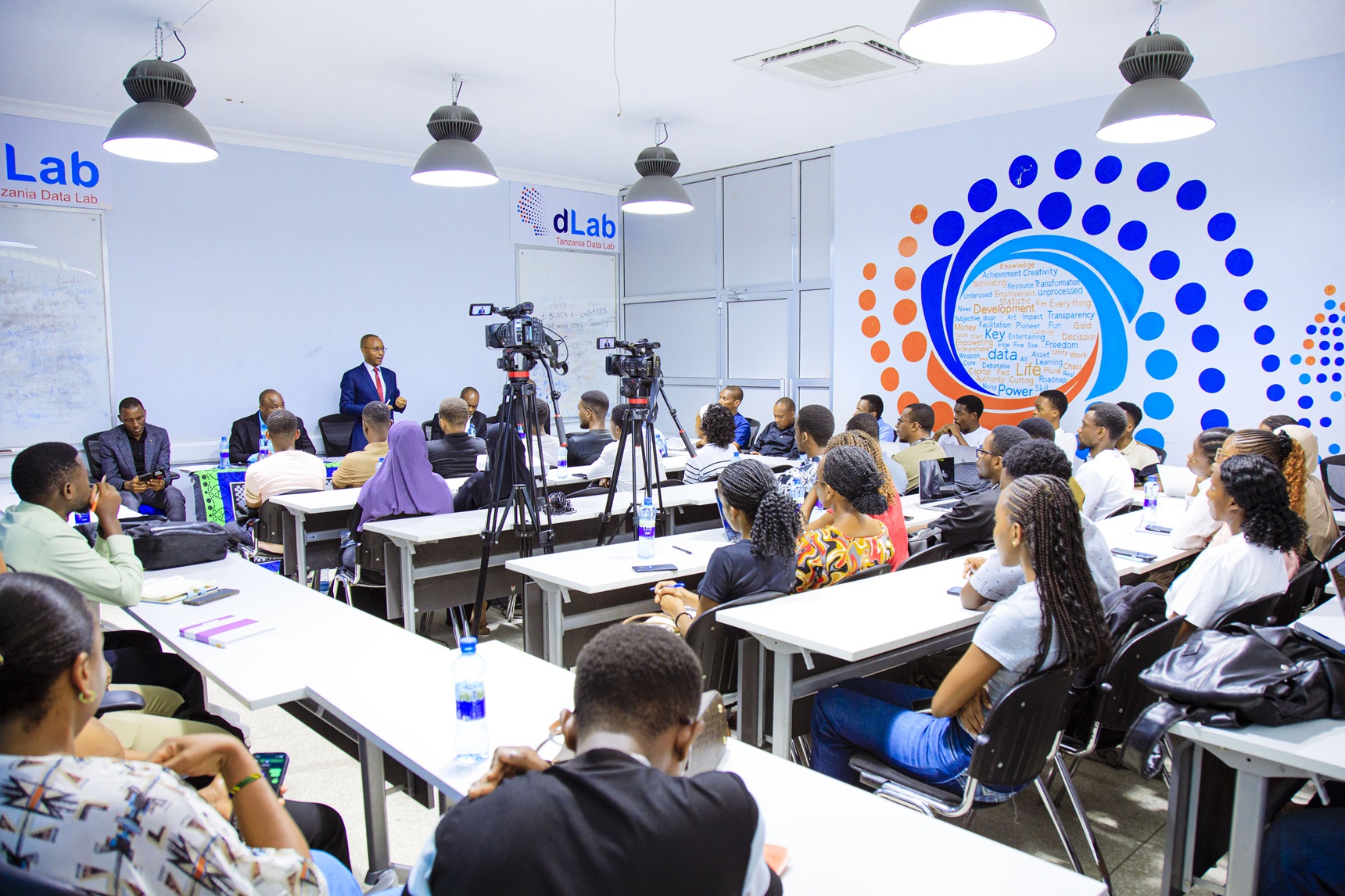
Speaking at the closing ceremony, Deputy Vice Chancellor – Research Prof. Nelson Boniface praised participants for their technical ingenuity and dedication.
“What we have witnessed here is not just a competition, but the demonstration of our students’ capacity to develop solutions that directly support the University’s global research mission. These innovations show that our young scholars can design systems capable of enhancing visibility, accessibility, and impact of African knowledge”, he said.
Principal of CoICT Prof. Baraka Maiseli applauded the teams for their teamwork and resilience under pressure.
“Innovation thrives where curiosity meets collaboration. The commitment shown during these 72 hours proves that our students are ready to solve real-world problems using technology,” he noted, encouraging participants to continue refining their projects beyond the challenge.
Adding to the remarks, Director of Research and Publication Dr. Mathew Senga described the students’ work as a reflection of UDSM’s strong culture of applied scholarship.
“What these students have achieved is a true credit to the University. They have translated classroom learning into functional tools that can strengthen our journals’ international recognition and research dissemination,” he said.
He added: “This aligns perfectly with our strategic goal of internationalisation and expanding the global footprint of UDSM research.”
Demanding and transformative
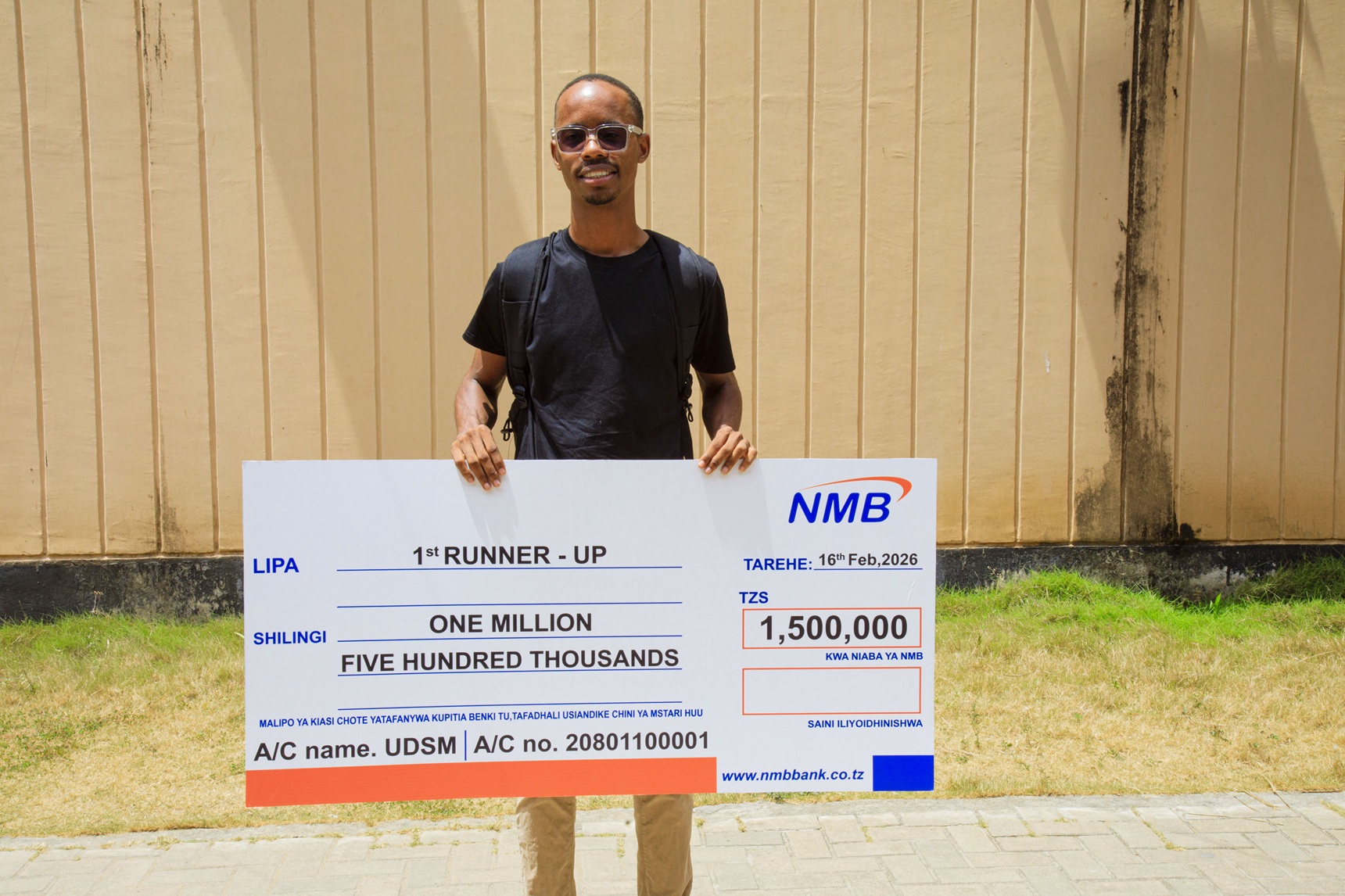
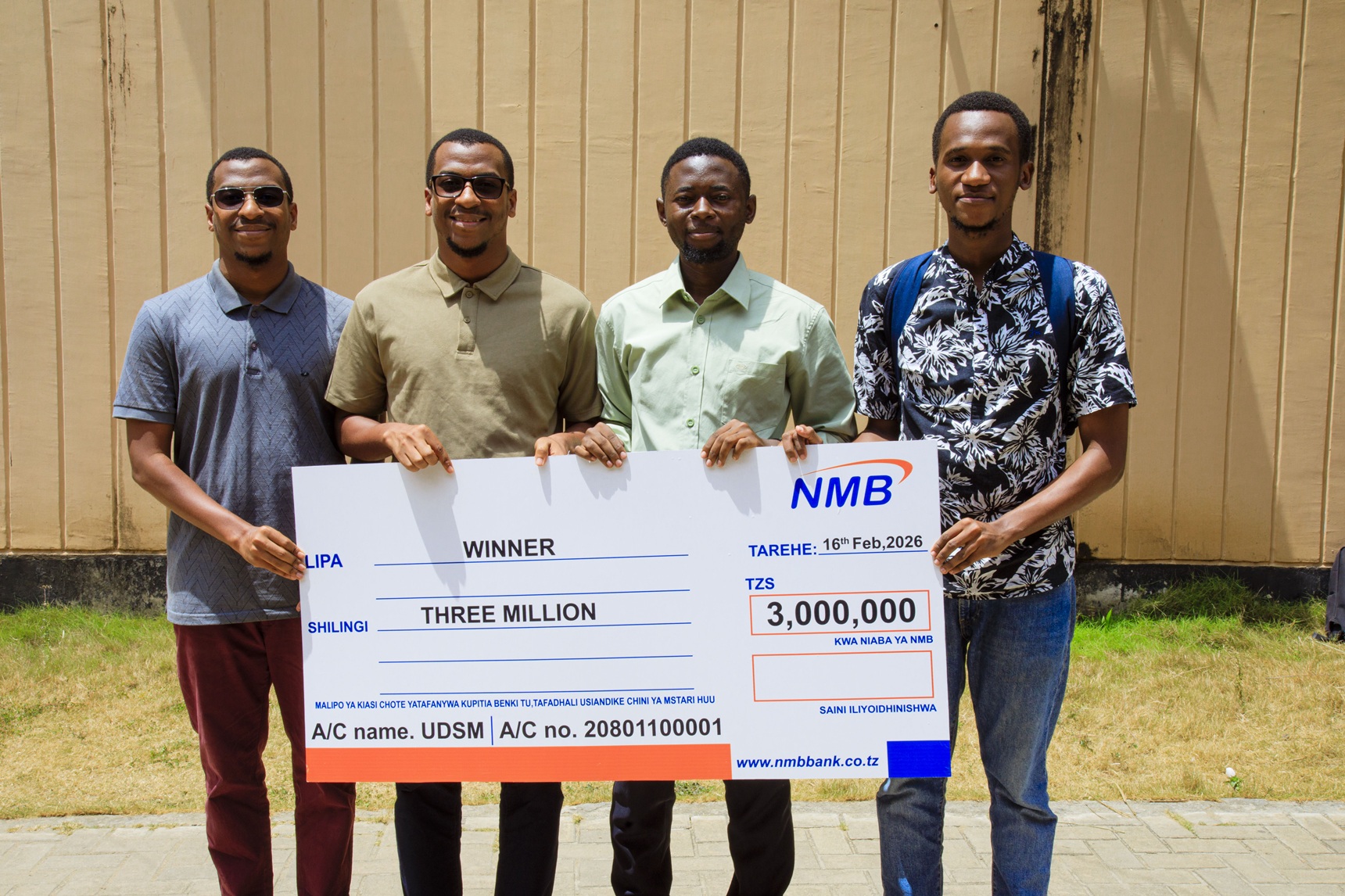
For participants, the challenge proved both demanding and transformative. One of the winning innovators, Kelvin Rwegasira, said the experience pushed teams to exceed their expectations.
“Working under such a tight timeline challenged us to think creatively and act quickly. It motivated us to stretch our knowledge and build something meaningful for the University”, he explained.
The ICT Innovation Challenge forms part of UDSM’s broader strategy to embed experiential learning, digital transformation, and research utilisation into the student experience. By empowering students to engage in solution-oriented innovation, the University continues to nurture graduates equipped to drive technological progress, strengthen research ecosystems, and contribute to Tanzania’s transition toward a knowledge-based economy.