
From Classroom to Claim: Let’s Talk Mining 3 Opens Investment Pathways for UDSM Students in Tanzania’s Small-Scale Mining Sector
By Renancy Remmy, CMU
The University of Dar es Salaam has strengthened its role in preparing industry-ready graduates by convening the third edition of the Let’s Talk Mining series, an industry-linked forum designed to connect students with real-world investment opportunities in Tanzania’s small-scale mining sector.
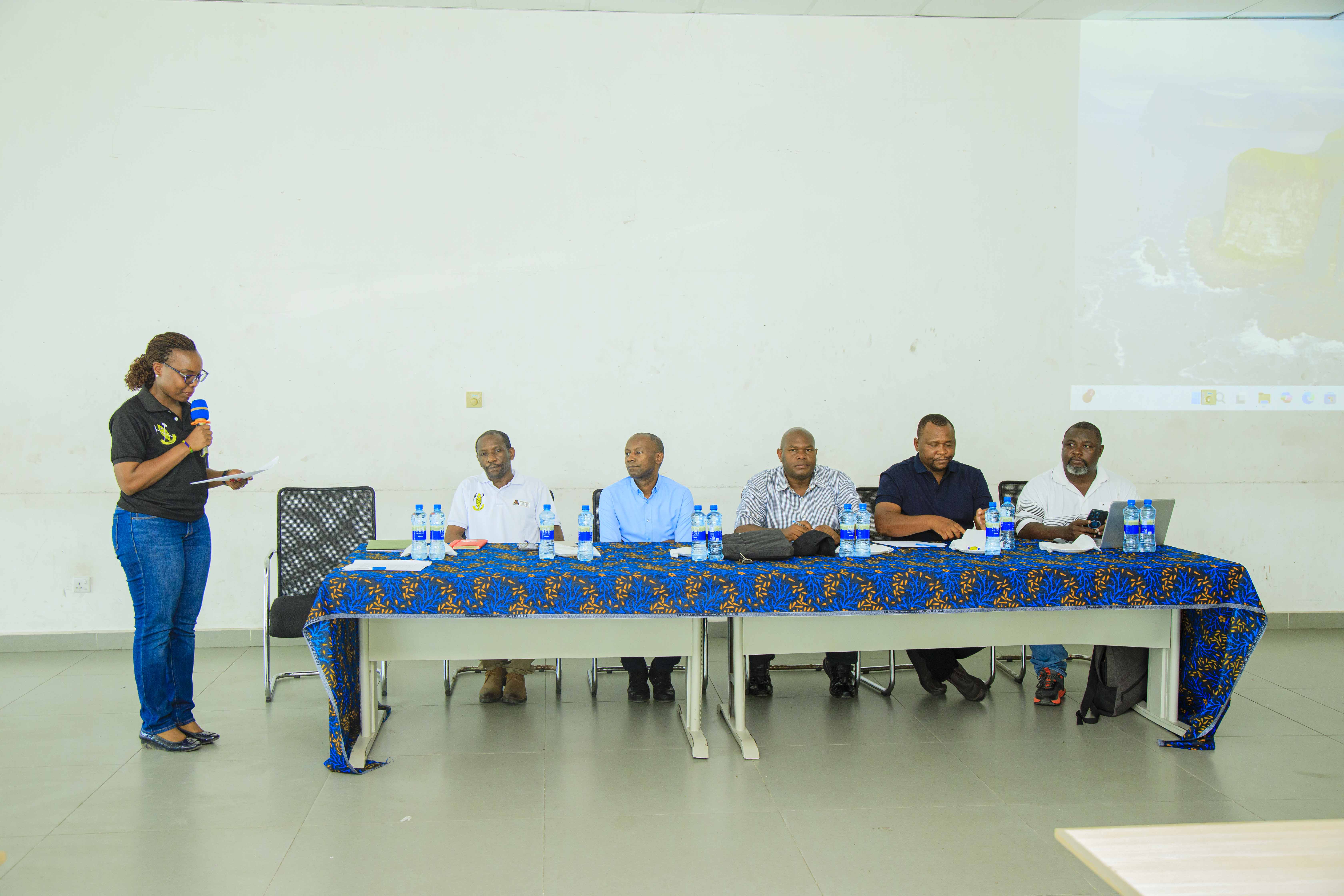
Organized through the School of Mines and Geosciences (SoMG), the session brought regulators, practitioners, and technical experts into direct dialogue with students, bridging academic training with the operational realities of the mining value chain.
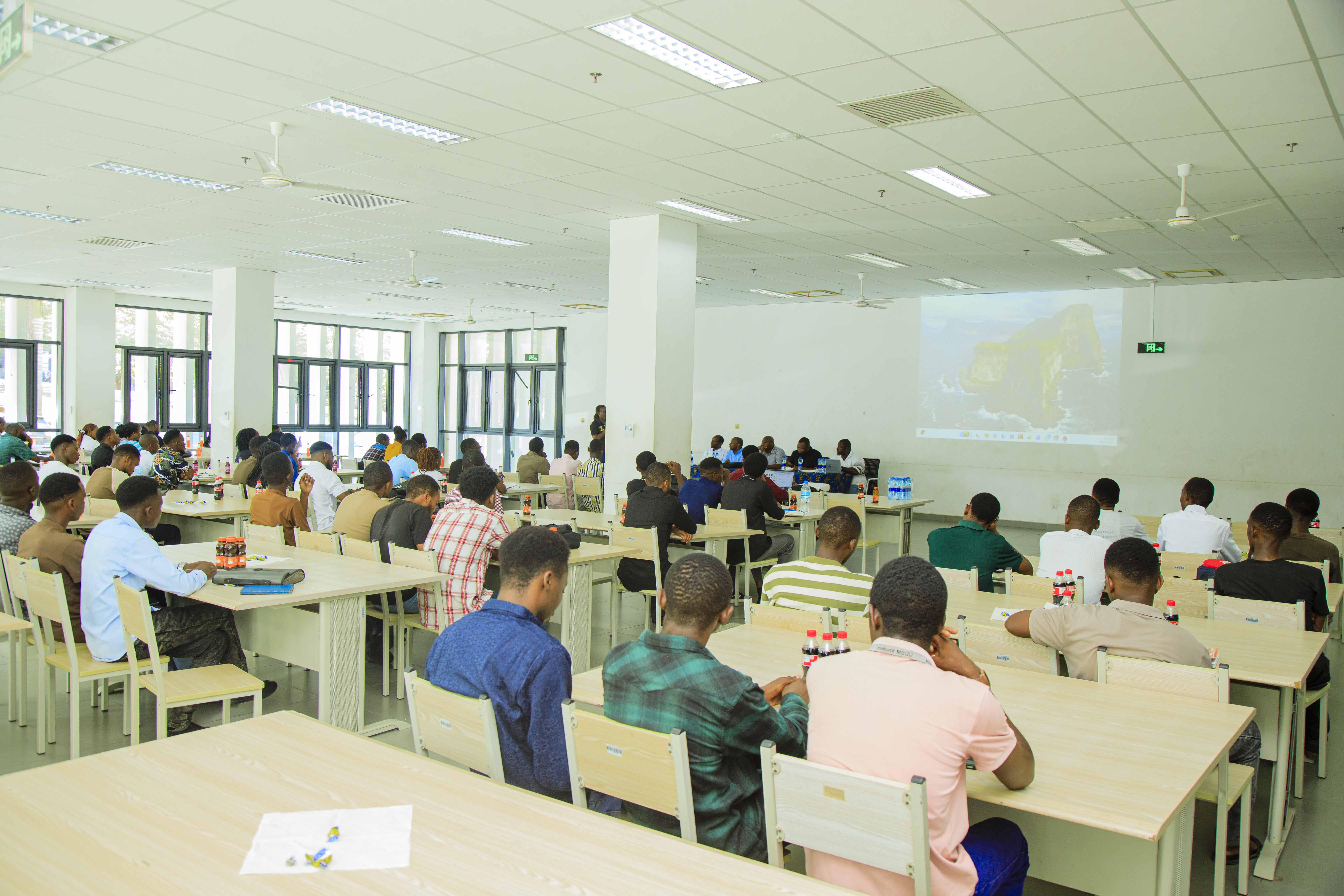
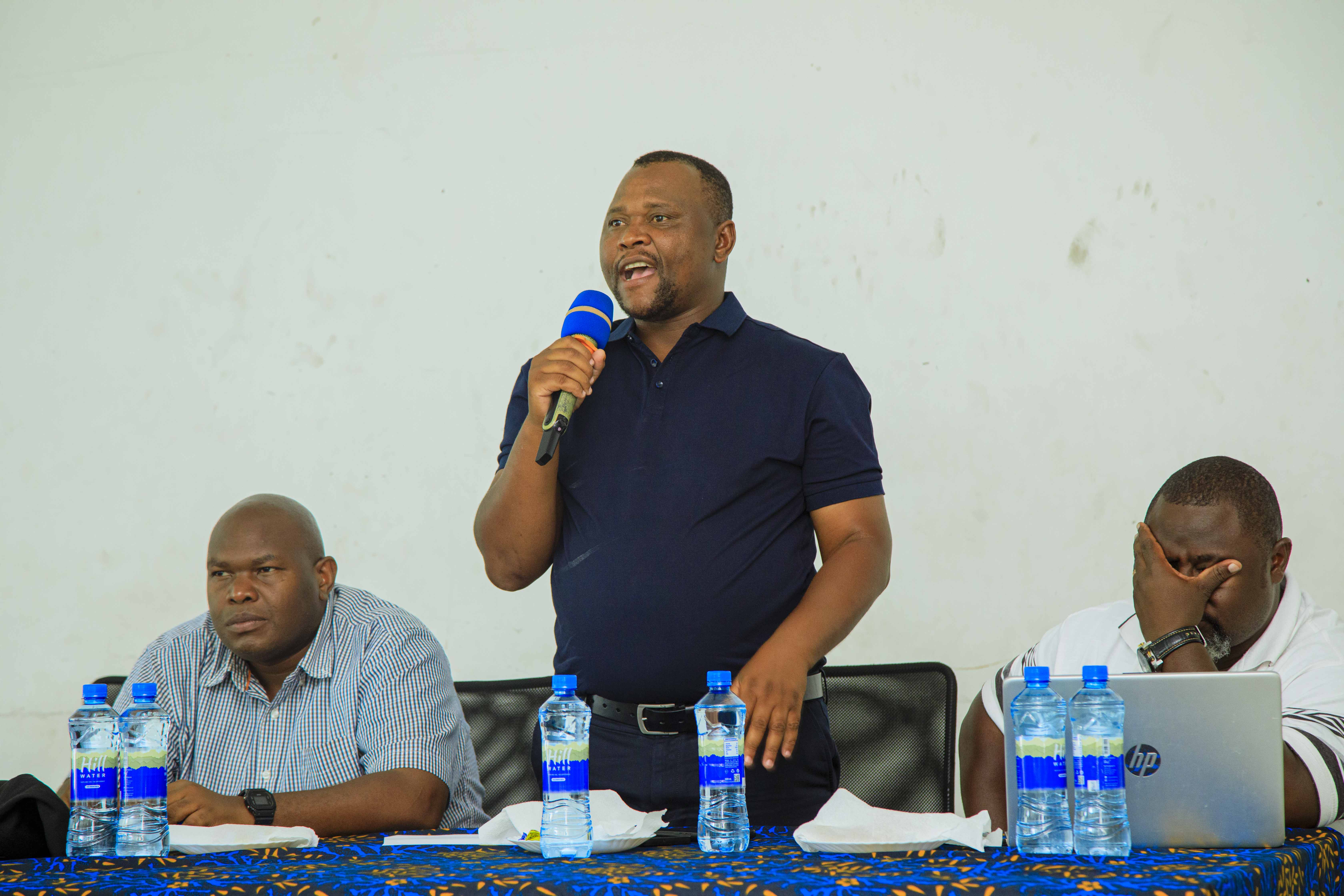
Held on 4 February at the University Library and coordinated by Dr. Magreth Dotto and Dr. Baker Francis, the forum was guided by the theme “Investment in the Small-Scale Mining Industry in Tanzania.”
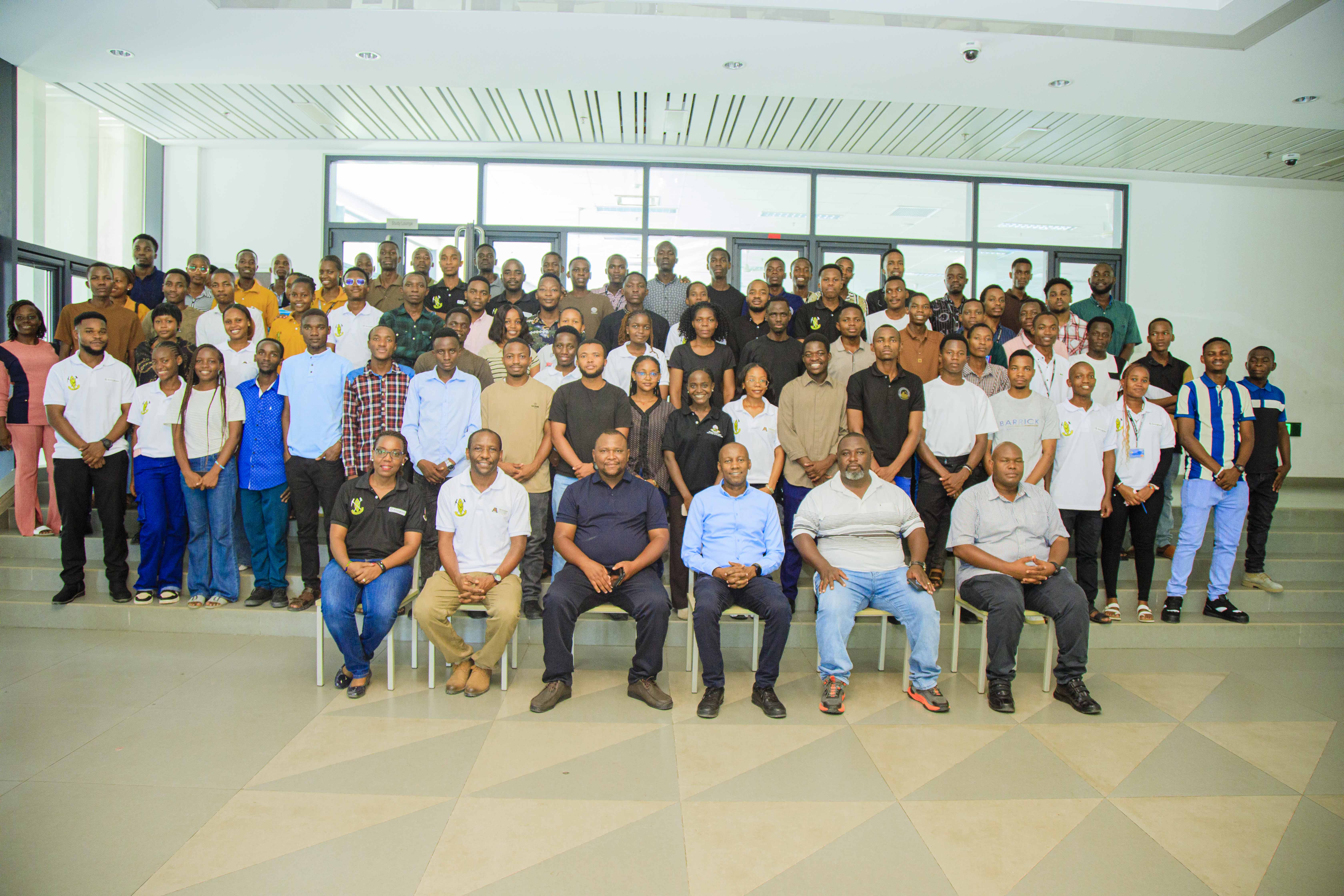
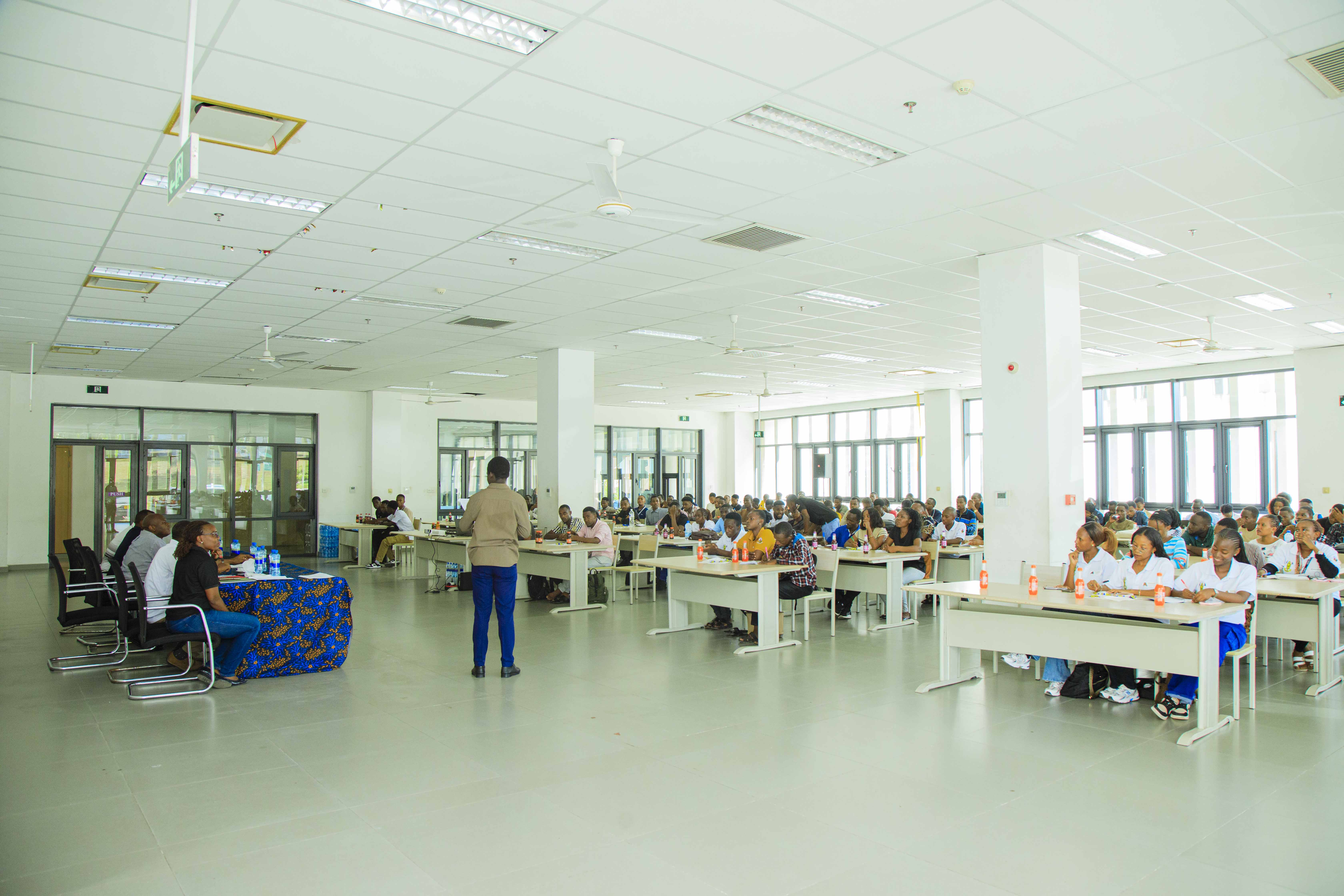
Approximately 130 students participated, reflecting growing interest among young professionals to pursue entrepreneurship, technical specialization, and investment in the sector.
The initiative forms part of the School’s broader strategy to align university education with national economic priorities by equipping graduates with practical knowledge, regulatory awareness, and business insight.
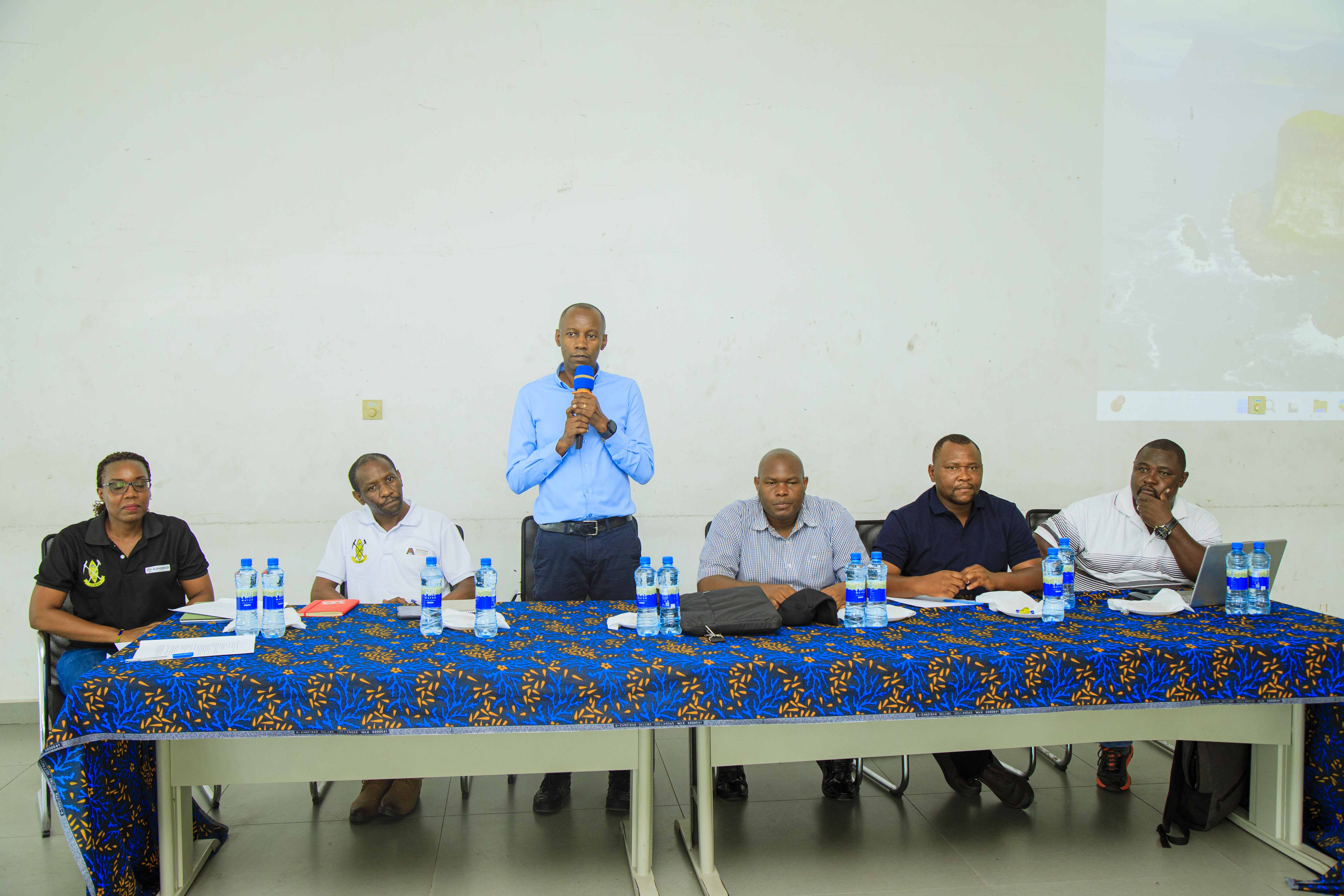
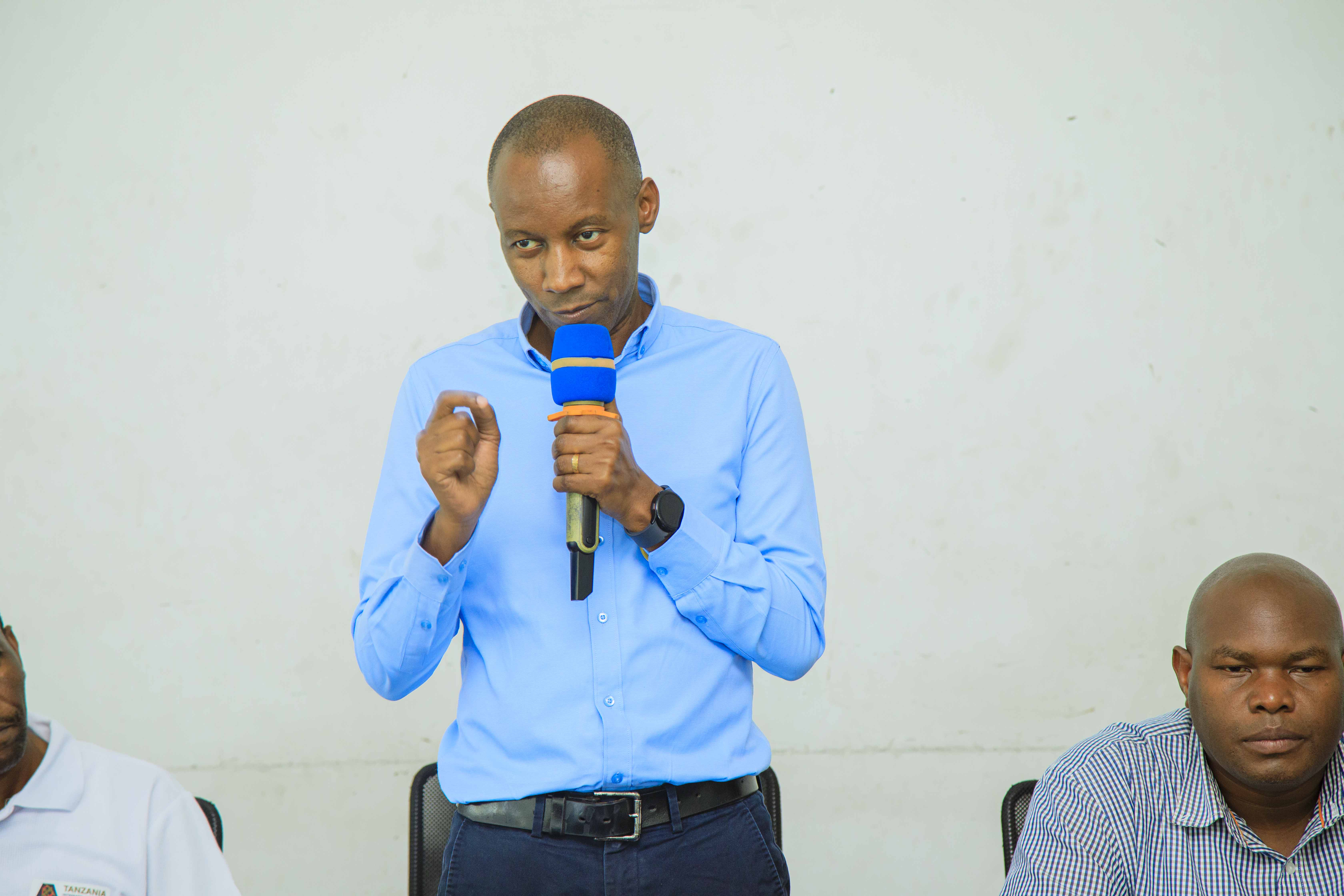
Opening the session, SoMG Dean, Prof. Elisante Mshiu underscored the importance of sustained collaboration between academia and industry in shaping competent professionals for Tanzania’s mineral economy.
“Our responsibility is to ensure that students leave the University not only with theoretical knowledge, but with the confidence and practical understanding required to participate meaningfully in the mining industry,” he said.
He added: “Engagements like Let’s Talk Mining allow us to connect learning with the realities of investment, regulation, and operations.”
Formalization as key to unlocking the sector’s full potential
Experts from government and industry provided a comprehensive view of the sector. A representative from the Mining Commission, Eng. Vuzo M. Vuzo, representing the Mining Commission, outlined regulatory frameworks, licensing pathways, and compliance standards guiding formal participation in small-scale mining.
“Formalization is key to unlocking the sector’s full potential. When young professionals understand licensing procedures, environmental obligations, and safety standards, they are better positioned to invest responsibly and sustainably”, the representative noted.
Industry practitioners complemented the regulatory perspective with hands-on insights drawn from mine ownership, mineral processing, and laboratory services – highlighting investment planning, operational risks, mechanization, and quality control.
Drawing from hands on experience, Eng. Danford Lipenege, a small-scale mine owner, shared practical lessons from mine operations, including investment capital considerations, operational risks, and mechanization strategies.
Further technical insights were delivered by Eng. Daniel Sonda, a mineral processing plant operator, and Eng. Simon Shinshi, a laboratory services provider, who elaborated on processing technologies, quality control, and technical support services.
“Small-scale mining is not small in opportunity. With the right technical knowledge, proper equipment, and sound business planning, it can become a highly viable enterprise for young graduates”, one practitioner told students.
Shaping the future of artisanal and small-scale mining
Discussions also addressed strategic issues shaping the future of artisanal and small-scale mining, including access to finance, environmental stewardship, value addition, and the adoption of modern technologies to enhance productivity and sustainability.
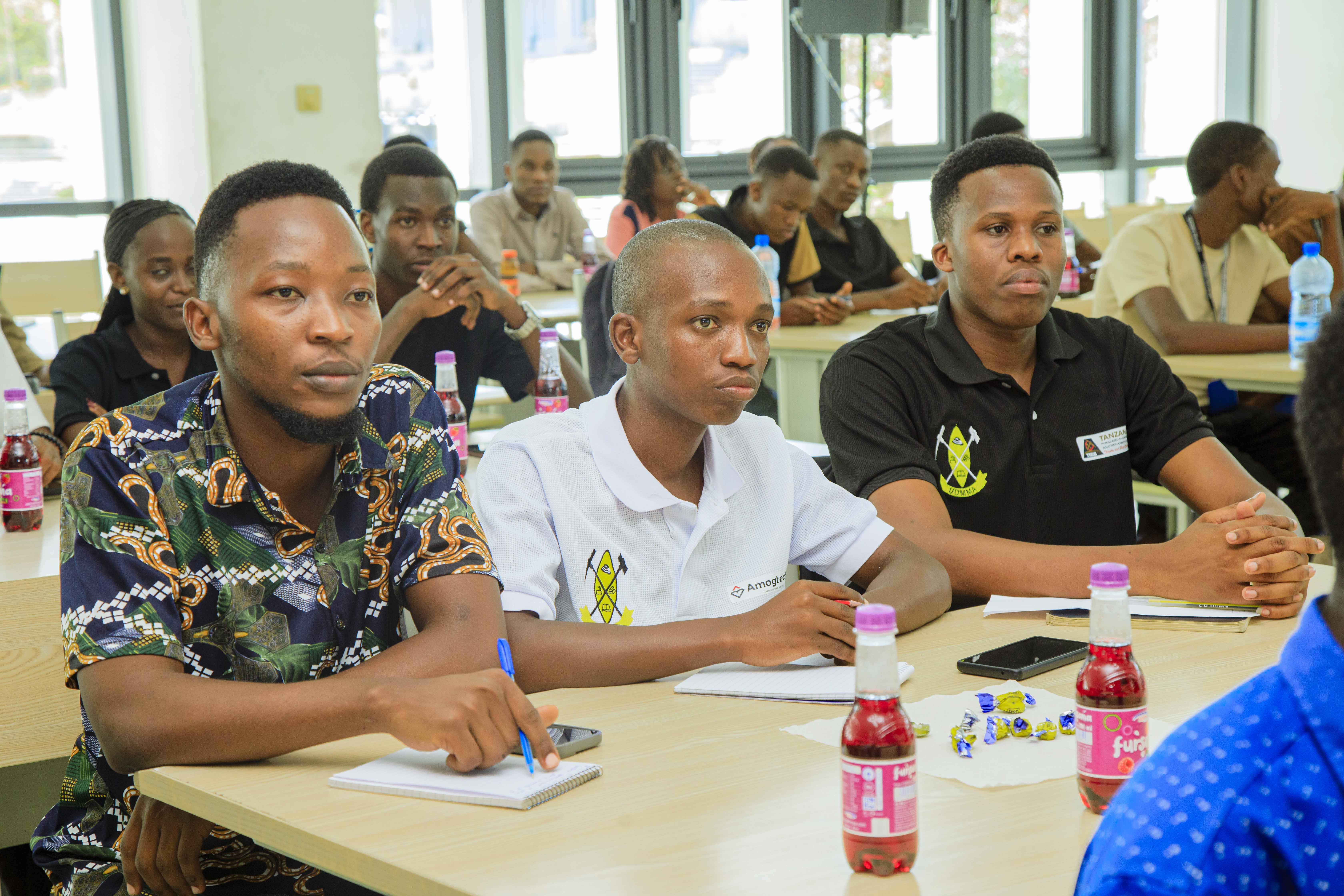
The interactive dialogue enabled students to pose candid questions on identifying viable mineral prospects, navigating regulatory systems, and balancing technical demands with entrepreneurial decision-making.
“Hearing directly from regulators and operators has helped us understand what it truly takes to enter this industry. It has transformed our perspective from job seeking to opportunity creation”, said one participating student.
Beyond knowledge-sharing, the forum reaffirmed small-scale mining as a pathway for youth empowerment, innovation, and national economic participation when supported by compliance, responsible practices, and strategic partnerships.
Students left with clearer insight into how their academic preparation can translate into employment creation and enterprise development.
As the Let’s Talk Mining series continues to grow, it is emerging as a flagship experiential-learning platform, demonstrating the University of Dar es Salaam’s commitment to producing graduates who are not only job seekers, but also investors, innovators, and leaders in Tanzania’s evolving mining economy.