From Prospecting to Prediction: UDSM and Barrick Advance Systems-Based Mineral Discovery
By Donald Boneka, CMU
The University of Dar es Salaam has strengthened its leadership in mineral exploration science following the successful convening of the Barrick–UDSM Systems-Based Exploration Workshop – an academic–industry platform redefining how mineral discovery is approached in Tanzania and across Africa.
Hosted through the School of Mines and Geosciences (SoMG) from 23rd to 24th February, 2026, the engagement marked a decisive shift from conventional prospecting methods toward predictive, systems-driven exploration models aligned with global best practice.
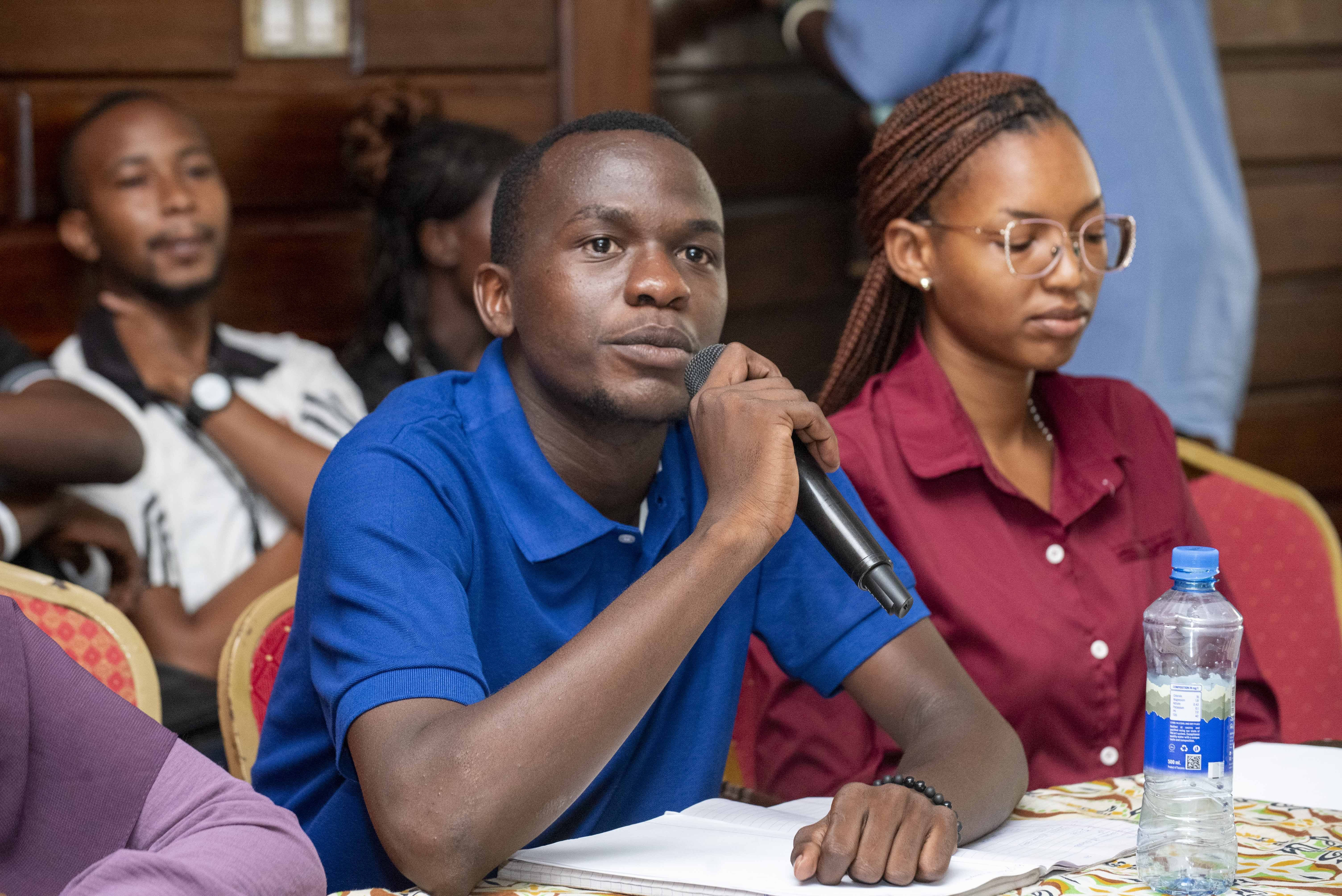
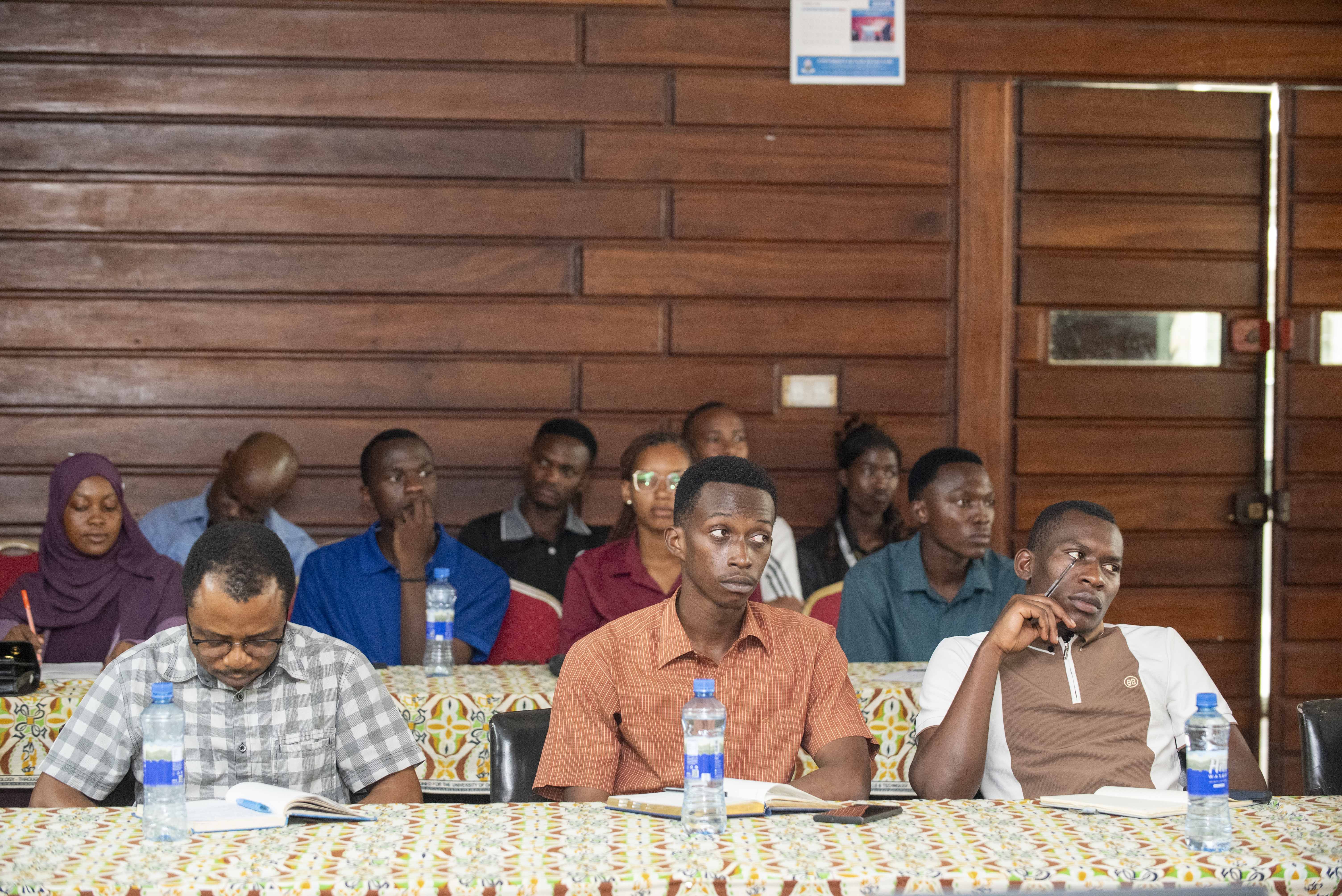
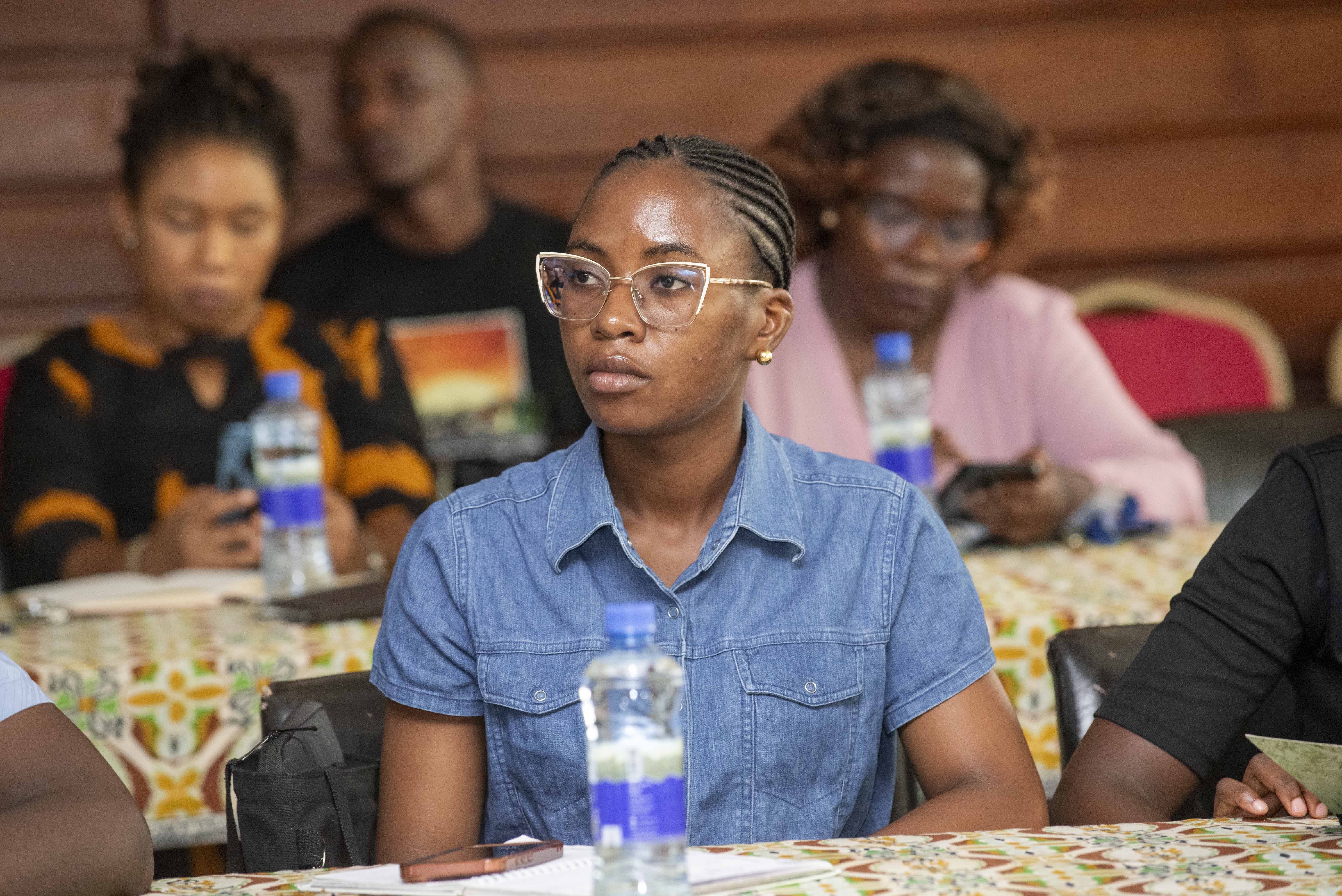
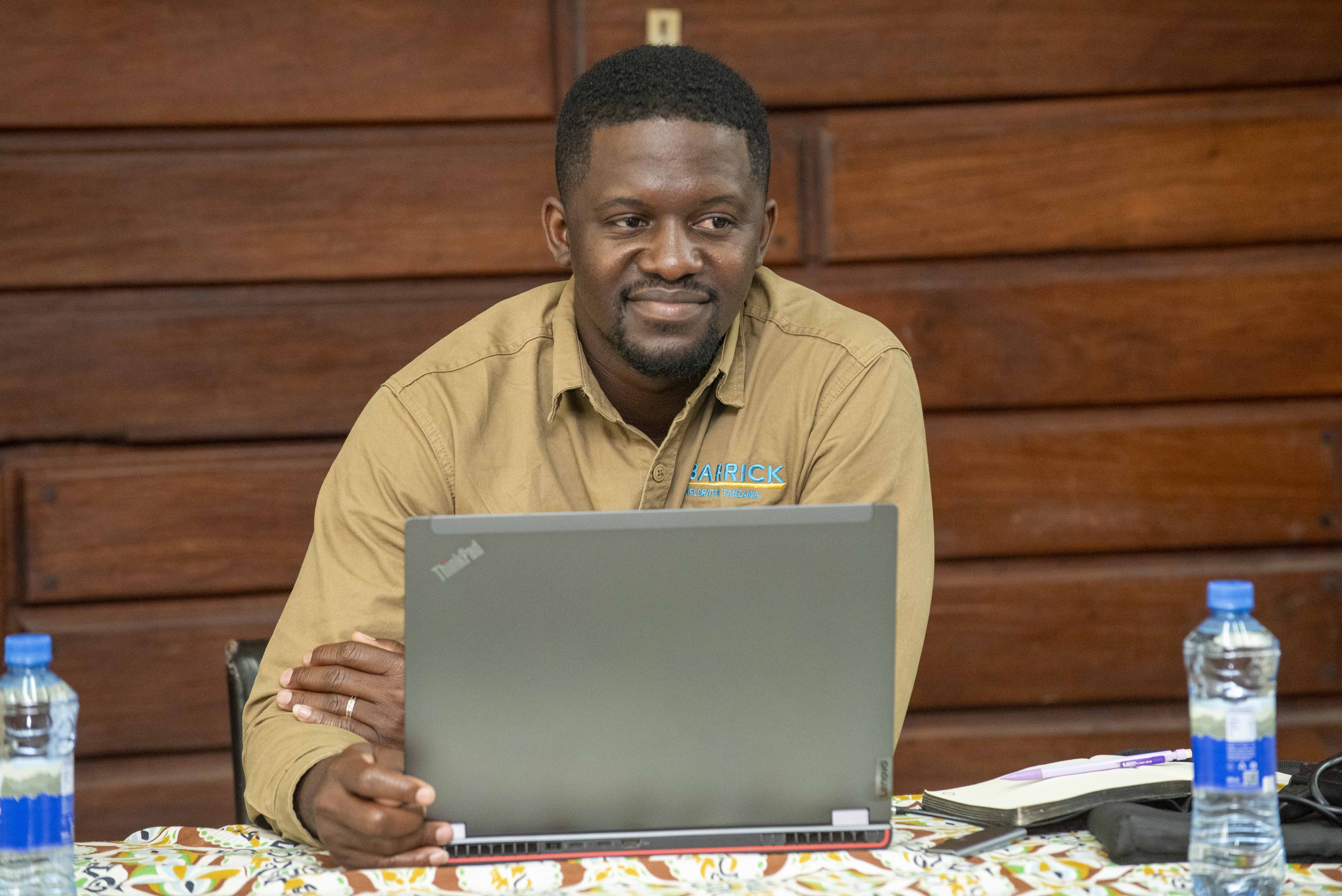
Held at the Mwalimu Julius Nyerere Mlimani Campus under the theme “From Systems Thinking to Mineral Discovery: Mineral Systems, Deposit Types, and Targeting Decisions”, the workshop brought together undergraduate and postgraduate students, academic staff, and industry professionals for technical exchange and applied training.
Organised in collaboration with Barrick Mining Corporation Tanzania, the initiative reflected a deliberate effort to bridge classroom theory with operational exploration realities. At the heart of the workshop was a clear message: future discoveries will depend on understanding mineral systems, not merely identifying surface anomalies.
As easily detectable deposits become increasingly scarce, exploration success now requires integration of lithospheric architecture, structural geology, alteration processes, geochemistry, and regolith evolution at district to regional scales.
Opening the workshop, Dr. Yann Waku Mpaka, Project Geologist with Barrick and academic at SoMG, emphasized the need for structured analytical thinking in modern exploration.
“Today’s exploration environment requires more than identifying anomalies. It demands disciplined integration of multiple datasets and the ability to interpret geological processes at scale. Mineral systems thinking allows us to reduce uncertainty and make informed targeting decisions”, he said.
He noted that advanced geochemical analysis and multivariate data interpretation enable exploration teams to optimize financial resources while improving the probability of discovery success.
Building field-ready expertise
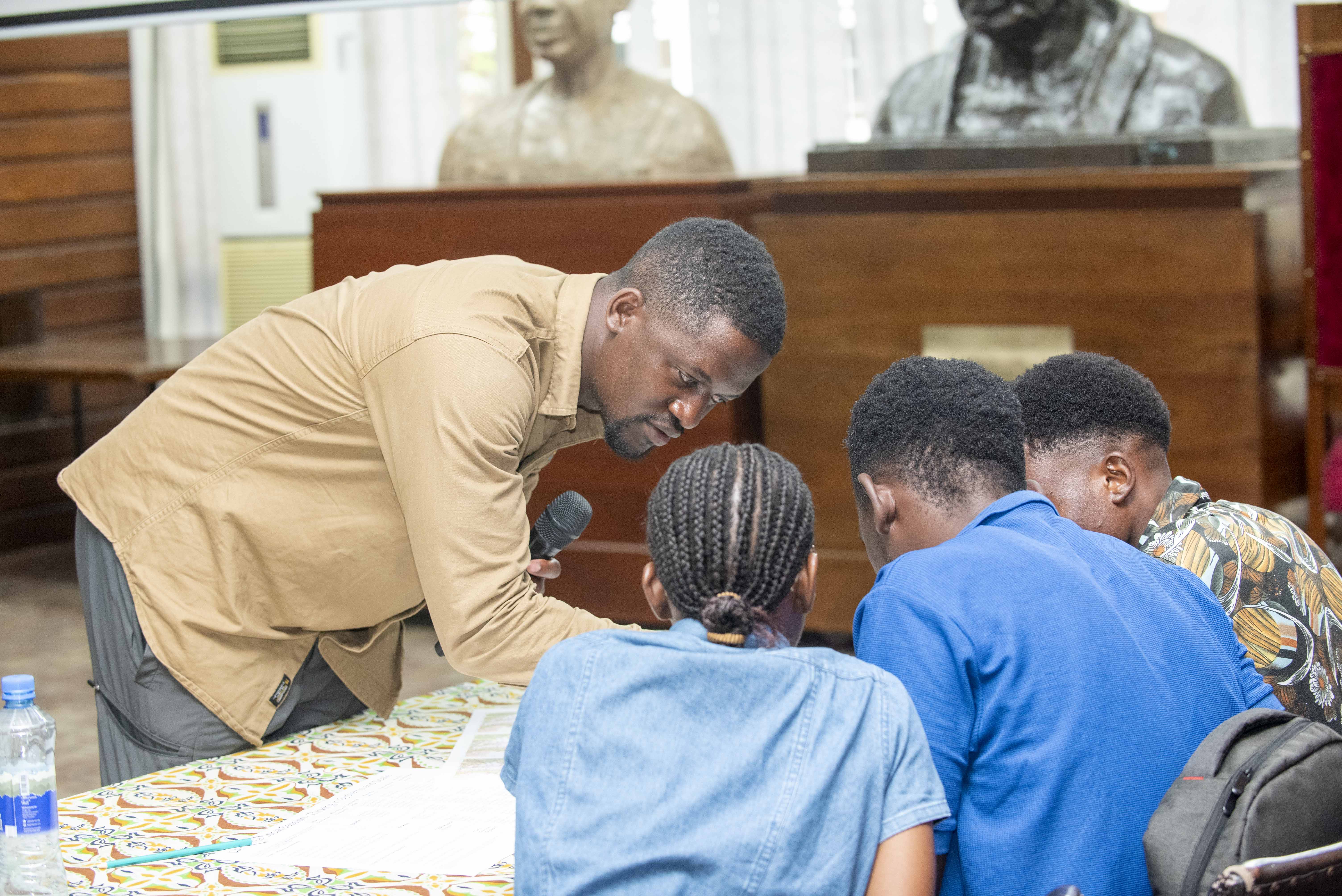
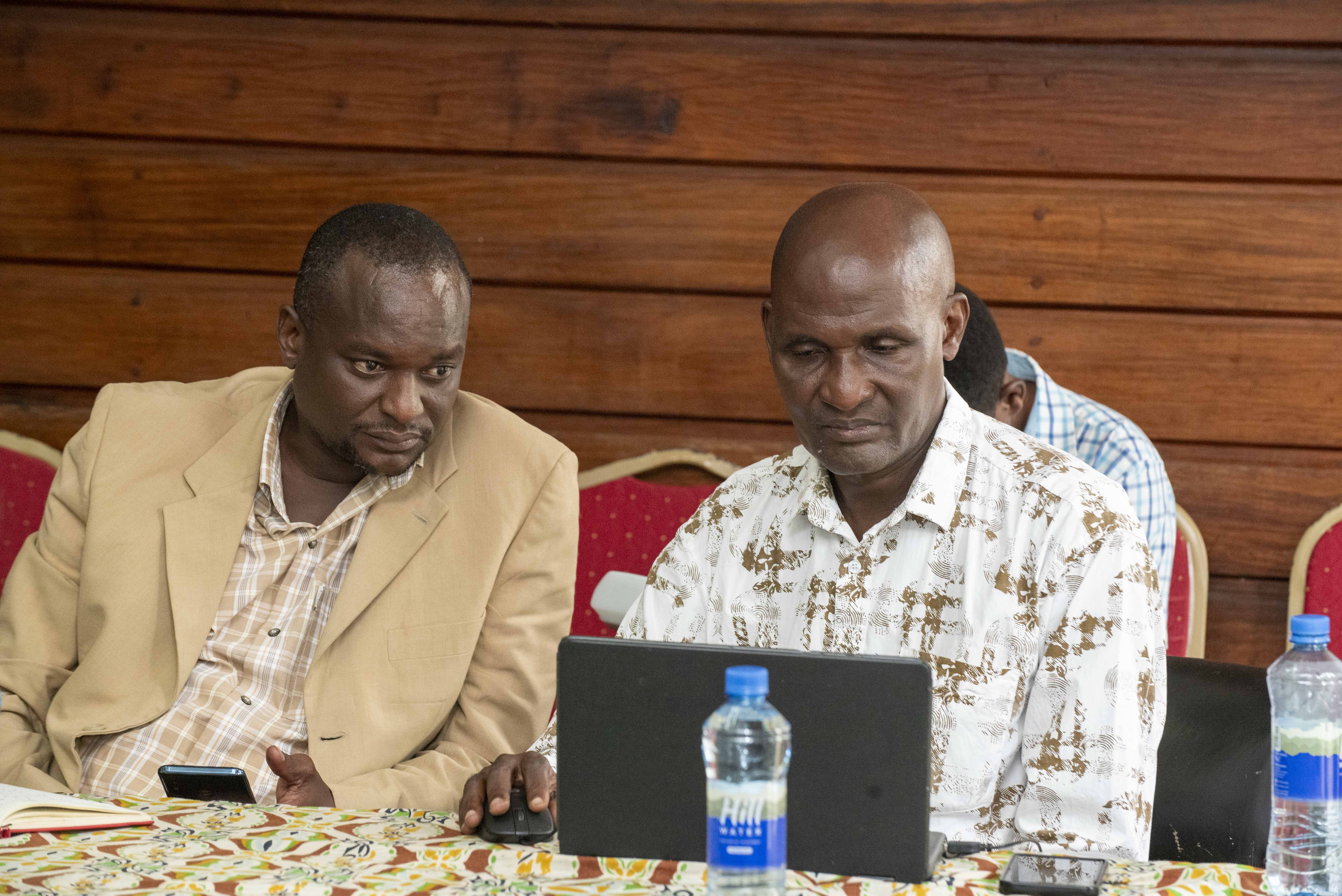
Designed to strengthen the technical capacity of senior undergraduate and postgraduate students, the workshop combined conceptual lectures with hands-on targeting exercises.
Participants examined how to link geological architecture to ore-forming processes, integrate geophysical and geochemical datasets, manage interpretation bias, and rank exploration targets under uncertainty.
On the second day, participants transitioned from theory to application, working with integrated datasets to define prospective corridors and simulate drill-target ranking scenarios. The exercises mirrored real exploration workflows, reinforcing analytical rigor and evidence-based decision-making.
Mr. Ibrahim Weston Kamage, Junior Exploration Geologist, underscored the importance of practical competence in discovery programmes.
“Effective mineral discovery depends on disciplined data integration and defensible decisions. Workshops like this prepare students to contribute meaningfully to real exploration projects from day one”, he said.
The collaboration between UDSM and Barrick reflects a shared commitment to strengthening Tanzania’s exploration ecosystem through knowledge exchange, curriculum enhancement, and research collaboration.
By embedding mineral systems thinking within academic training, the University is aligning its programmes with technological and analytical advancements shaping the global mining industry.
The initiative also reinforces SoMG’s growing reputation as a centre of applied geoscience excellence. Through interdisciplinary engagement spanning structural geology, mineral chemistry, regolith studies, and geodata analytics, the School continues to support evidence-based exploration strategies across Tanzania’s mineral provinces, including gold-bearing greenstone belts and emerging frontiers.
From workshop to strategic impact
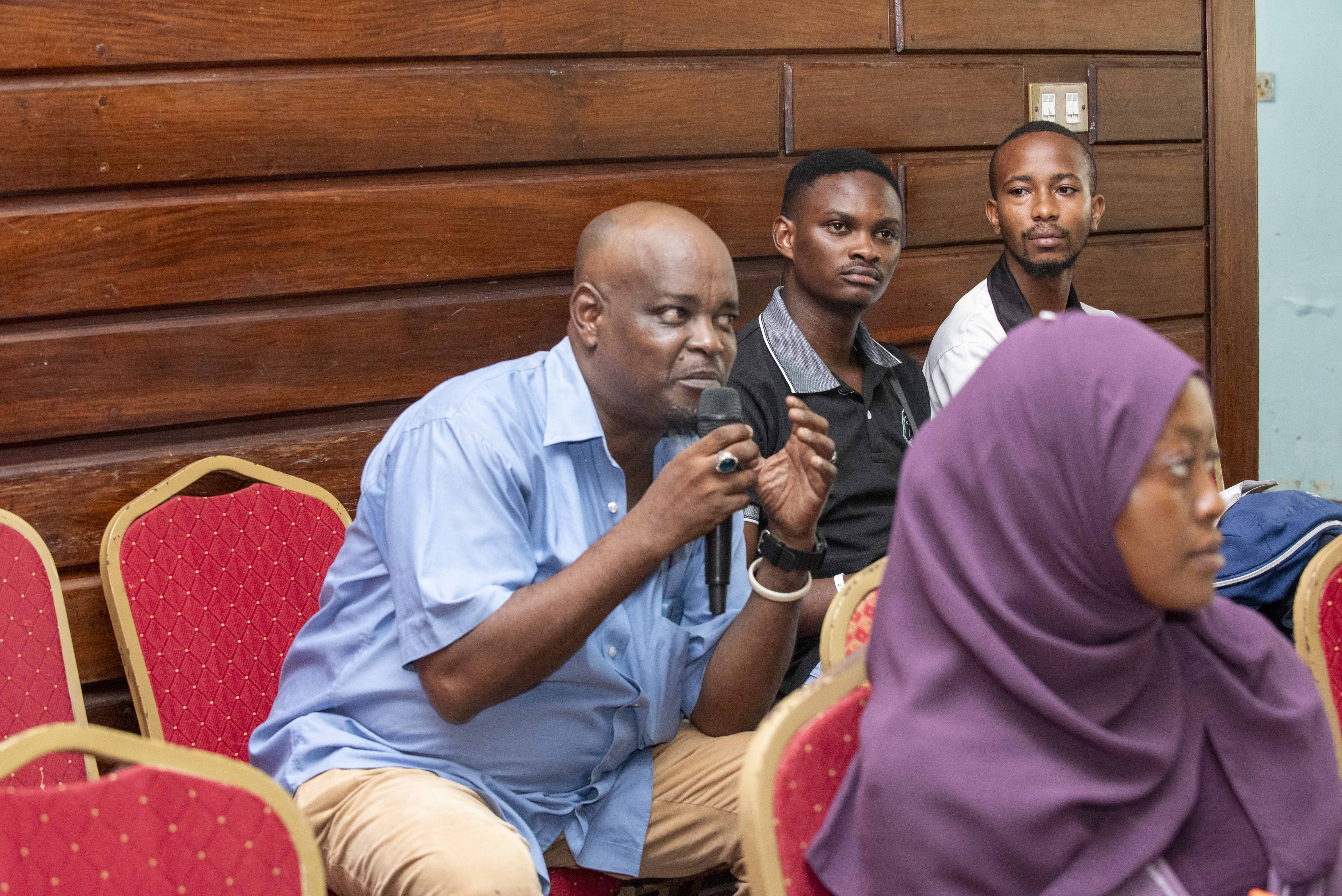
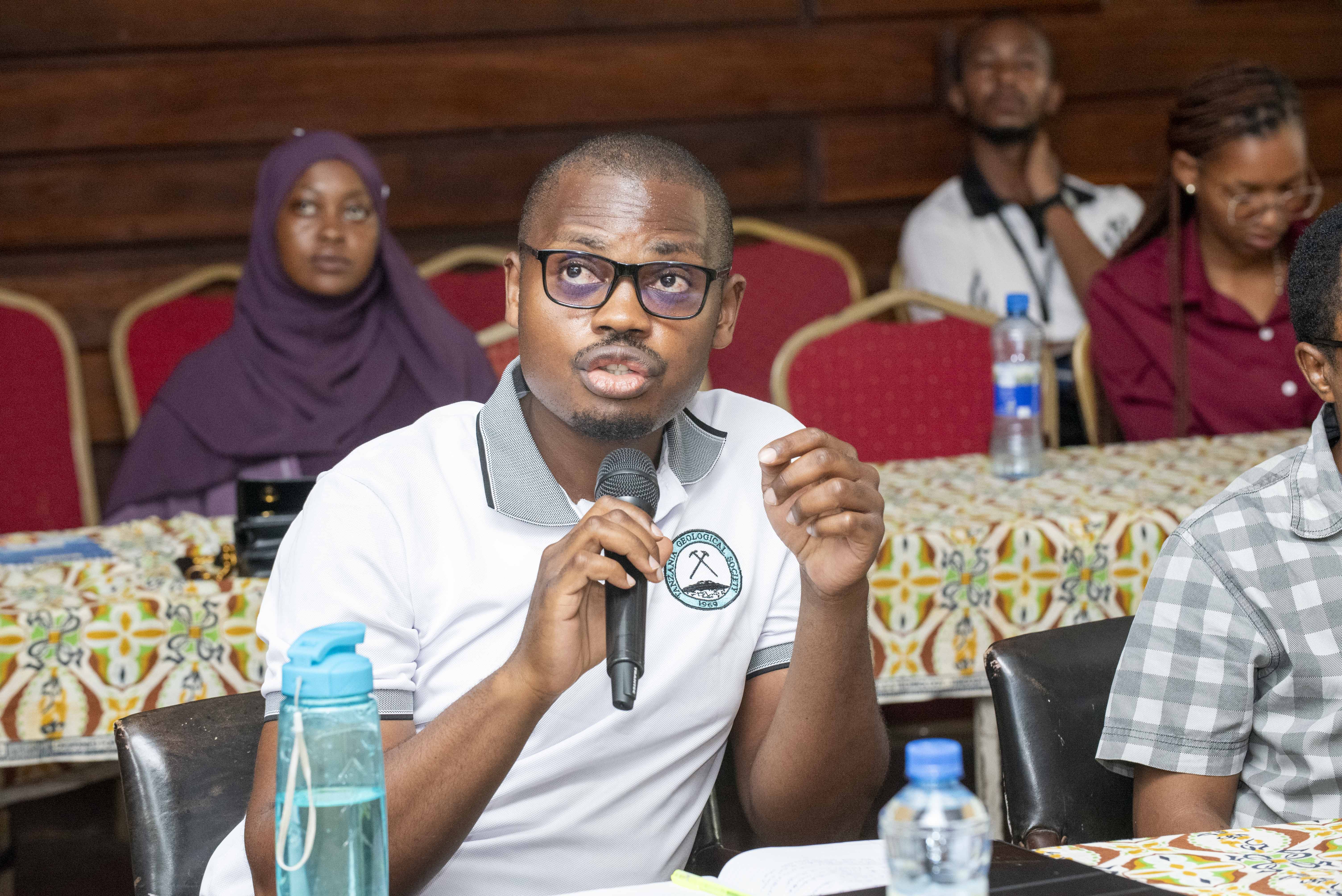
Beyond technical training, discussions explored long-term pathways for university–industry collaboration, including joint research initiatives, postgraduate supervision partnerships, and integration of real exploration datasets into academic research.
Participants emphasized that connecting scholarly mineral systems research with operational data is essential to translating knowledge into measurable discovery outcomes.
As global demand for gold and critical minerals accelerates, driven by industrial expansion and the energy transition, the need for predictive, efficient, and responsible exploration methodologies becomes increasingly urgent.
Through initiatives such as the Barrick–UDSM Systems-Based Exploration Workshop, the University of Dar es Salaam is positioning itself not only as a centre of academic excellence, but as a strategic partner in shaping Tanzania’s next generation of mineral discoveries.
By advancing predictive exploration science and cultivating integrative thinking among young geoscientists, UDSM continues to strengthen its role in supporting sustainable mineral development and long-term national competitiveness in the mining sector.