

UDSM Leads Global Push for Inclusive Blue Economy Through Asia–Africa Blue Tech Superhighway
By Jackson Isdory, CMU
The University of Dar es Salaam (UDSM), in partnership with WorldFish and the Asia–Africa Blue Tech Superhighway (AABS), has unveiled a bold and inclusive roadmap to transform aquatic food systems across Africa and Asia.
This milestone, which places equity, climate resilience, and shared prosperity at the centre of technological innovation, was marked by a high-level regional workshop on Gender Equality, Disability and Social Inclusion (GEDSI) held in Dar es Salaam.
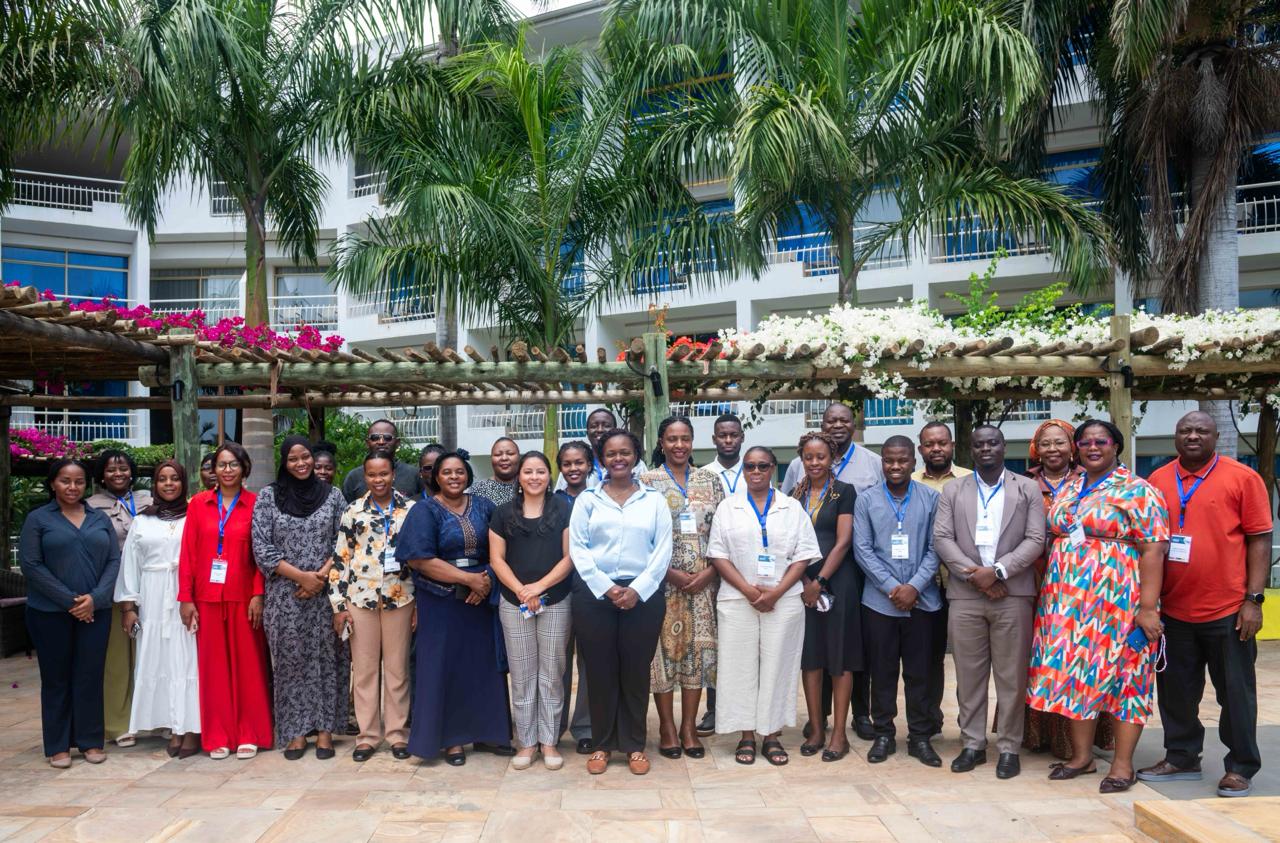
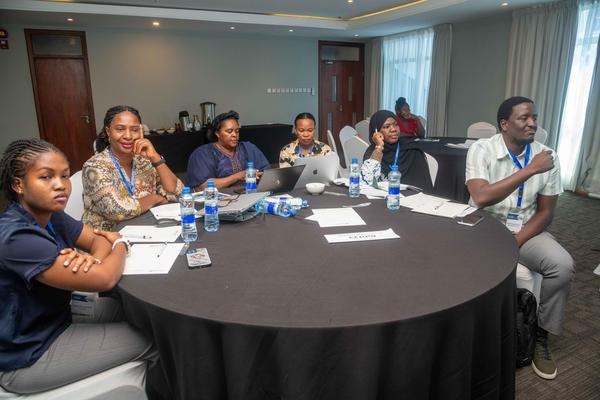
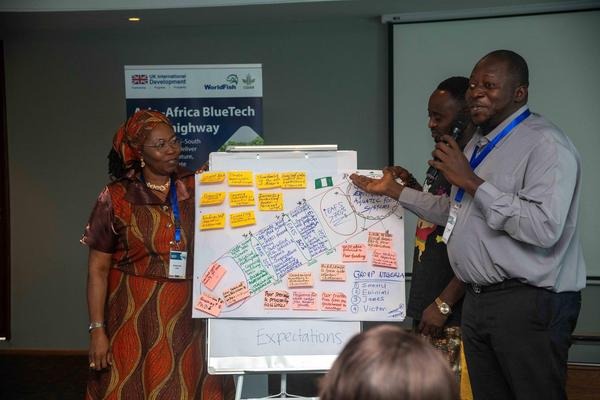
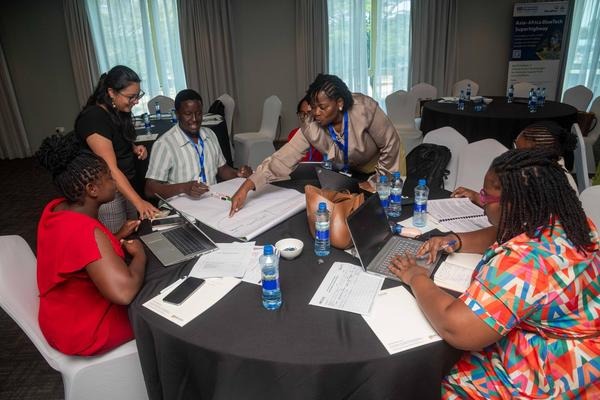
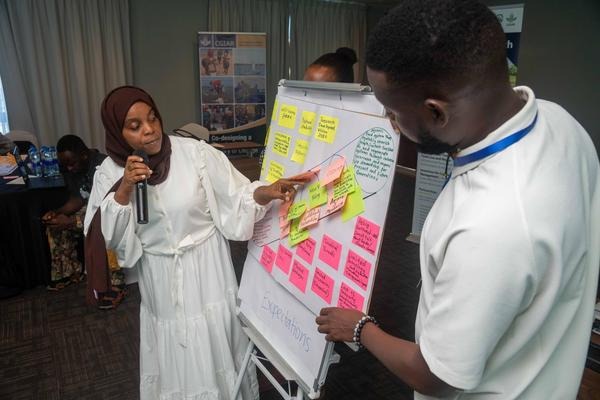
The workshop convened leading researchers, policymakers, and development partners from Tanzania, Mozambique, and Nigeria under the AABS initiative and the CGIAR Sustainable Animal and Aquatic Foods Science Programme. Participants co-developed a nationally owned Theory of Change to guide inclusive transformation in fisheries and aquaculture.
Representing the Vice Chancellor, Prof. William Anangisye, the Principal of the UDSM College of Agriculture and Food Sciences (CoAF), Dr. Mkabwa Manoko, underscored the University’s strategic leadership in aligning innovation with national development priorities.
“The resulting Theory of Change establishes clear outcomes around participation, agency, access to resources, decision-making authority, and equitable benefit sharing. Our goal is to ensure that productivity gains translate into inclusive and sustainable growth”, said Dr. Manoko.
Through the AABS initiative, partners have already piloted improved fisheries data systems, climate-informed decision-support tools, digital platforms, and smart fishing technologies. The workshop assessed pathways for integrating and scaling these innovations within national systems to accelerate sustainable blue economy development.
“This reflects UDSM’s commitment to generating solutions-driven research that directly responds to national priorities and strengthens climate-resilient blue economy pathways,” Dr. Manoko added.
Inclusion at the core of innovation
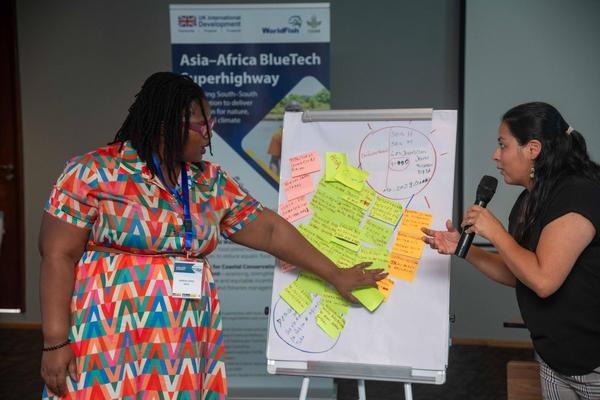
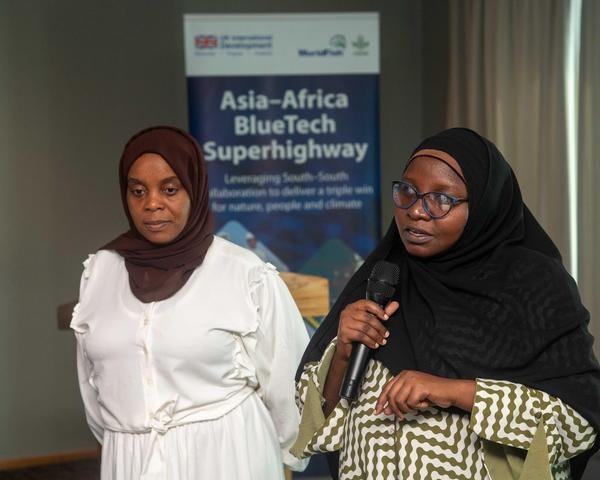
WorldFish researchers Dr. Rahma Adam, Senior Scientist and Social and Economic Inclusion Impact Lead, and Dr. Sara Bonilla, Postdoctoral Fellow in Gender and Social Inclusion, facilitated the technical sessions.
Dr. Adam emphasized that inclusive design is not optional, it is foundational. “Innovation alone is not enough. Without deliberate inclusion, improved technologies risk bypassing women, youth, and vulnerable communities. Aquatic food systems must become engines of opportunity, resilience, and equity”.
Dr. Bonilla highlighted the importance of participatory research approaches. “By working directly with communities and institutions, we are identifying systemic barriers and co-developing practical, scalable solutions that ensure everyone benefits from transformation”.
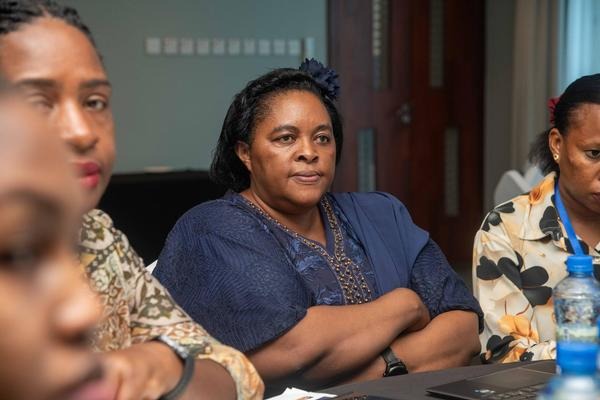
Participants identified persistent challenges, including limited access to finance and technology, underrepresentation of women in leadership, and digital access gaps, while also spotlighting emerging opportunities driven by policy reform, digital innovation, and capacity strengthening.
Dr. Lydia Gaspar of UDSM described the workshop as evidence of the University’s expanding role as a regional hub for inclusive blue economy research.
“This collaboration demonstrates how science, policy, and community engagement can converge to strengthen aquatic food systems while ensuring no one is left behind. UDSM is proud to contribute evidence-based solutions that support national and regional transformation”, she said.
The outcomes align closely with Tanzania’s national agenda prioritizing innovation, economic inclusion, and sustainable resource management.
Through the Asia–Africa Blue Tech Superhighway, partners are modernizing aquatic food systems by scaling climate-smart and digital fisheries technologies, strengthening inclusive value chains, enhancing institutional capacity, and promoting equitable participation and leadership.
Government endorses inclusive, climate-resilient Blue Economy pathway
The Deputy Permanent Secretary in the Ministry of Livestock and Fisheries, Prof. Mohammed Sheikh, reaffirmed the Government’s commitment to building a sustainable and inclusive blue economy.
“The Government is implementing deliberate and coordinated measures to modernize fisheries and aquaculture as strategic pillars of our blue economy. This includes strengthening policy and regulatory frameworks, accelerating climate-smart aquaculture, improving breeding systems, and investing in post-harvest infrastructure to increase value addition”, he said.
He commended UDSM and its global partners for articulating a clear Theory of Change linking research, innovation, policy reform, and investment to measurable and inclusive outcomes.
He added: “Through strategic collaboration with institutions such as the University of Dar es Salaam and partners including WorldFish and the Asia–Africa Blue Tech Superhighway, we are accelerating technology transfer, strengthening innovation ecosystems, and promoting evidence-based policymaking”.
“These efforts are essential to attract responsible investment, enhance food and nutrition security, and ensure the blue economy delivers equitable and sustainable prosperity for all Tanzanians’, he said.
The initiative further cements UDSM’s growing global reputation as a centre of excellence in research, innovation, and knowledge transfer supporting Tanzania’s blue economy transformation.
By anchoring global partnerships within national priorities, the University continues to advance sustainable development and regional leadership, ensuring technological progress strengthens productivity, equity, and resilience for present and future generations.