


From Ocean Wealth to Shared Prosperity: UDSM Study Urges People-Centred Blue Economy Reforms in Tanzania
By Renancy Remmy, CMU
The University of Dar es Salaam (UDSM) has positioned research at the centre of Tanzania’s blue economy transformation, with leading scholars and policymakers calling for a shift toward inclusive, community-driven and science-based reforms to unlock the country’s vast marine potential.
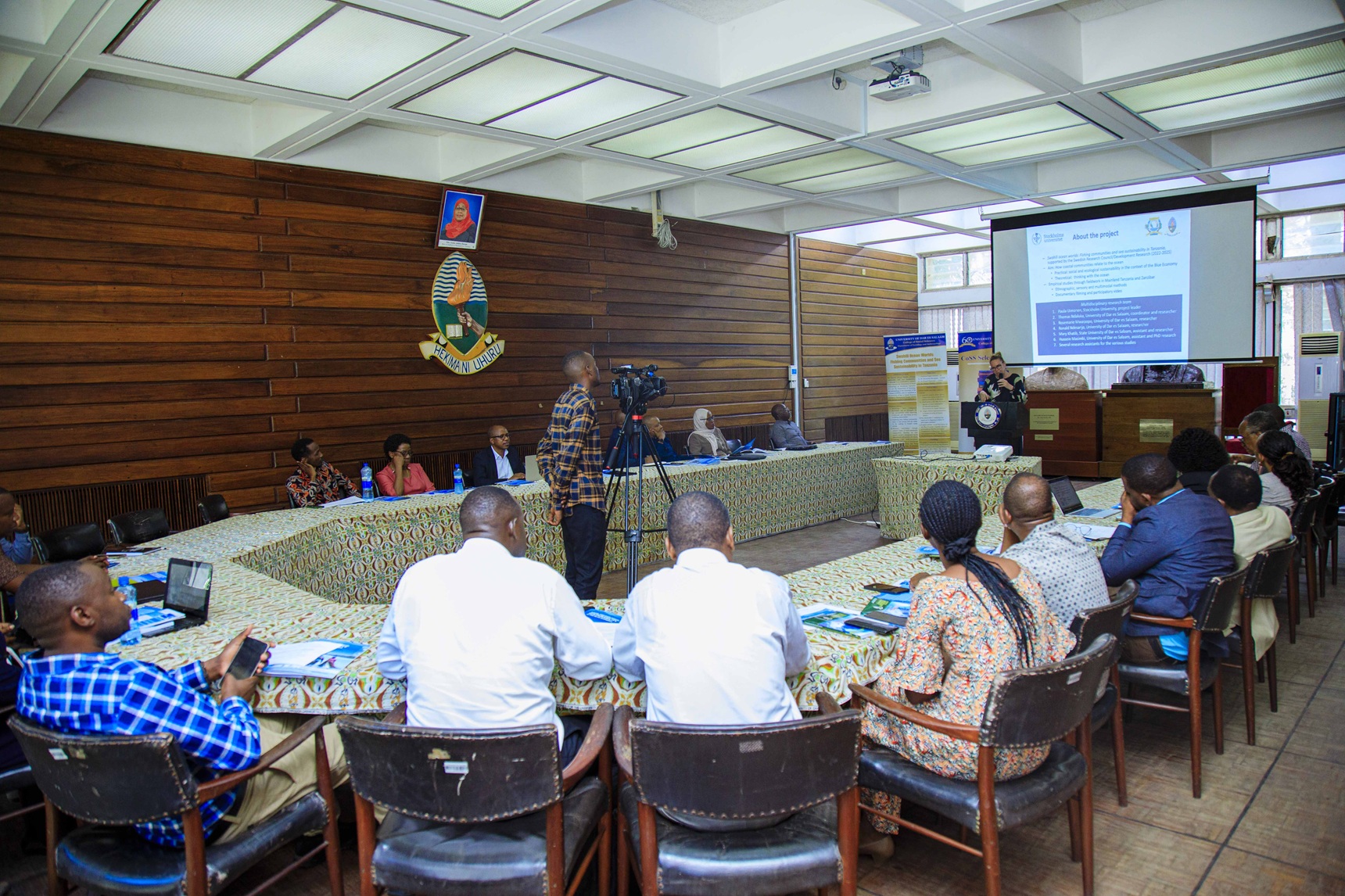
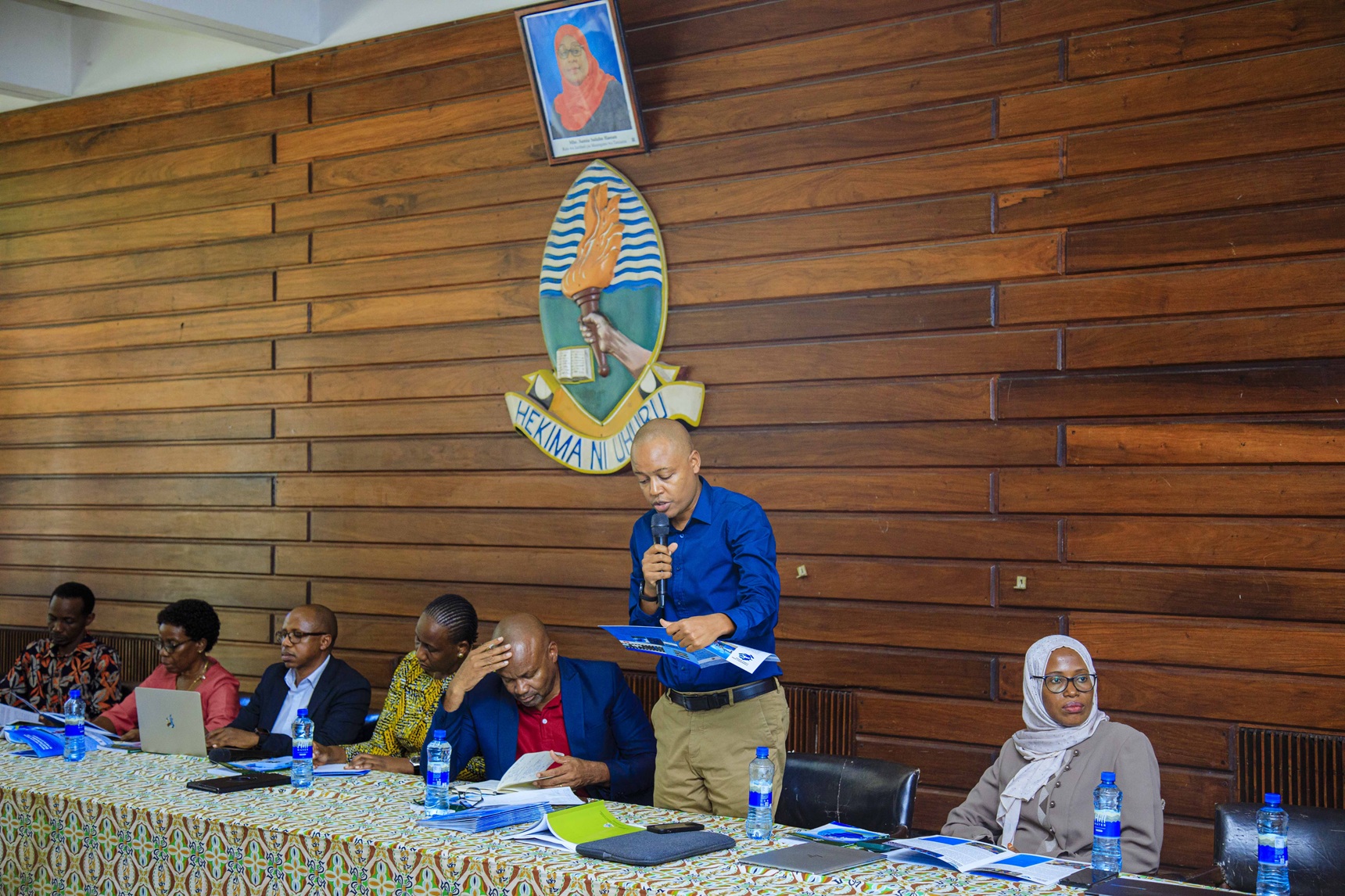
This call emerged during the launch of a landmark academic publication and policy dialogue held on 15 April 2026 at the University of Dar es Salaam, where experts gathered to examine how coastal and marine resources can be sustainably managed to support national development.
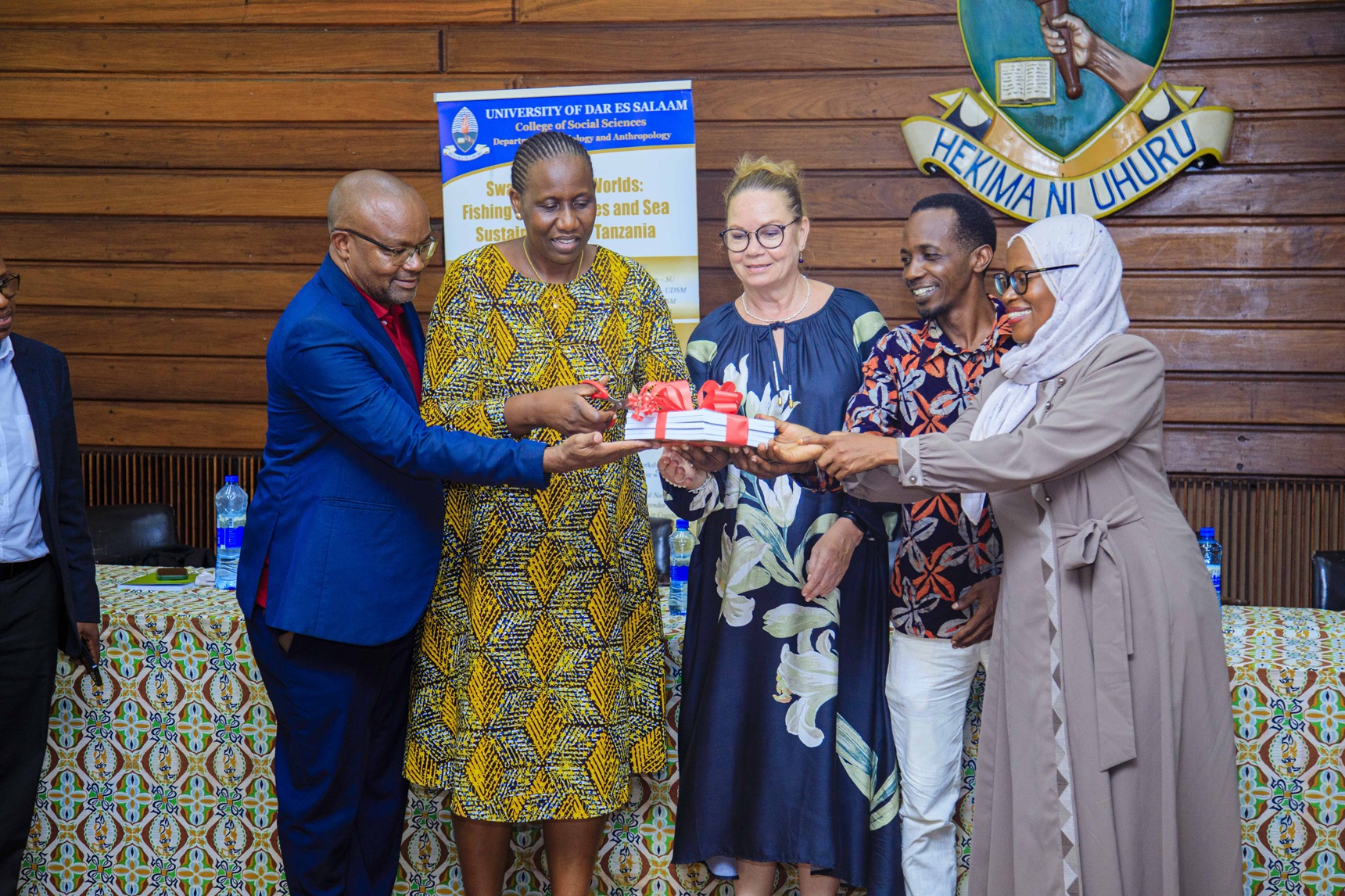
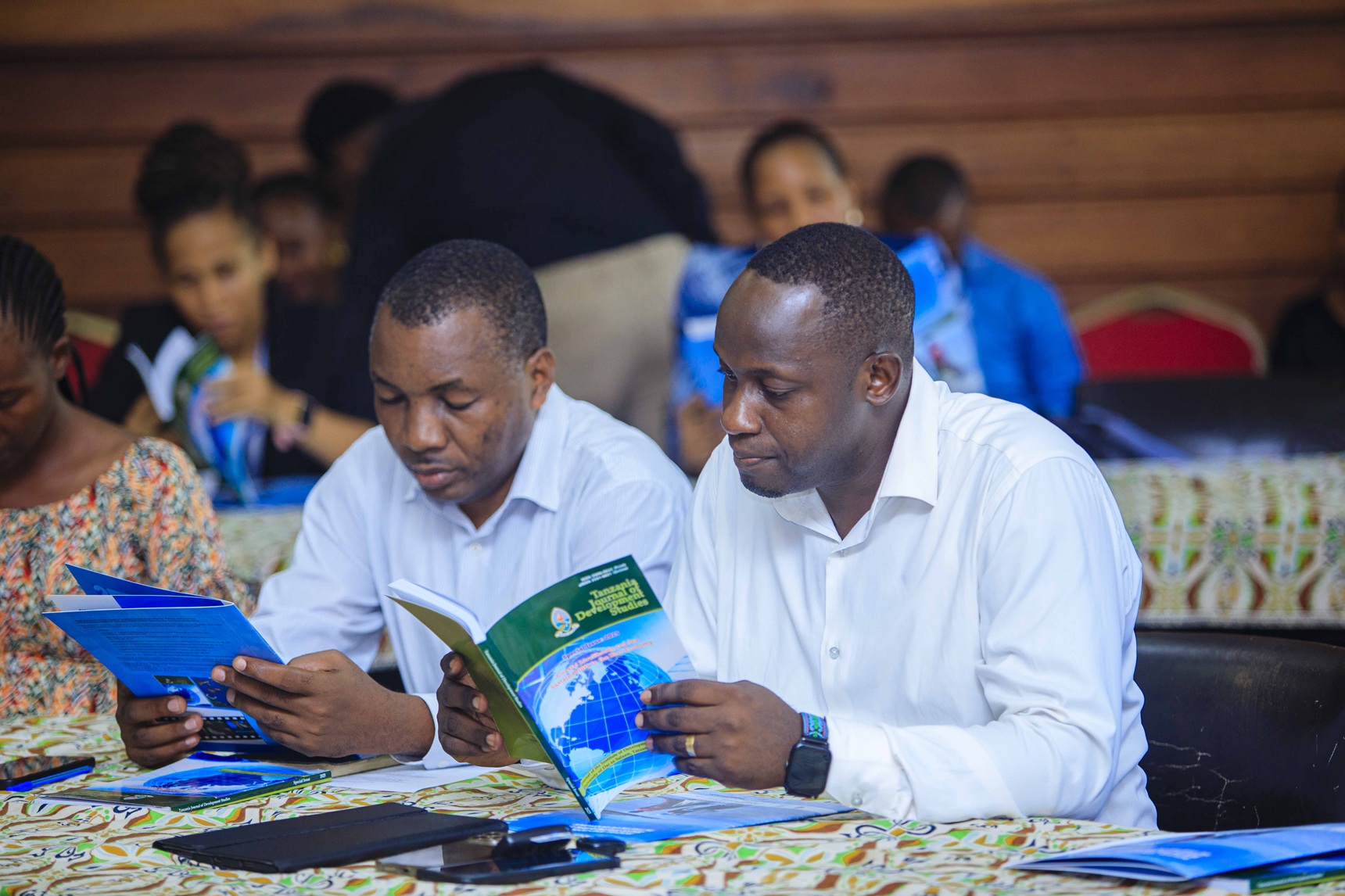
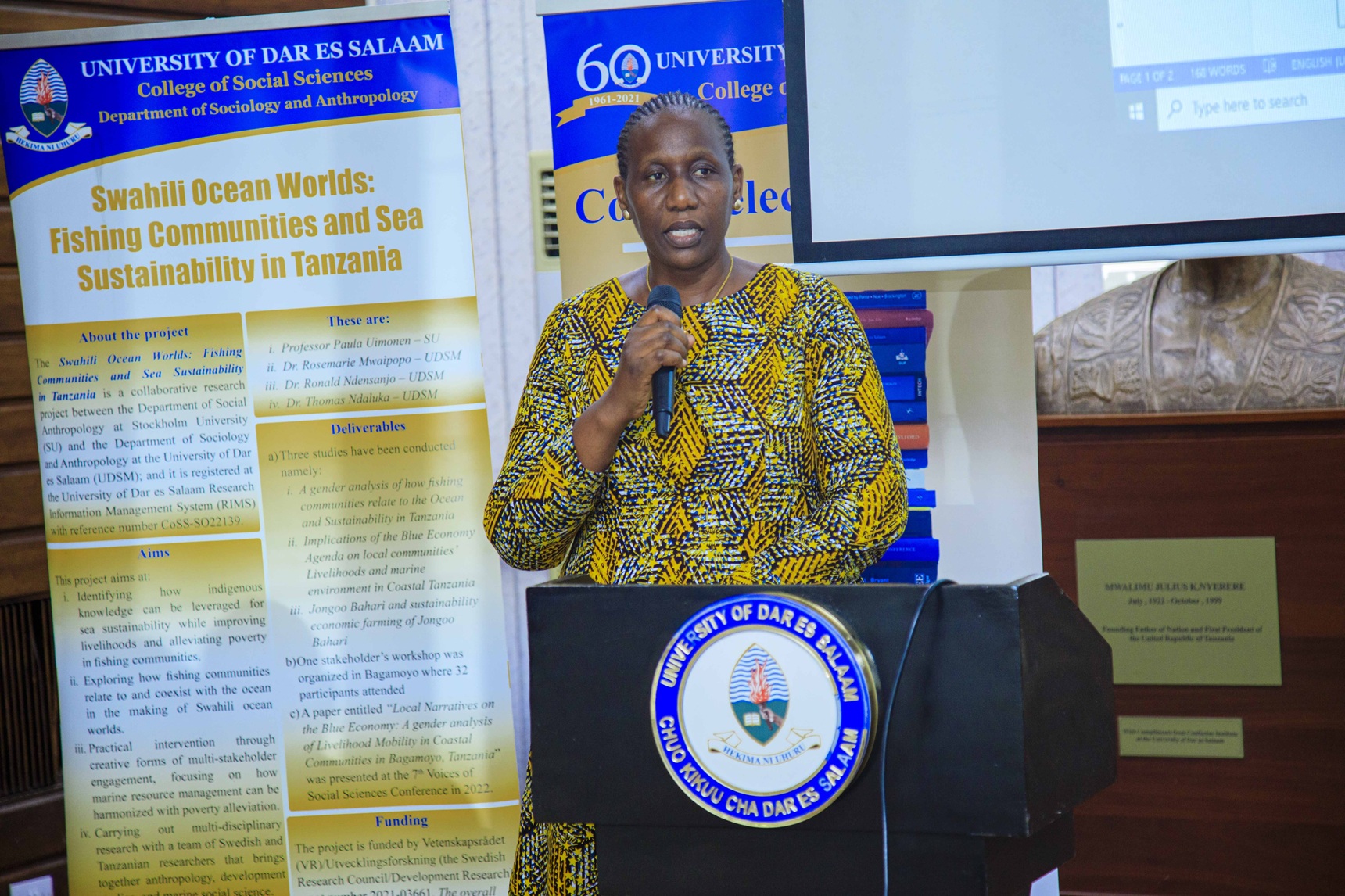
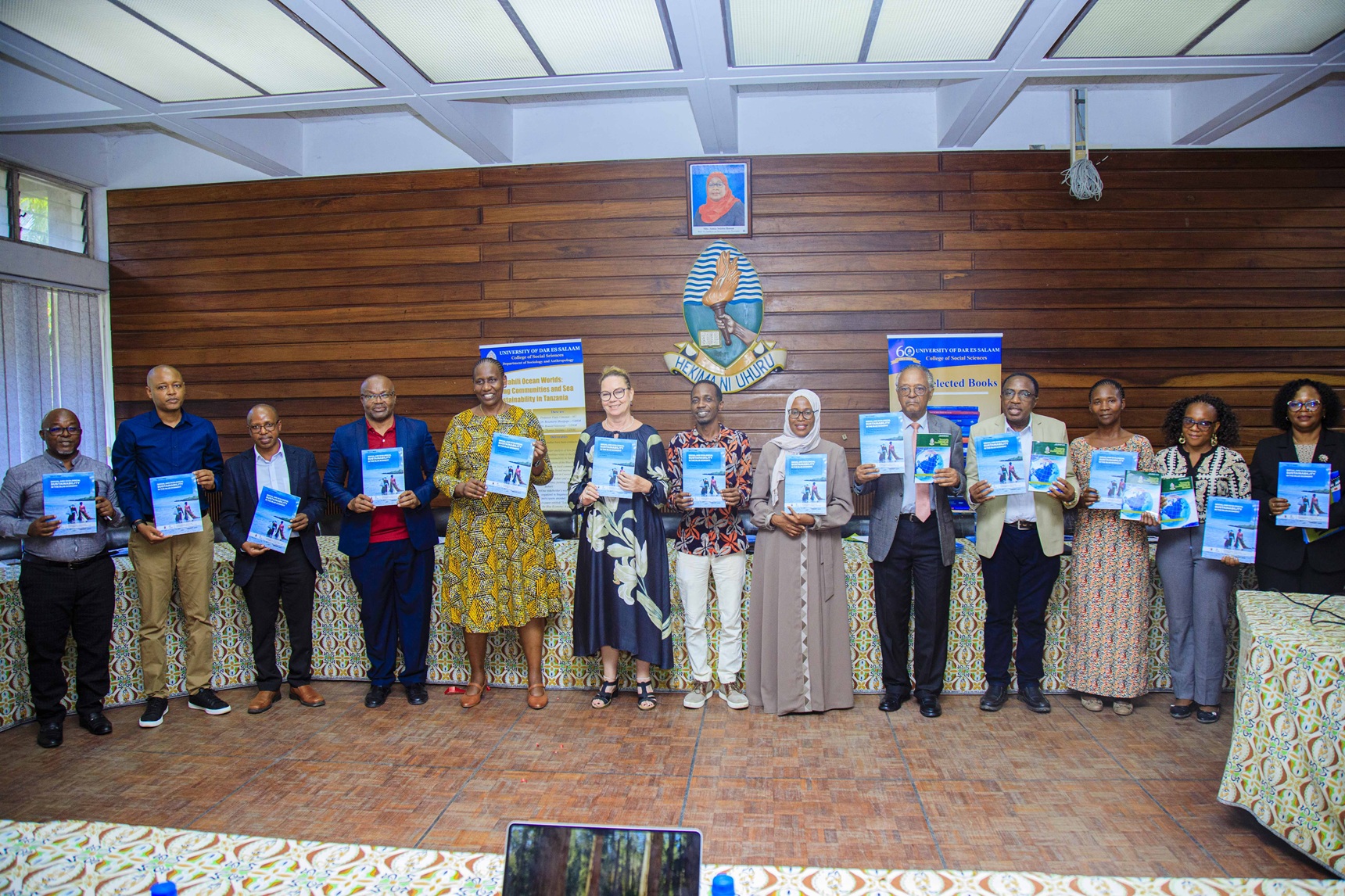
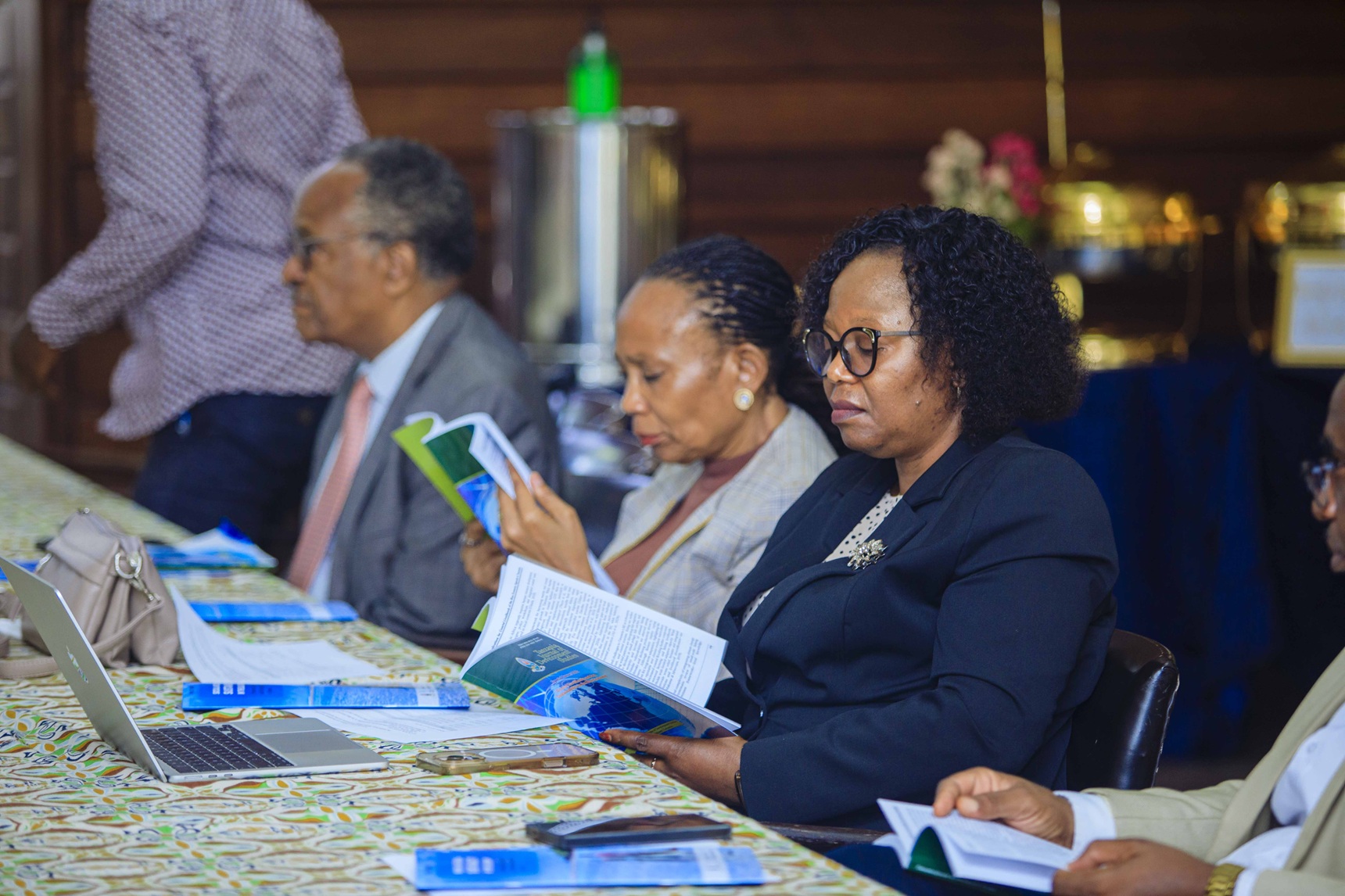
At the heart of the event was the unveiling of a special issue of the Tanzania Journal of Development Studies titled Coastal Livelihoods and Sea Sustainability in the Blue Economy, a body of work developed under the Swahili Ocean Worlds research project (2022–2025).
The study provides one of the most comprehensive insights into how coastal communities interact with marine ecosystems, and how policy frameworks are performing on the ground.
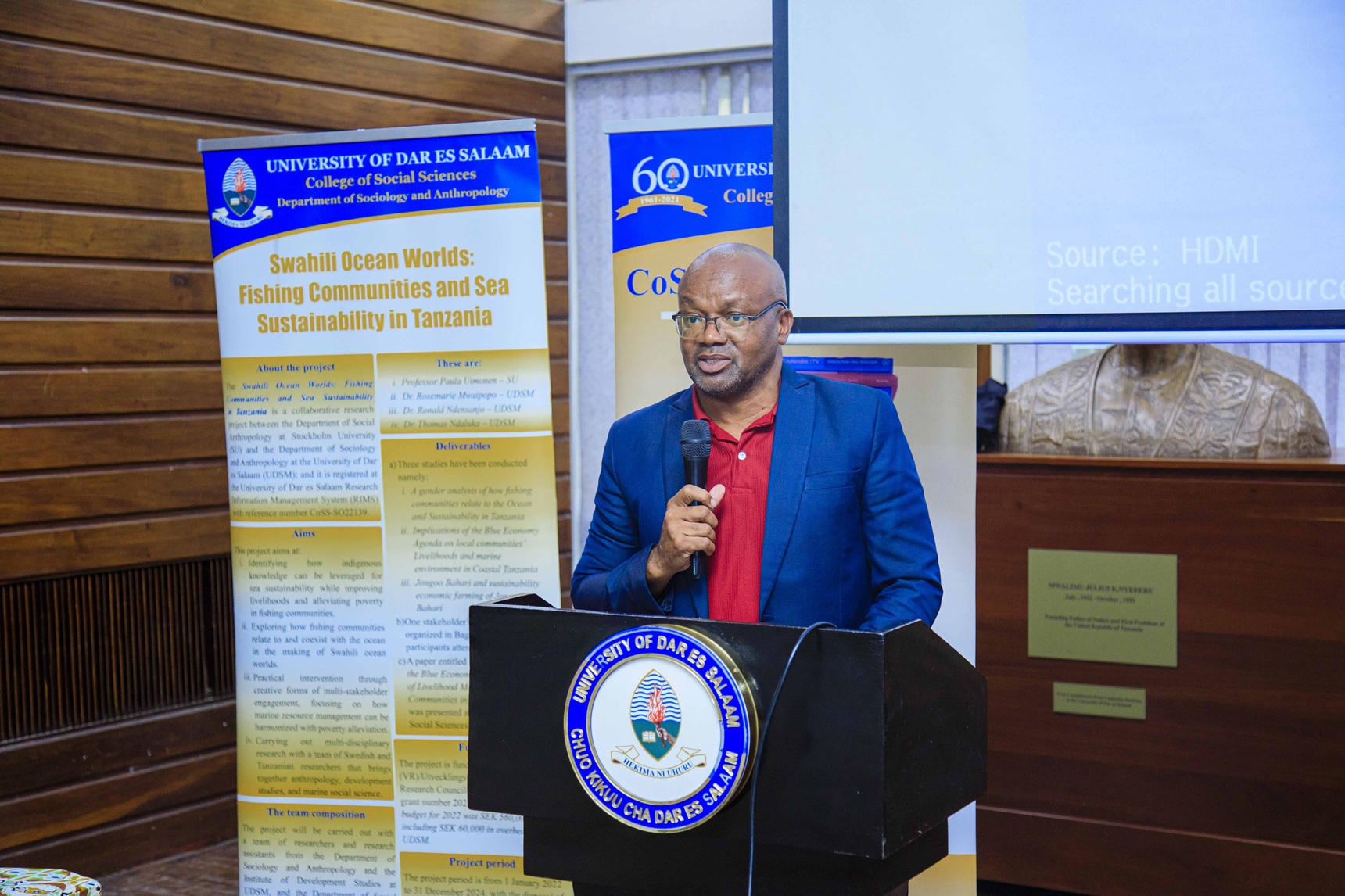
Presenting the findings, Dr. Thomas Ndaluka, a senior lecturer in the Sociology of Religion, revealed a critical gap between national blue economy ambitions and lived realities along Tanzania’s coastline.
Conducted in Bagamoyo and Zanzibar, including Unguja and Pemba, the study engaged fishing communities, traders, and local stakeholders to understand how marine resources shape livelihoods and sustainability outcomes.
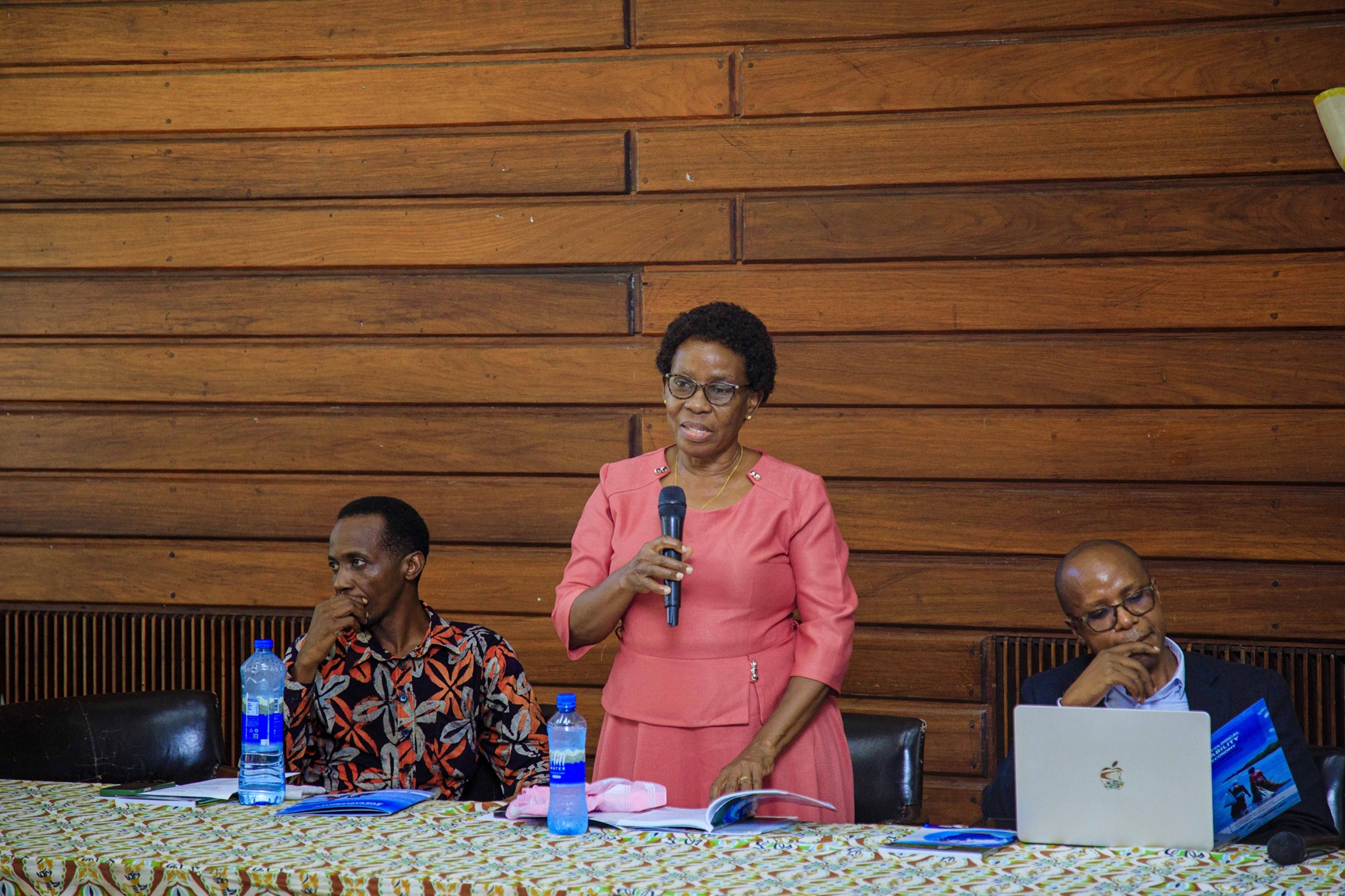
“We wanted to understand, from the community perspective, how challenges such as sea pollution and depletion of marine resources can be addressed. What emerged clearly is that many of those who depend on the ocean are still not fully aware of the policies designed to support them”, Dr. Ndaluka said.
He emphasized that limited grassroots awareness remains a major barrier to effective participation, warning that policies risk underperforming if they are not understood or owned by local communities.
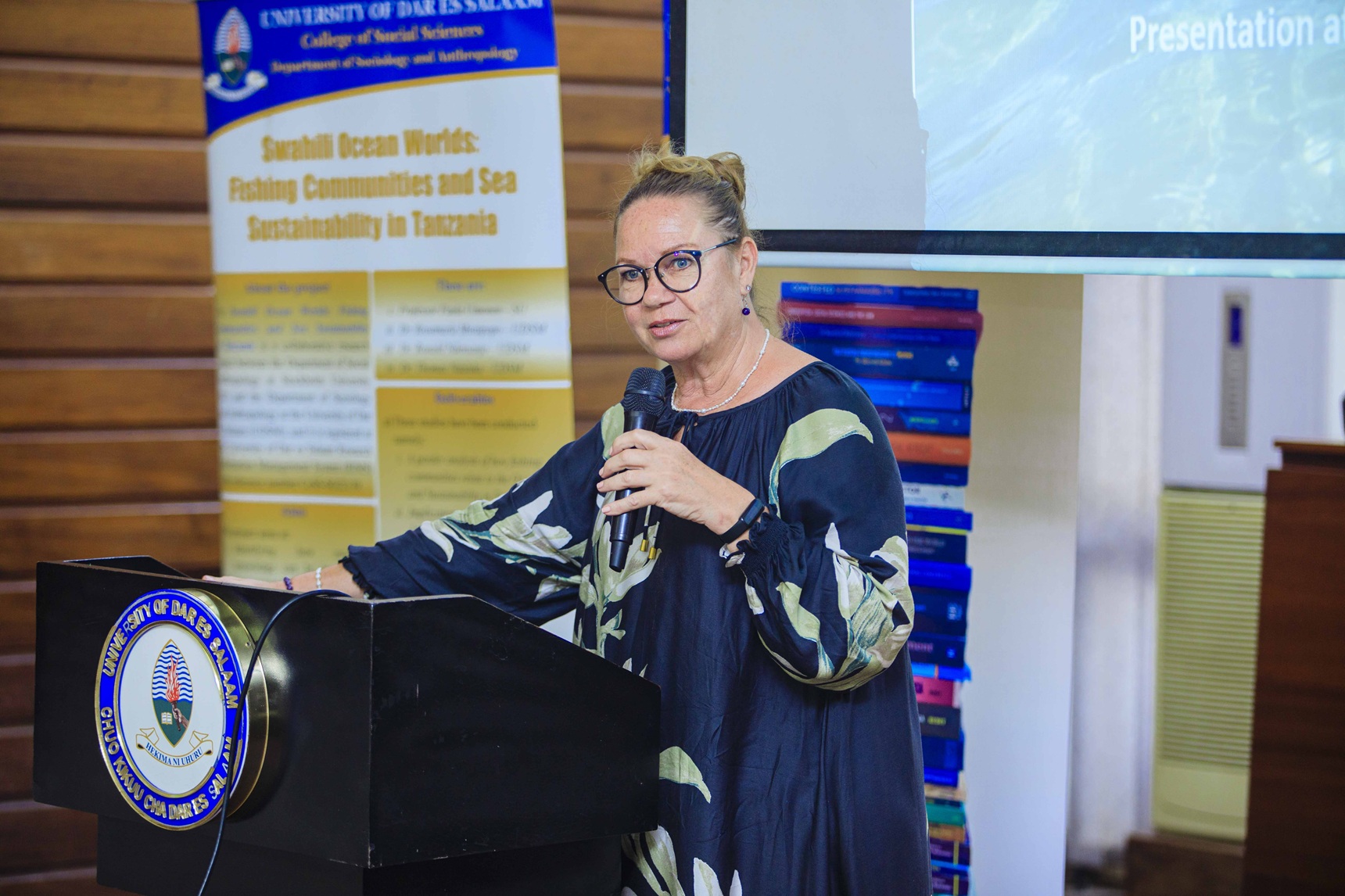
Echoing this concern, Prof. Christine Noe, the Principal of UDSM College of Social Sciences and an Associate Professor of Human Geography stressed that the success of Tanzania’s blue economy hinges on its ability to reflect the realities of coastal populations.
“Our policies must speak to the lived experiences of communities. Research of this nature provides evidence that can guide decision-makers in building an inclusive, just, and sustainable blue economy”, she said.
She noted that while the blue economy holds promise for job creation, food security, and environmental protection, these benefits will remain limited without meaningful community inclusion.
Environmental pressures and the awareness gap
Adding an environmental perspective, Dr. Rose Mtui of the National Environment Management Council (NEMC) highlighted the growing threat of coastal pollution and its impact on marine ecosystems.
She pointed out that many communities are not fully aware of how everyday activities contribute to declining fish stocks and deteriorating water quality.
“There is a need to strengthen environmental education so that communities clearly understand the link between their actions and ocean health. Without this awareness, sustainability efforts will remain weak”, she said.
Delivering the keynote address, Dr. Colman Msoka, Director of the Institute of Development Studies at UDSM, struck a more urgent tone, warning that Tanzania is yet to fully harness the economic potential of its ocean resources.
“Despite being richly endowed, we are still lagging behind. It is time to invest our time, energy, and resources to fully utilize what is available in our waters’, he said.
Dr. Msoka called for increased investment in marine industries, technology, and international trade, alongside stronger environmental protection measures. He stressed the need to combat overfishing, prevent pollution, and safeguard marine ecosystems to ensure long-term sustainability.
The study paints a sobering picture of the pressures facing small-scale fisheries, which remain the backbone of coastal livelihoods. Declining fish stocks, biodiversity loss, illegal fishing, and weak enforcement mechanisms are compounded by climate change impacts.
It also highlights structural inequalities in market systems, where fishers and traders have limited bargaining power due to reliance on intermediaries. Gender disparities persist, with women facing significant barriers in accessing resources, finance, and decision-making platforms.
A reform agenda for inclusive growth
To address these challenges, researchers propose a comprehensive reform agenda focused on strengthening Beach Management Units, enforcing regulations, restoring marine ecosystems, and expanding environmental awareness.
The study also calls for improved access to finance, modern technology, and training opportunities, particularly for women and youth, alongside greater community participation in policy development and implementation.
Dr. Ndaluka emphasized that the future of Tanzania’s blue economy depends on integrating science, inclusivity, and sustainability.
“A blue economy built on science, fairness, and community participation can become a powerful engine for livelihoods and national transformation,” he said.
Overall, the dialogue reinforced the critical role of universities in shaping national development by bridging research and policy. By translating evidence into actionable insights, institutions like UDSM are helping ensure that economic strategies are both effective and equitable.
As Tanzania continues to prioritize the blue economy as a driver of growth, the message from UDSM was clear: sustainable transformation will not be achieved through policy alone, but through informed, inclusive, and community-driven action.
In that journey, research is not just a tool for understanding the ocean, it is a pathway to unlocking its full potential for the benefit of all.