


UDBS Secures TZS 6 Billion to Advance Africa’s Sustainable Supply Chain and Food Security Research
By Jackson Isdory, CMU
The University of Dar es Salaam Business School (UDBS), through its African Centre of Excellence for Sustainable Operations in Resource Management and Food Supply (CSO), has secured €1.98 million, which is nearly TZS 6 billion, to strengthen research, innovation, and professional training in sustainable supply chains, logistics, and food security across Africa.
The funding for the Centre’s 2026–2030 implementation phase will support scholarships, international academic exchanges, joint research, industrial internships, staff mobility, and community engagement initiatives aimed at addressing Africa’s growing sustainability and food system challenges.
Established through a strategic partnership involving the University of Dar es Salaam Business School, Kühne Logistics University, and the University of Nairobi, the Centre has increasingly emerged as an important platform for advancing higher education, research, innovation, and professional capacity development within Africa’s rapidly evolving sustainability and supply chain ecosystem.
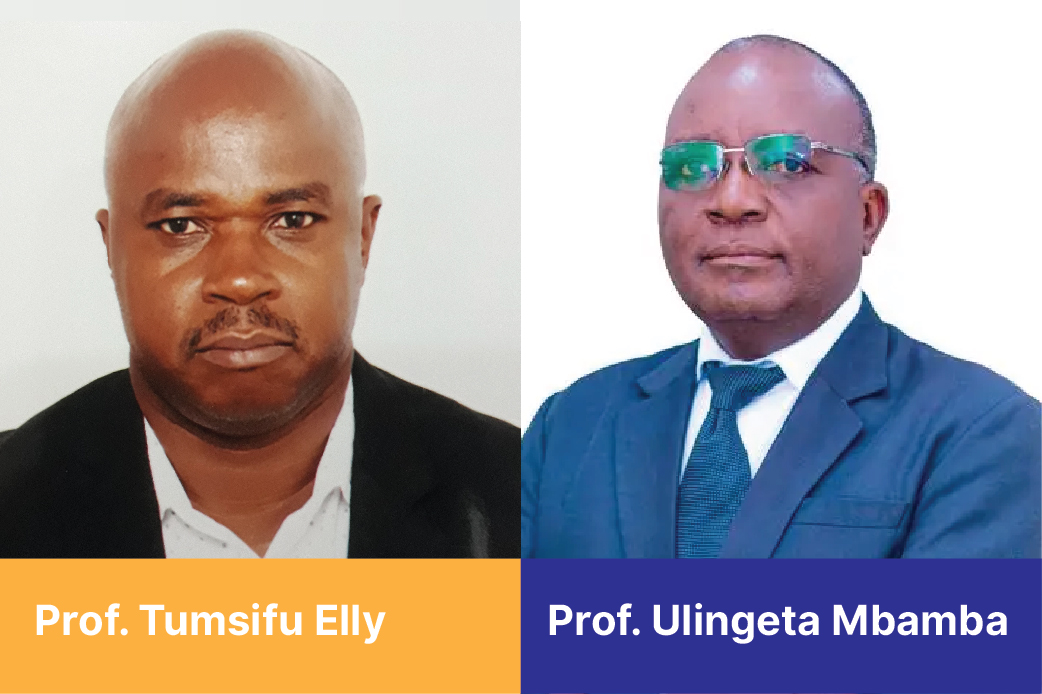
Speaking on the significance of the Centre, CSO Coordinator and UDSM Project Manager, Prof. Tumsifu Elly, said the initiative was established to respond strategically to Africa’s growing demand for resilient and sustainable supply chain systems capable of supporting long-term economic transformation and food security.
“The Centre represents a strategic investment in Africa’s future by strengthening local expertise in sustainable operations, logistics, agribusiness, and food supply systems. Through international collaboration, research excellence, and practical industry engagement, we are building a new generation of professionals and scholars capable of addressing complex development challenges across the continent”, said Prof. Elly.
The Centre envisions becoming a world-class institution responsive to development needs through innovation, knowledge creation, and applied research in sustainable operations, logistics, agribusiness, rural entrepreneurship, and food supply systems.
Over the past five years, the Centre has recorded major achievements in academic development and research output. Between 2021 and 2026, CSO supported four PhD scholarships, with three candidates graduating during the 2025/2026 academic year.
The Centre also facilitated the establishment of a Bachelor of Commerce in Procurement and Supply Chain Management programme, which has already enrolled more than 120 students, while its first cohort graduated in 2025. In addition, two new master’s degree programmes have been developed and accredited, with teaching expected to commence in 2026.
Continental leaders in sustainability and supply chain studies
CSO Academic Leader, Prof. Ulingeta Mbamba, said the Centre is helping reposition UDBS and the University of Dar es Salaam as continental leaders in sustainability and supply chain studies through curriculum innovation, international partnerships, and multidisciplinary research.
“The Centre has significantly strengthened academic capacity through curriculum innovation, faculty development, international partnerships, student exchange, summer schools, staff mobility, and multidisciplinary research. We are witnessing the emergence of a strong ecosystem that connects academia, industry, policymakers, and communities in addressing sustainability challenges through evidence-based solutions,” said Prof. Mbamba.
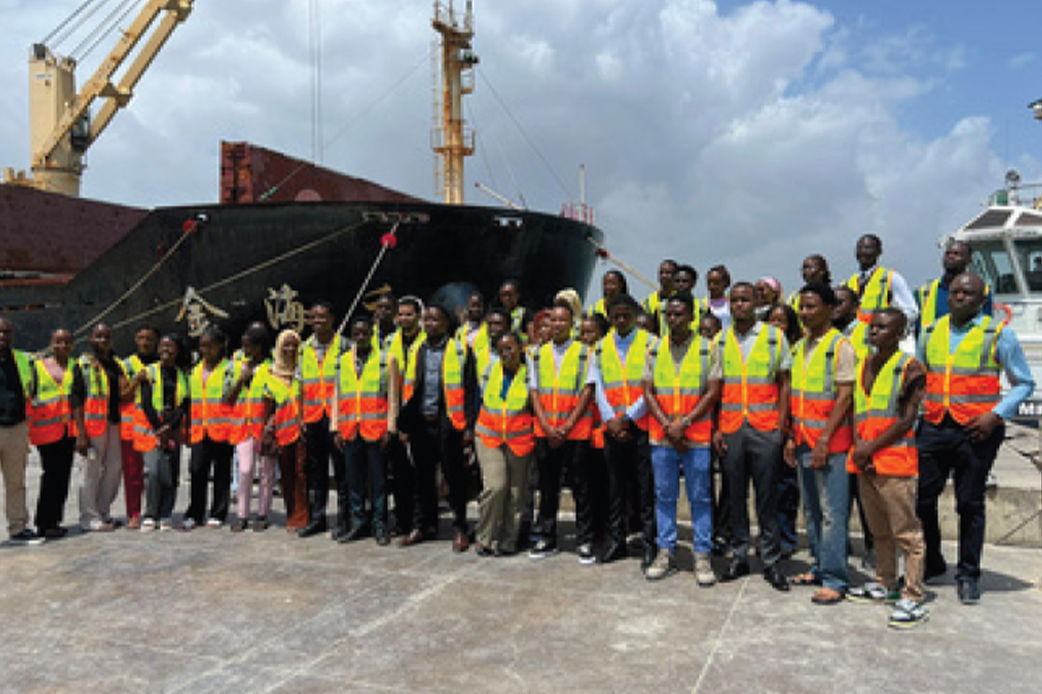
He added that the Centre places strong emphasis on practical learning through field research, industrial internships, professional seminars, and international exposure programmes designed to equip students with practical problem-solving skills.
Records from the Centre indicate that approximately 40 students participated in international summer and autumn schools hosted in Hamburg, Germany; Nairobi, Kenya; Accra, Ghana; and Dar es Salaam, Tanzania in collaboration with partner institutions. Another 45 students benefited from fully funded industrial internships between 2024 and 2026.
The Centre has also expanded UDBS and UDSM’s international academic footprint through staff exchange and mobility programmes involving institutions in Germany, Kenya, Ethiopia, South Africa, Ghana, and China. More than 20 academic staff members participated in international training and exchange initiatives during the implementation period.
Beyond academic programmes, CSO has played a key role in strengthening research and community engagement. Over the past five years, the Centre facilitated approximately 10 major research projects focusing on sustainability, logistics, food security, agribusiness, alternative energy, and resource management.
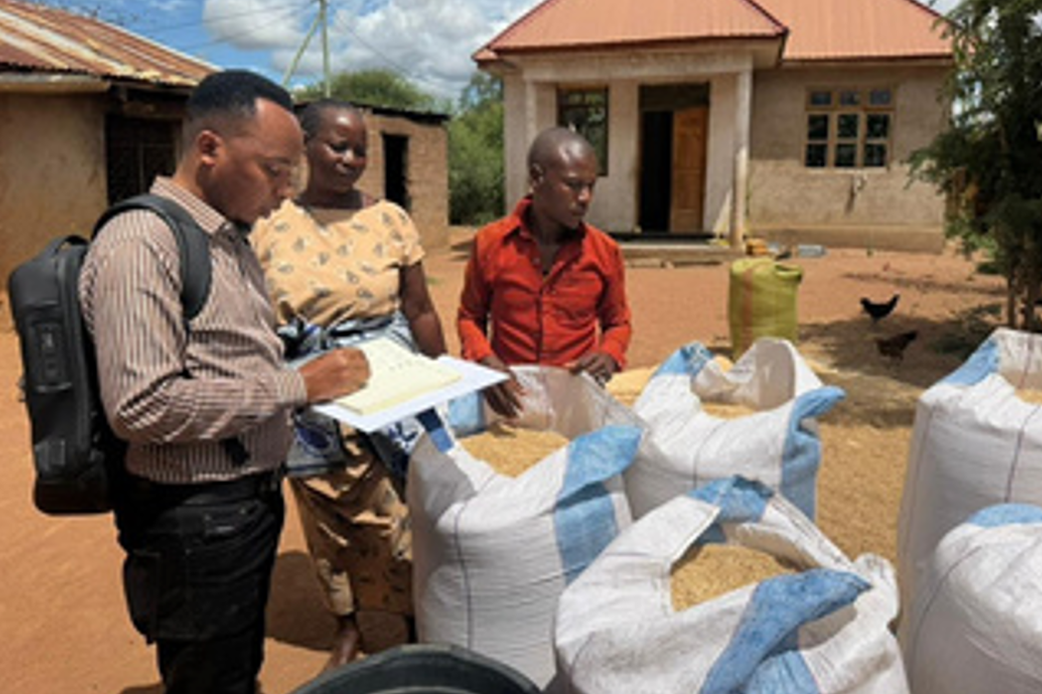
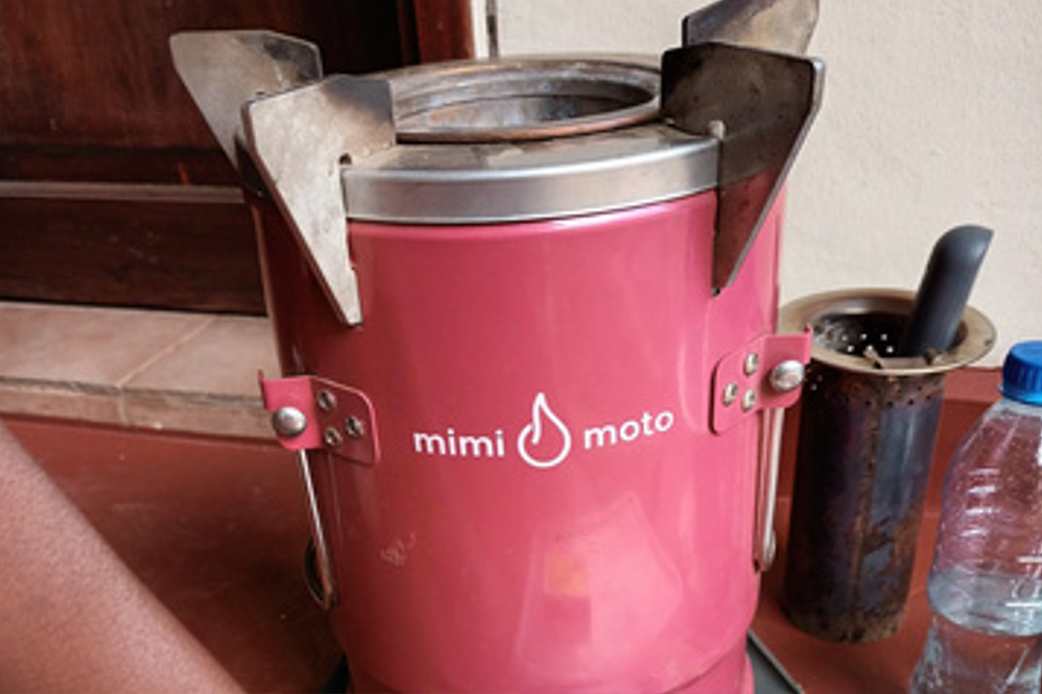
The Centre has further implemented outreach initiatives across several regions of Tanzania, including studies on alternative cooking energy, agricultural supply chains, logistics capacity assessment, value addition, and sustainability awareness programmes aimed at improving livelihoods and environmental resilience.
CSO has also elevated the global scholarly visibility of UDBS and UDSM. During the same period, the Centre supported academic staff participation in five international conferences, where more than 60 research papers were presented, contributing to international discourse on sustainable operations and positioning UDSM researchers within global knowledge networks.
Looking ahead, the Centre’s partnerships are expected to expand further during the 2026–2030 phase through collaboration with LEARN Logistics by the Kühne Foundation and the University of Ghana Business School. The expanded partnership is expected to deepen collaborative research, strengthen academic exchange, and accelerate innovation-driven solutions to Africa’s sustainability challenges.
UDSM growing commitment to impactful research and development-oriented partnerships
Commenting on the broader institutional significance of the Centre, Deputy Vice Chancellor – Research, Prof. Nelson Boniface, said the initiative demonstrates the University’s growing commitment to impactful research and development-oriented partnerships.
“This Centre demonstrates how universities can effectively contribute to national development priorities by generating practical knowledge, supporting innovation, and building institutional partnerships that create measurable societal impact. Its achievements continue to strengthen UDSM’s role as a strategic driver of sustainable development in Tanzania and beyond,” said Prof. Boniface.
Meanwhile, UDSM Vice Chancellor, Prof. William A. L. Anangisye, emphasized the importance of accountability and impact-driven implementation to ensure that the funding delivers tangible and lasting benefits to Tanzanians and the wider region.
“The University remains firmly committed to ensuring that every resource invested through the Centre is utilized efficiently to achieve the intended outcomes. This support must translate into impactful research, skilled human capital, innovative solutions, and practical interventions that directly improve livelihoods, strengthen food systems, and advance sustainable national development,” said Prof. Anangisye.
As the Centre enters its new implementation phase, stakeholders expect CSO to continue serving as a catalyst for regional transformation by strengthening human capital, advancing sustainable operations management, and promoting research-driven solutions to Africa’s development and food security challenges.