

Mavunde Calls for Research and Innovation to Drive Tanzania's Mineral-Based Industrial Transformation
By Renancy Remmy and Selemani Nambimbi, CMU
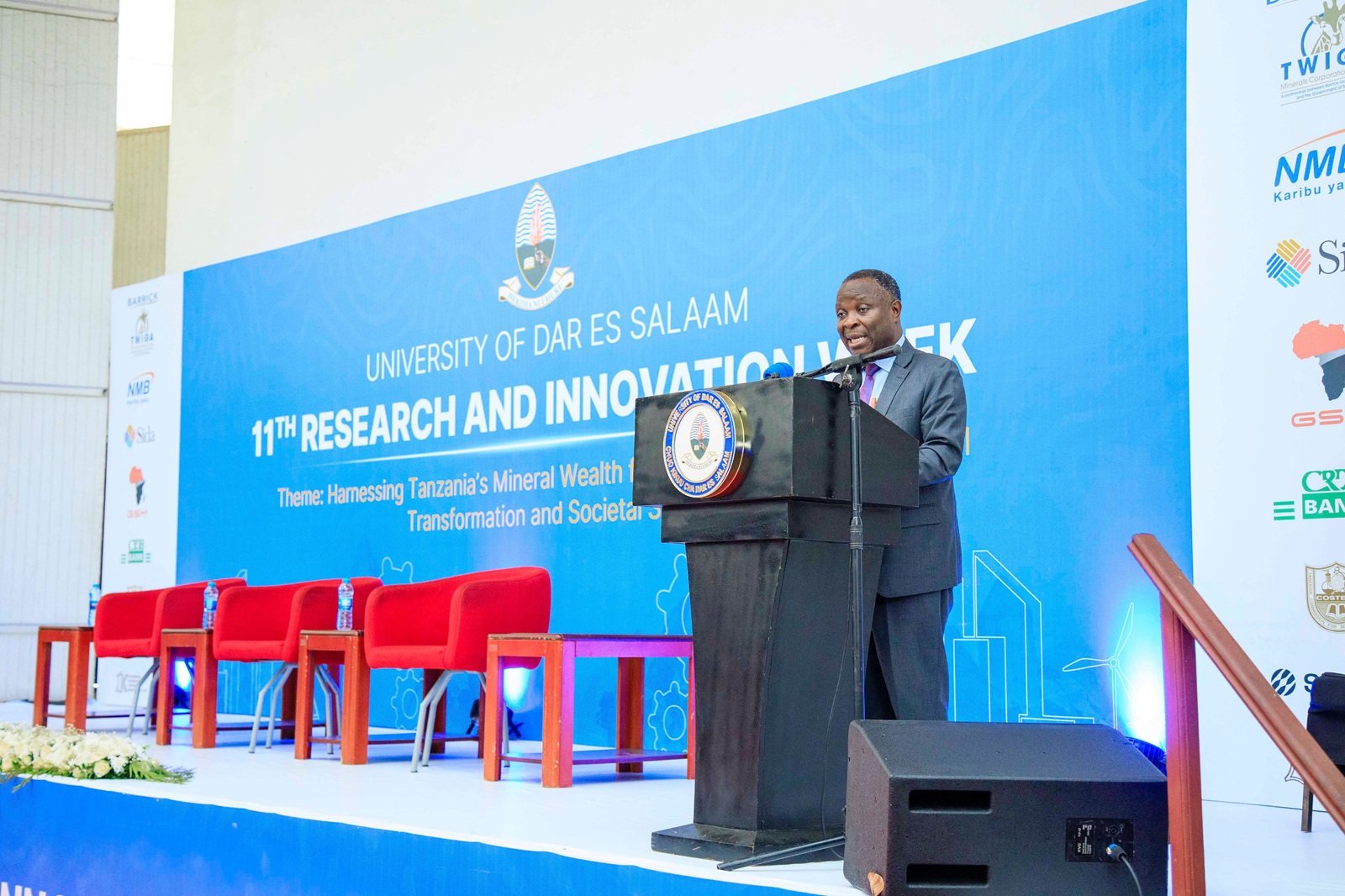
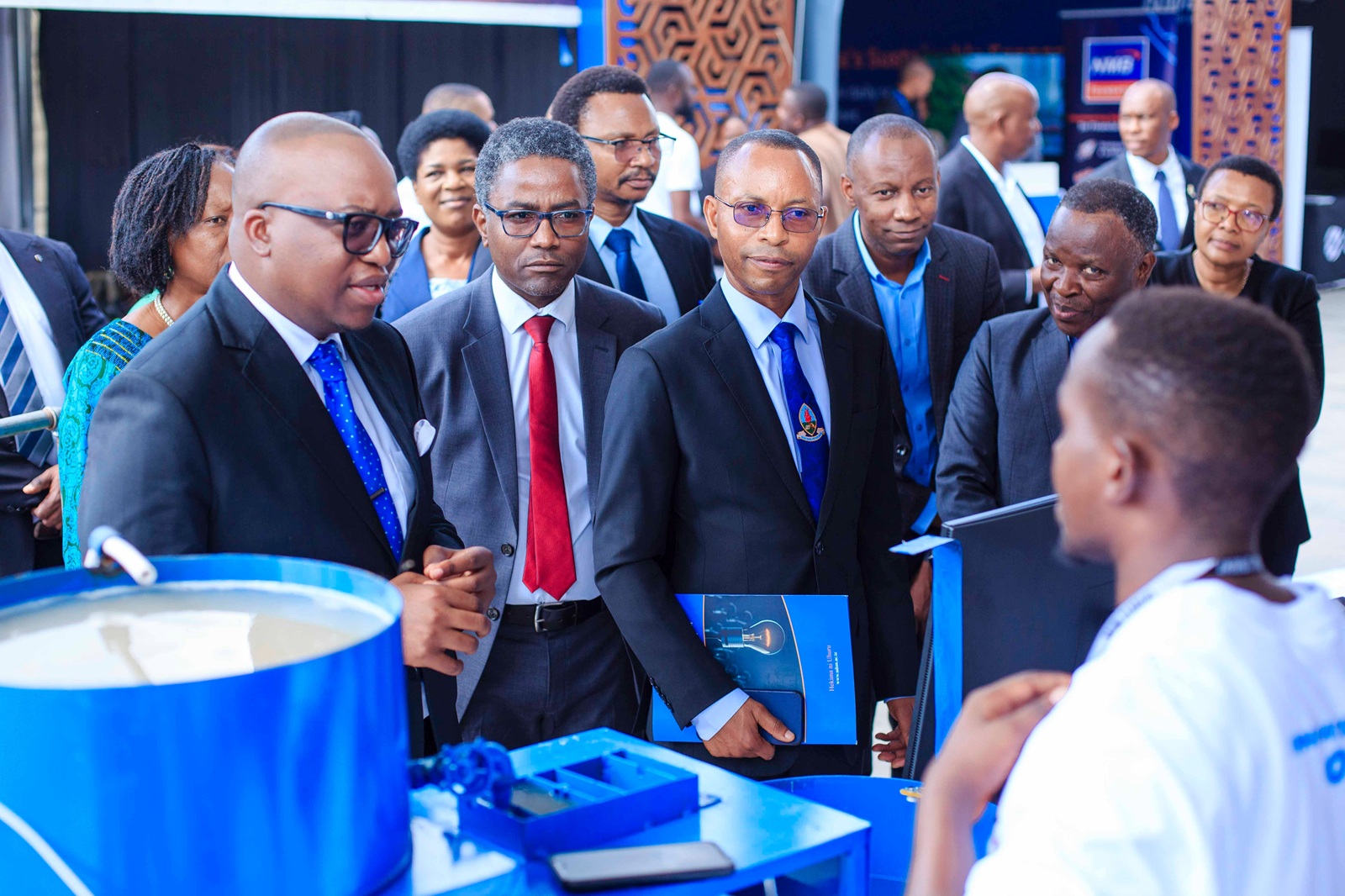
The Minister for Minerals, Hon. Anthony Peter Mavunde (MP), has called on researchers, innovators and higher learning institutions to develop practical solutions that will enable Tanzania to maximize the value of its mineral wealth and accelerate the country's transition towards renewable energy, digital transformation and sustainable industrial development.
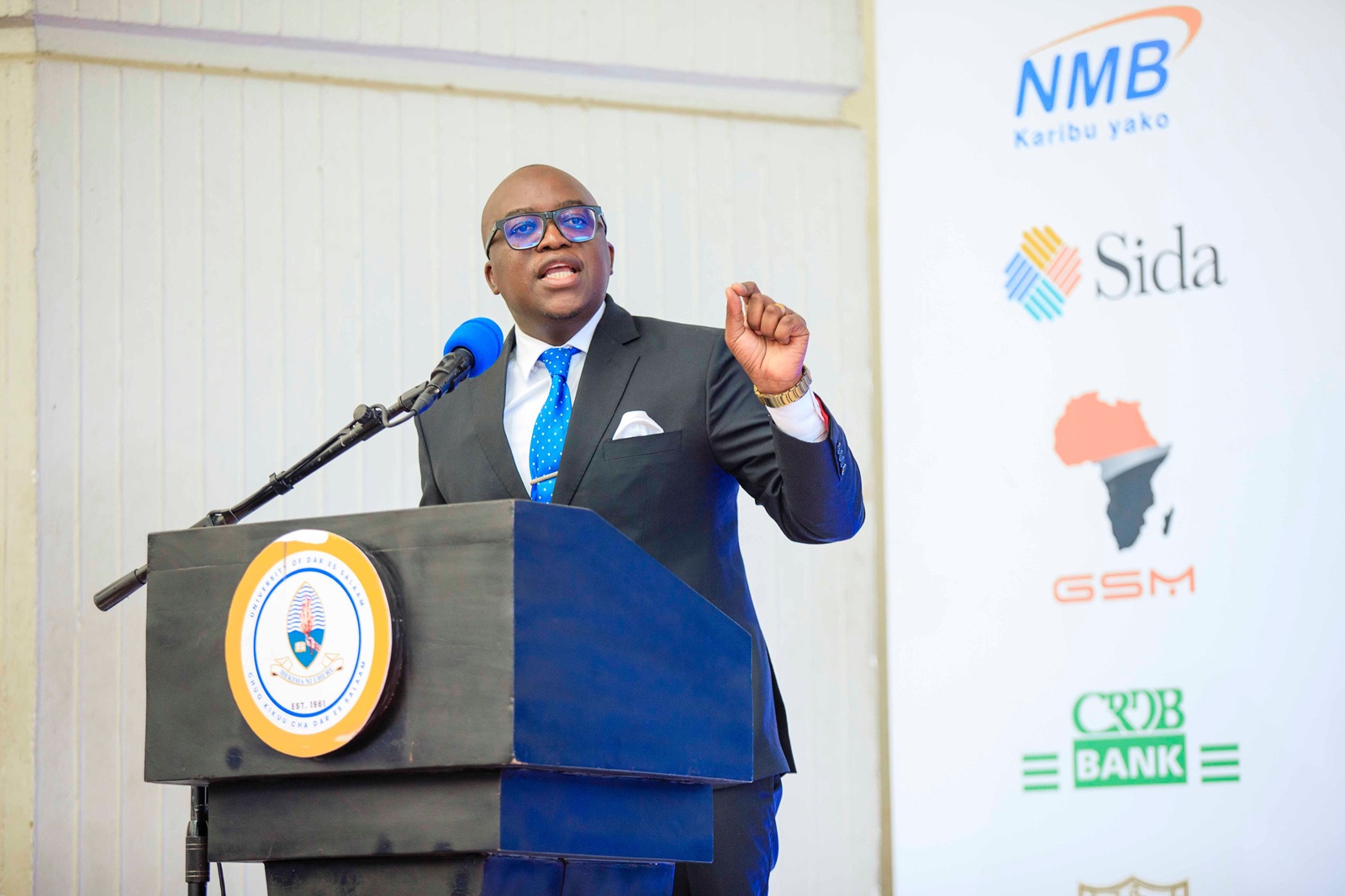
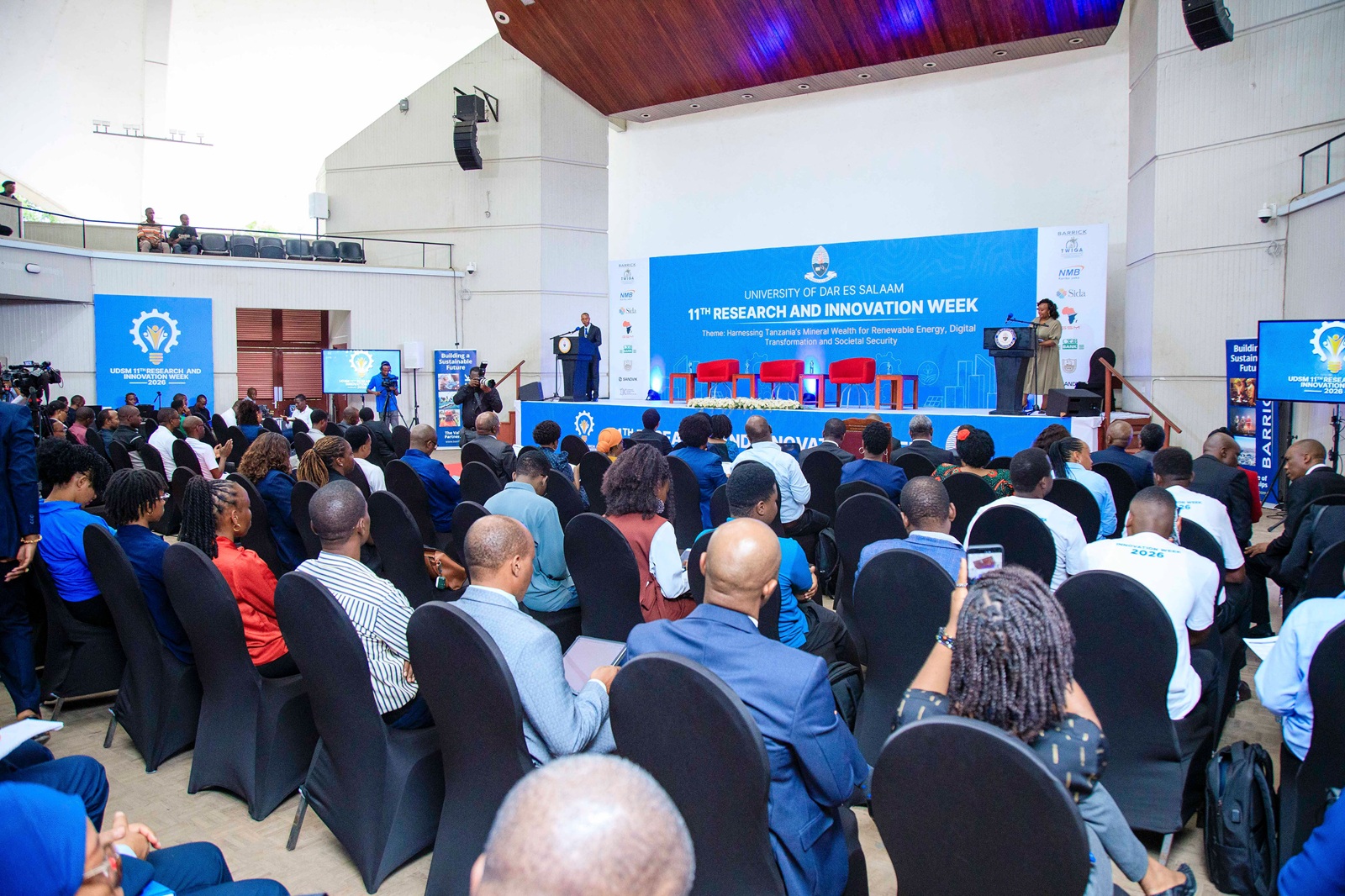
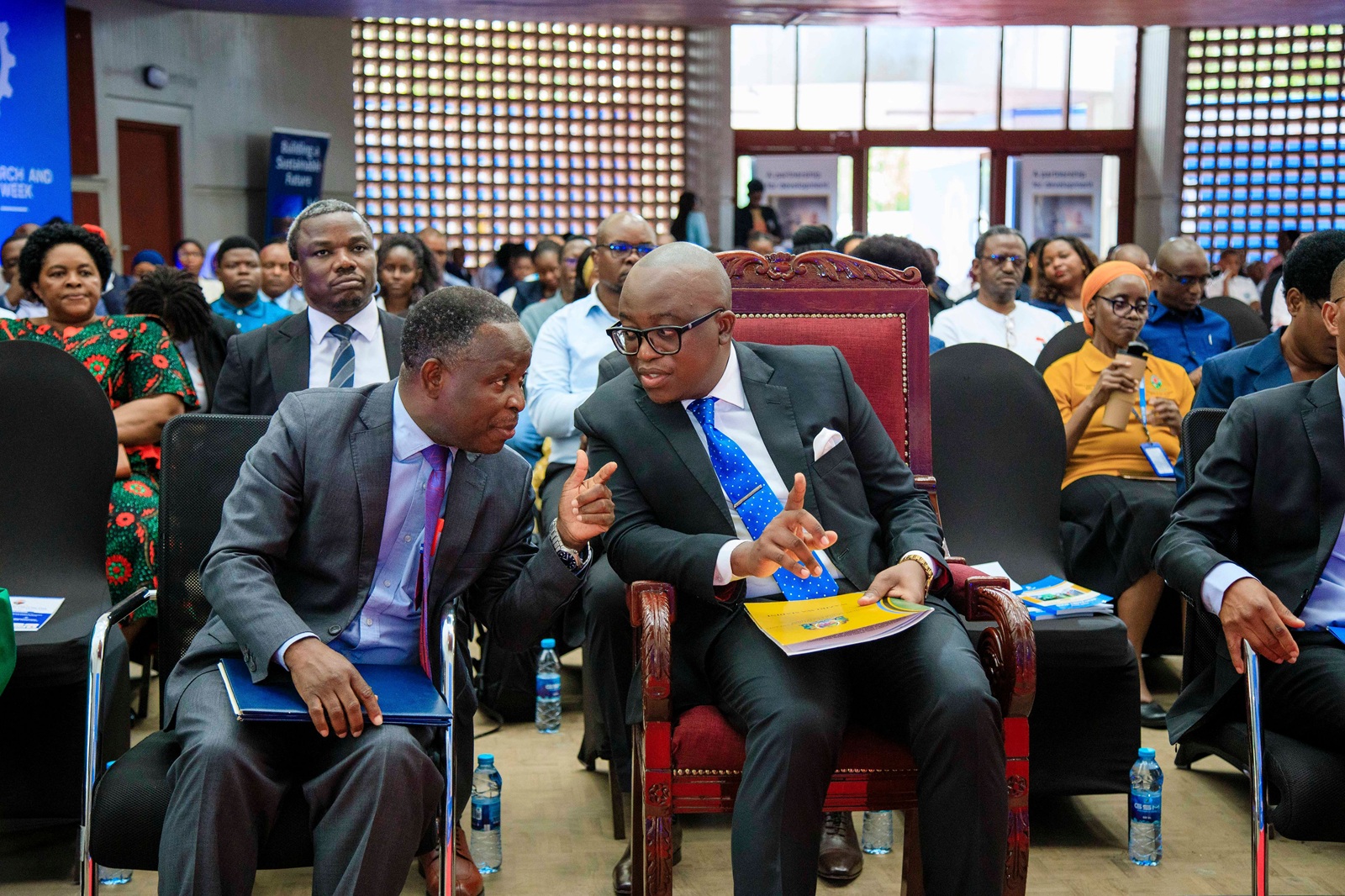
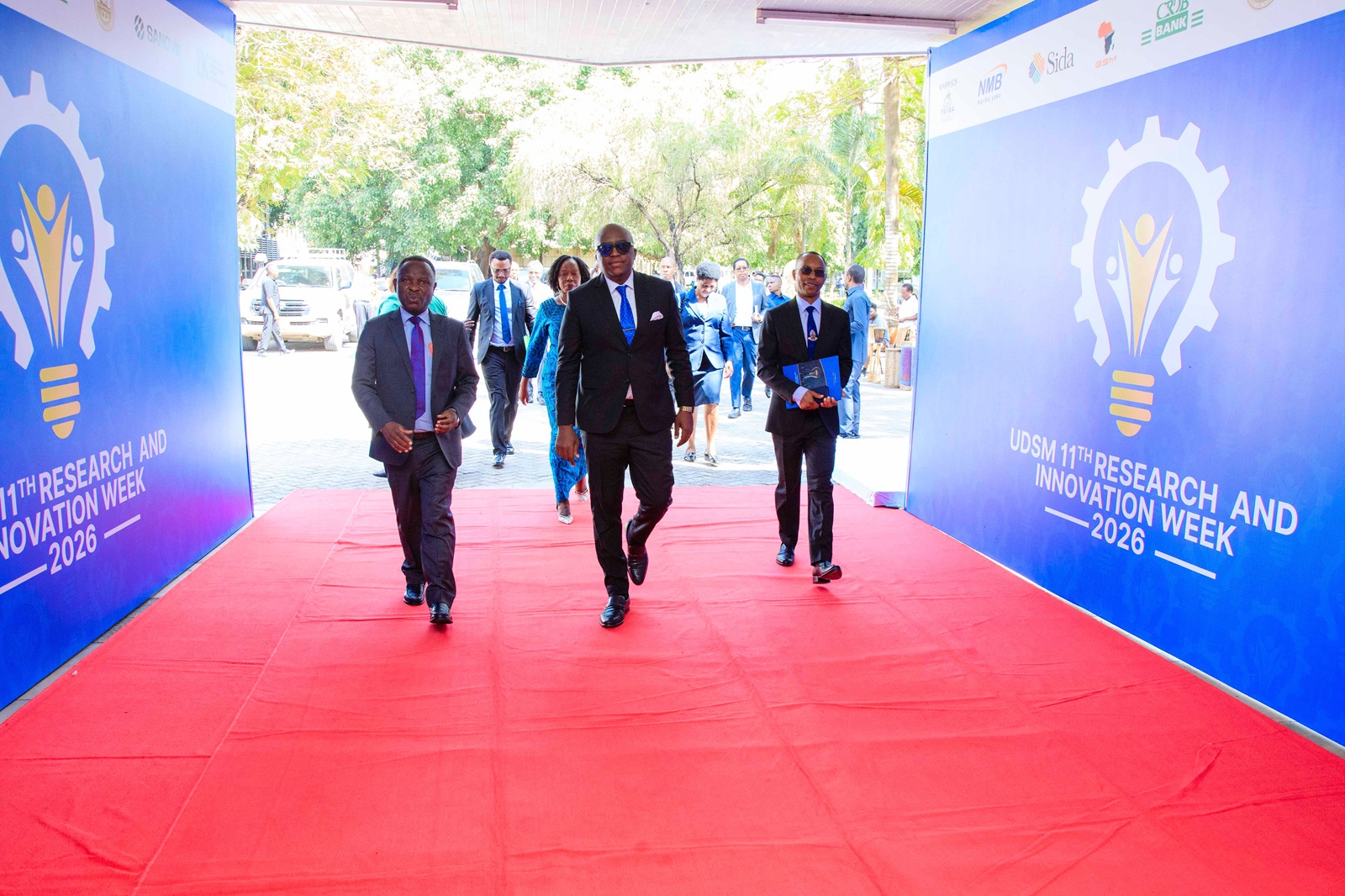
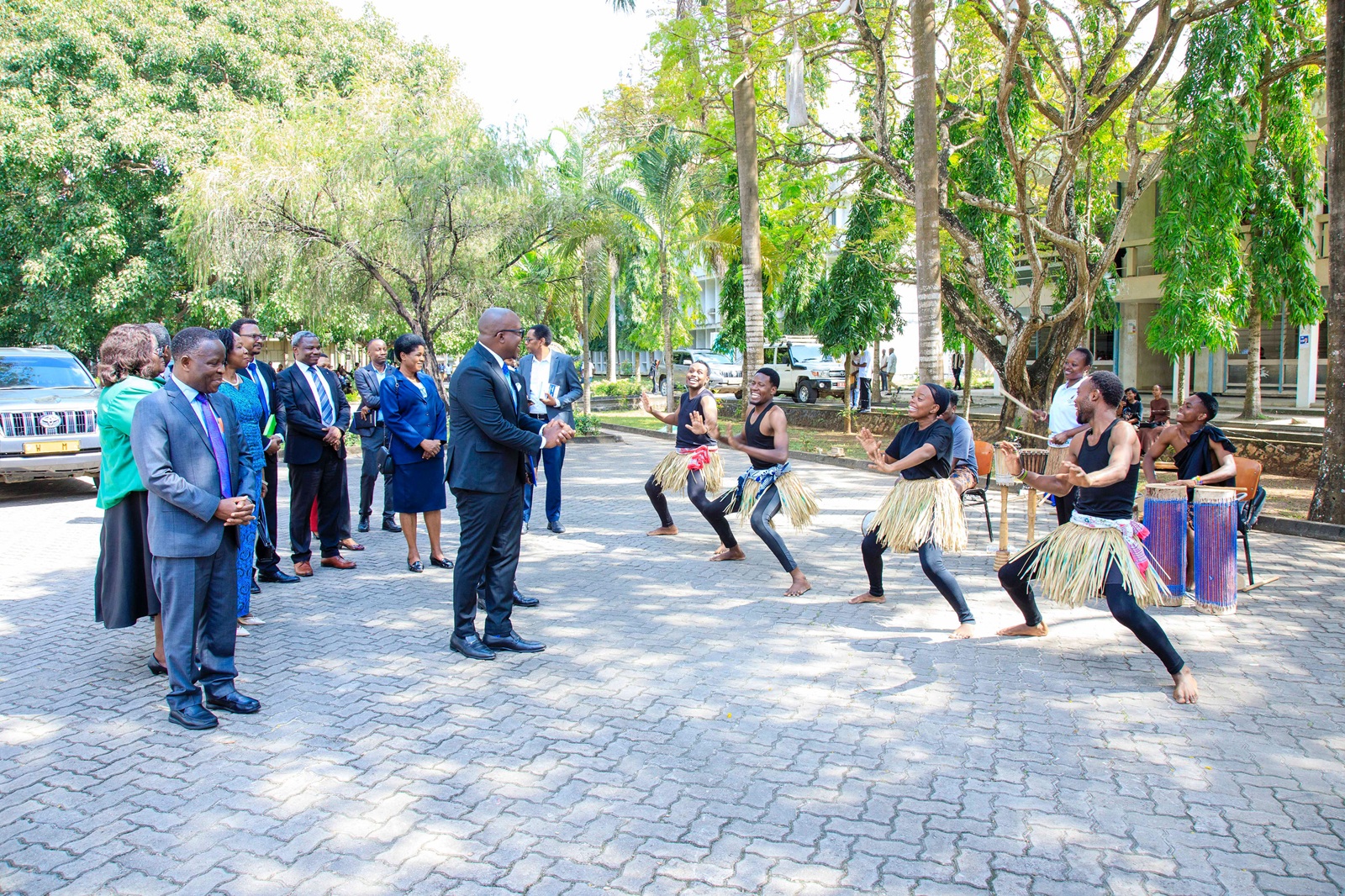
Speaking as Guest of Honour during the opening of the 11th Research and Innovation Week at the University of Dar es Salaam (UDSM), Hon. Mavunde said research, innovation and technology are becoming increasingly important in determining the competitiveness and productivity of the mining sector and its contribution to national economic growth.
The Minister noted that Tanzania is endowed with significant deposits of strategic minerals, including graphite, lithium, nickel, rare earth elements and gold, which are increasingly in demand globally as countries invest in clean energy technologies, electric vehicles, energy storage systems, advanced electronics and digital infrastructure.
He said the growing global demand for these minerals presents a unique opportunity for Tanzania to position itself as a major player in future industries, but stressed that achieving this objective will require substantial investment in research, innovation, technological development and value addition.
“Research and innovation are critical for improving mining efficiency, increasing value addition and promoting environmentally friendly technologies. Strong collaboration between government, universities and the private sector is essential if we are to fully realize the potential of our mineral resources,” said Hon. Mavunde.
The Minister emphasized that Tanzania's mineral wealth should not be viewed solely through the lens of extraction and export, but as a strategic resource capable of supporting industrialization, job creation, technological advancement and economic transformation.
He urged researchers to focus on generating solutions that address challenges facing the mining sector while supporting the country's broader development agenda.
“We must ensure that our mineral resources contribute to building industries, creating employment opportunities and strengthening Tanzania's position in the global economy. This requires knowledge, innovation and technologies developed through research,” he said.
Hon. Mavunde further called upon students, researchers and innovators to use their expertise to develop technologies and innovations that can improve mining operations, support local processing and value addition, and enhance environmental sustainability.
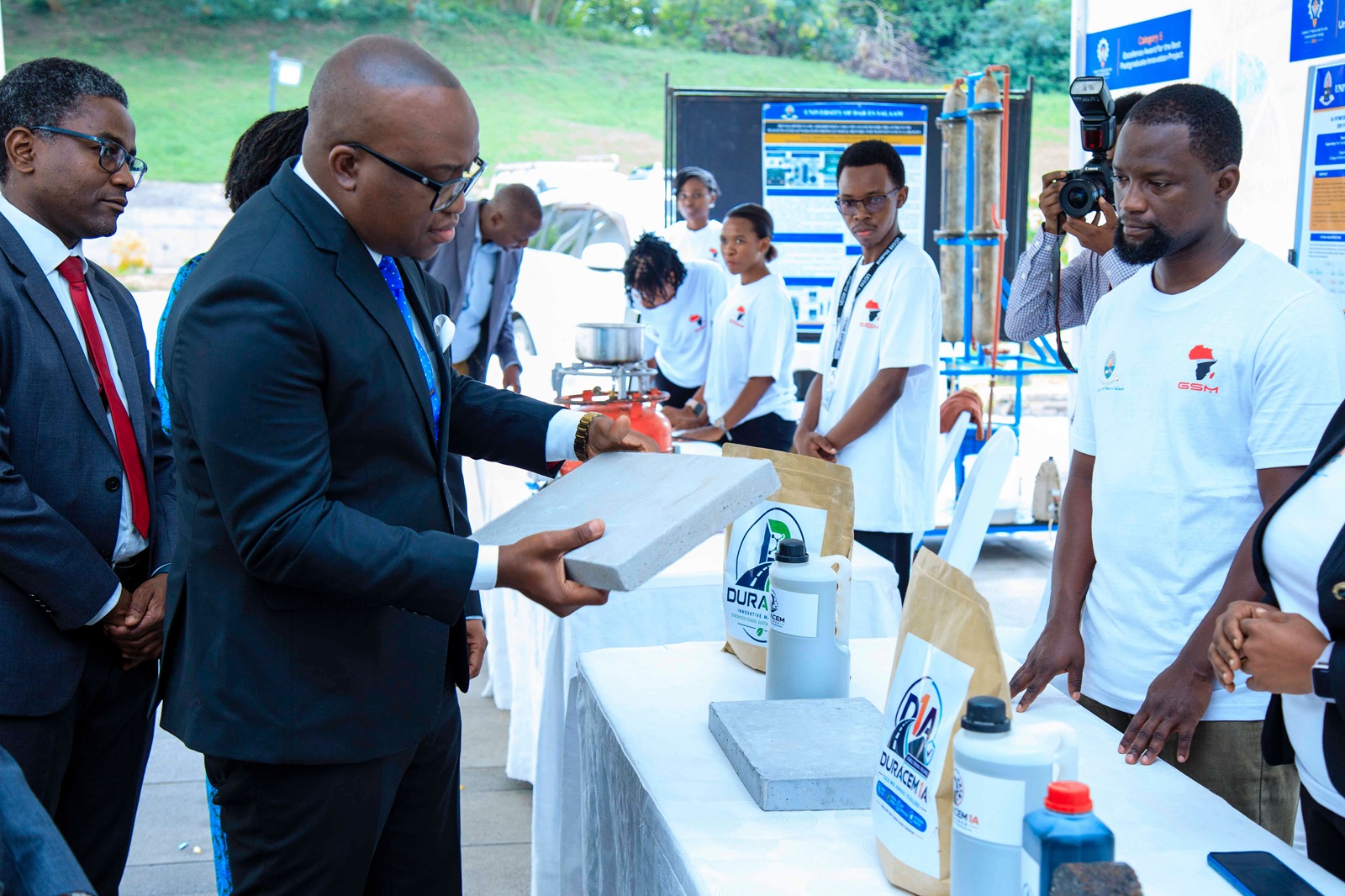
He reaffirmed the Government's commitment to creating an enabling environment for research and innovation, noting that the Ministry of Minerals continues to strengthen collaboration with universities, research institutions and private-sector actors to facilitate the application of research findings in mining operations and mineral processing.
According to the Minister, the future of Tanzania's mining sector will increasingly depend on the country's ability to transform scientific knowledge into practical solutions that create value for communities and contribute to national prosperity.
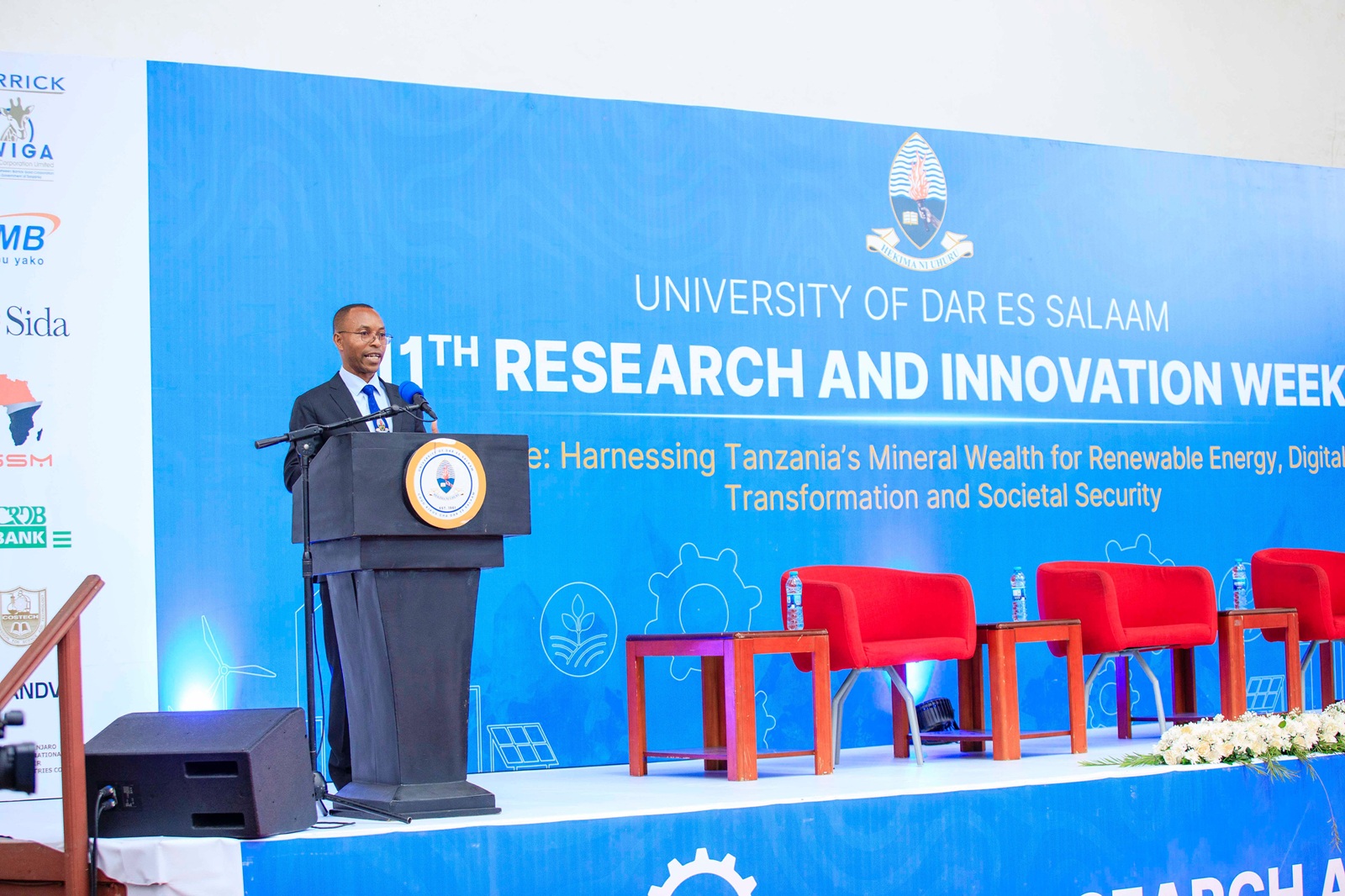
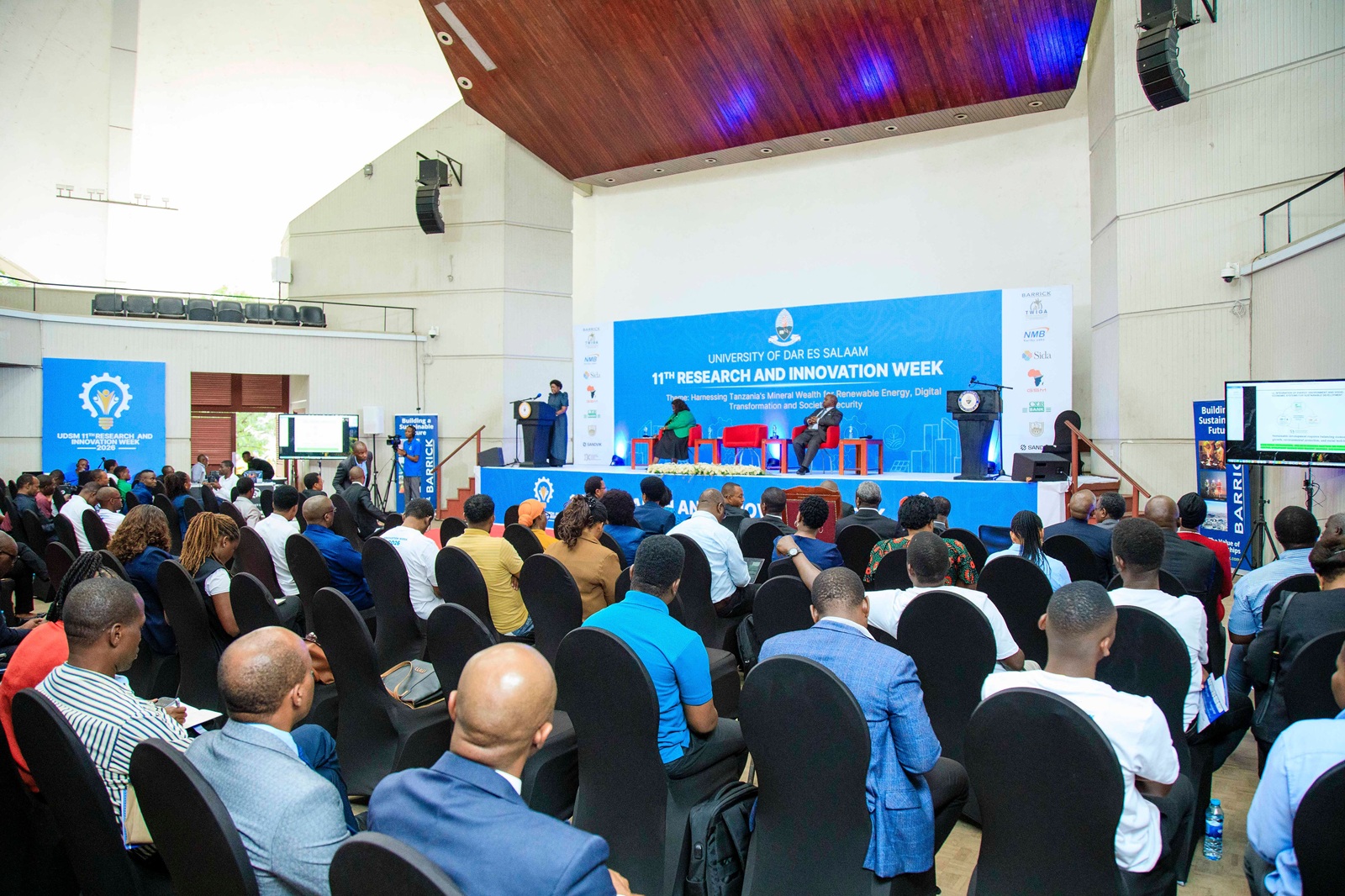
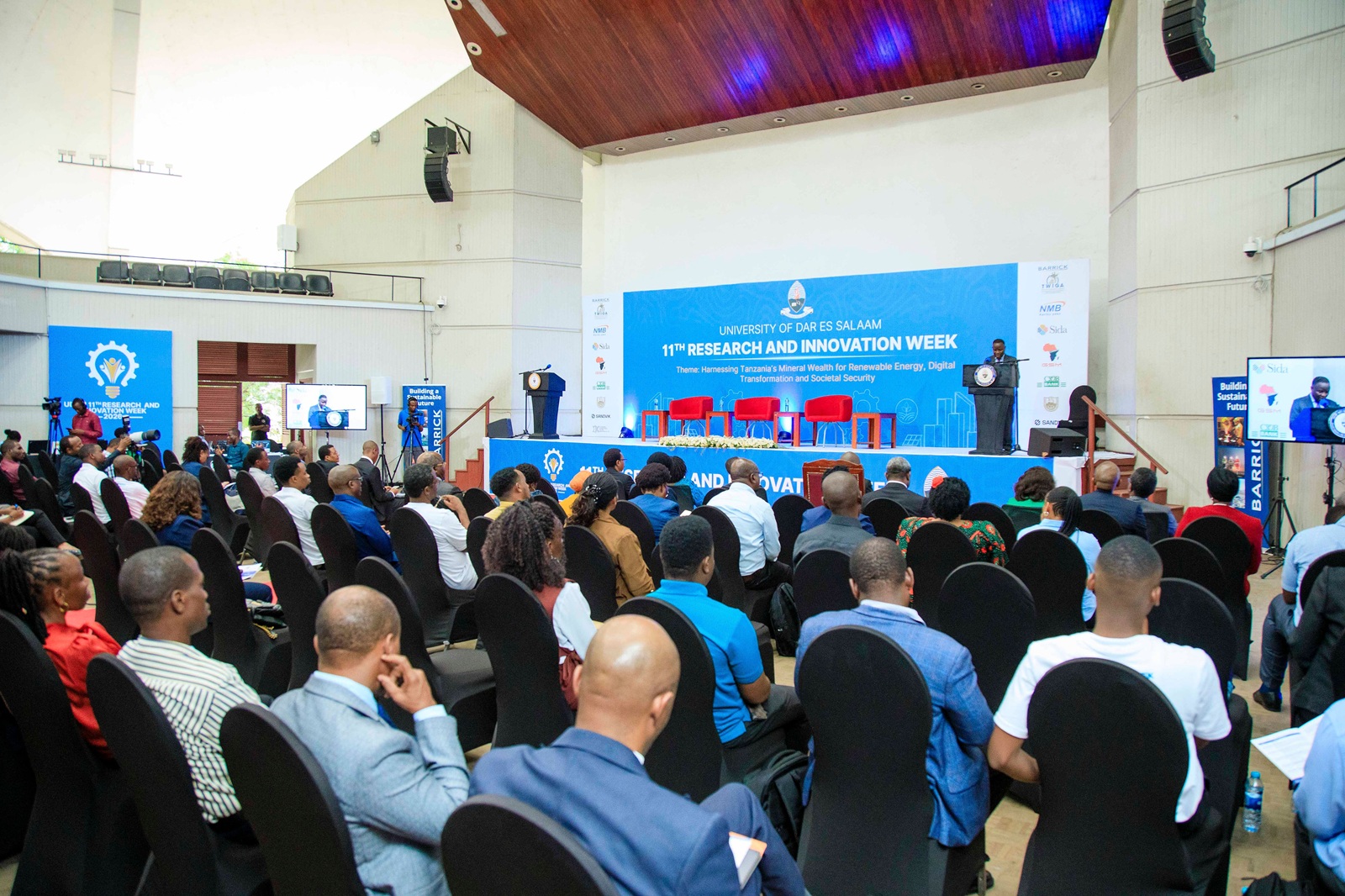
The remarks were delivered during the opening of the 11th Research and Innovation Week, held under the theme “Harnessing Tanzania's Mineral Wealth for Renewable Energy, Digital Transformation and Societal Security.”
Minerals for clean energy systems, digital technologies and sustainable development
Welcoming participants to the event, UDSM Vice Chancellor, Prof. William A. L. Anangisye, said the theme reflects the growing strategic importance of minerals in supporting clean energy systems, digital technologies and sustainable development.
He noted that universities have a critical responsibility to generate knowledge, technologies and skilled professionals capable of supporting the responsible utilization of mineral resources and ensuring that Tanzania fully benefits from emerging opportunities associated with the global energy transition.
Prof. Anangisye added that UDSM continues to strengthen interdisciplinary research across fields such as engineering, geosciences, information technology, economics, environmental science and social sciences in order to develop innovative solutions that address national priorities.
The Vice Chancellor also highlighted ongoing efforts to strengthen the University's research ecosystem, including investments in research infrastructure and the introduction of the Research Information Management System (RIMS 2.0), aimed at improving research visibility, management and utilization.
Earlier, the Deputy Vice Chancellor – Research, Prof. Nelson Boniphace, said the 11th Research and Innovation Week showcases the growing strength of UDSM's research and innovation ecosystem.
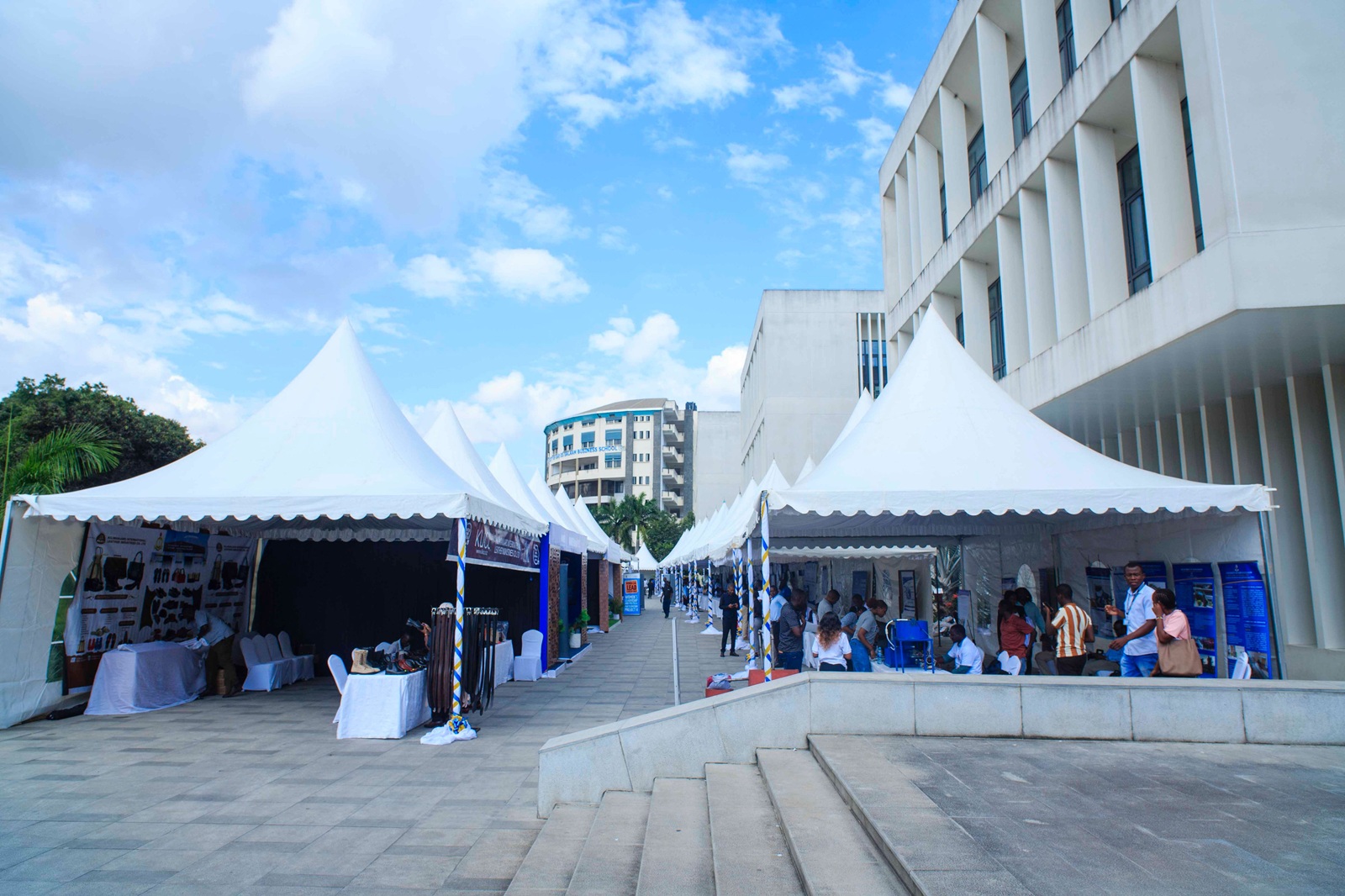
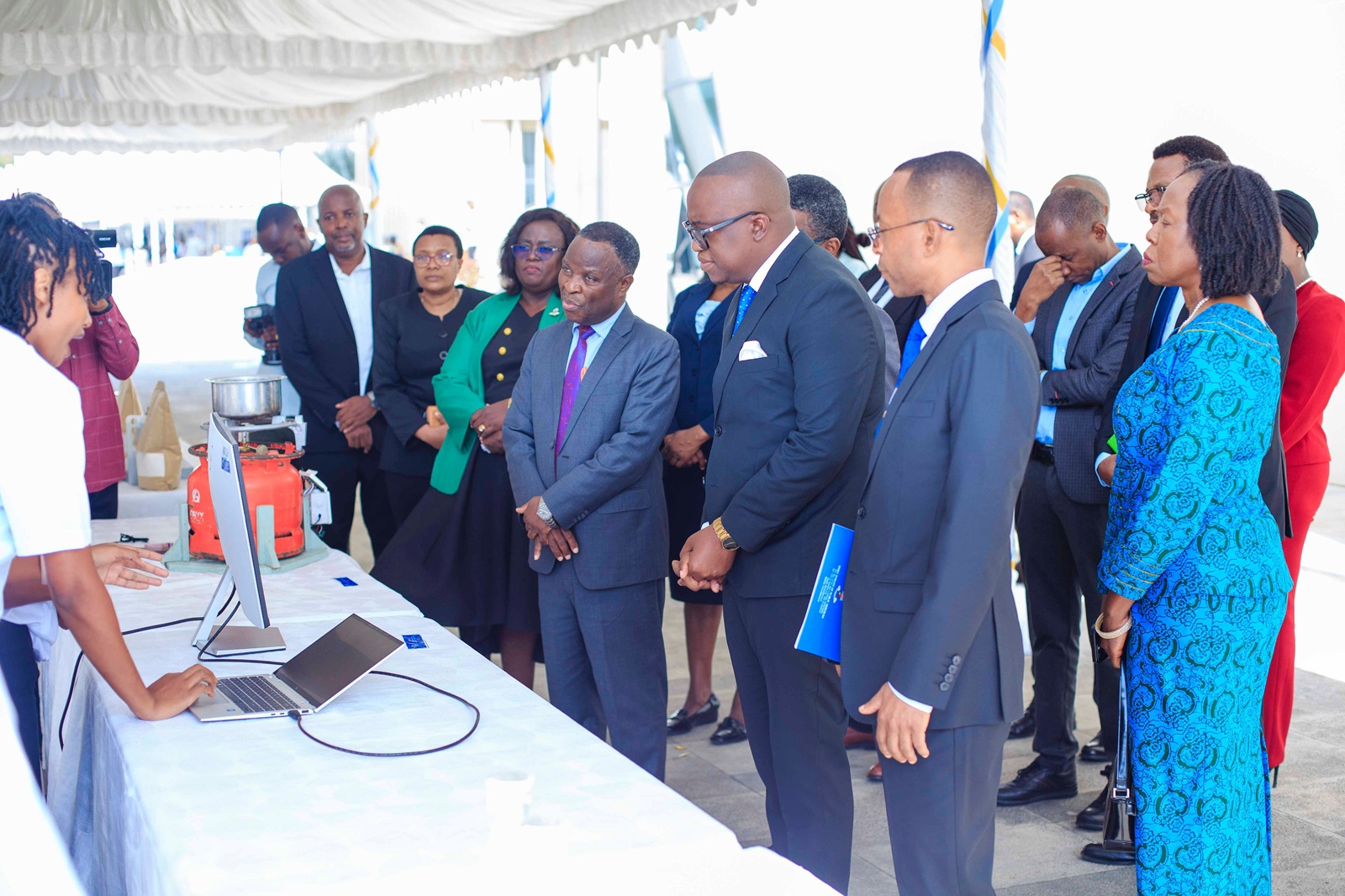
He noted that the event features research exhibitions, innovation showcases, policy dialogues and strategic engagements, while also highlighting the University's increasing research impact, including the registration of six patents and growing industry participation in research and innovation activities.
Also speaking during the event, the keynote speaker, the President of the Institution of Engineers Tanzania (IET), Eng. Asa Mwaipopo, emphasized the need to connect research outputs with industrial and societal needs, arguing that innovation should generate practical solutions capable of driving development across sectors such as mining, energy and manufacturing.
Meanwhile, another keynote speaker, Prof. Agnes Mwakaje, from UDSM Institute of Resource Assessment (IRA), stressed the importance of continued investment in research, innovation and clean energy technologies, saying these will be crucial for enhancing Tanzania's competitiveness and supporting long-term economic transformation.
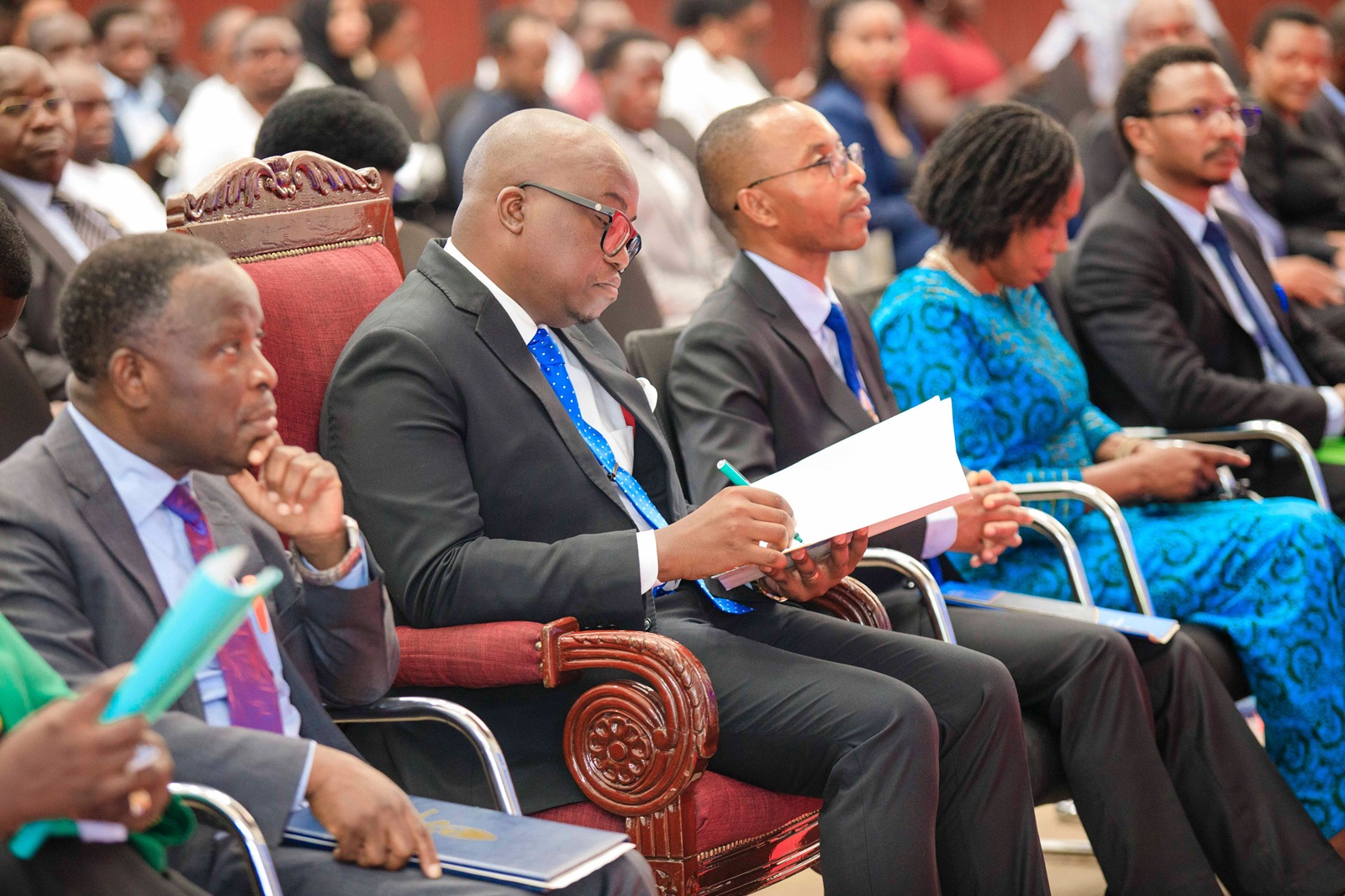
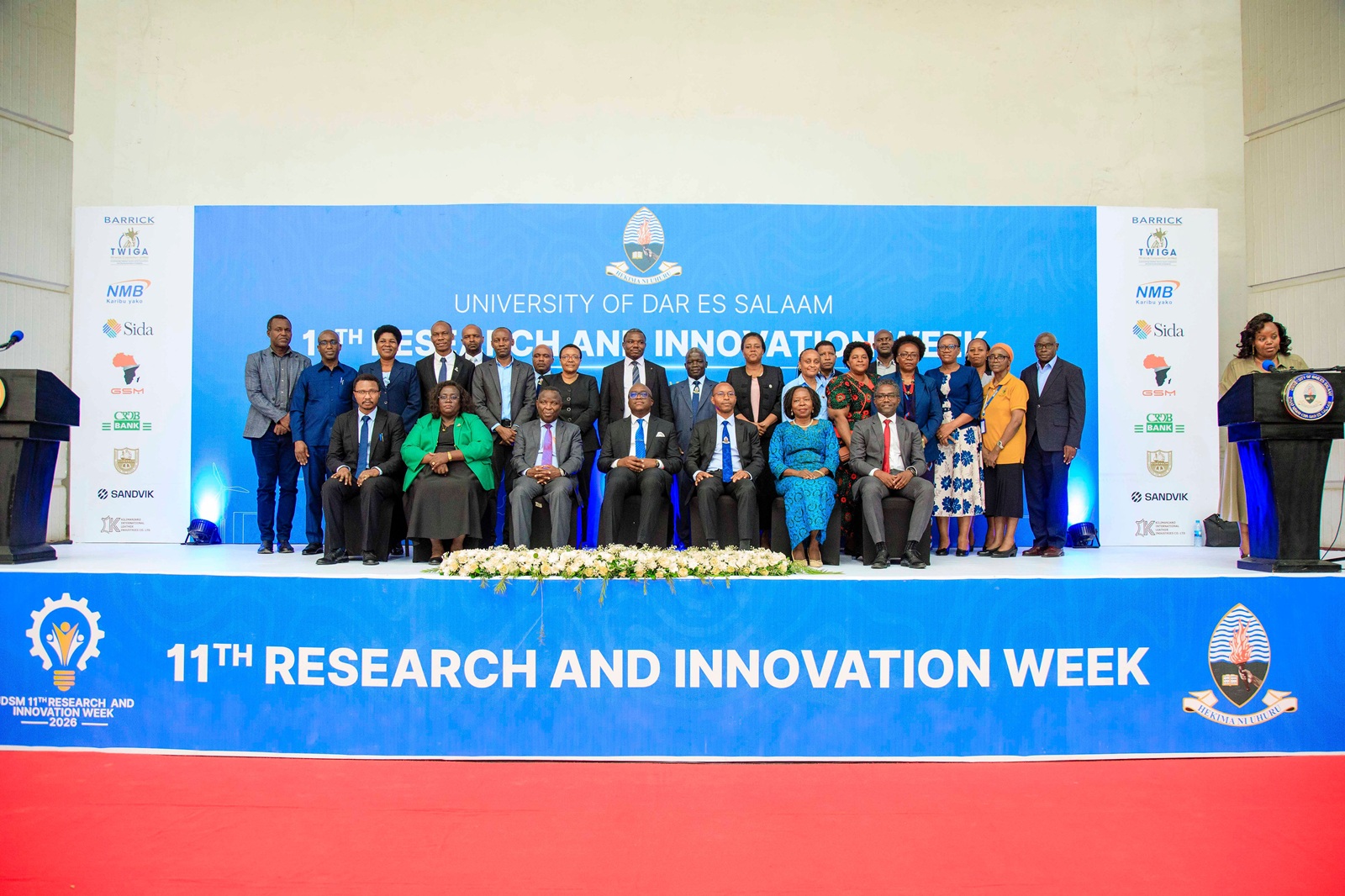
The 11th Research and Innovation Week brings together researchers, innovators, students, policymakers, development partners and industry leaders to showcase research outputs, share innovations and strengthen partnerships aimed at advancing Tanzania's knowledge-based economy.