


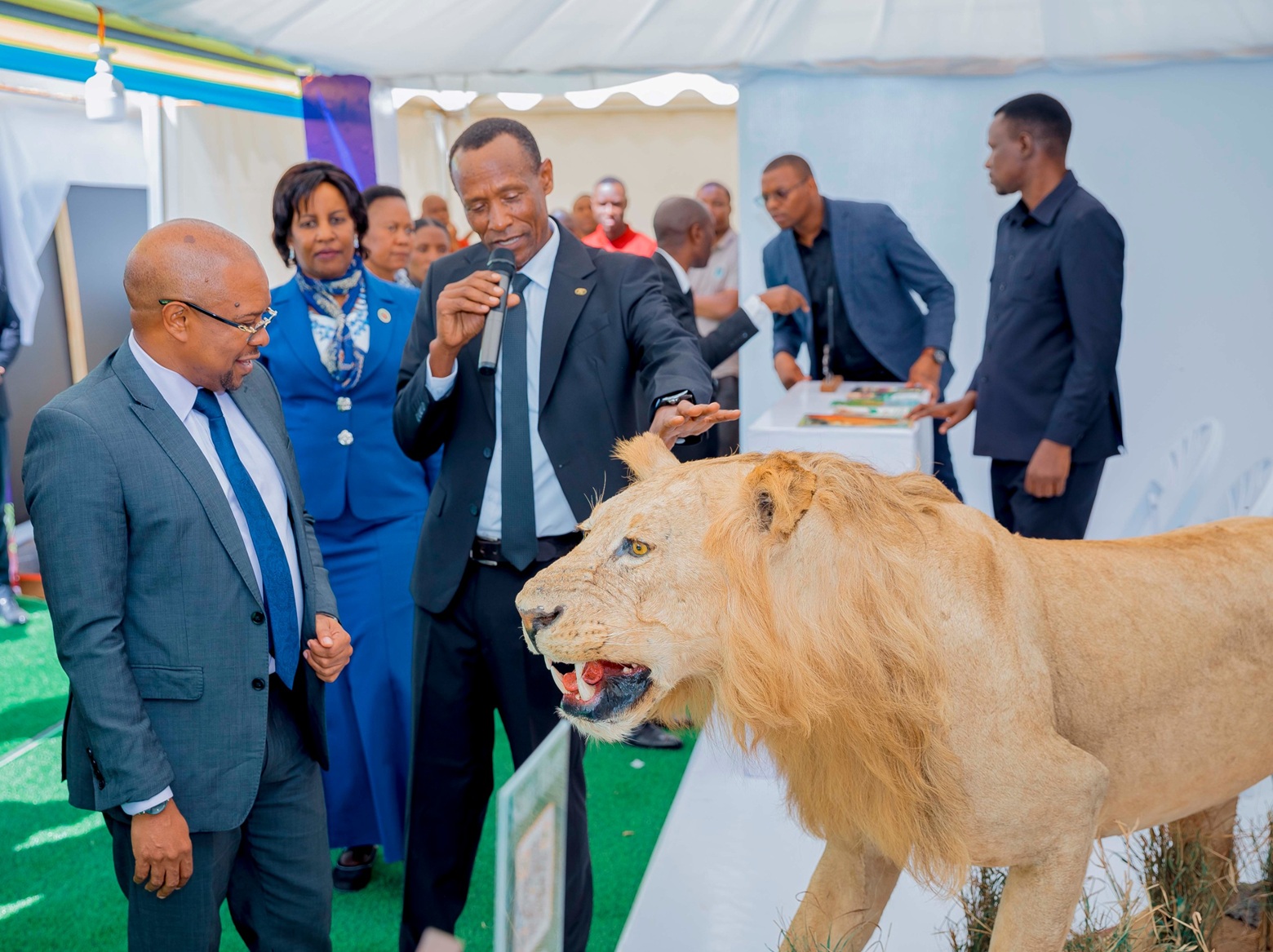

Minister Ridhiwani Kikwete Urges Universities to Power Tanzania’s Public Service Reforms
By Renancy Remmy, CMU
The Minister of State in the President’s Office for Public Service Management and Good Governance, Hon. Ridhiwani Jakaya Kikwete (MP), has urged universities and higher learning institutions to deepen their contribution to national development by producing future-ready graduates, advancing innovation and strengthening collaboration with government to improve public service delivery.
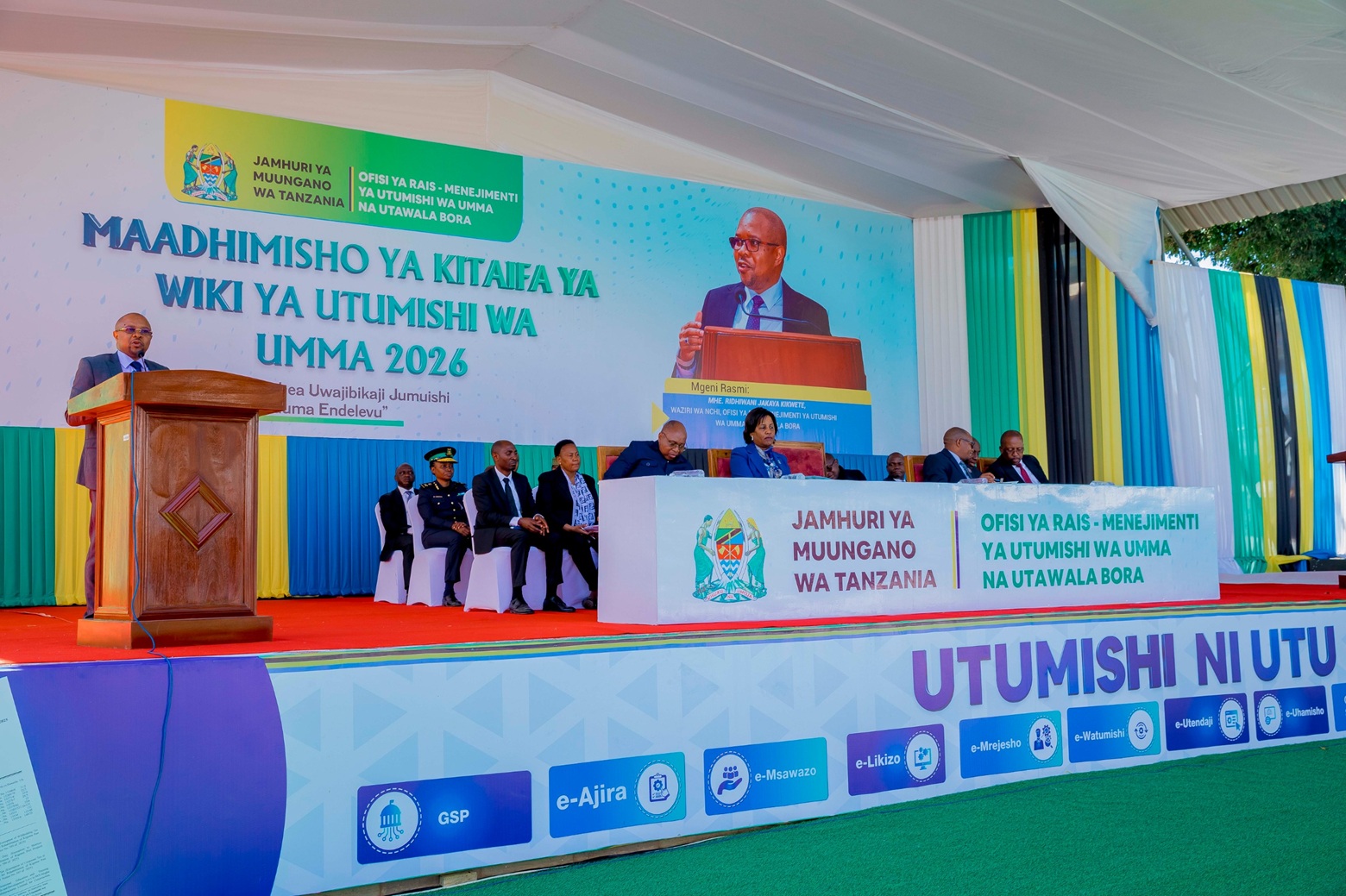
Speaking as Guest of Honour during the official opening of the 2026 Public Service Week celebrations at Chinangali Park in Dodoma on 17th June 2026, Hon. Kikwete said the future of Tanzania’s public service will largely depend on the quality of knowledge, skills and values imparted by institutions of higher learning.
“The future of public service depends on the quality of knowledge, skills and values imparted by institutions of higher learning. Universities remain critical partners in preparing professionals capable of responding to the evolving needs of citizens and contributing meaningfully to national development”, he said.
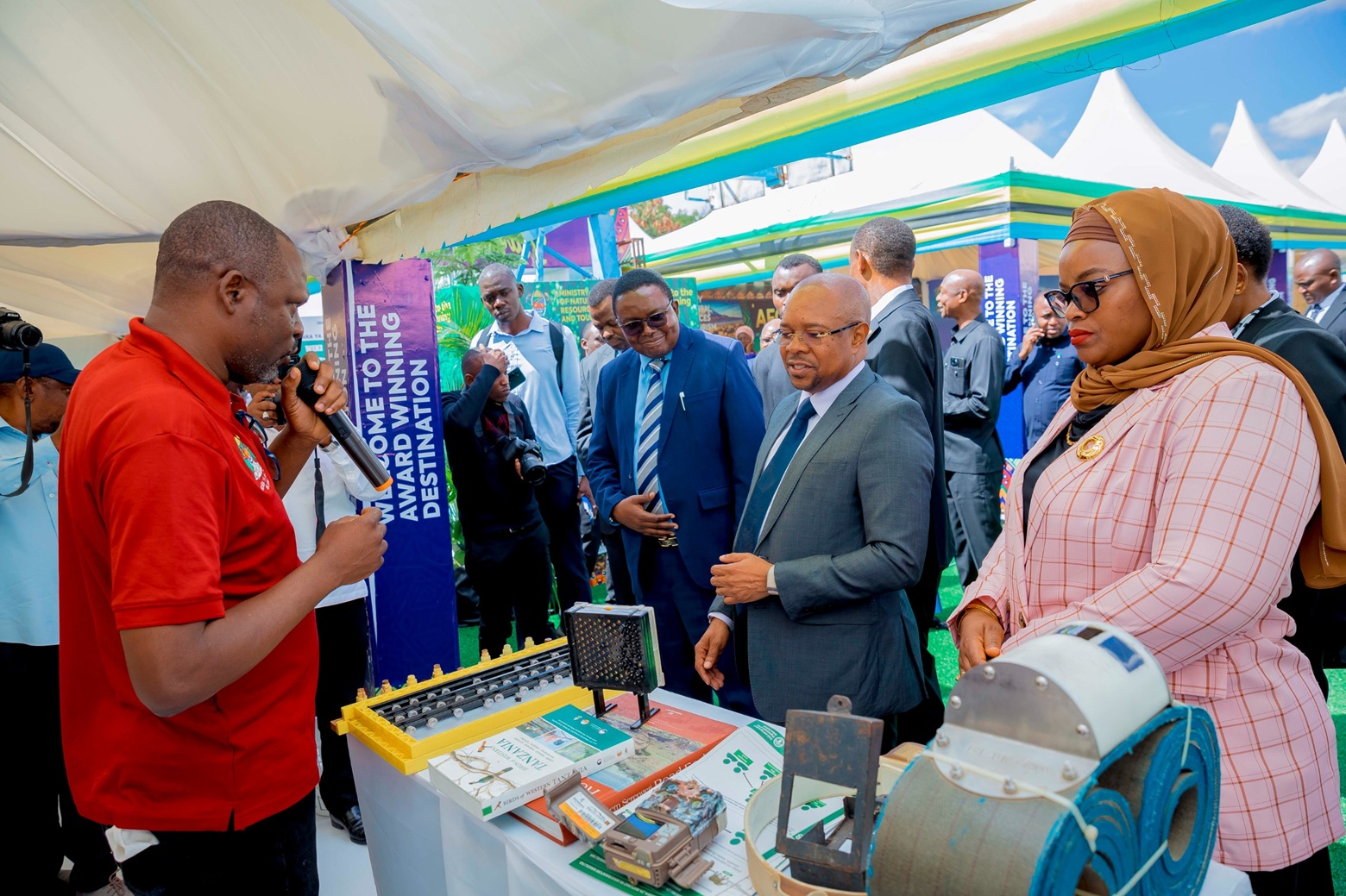
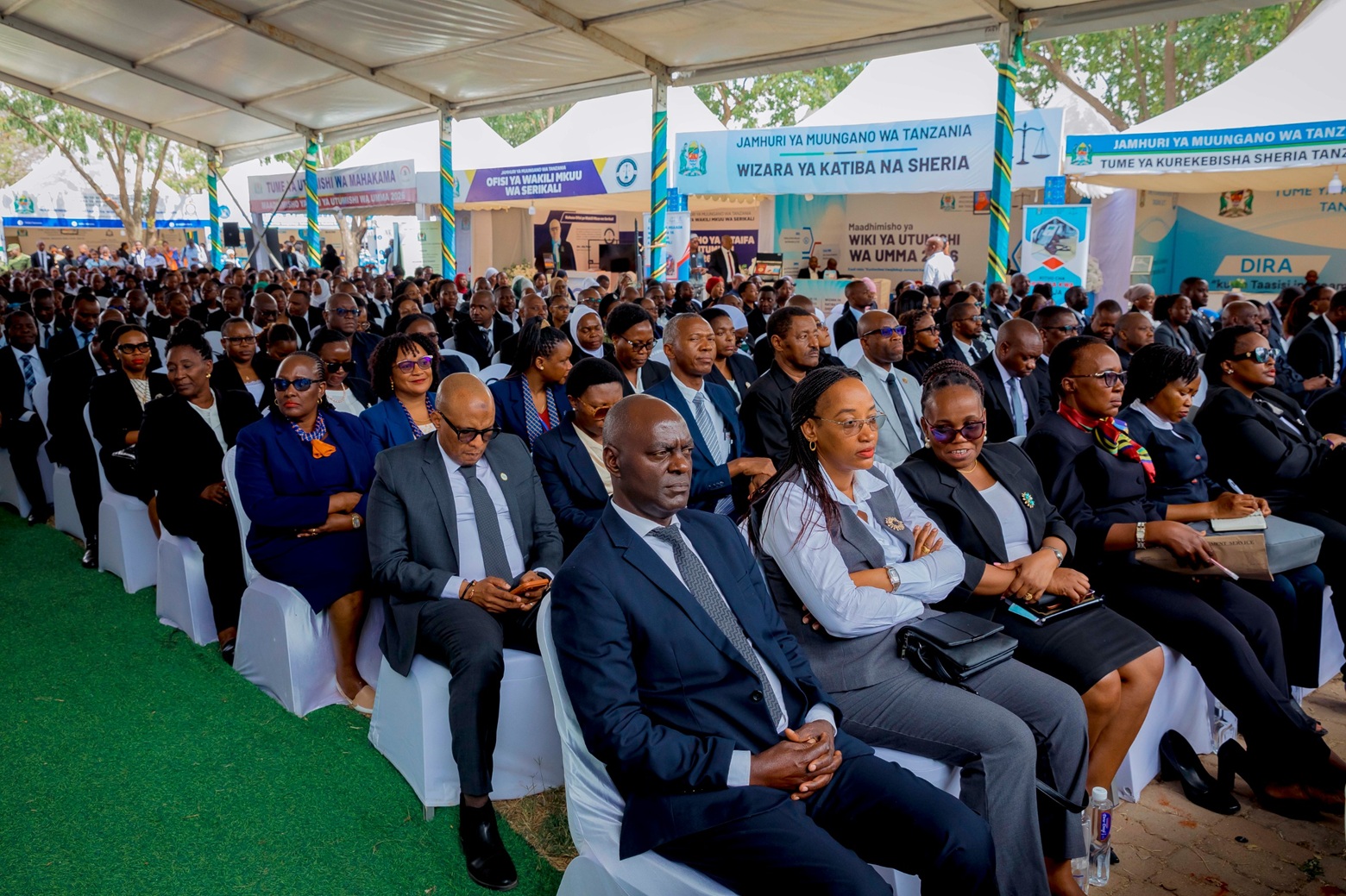
Held under the theme “Promoting Inclusive Accountability for Sustainable Service Delivery,” the week-long event has brought together government ministries, departments, agencies, local government authorities and other stakeholders to showcase services, exchange experiences and engage citizens on the role of public institutions in advancing socio-economic development.
Hon. Kikwete emphasized that as Tanzania accelerates public sector reforms and digital transformation, universities must continue producing graduates equipped with digital competencies, innovative thinking and problem-solving skills that can effectively support the country's development agenda.
He further underscored the importance of strengthening links between academia, government and industry to ensure that research and innovation directly address societal challenges and improve the quality of public services.
“Universities have a responsibility to develop practical solutions to societal challenges. Research outputs should not remain on shelves. They should contribute directly to improved public services, economic growth and national transformation”, he said.
The Minister revealed that the Government is finalizing a comprehensive Public Service Reform Programme designed to enhance efficiency, productivity and citizen-centred service delivery.
According to him, the programme will focus on five strategic pillars: transforming public sector mindsets, strengthening citizen participation, enhancing leadership and accountability, improving human resource management, and accelerating digital transformation.
He noted that significant progress has already been made through the deployment of digital systems such as e-Utendaji, e-Watumishi, e-Mrejesho, e-Ardhi, e-Office, TAUSI, GePG, MUVU and MAJIIS, which have improved transparency, accountability and efficiency across government institutions.
“These digital platforms are transforming how government interacts with citizens and delivers services. Technology is no longer optional; it is central to building a responsive and accountable public service”, he said.
Government’s continued investment in human capital development
Hon. Kikwete also highlighted the Government’s continued investment in human capital development. He disclosed that 42,500 public servants were recruited during the 2025/26 financial year, while an additional 45,000 positions have been allocated in the 2026/27 budget to further strengthen service delivery nationwide.
He described the expansion as a reflection of the Government’s commitment to creating employment opportunities for qualified graduates while addressing workforce needs in key sectors.
On public servants’ welfare, the Minister announced that 219,000 employees who met the required qualifications and criteria were promoted during the 2025/26 financial year. He said the promotions were aimed at recognizing performance, boosting morale and enhancing productivity within the public service.
“Promotion processes must continue to be guided by public service laws, policies and regulations to ensure fairness, transparency and equal opportunity for all employees,” he stressed.
UDSM’s role to human capital development, research, innovation and public sector transformation
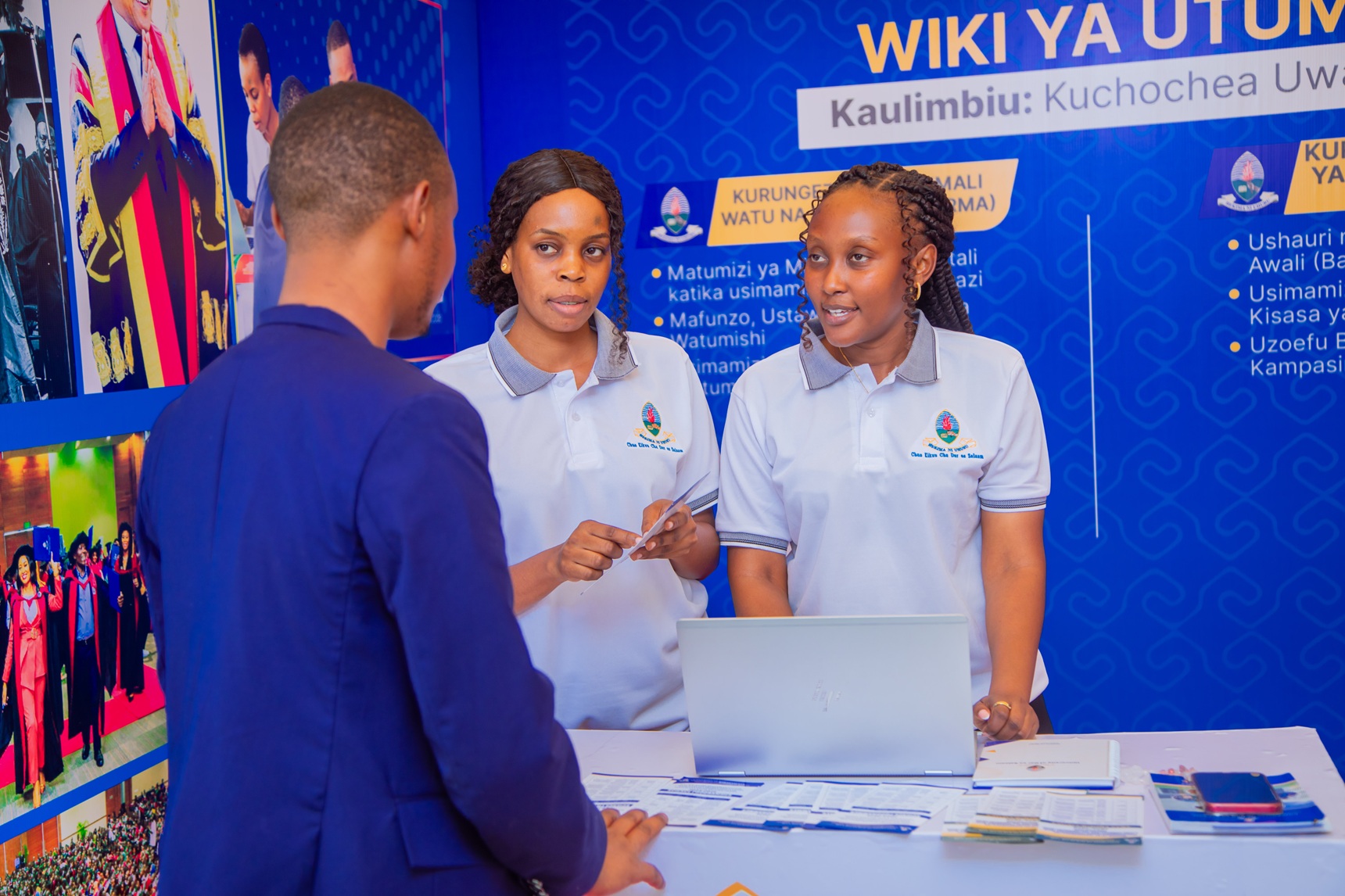
Among the institutions participating in the 2026 Public Service Week celebrations is the University of Dar es Salaam (UDSM), Tanzania's oldest and leading public university, which is showcasing its contributions to human capital development, research, innovation and public sector transformation.
Through its exhibition, the University is highlighting academic programmes, research outputs, technological innovations and strategic partnerships that continue to support national development priorities and strengthen public service delivery.
For more than six decades, UDSM has played a pivotal role in preparing the country's workforce, producing thousands of graduates who have gone on to serve in government ministries, departments, agencies, local government authorities, the judiciary, diplomatic service, education sector and other public institutions.
Many of Tanzania's senior public servants, policymakers, administrators, professionals and national leaders are products of the University. Through continuous curriculum improvement, research excellence and industry engagement, UDSM remains committed to developing competent graduates equipped with the knowledge, skills, values and innovative mindset needed to drive Tanzania's development and support ongoing public service reforms.
Earlier, Dodoma Regional Commissioner Hon. Rosemary Senyamule welcomed participants from across the country and highlighted the region’s growing importance as Tanzania’s administrative capital and a hub for investment, innovation and service delivery.
She noted that Dodoma has continued to register significant progress in education, infrastructure and economic development, attributing these achievements to strong collaboration among government leaders, development partners, education stakeholders and local communities.
“Investment in education remains one of the key pillars of Dodoma’s development agenda,” she said, adding that the region’s educational achievements demonstrate the value of sustained collaboration in driving social and economic progress.
As Tanzania advances efforts to build a modern, efficient and citizen-centred public service, the 2026 Public Service Week celebrations provide an important platform for reflection, learning and collaboration.
For universities and higher learning institutions, the message from the Government is clear: stronger partnerships, impactful research and future-ready graduates will be essential in shaping the next generation of public service and national development.