

UDSM Hosts Fifth China-Tanzania Job Fair as Minister Calls for Stronger Partnerships to Tackle Youth Unemployment
By Dickens Dominic, CMU
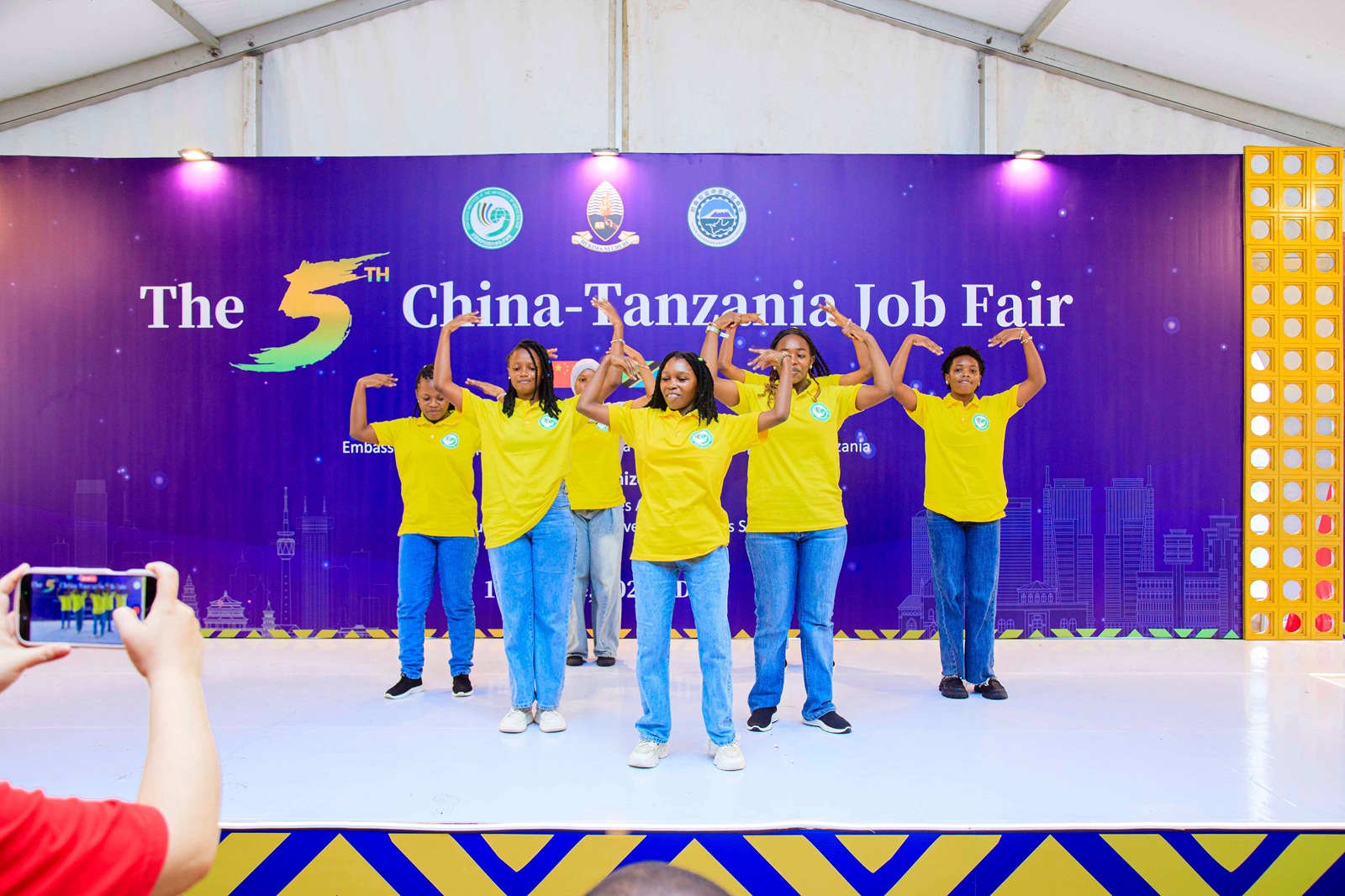
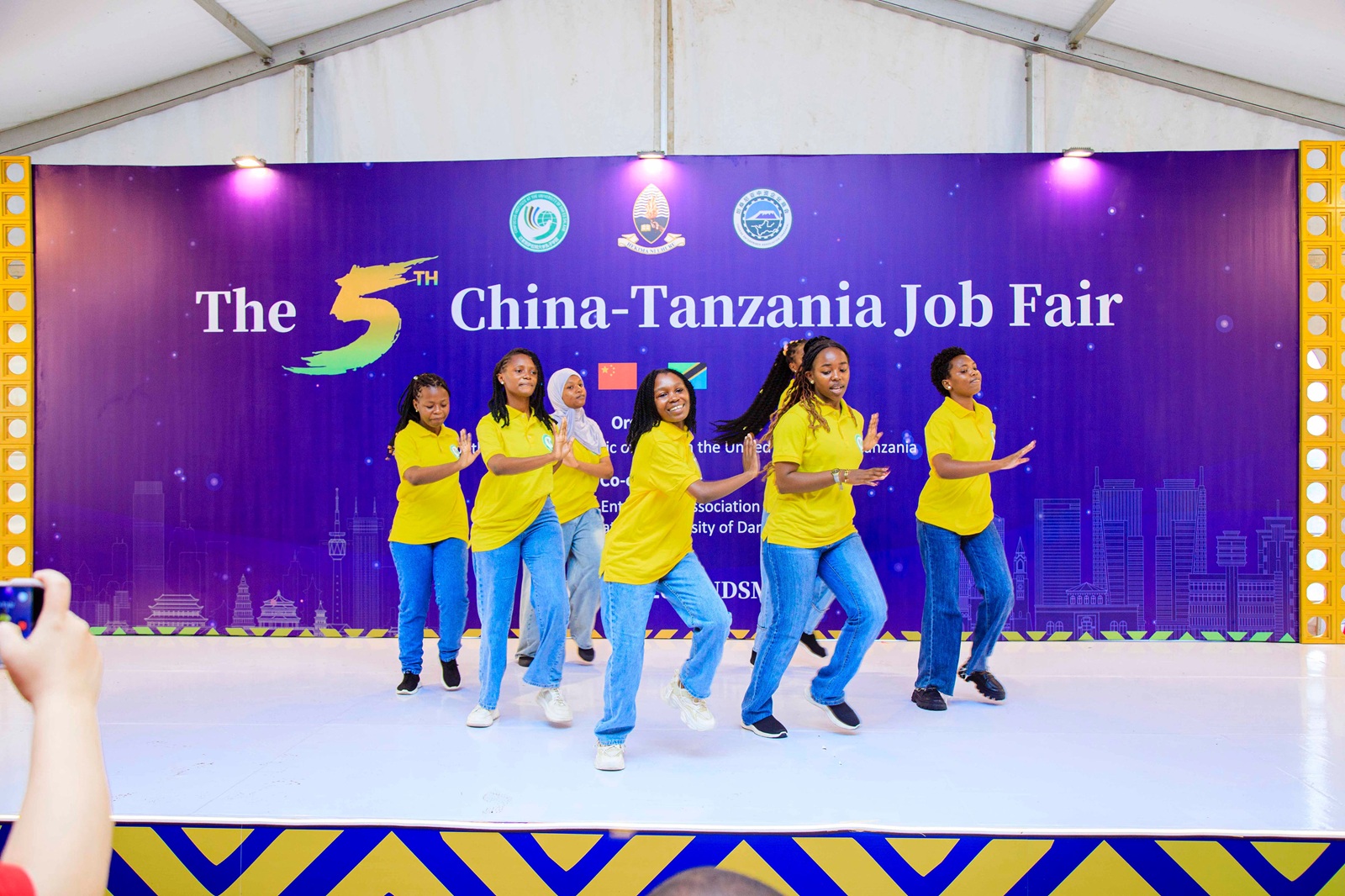
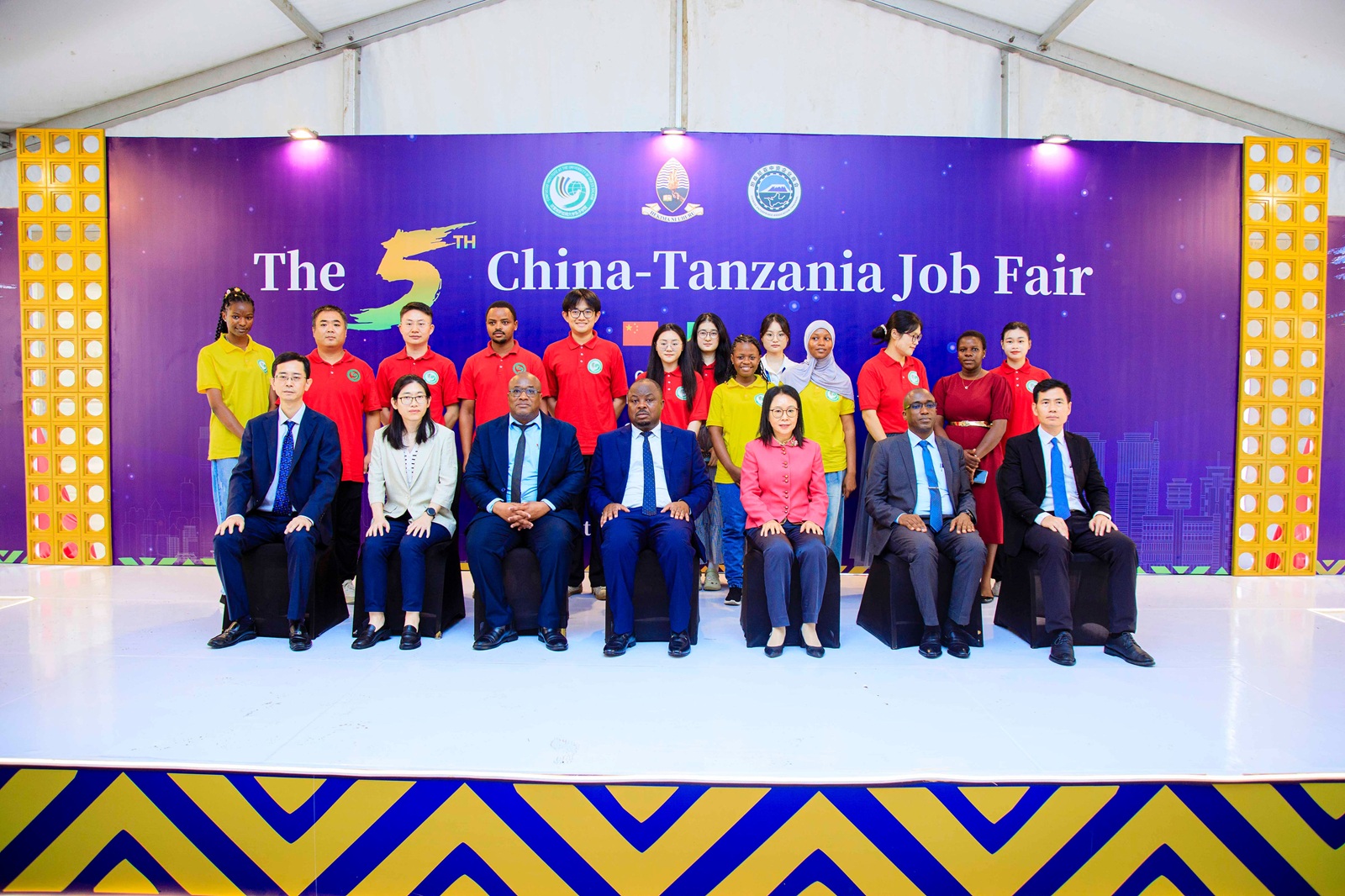
The University of Dar es Salaam (UDSM), through its Confucius Institute, has hosted the Fifth China-Tanzania Job Fair, bringing together government leaders, diplomats, industry representatives, academics, students, and job seekers in a major initiative aimed at expanding employment opportunities and strengthening workforce development in Tanzania.
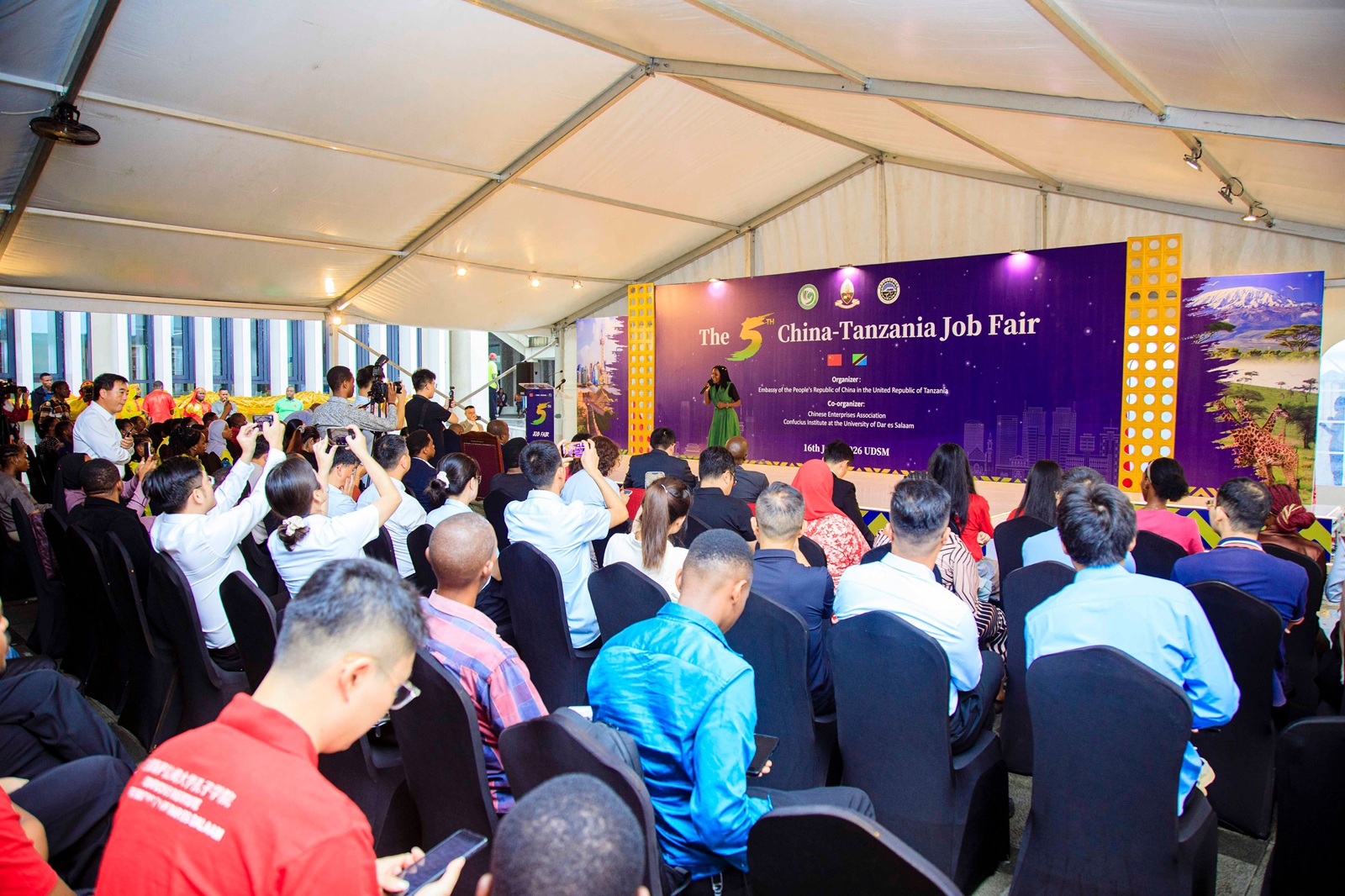
Held at the University's main campus recently, the fair attracted hundreds of participants from across the country and reaffirmed the growing role of higher learning institutions in bridging the gap between education and the labour market.
The event provided a unique platform for young Tanzanians to engage directly with employers, explore career prospects, and gain valuable insights into industry expectations and emerging workplace trends.
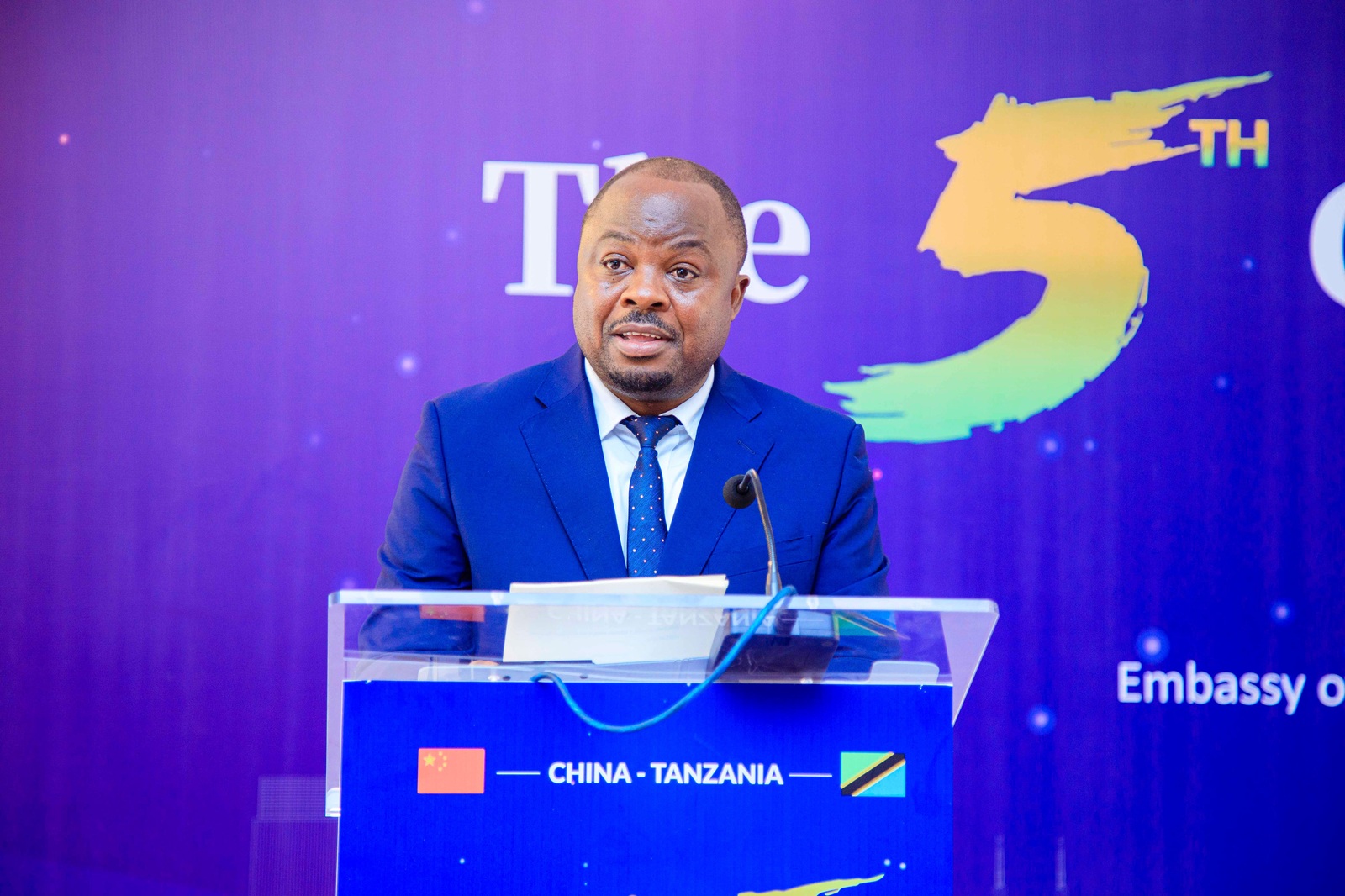
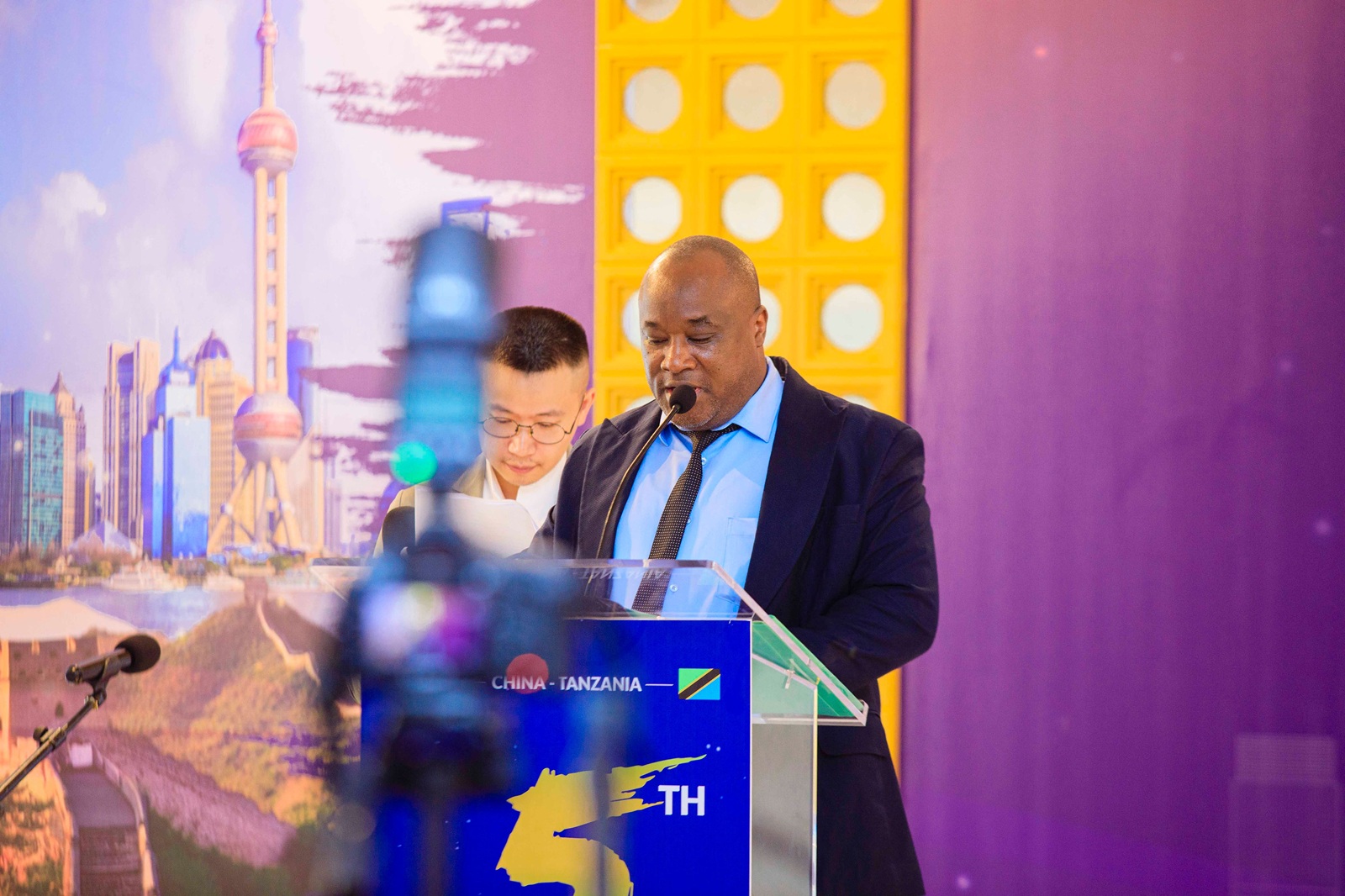
Officiating the event, the Minister of State in the Prime Minister's Office responsible for Labour, Employment and Industrial Relations, Hon. Deus Clement Sangu (MP), underscored the Government's commitment to creating productive employment opportunities for Tanzania's rapidly growing youth population.
"Tanzania continues to see a significant number of young people entering the labour market every year. This reality calls for stronger partnerships between educational institutions, government agencies, and the private sector to ensure our young people are equipped with the skills required by today's economy," said Hon. Sangu.
The Minister noted that universities play a critical role in producing graduates who can support national development, but stressed that closer collaboration with employers is necessary to ensure academic programmes remain responsive to labour market demands and evolving industry needs.
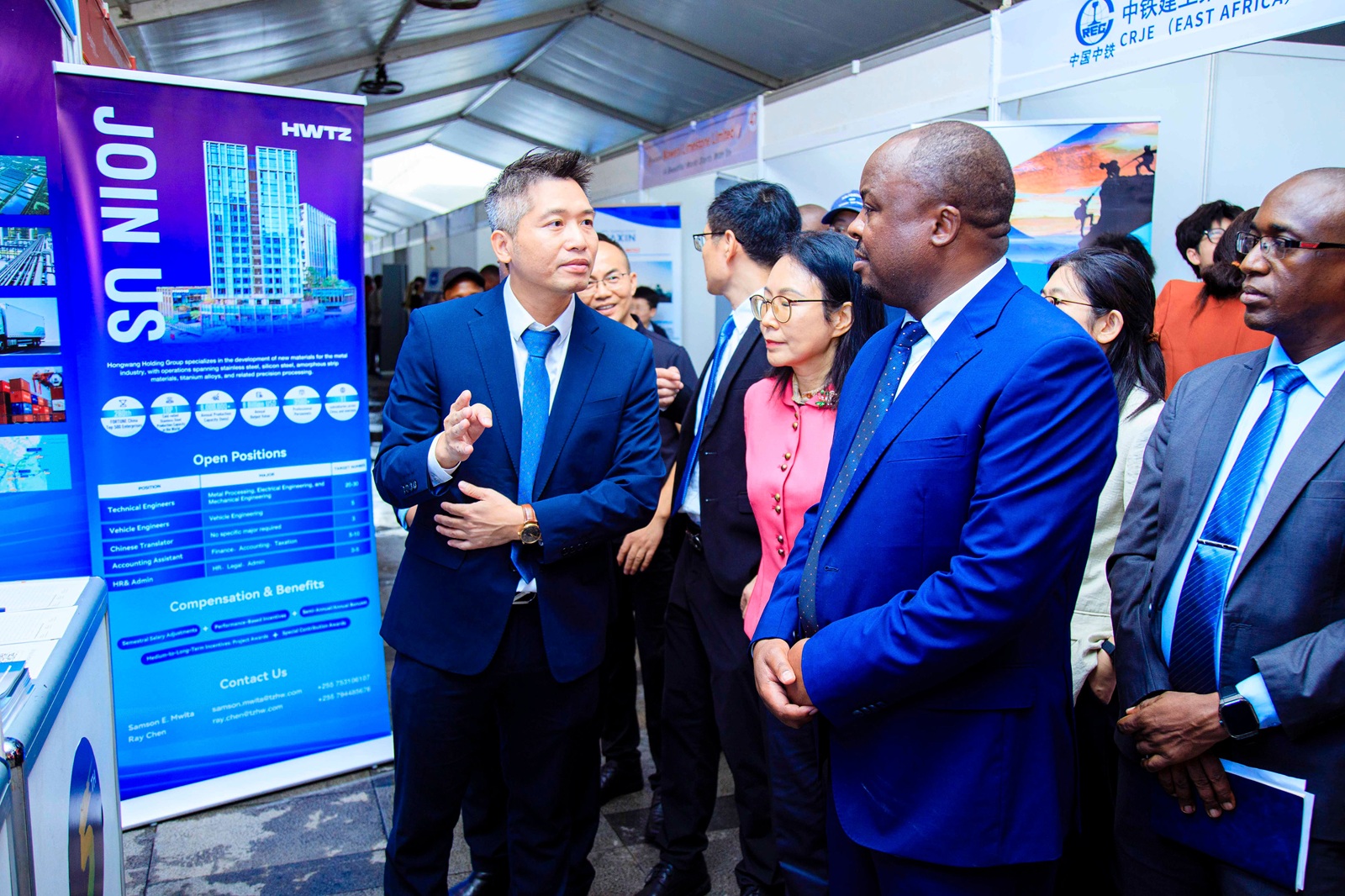
He commended Chinese enterprises operating in Tanzania for their contribution to economic growth through investment, job creation, technology transfer, and workforce development.
"Many Chinese companies have become important partners in our industrialisation agenda by creating opportunities for young professionals to gain practical experience and valuable skills," he said.
Hon. Sangu further encouraged employers to continue investing in mentorship programmes, internships, apprenticeships, and workplace learning opportunities that improve the employability of young people. He also urged students and graduates to embrace lifelong learning and adaptability in response to the rapidly changing world of work.
The event was attended by the Ambassador of the People's Republic of China to Tanzania, H.E. Chen Mingjian, representatives of the Chinese Enterprises Association in Tanzania, members of the University management, faculty members, students, and representatives from various Chinese companies operating in the country.
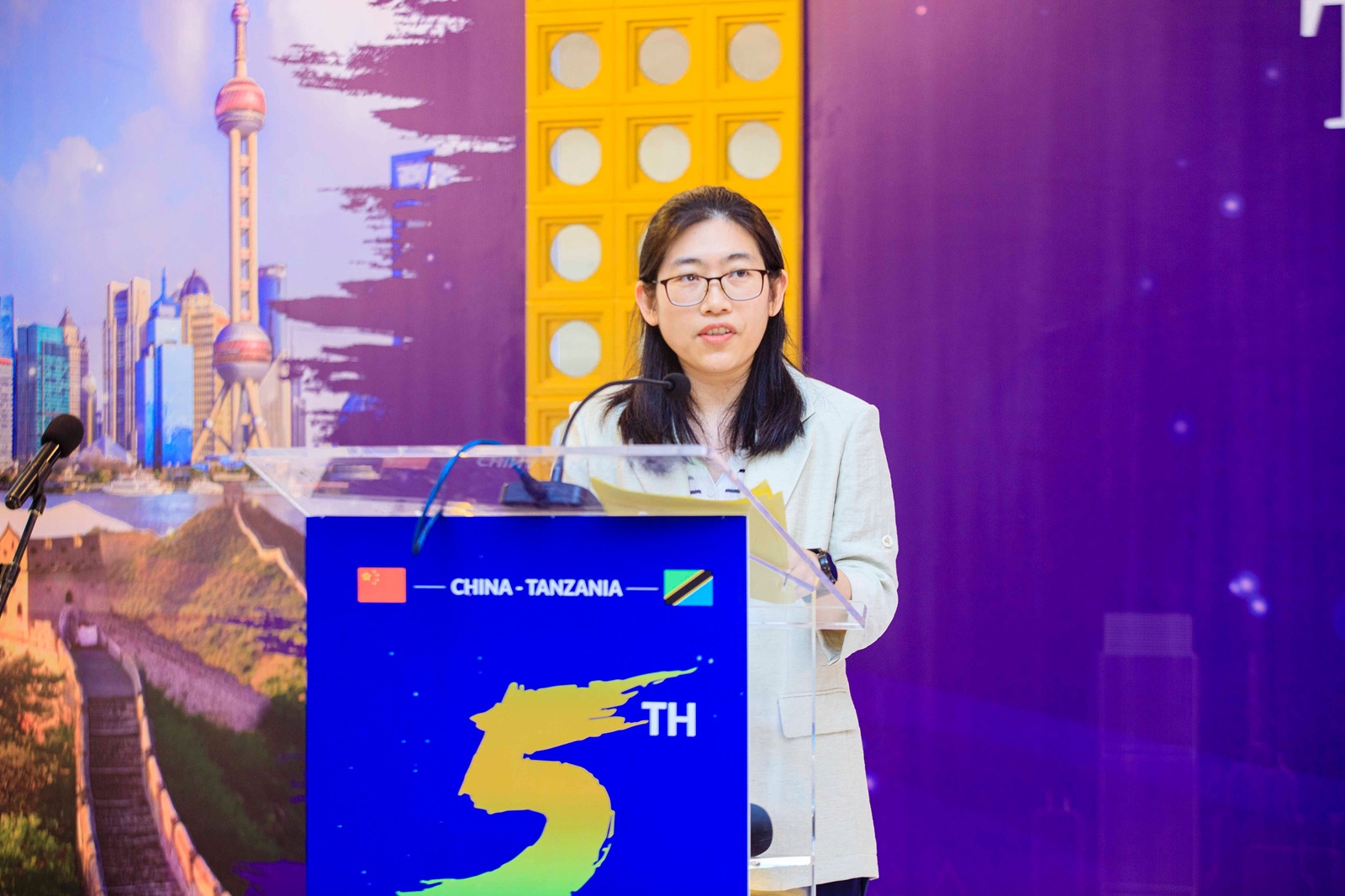
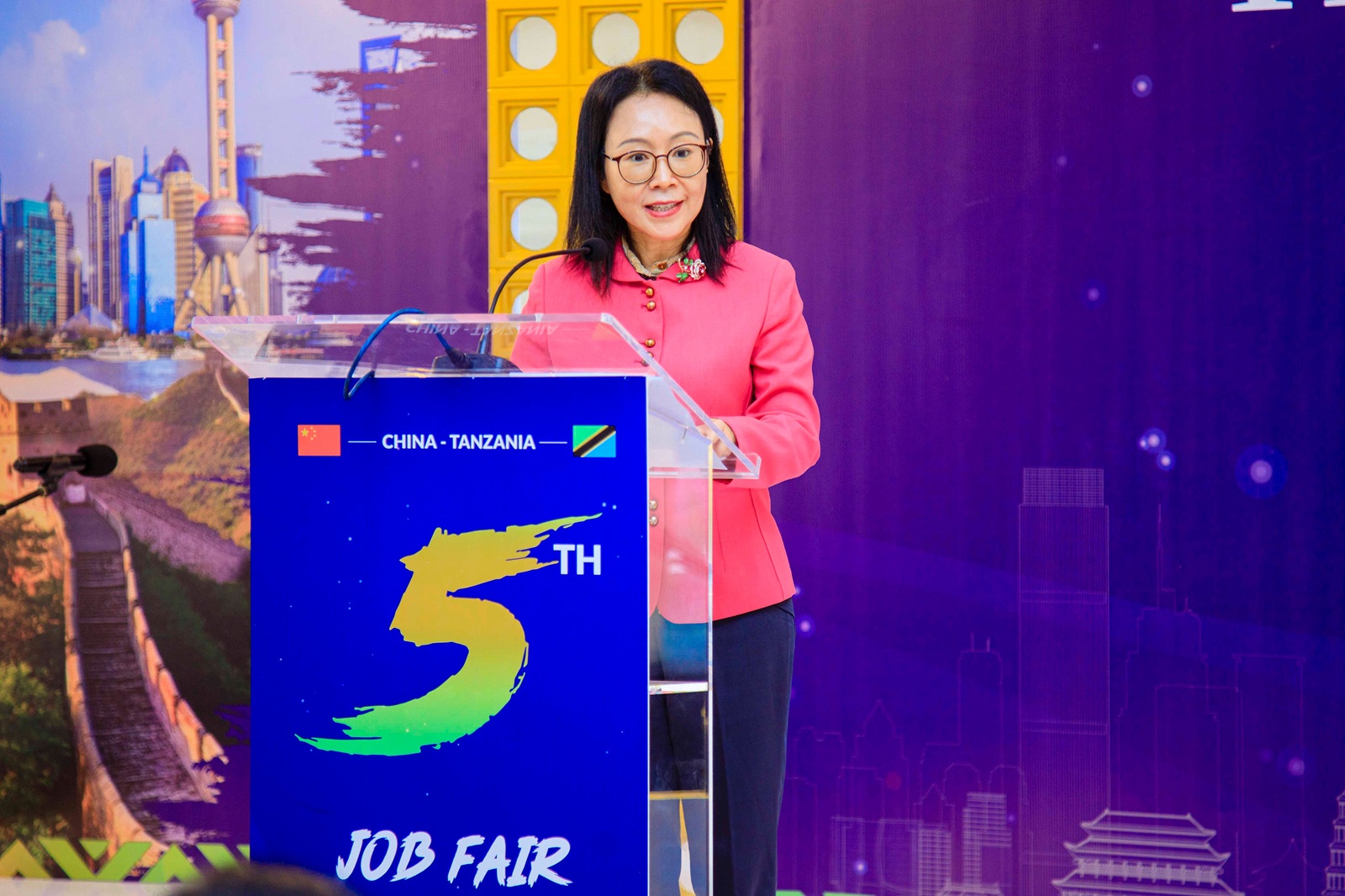
Speaking during the event, the Chinese Director of the Confucius Institute at UDSM, Dr. Xu Qian described the China-Tanzania Job Fair as an important bridge connecting Tanzanian talent with opportunities available within Chinese enterprises.
"The friendship between China and Tanzania has stood the test of time. Today, we are building another bridge—one that connects enterprises with talented young people and creates opportunities for mutual growth and prosperity," she said.
Cooperation between Tanzania and China expanding across multiple sectors
Dr. Qian noted that cooperation between Tanzania and China has continued to expand across multiple sectors, including infrastructure, trade, education, culture, and technology. She cited the historic Tanzania-Zambia Railway (TAZARA) as a lasting symbol of friendship and cooperation between the two countries and said contemporary partnerships continue to open new avenues for economic and social development.
She explained that the China-Tanzania Job Fair was first launched in 2016 through a partnership involving the Confucius Institute at UDSM, the Chinese Enterprises Association in Tanzania, and the Embassy of China in Tanzania. Since then, the initiative has steadily grown into one of the country's most prominent employment platforms linking Tanzanian job seekers with Chinese employers.
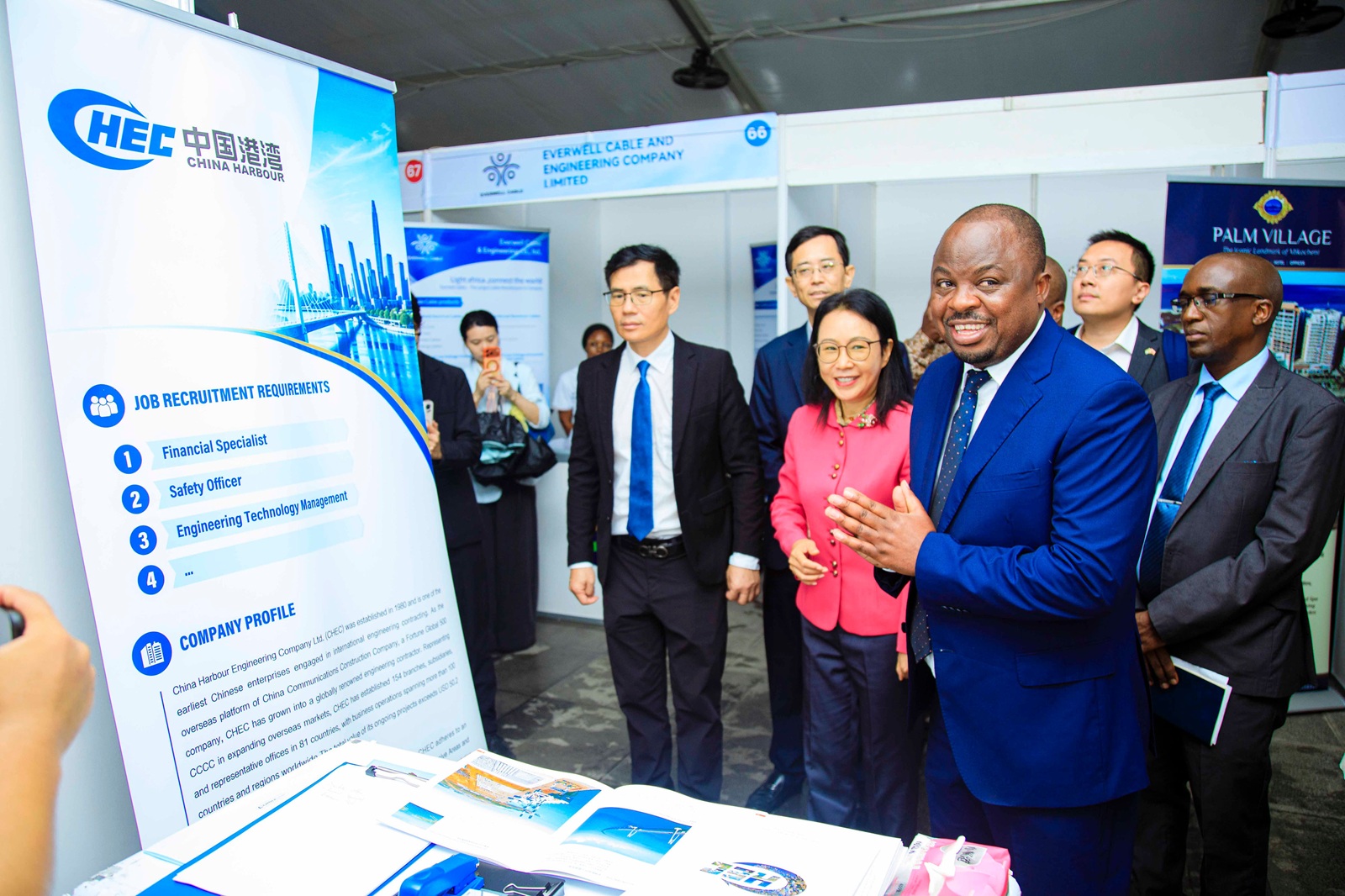
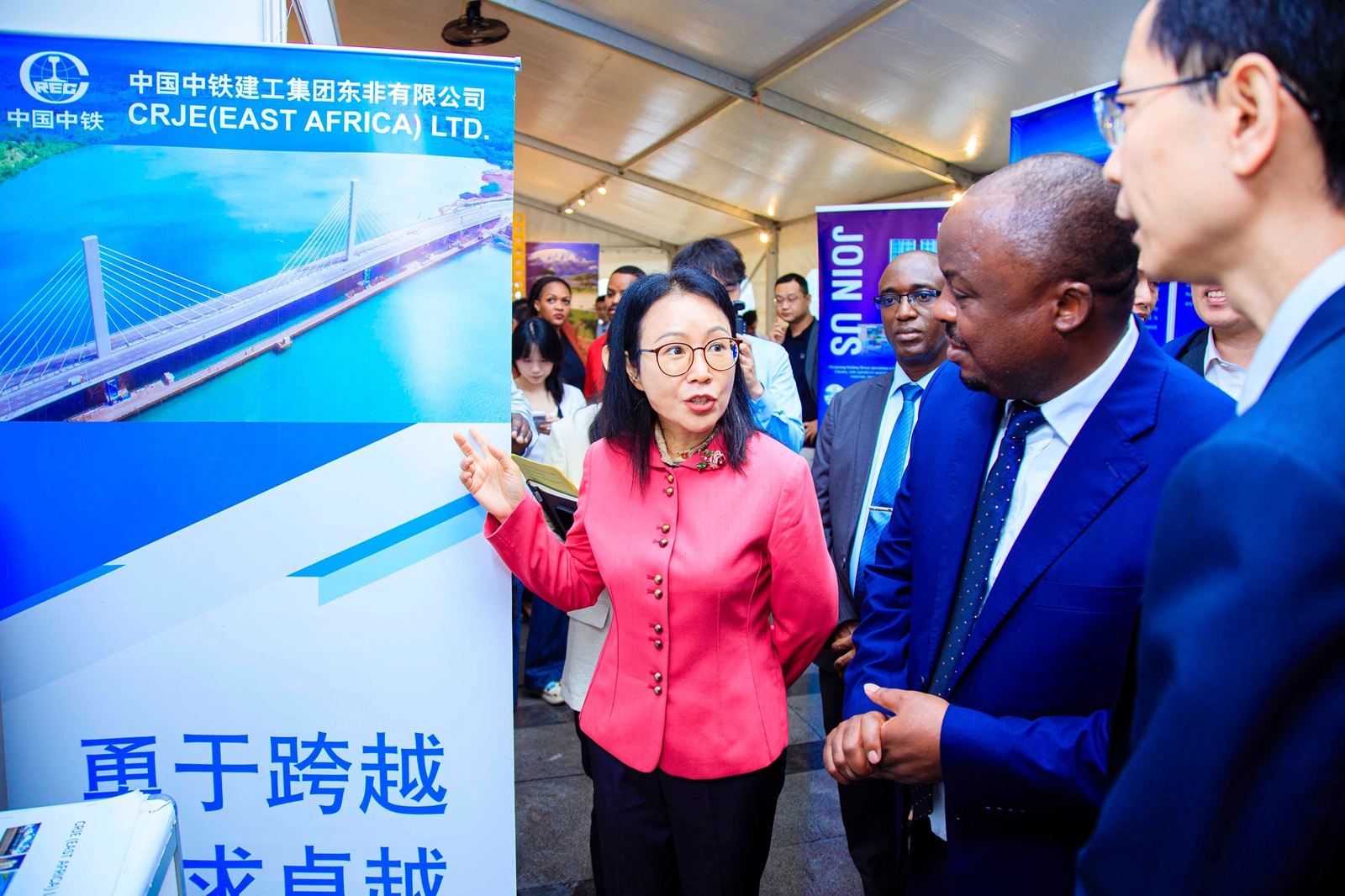
This year's fifth edition brought together 59 Chinese enterprises, offering more than 500 employment opportunities across diverse sectors, including manufacturing, logistics, engineering support, business administration, marketing, customer service, digital media, and modern professional services.
According to Dr. Qian, the participation of such a large number of companies reflects the growing demand for skilled Tanzanian professionals and highlights the increasing contribution of Chinese investments to employment creation and skills development in the country.
She also highlighted the achievements of the Confucius Institute since its establishment at UDSM in 2013, noting that the Institute has evolved beyond its traditional role of teaching Chinese language and culture to become an important platform for educational exchange, professional development, and employability enhancement.
"Over the years, we have trained nearly 200 graduates, with an employment rate of approximately 95 percent. Many of our graduates are now serving in diplomacy, education, translation, tourism, international trade, and business management, acting as important bridges between Tanzania and China," she said.
Despite these achievements, Dr. Qian observed that the demand for professionals with Chinese language proficiency and intercultural competencies continues to exceed supply, creating even greater opportunities for students and graduates interested in careers with Chinese enterprises and international organisations.
Throughout the event, speakers emphasized the importance of strengthening collaboration between universities and industry to address youth unemployment and facilitate a smooth transition from education to the workplace.
University leaders reaffirmed UDSM's commitment to providing quality education while promoting practical skills, innovation, entrepreneurship, and industry engagement. They noted that initiatives such as the China-Tanzania Job Fair complement classroom learning by exposing students to real-world employment opportunities and professional networks.
The fair featured company exhibitions, recruitment sessions, career guidance activities, and networking opportunities. Students and graduates had the opportunity to submit applications, participate in interviews, and engage directly with recruiters to learn more about available positions and organisational expectations.
The vibrant atmosphere reflected the optimism of many young participants, who viewed the event as a valuable opportunity to launch or advance their careers, while employers used the platform to identify promising talent and showcase opportunities within their organisations.
As the Fifth China-Tanzania Job Fair concluded, participants expressed confidence that the initiative would continue to contribute significantly to employment creation, skills development, and knowledge exchange between Tanzania and China.
For UDSM, the success of the fair reinforces the University's role not only as a centre of academic excellence but also as a leading institution committed to preparing graduates for meaningful participation in the workforce and contributing to Tanzania's socio-economic transformation.