

UDSM Puts Responsible AI and Open Science at the Heart of Research Integrity
By Gladys Mattaka, CMU
The University of Dar es Salaam (UDSM) is strengthening research integrity and scientific publishing by equipping research coordinators, journal editors and relevant staff with practical skills on the responsible use of Artificial Intelligence (AI) and the principles of Open Science.
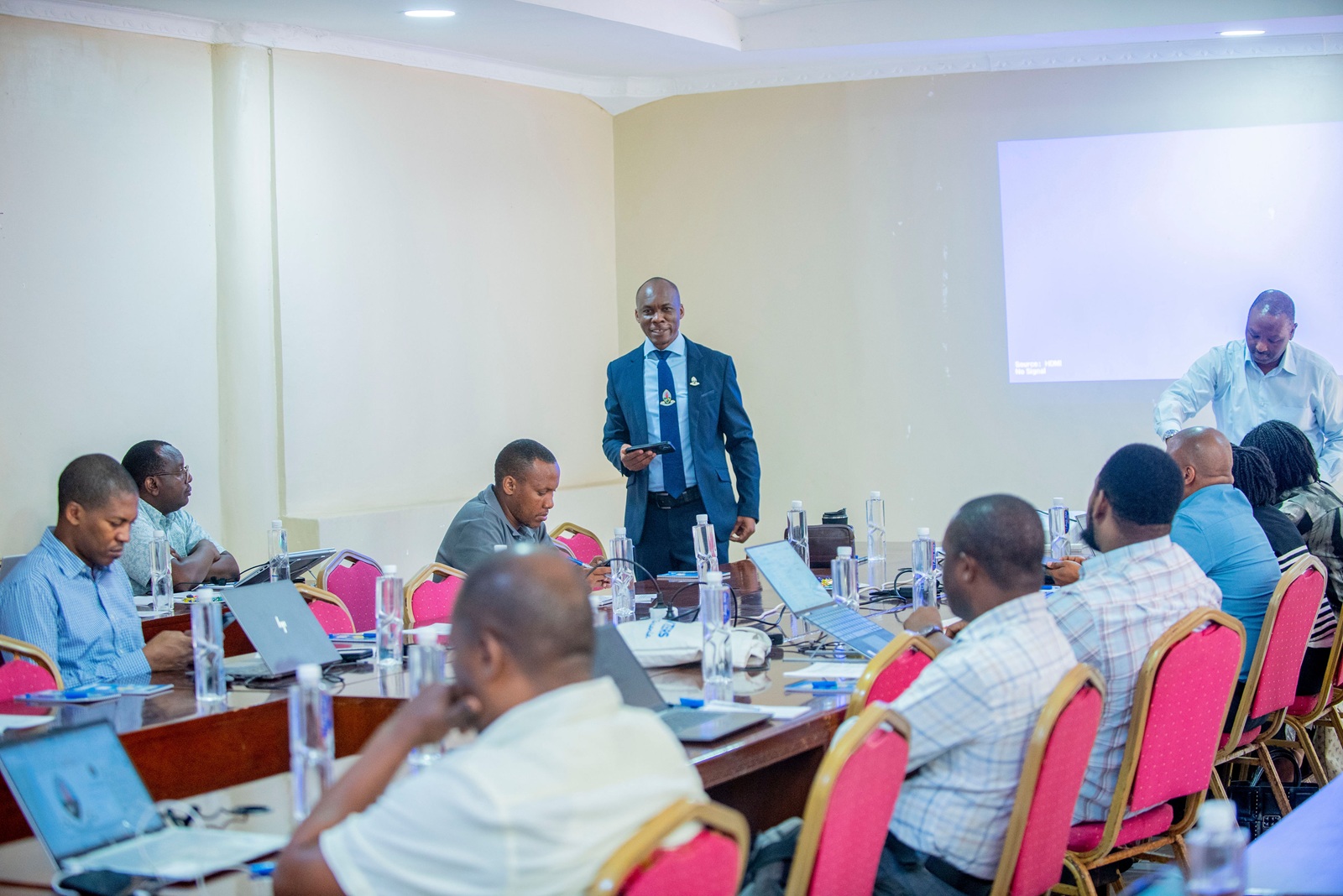
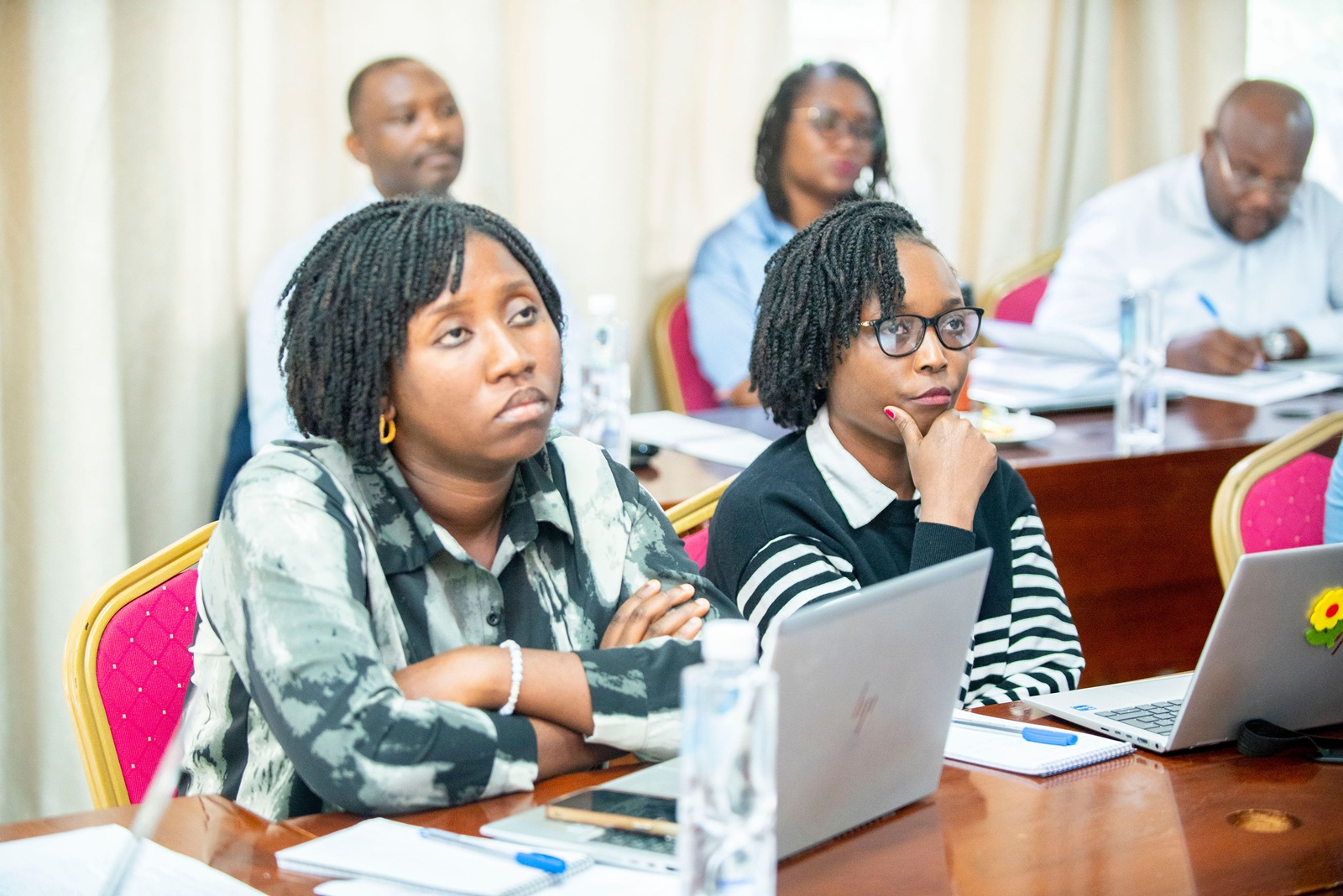
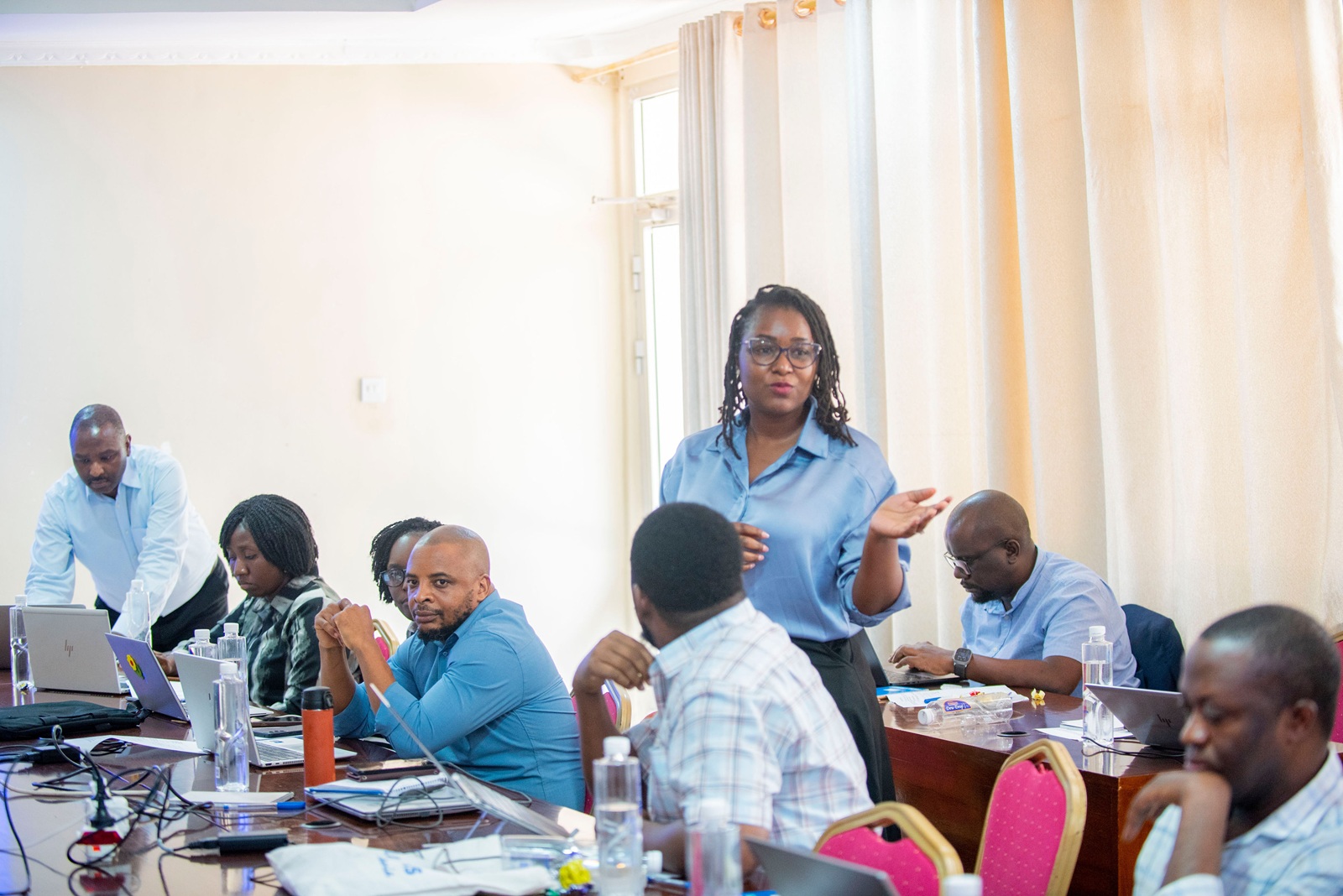
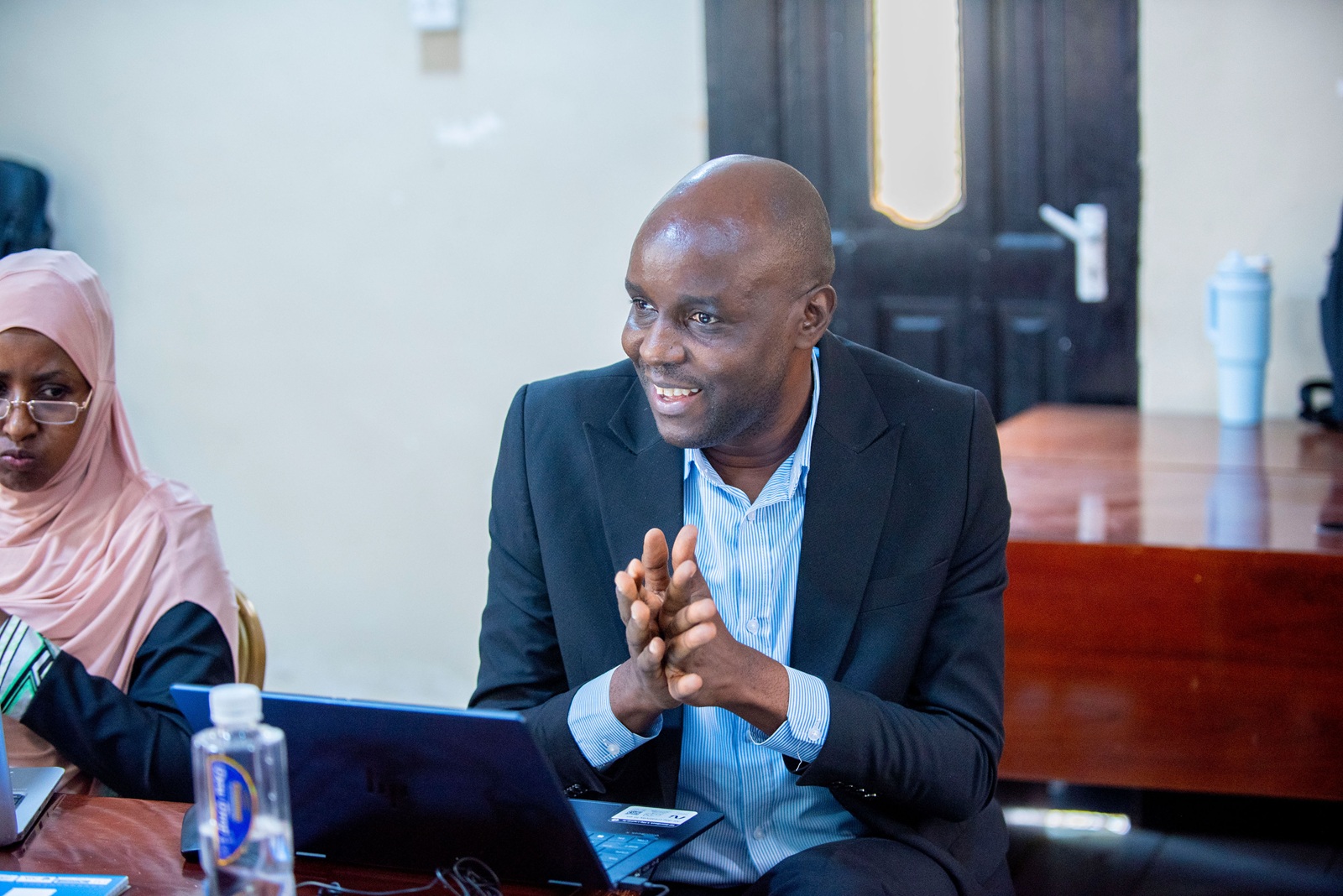
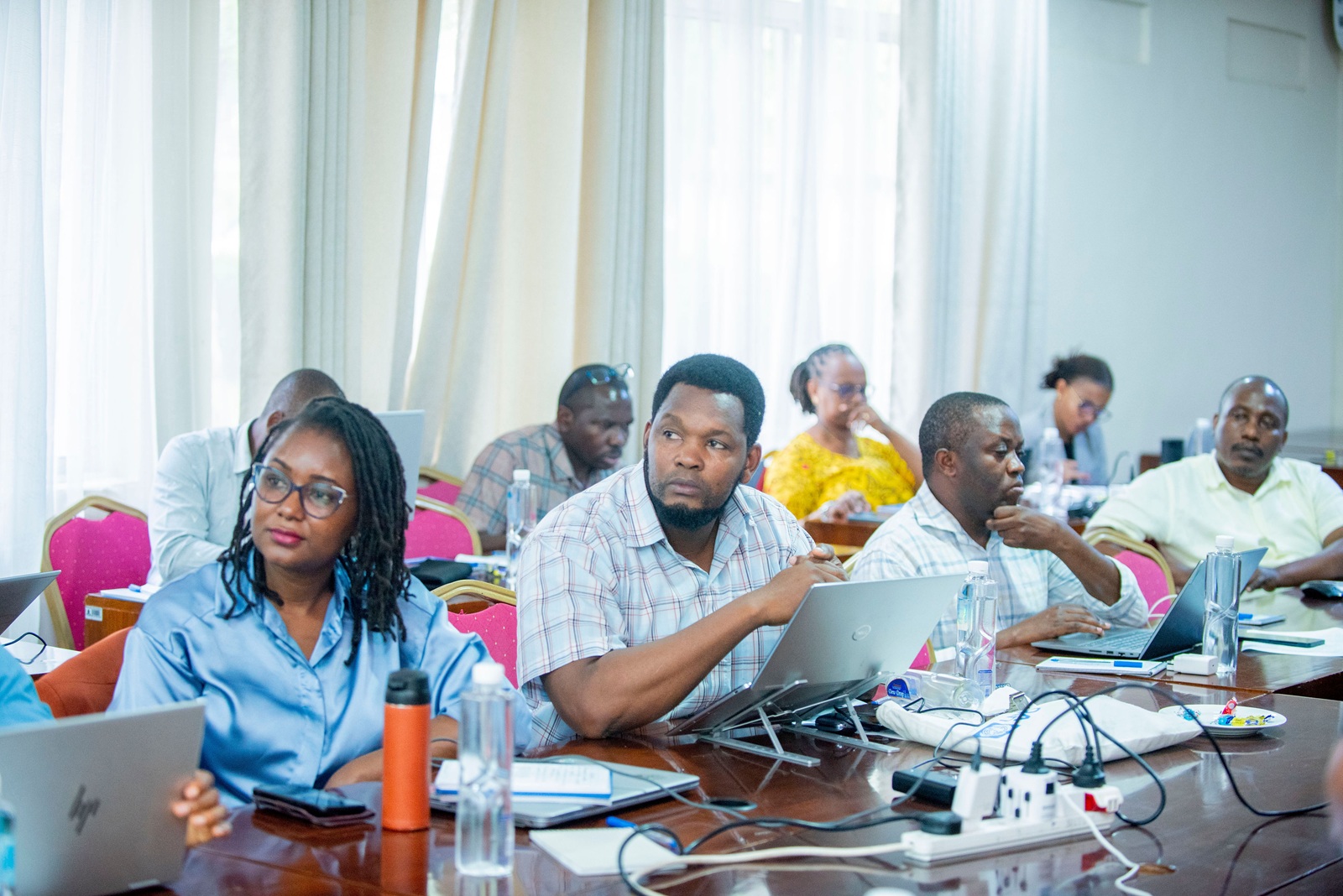
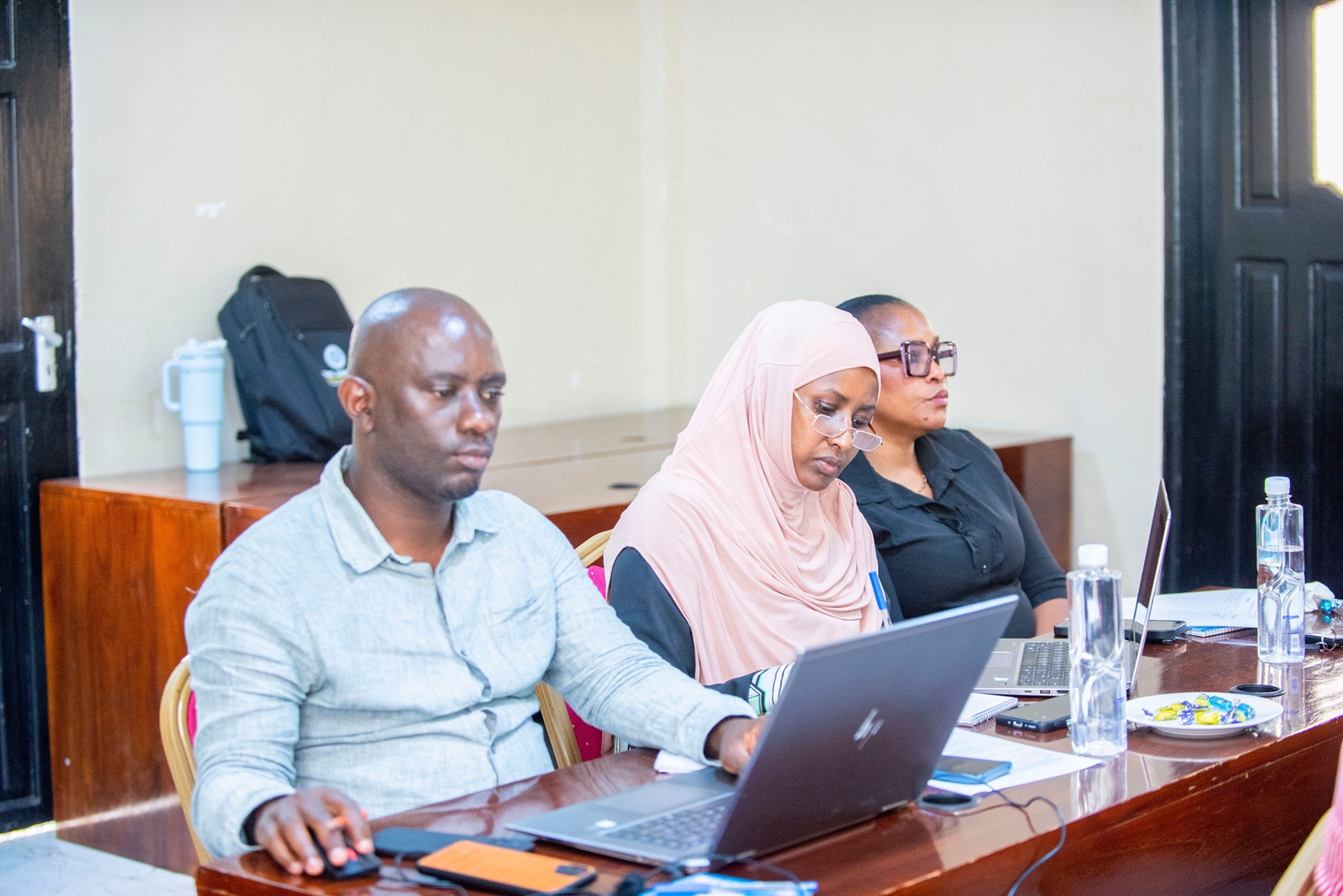
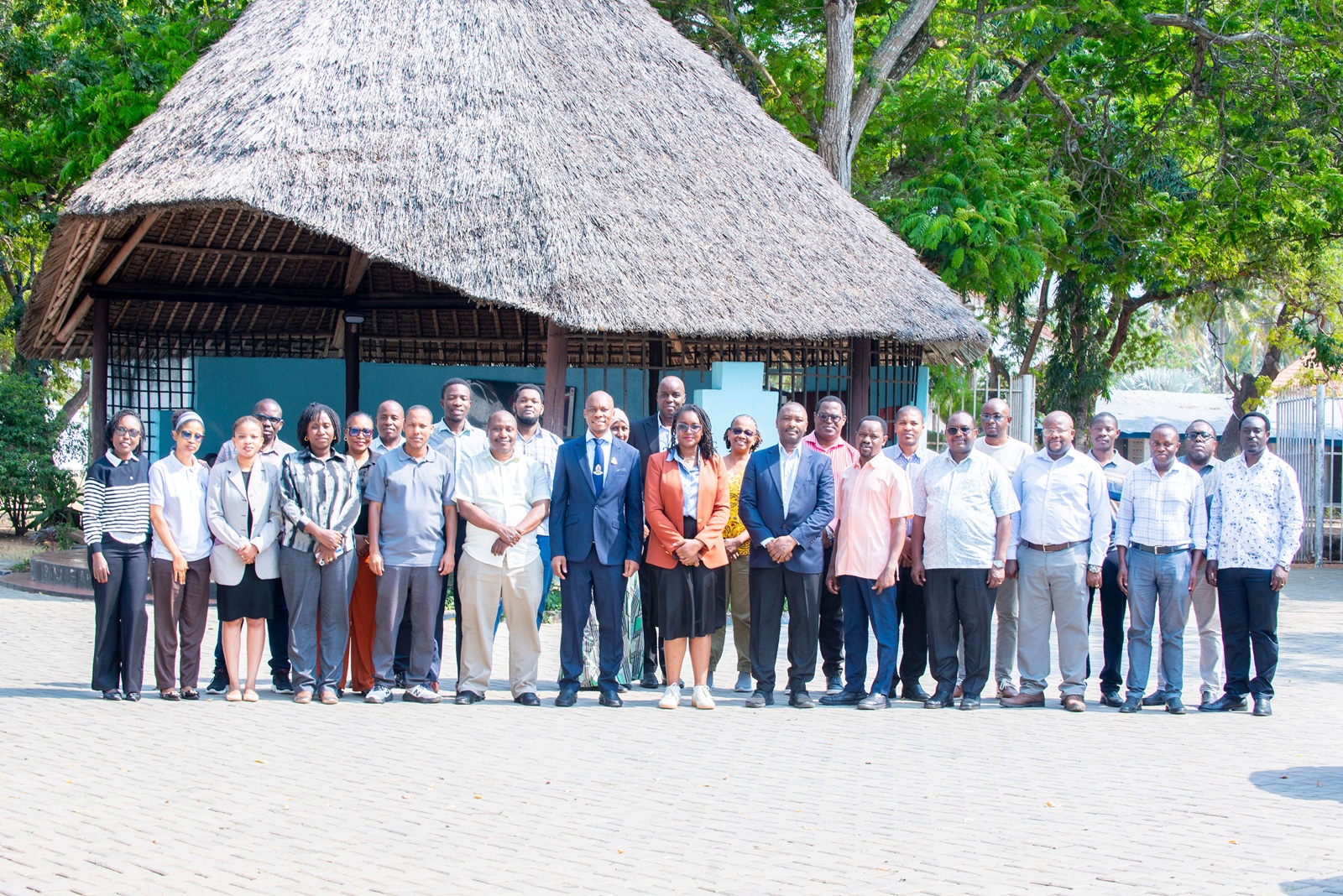
The initiative was advanced through a one-day training held on 14 August 2026 at Silversands Hotel, Kunduchi, bringing together Research Coordinators, Chief Editors of UDSM journals, and staff from the Directorate of Research and Publication and the Directorate of Library Services.
The training examined how emerging technologies can enhance research and scholarly publishing without compromising academic integrity, transparency and accountability.
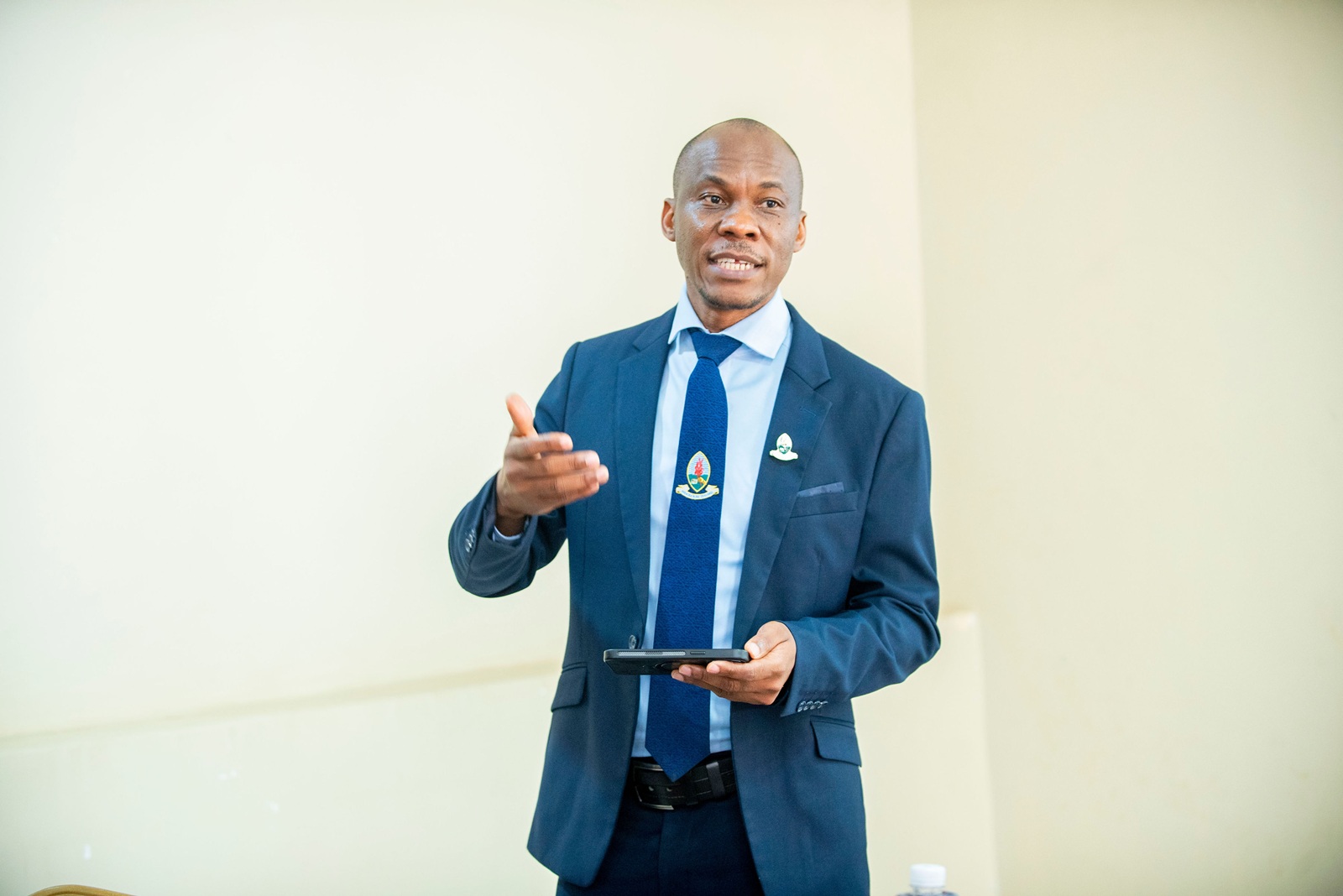
Opening the training, UDSM Director of Research and Publication, Dr. Mathew Senga, said AI is increasingly becoming part of the research and publication ecosystem, supporting activities such as literature searches, data analysis, language editing, visualisation and manuscript preparation.
“The question is no longer whether AI will be used in research and scientific publication, but how it will be used responsibly, transparently and ethically,” he said.
Dr. Senga cautioned that the use of AI raises important ethical questions around authorship, originality, plagiarism, confidentiality, intellectual property, data protection and the reliability of AI-generated information.
“Researchers must remain accountable for what they write and publish. AI cannot assume authorship or responsibility for scientific claims,” he stressed.
He also reaffirmed UDSM’s commitment to Open Science, noting that knowledge gains greater value when it is accessible, discoverable and reusable. He urged participants to contribute ideas to strengthen the University’s Open Science agenda, particularly through greater awareness, skills development, appropriate infrastructure and supportive institutional systems.
Beyond open-access publishing
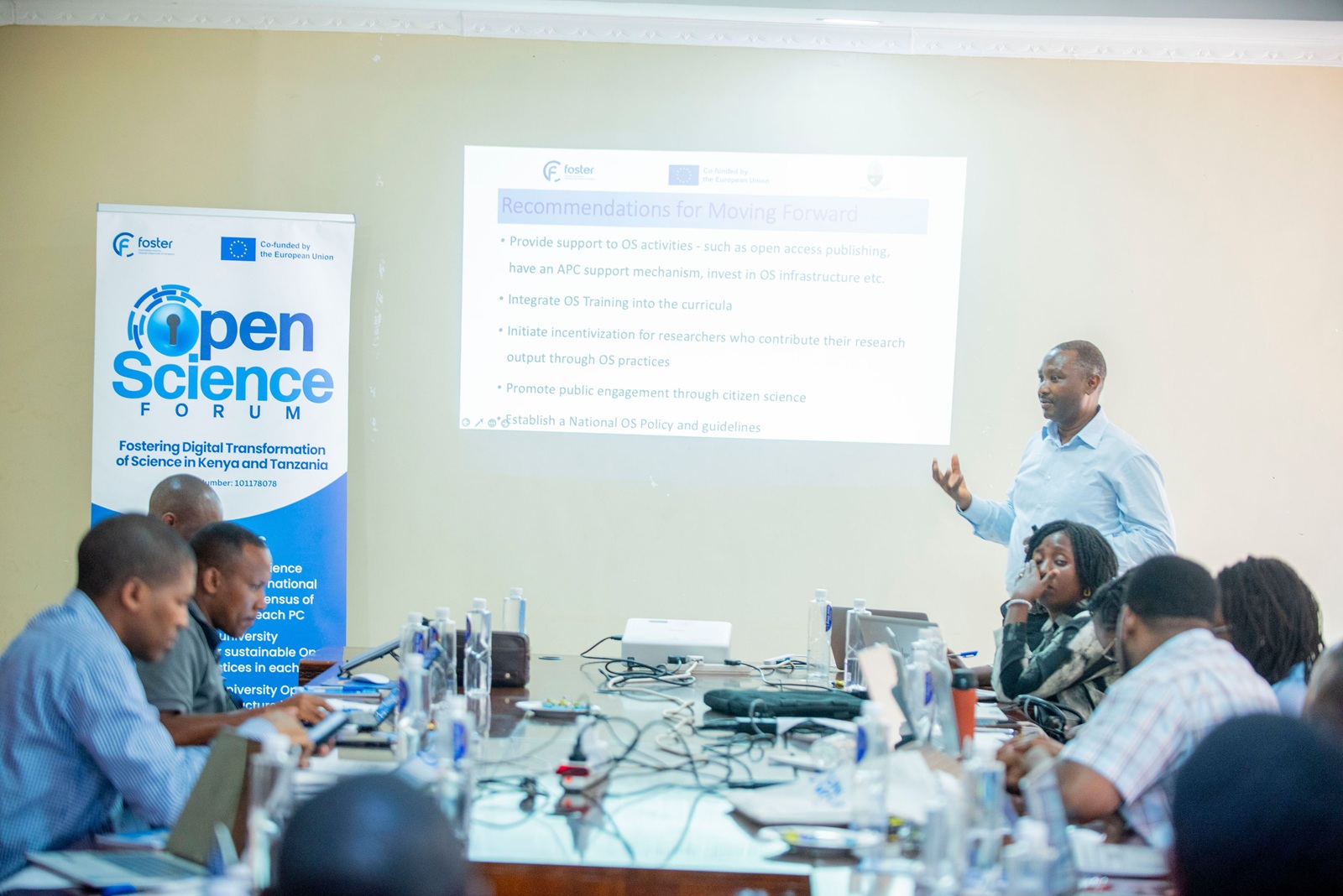
Presenting on Open Science, Dr. Paul Muneja challenged participants to look beyond open-access publishing and consider openness across the entire research lifecycle, from research questions, methods and data to analysis, code, peer review, publication, dissemination, reuse and collaboration.
“Open access is an important part of Open Science, but publishing an article openly does not, by itself, make the entire research process open,” he explained.
The session highlighted Open Science as a means of improving research transparency, collaboration, reproducibility, visibility, credibility and societal impact. Participants also discussed the principle of “as open as possible, as closed as necessary,” recognising that openness must respect confidentiality, research ethics, intellectual property and data protection.
For UDSM, the discussions underscored the need to strengthen policies on Open Science, research data, open access, copyright and licensing, alongside investment in institutional and data repositories and open journal systems.
At the national level, participants noted progress in Tanzania through institutional repositories, open-access publishing, open-data initiatives and capacity-building programmes, while identifying limited financing, misconceptions and policy gaps as continuing challenges.
The responsible use of AI in scientific publishing was further explored by Dr. Aaron Kondoro, who said generative AI can support research discovery, literature reviews, data analysis, writing, editing, reference management and journal selection.
However, he stressed that “AI should amplify human effort, not replace human judgement,” warning that AI can produce false information and fabricated citations and cannot independently verify its outputs.
The training highlighted UDSM’s February 2026 Guidelines on the Ethical Use of Artificial Intelligence, which require researchers to remain accountable for the originality, validity, accuracy and integrity of their work. The guidelines do not allow AI to be listed as an author or co-author and prohibit it from replacing essential scholarly responsibilities such as research design, analysis, interpretation and drawing conclusions.
Particular attention was given to confidentiality in peer review, with participants cautioned against uploading unpublished manuscripts or review reports into generative AI tools. The guidelines also require disclosure of AI use and stipulate that AI-generated content should not exceed 30 per cent.
Research Grant Coordinator Dr. Leonard Binamungu encouraged participants to translate the knowledge gained into responsible research and publication practices across their respective units.
The training reinforced a central message: as AI transforms research and Open Science expands access to knowledge, human judgement, integrity and accountability must remain at the centre of credible scholarship.