


Retirement Is Not the End: Why Preparing Early Can Make Life After Work Better
By Donald Boneka, CMU
For many employees, retirement can feel like a distant event—something to think about when the working years are almost over. But experts at the University of Dar es Salaam (UDSM) are encouraging staff to look at it differently: retirement is a stage of life that deserves preparation long before the final working day arrives.
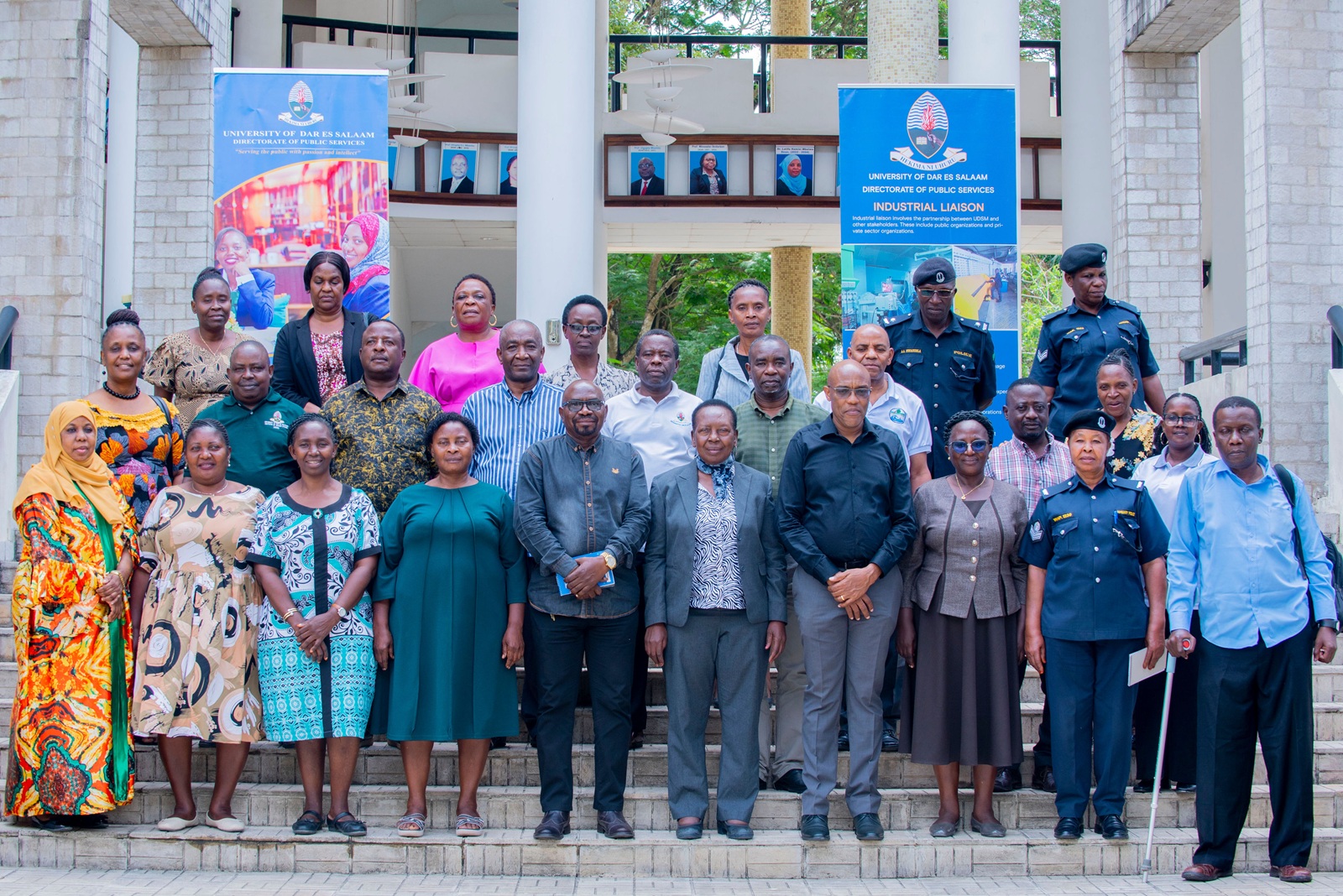
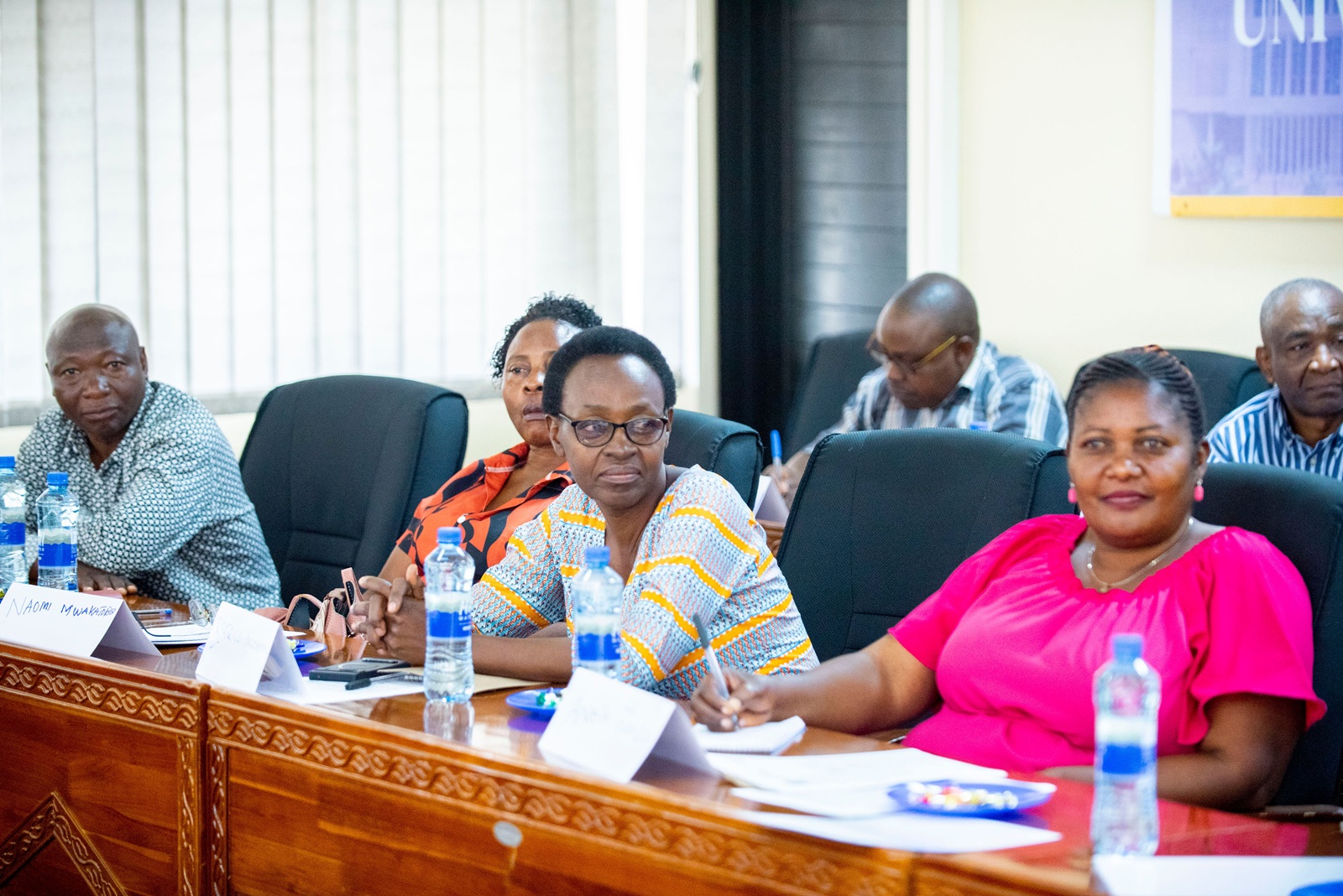
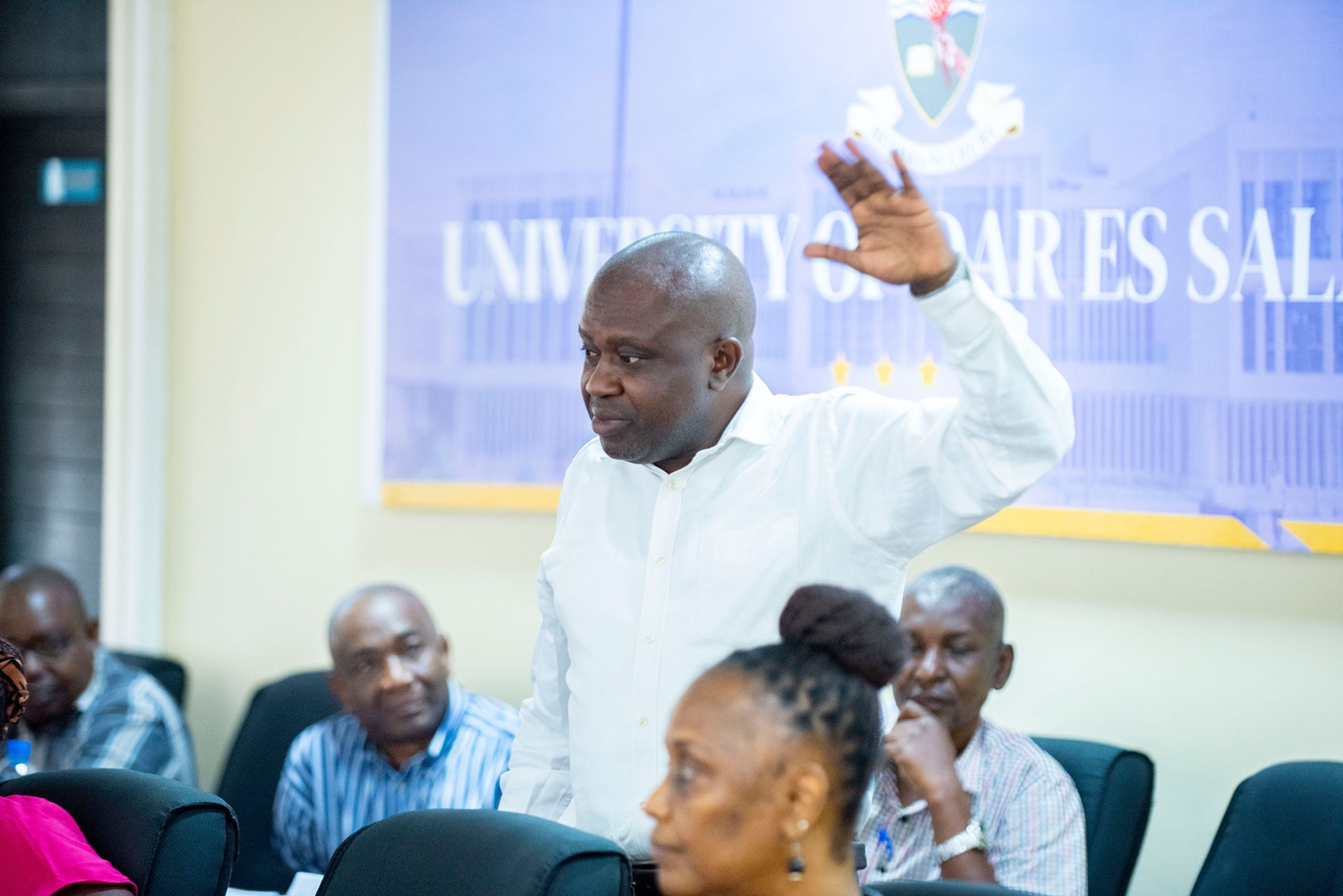
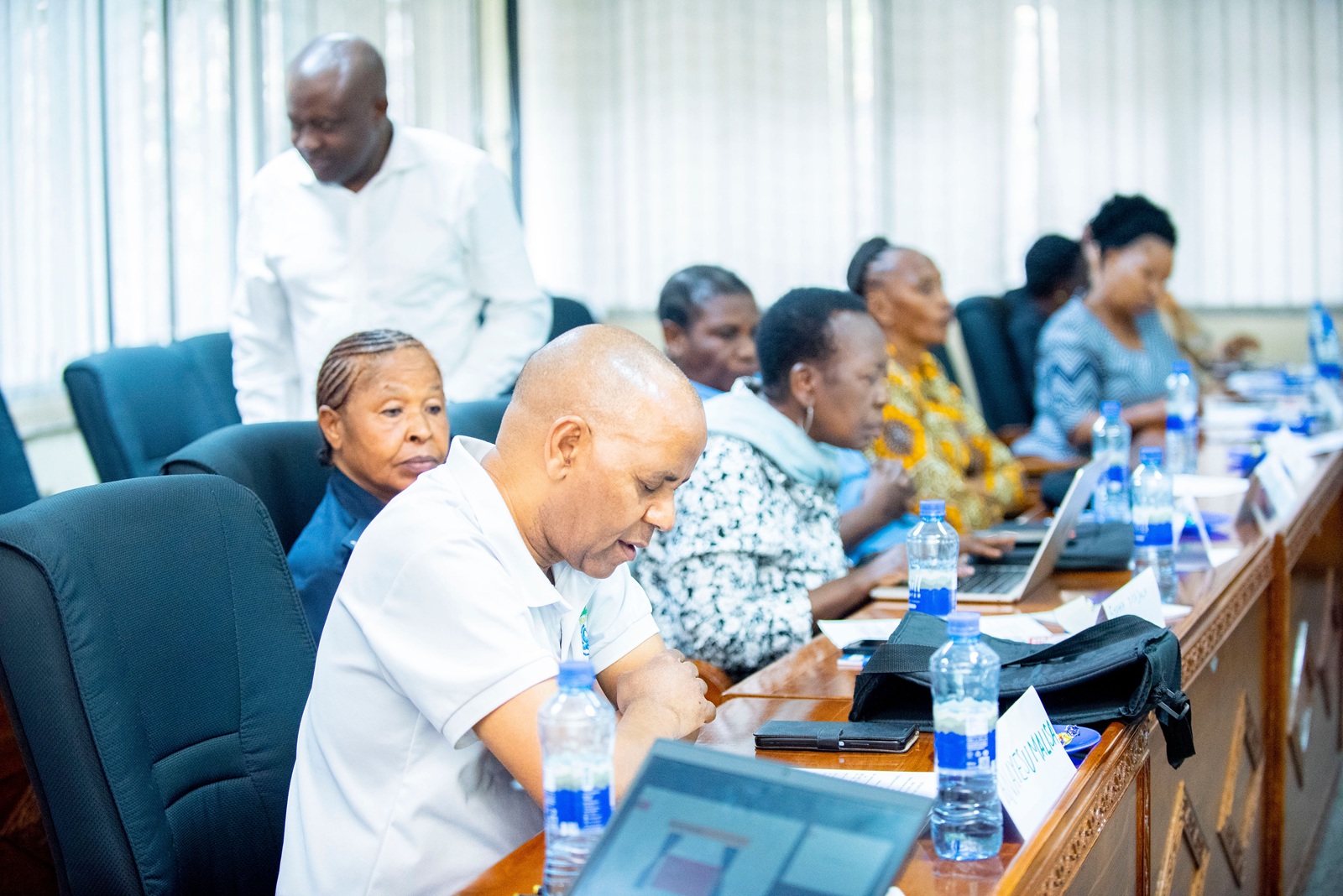
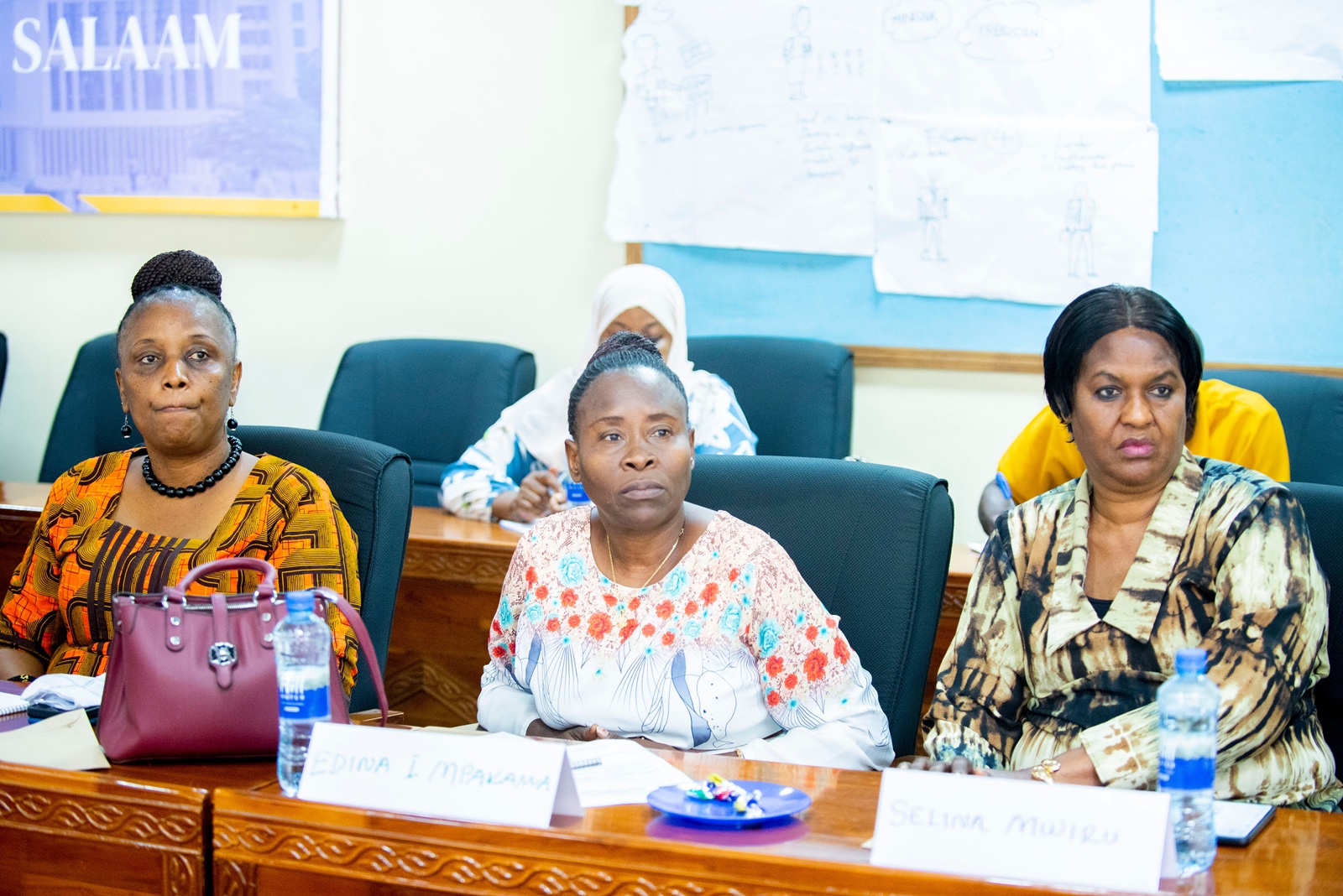
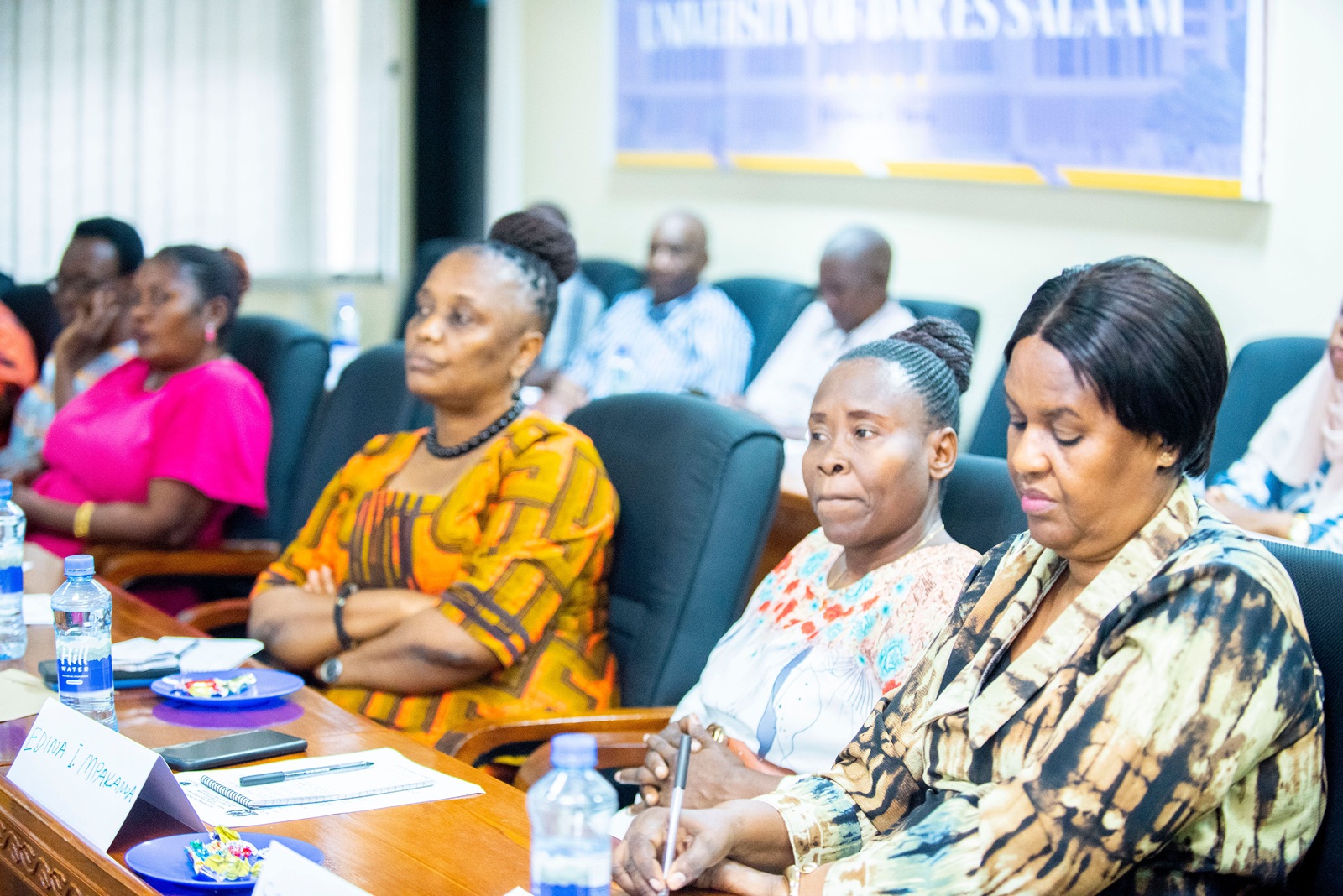
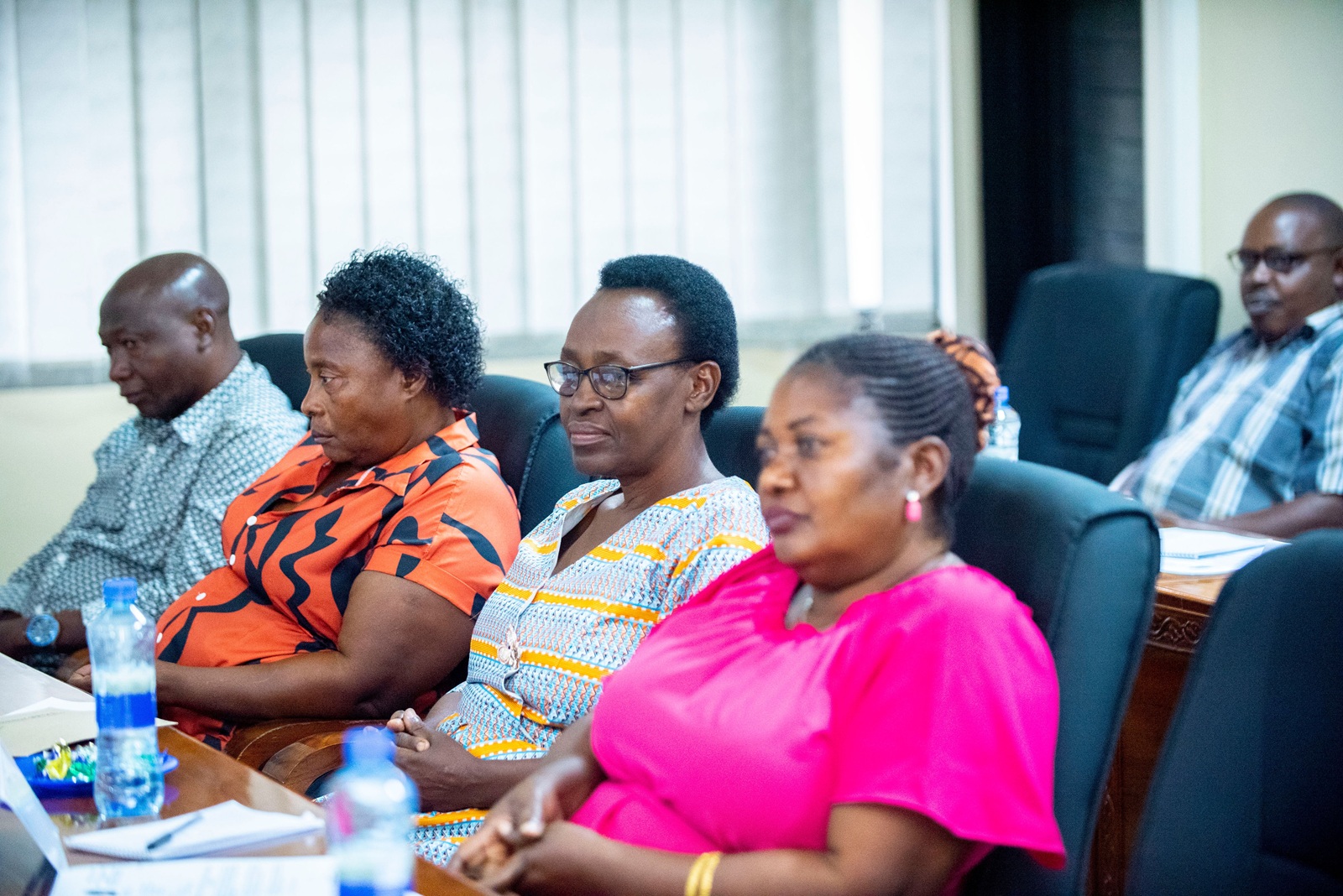
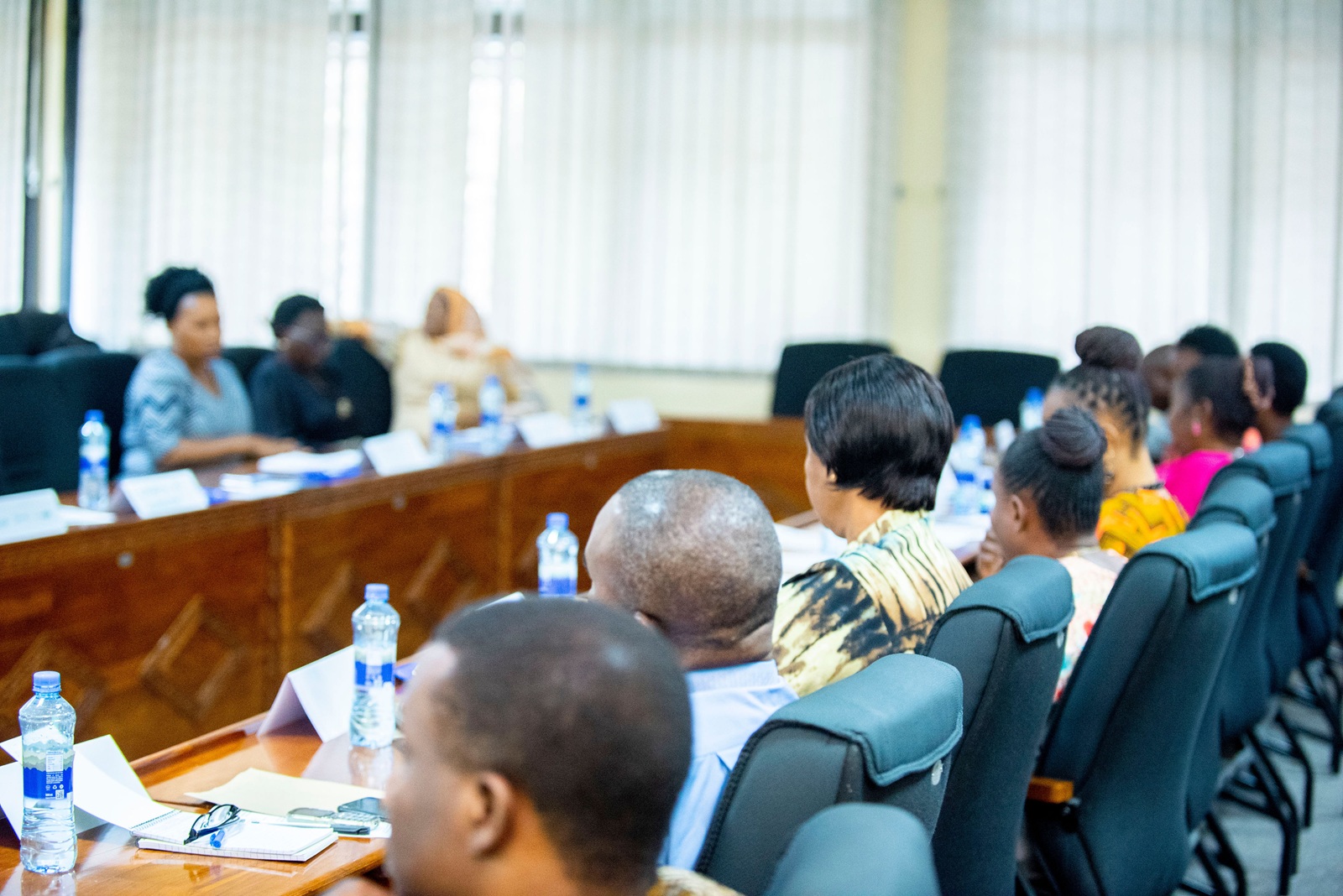
That was the central message during a two-day retirement planning training held from 10 to 11 September 2026 at CE Hall, University of Dar es Salaam Business School (UDBS), where 28 staff members explored how to prepare not only for retirement, but also for a meaningful and financially secure life afterwards.
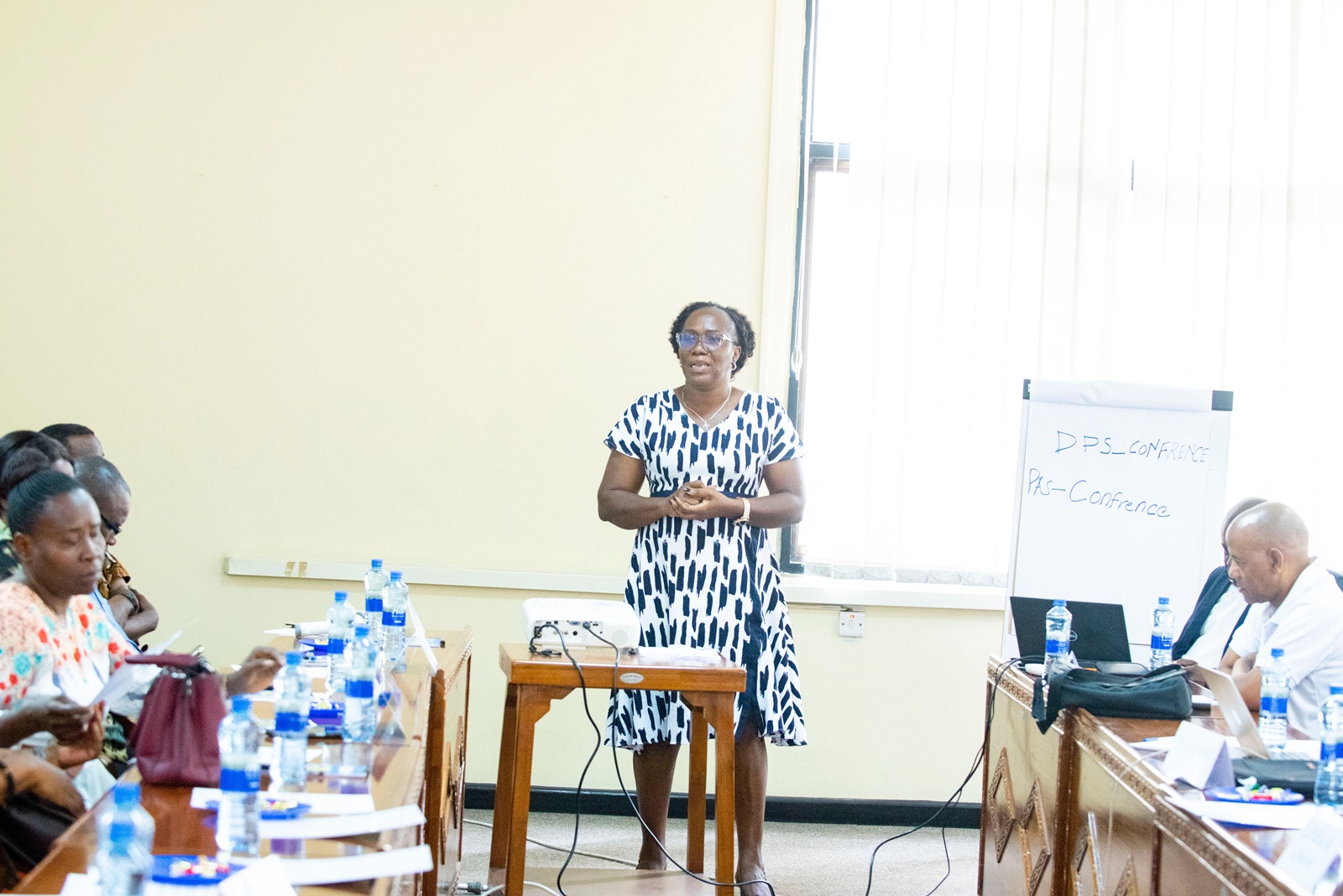
Opening the training, Ms. Levina Kisaka from the UDSM Directorate of Public Service urged staff to start planning early rather than waiting until retirement is close.
“Retirement planning should not begin when an employee is about to retire. It is important to prepare early so that when the time comes, one can transition smoothly and continue living a meaningful and productive life,” she said.
The message was simple but important: leaving formal employment does not have to mean leaving behind productivity, purpose or ambition.
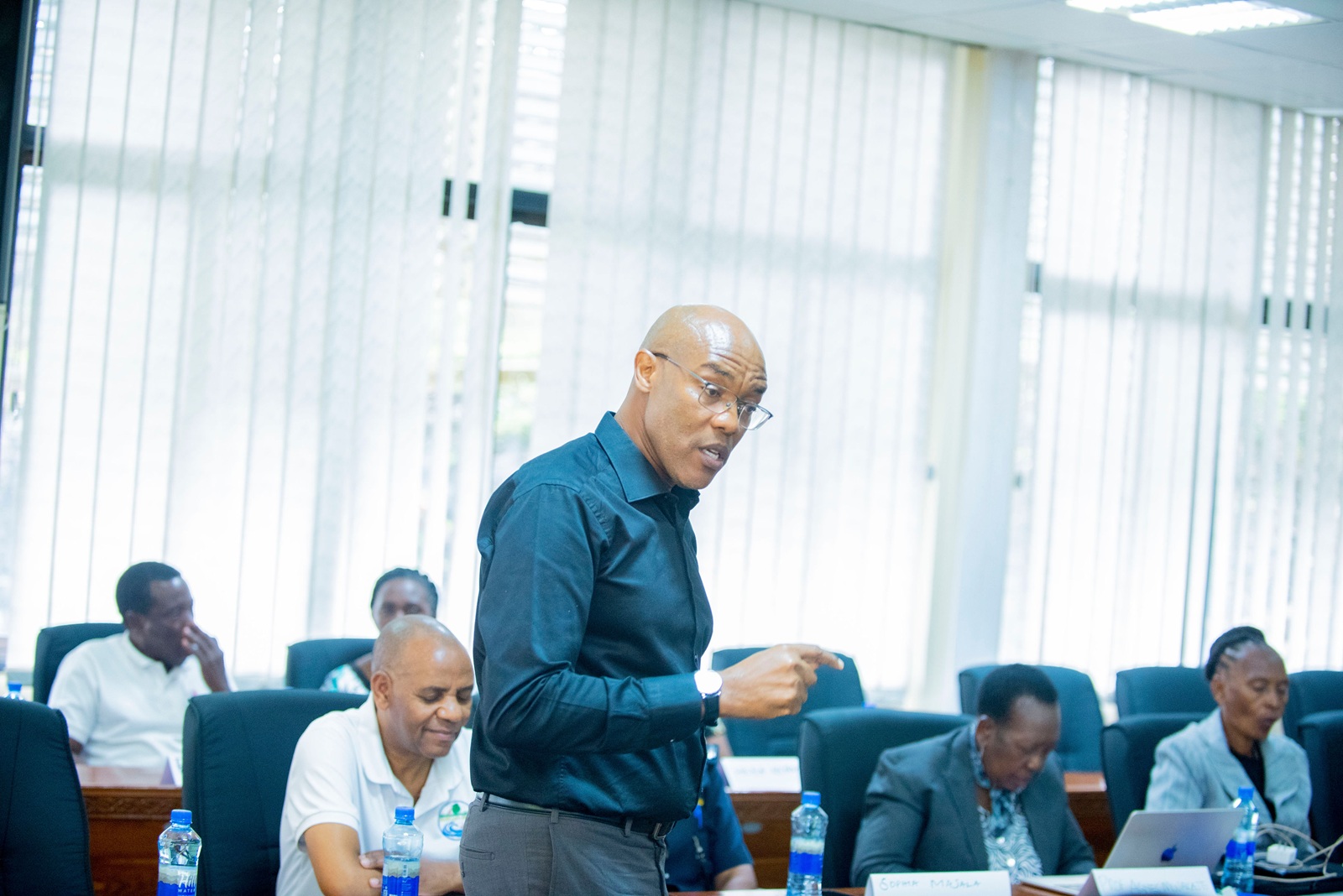
Dr. Patrokl Kanje of UDBS, who facilitated the first day of the training, challenged participants to rethink the common perception of retirement as the end of one’s productive life.
Instead, he described it as an opportunity to begin a different chapter—one that could include entrepreneurship, personal interests, social engagement and other activities that give life meaning.
“Retirement should not be viewed as the end of a productive life, but rather as the beginning of a new chapter with opportunities to pursue personal interests, entrepreneurship, social engagement and other meaningful activities,” said Dr. Kanje.
He stressed that successful retirement preparation goes beyond money. Physical well-being, financial readiness, social relationships and personal development all matter in determining how comfortably a person adapts to life after formal employment.
For the staff attending the training, the first day therefore became more than a classroom exercise. It provided space to reflect on their own expectations, concerns and possibilities for life beyond their current jobs.
The money question cannot be ignored
If retirement is a new chapter, however, the question of how to finance that chapter cannot be avoided.
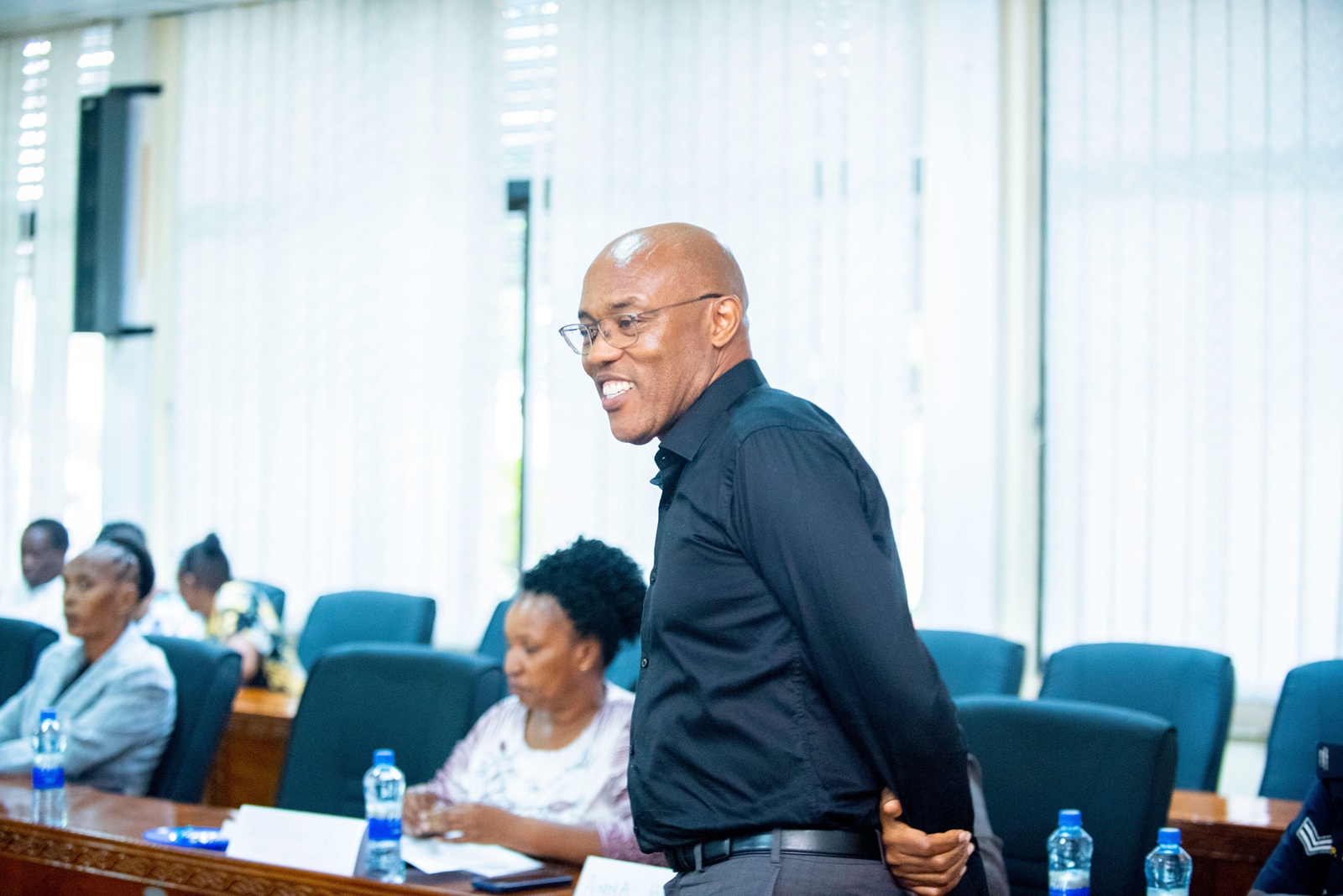
The second day of the training, facilitated by Professor Goodluck Charles Urassa of UDBS, turned the conversation towards financial security and sustainable livelihoods.
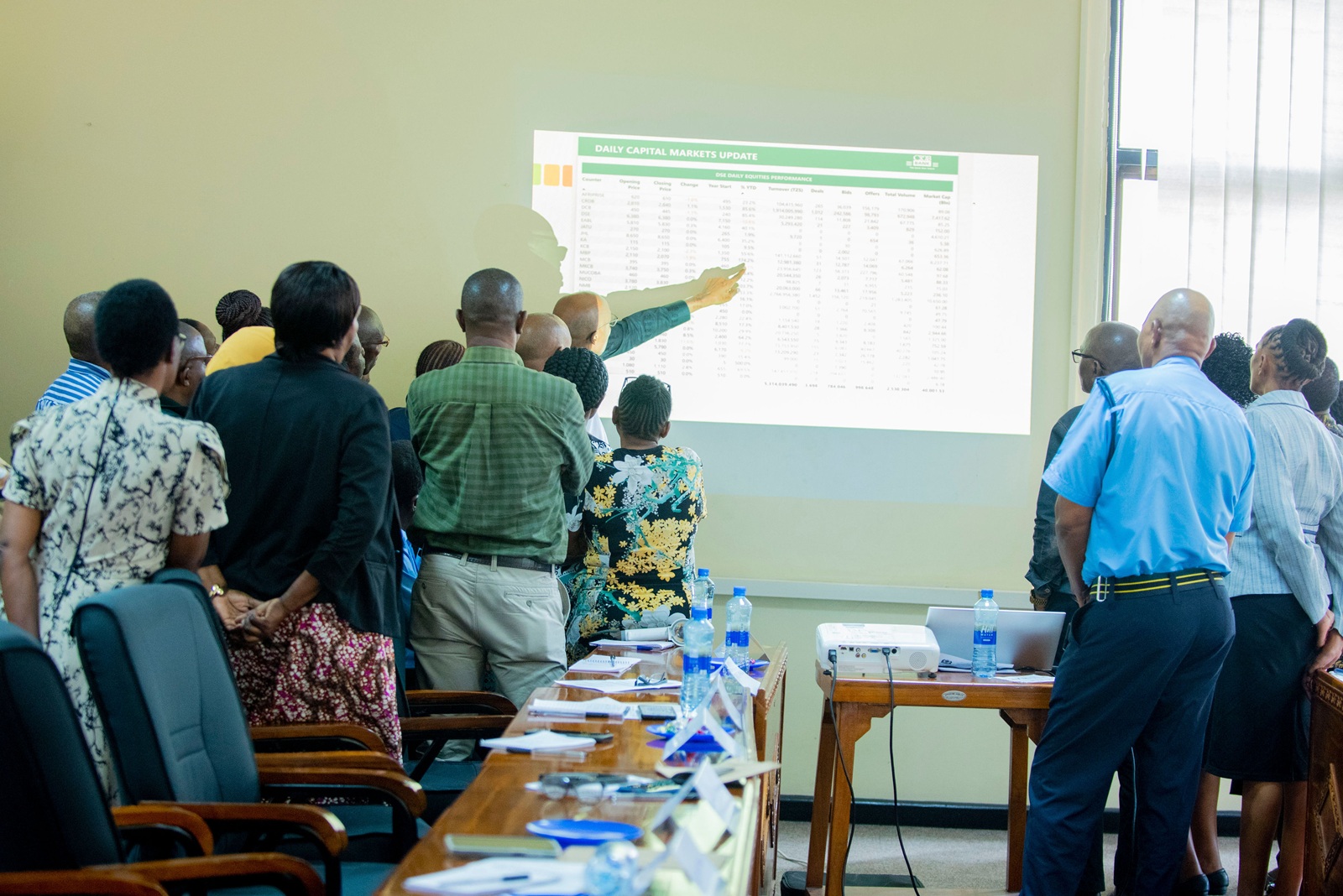
Staff explored investment opportunities available to retirees, the risks and returns associated with different investments, business and investment models, personal financial management and the preparation of individual retirement action plans.
Prof. Urassa emphasised that financial security after retirement does not happen by chance. It requires decisions made well before retirement.
“Financial security after retirement requires careful planning, informed investment decisions and effective management of available resources,” he said.
He encouraged participants to understand both the opportunities and risks involved in different investments and to consider business and investment models that can generate sustainable income while supporting long-term financial well-being.
The discussion also brought the issue closer to individual circumstances. Rather than viewing retirement planning as a one-size-fits-all exercise, participants were guided to consider their own resources, financial needs and long-term goals.
In this training, participants developed individual retirement action plans—turning what they had learned into practical steps they could begin taking now.
The broader message emerging from the two days was that a good retirement is not something that begins on the day employment ends. It is shaped by decisions made years earlier: how one manages money, maintains relationships, looks after personal well-being, develops new interests and prepares for a different rhythm of life.
For UDSM staff, the training offered a timely reminder that the end of formal employment does not have to mean the end of contribution or fulfilment. Retirement may close one chapter of working life. With the right preparation, it can also open another.