

From Training to Saving Lives: UDSM–JKCI Build Critical Care Nursing Capacity Across East and Southern Africa
By Donald Boneka, CMU
When a patient arrives in critical condition, every decision matters—and behind many of those decisions are nurses whose specialised knowledge and skills can make a crucial difference.
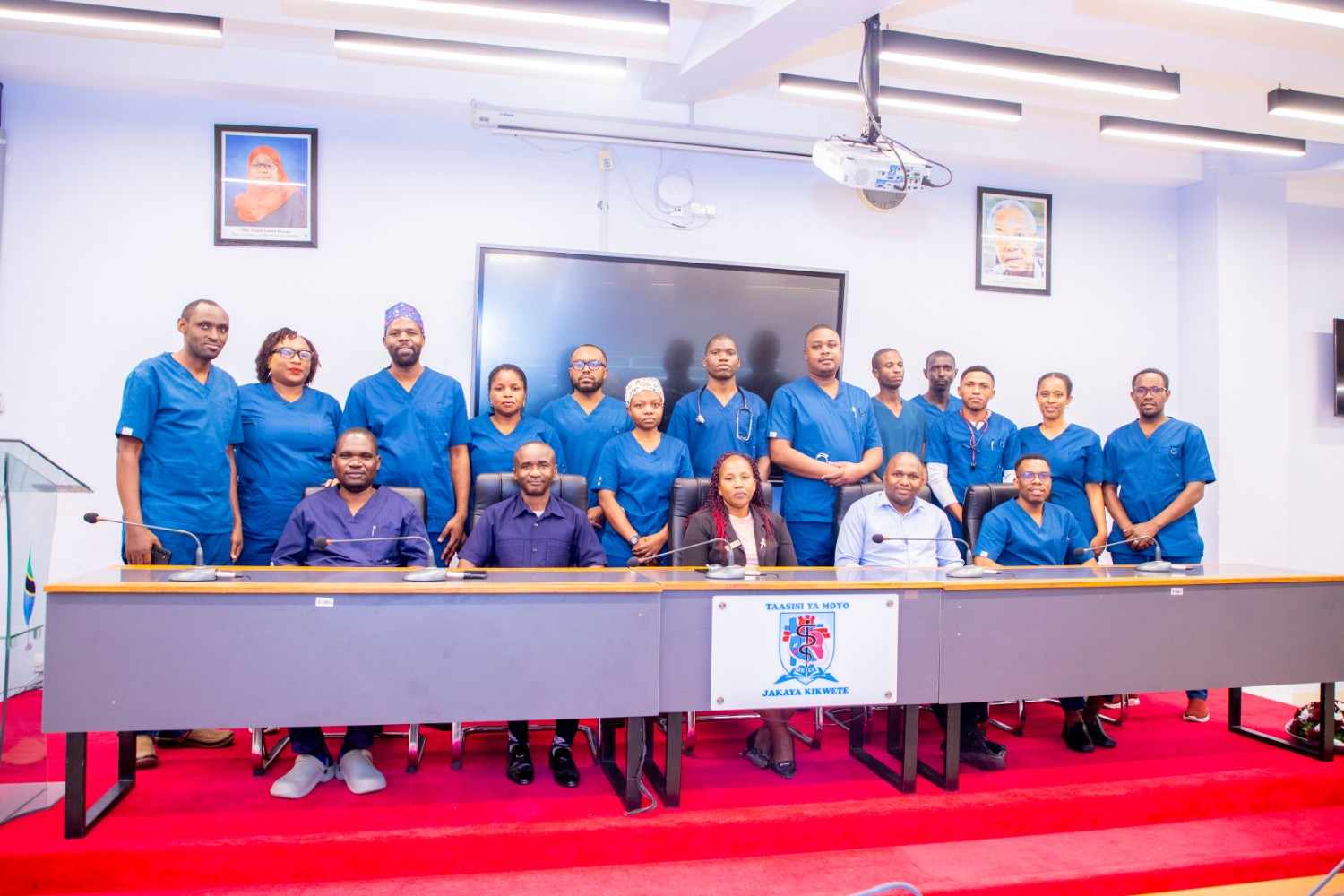
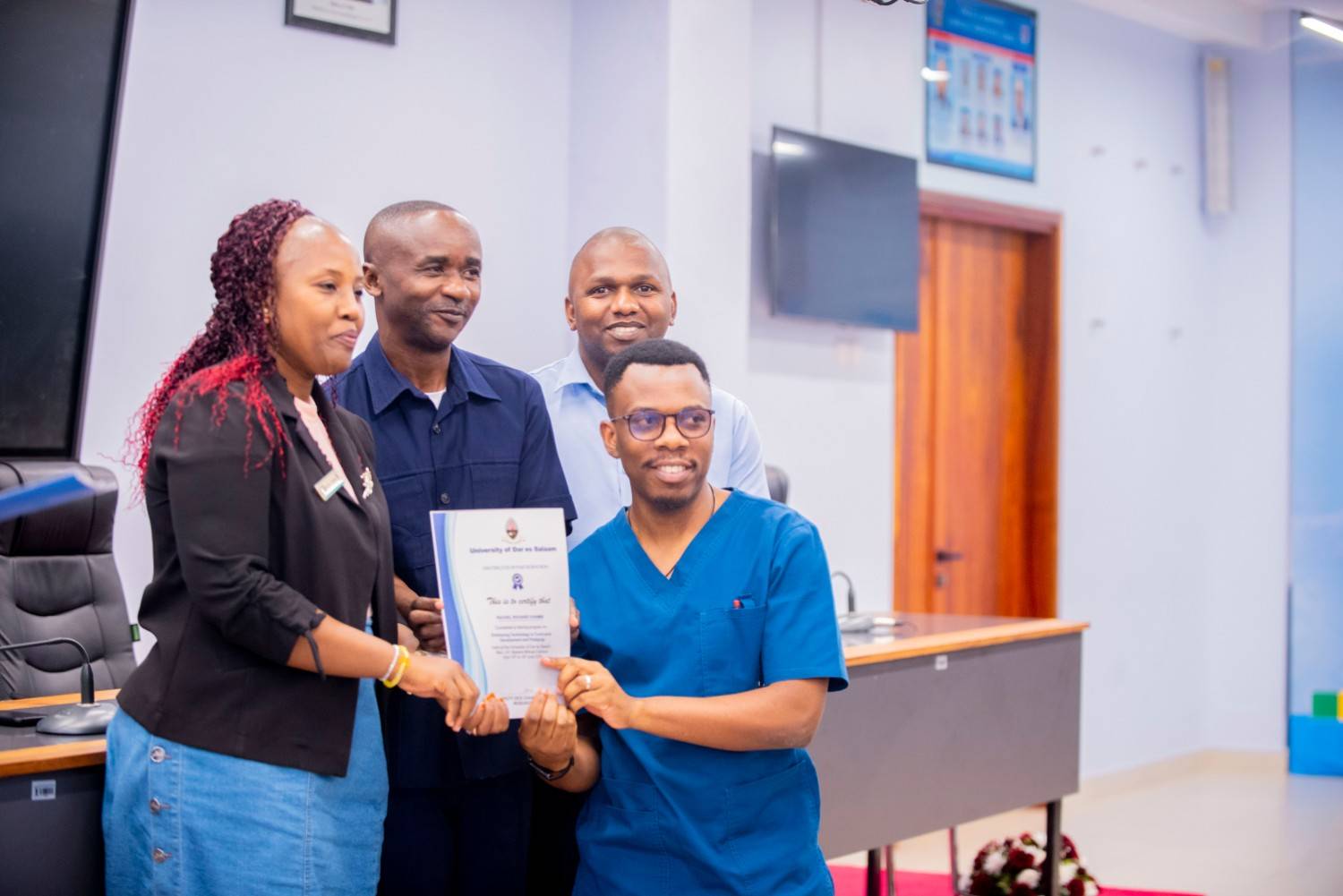
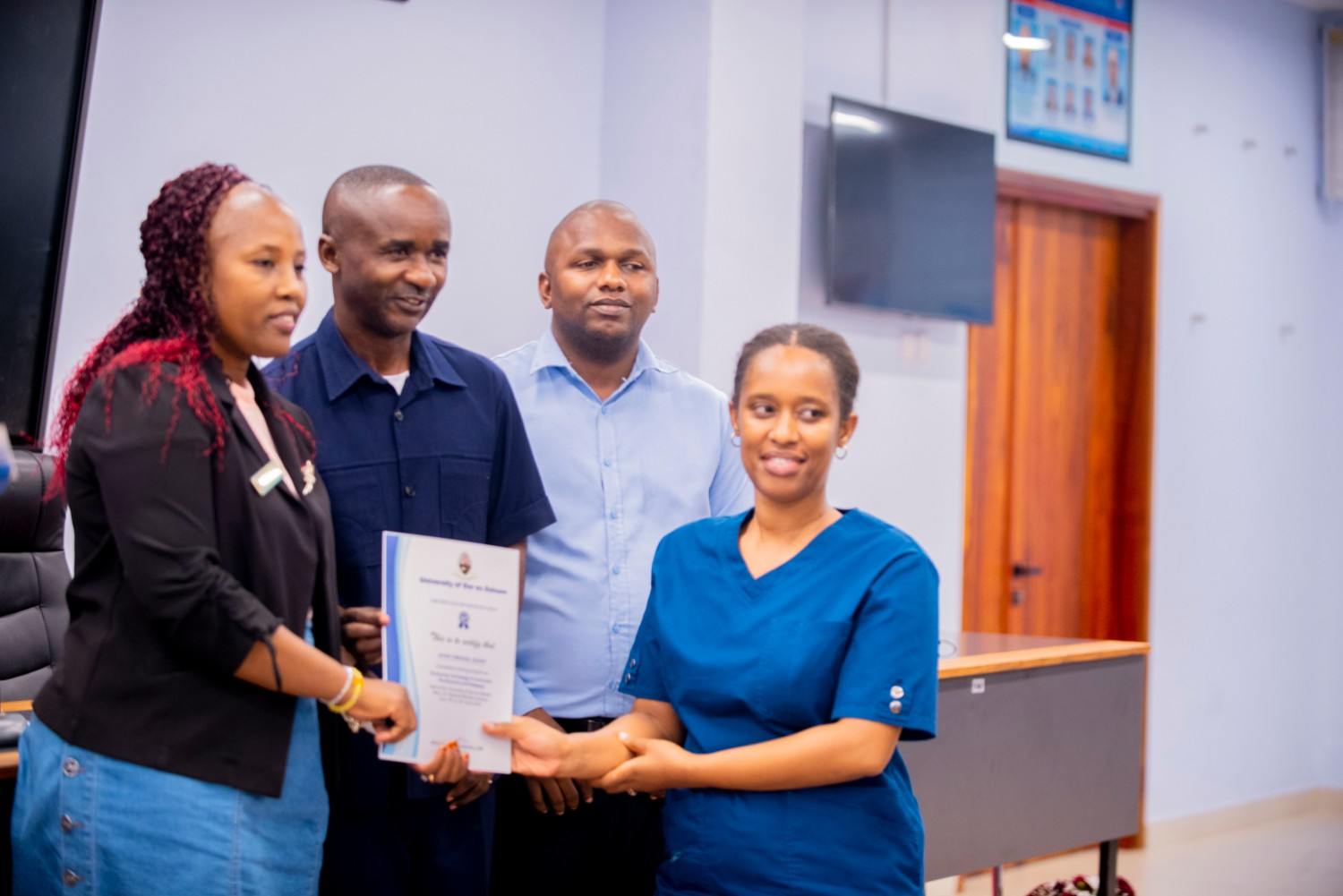
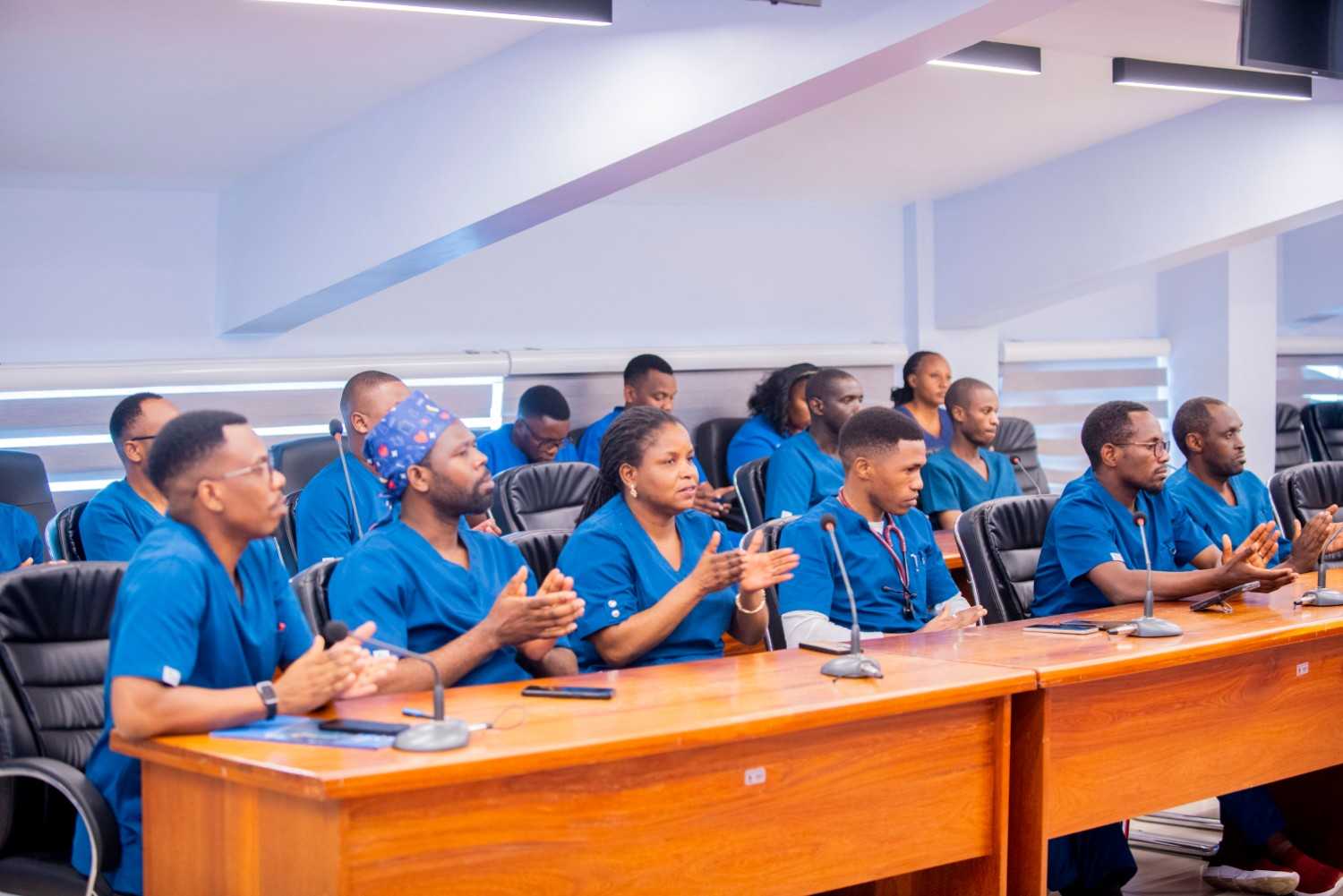
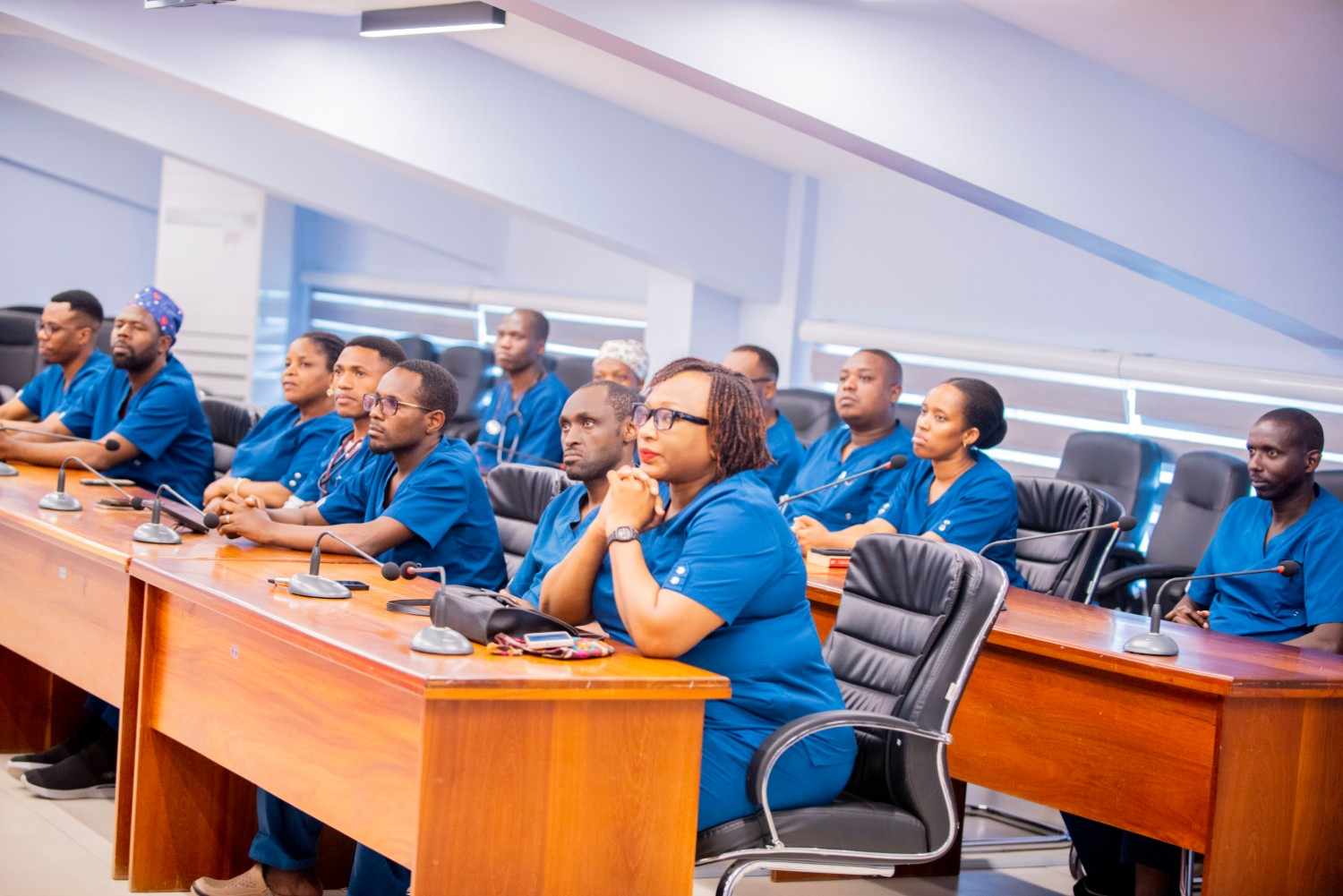
It is against this backdrop that the University of Dar es Salaam (UDSM), in collaboration with the Jakaya Kikwete Cardiac Institute (JKCI), is strengthening the critical care nursing workforce, with 15 nurses from Tanzania, Rwanda and Zambia completing a six-month Competency-Based Training in Critical Care for Nurses.
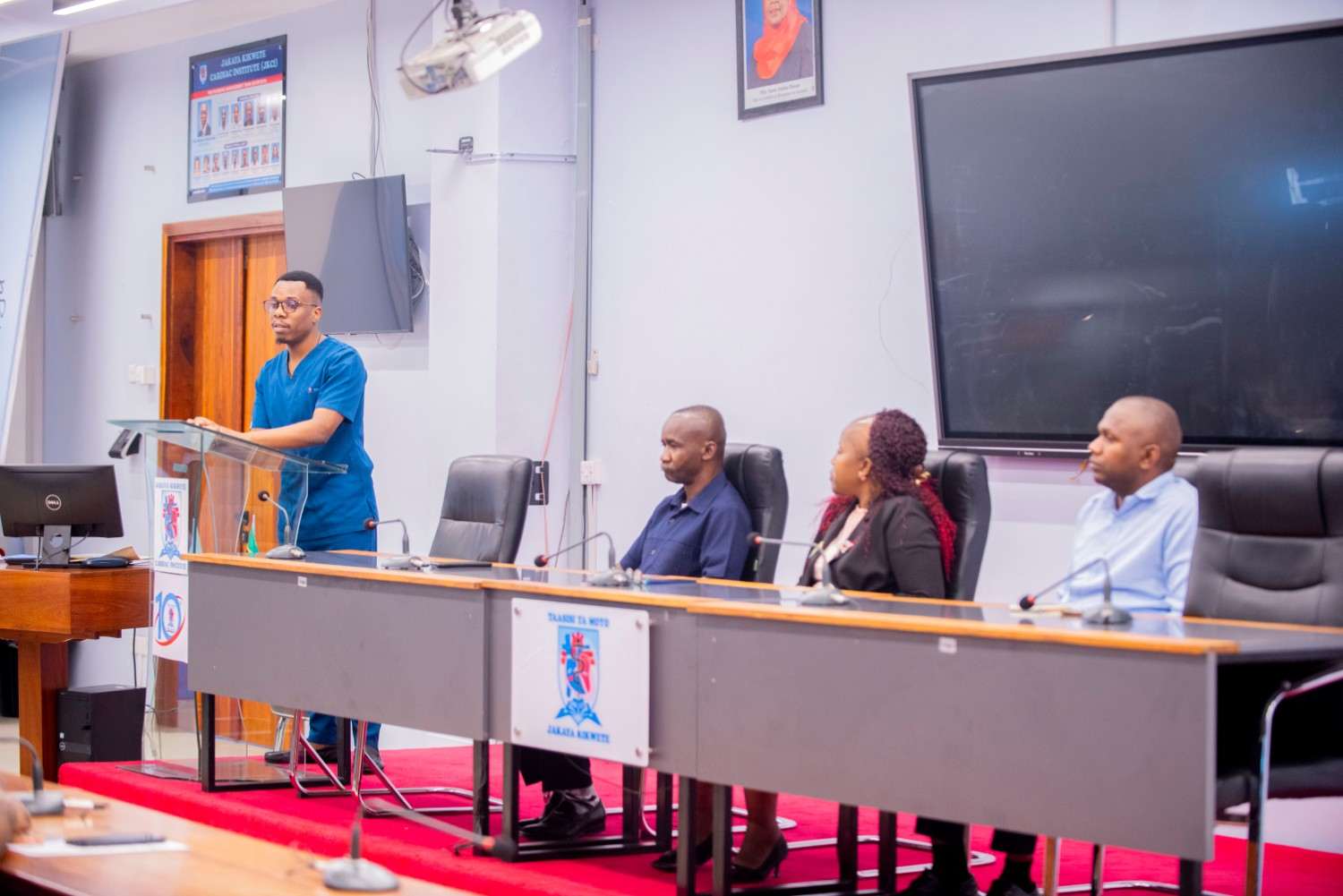
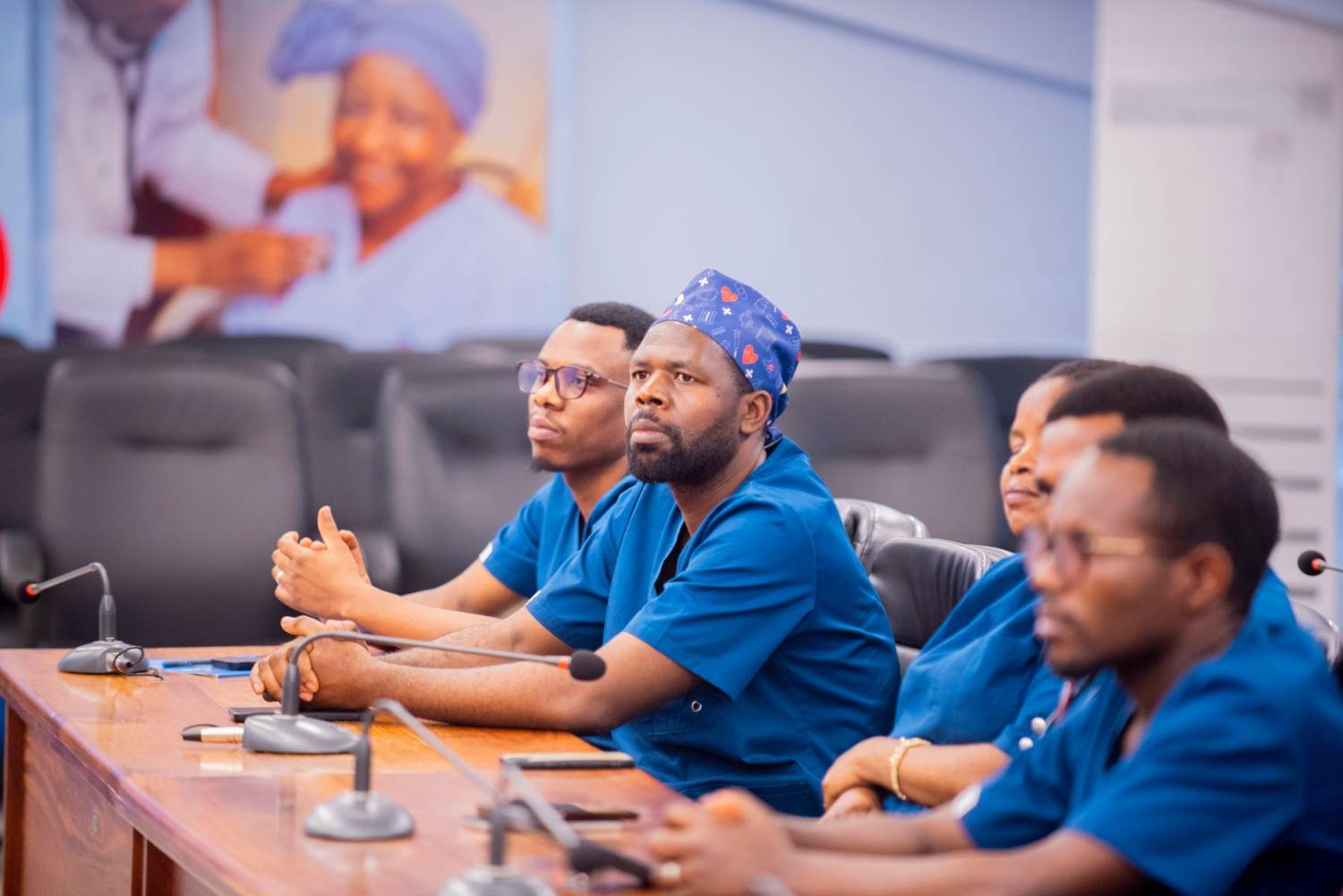
The graduation ceremony, held at JKCI in Dar es Salaam, marked the completion of the programme’s seventh cohort, which began training in March 2026.
More than a graduation milestone, the programme represents an investment in professionals who work at the frontline of caring for some of the most vulnerable patients, particularly those requiring specialised cardiac and critical care.
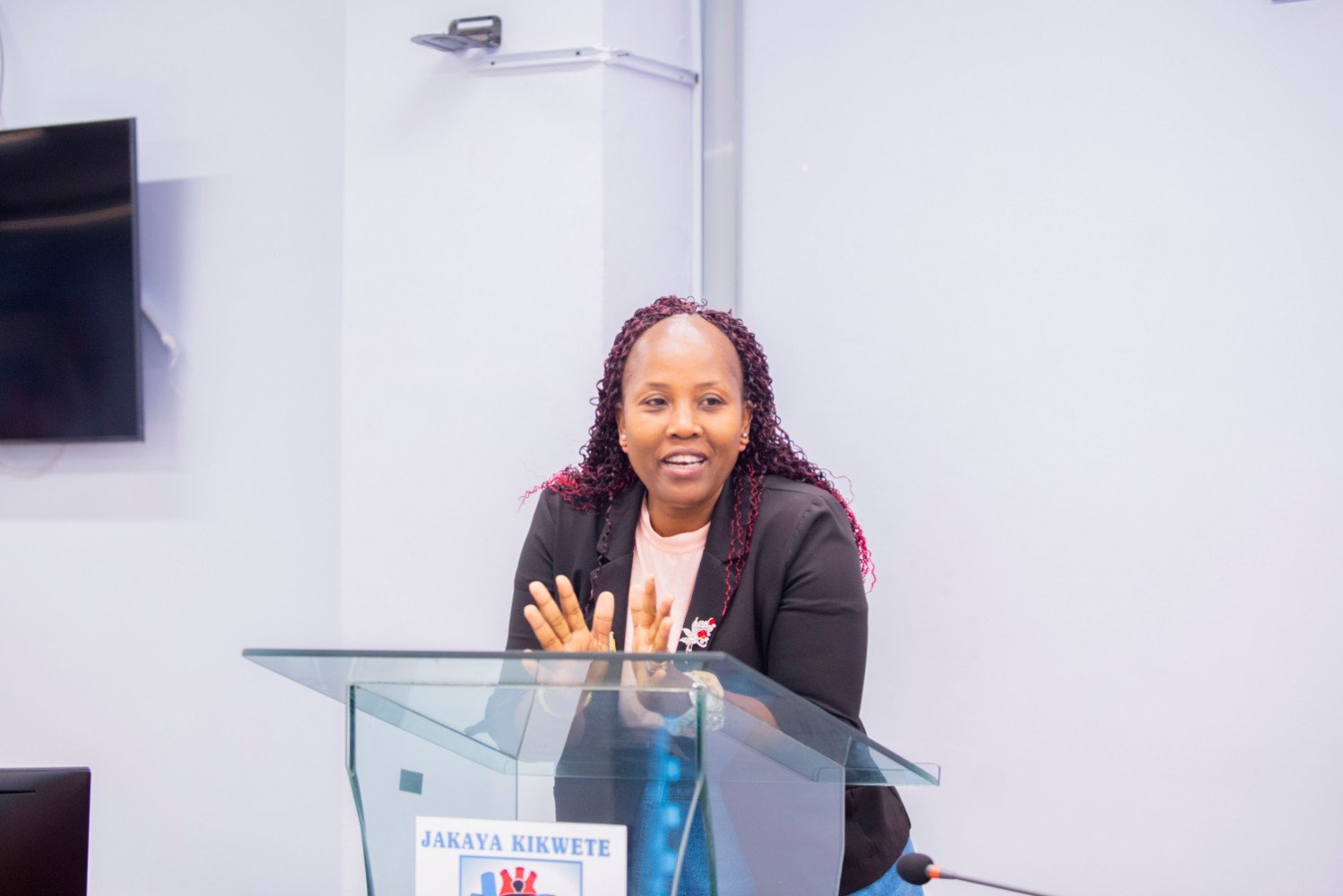
Speaking at the ceremony, JKCI Deputy Director Dr. Angela Muhozya challenged the graduates to ensure that the knowledge and competencies they had acquired translate into better care for patients in their respective workplaces.
“Today marks not only the completion of your training, but the beginning of a greater responsibility. You have gained specialised knowledge and skills that can make a real difference in critical care. Take these skills back to your workplaces, put them into practice, and above all, use them to serve, protect and save lives,” said Dr. Muhozya.
She said the true measure of specialised training lies in its application in clinical settings, where healthcare professionals must respond effectively to complex and often rapidly changing conditions.
The six-month competency-based programme combined specialised knowledge with practical skills designed to prepare nurses to manage critically ill patients and respond appropriately to complex clinical situations.
For the graduates, the completion of the programme marks a transition from intensive training to applying those competencies in real healthcare environments—where timely assessment, sound clinical judgement and appropriate intervention can have a direct bearing on patient care.
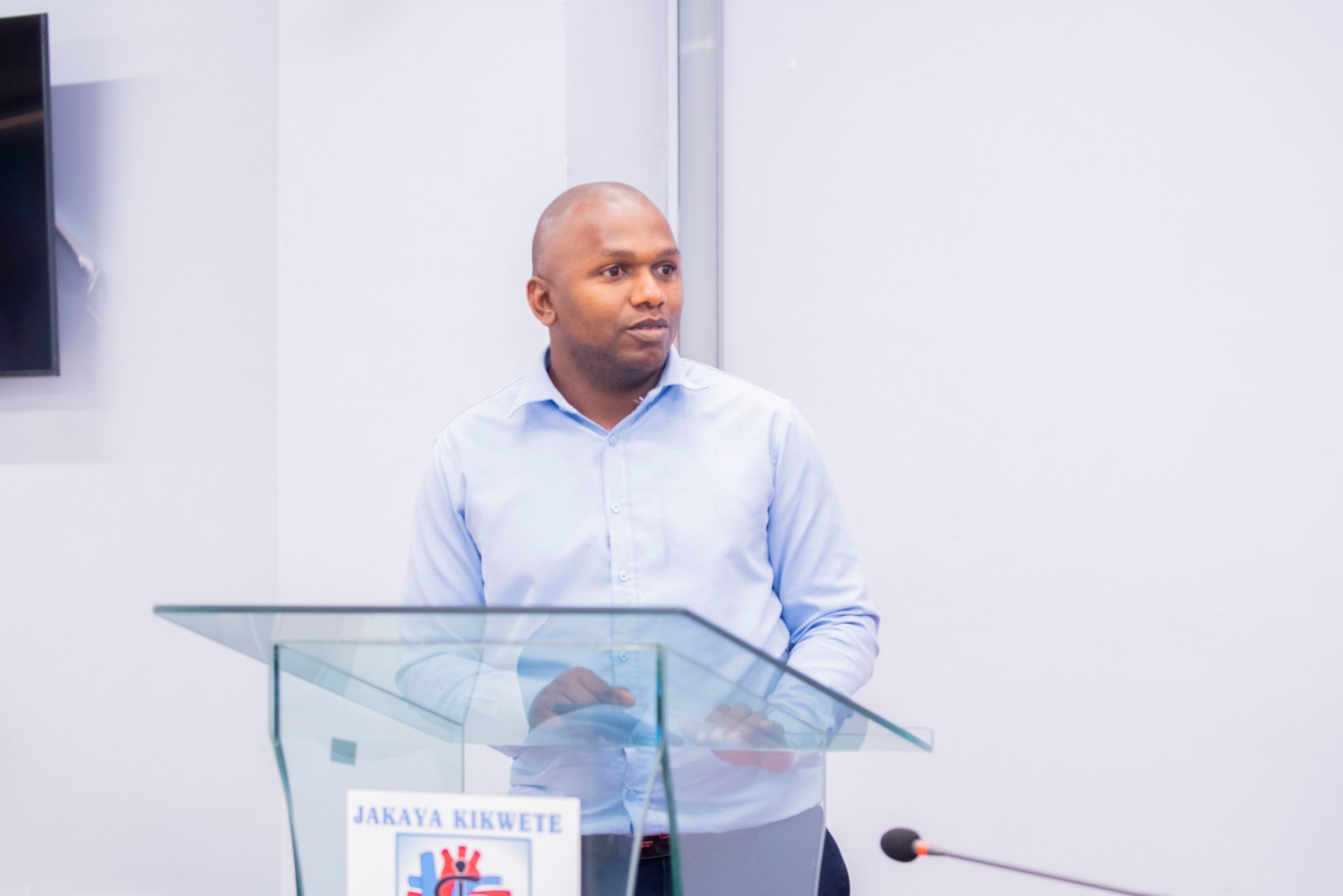
Representing UDSM Director of Public Services, Mr. Zawadi George, urged the graduates to regard the qualification not as the end of their learning journey, but as a foundation for continued professional development and service.
“Your graduation is a reflection of your commitment to learning and professional growth, but it also comes with a responsibility to the communities you serve,” said Mr. George.
He encouraged the graduates to share their knowledge with colleagues and use their new competencies to contribute to improved healthcare services and outcomes.
Training that crosses borders
The participation of nurses from Tanzania, Rwanda and Zambia adds a regional dimension to the programme, demonstrating how specialised professional training can create opportunities for knowledge exchange beyond national borders.
Critical care presents challenges that are not confined to one country. Building a workforce capable of responding to complex medical conditions therefore requires sustained investment in specialised skills, professional development and collaboration among health and academic institutions.
The UDSM–JKCI partnership brings together the University’s academic and postgraduate training expertise with JKCI’s clinical environment, allowing professionals to develop competencies that can be applied directly in patient care.
The collaboration also illustrates the broader role of universities in addressing practical challenges beyond the classroom. By working with specialised clinical institutions, higher education can help bridge the gap between knowledge, professional skills and the needs of patients and communities.
As health systems across Tanzania and the region continue to confront increasingly complex healthcare needs, the demand for highly trained critical care professionals remains significant.
For the 15 graduates, however, the achievement carries a more immediate meaning. They now return to their workplaces with new skills and a renewed responsibility—to turn what they have learned into better care for the patients who depend on them when they are at their most vulnerable.