

African Universities Share Lessons on Graduate Teaching as AAP Meeting Opens at UDSM
By Tereza Peter, CMU
What does it take to prepare the next generation of university teachers—and, ultimately, improve the learning experience of students across Africa?
That question was at the centre of discussions at the University of Dar es Salaam (UDSM) on Wednesday as lecturers and academic leaders from across Africa came together to share experiences on graduate teaching assistantship, inclusion and strategic partnerships.
The discussions formed part of the first day of the 2026 Annual Meeting of the Alliance for African Partnership (AAP), on 17 September, 2026 held under the theme “Reimagining Higher Education for Africa’s Future: Leadership, Innovation, and Global Partnerships.”
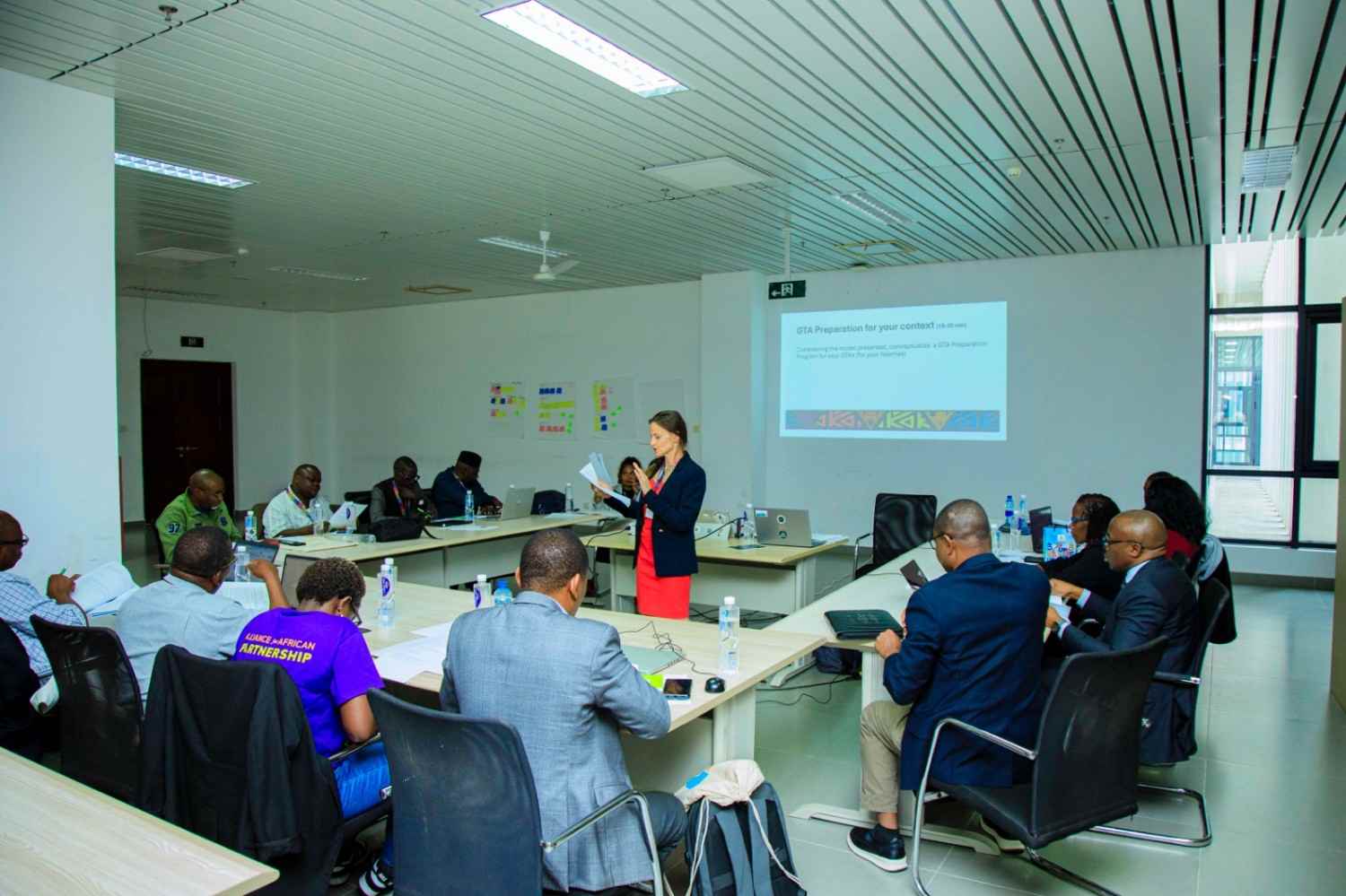
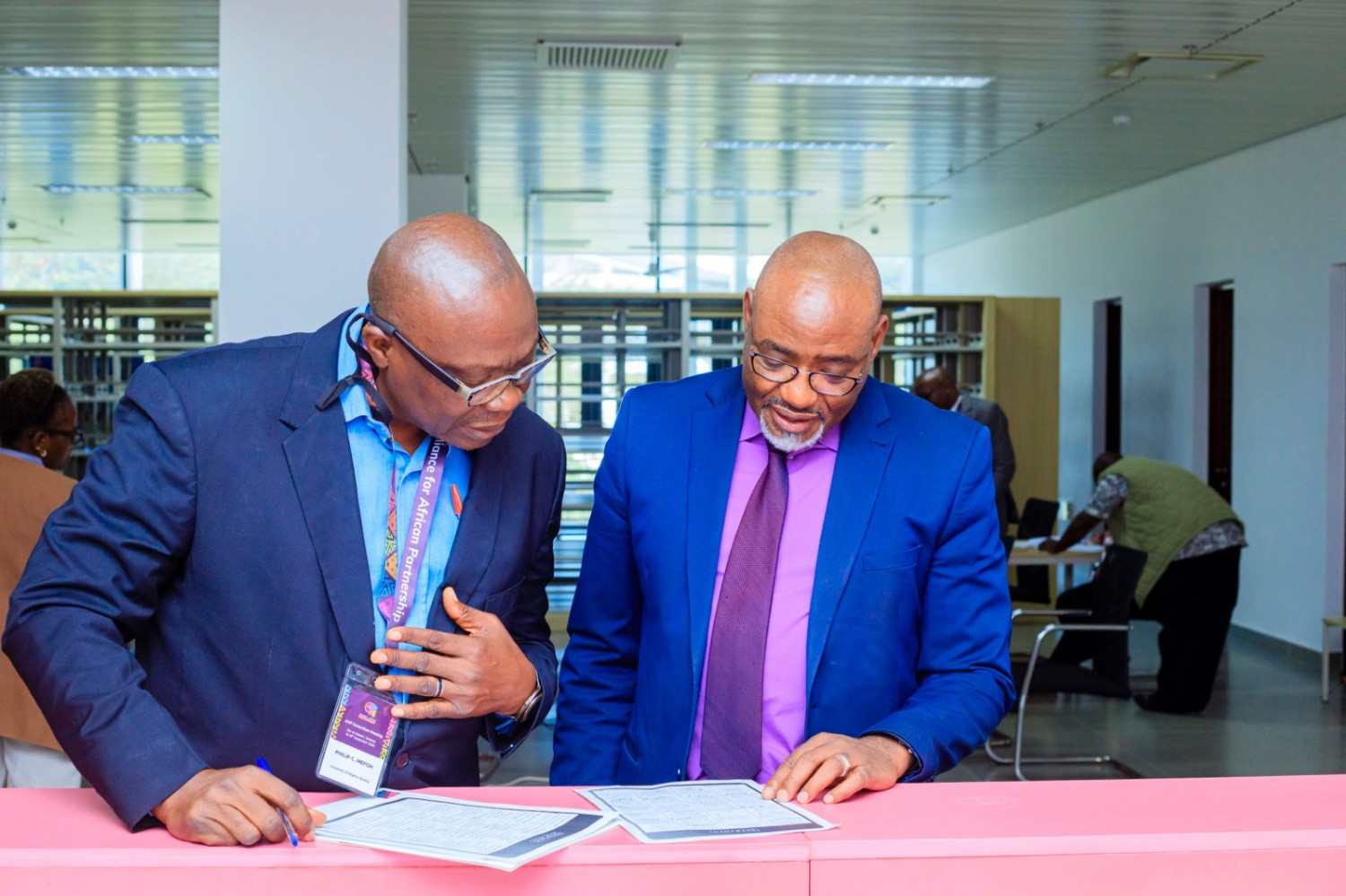
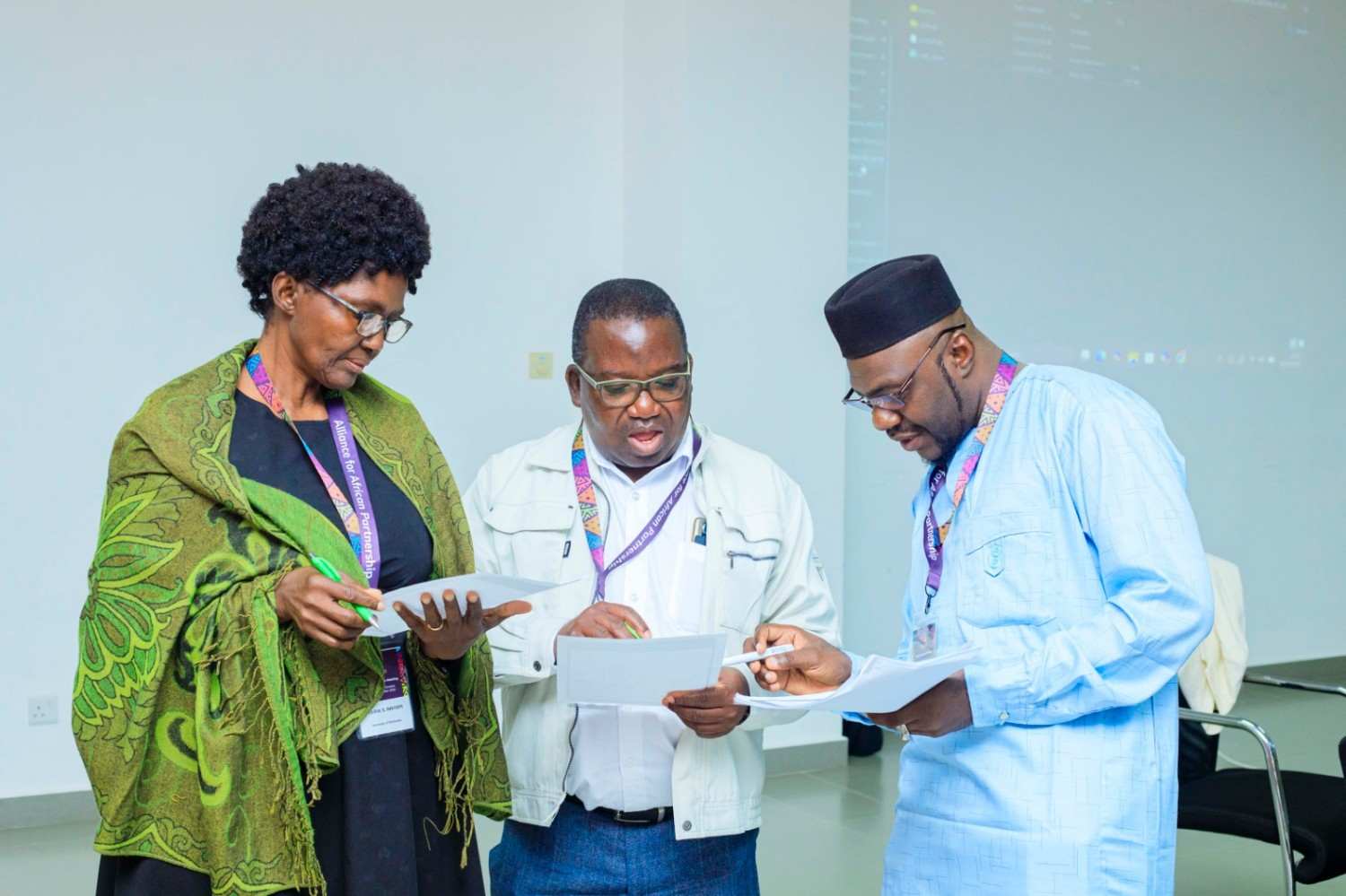
Rather than focusing only on institutional policies, participants compared experiences from their universities, examining how graduate teaching assistants are recruited, trained and supported, as well as the roles they play in teaching, student engagement and other academic activities.
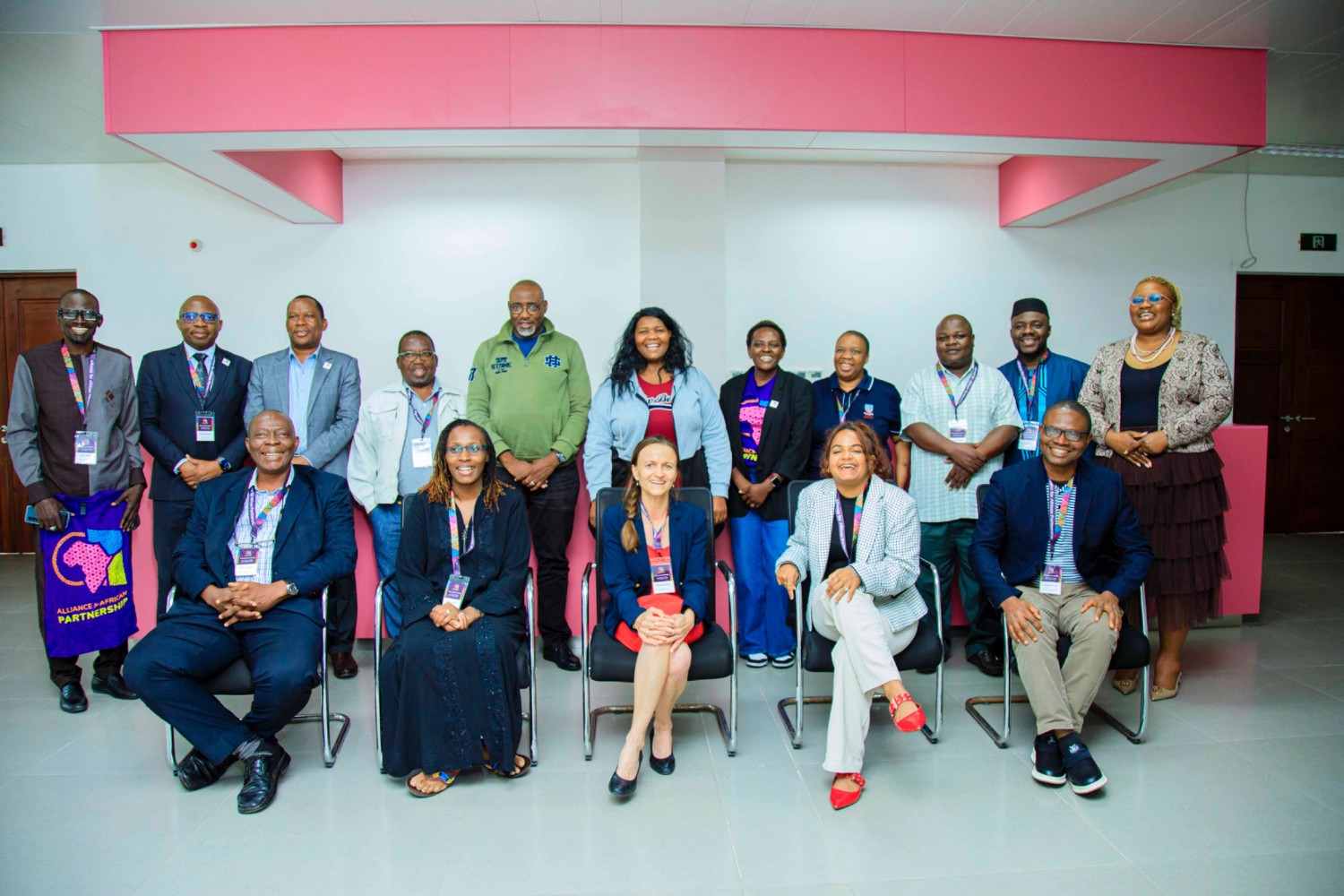
Representatives from Botswana, Zambia, Kenya, South Africa and Tanzania took part in the Graduate Teaching Assistantship Training of Trainers Workshop.
The training created an opportunity for participants to see how different institutions approach a common challenge: preparing graduate students to contribute effectively to university teaching while developing their own academic careers.
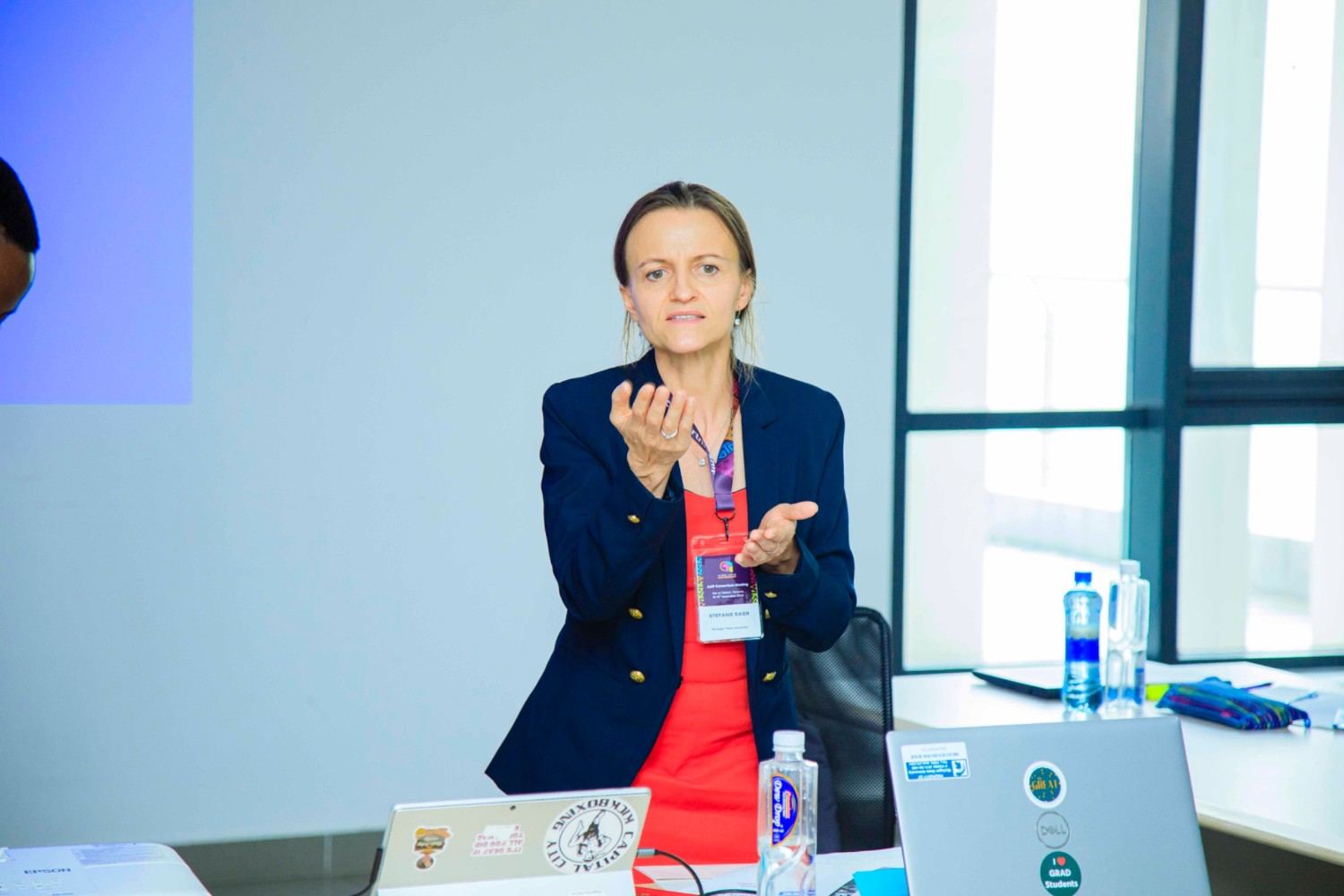
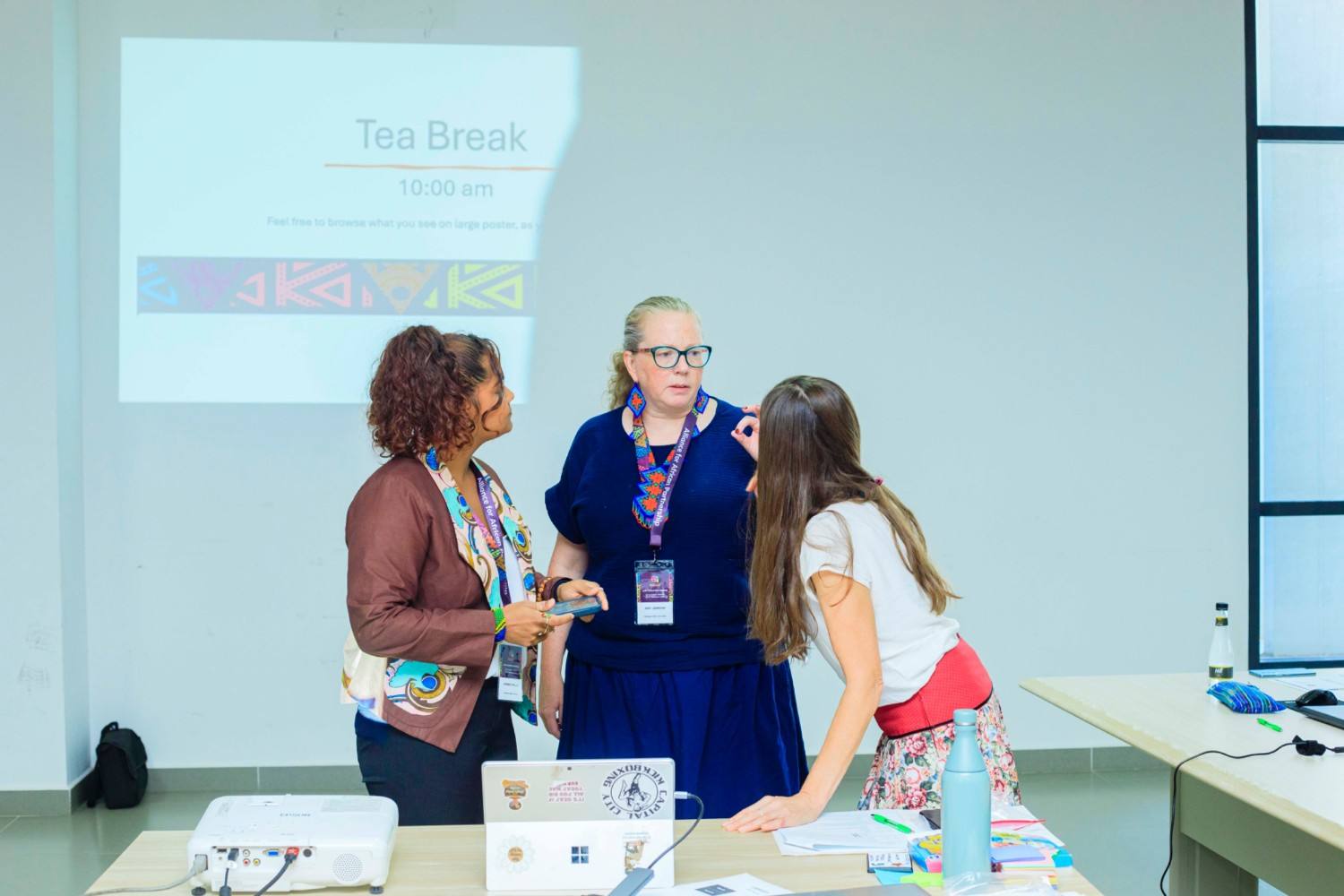
The workshop, held at the UDSM Library was facilitated by Stefanie Baier, Curriculum Development Specialist at the School for Graduate Studies, Michigan State University (MSU), together with Amy Jamison and Jose Jackson-Mateo, Co-Directors of the Alliance for African Partnership.
Baier shared the MSU experience, highlighting how graduate teaching assistants contribute to teaching and learning while gaining practical academic experience. Her presentation prompted comparisons with practices in African universities and discussions on what can be adapted to different institutional contexts.
For participants, the value of the exchange lay not only in learning how other universities operate, but also in reflecting on what could be improved within their own institutions.
The discussions highlighted the importance of clearly defining the responsibilities of graduate teaching assistants and providing them with appropriate preparation, mentorship and institutional support.
Such measures, participants noted, can help graduate teaching assistants become more effective in the classroom while strengthening the pipeline of future university educators.
From classrooms to partnerships
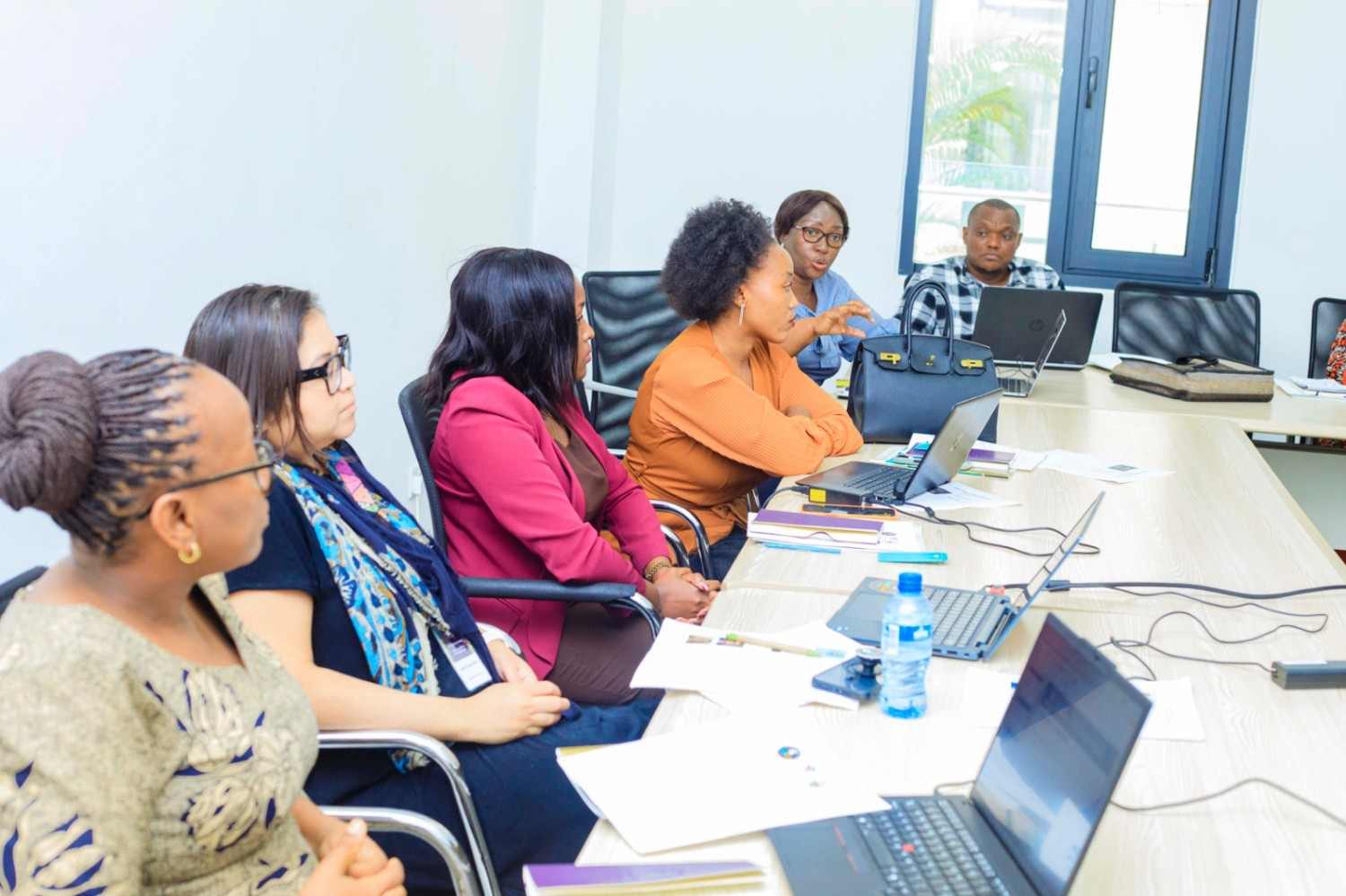
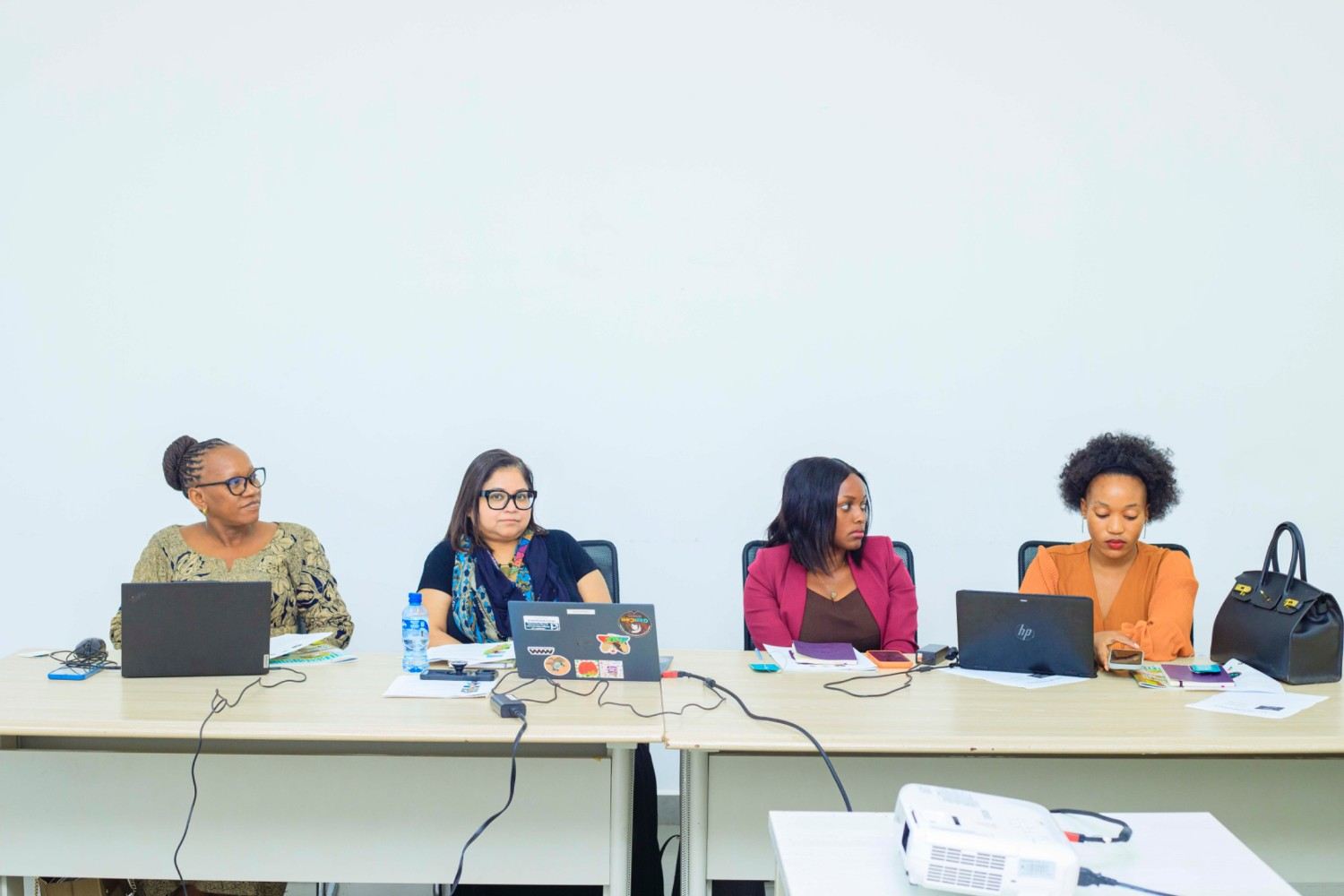
While graduate teaching was a major focus, the first day also brought together stakeholders around gender and inclusionand the Tanzania Partnership Program (TPP), reflecting the broader questions at the heart of the AAP meeting.
The parallel engagements created spaces for participants to examine how universities can become more inclusive, strengthen academic capacity and build partnerships that respond to real challenges facing African societies.
The cross-country participation also brought a distinctly human dimension to the discussions: lecturers who work in different educational systems were able to exchange practical experiences, discover common challenges and build professional relationships beyond their individual institutions.
For African universities, such connections can be as important as formal agreements. They create channels through which ideas, expertise and opportunities can move between institutions and countries.
The session offered an early glimpse of what it means to “reimagine” higher education—not simply by introducing new ideas, but by bringing people together to ask what works, what needs to change and what can be done collectively.
The engagements form part of a wider programme bringing together higher education leaders, scholars, policymakers, innovators and development partners from Africa and beyond.
The AAP Annual Meeting will continue through 22 September 2026, with subsequent sessions addressing leadership, innovation, research, graduate education and global partnerships, including a high-level Innovation Forum examining how universities can translate knowledge and research into practical solutions and societal impact.
The gathering is expected to provide further opportunities for participating universities to strengthen professional networks, develop research and institutional collaborations, and exchange ideas on how higher education can better respond to Africa’s changing needs.
For the lecturers and academic leaders participating, however, the value of the meeting is also found in something more immediate: learning from one another and returning to their classrooms and institutions with ideas that can make a practical difference.