

AAP Dialogue: Universities Hold Key to Africa’s Employment Challenge as AI Reshapes Future of Work
By Selemani Nambimbi, CMU
As artificial intelligence (AI) rapidly changes how people work, African universities are being called upon to do more than prepare graduates to look for jobs—they must help create a generation capable of innovating, solving problems and shaping the future of work.
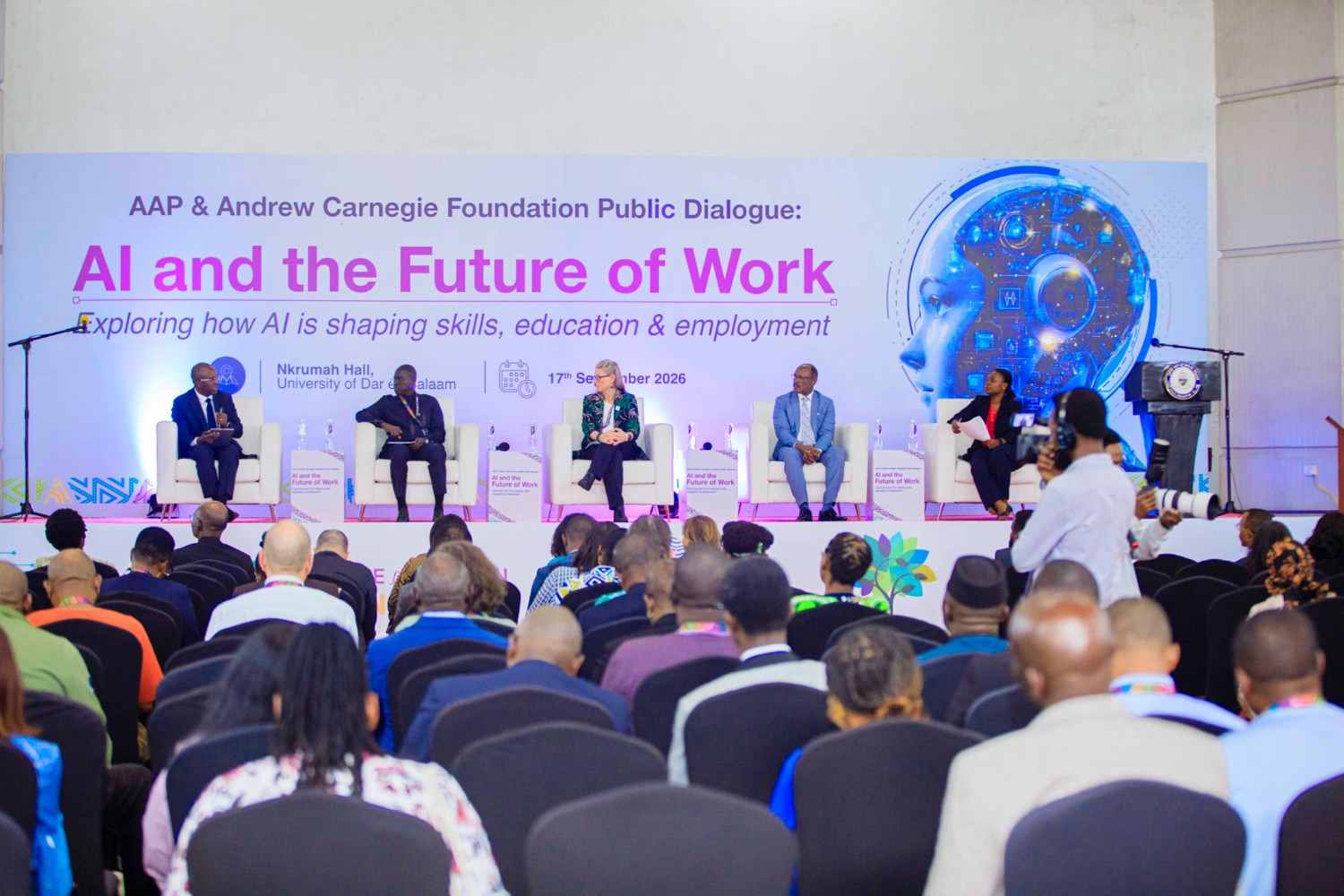
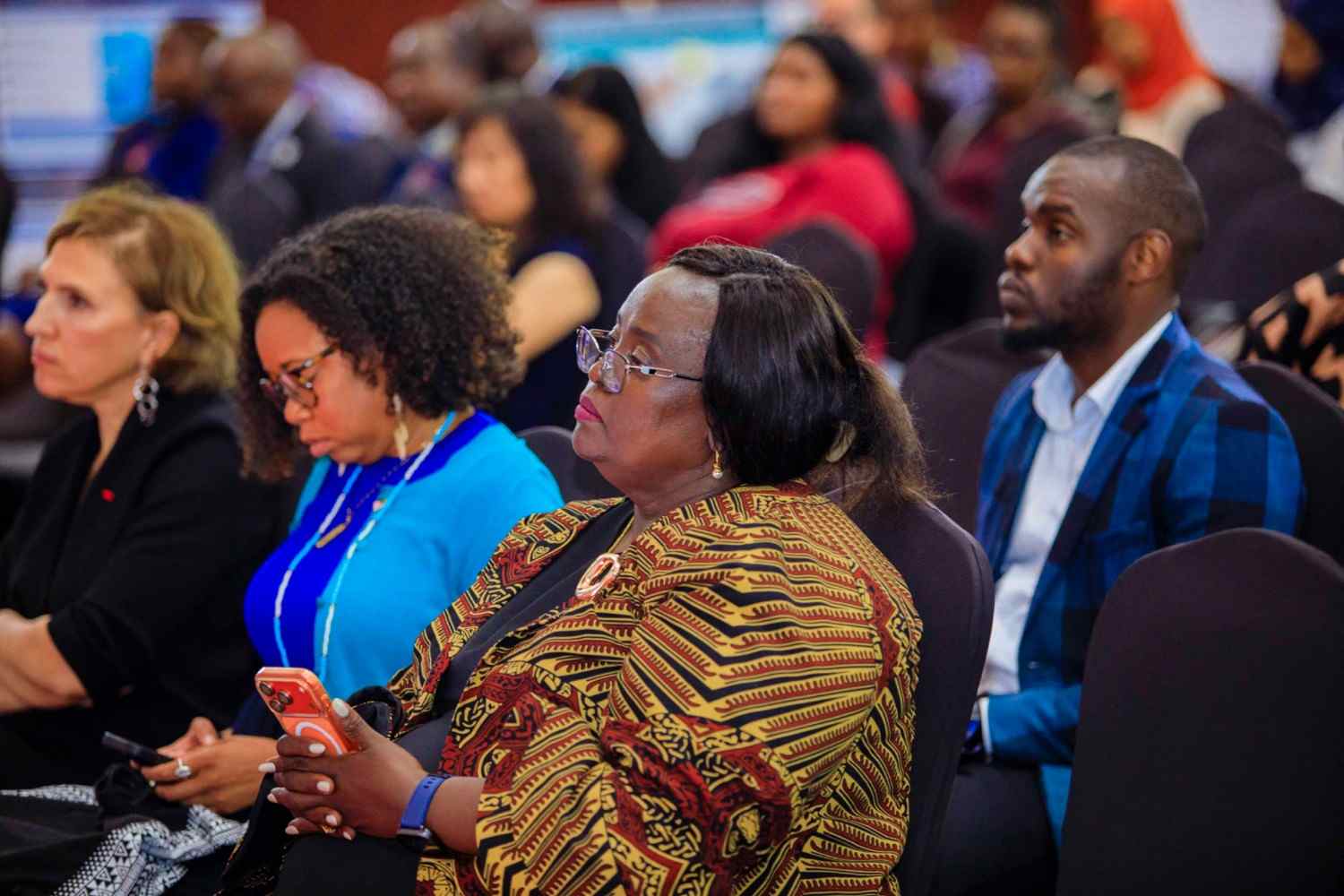
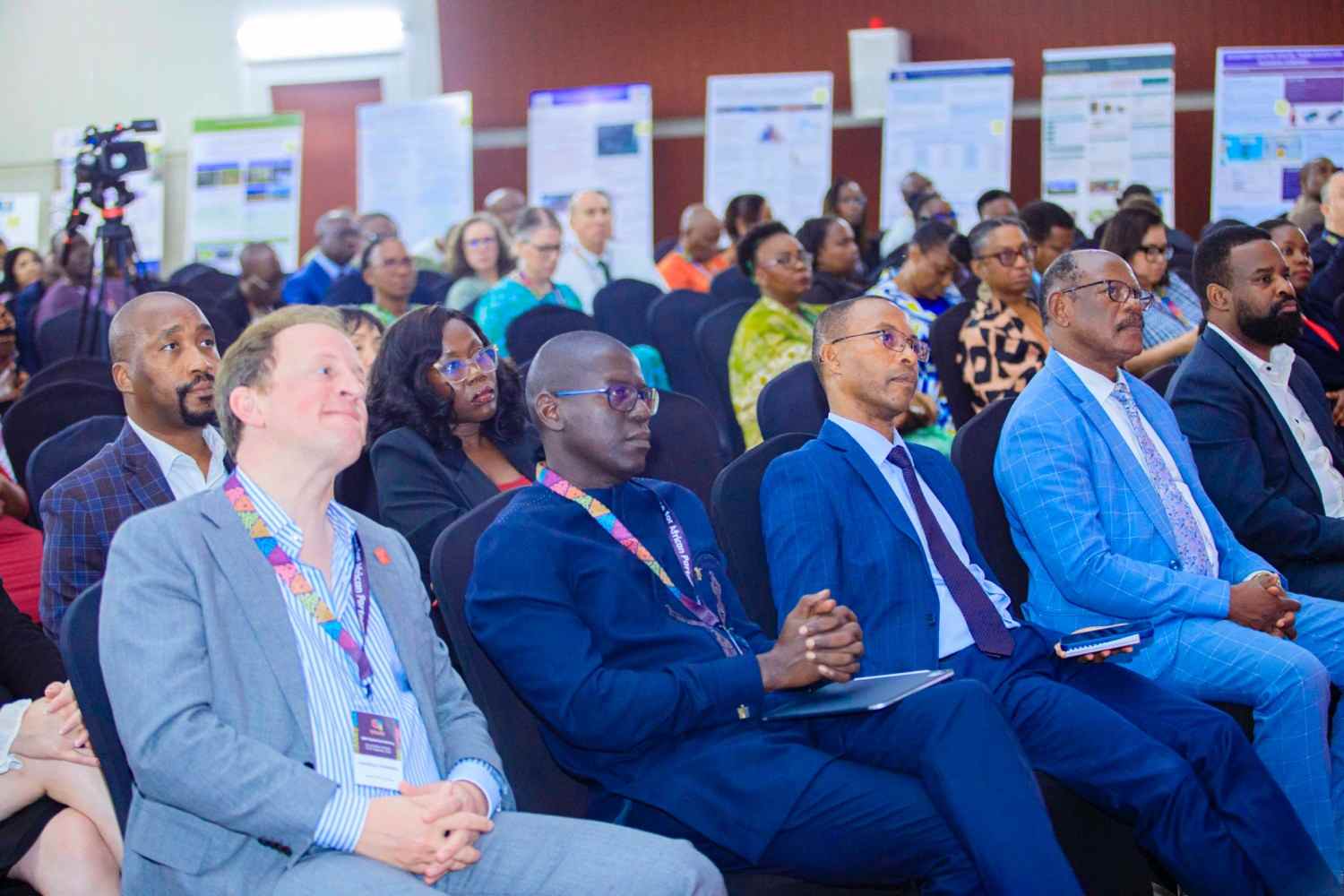
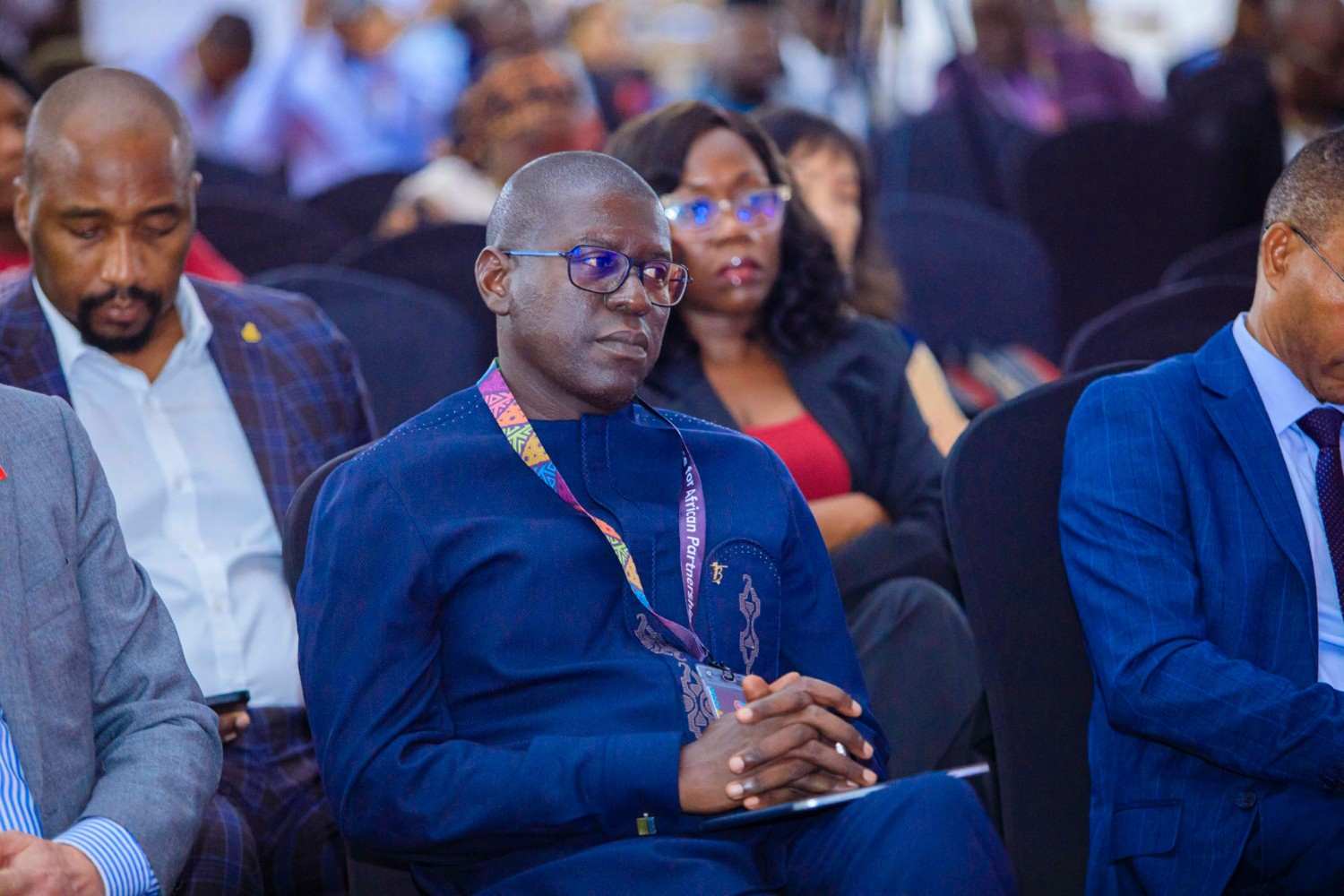
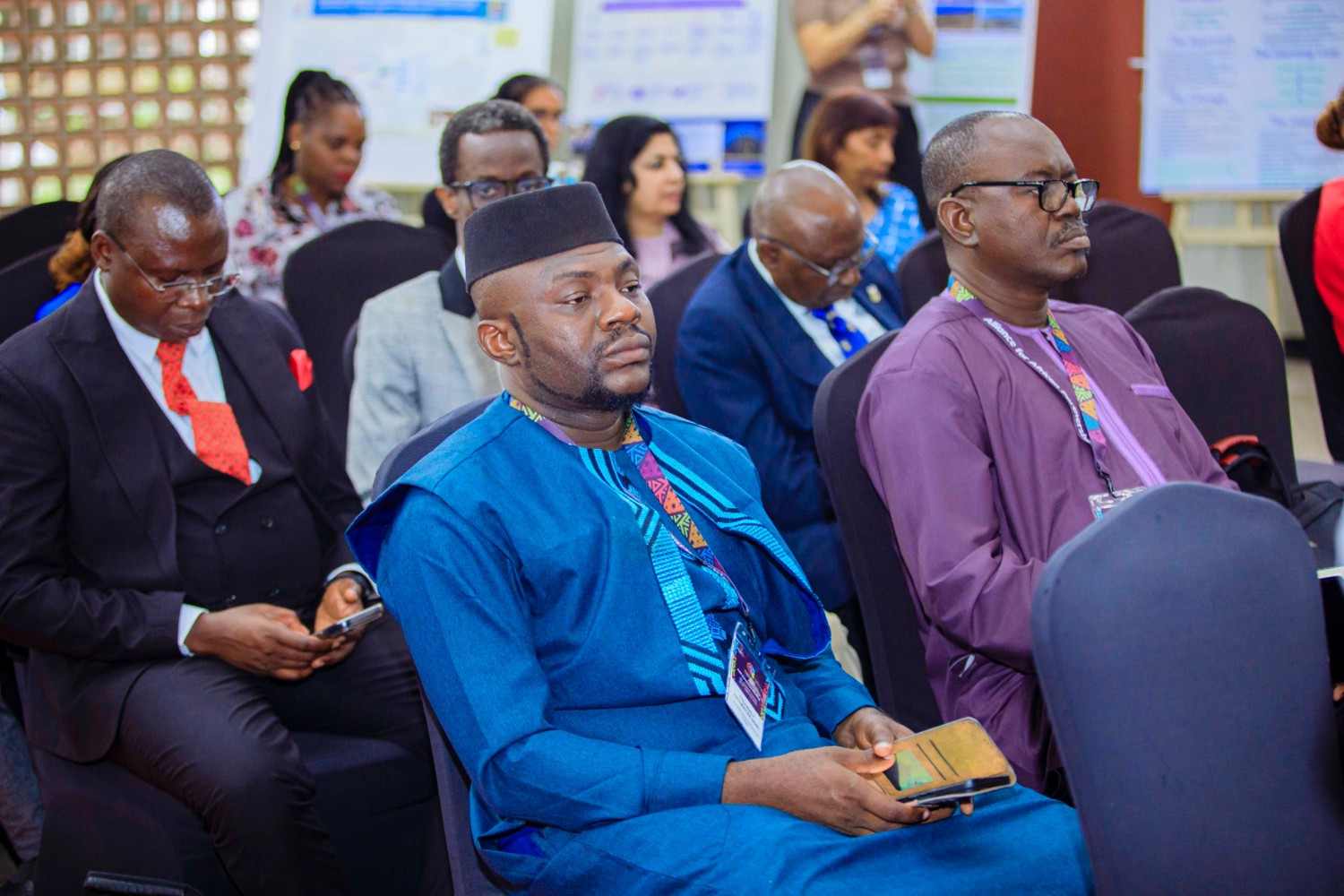
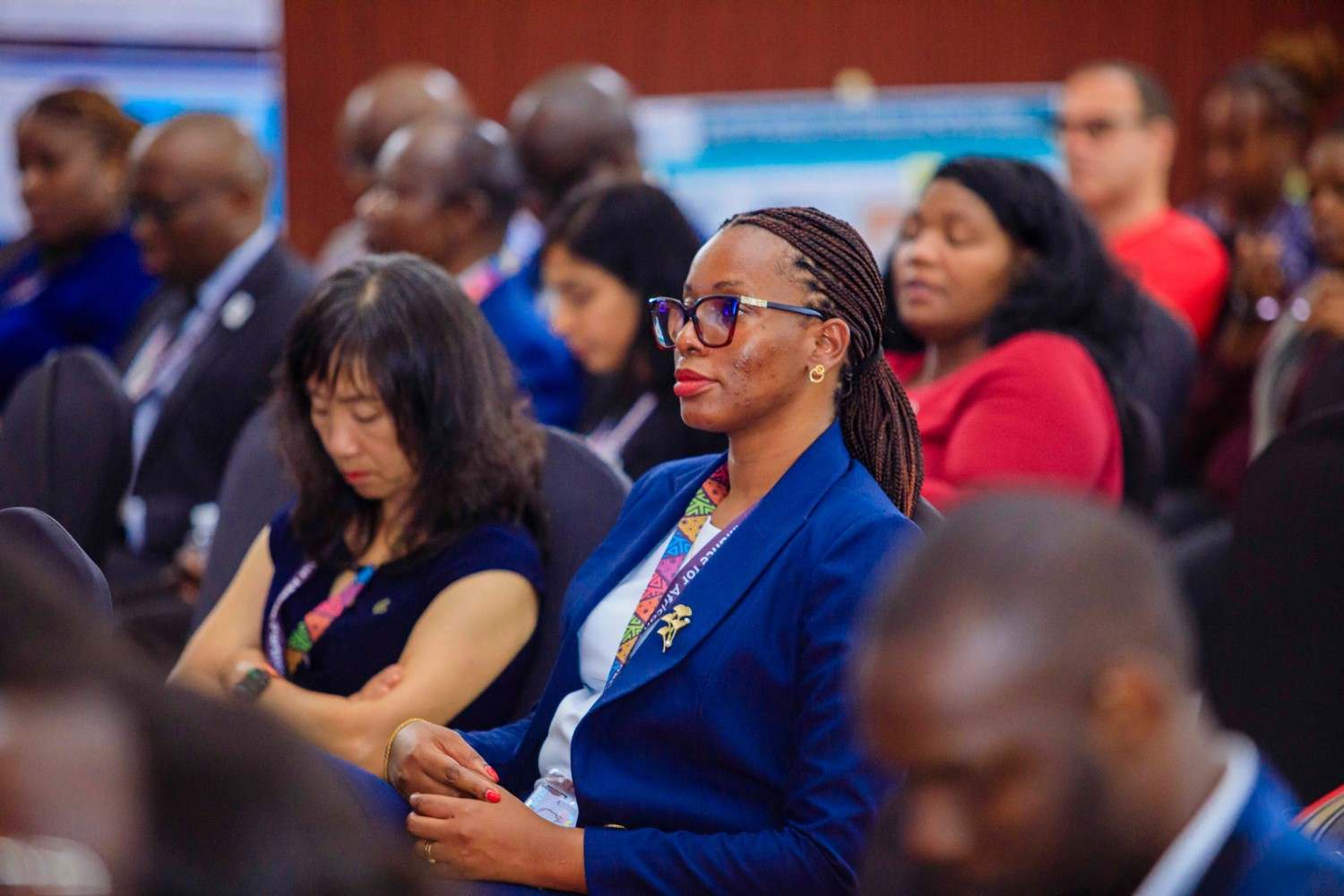
This was a key message from higher education and industry leaders during a public dialogue on “AI and the Future of Work” held at the University of Dar es Salaam (UDSM) on September 17, 2026, as part of the Alliance for African Partnership (AAP) Annual Meeting.
The discussion brought together perspectives from academia and the private sector on one of Africa’s most pressing challenges: how to create meaningful employment opportunities for a rapidly growing population while preparing young people for workplaces increasingly influenced by technology and AI.
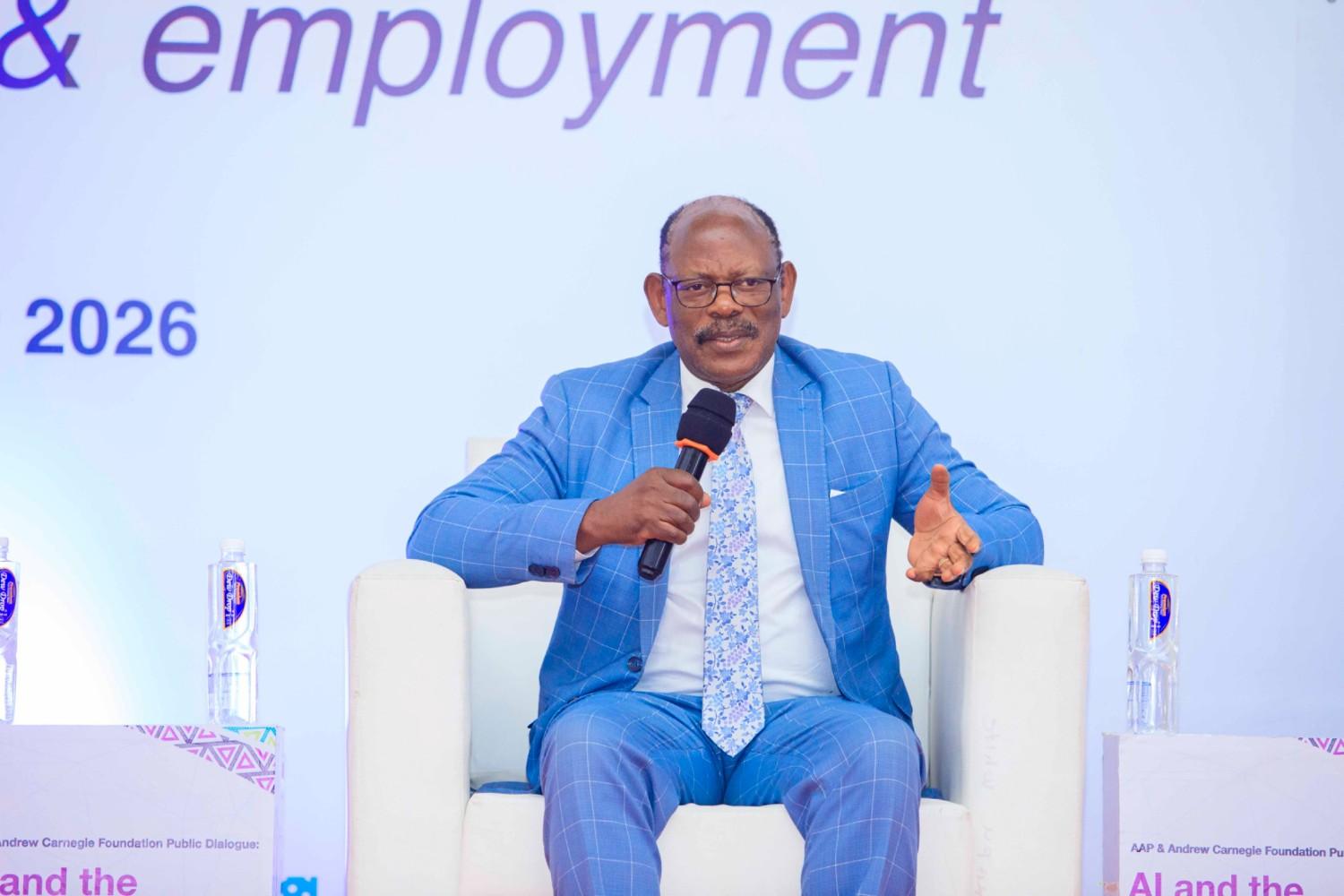
The Vice Chancellor of Makerere University, Uganda, Professor Barnabas Nawangwe, argued that universities must be central to the search for solutions, particularly in a continent where the industrial sector has limited capacity to absorb the growing workforce.
“Foreign investment is not enough to cure the employment problem in African countries. The solution lies in universities,” he said.
Prof. Nawangwe said African countries need to strengthen their capacity for innovation, entrepreneurship and locally driven solutions rather than depending primarily on external investment to generate employment.
Drawing lessons from countries that have built strong industrial economies, including the United States and South Korea, he called for a shift in mindset that places universities at the centre of research, innovation and problem-solving.
He said universities should produce research that responds to real economic and social challenges while working closely with governments, industry and international partners to translate knowledge into practical solutions.
Turning AI from a threat into a tool
For students entering an increasingly automated workplace, the challenge is not simply learning how to use new technology, but understanding how to work alongside it.
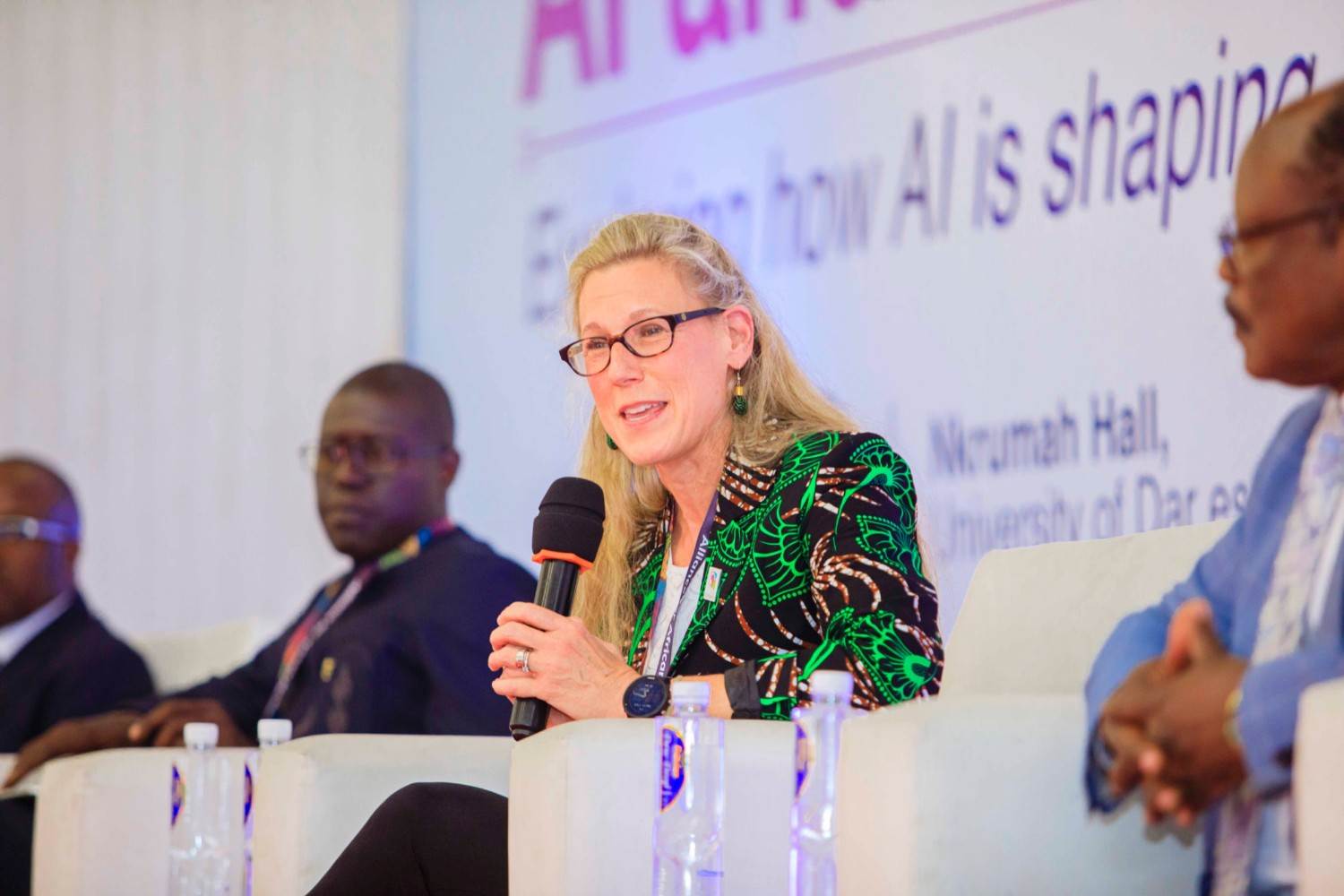
Michigan State University Provost and Executive Vice President for Academic Affairs, Professor Laura McIntyre, urged universities to help students see AI as a tool that can enhance their capabilities rather than simply as a threat to employment.
“When we want to prepare students for careers, we need to make sure students do not see AI as their replacement in employment, but as a tool to accomplish their work,” she said.
Prof. McIntyre stressed the need for universities to strengthen students’ digital knowledge and continuously adapt curricula as technology changes.
Her message points to a broader shift in higher education: graduates will increasingly need to combine disciplinary expertise with the ability to understand, question and responsibly use technologies that are becoming part of everyday professional life.
The panel also challenged the perception that AI literacy belongs primarily to students studying computer science or other technology-related fields.
Bruce Mwasenga, Chief Operating Officer at CRDB Bank Plc, said graduates in every discipline need to understand how information is generated, analysed and applied in decision-making.
“Regardless of discipline, graduates are required to be aware of where information comes from, how it is analysed and how decisions can be made based on information,” he said.
He said understanding AI, its opportunities and its governance would become increasingly important as the technology spreads across different sectors of the economy.
For a graduate entering banking, journalism, agriculture, education, health, business or public administration, such knowledge could increasingly determine not only how effectively they perform their work, but also how responsibly they use the technologies available to them.
African solutions cannot simply be copied
The conversation also highlighted the importance of developing approaches that reflect Africa’s own circumstances.
Professor Idrissa Sarr, Professor of Computer Science at Cheikh Anta Diop University, cautioned against simply importing models developed elsewhere without considering local realities.
He argued that universities should learn from international experiences while developing approaches to AI, education and employment that respond to the specific needs and circumstances of their societies.
The message emerging from the discussion was therefore broader than the question of whether AI will create or eliminate jobs. It was about how African societies can prepare people to participate meaningfully in an economy that is changing faster than traditional education systems often do.
For universities, this means reconsidering what students learn, how they learn and how academic institutions connect knowledge with the world beyond the campus.
It also means strengthening links between universities, industry, governments and other partners so that research and innovation can move from academic ideas to products, enterprises, services and solutions that respond to societal needs.
The dialogue formed part of the 2026 AAP Annual Meeting, hosted jointly by UDSM and Michigan State University under the theme “Reimagining Higher Education for Africa’s Future: Leadership, Innovation and Global Partnerships.”
With AI transforming workplaces and Africa facing a growing demand for employment opportunities, the discussion placed universities at the heart of a much larger question: how can higher education help young Africans move from being job seekers to becoming creators of knowledge, solutions and opportunities in the future economy?