

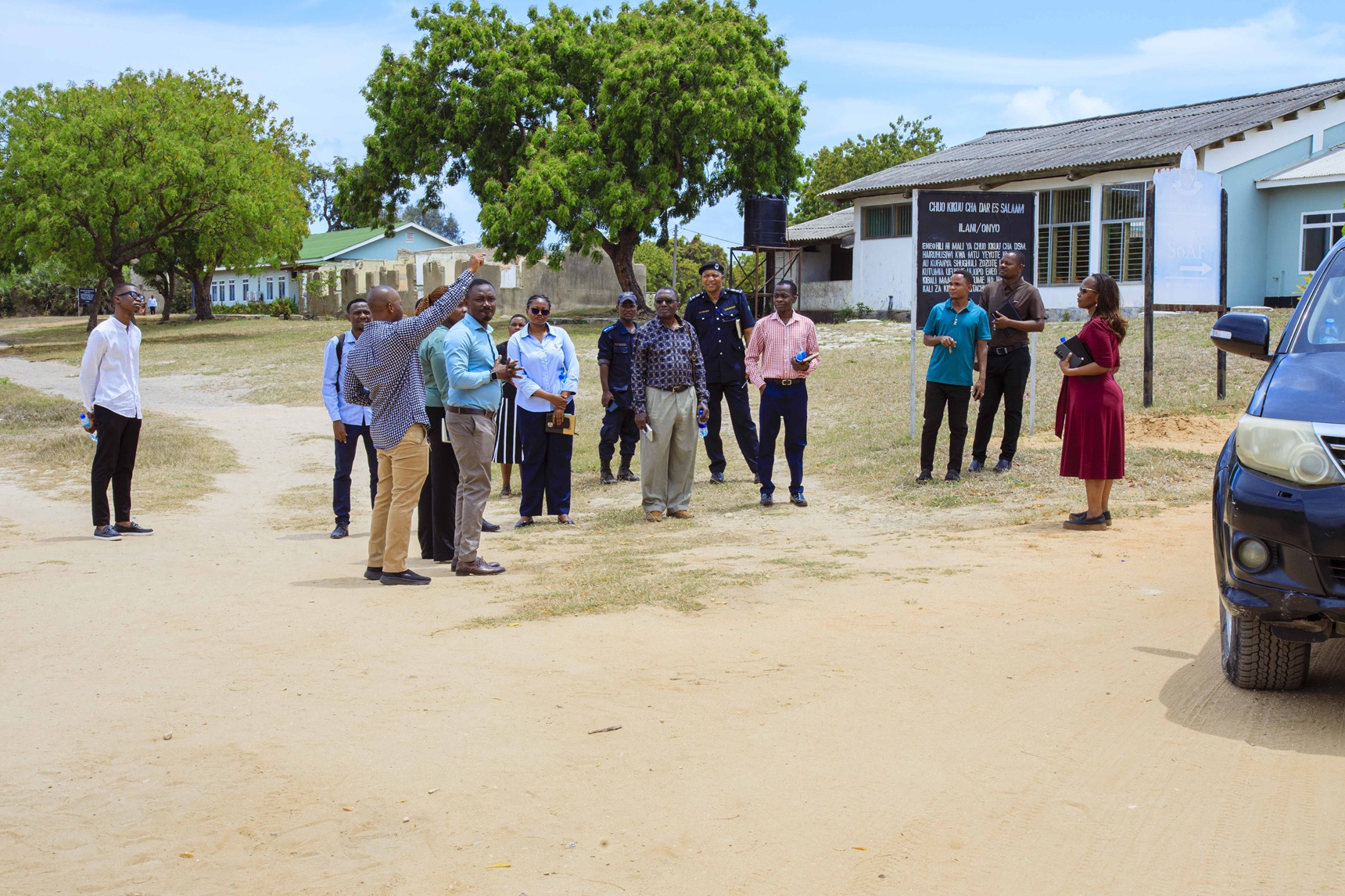
UDSM Steps Up El Niño Preparedness as Special Team Assesses High-Risk Areas
By Selemani Nambimbi, CMU
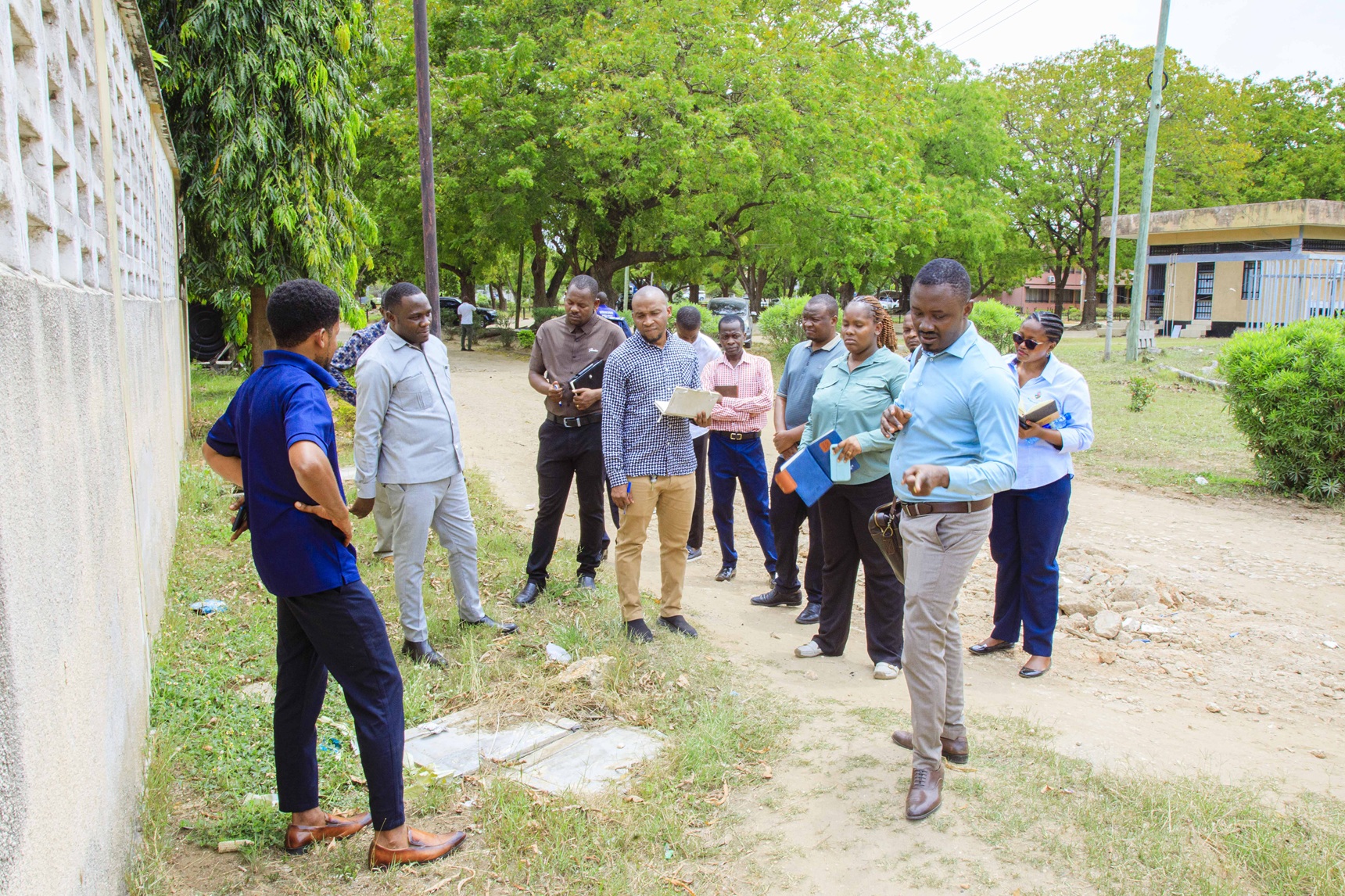
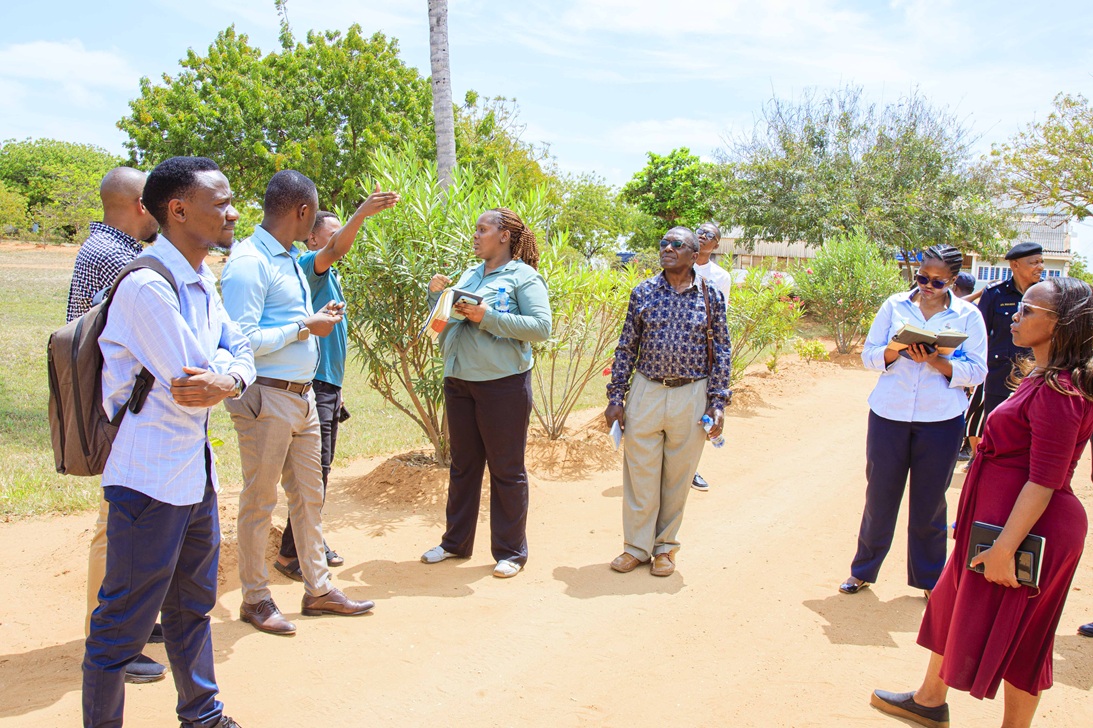
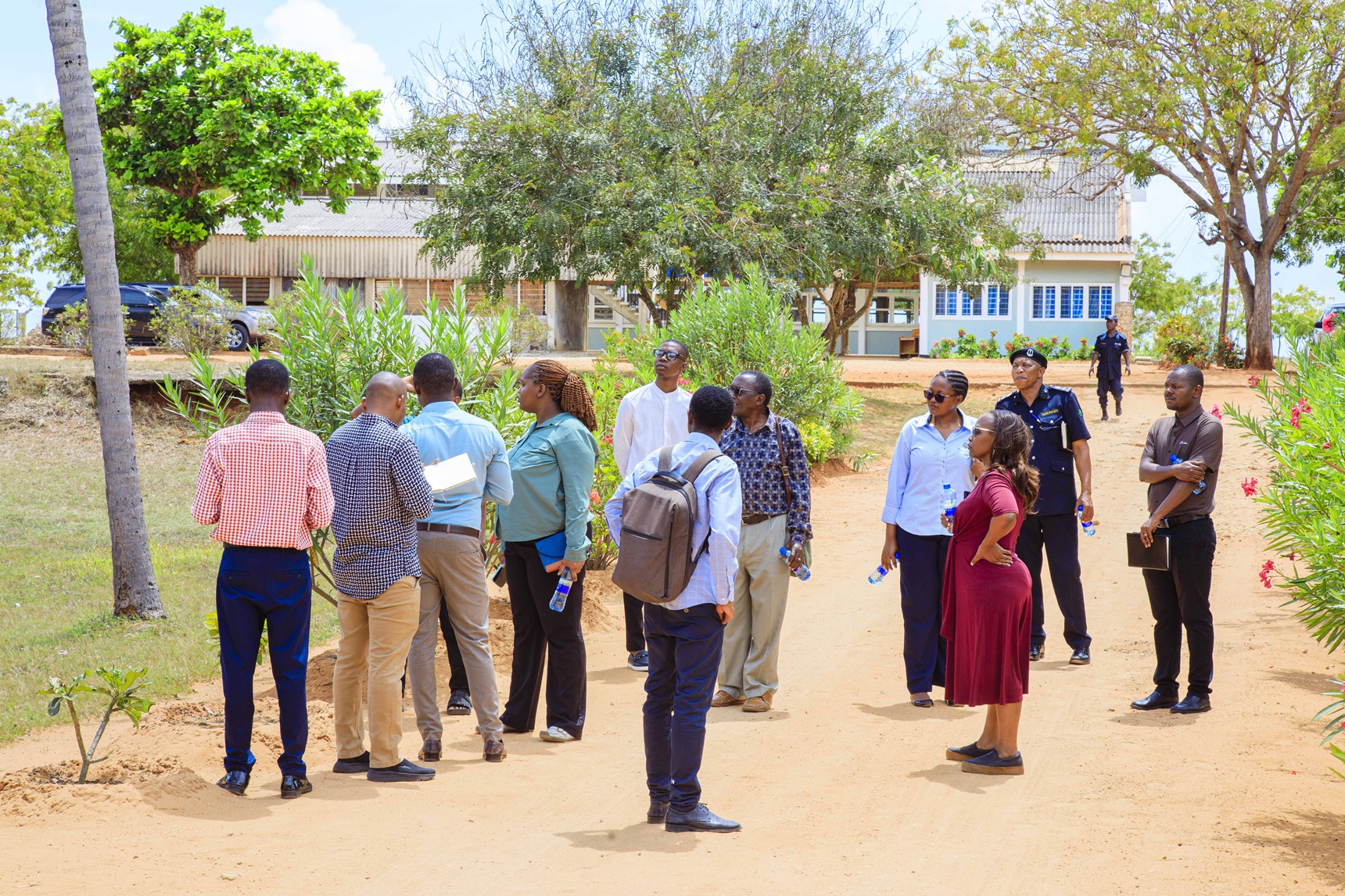
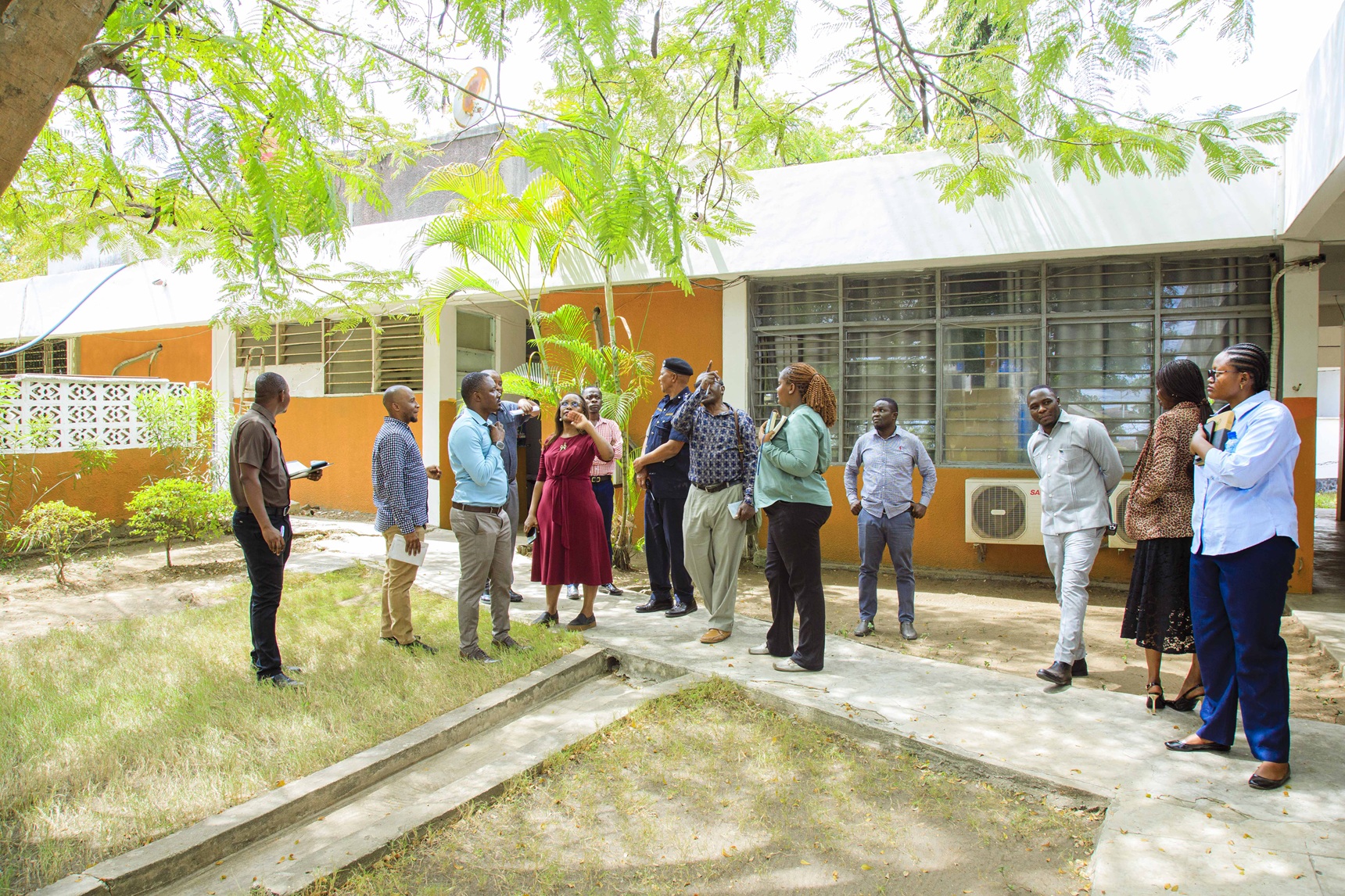
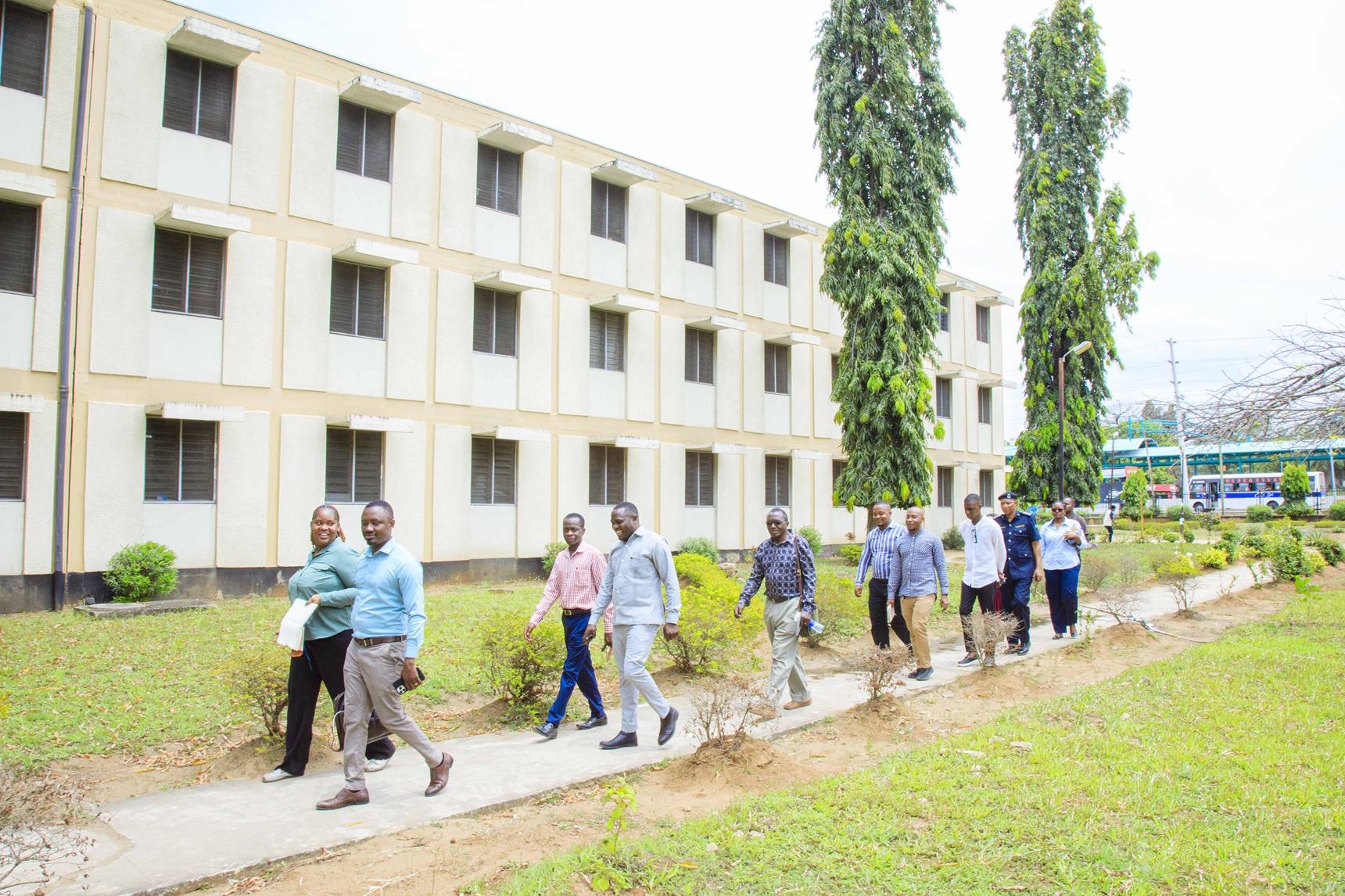
The University of Dar es Salaam (UDSM) has stepped up preparations for the anticipated El Niño rains, with a special preparedness committee conducting a two-day assessment of areas considered vulnerable to heavy rainfall, flooding and related disruptions across the University.
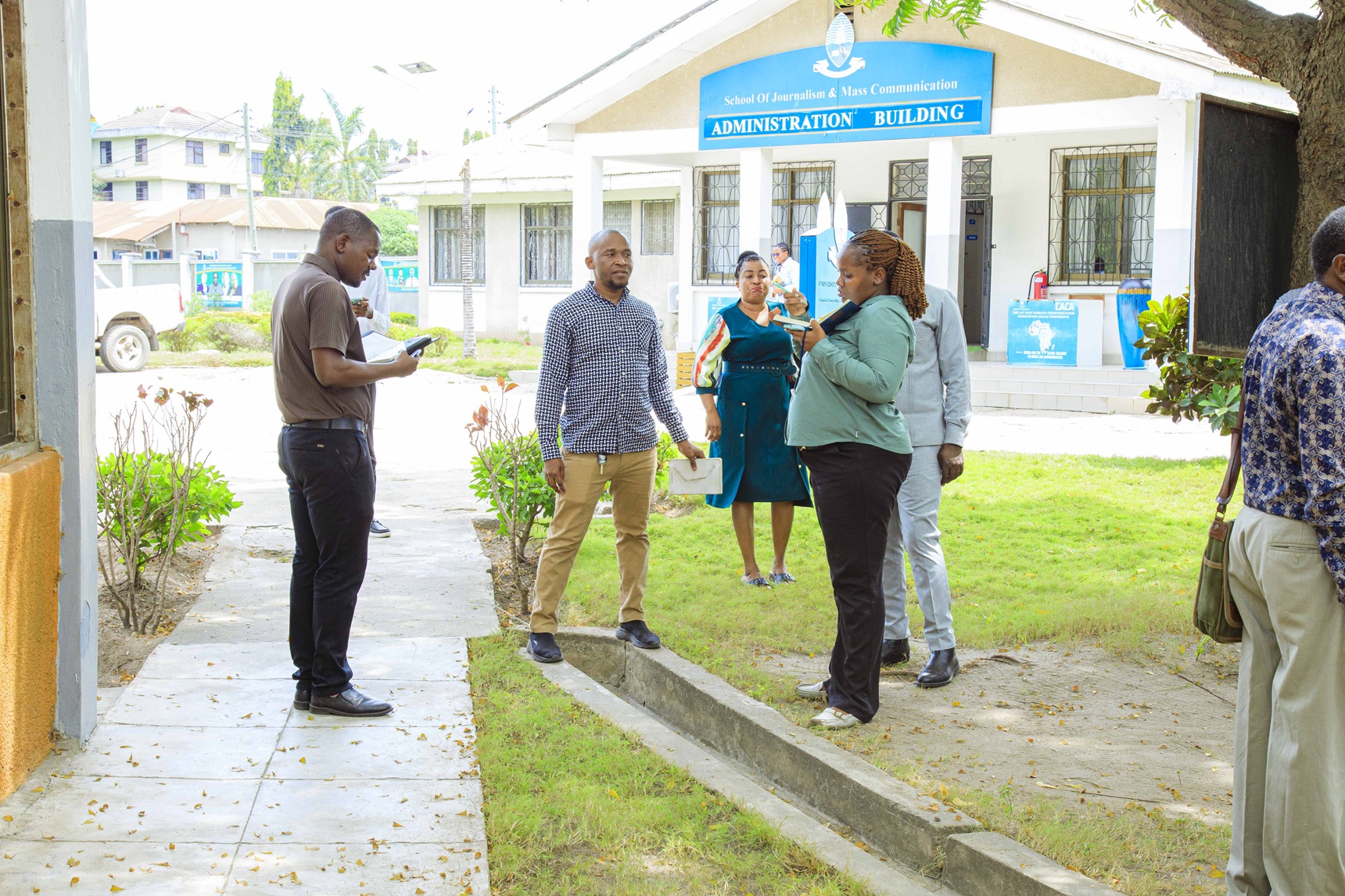
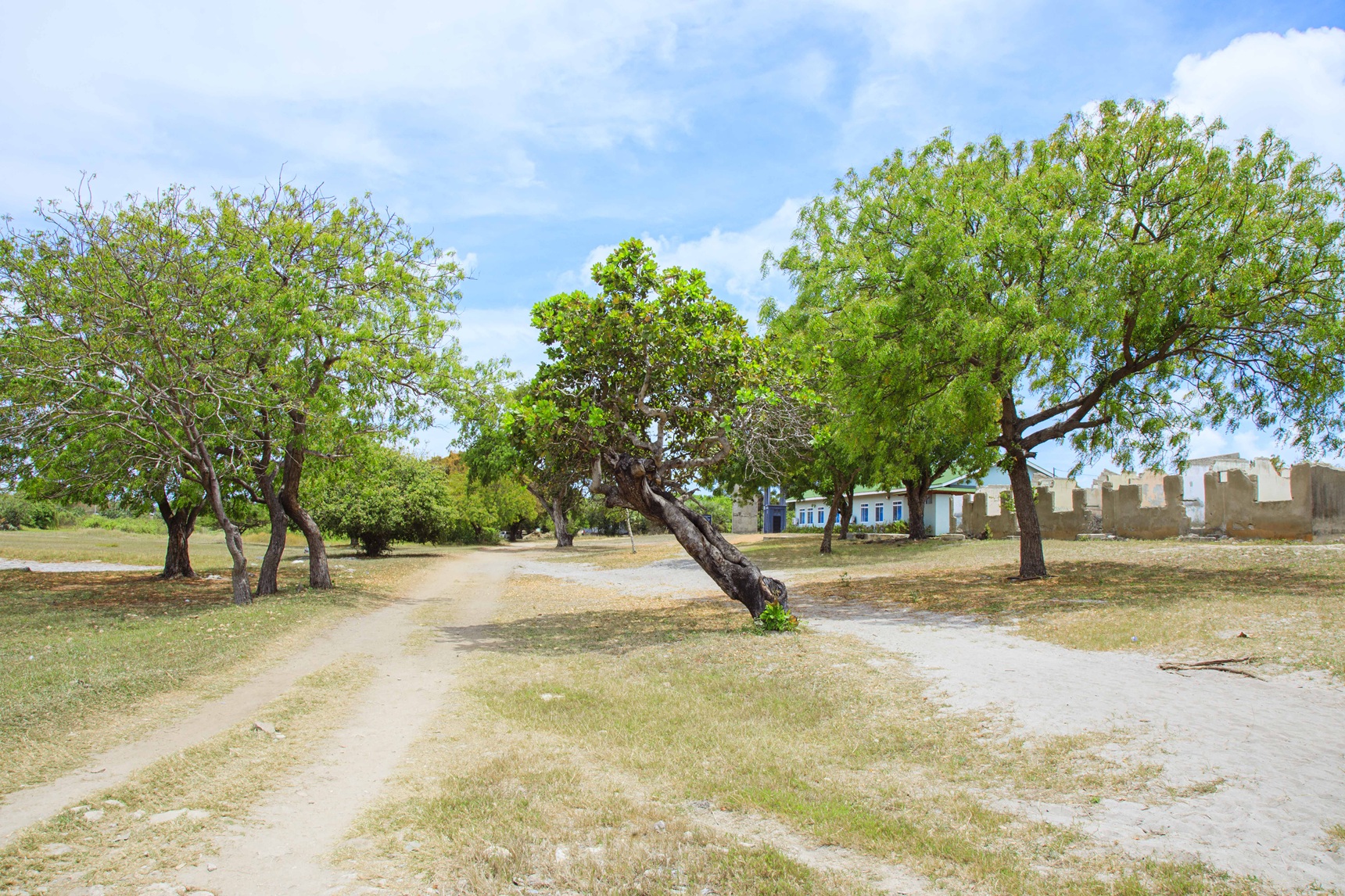
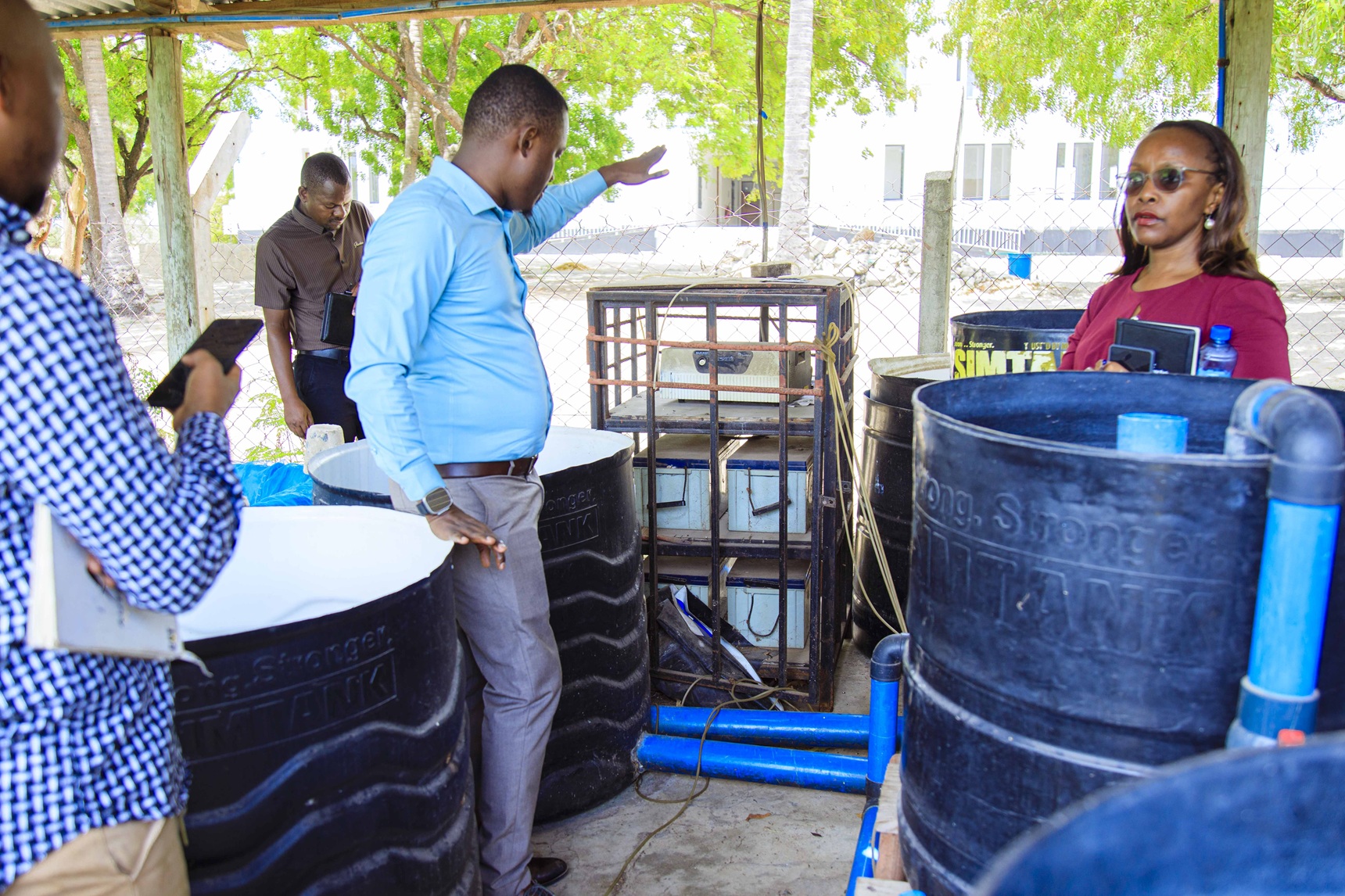
The assessment, conducted on Monday, September 28, and Tuesday, September 29, 2026, covered several strategic locations, including the School of Aquatic Sciences and Fisheries Technology (SoAF), the School of Journalism and Mass Communication (SJMC) and the College of Information and Communication Technologies (COICT).
Rather than waiting for heavy rains to expose weaknesses, the exercise focused on identifying risks early and putting preventive measures in place to protect people, infrastructure and critical University operations.
The committee was led by its Chairperson, Acting Director of Estates Services, Dr Daudi Augostino, who said the assessment was part of a broader preparedness effort aimed at ensuring that the University remains safe and operational during the rainy season.
“Our focus is not simply to inspect buildings, but to identify potential risks early and take corrective measures before they become serious problems. We want to ensure that our infrastructure, people and essential services remain protected even in the event of heavy rainfall,” Dr Augostino said.
The team assessed the condition of buildings, roofs, drainage systems, water-flow channels and other key infrastructure, while also identifying locations that could be affected by flooding, waterlogging, leakages and other rain-related challenges.
Particular attention was given to areas where water could potentially enter buildings and affect electrical systems, information and communication technology infrastructure and other critical equipment supporting teaching, learning, research and administrative services.
Dr Augostino said the findings would guide timely interventions by the relevant University units, stressing that preparedness requires coordinated action rather than waiting for damage to occur.
“Where we have identified vulnerabilities, the responsible units need to act promptly. The objective is to reduce the risk of damage, minimise disruption and ensure that the University can continue with its core functions despite challenging weather conditions,” he said.
The exercise also underscores the importance of collaboration among University units in strengthening institutional preparedness. The committee is expected to continue working with relevant departments and colleges to monitor identified risk areas and facilitate timely responses whenever emerging challenges are detected.
The preparedness measures are part of UDSM’s wider commitment to safeguarding students, staff, visitors and University property while sustaining academic and administrative operations during periods of extreme weather.
With heavy rains capable of disrupting mobility, damaging infrastructure and affecting essential services, the University’s approach places emphasis on anticipation, prevention and rapid response—ensuring that potential risks are addressed before they escalate into emergencies.
Through the ongoing work of the special committee and the cooperation of different University units, UDSM is strengthening its readiness to face the rainy season while protecting the environment in which teaching, learning, research, innovation and knowledge exchange take place.