










From Compliance to Results: UDSM Calls for a New Mindset in Academic Leadership
By Selemani Nambimbi and Erca Kisoli, CMU
Improving academic performance requires more than policies, procedures and compliance with university regulations; it demands a shift towards leadership that takes direct responsibility for what students learn, how efficiently they progress and the quality of education they receive.
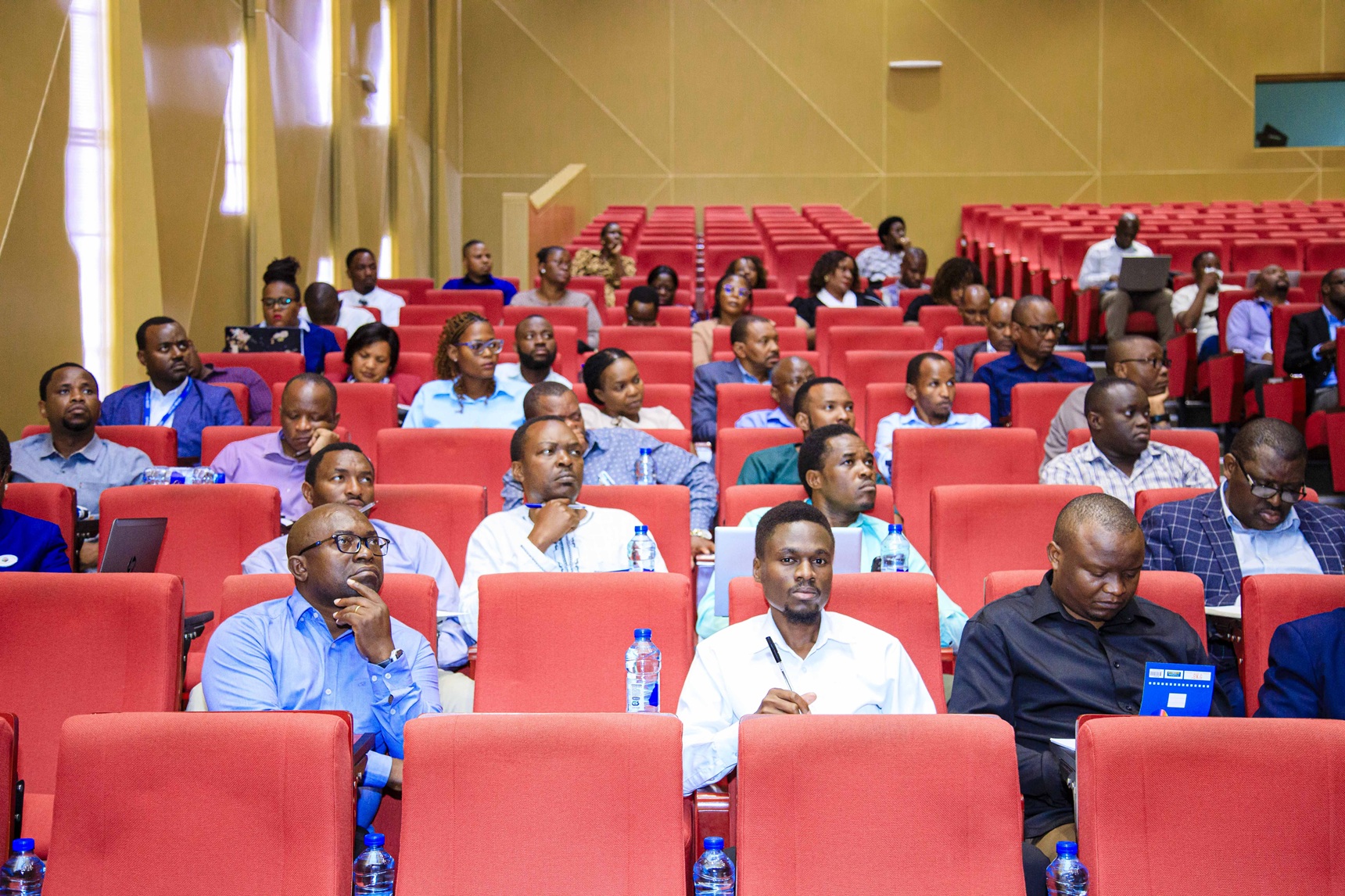
This was the central message at the University of Dar es Salaam (UDSM) during a seminar calling for stronger accountability, academic leadership and a university-wide commitment to results.
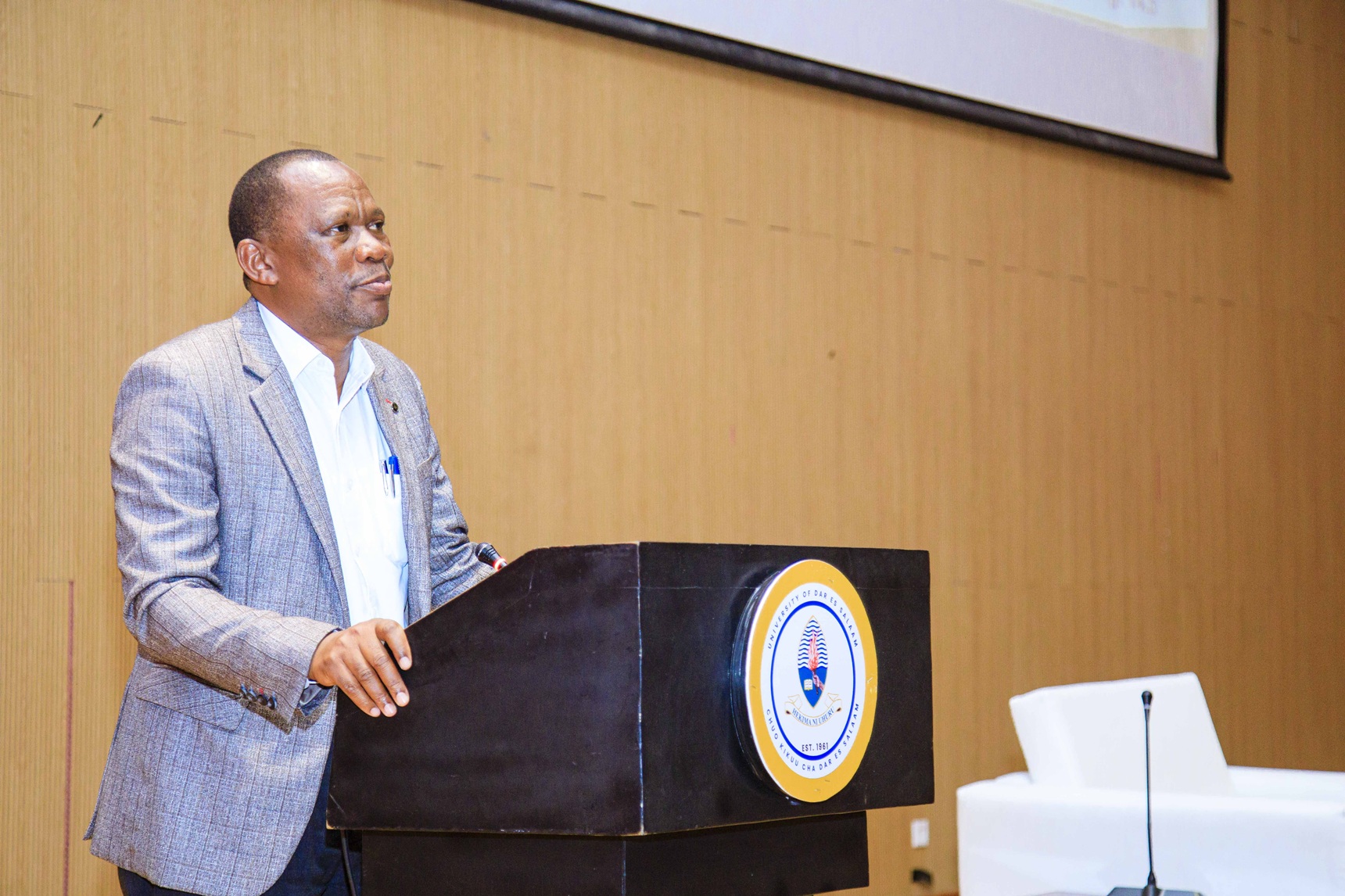
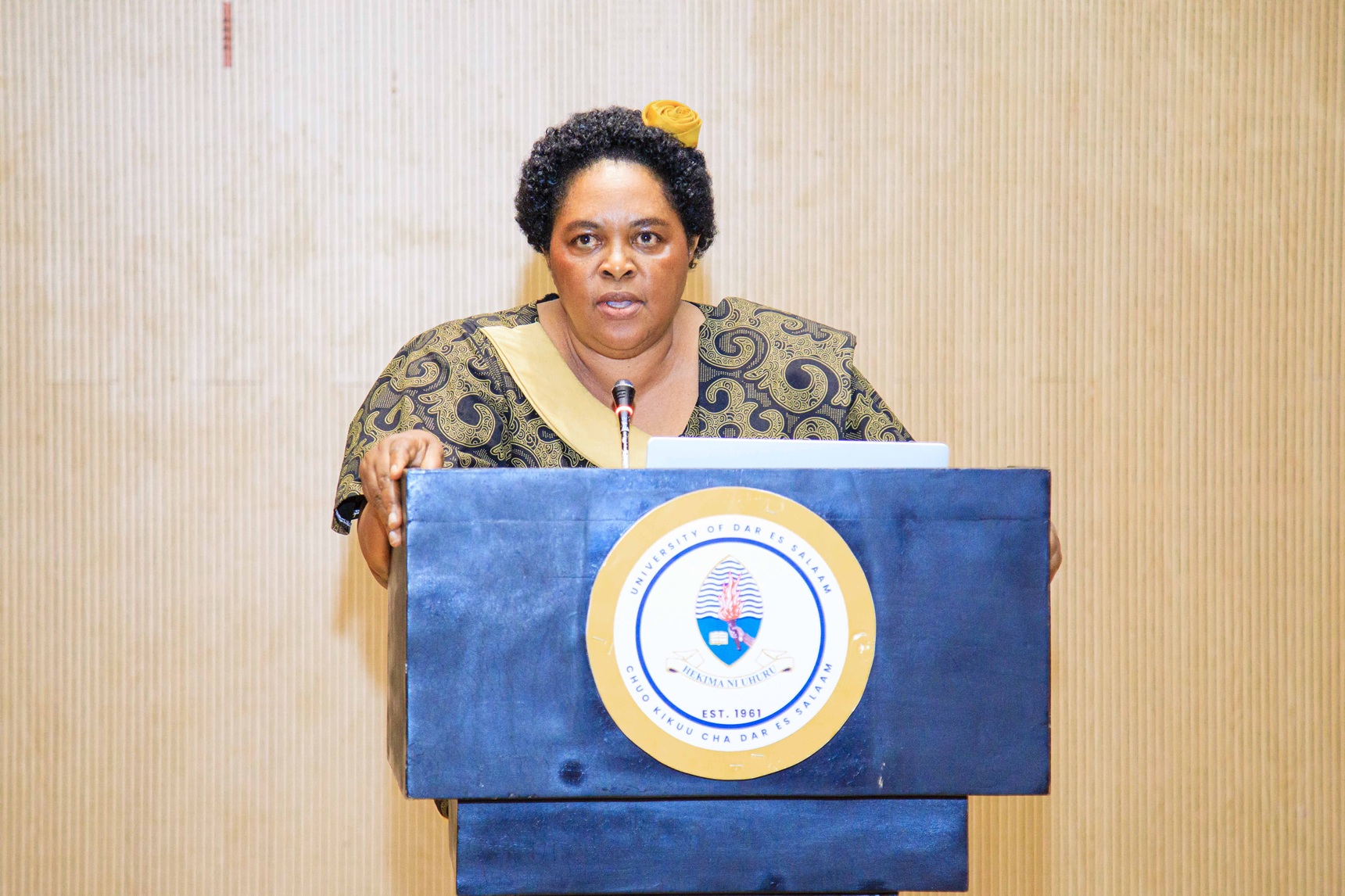
Speaking at the academic leadership and institutional performance seminar held at the UDSM Library on October 6, 2026, the Deputy Vice Chancellor - Academic, Prof. Rose Acen Upor, challenged academic leaders and staff to move beyond administrative oversight and take a more active role in improving students’ academic outcomes.
“We want to eliminate that translation gap to ensure that all students acquire the academic skills they are expected to have. We need to move from being custodians to becoming academic performance leaders by changing our mindsets,” Prof. Upor said.
Her remarks highlighted a key challenge for higher education institutions: ensuring that academic expectations translate into the knowledge and skills students actually acquire.
She called for greater collective responsibility across the University, urging staff to work together across campuses to achieve institutional goals.
Prof. Upor also encouraged lecturers to make appropriate use of technology, including artificial intelligence (AI), in academic activities such as examination setting, while safeguarding academic integrity and maintaining established standards.
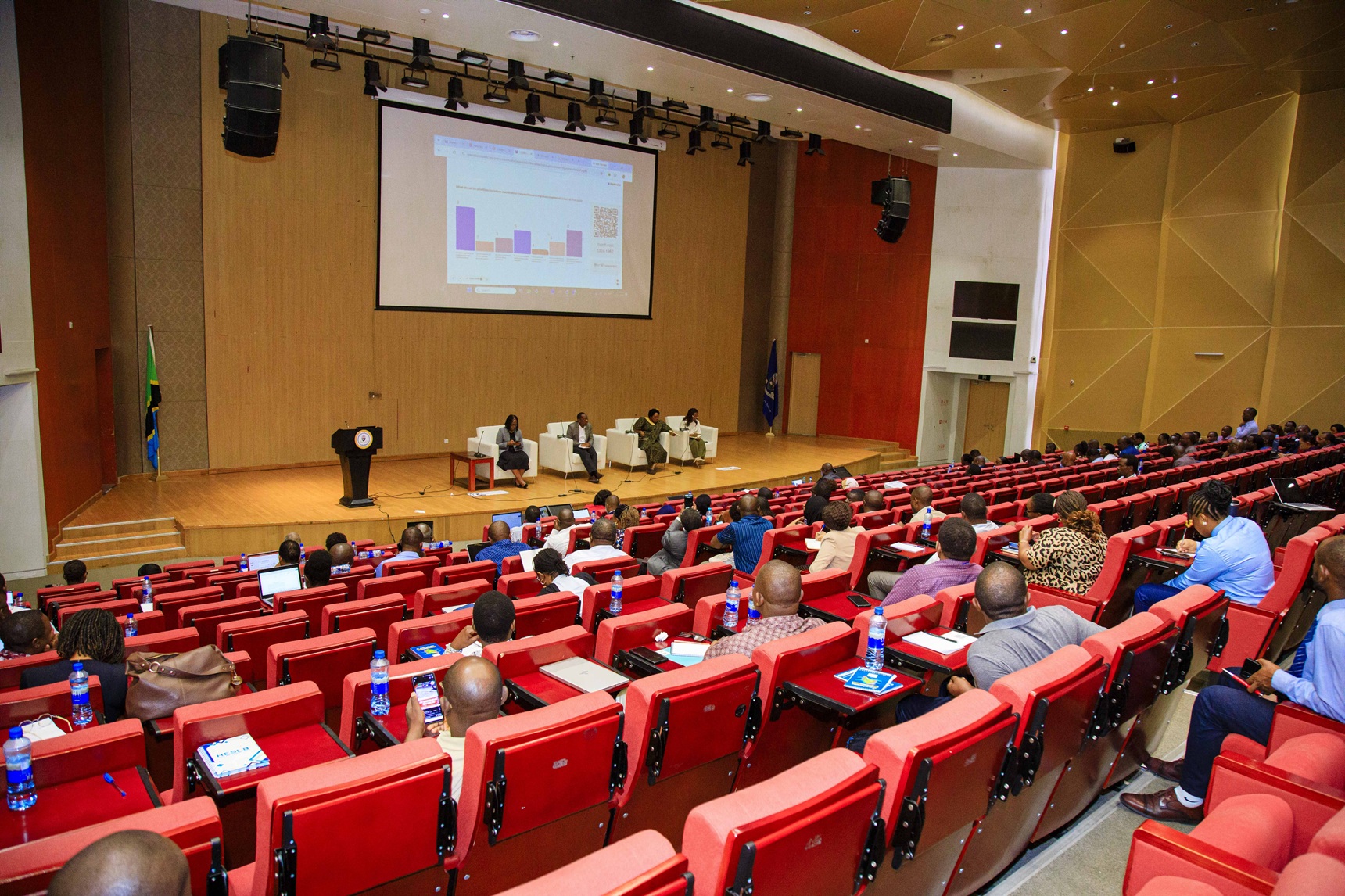
The seminar, themed “Strengthening Academic Excellence, Institutional Performance and Compliance for Sustainable University Development,” brought together academic leaders and other stakeholders to examine how leadership, quality assurance and effective academic administration can translate into stronger institutional performance.
Quality assurance must deliver improvements
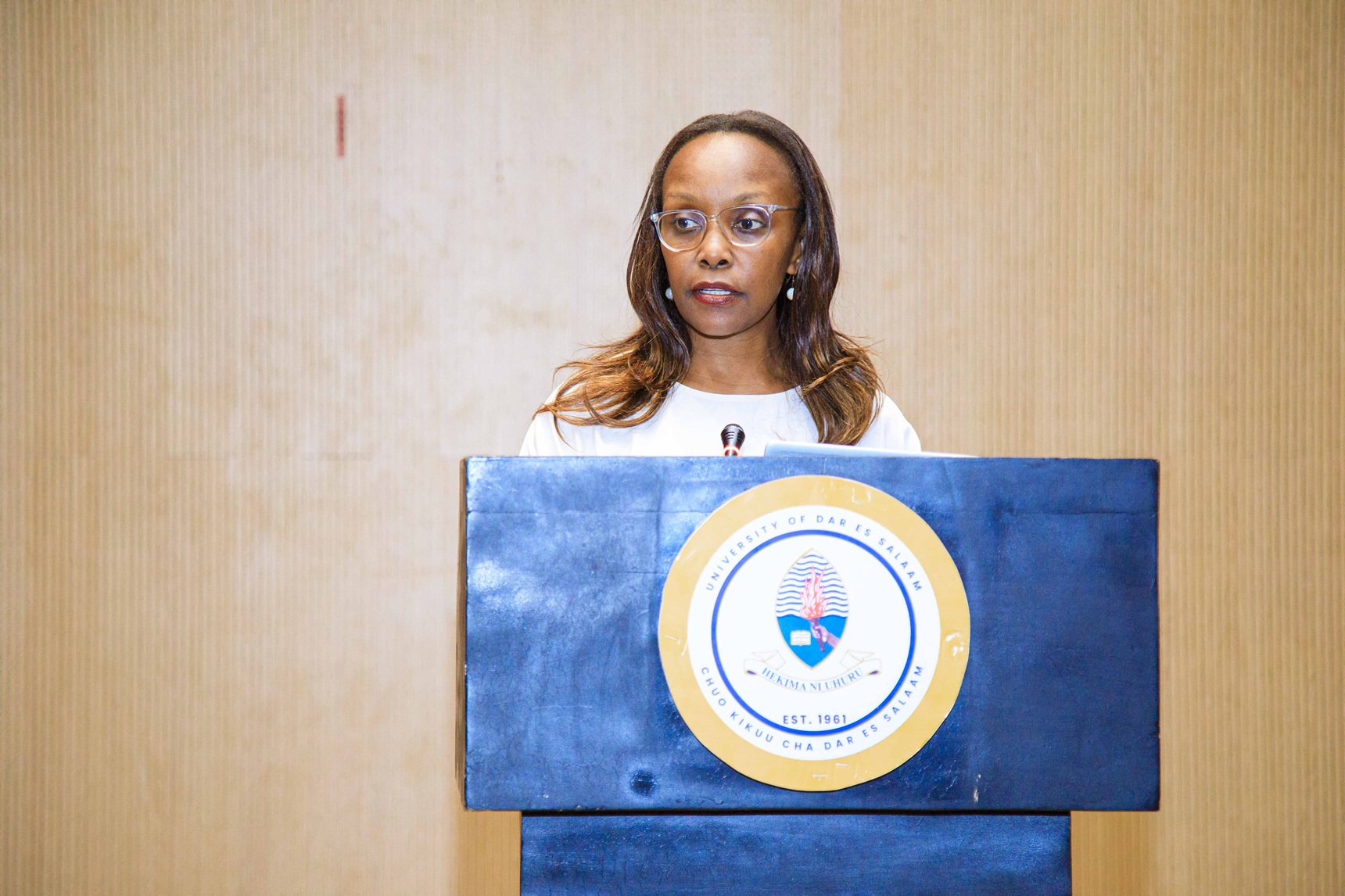
Reinforcing the call for a results-oriented culture, the Director of the Quality Assurance Unit, Prof. Donatha Tibuhwa, said quality should be embedded in the daily work of every member of the University community rather than treated as the responsibility of a single administrative unit.
“Quality assurance is a shared institutional responsibility that must be embraced by every member of the University community across teaching, learning, research and service delivery. Regular self-assessment, compliance with standards, identification of shortcomings and timely corrective action are essential to improving performance and efficiency,” Prof. Tibuhwa said.
She emphasised that quality assurance must go beyond checking whether procedures have been followed. Identifying gaps, taking corrective action and assessing whether improvements have been achieved are essential to sustaining academic standards and strengthening the University's contribution to society.
This approach places greater emphasis on accountability for results, requiring academic units to identify shortcomings and act on them rather than simply report that established procedures have been observed.
The seminar also highlighted progress in undergraduate education, particularly in gender representation. The Director of Undergraduate Studies, Dr. Joan Munissi, reported that female students have accounted for more than 50 per cent of undergraduate graduates at UDSM since 2022.
“Since 2022, female students have accounted for more than 50 per cent of undergraduate graduates at UDSM, underscoring progress towards gender equality in higher education,” Dr. Munissi said.
She added: “Sustaining this balance remains important as we continue to coordinate undergraduate studies and ensure the delivery of quality education in line with the University’s academic standards”.
The figures point to progress in female representation among graduates, while underscoring the need to maintain academic standards and effective coordination of undergraduate programmes. The broader task is to ensure that progress in access and representation is accompanied by quality teaching and positive student outcomes.
Tackling delays in postgraduate completion
Postgraduate progression emerged as another area requiring more effective coordination and accountability. Director of Postgraduate Studies, Prof. Kessy Kilulya, outlined several factors contributing to delays in completing postgraduate programmes.
The factors included late allocation or changes of supervisors, heavy supervisory workloads, delays in developing research proposals and obtaining research permits, financial constraints, slow data collection and delayed feedback on research drafts.
Prof. Kilulya stressed that improving completion rates requires action from both the University and students, particularly through timely supervision, efficient administrative processes and prompt examination and correction of dissertations and theses.
“Regular supervision, timely examination and correction of dissertations and theses, and efficient administrative processes are essential to improving postgraduate completion rates,” he said.
He also urged students to familiarise themselves with the Students’ By-Laws, University Almanac and relevant assessment guidelines and regulations to understand their obligations and comply with academic requirements.
Addressing these challenges is important not only for helping postgraduate students complete their studies within the stipulated timeframes, but also for improving the efficiency of academic processes and the overall student experience.
Turning institutional commitments into results
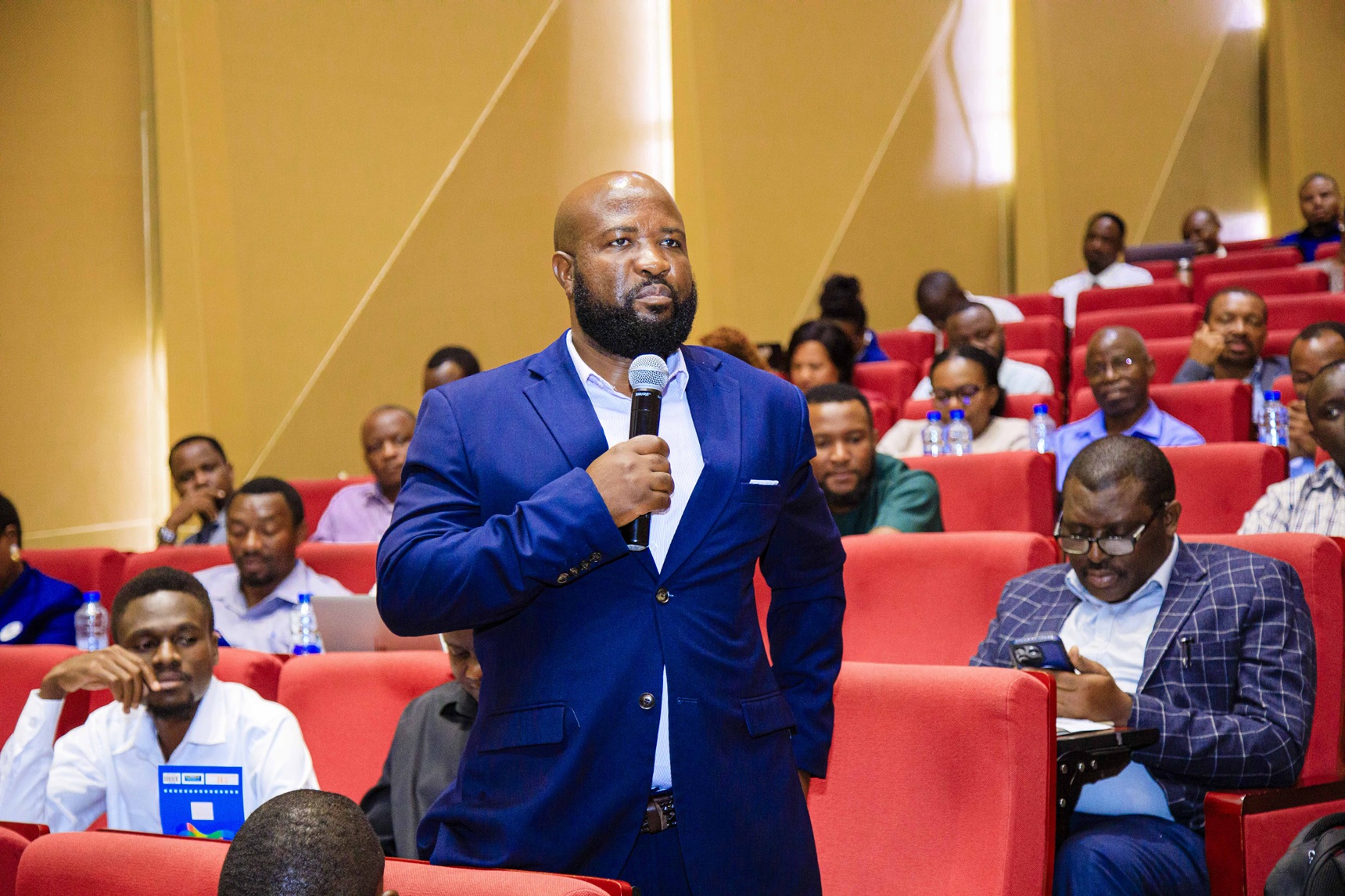
The seminar featured discussions on academic planning and strategic development, academic integrity, examination administration, compliance at unit level, postgraduate supervision and progression, and quality assurance in teaching and learning.
Together, these issues highlighted the relationship between institutional performance and the everyday decisions made by academic leaders, lecturers, supervisors and administrative units.
Effective leadership requires clear standards, timely action and a willingness to address weaknesses that affect teaching, learning and research.
The central message was that academic excellence cannot be achieved through compliance alone. It requires the University community to take collective ownership of performance, use evidence to identify areas for improvement and ensure that institutional commitments translate into tangible outcomes for students and society.
By calling for a shift from custodianship to academic performance leadership, UDSM is reinforcing the importance of a culture in which accountability, quality assurance and continuous improvement are measured not simply by processes followed, but by the results those processes deliver.