

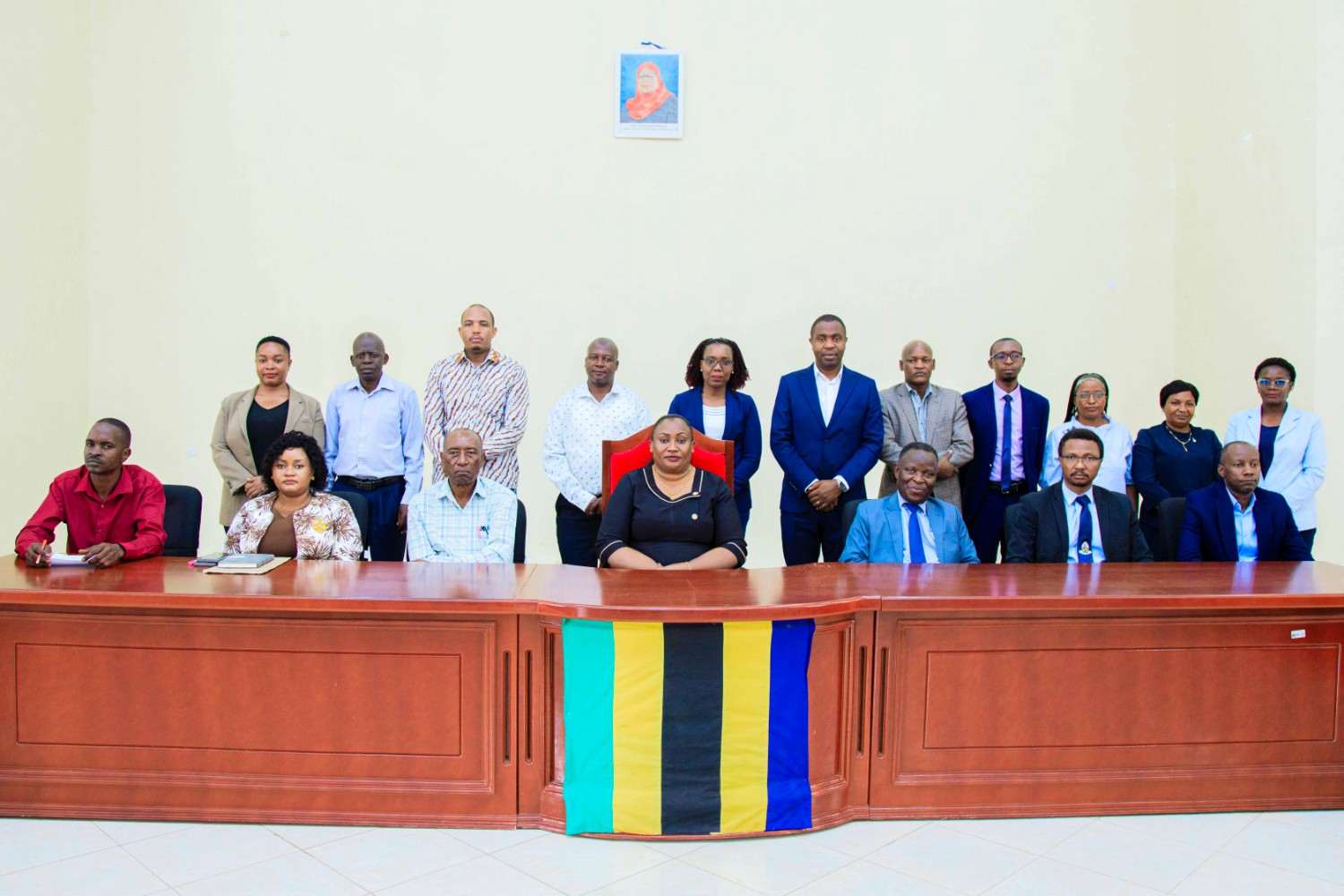
UDSM Takes Mining Expertise, Technology to Small-Scale Miners in Nzega
Erca Kisoli, CMU
Small-scale miners in Nzega District are set to gain greater access to scientific expertise, modern technology and professional training following a new partnership with the University of Dar es Salaam (UDSM) aimed at improving mining practices and unlocking the area's mineral potential.
The collaboration seeks to bridge the gap between academic knowledge and practical mining operations by bringing university research, technical services and specialised training closer to miners, while promoting safer, more efficient and environmentally responsible extraction of minerals.
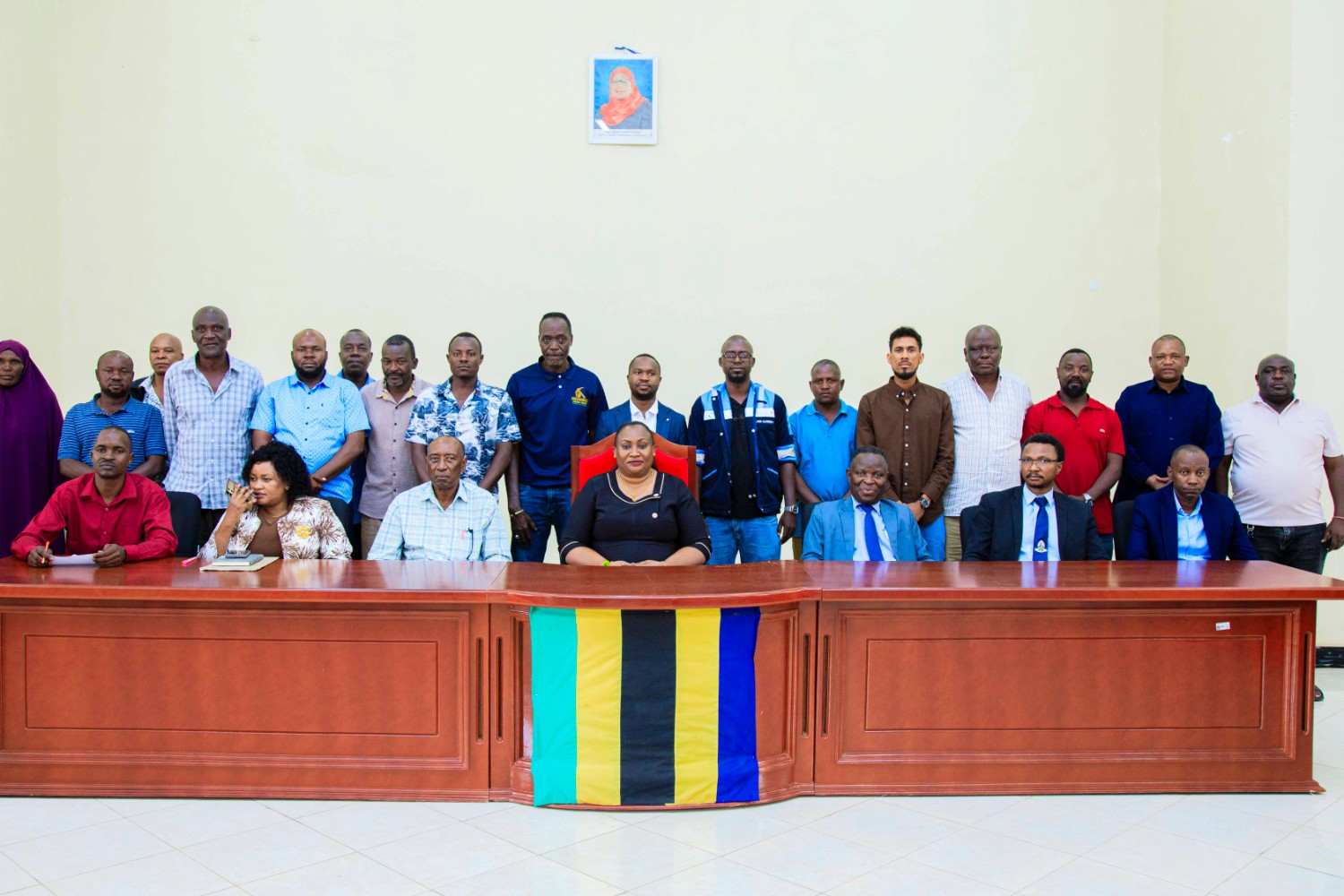
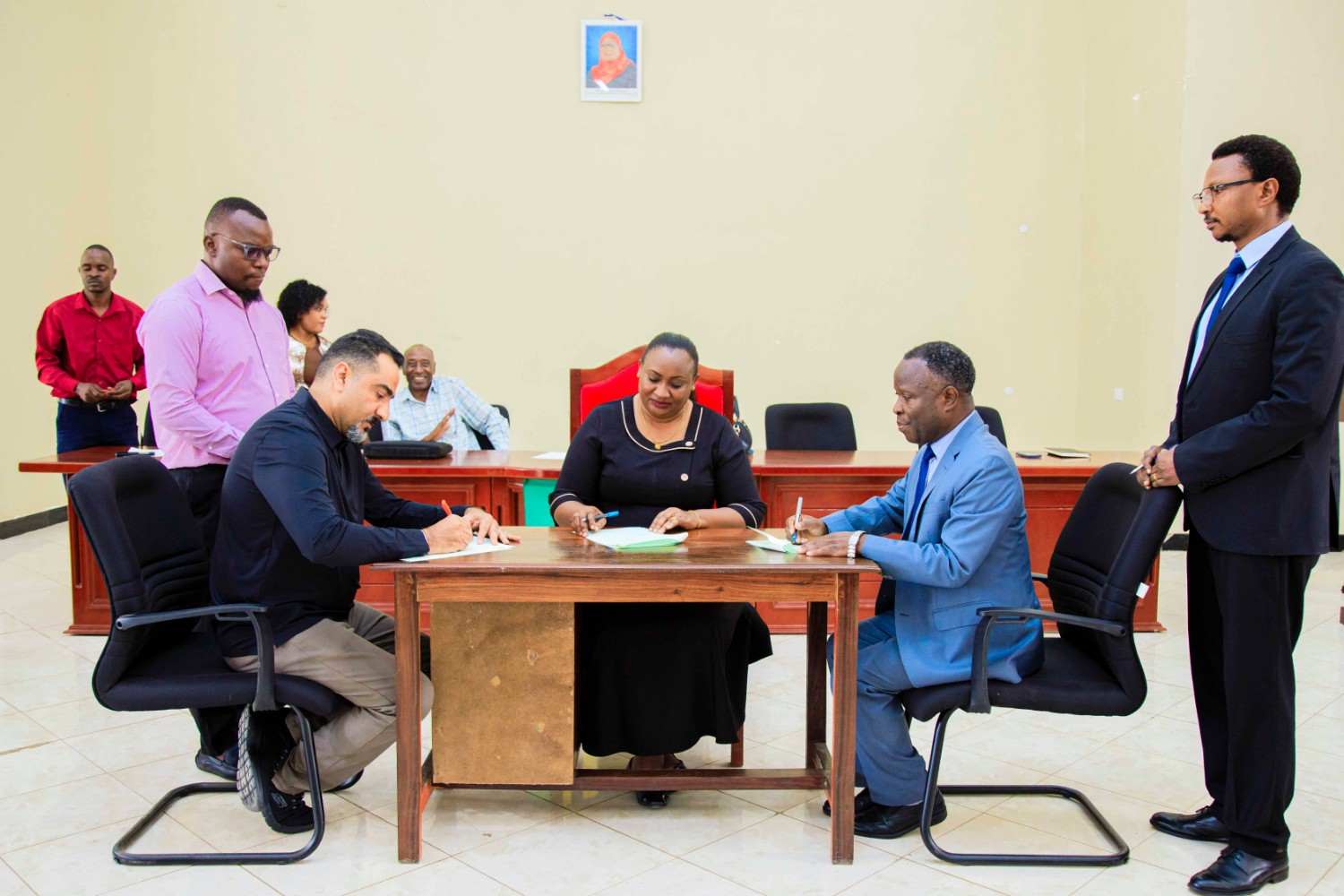
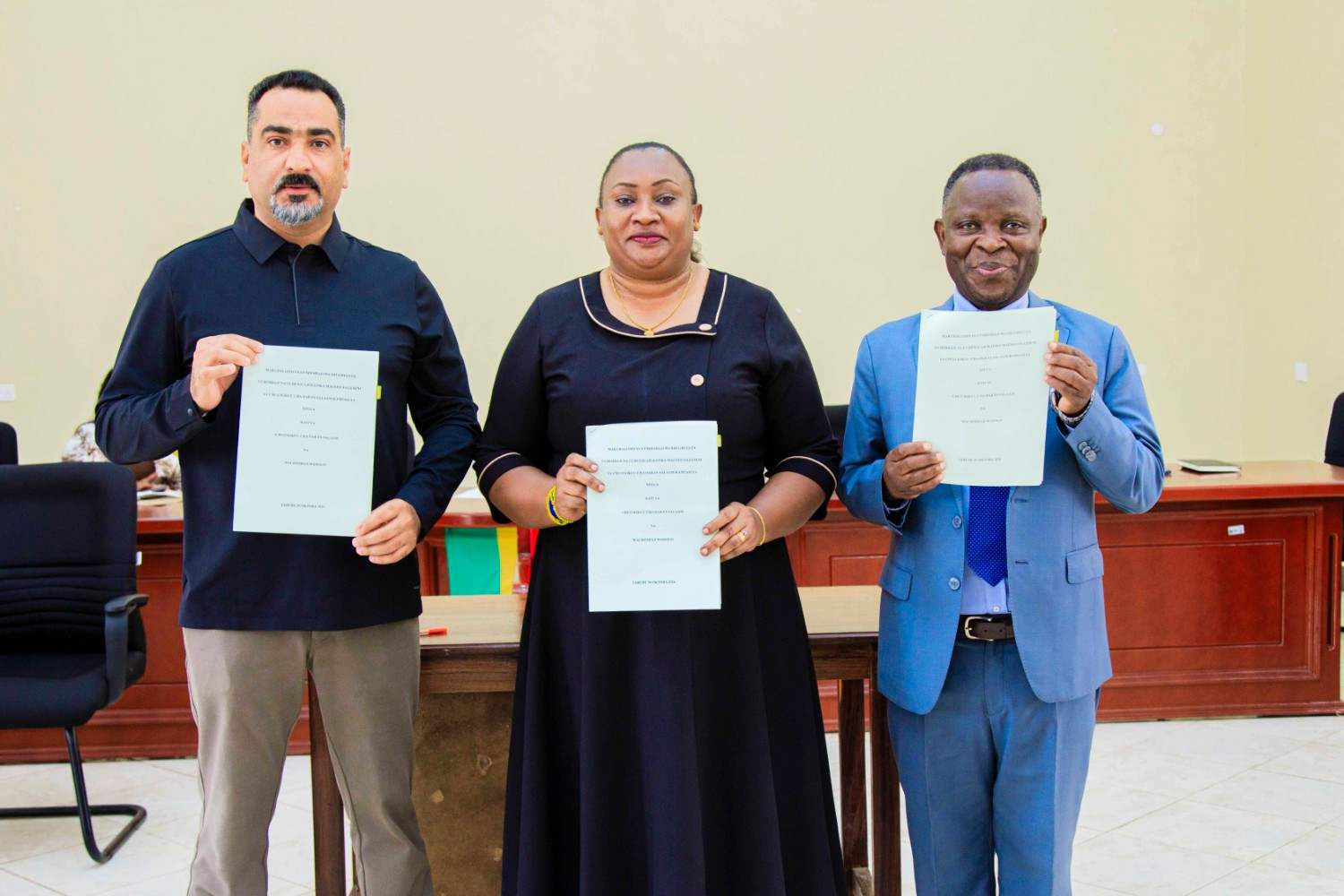
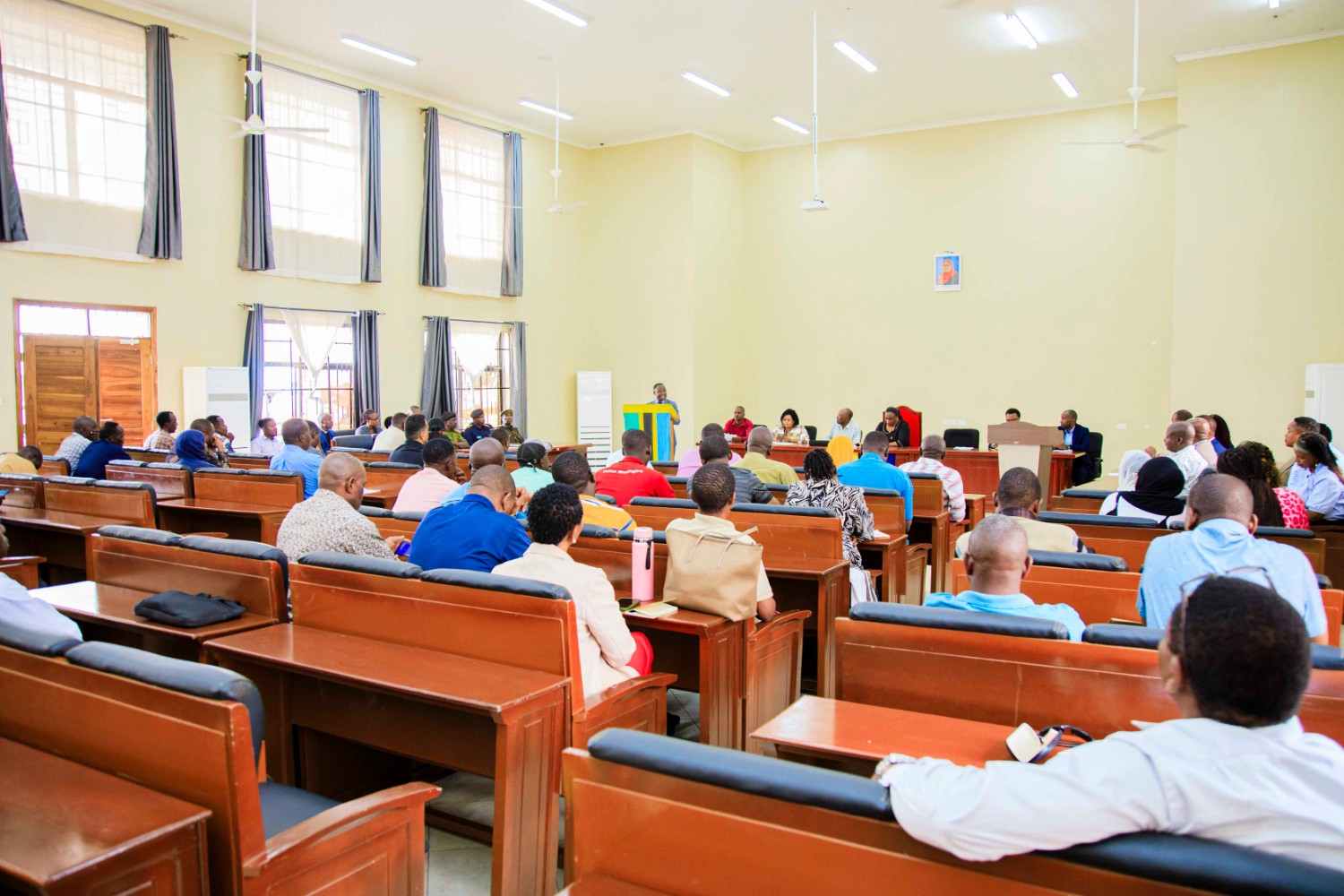
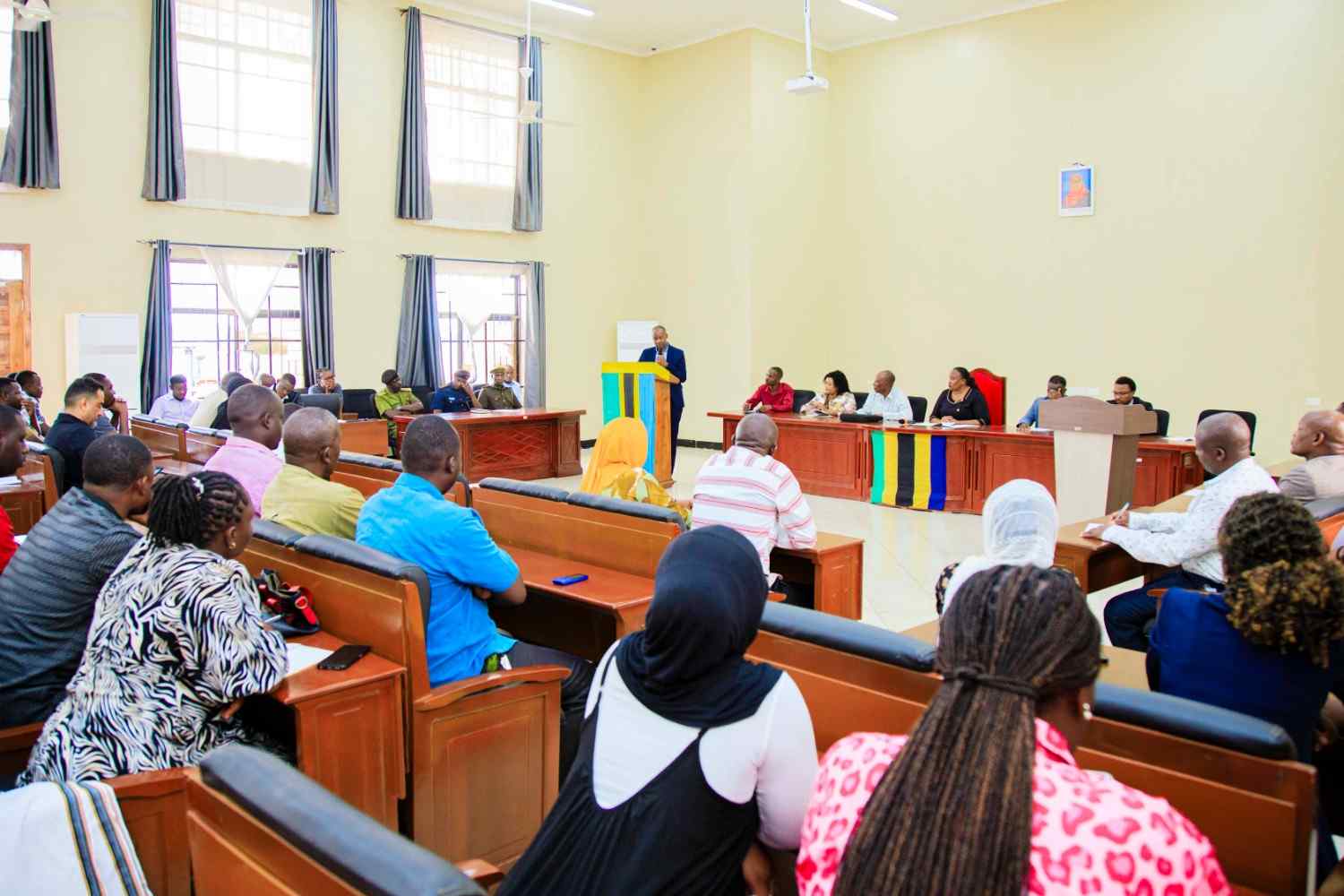
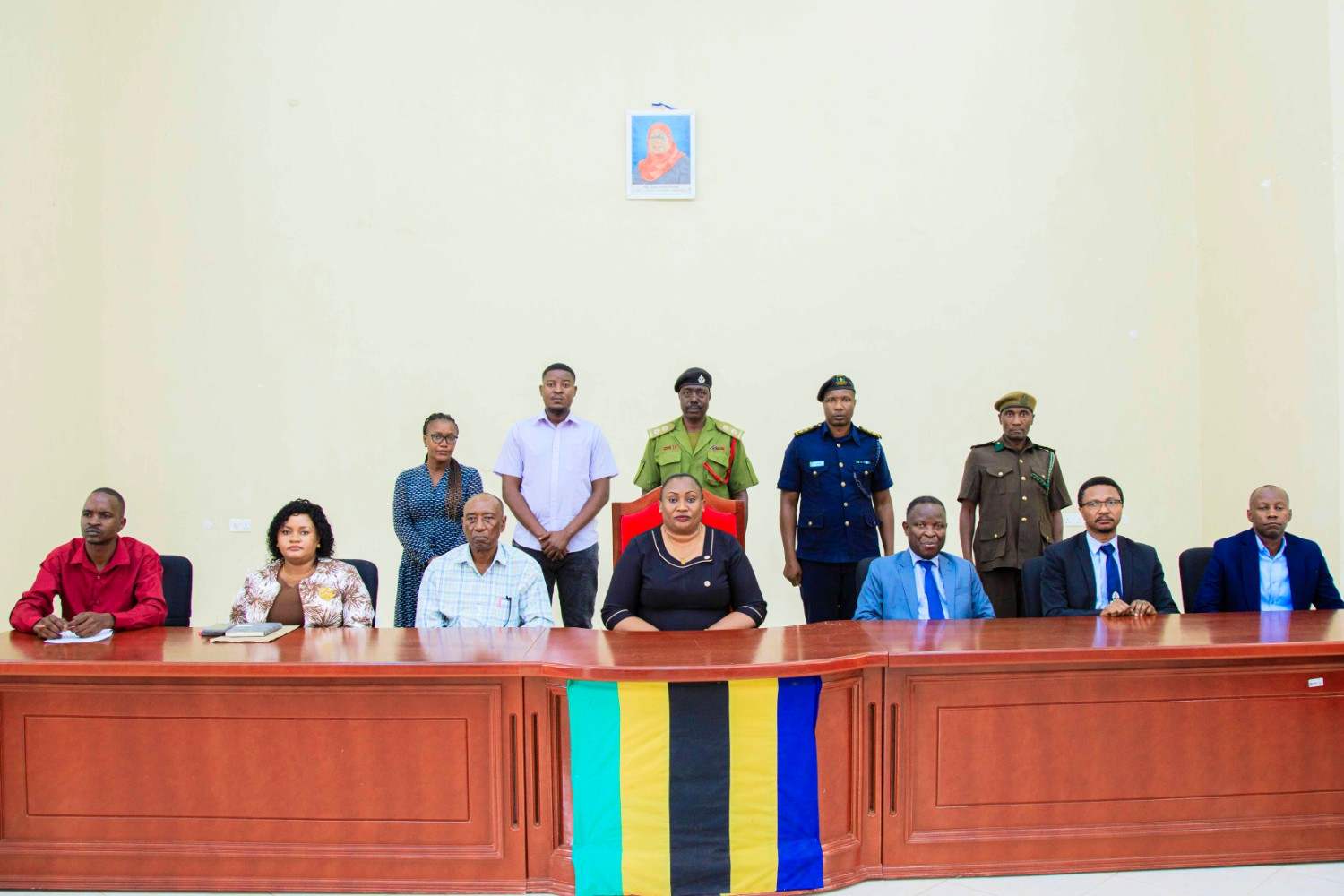
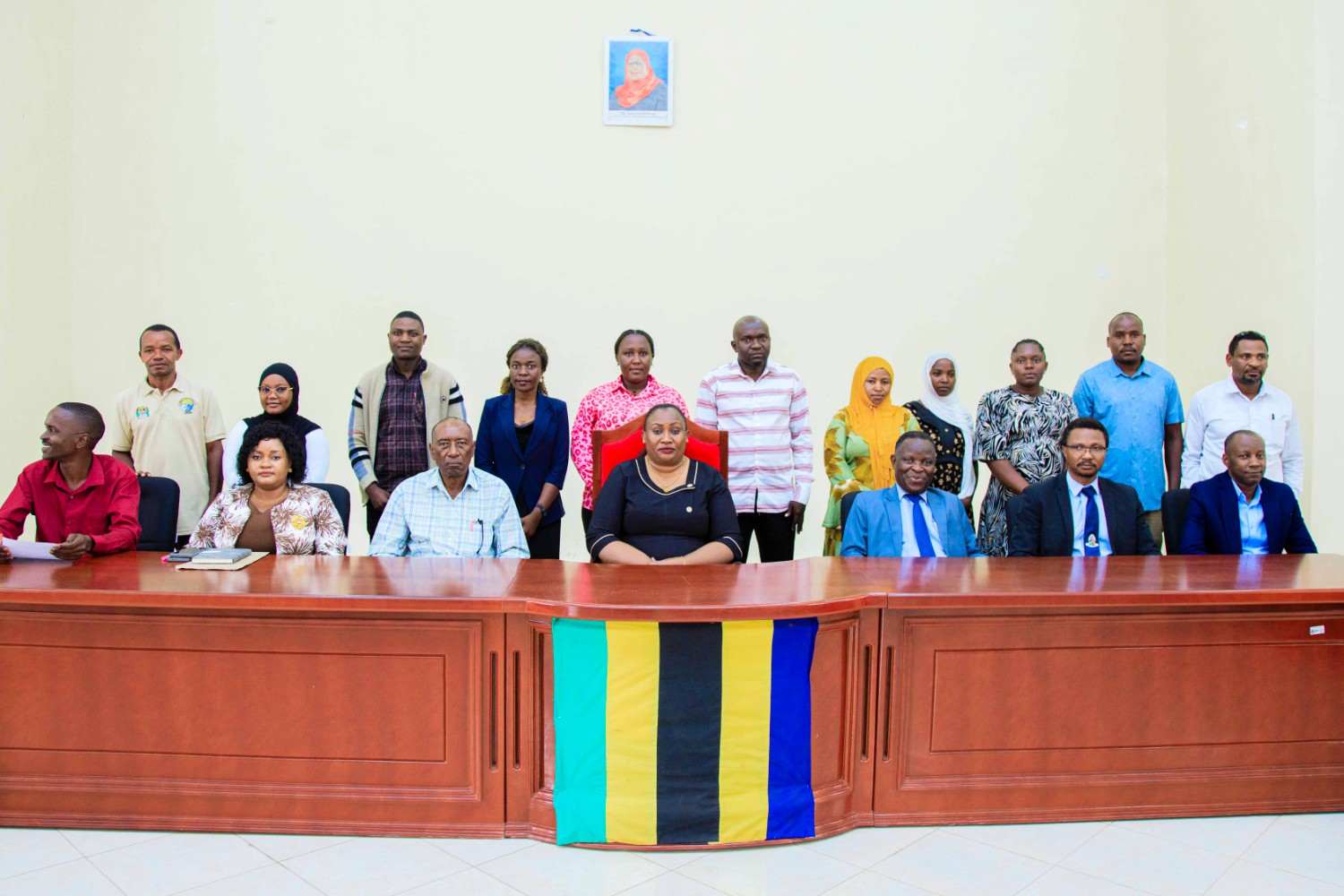
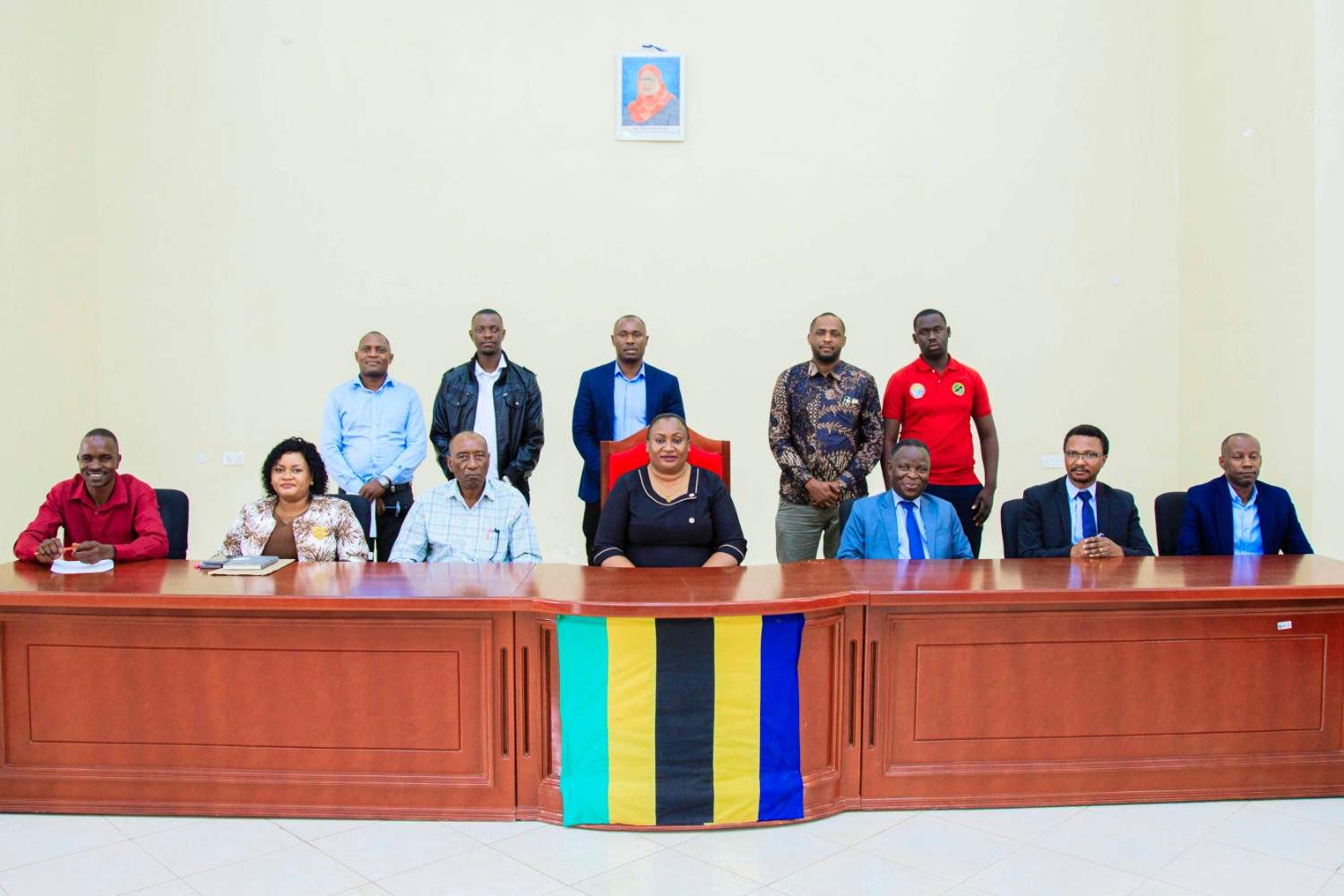
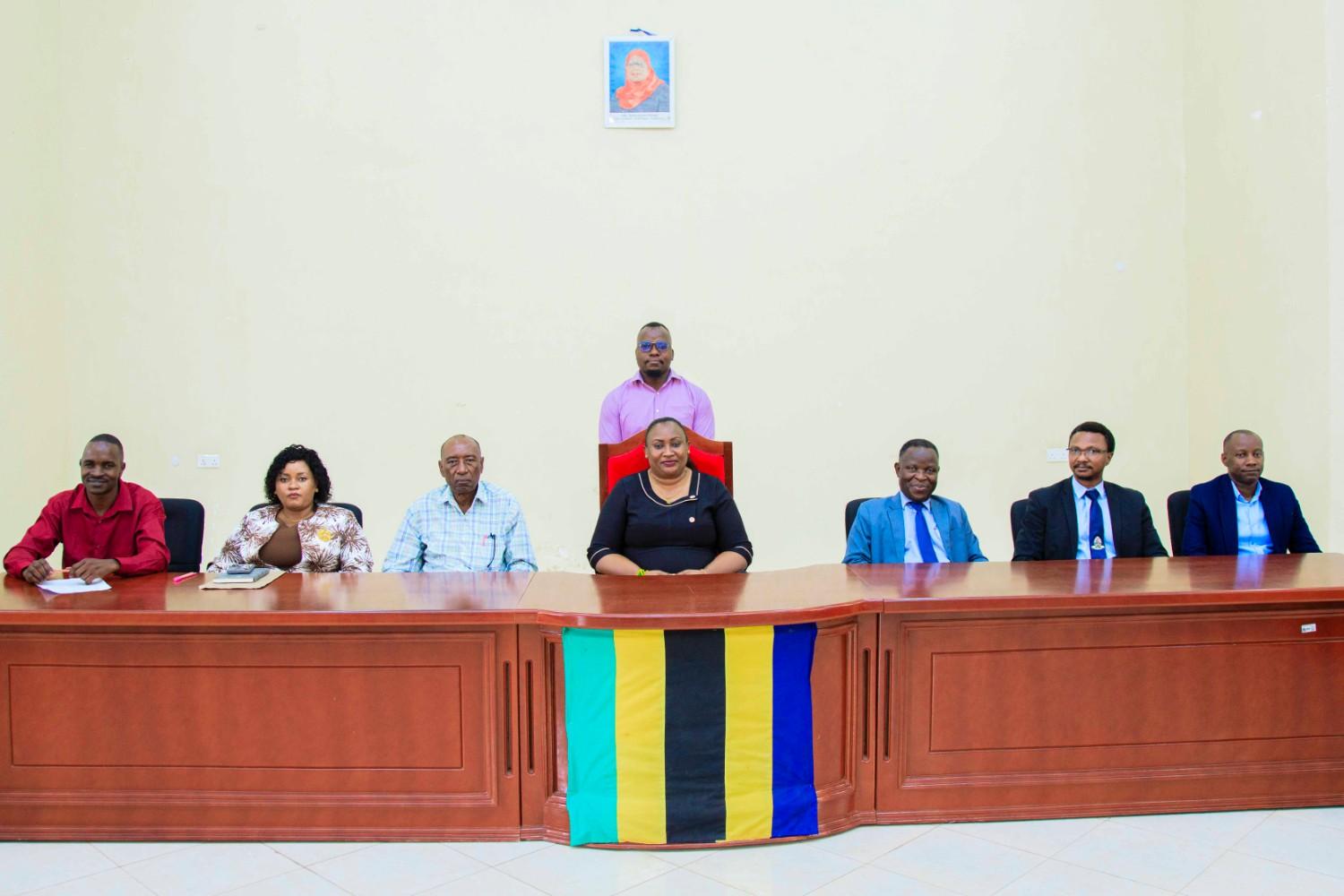
The partnership was formalised through an agreement signed between UDSM and small-scale miners operating or intending to operate within the University's Nzega Campus area in Tabora Region.
It also seeks to position the Campus as a centre for mining-related training, research, mineral exploration, processing and professional services.
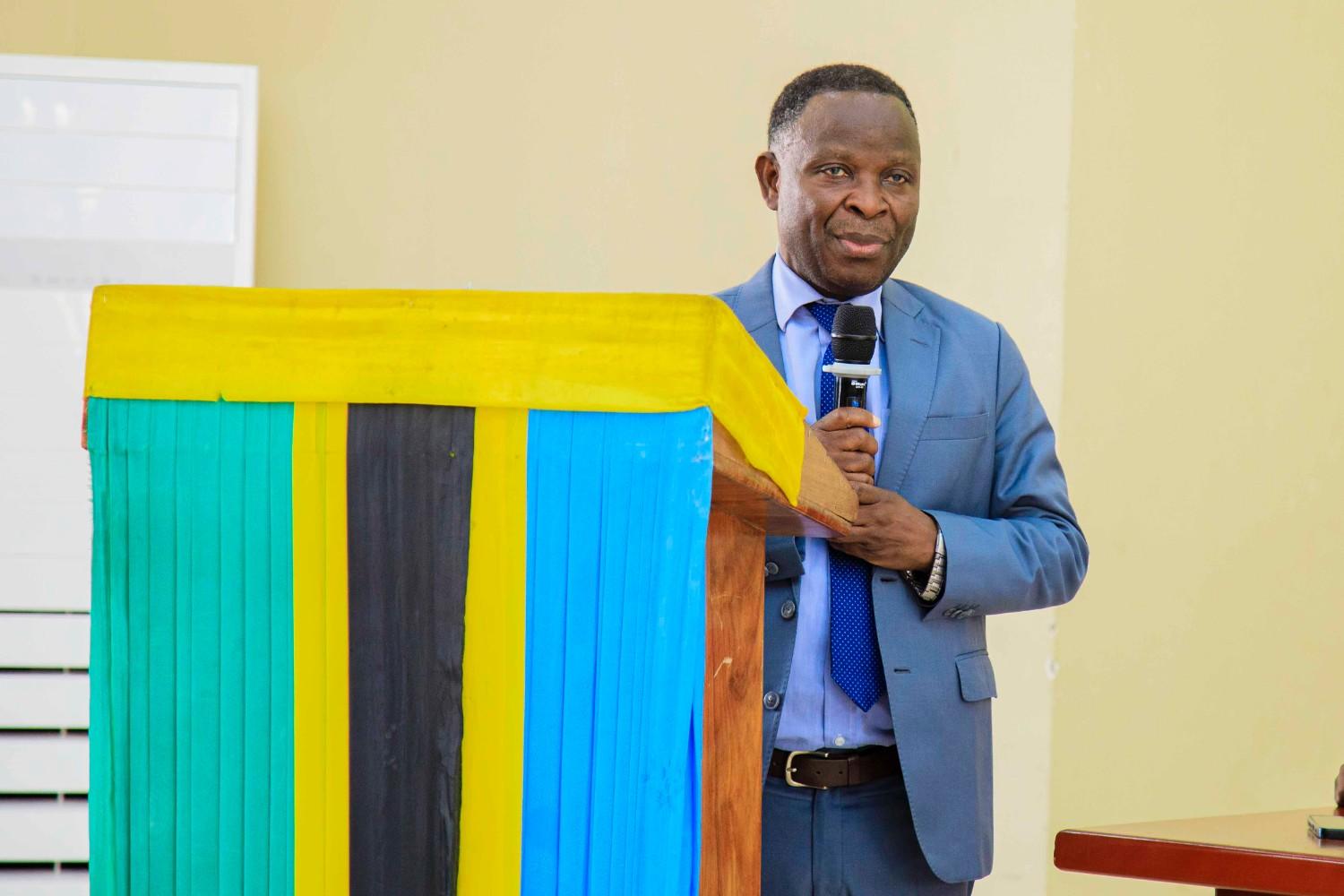
Speaking at the signing ceremony, UDSM Vice Chancellor, Prof. William A. L. Anangisye, said the initiative provides an opportunity to connect the University's academic and research expertise with the practical experience of miners to address challenges facing the sector.
“Knowledge generated at the University becomes more valuable when it is brought together with the experience of people working directly in the mining sector. This collaboration will allow both sides to learn from one another while developing solutions to practical challenges,” he said.
Prof. Anangisye explained that the partnership reflects the University's commitment to translating academic knowledge and research into practical solutions that respond to national development priorities, in line with UDSM Vision 2061 and the Strategic Plan 2024–2033.
He emphasised, however, that the collaboration must operate within the law, with particular attention to mining licences, safety standards, environmental protection and the University's institutional interests.
He clarified that interested and qualified miners could submit applications for consideration, but signing the agreement did not automatically grant permission to undertake mining activities. All necessary approvals and procedures must first be fulfilled, and operations must remain within authorised areas.
Building technical capacity and modern mining services
Explaining how the partnership will translate into practical benefits, the Dean of the UDSM School of Mines and Geosciences (SoMG), Prof. Elisante Mshiu, said the University plans to strengthen mineral exploration and analytical services while expanding access to specialised training for small-scale miners.
He said the initiative would include the development of modern laboratory facilities equipped with appropriate machinery and technology to analyse mineral samples, particularly gold, providing miners with more reliable information to guide their operations.
“We want the University to become a place where small-scale miners can access professional training, technical knowledge and modern equipment to improve the way they conduct their mining activities,” Prof. Mshiu said.
He explained that training would combine theoretical instruction with practical exposure to equipment and machinery, helping miners improve their understanding of mineral exploration, extraction and processing techniques.
The University also intends to apply its geological expertise to assess mineral-bearing areas and generate scientific information that can help miners make better-informed decisions before investing in mining operations.
Beyond supporting existing mining activities, Prof. Mshiu said the initiative would create opportunities for UDSM students and researchers to gain practical experience in real mining environments, strengthening the connection between academic learning, research and industry needs.
Balancing mining opportunities with legal and environmental responsibilities
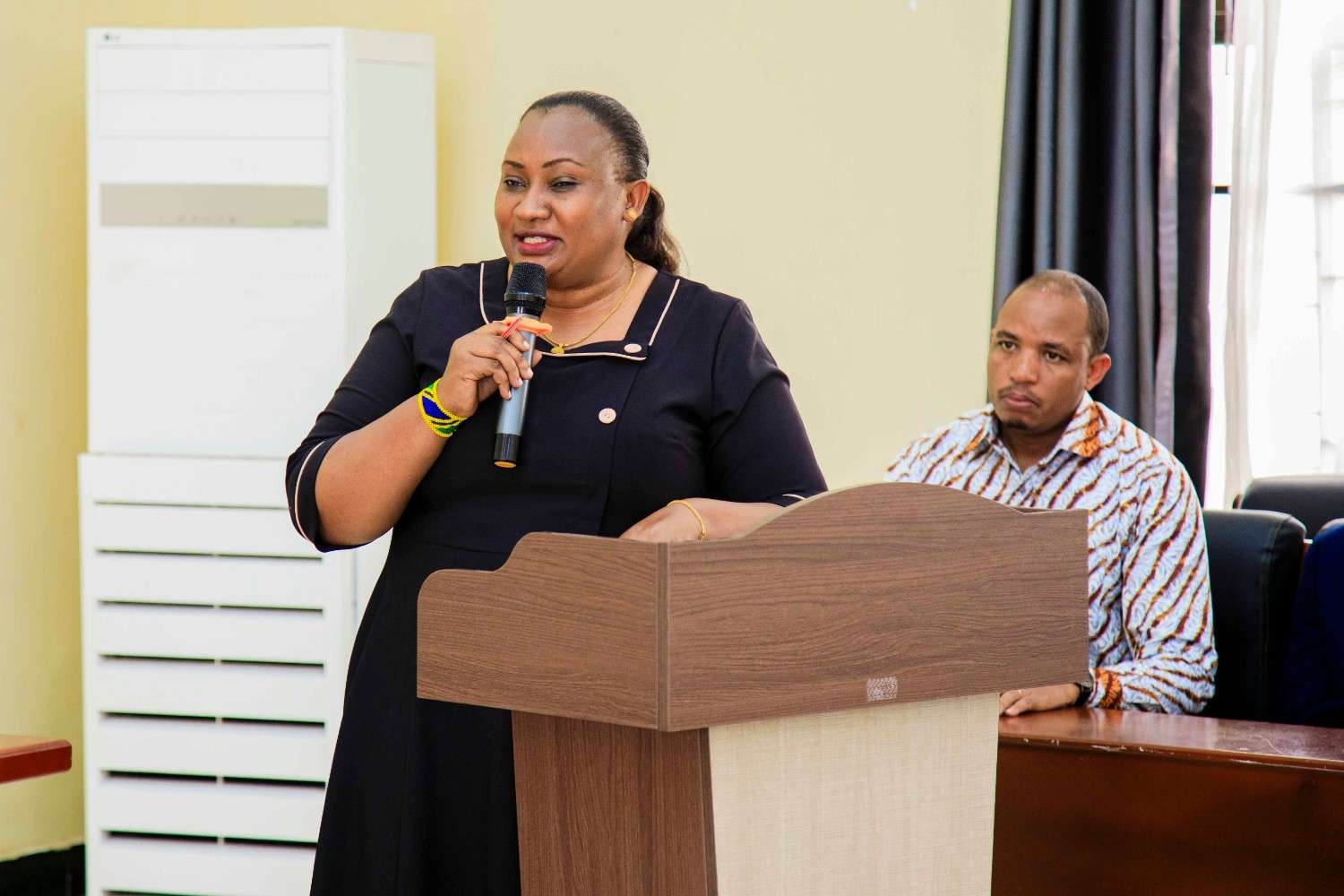
The District Commissioner of Nzega, Hon. Naitapwaki Lemeya Tukai, said the agreement demonstrates how dialogue between institutions, Government authorities and economic stakeholders can help address competing interests while creating opportunities for local economic development.
She noted that mining contributes to employment, household incomes and Government revenue, but stressed that these benefits must be pursued within the established legal and environmental frameworks.
“The intention is not to prevent legitimate economic activities, nor is it to allow mining on institutional land without following the required procedures. What we want is an orderly arrangement through which eligible mining activities can take place in accordance with the law,” she said.
Hon. Tukai stressed that the real test of the partnership would be its implementation rather than the signing of the agreement.
She called on the University, miners and relevant Government authorities to honour their commitments, maintain open communication and address emerging challenges through established procedures.
She also urged miners to comply with licensing requirements, protect workers' safety, observe environmental standards and respect University property, while encouraging UDSM to ensure transparency and effective coordination in managing the collaboration.
Miners look to improved skills and opportunities
For small-scale miners, the partnership offers an opportunity to access expertise and technical services that can help address some of the challenges associated with mineral exploration and processing.
Chairperson of the Tabora Regional Miners Association (TABOREMA), Joseph Mabondo, welcomed the agreement, saying it provides a platform for closer cooperation between the University and people directly involved in mining.
He acknowledged the role played by the University leadership and Nzega District Government in facilitating dialogue, but emphasised that the benefits would depend on the commitment of all parties to implement what they had agreed.
“We are ready to work with the University and relevant authorities to fulfil our responsibilities and ensure that this partnership produces practical and sustainable benefits for everyone involved,” he said.
The collaboration provides an opportunity for UDSM to expand the role of its Nzega Campus beyond conventional academic activities by linking teaching, research and innovation with the economic potential of the surrounding community.
For small-scale miners, access to scientific assessments, laboratory services, modern equipment and professional training could help improve technical capacity and promote more informed mining practices.
For students and researchers, the mining environment offers opportunities to test academic knowledge, undertake field-based research and develop innovations addressing real industry challenges.
The partnership's long-term value will therefore depend on its ability to translate institutional cooperation into measurable improvements in mining expertise, productivity, safety, environmental responsibility and local economic opportunities.
By bringing miners and university experts together, UDSM is seeking to demonstrate how higher education institutions can contribute directly to transforming productive sectors through research, technology and knowledge exchange.