

UDSM and BoT Join Forces to Take Financial Education Closer to Tanzanians
By Selemani Nambimbi, CMU
Financial literacy plays a critical role in helping people make informed decisions about income, savings, borrowing and investment. As Tanzania seeks to strengthen financial inclusion and economic participation, equipping citizens with practical financial knowledge has become increasingly important.
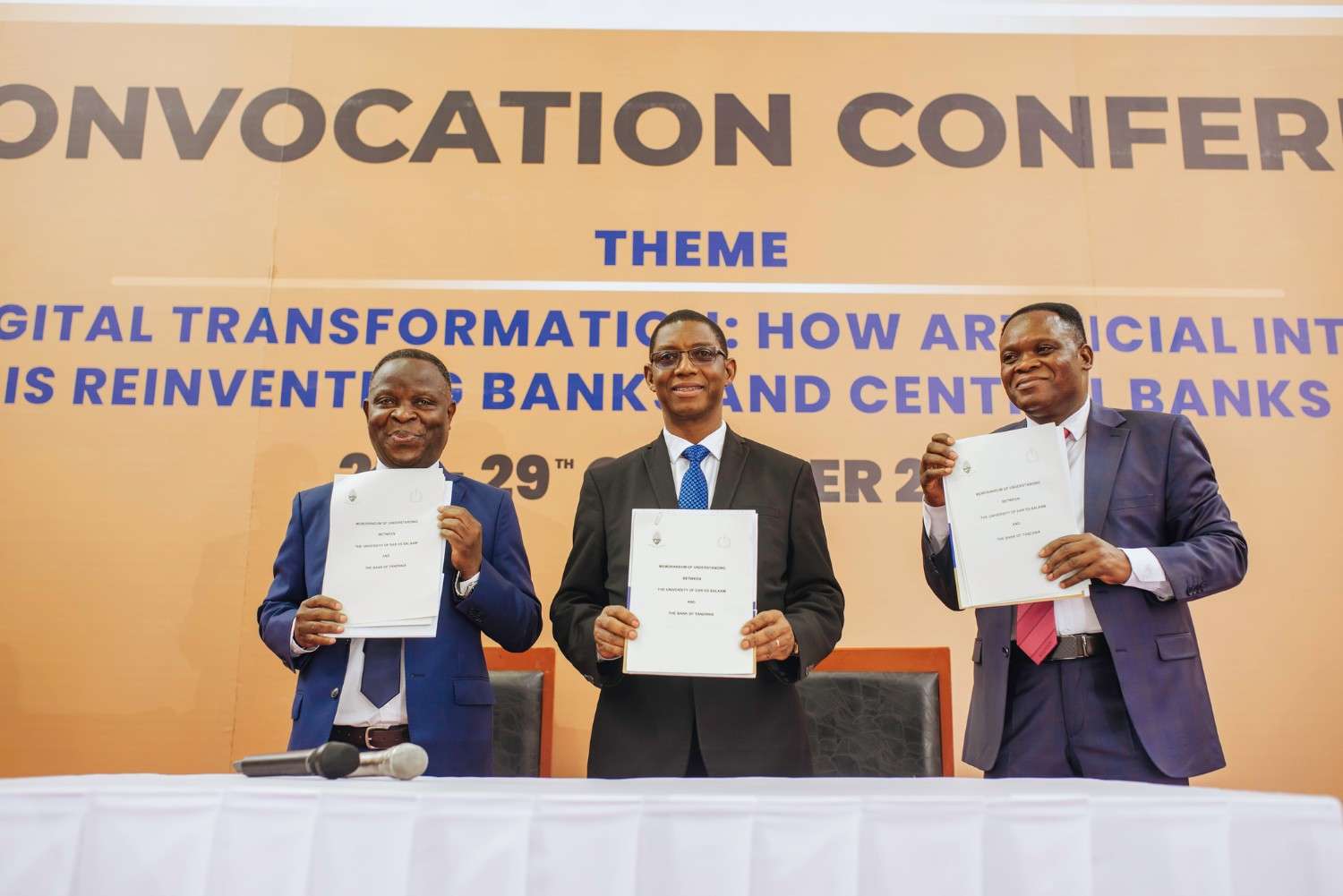
Against this backdrop, the university of Dar es Salaam (UDSM) and the Bank of Tanzania (BoT), through its Academy, have entered into a strategic partnership to expand financial education, promote joint research and develop programmes aligned with labour-market demands and national economic priorities.
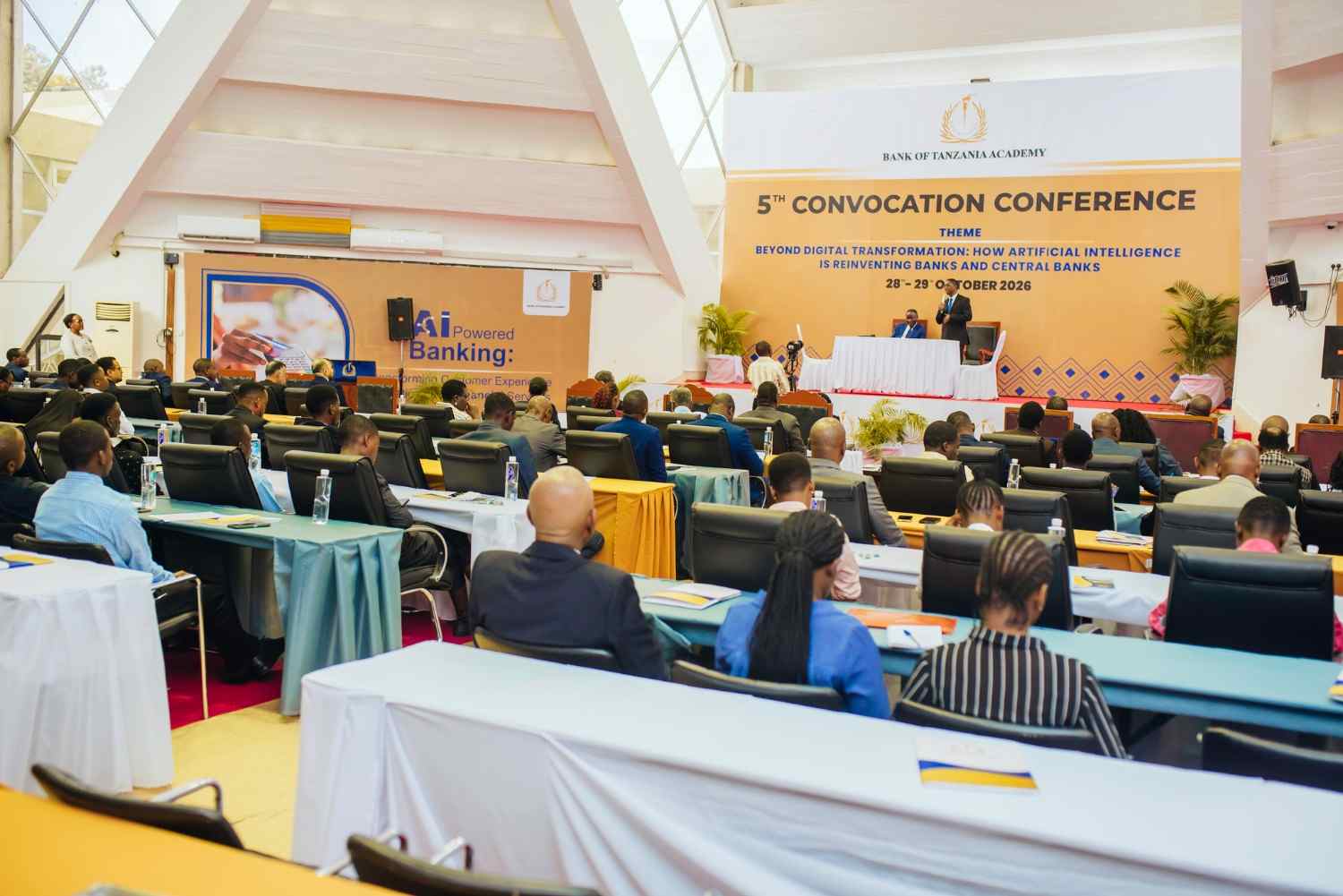
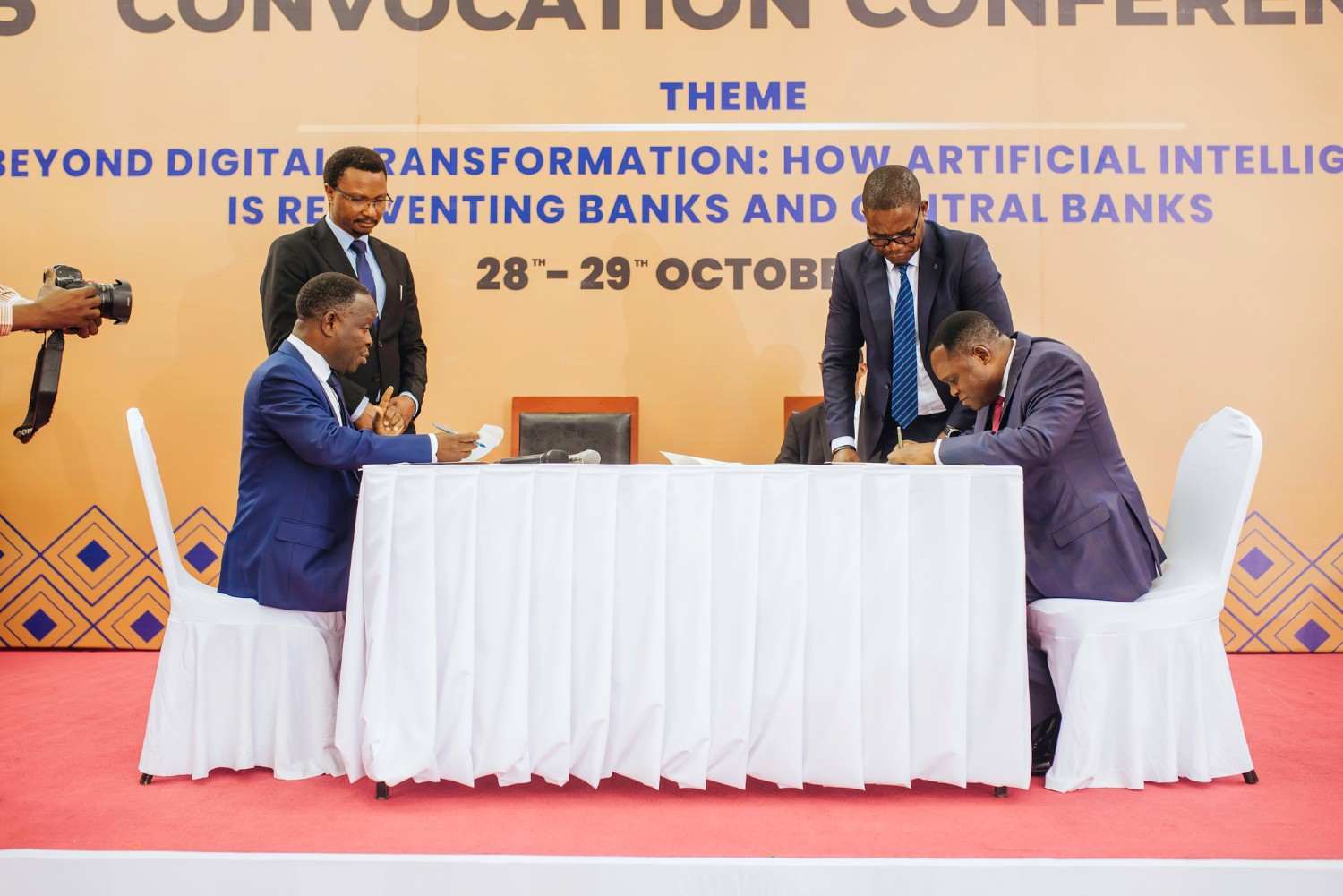
The partnership was formalised through the signing of a Memorandum of Understanding (MoU) on 29 October 2026 at the Bank of Tanzania Academy in Mwanza, in the presence of BoT Governor, Mr. Emmanuel Tutuba.
It provides a framework for combining the University's academic expertise and research capacity with the Academy's training infrastructure to extend financial education to more Tanzanians.
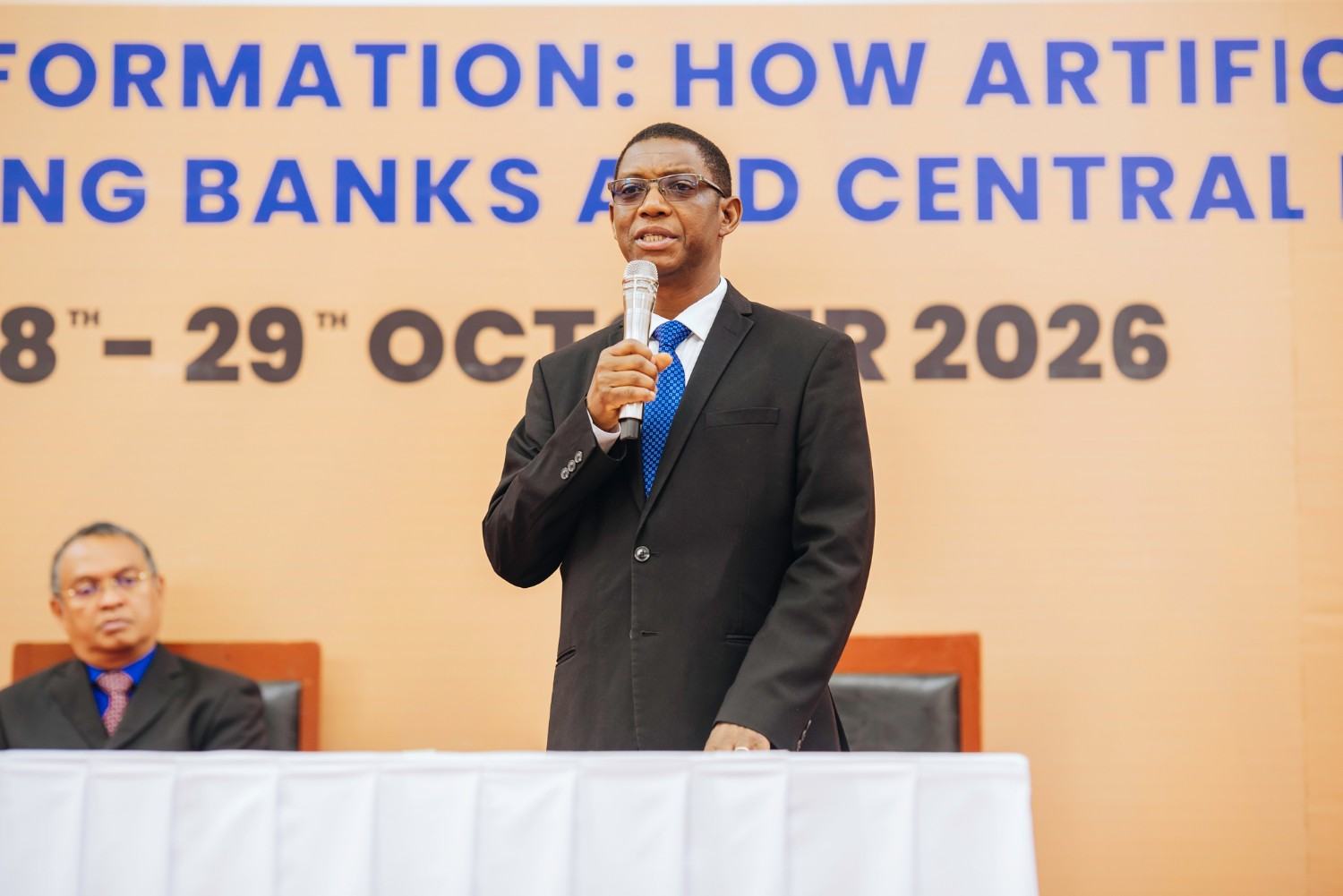
Speaking at the ceremony, Governor Tutuba underscored the importance of financial literacy in enabling people to make informed decisions about spending, saving and investing, noting that financial knowledge is essential for translating income and available resources into improved livelihoods.
“Financial literacy is important because it enables people to make sound decisions about how they spend their money, save and invest. The knowledge and skills gained through these partnerships should help Tanzanians put their resources into productive economic activities, contributing to economic growth and employment creation,” he said.
He emphasised that financial education should go beyond understanding financial products to equipping people with practical skills to manage their resources and take advantage of available economic opportunities.
The Governor's remarks reflect the Bank's broader financial inclusion agenda, which recognises that access to financial services must be accompanied by the ability to use them effectively.
According to the Bank's 2026 account of financial inclusion progress, access to formal financial services among Tanzanian adults increased from 86 per cent in 2017 to 89 per cent in 2023, while usage rose from 65 to 76 per cent over the same period.
Extending university expertise beyond the campus
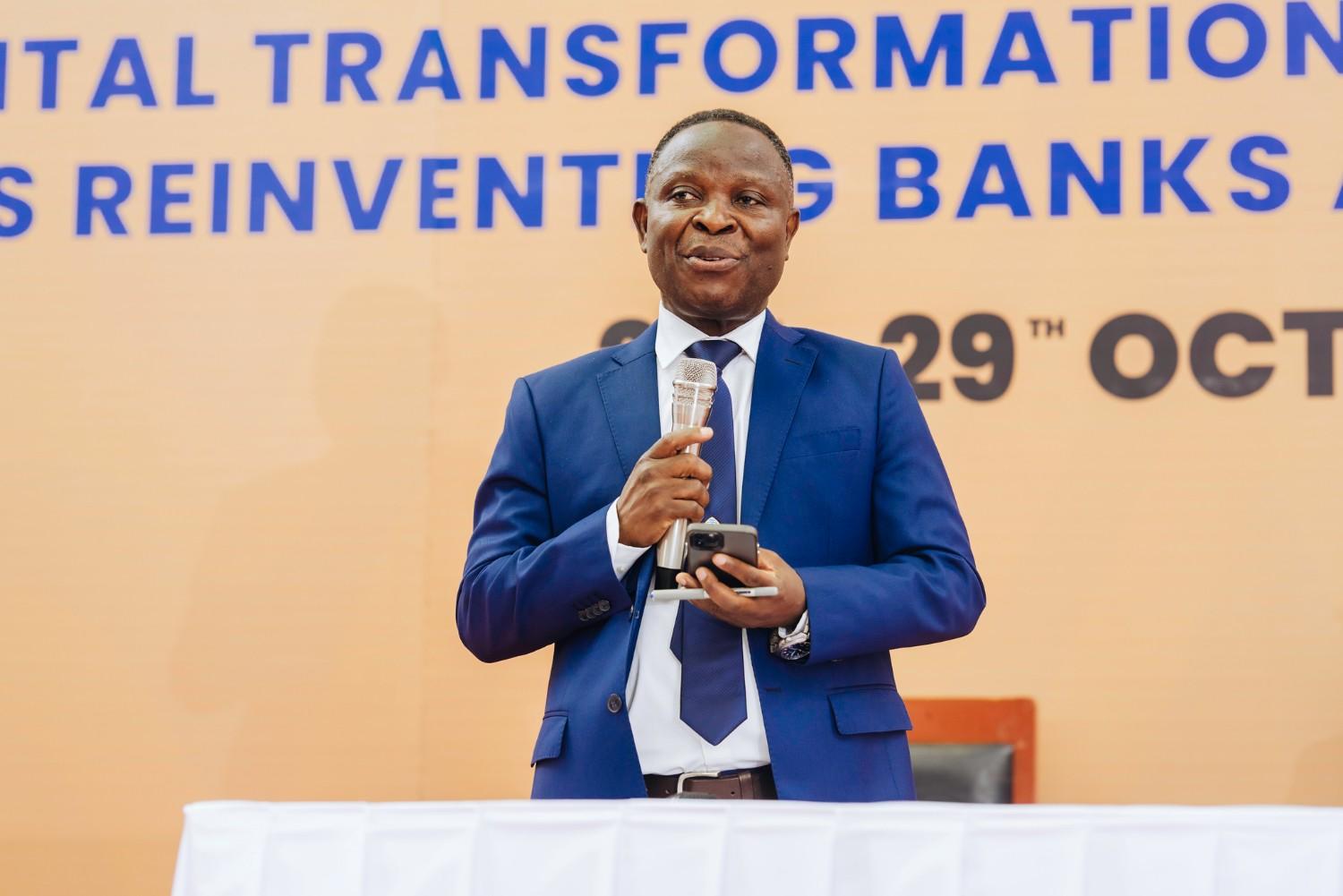
UDSM Vice Chancellor, Prof. William A. L. Anangisye, said the partnership provides an important opportunity for the University to extend its longstanding academic experience in financial education to a wider population by working through the Bank's established training facilities.
He expressed appreciation to Governor Tutuba for facilitating the collaboration, noting that the arrangement would enable the two institutions to combine their respective strengths in addressing financial literacy challenges.
“Signing this MoU with BoT Academy means a great deal to the University of Dar es Salaam. It gives us an opportunity to share the University's many years of experience in financial education with Tanzanians through the Academy's facilities,” Prof. Anangisye said.
He explained that UDSM would contribute academics and specialists, particularly professors with expertise in financial education, to support teaching, research and the development of programmes addressing the financial knowledge gaps experienced by different sections of society.
“Our experts, particularly professors specialising in financial education, will have an opportunity to work with BoT Academy in teaching and conducting research. We want to use this expertise to address gaps in financial literacy, which remain a challenge for some people,” he said.
Prof. Anangisye further highlighted the geographical advantage of the partnership, explaining that the Academy's facilities in Mwanza would help the University reach people who might otherwise find it difficult to access its academic services at the main campus in Dar es Salaam.
“We cannot bring everyone to the University of Dar es Salaam, but through partnerships with institutions that have facilities in different parts of the country, we can take our expertise closer to the people. BoT Academy provides an important opportunity for us to reach Tanzanians in Mwanza and beyond who need access to quality financial education,” he explained.
Training designed around real economic needs
Beyond expanding access to financial education, the partnership seeks to strengthen the relevance and quality of professional training by aligning curricula with changing labour-market requirements and developments in the economy.
Prof. Anangisye said UDSM would draw on its experience in curriculum development and research to complement existing programmes at BoT Academy, ensuring that training responds to actual knowledge and skills gaps rather than duplicating what is already available.
“We have experts in curriculum development who can help design programmes that respond to the actual needs of the market. Our intention is to complement existing opportunities by addressing what may be missing and responding to changes in the economy and labour market,” he said.
He also expressed satisfaction at finding UDSM graduates already contributing to training activities at BoT Academy, describing their presence as evidence of the University's contribution to developing professionals who serve different sectors of the economy.
“I was pleasantly surprised to find that some of the trainers at this institution are graduates of the University of Dar es Salaam. This demonstrates the contribution our University has made in developing expertise, and we are here to reaffirm our commitment to remaining relevant and working with other institutions. Our partners will not regret collaborating with UDSM,” he said.
Building financial capability for sustainable development
The partnership comes at a time when financial education is receiving increased attention in Tanzania, particularly as digital financial services, mobile money, electronic payments and other financial products continue to create new opportunities alongside emerging risks.
The Bank of Tanzania has been advancing financial education through initiatives targeting both formal education institutions and communities outside the education system. These include the Certified Financial Education Trainers Programme, which equips educators to provide practical financial knowledge to traders, entrepreneurs and other community groups.
The Bank has also worked with the Government to introduce guidelines for integrating financial education into higher education, technical education and vocational training curricula, launched on 2 October 2026.
The guidelines seek to equip learners with practical competencies in budgeting, saving, borrowing, investment and the safe use of financial services.
Against this background, the UDSM–BoT Academy partnership offers an additional avenue for combining academic research, professional training and public financial education.
For individuals and households, improved financial literacy can mean making better use of earnings, avoiding unsustainable borrowing, building savings and identifying productive investment opportunities. For businesses and professionals, it can strengthen financial planning, resource management and decision-making.
By bringing together the University's academic and research expertise with the Bank of Tanzania's financial-sector experience and training infrastructure, the partnership seeks to turn financial knowledge into practical skills that improve individual livelihoods, strengthen professional capacity and contribute to Tanzania's broader economic development.