

Elevating Education Evidence: National Conference Charts Tanzania’s Future of Learning
By Renancy Remmy, CMU
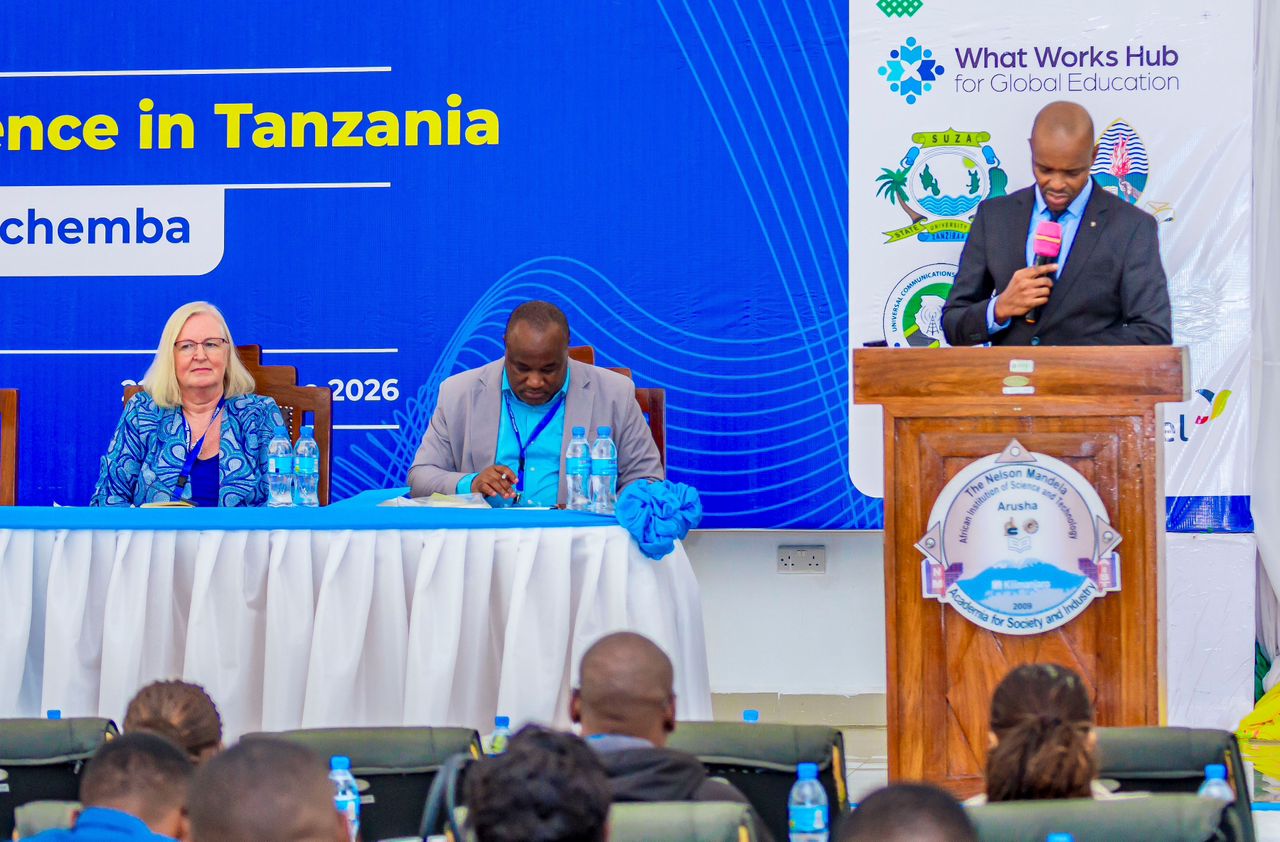
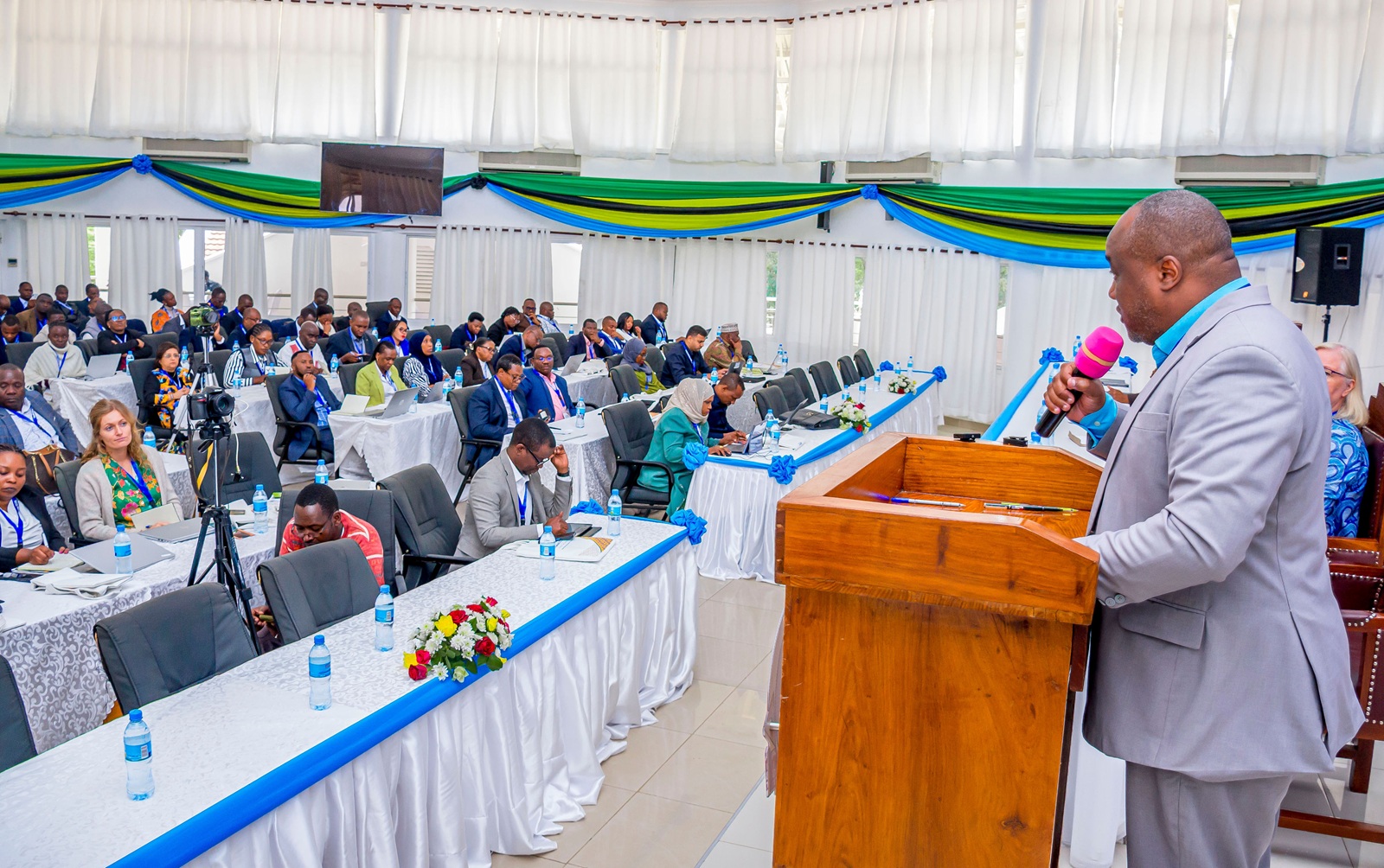
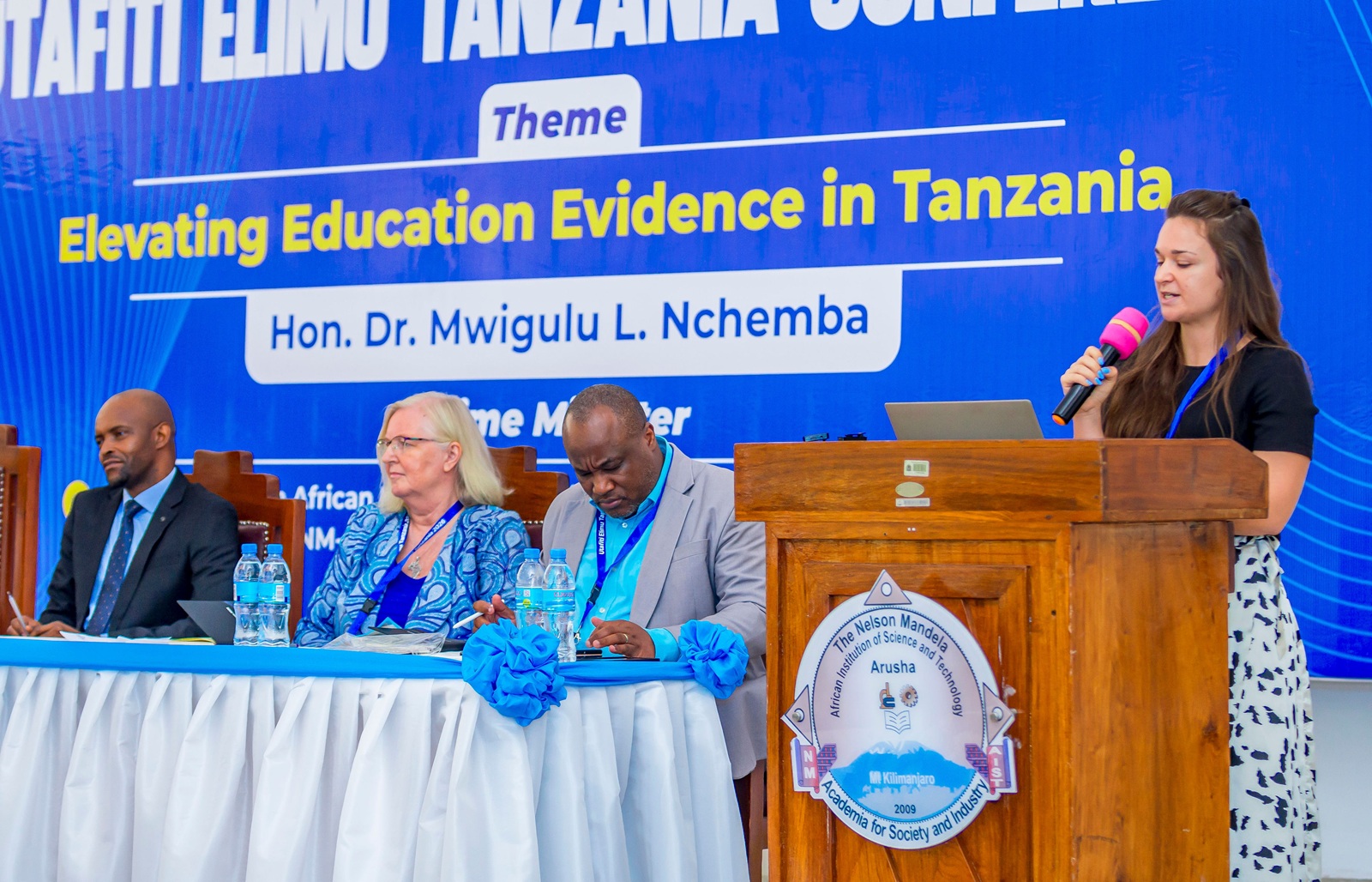
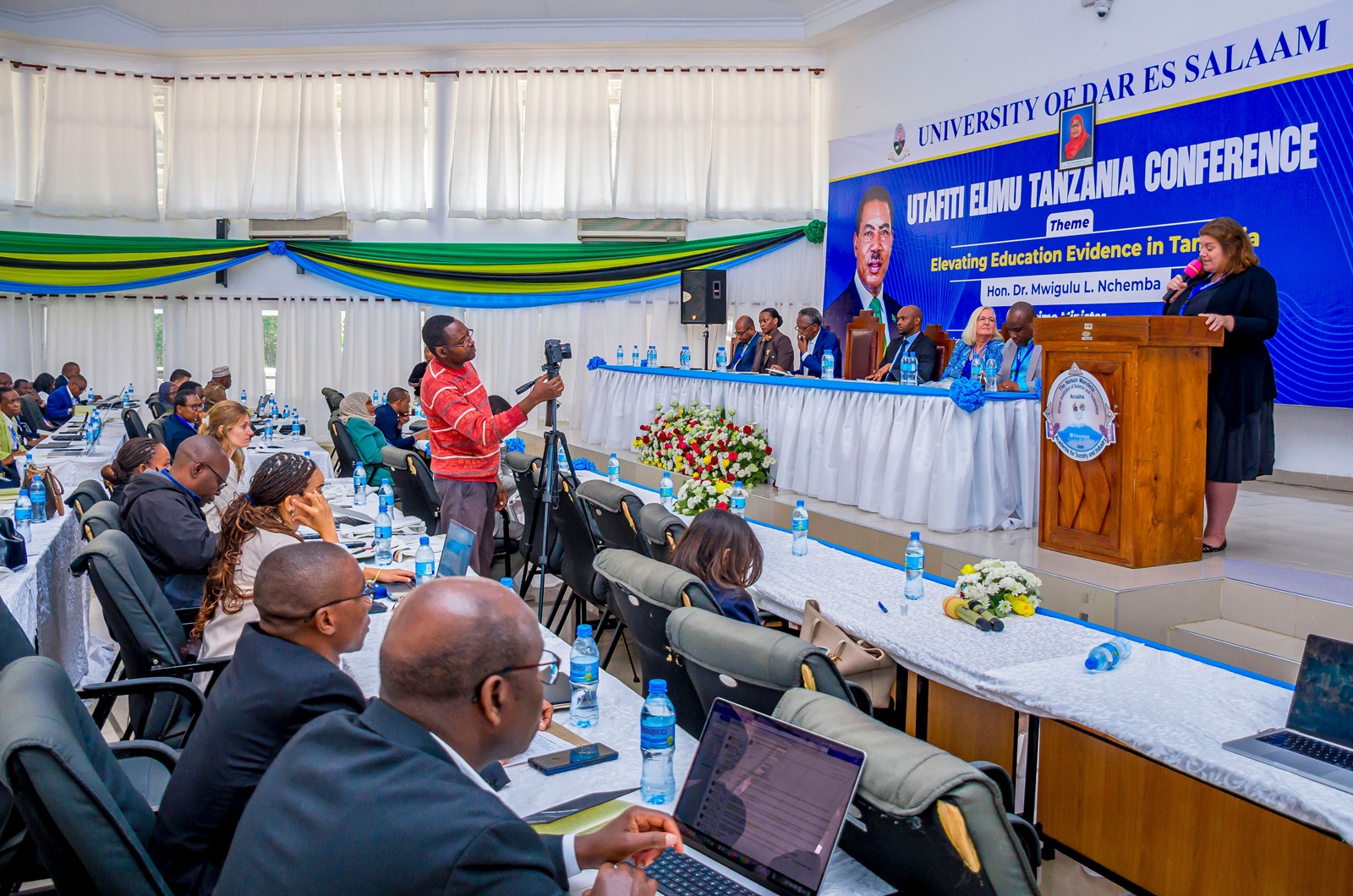
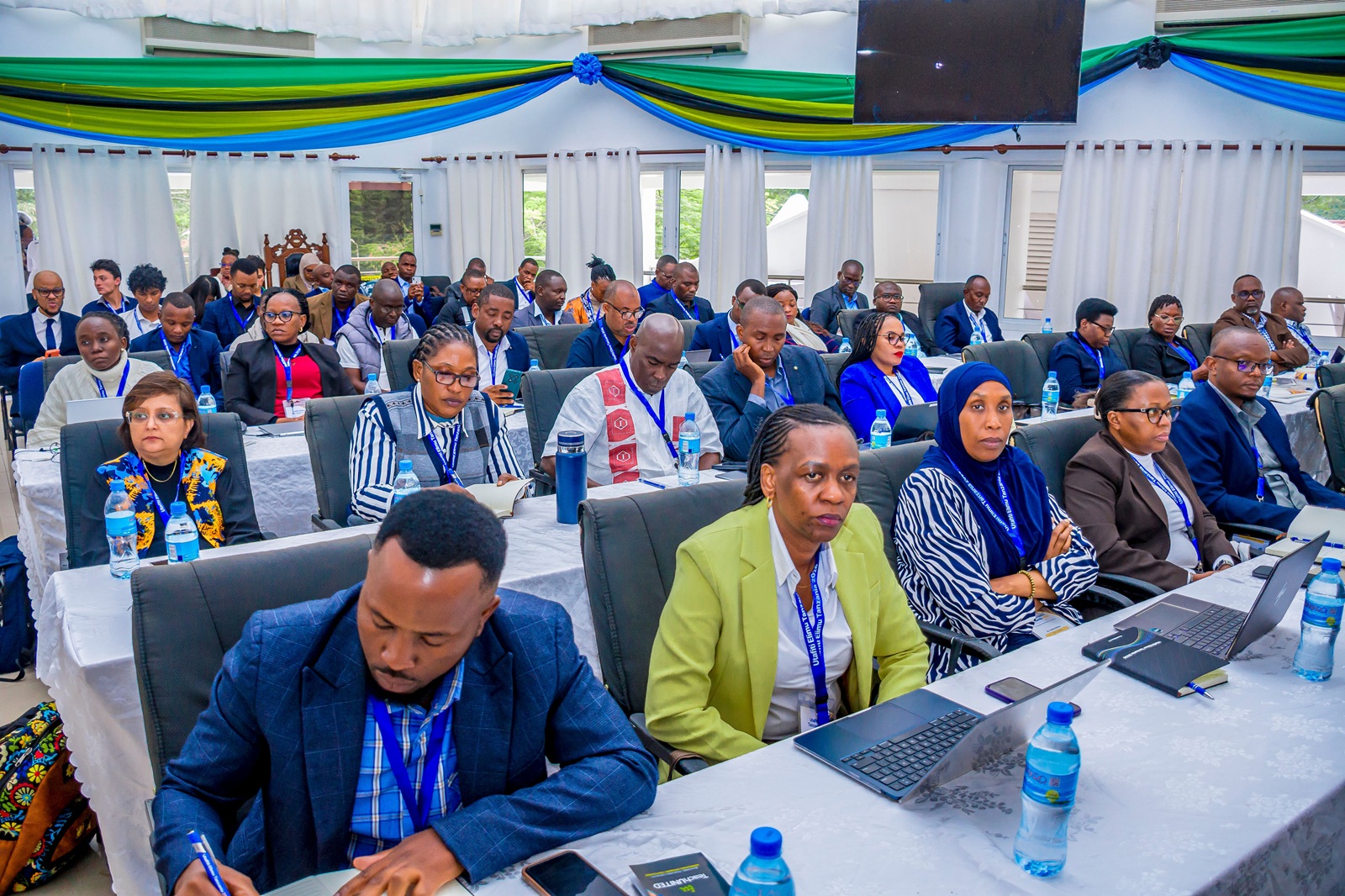
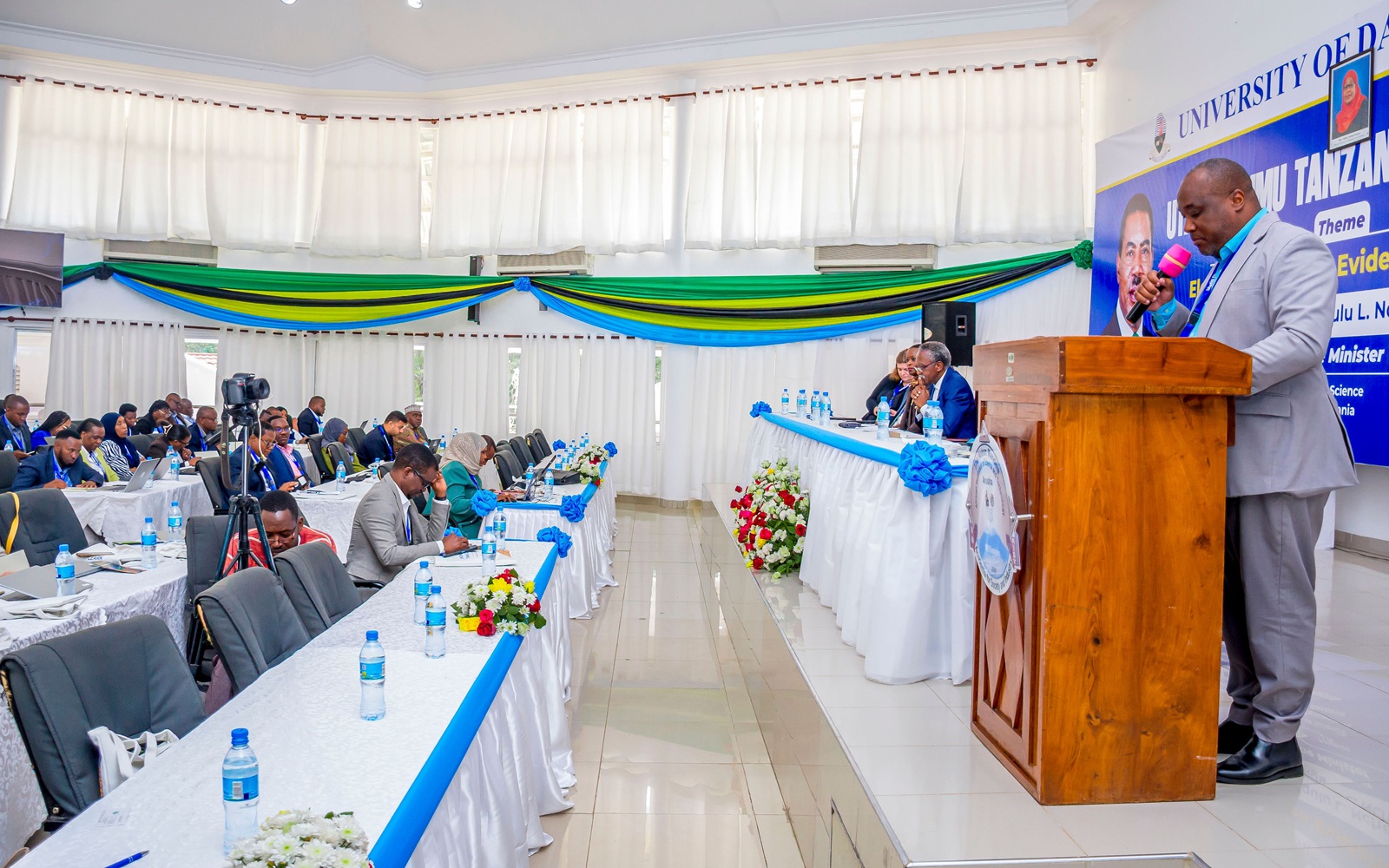
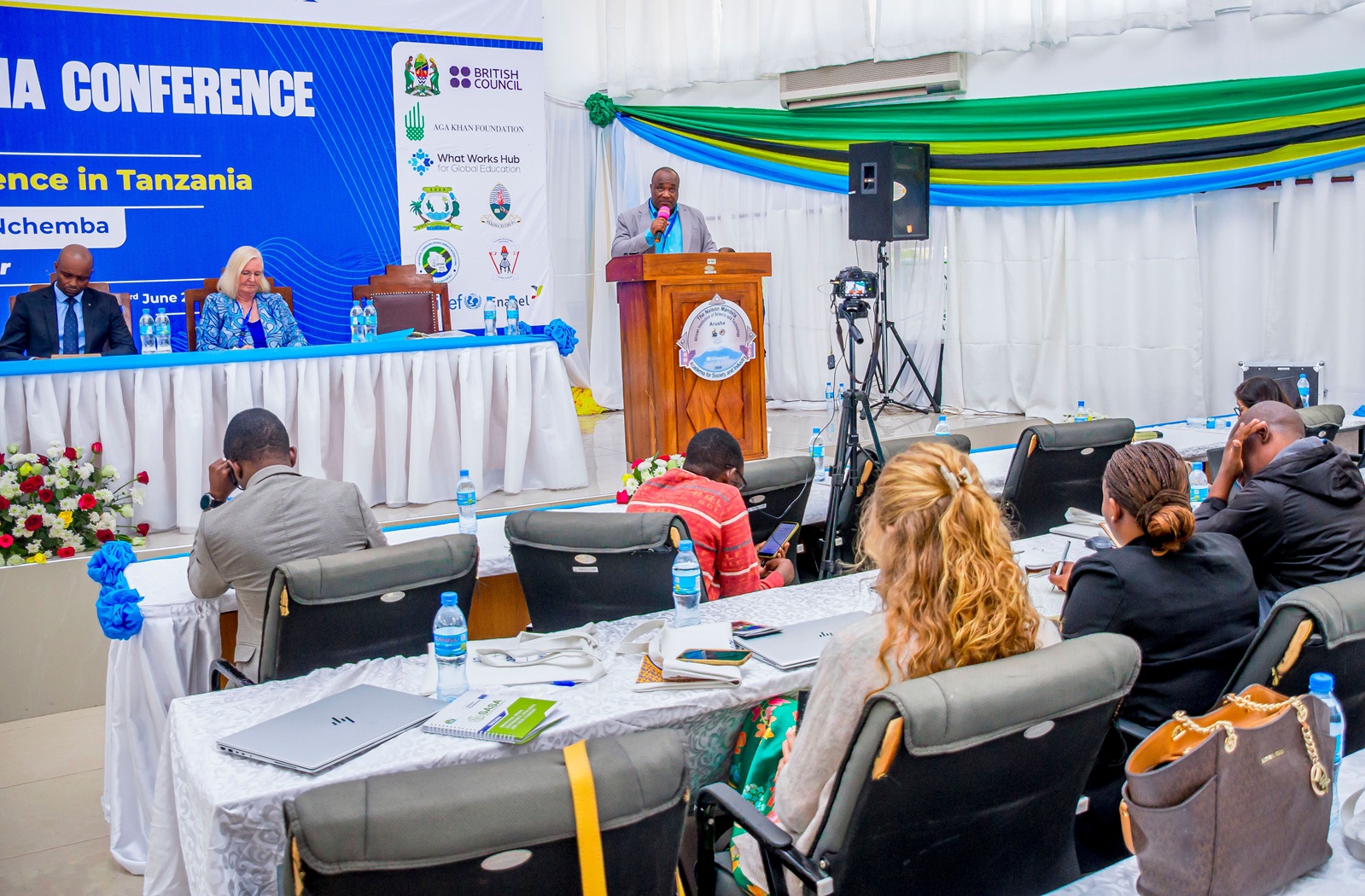
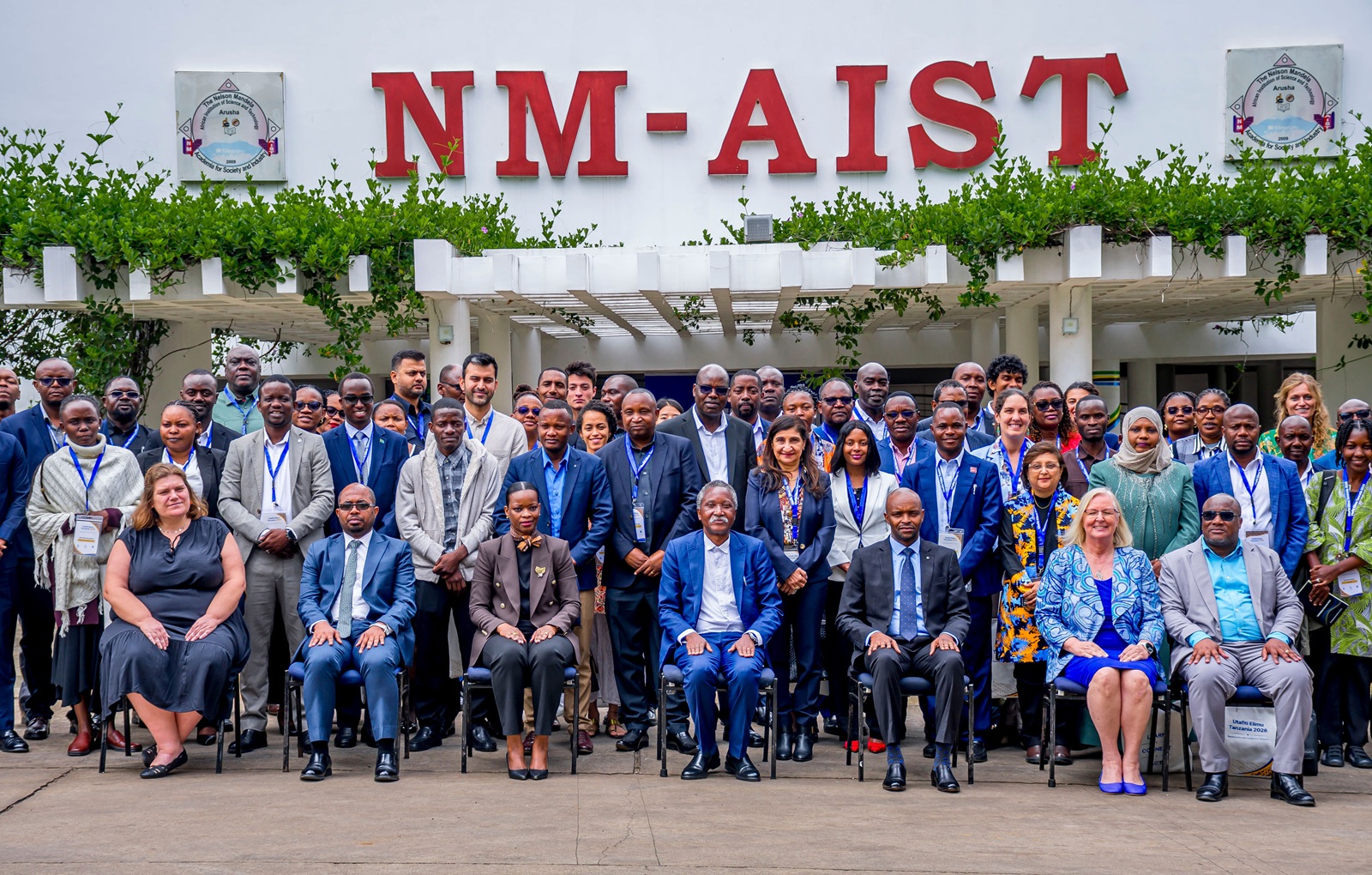
Education leaders, researchers, policymakers and development partners have converged in Arusha for Utafiti Elimu Tanzania (UET) 2026, a national conference dedicated to exploring how research and innovation can drive transformative change across Tanzania's education sector.
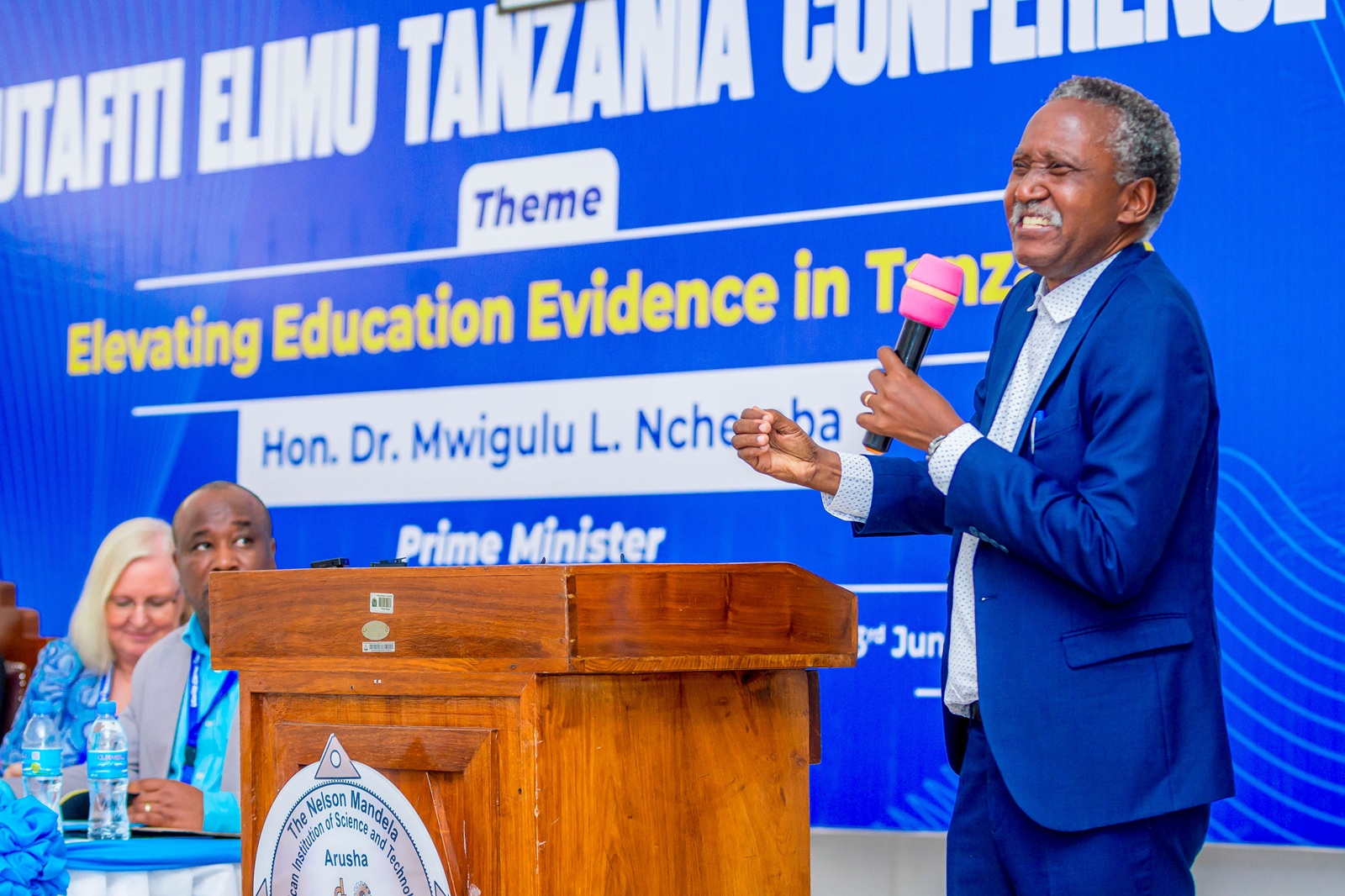
Held at the Nelson Mandela African Institution of Science and Technology (NM-AIST) under the theme "Elevating Education Evidence in Tanzania," the conference is being coordinated by the University of Dar es Salaam (UDSM) and has emerged as one of the country's foremost platforms for advancing evidence-informed policymaking and educational innovation.
Officially opening the conference, the Commissioner of Education in the Ministry of Education, Science and Technology, Dr. Lyabwene Mtahabwa, described education as a cornerstone of economic transformation, technological advancement and social progress.
"In an era of rapid technological change and shifting economic demands, education remains fundamental to preparing a capable workforce and building national resilience," he said.
Dr. Mtahabwa reaffirmed the Government's commitment to transforming the education sector under the leadership of President Samia Suluhu Hassan.
He cited the allocation of TZS 2.44 trillion to education in the 2025/2026 financial year, an increase aimed at expanding infrastructure, strengthening vocational education, financing higher education and accelerating the implementation of the Education and Training Policy 2023.
"The policy provides a comprehensive framework for education development from nursery to tertiary levels, with particular emphasis on vocational and skills-based education," he noted.
He further linked the conference to the aspirations of Tanzania's Vision 2050, which seeks to establish an education system that is inclusive, resilient, globally competitive and technology driven.
While acknowledging significant gains in enrolment across primary, secondary, technical and higher education, Dr. Mtahabwa emphasized that continued collaboration among government institutions, academia, development partners and practitioners remains essential to address persistent challenges in quality, financing and infrastructure.
Representing UDSM Vice Chancellor Prof. William A.L. Anangisye, Dr. Nkanileka Mgonda, Dean of the School of Education, described Utafiti Elimu Tanzania as a vital national platform for bridging the gap between educational research, policy and practice.
"It is a great honour for the University of Dar es Salaam to coordinate this important national dialogue in collaboration with partners who share a common commitment to improving education outcomes in Tanzania," he said.
Meaningful and sustainable educational reforms
Prof. Anangisye, in his message, emphasized that meaningful and sustainable educational reforms must be grounded in credible evidence and informed dialogue.
"Research evidence is indispensable in strengthening teaching, learning and innovation. By bringing together researchers, policymakers and practitioners, we create opportunities to translate knowledge into practical solutions that can transform our education system," he said.
Welcoming participants to NM-AIST, Vice Chancellor Prof. Maulilio John Kipanyula underscored the growing importance of science, technology and innovation in shaping the future of education and national development.
"Investments in technical competencies, digital infrastructure and technology-enabled learning are becoming increasingly important as Tanzania seeks to equip learners with the skills needed to address emerging challenges and opportunities," he said.
He expressed confidence that the conference would generate practical recommendations and strategic partnerships capable of strengthening educational systems and improving learning outcomes across the country.
Representing the State University of Zanzibar (SUZA), Acting Vice Chancellor Prof. Abdi Talib Abdalla highlighted the transformative role of research and digital technologies in modern education systems.
"The world is experiencing rapid advances in digital technologies, artificial intelligence and data science that are fundamentally changing how knowledge is created, shared and applied. Our education systems must therefore produce graduates who are adaptable, innovative and equipped with digital competencies for lifelong learning," he said.
Prof. Abdalla, whose institution is co-leading the conference theme on Digital Integration in Education Systems alongside the Tanzania Institute of Education (TIE), stressed that digital transformation should extend beyond infrastructure and devices.
"It is about creating inclusive educational ecosystems that empower educators, support learners, strengthen institutions and expand opportunities regardless of geographical location or socio-economic background," he added.
He called for greater investment in digital skills, research capacity and innovation ecosystems, while emphasizing the need for stronger partnerships among academia, government, industry and communities to prepare learners for jobs and technologies that are yet to emerge.
Turning Research into Action
On behalf of the UET 2026 Organising Committee, Prof. Ladislaus Mnyone, Director of Science, Technology and Innovation in the Ministry of Education, Science and Technology, described the conference as a strategic platform for ensuring that educational research directly informs decision-making and policy implementation.
"Research evidence should not remain confined to reports and academic publications. It must be translated into practical actions that improve learning outcomes and educational quality," he said.
Prof. Mnyone explained that the conference theme reflects the growing need for evidence to guide curriculum reform, teacher development, digital transformation, skills development, climate-responsive education, inclusion and language policy.
He outlined four key thematic areas guiding the discussions: Digital Integration in Education Systems; Inclusion of Elimu ya Amali; Climate, Environment and Education; and Inclusive Education and Language Policy.
"These themes are interconnected and require coordinated action from researchers, policymakers, educators, development partners and communities," he noted.
He encouraged participants to actively engage in presentations, panel discussions, exhibitions and knowledge-sharing sessions to identify research gaps, strengthen partnerships and generate practical recommendations capable of transforming Tanzania's education landscape.
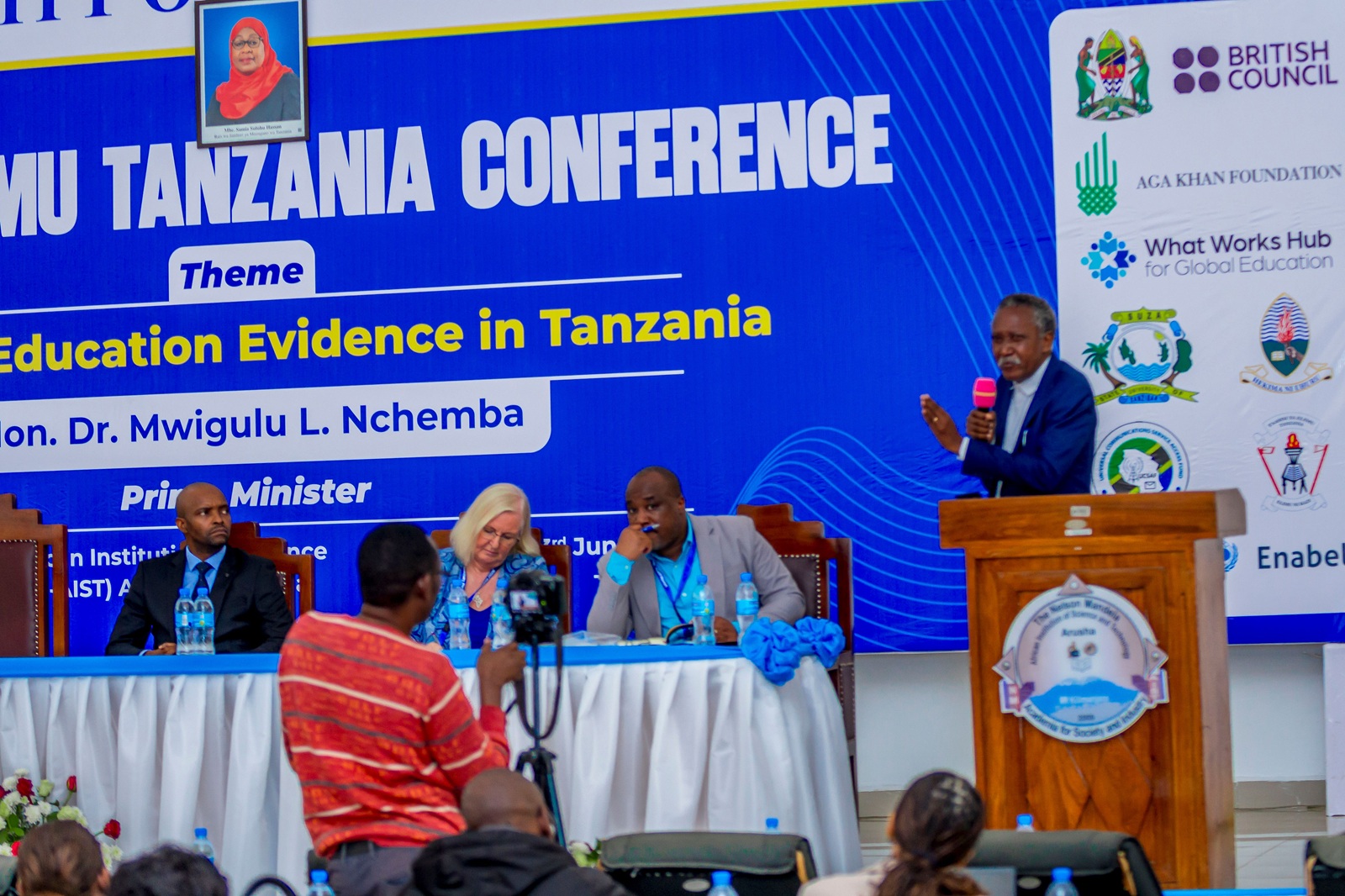
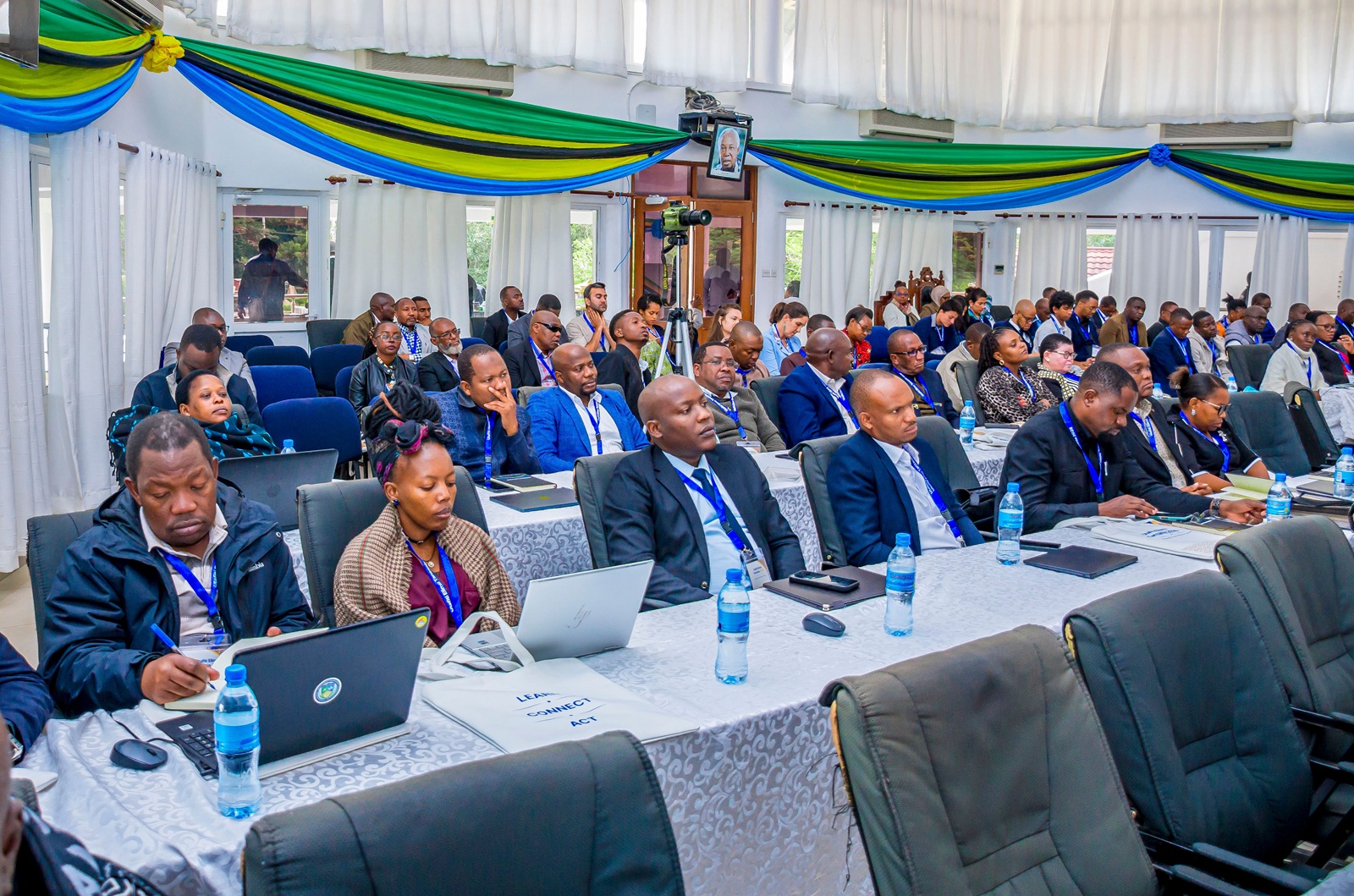
The conference has attracted participants from government institutions, universities, research organisations, civil society organisations and development partners from within and outside Tanzania. Representatives from organisations including the British Council, Enabel, the Foreign, Commonwealth and Development Office (FCDO) and other education-focused institutions are contributing to discussions aimed at strengthening evidence-informed educational development.
As deliberations continue, participants are expected to examine emerging research findings, explore innovative educational approaches and formulate recommendations that will support the implementation of Tanzania's national education priorities.
Through its leadership in coordinating Utafiti Elimu Tanzania 2026, the University of Dar es Salaam continues to demonstrate its commitment to promoting research excellence, innovation and evidence-based policy dialogue as critical drivers of educational transformation and sustainable national development.