

Africa Must Lead Its Own Conservation Future, Experts Urge as UDSM Hosts Landmark Symposium
By Renancy Remmy, CMU
The University of Dar es Salaam (UDSM) has convened a landmark international symposium calling for Africa to reclaim its voice and leadership in environmental conservation, in what experts described as a critical turning point for the continent’s sustainability agenda.
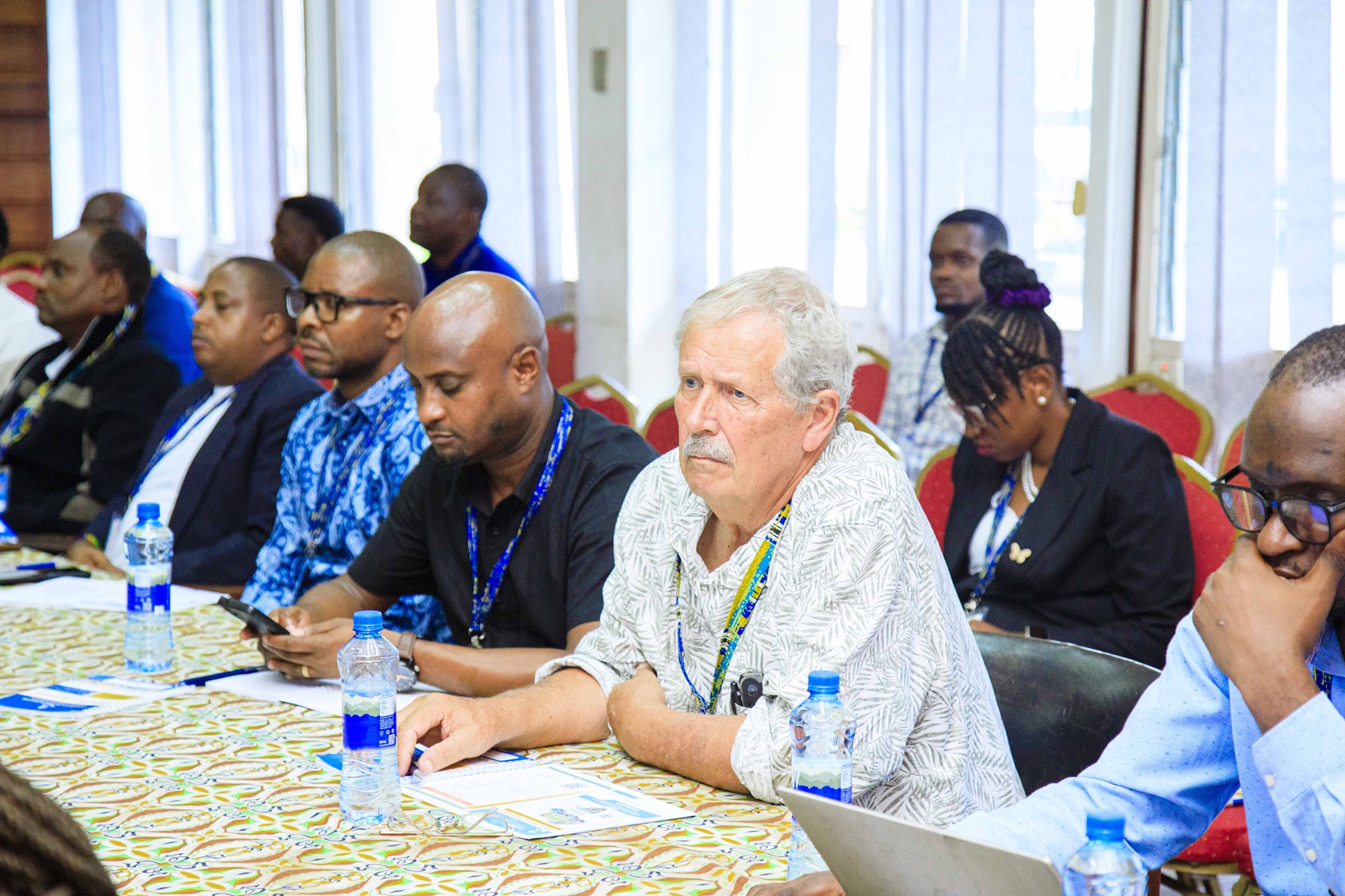
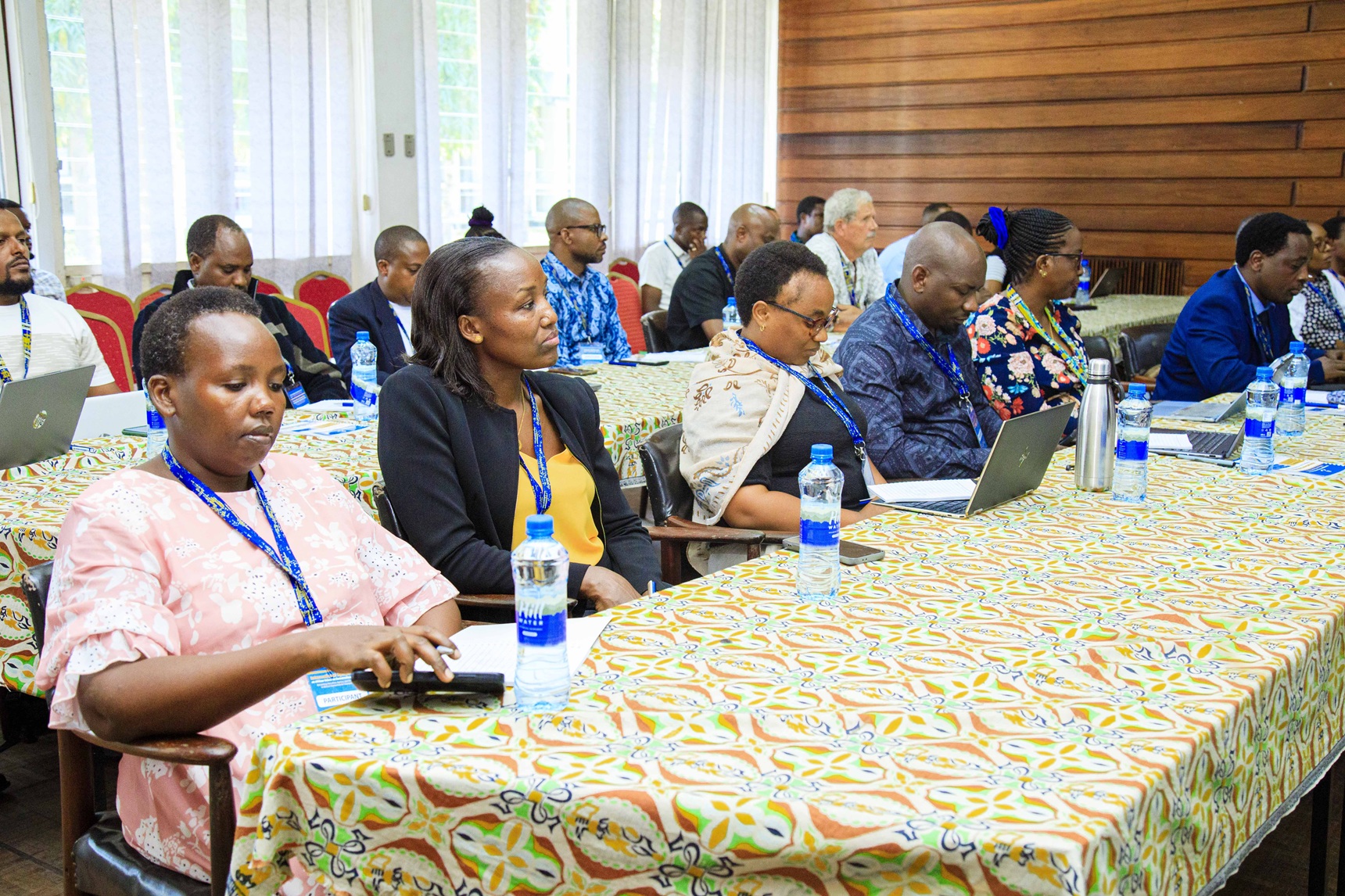
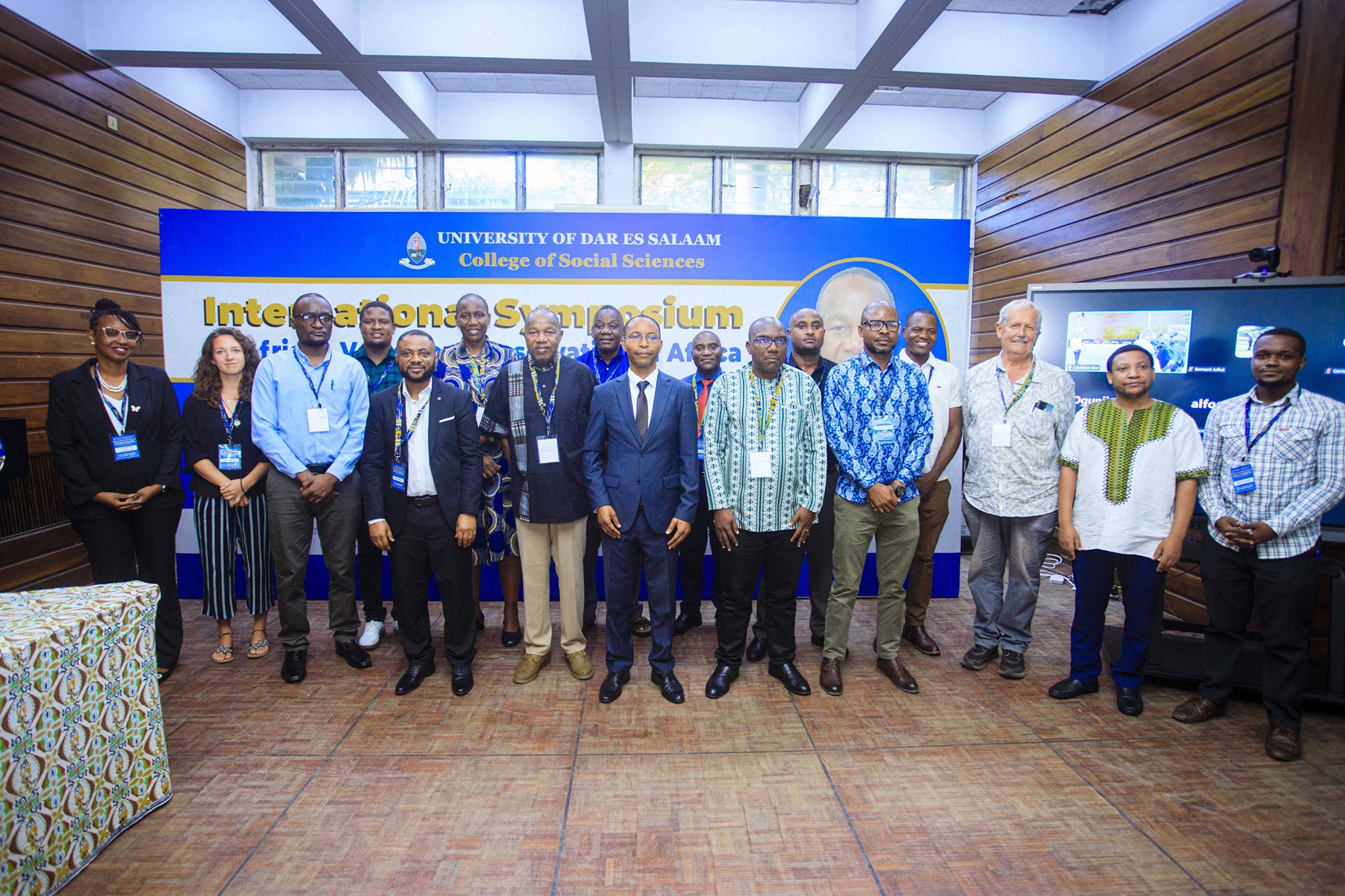
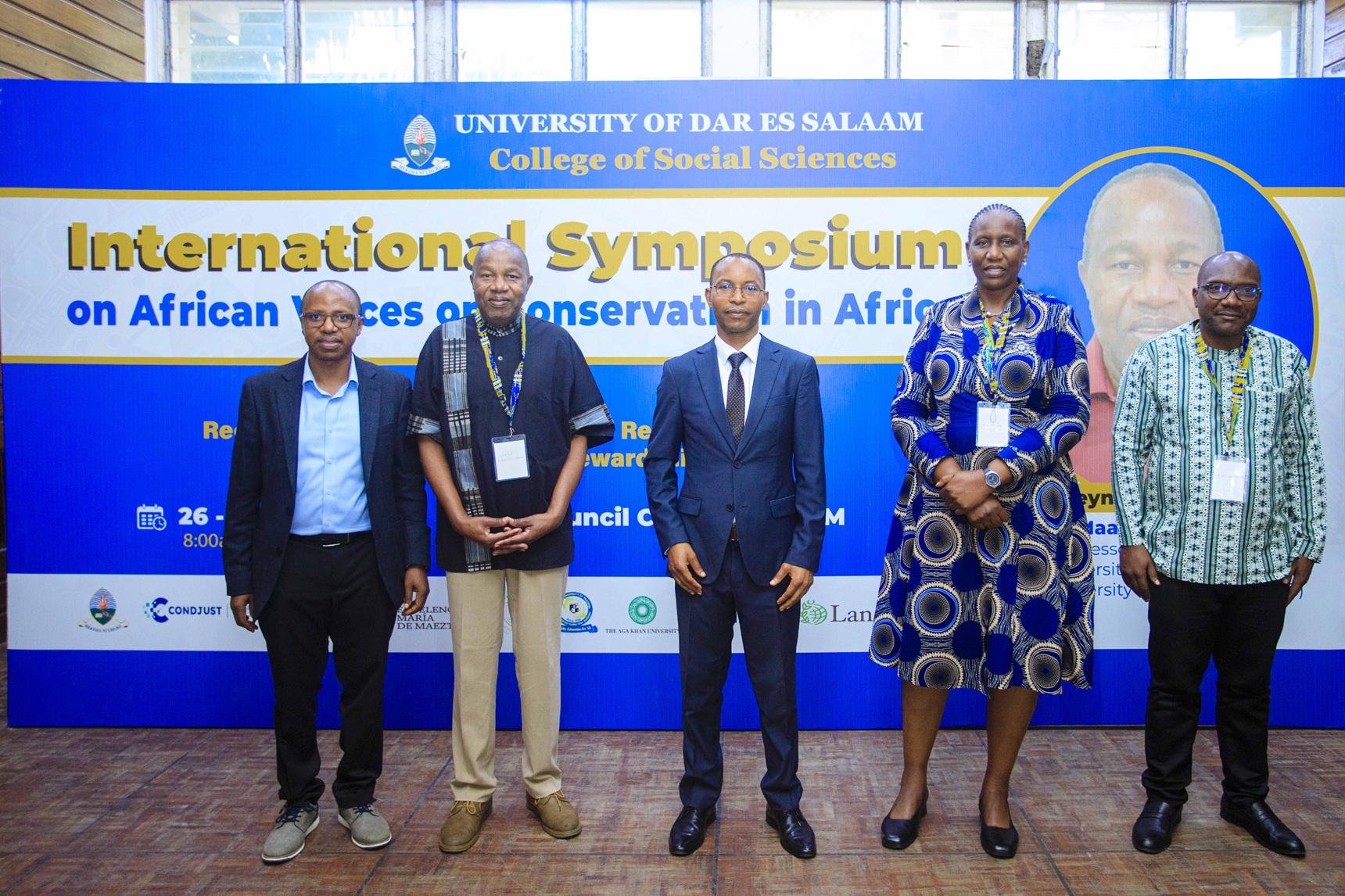
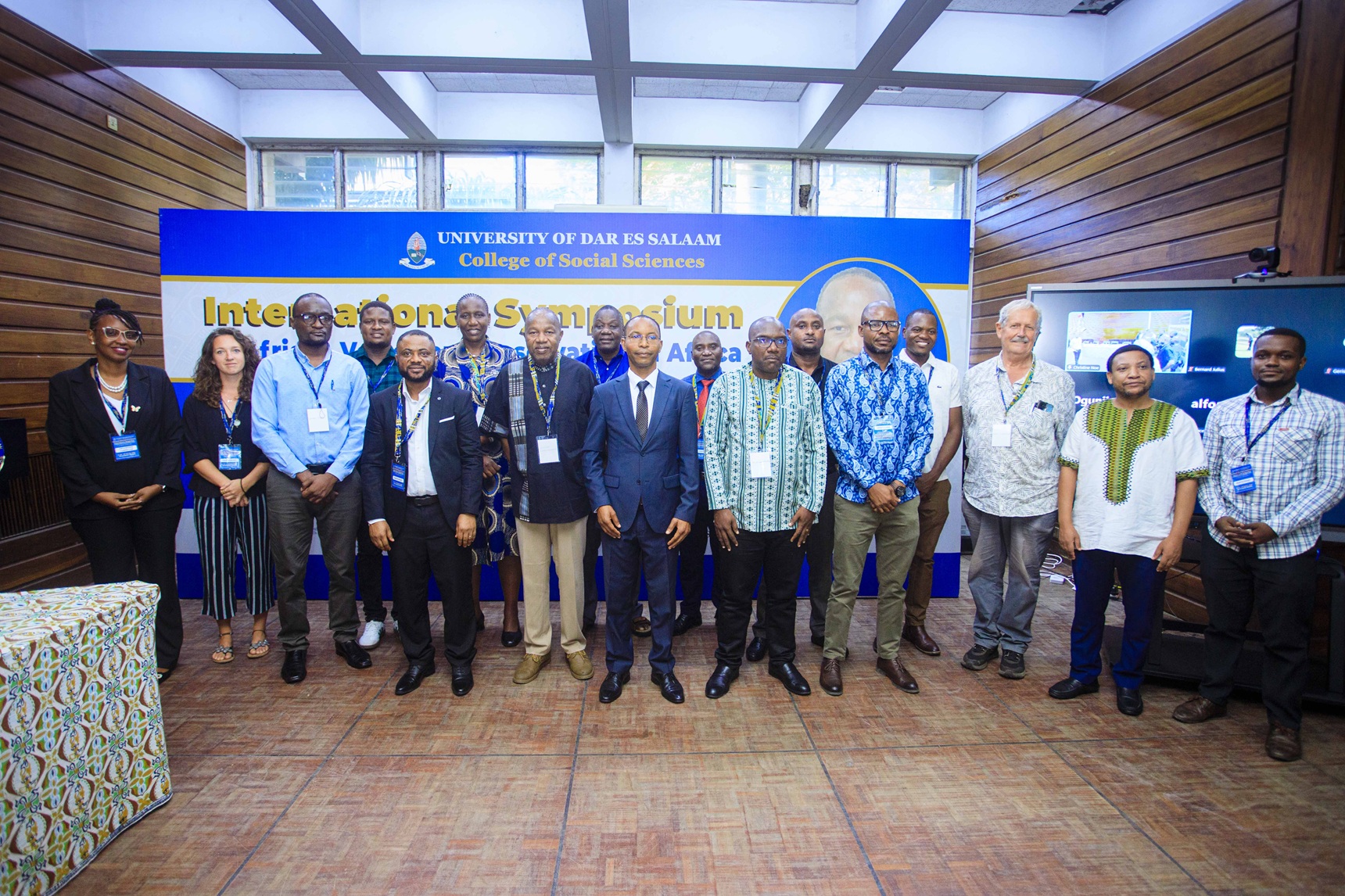
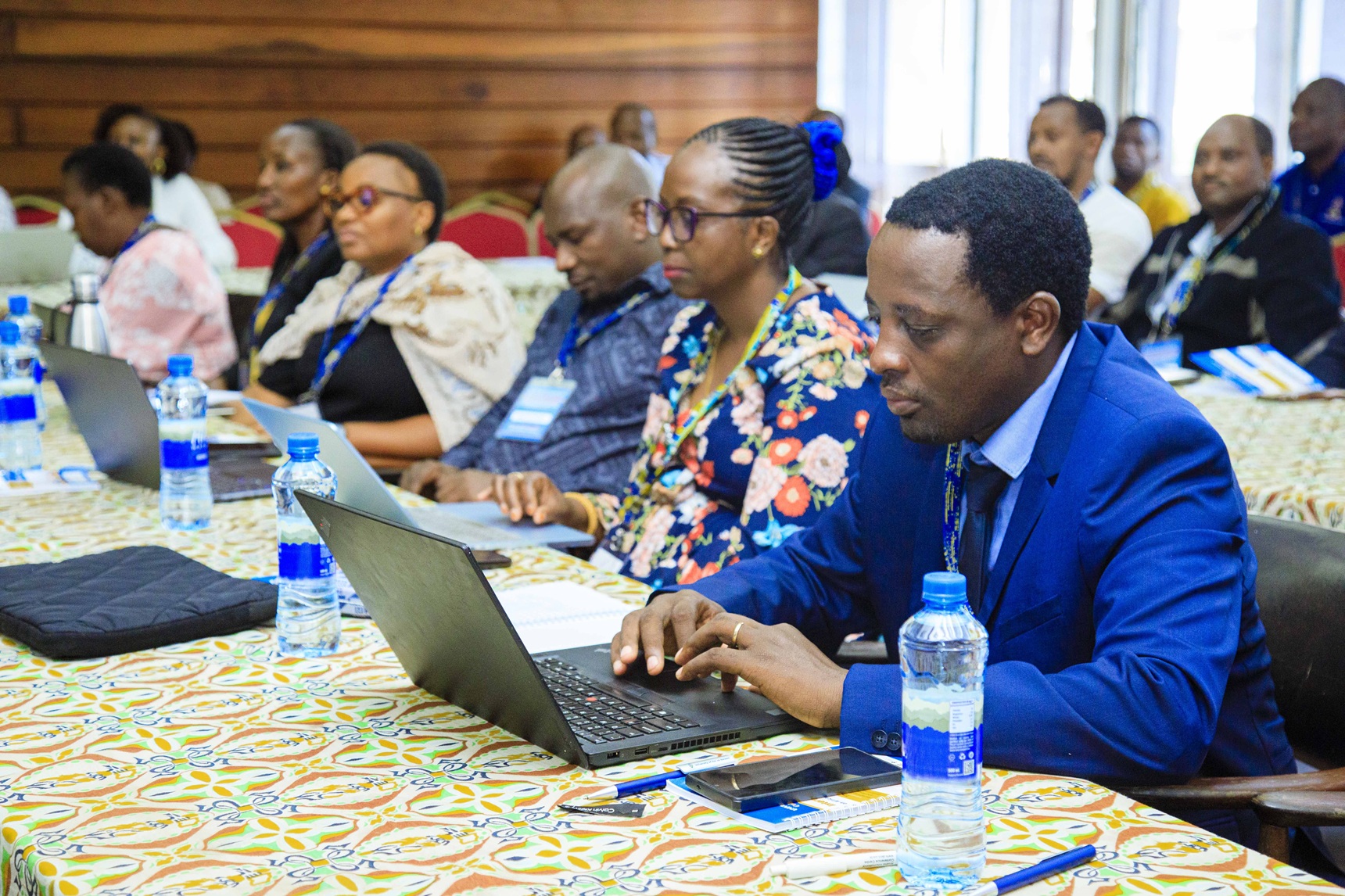
The two-day symposium, International Symposium on African Voices on Conservation in Africa, held from 26 to 27 March 2026, brought together leading scholars, practitioners and students from across Africa and beyond to interrogate how environmental knowledge is produced, whose voices shape it, and how it can better respond to Africa’s realities.
Participants included partners from institutions such as the University of Pretoria, University of Cape Town, Aga Khan University, Makerere University, Autonomous University of Barcelona, University of Dodoma and the Open University of Tanzania.
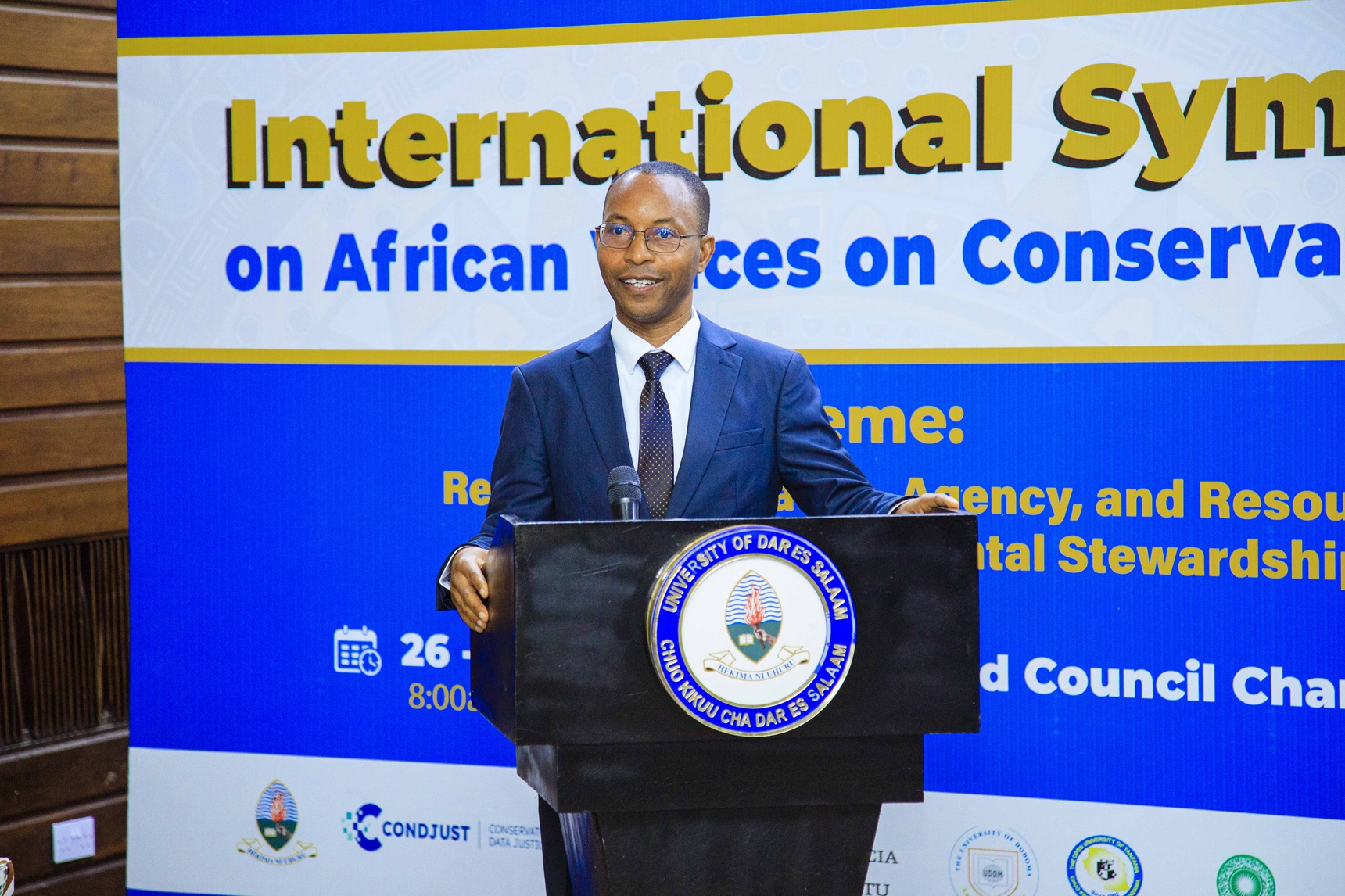
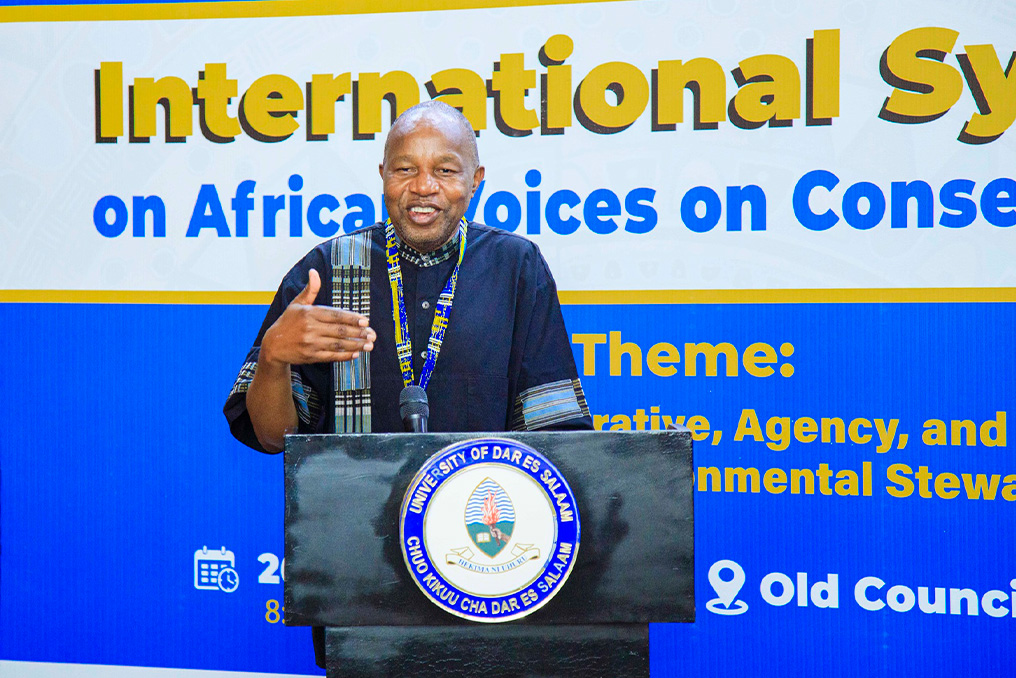
Opening the symposium, UDSM Deputy Vice Chancellor-Research at UDSM, Prof. Nelson Boniface, underscored the urgency of the dialogue, noting that it comes at a pivotal moment as Tanzania advances its Development Vision 2050.
“Environmental conservation is not peripheral; it is central to national prosperity, resilience and inclusive growth,” said Prof. Boniface.
He added: “As a university, we have a responsibility to lead cutting-edge research on climate change, biodiversity and community-centred development while aligning with frameworks such as the African Union Agenda 2063 and the Sustainable Development Goals.”
He emphasized that conservation efforts must go hand in hand with improving livelihoods and ensuring equity across communities. “Africa must define its own conservation narratives, ones that reflect our realities, our knowledge systems and our development priorities,”
Welcoming participants, the Principal of the College of Social Sciences – the convener of the symposium, Prof. Christine Noe, highlighted the role of universities in bridging knowledge and practice.
“Universities must generate knowledge that responds directly to societal needs. This platform offers an opportunity to exchange ideas that can translate into real, lasting solutions for environmental management”, she said.
Rethinking Knowledge, Power and Research Priorities
The symposium’s keynote address, delivered by Prof. Maano Ramutsindela, Professor of Geography at The University of Pretoria and the University of Cape Town, set a bold and reflective tone, challenging participants to critically examine how environmental knowledge in Africa is shaped.
In a candid message, he warned against overdependence on externally driven research agendas. “We often go where the money is,” he said, noting that donor funding, while important, can sometimes steer research away from pressing local realities.
“This risks producing knowledge that is disconnected from the communities it is meant to serve”, he emphasized.
Prof. Ramutsindela called for intellectual independence among African scholars, emphasizing that impactful ideas do not always require external funding. “Overreliance on external support can limit creativity, weaken innovation and ultimately diminish Africa’s voice in global academic discourse”.
He further challenged universities to rethink their teaching and research approaches. “If we continue teaching outdated content without questioning its relevance, we risk slowing down innovation,” he noted, urging institutions to adopt more dynamic, critical and context-driven curricula.
A central theme throughout the symposium was the need to foreground African perspectives and indigenous knowledge systems in conservation strategies. Prof. Ramutsindela stressed that many African communities already possess sustainable and effective methods of managing natural resources.
“Conservation in Africa must be understood through African cultural, social, and ecological contexts. Recognizing and integrating indigenous knowledge is not optional, it is essential for building solutions that are practical, inclusive and sustainable”, he said.
He also urged scholars to move beyond critique and actively develop new frameworks. “Africa must not only engage with global knowledge but also contribute original ideas and define its own research agenda”.
He stressed that, “The future of conservation in Africa depends on our ability to define our own path. By reclaiming our voice and embracing our knowledge, we can build a more sustainable and inclusive future for generations to come”.
The keynote further highlighted the importance of interrogating power dynamics in conservation, noting that decision-making processes and control over resources often shape outcomes more than acknowledged. Addressing these dynamics, he argued, is key to creating equitable and effective conservation models.
From Dialogue to Action: Building Inclusive Conservation Models
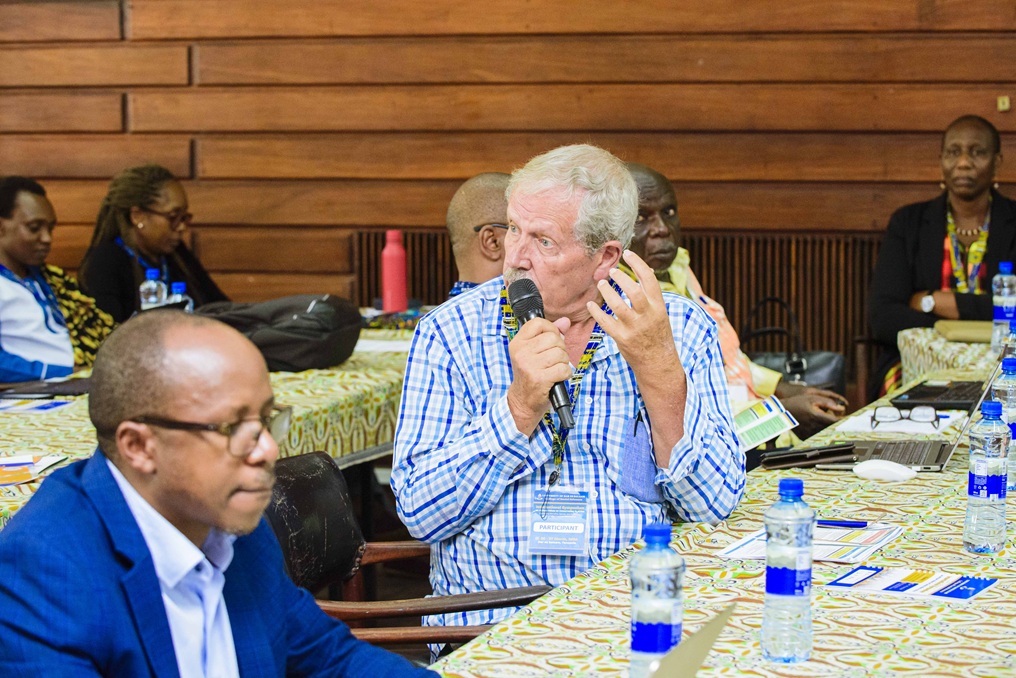
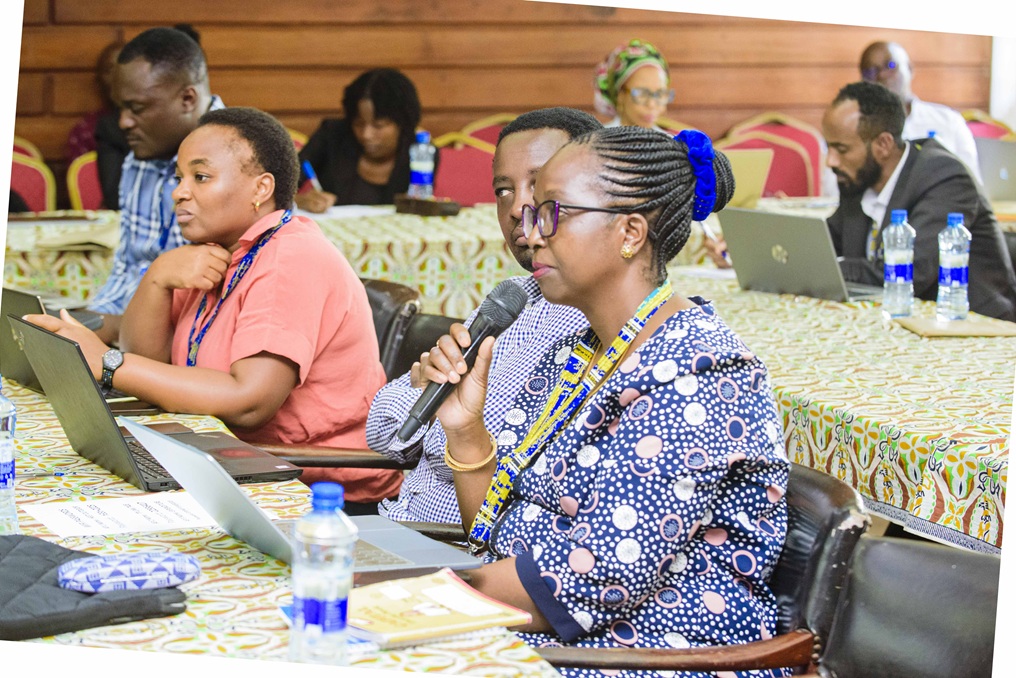
Deliberations across plenary and parallel sessions explored a wide range of themes, including climate change, biodiversity conservation, land degradation, conservation financing, technology, and data justice. Other sessions examined tourism, pastoral rangelands, community–land relations, and the decolonization of conservation knowledge.
A strong consensus emerged on the need for collaborative approaches involving governments, academic institutions and local communities. Participants emphasized that conservation must balance environmental protection with economic development.
“Communities must not only be protected by conservation efforts, they must also benefit from them,” one participant noted during discussions, reflecting a widely shared view that local ownership is essential for sustainability.
The symposium reinforced UDSM’s position as a leading hub for research and innovation in Africa, committed to advancing knowledge that directly addresses societal challenges. It also highlighted the critical role of academic institutions in shaping policy, influencing practice and driving sustainable development.
In this dialogue, participants issued a clear call to action: Africa must take ownership of its environmental future by investing in its knowledge systems, fostering innovation, and strengthening collaboration across sectors.