

UDSM Urges Staff to Embrace AI but Guard Confidential Information
By Donald Boneka, CMU
The University of Dar es Salaam (UDSM) has urged its Administrative and Human Resource officers to use Artificial Intelligence (AI) responsibly to improve efficiency and service delivery while protecting confidential information.
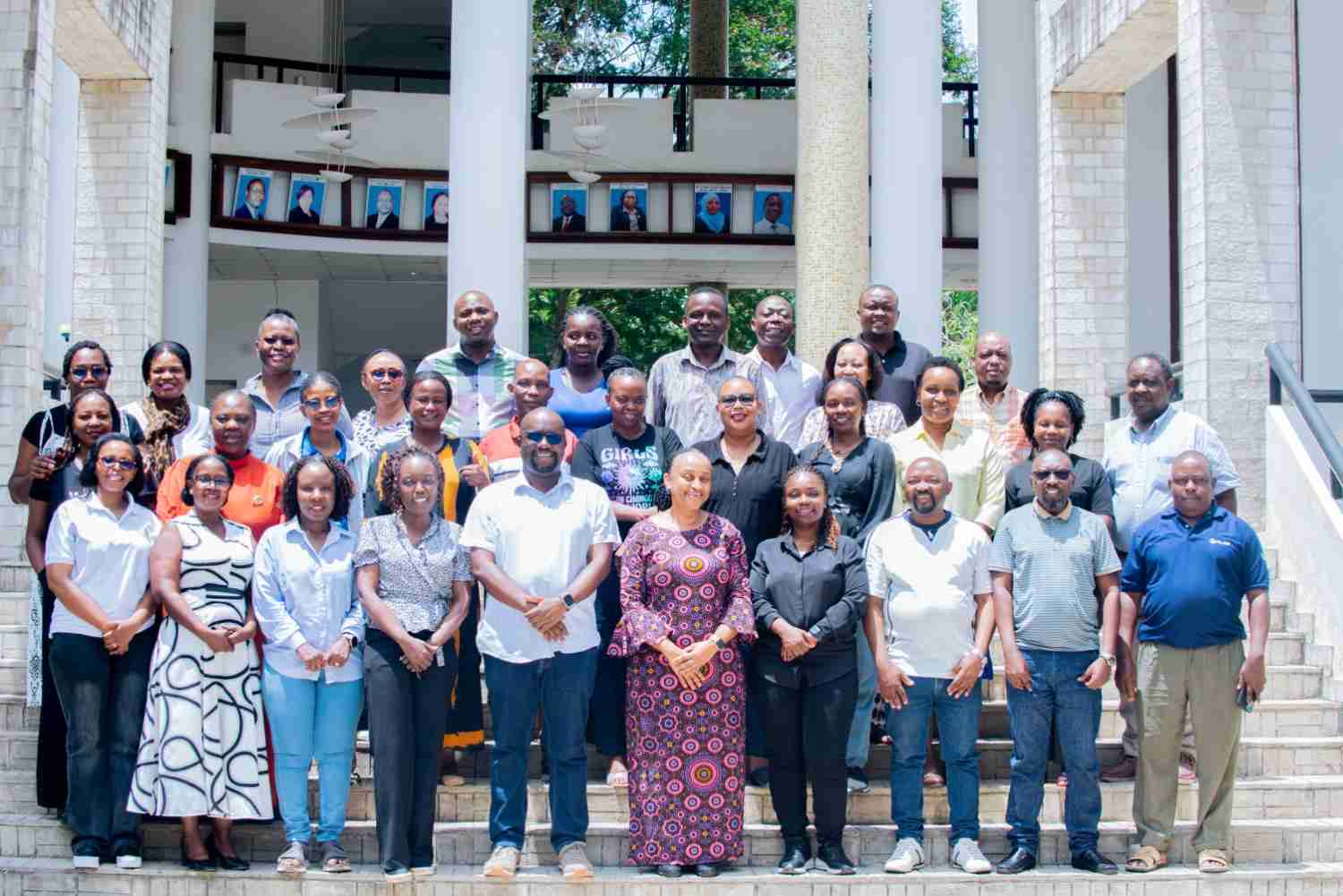
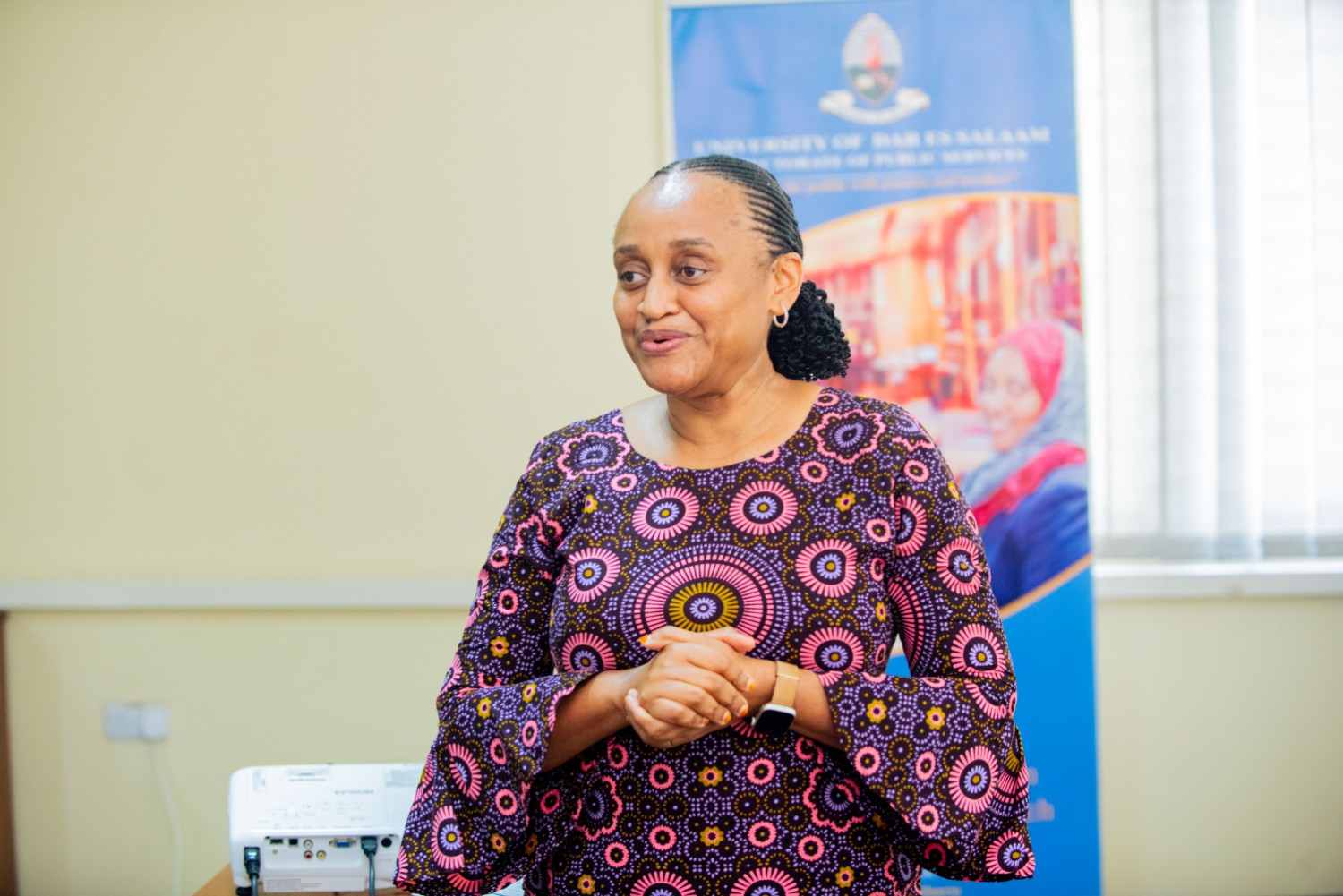
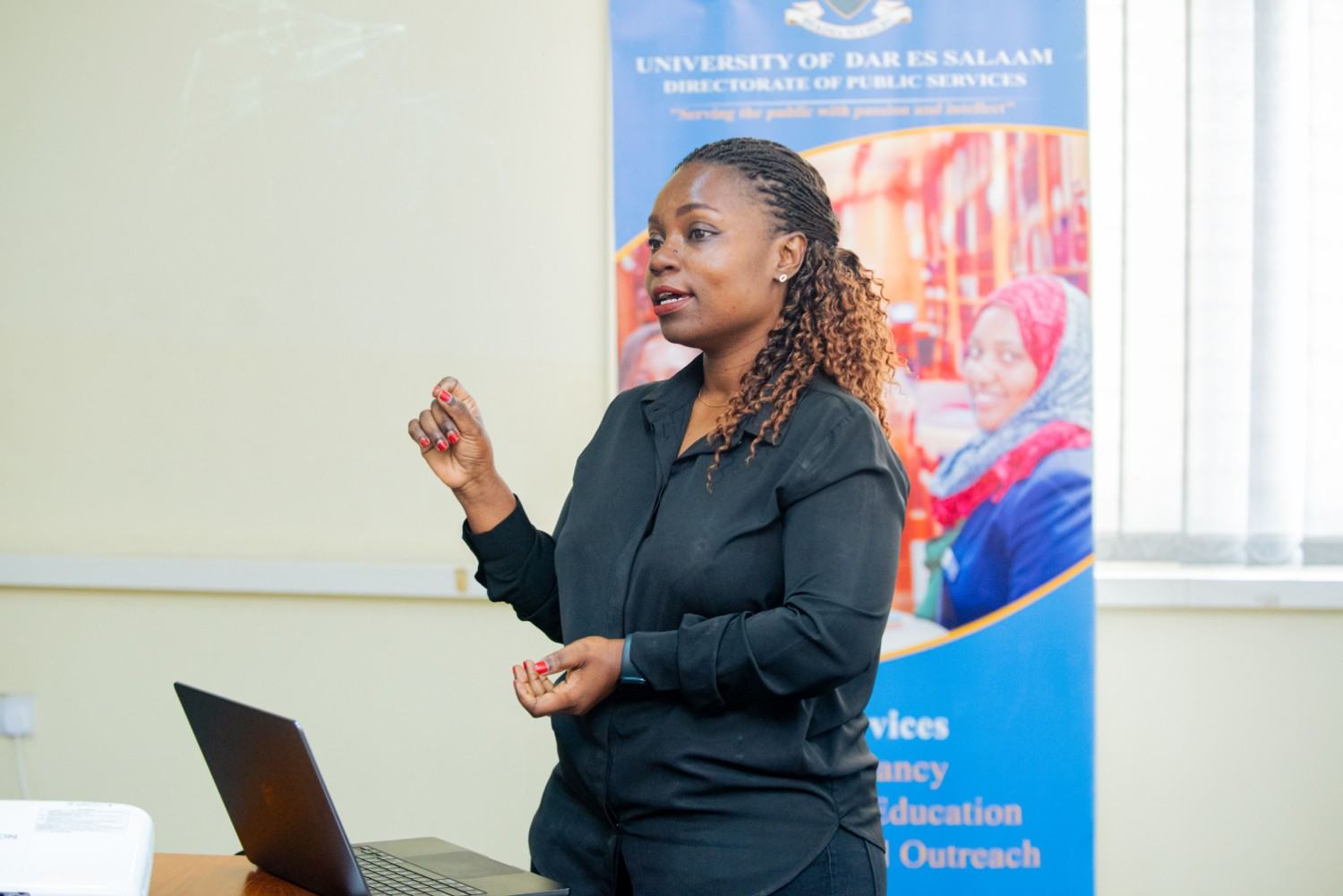
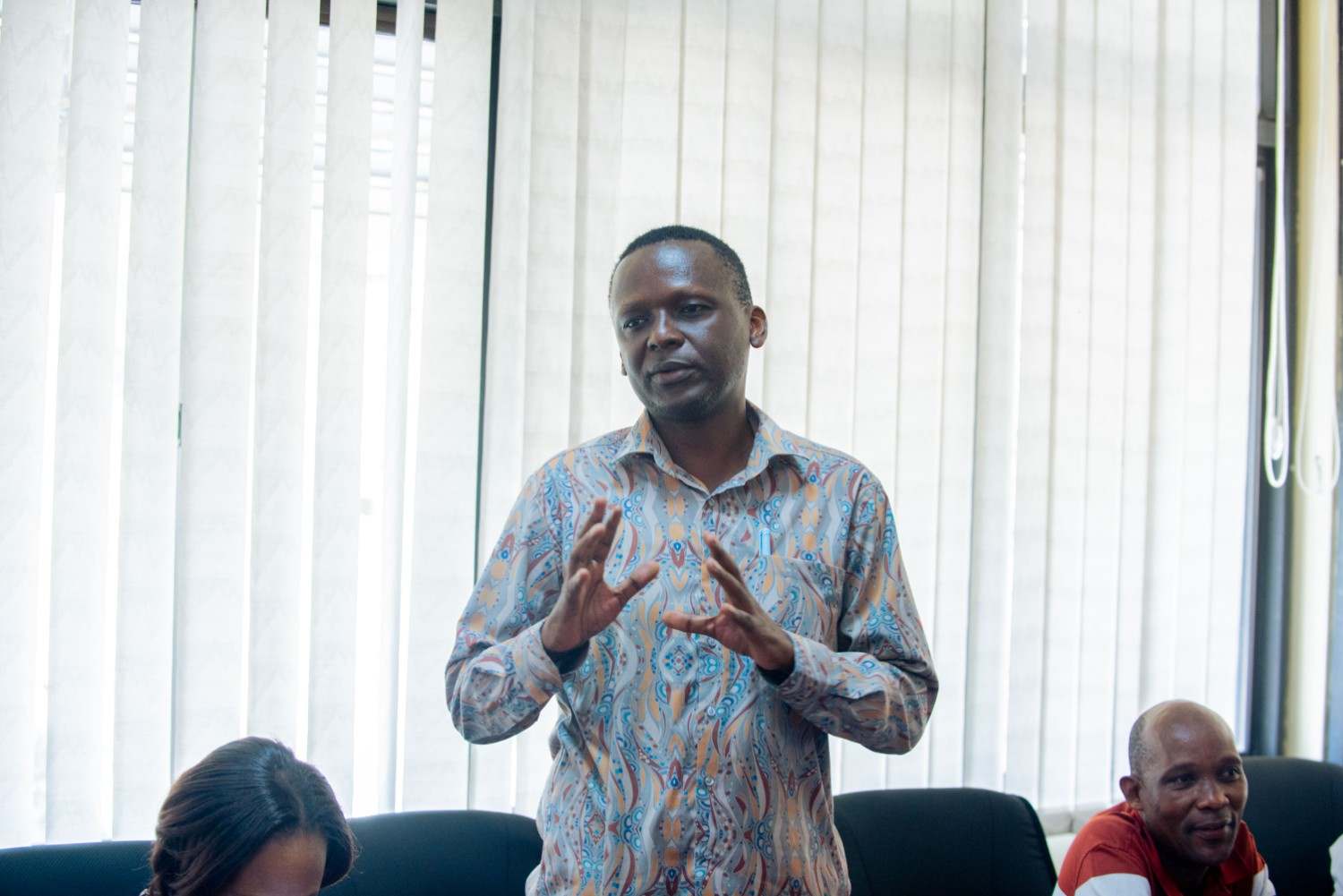
The call was made by the Director of Public Services, Prof. Neema Mori, during a practical AI training session held on November 14, 2026, at UDSM, where she emphasised the importance of applying the technology to everyday duties while ensuring accuracy and accountability in official university work.
Prof. Mori emphasised that AI should not be viewed merely as an emerging technology, but as a practical tool that can help staff perform their daily responsibilities more efficiently, improve productivity and strengthen the quality of services offered to the University community.
“Artificial Intelligence presents an important opportunity to transform the way we undertake our daily responsibilities and deliver services at the University. I encourage staff to embrace these technologies and acquire practical skills that will improve efficiency, productivity and the quality of our work,” she said.
However, she cautioned that adopting AI must go hand in hand with responsible use, particularly when handling sensitive staff records and institutional information.
“As we adopt AI tools, we must remain responsible in their use, protect confidential institutional and personal information, and always verify AI-generated content to ensure accuracy and reliability,” Prof. Mori stressed.
Her message placed responsibility and professional judgement at the centre of the University's digital transformation efforts, reminding officers that AI can support their work but cannot replace their accountability for information and decisions produced in the course of official duties.
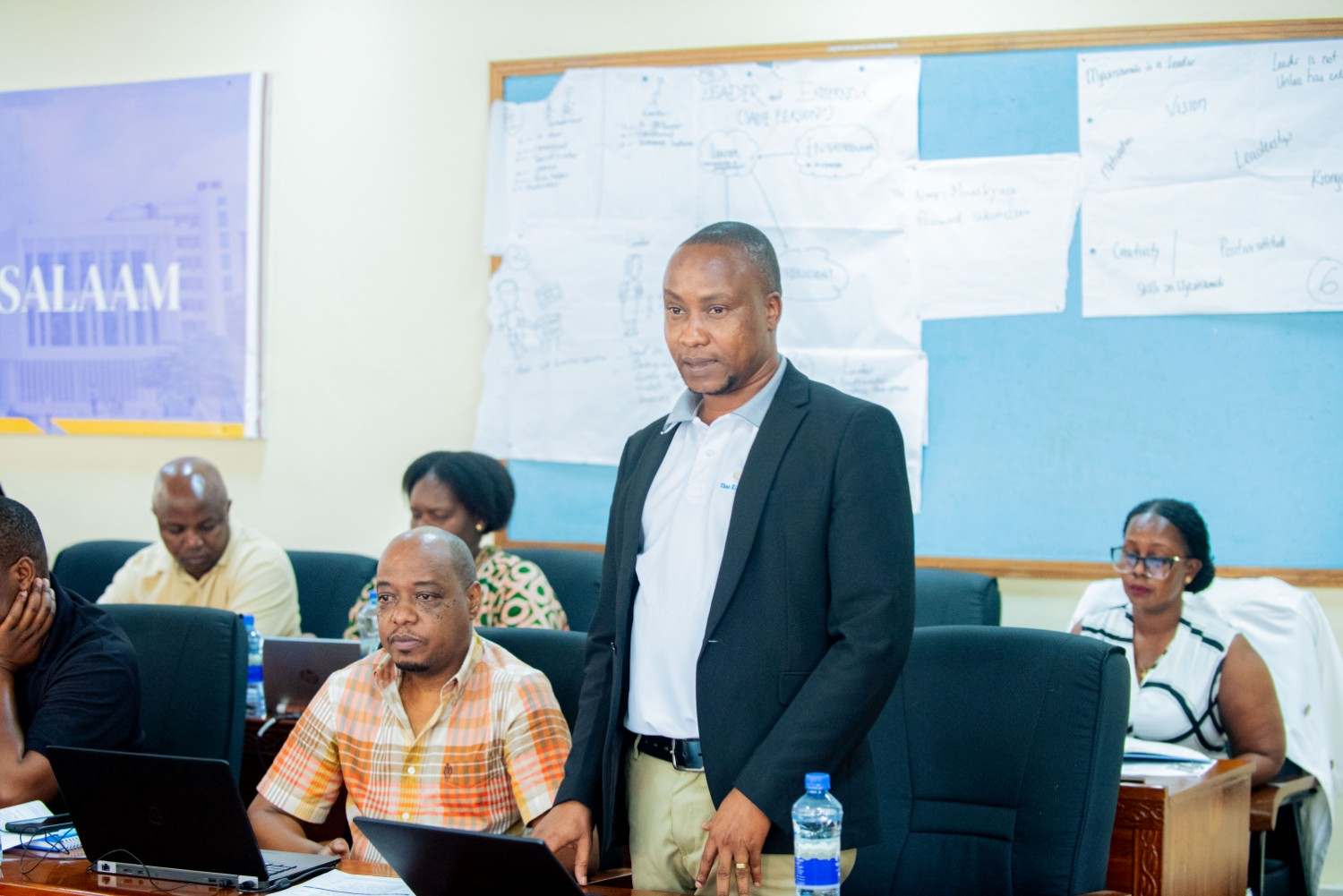
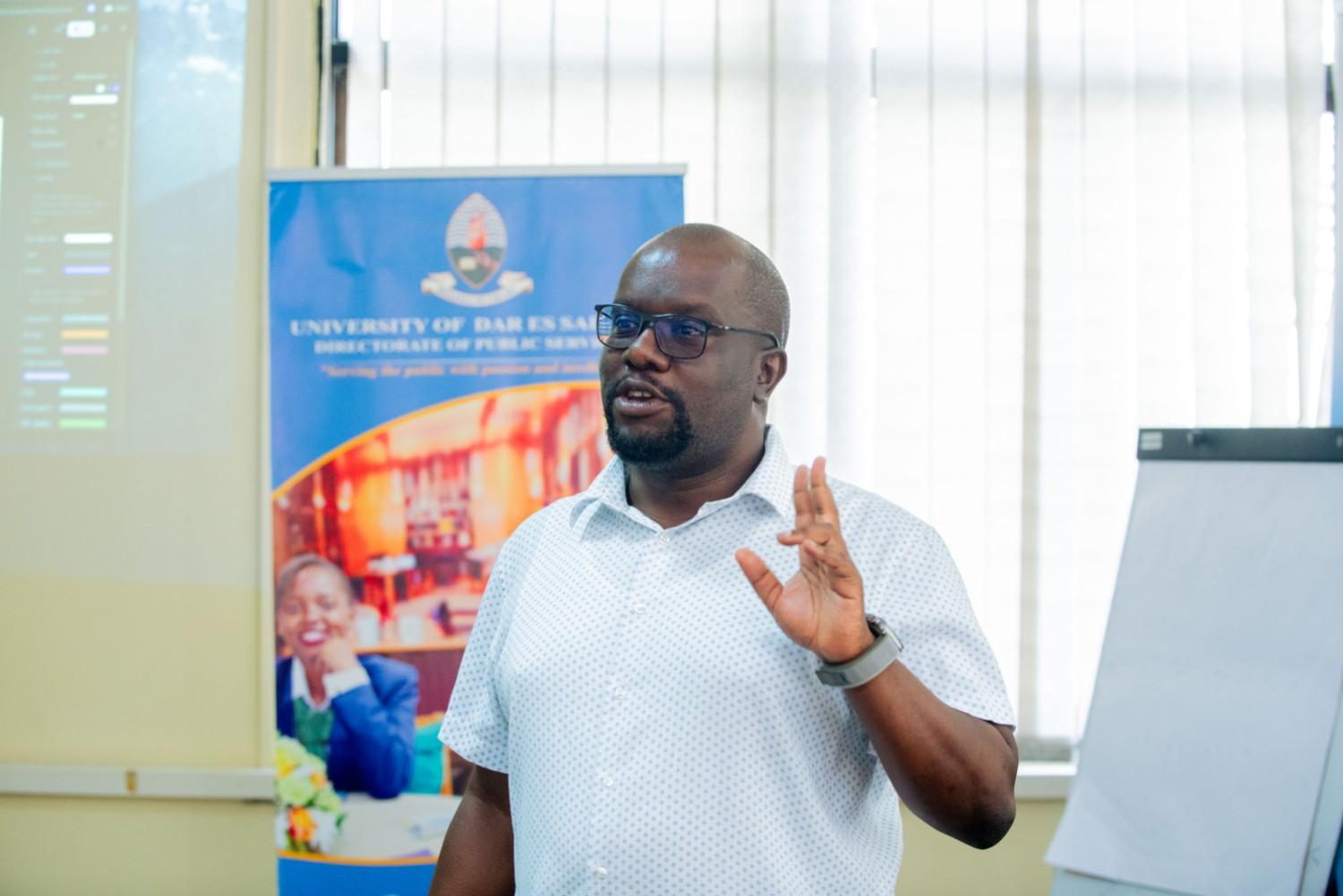
Representing the Director of Human Resources, Mr. Fraimont Justinian participated in the programme, which was organised under the leadership of Prof. Mori. The sessions were facilitated by Dr. Salome Maro, the Director of Information and Communication Technology and Dr. Aron Kondoro from the College of Information and Communication Technologies (CoICT).
From routine paperwork to smarter administration
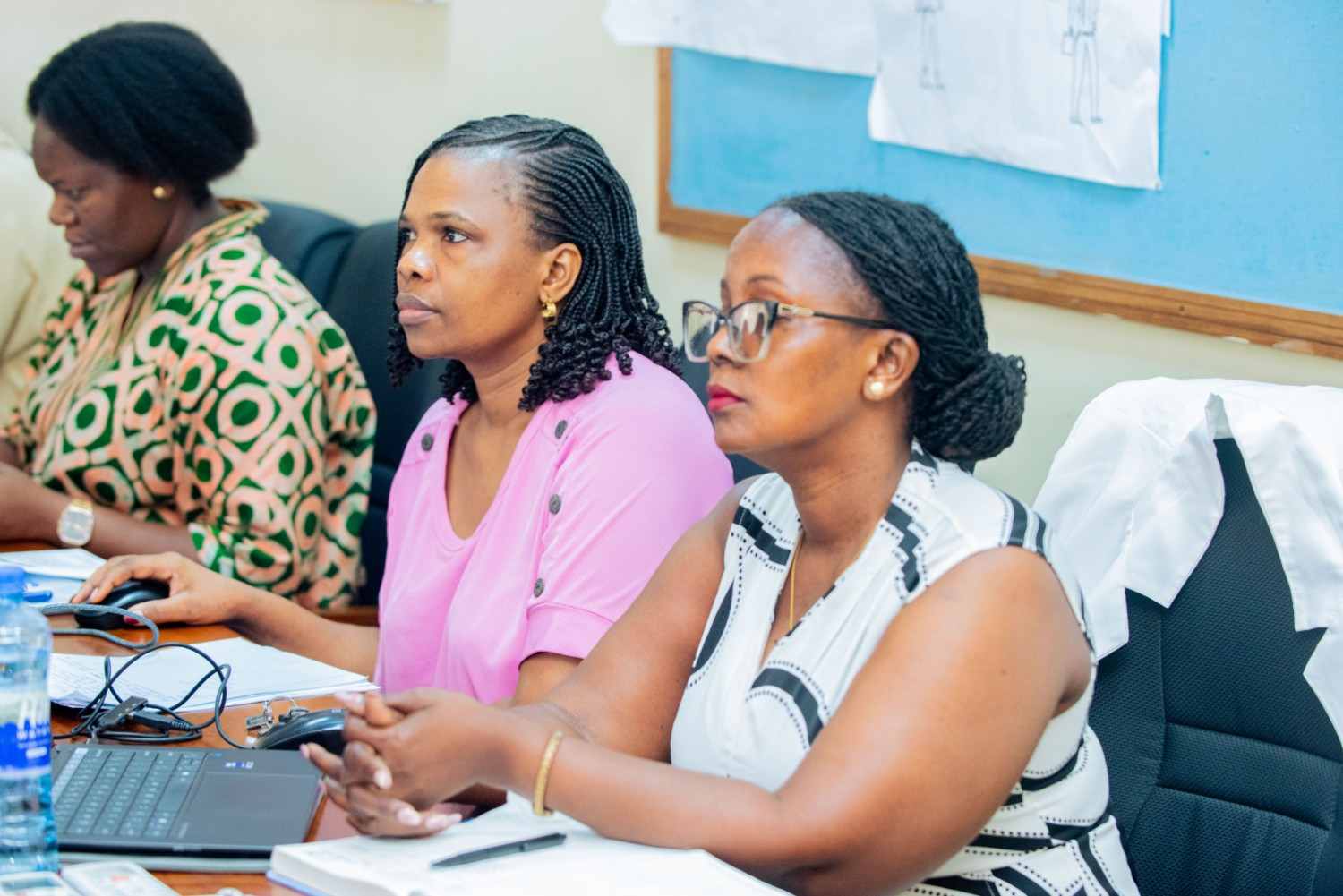
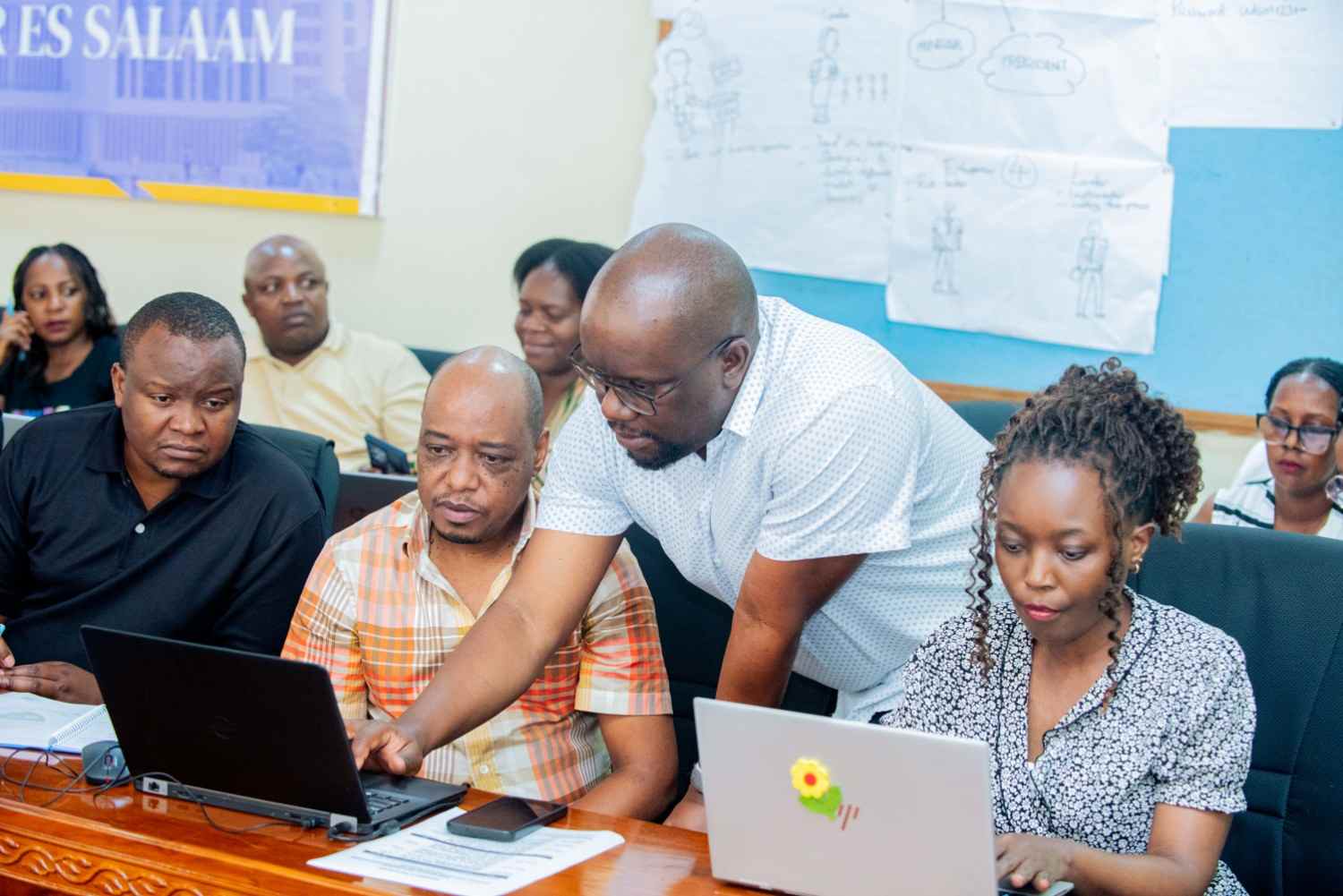
The practical demonstrations showed how AI tools can help officers reduce the time spent on routine administrative tasks and improve the preparation, organisation and management of official documents.
Using ChatGPT, participants explored ways of preparing official correspondence, including letters and memoranda in both English and Kiswahili.
They also practised converting photographs of handwritten notes into meeting minutes, summarising lengthy documents into circulars, analysing staff lists and supporting project tracking.
Other demonstrations covered prompt writing, online searches and deep research, document creation, scheduling reminders and organising files. Participants were also introduced to personal settings, privacy controls and additional capabilities available through different AI features.
The practical applications illustrated how tasks that traditionally require considerable time and manual effort can be supported by digital tools, allowing administrative officers to devote more attention to coordination, decision-making and service delivery.
Turning university records into accessible knowledge
Participants were also introduced to Gemini Notebook, commonly known as NotebookLM, as a tool for organising institutional knowledge and retrieving information from uploaded reference documents.
The demonstrations showed how officers could use university regulations and other official materials to create a digital reference resource, obtain answers grounded in those documents and access supporting citations.
Using a board meeting file, participants explored how to generate a structured matters-arising table and prepare a formal paper.
Other exercises demonstrated how meeting recordings could support the preparation of minutes, how submissions from different units could be brought together into quarterly reports, and how induction information could be converted into Kiswahili audio briefings.
Such applications could help officers manage institutional knowledge more systematically, make reference materials easier to access and improve the preparation of reports and other administrative documents.
Data protection must remain a priority
Alongside the productivity opportunities, the programme placed strong emphasis on the ethical and responsible use of AI, particularly in relation to personal data and confidential university records.
Participants were introduced to the University of Dar es Salaam AI Guidelines and the Personal Data Protection Act, with discussions examining appropriate information-sharing practices, privacy and the responsibilities of staff when using AI platforms.
The emphasis was that officers must exercise caution before uploading staff information, internal documents or other sensitive records to AI tools.
They must also independently verify generated information before incorporating it into official correspondence, reports or documents that may inform institutional decisions.
This is particularly important in administrative and human resource functions, where officers routinely handle personal records and information requiring confidentiality, accuracy and professional accountability.
The training reflects UDSM's efforts to strengthen the digital competencies of its workforce as emerging technologies increasingly reshape how institutions manage information, communicate and deliver services.
By equipping administrative and human resource officers with practical AI skills, while emphasising data protection and professional responsibility, the University is seeking to ensure that digital transformation translates into more efficient operations and better services for its staff, students and wider community.