






UDSM, HESLB Join Forces to Improve Student Loan Services as 1,600 Students Receive Guidance
By Renancy Sailo, CMU
For thousands of university students who depend on government loans to pursue higher education, understanding loan procedures and completing the required digital processes can make a significant difference in accessing financial support for their studies.
Recognising the importance of timely and efficient student financing services, the University of Dar es Salaam (UDSM) and the Higher Education Students’ Loans Board (HESLB) have reaffirmed their commitment to strengthening cooperation, improving loan administration and helping students navigate the processes required to access their approved funds.
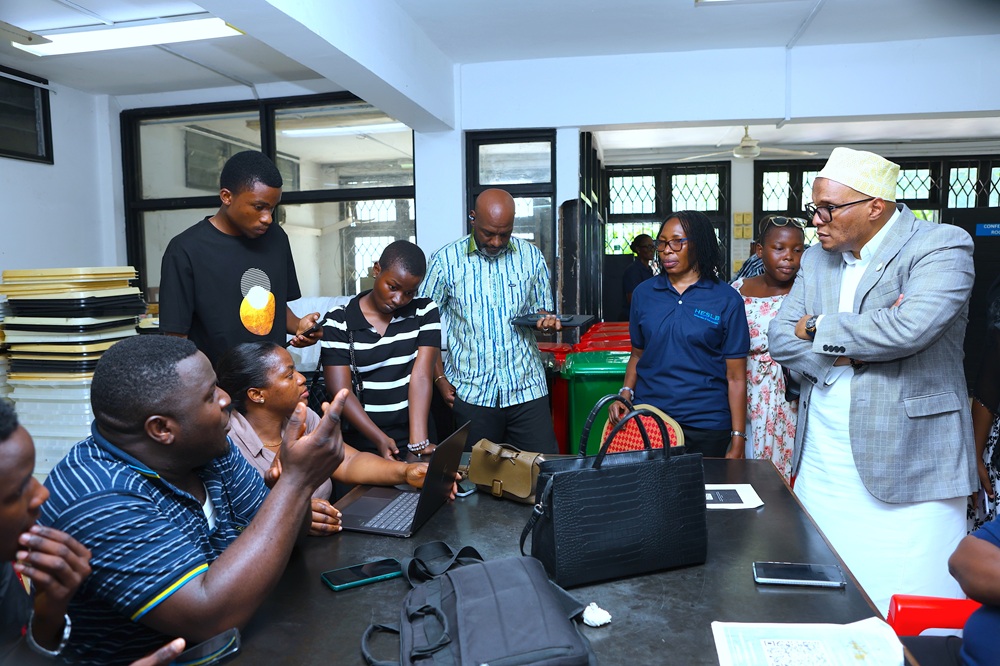
The commitment emerged during a courtesy visit by HESLB Executive Director, Dr. Bill Kiwia, to UDSM on 23 October 2026. He met with the University’s leadership, represented by the Deputy Vice-Chancellor for Planning, Finance and Administration, Prof. Bernadeta Killian.
The engagement brought together the two institutions to discuss ways of improving coordination, addressing challenges encountered by loan beneficiaries and strengthening digital systems to make student financing services more efficient and responsive.
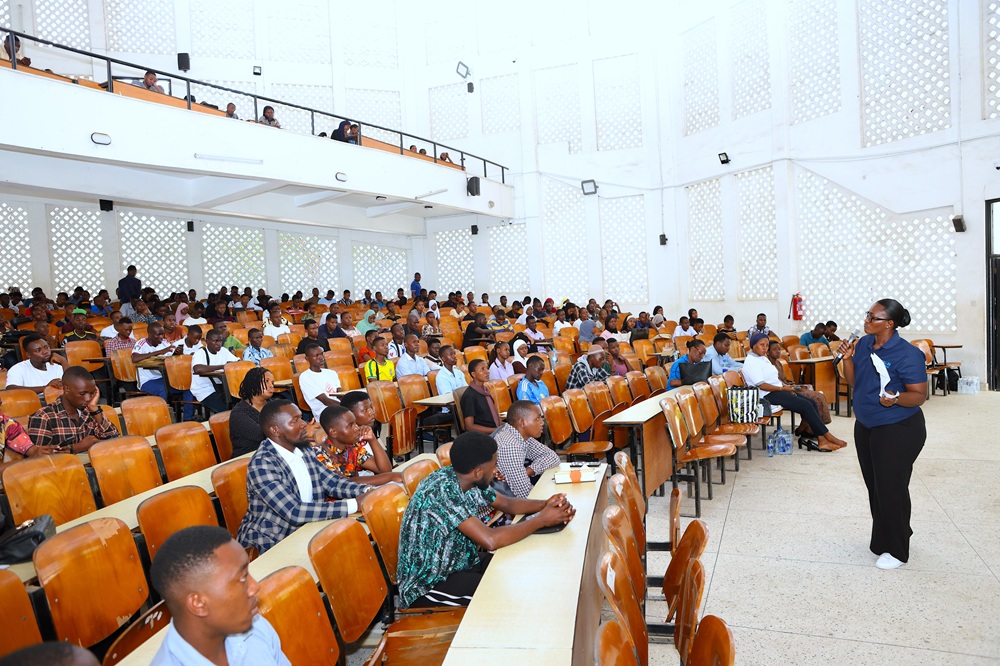
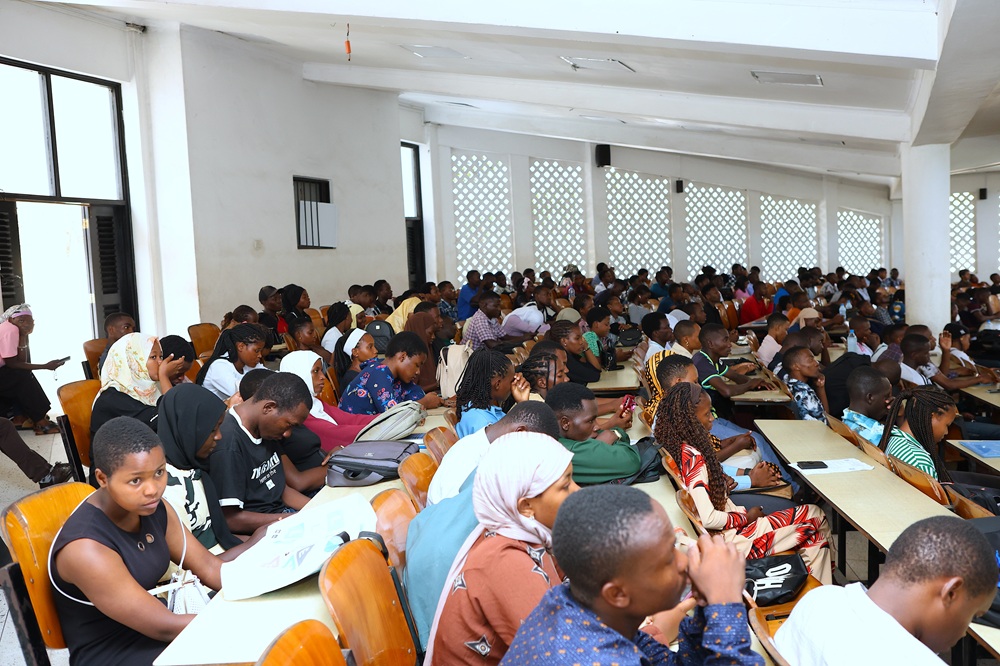
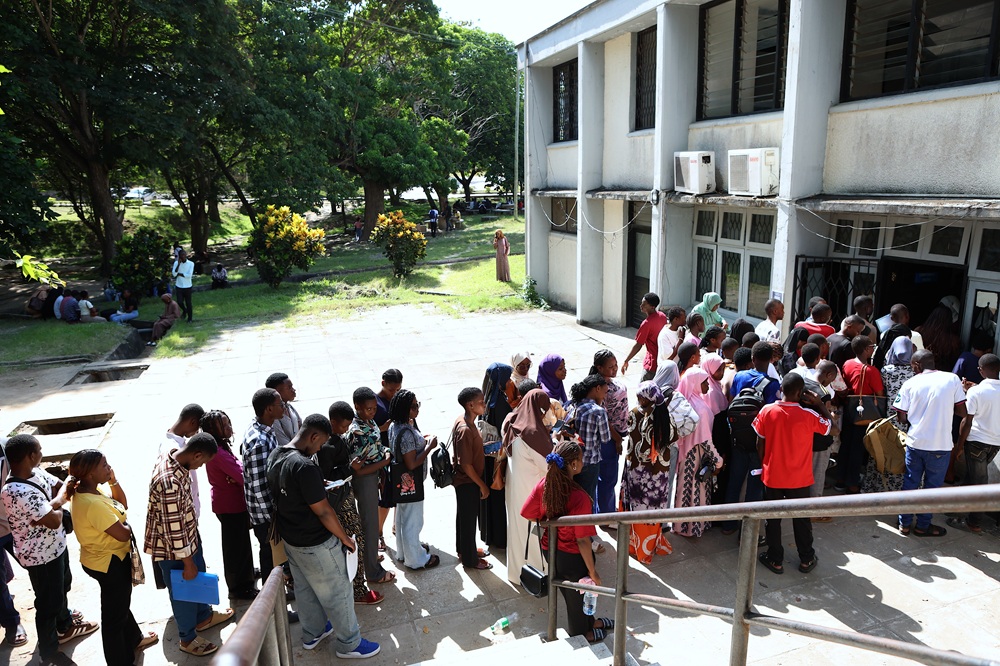
A key highlight of the visit was an engagement with 1,668 students, who received guidance on higher education loan administration, digital disbursement procedures and repayment obligations.
Speaking during the meeting, Dr. Kiwia emphasised the importance of close cooperation between HESLB and higher education institutions in improving the delivery of student loan services.
“Through stronger cooperation with higher education institutions, we can improve the efficiency of loan processing and make better use of technology to ensure that students receive the services they need in a timely manner,” Dr. Kiwia said.
He underscored the need to improve communication with students and ensure that beneficiaries understand the procedures they must follow to facilitate the disbursement of their approved loan funds.
The discussions highlighted the importance of accurate information, timely completion of administrative requirements and effective coordination between HESLB and universities in reducing avoidable delays.
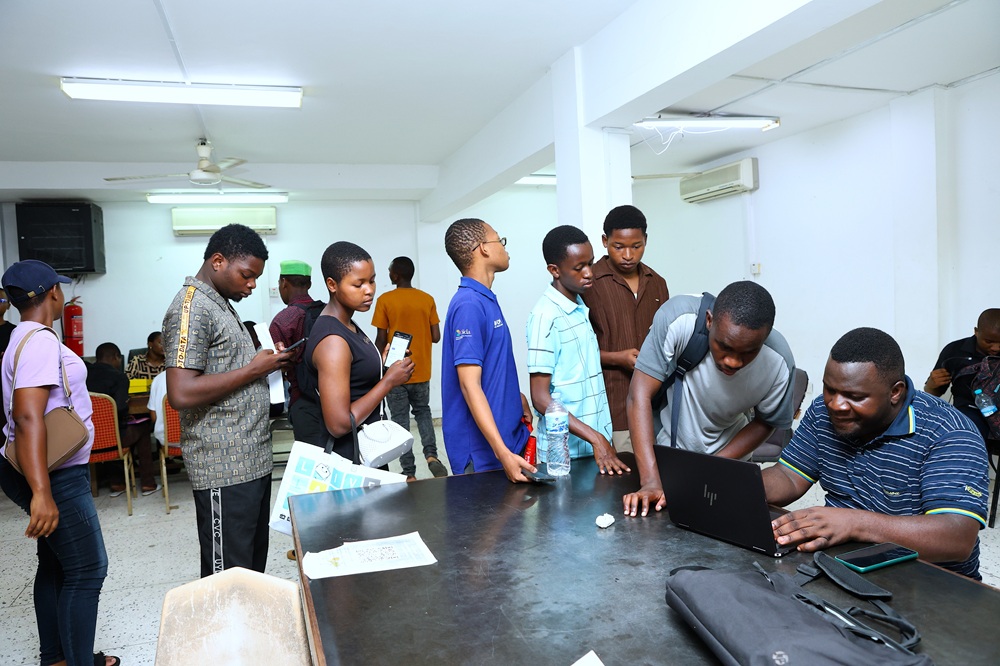
During the visit, Dr. Kiwia also engaged with students on the registration process for HESLB’s Digital Disbursement Solution (DiDiS), guiding them on the importance of completing the necessary procedures correctly.
DiDiS enables loan beneficiaries to electronically acknowledge receipt of funds allocated for approved loan items. Completing the required registration and acknowledgement procedures is therefore an important step in the digital administration of student loan disbursements.
Although digital platforms offer opportunities to improve efficiency and accountability, their effectiveness also depends on students understanding how to use them and having access to appropriate guidance when challenges arise.
The engagement with 1,668 students extended the visit beyond institutional discussions to address practical issues affecting loan beneficiaries.
Students received education on various aspects of higher education loan administration, including procedures for accessing disbursed funds and their responsibilities in managing and repaying loans.
Such awareness is important because students who understand the requirements governing their loans are better positioned to complete administrative processes correctly, seek assistance when necessary and manage their obligations throughout their academic journey.
For beneficiaries who rely on loans to finance their studies, delays or difficulties in navigating administrative systems can create uncertainty. Clear communication and accessible support from both HESLB and higher education institutions are therefore essential to helping students understand the processes involved.
The engagement also reinforced the importance of ensuring that students have accurate information about digital loan services, rather than relying on incomplete guidance or assumptions when completing the required procedures.
UDSM reaffirms commitment to students’ welfare
Representing UDSM, Prof. Killian underscored the importance of the partnership in addressing issues affecting students’ welfare and academic progress.
“UDSM values its partnership with HESLB and remains committed to working together to improve services that support students’ access to and progress in higher education,” Prof. Killian said.
She emphasised that effective coordination between universities and institutions responsible for student financing is essential to supporting beneficiaries throughout their studies.
Regular communication, coordinated administrative processes and appropriate student guidance can help address challenges associated with loan procedures and improve access to the services intended to support higher education.
The engagement also highlighted the shared responsibility of institutions and students in ensuring effective loan administration. While HESLB and universities need to maintain clear communication and responsive support systems, students must provide accurate information and complete the required registration and acknowledgement procedures within the stipulated processes.
The meeting reflects the importance of collaboration between higher education institutions and student financing agencies in improving the experience of loan beneficiaries.
For UDSM, cooperation with HESLB forms part of the wider effort to support students’ welfare and academic progress by strengthening the administrative processes that underpin access to higher education financing.
The two institutions remain committed to improving service delivery, enhancing communication and making effective use of digital systems in student loan administration.
Ultimately, the success of these efforts will depend not only on stronger institutional coordination and improved technology, but also on ensuring that students understand the processes, receive timely guidance and can navigate the systems designed to support their education.